Loading subject page…

- Social Psychology
- The Self and Self Concept
- Introspection
Micro-course: The Self and Self-Concept
1,786 views
Learn key concepts and earn your certificate.


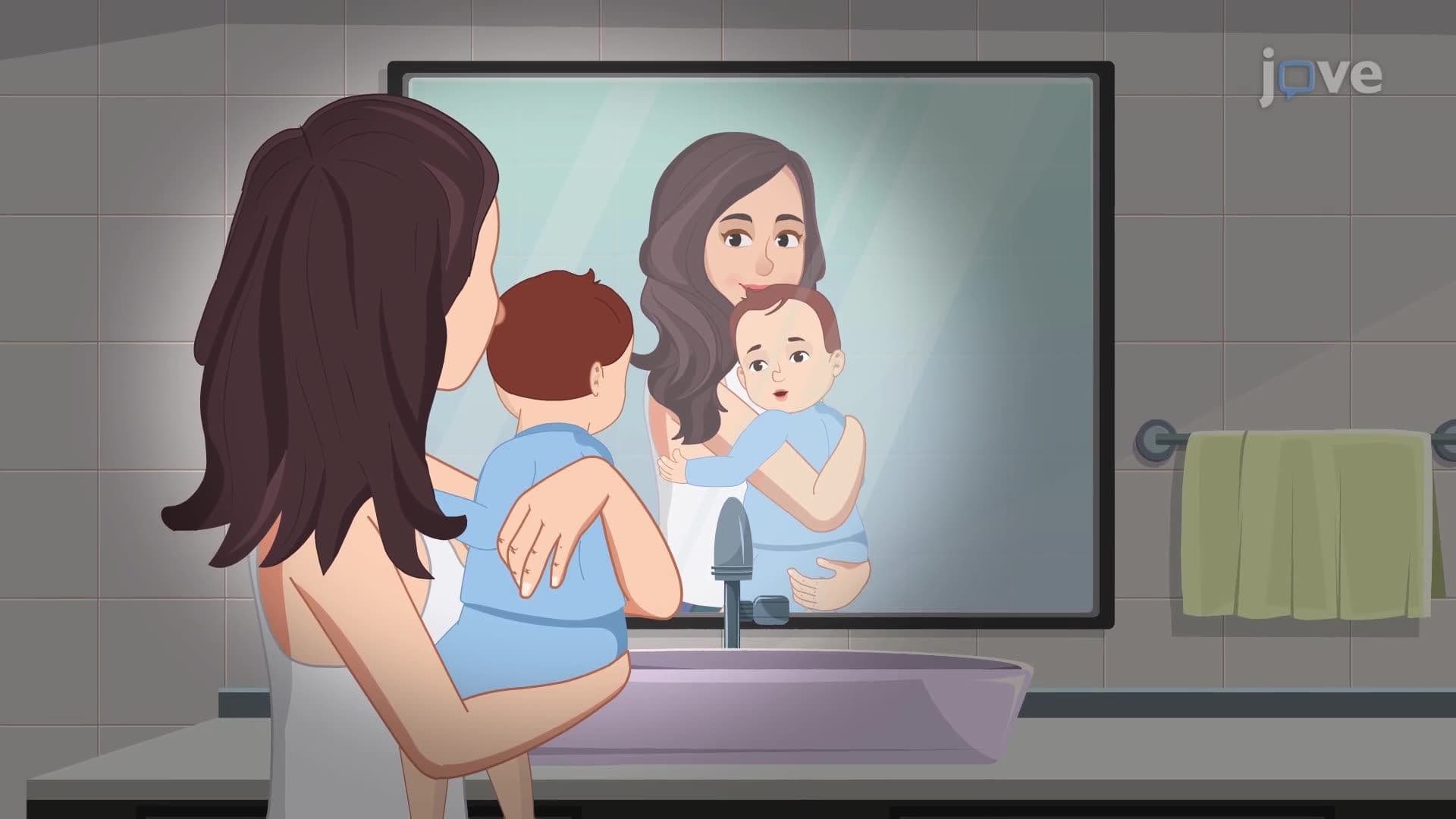









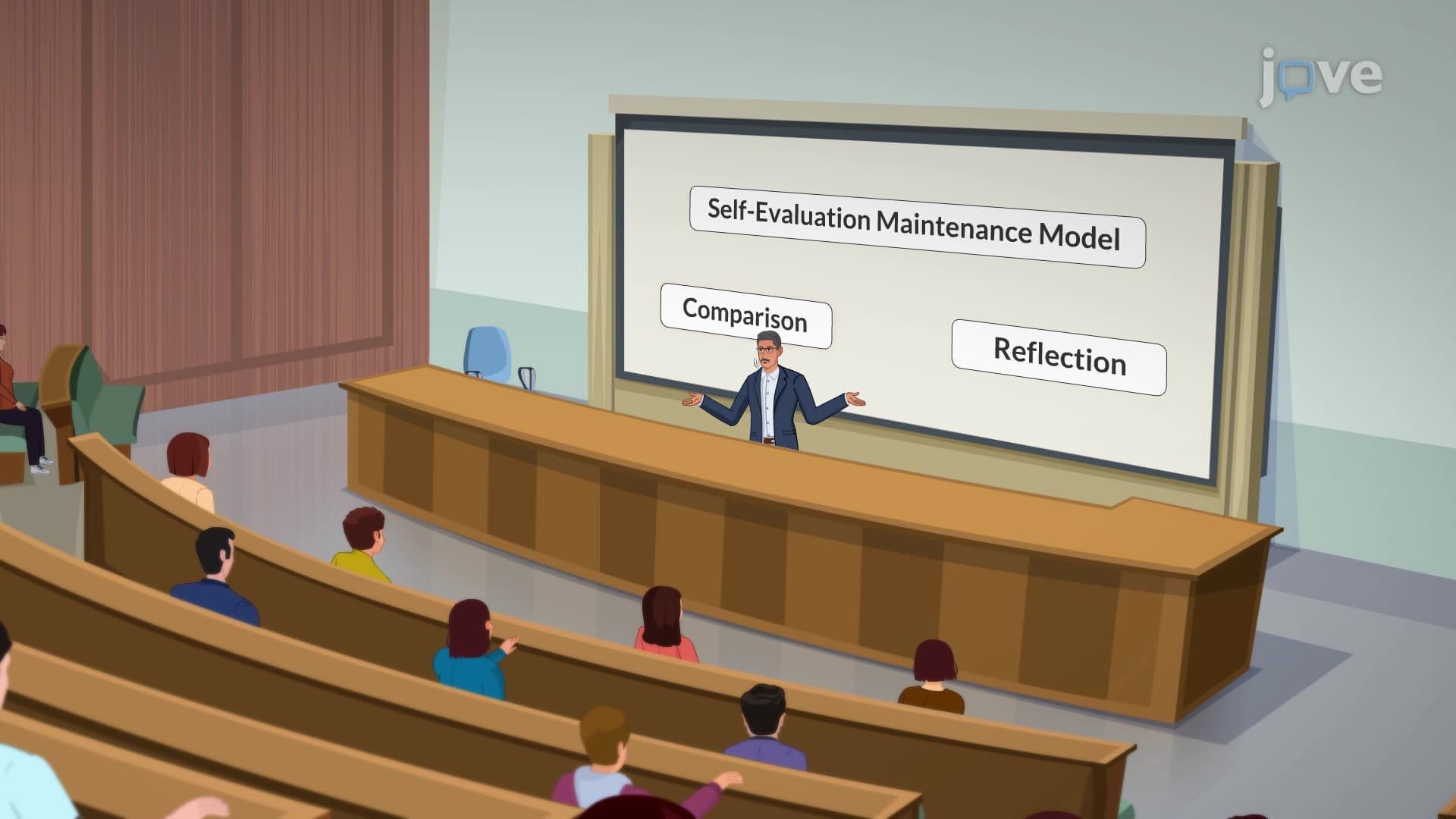
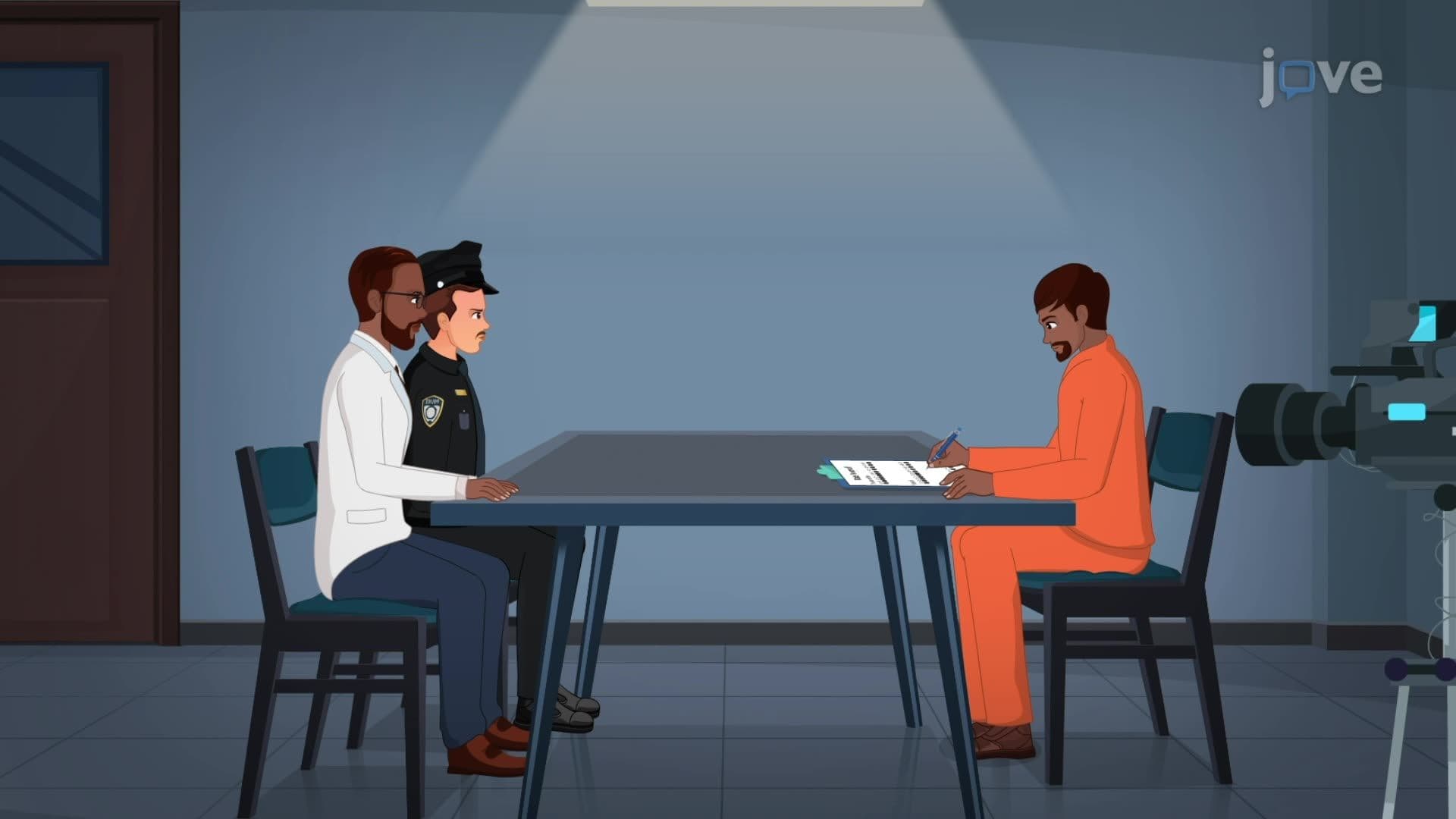








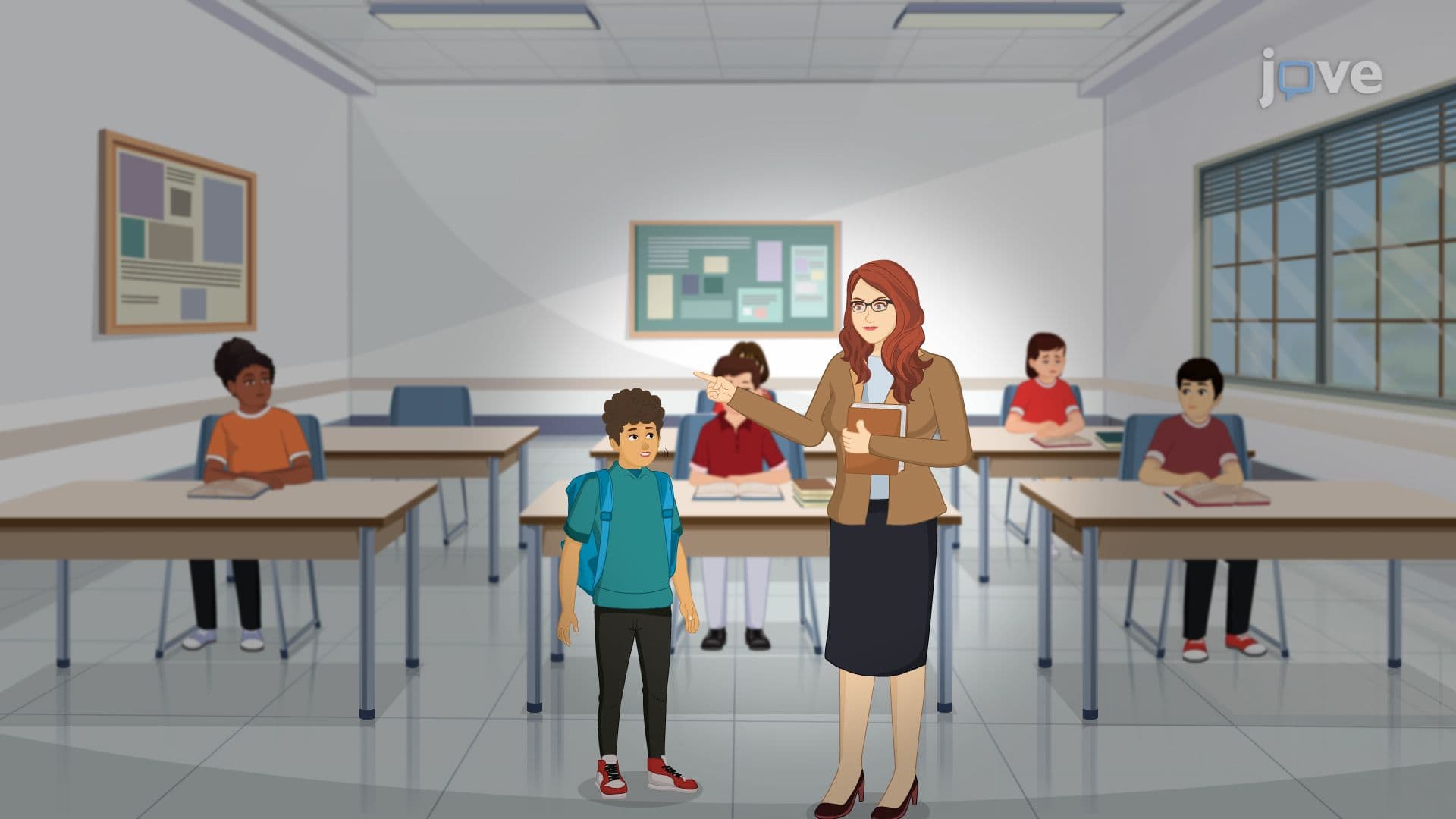
Introspection


00:00
01:29
Video Summary: What Is Introspection
Ever wonder why you thought you'd be devastated about not getting into Stanford, but bounced back faster than expected? Introspection, the process of examining your own thoughts and feelings, seems straightforward, yet psychological research reveals it's surprisingly unreliable. Students preparing for college admissions often misjudge their future emotional responses to acceptance or rejection letters. What is introspection, and why does our self-reflection sometimes lead us astray? Watch the full video on JoVE Coach to master this concept with expert-led visuals and step-by-step explanations.
- Understand what is introspection and its role in self-knowledge acquisition through internal reflection
- Identify the limitations of introspective processes, including unreliability in accessing true causes of behavior
- Analyze self-enhancement bias and how individuals systematically overestimate their positive traits and abilities
- Recognize affective forecasting errors in predicting future emotional responses to significant life events
- Evaluate impact bias and why people overestimate the intensity and duration of emotional reactions
- Compare stated attitudes with actual behaviors and understand when deep reflection disrupts natural alignment
- Apply knowledge of introspective limitations to improve self-awareness and decision-making processes
- Explore coping mechanisms and how they influence our ability to adapt to challenging circumstances
Understanding What is Introspection: The Foundation of Self-Knowledge
Introspection represents humanity's fundamental attempt to understand the self through deliberate self-examination. This psychological process involves turning our attention inward to analyze thoughts, emotions, motivations, and behaviors. While the introspection definition appears straightforward, simply looking within ourselves, the reality proves far more complex than intuitive wisdom suggests.
When exploring what is introspection in detail, we discover it encompasses both automatic self-awareness and deliberate self-reflection. Students encounter this concept across multiple disciplines, from AP Psychology courses examining consciousness to college philosophy classes exploring self-knowledge. The introspection concept bridges cognitive psychology, social psychology, and behavioral economics.
The Reliability Problem: When Self-Knowledge Fails
Research challenges our confidence in introspective accuracy. Studies demonstrate that people's stated attitudes typically align with their behaviors, until they engage in deep reflection, which paradoxically disrupts this natural alignment. Consider a Harvard University study where students who analyzed their relationship feelings before rating satisfaction showed less accurate predictions of relationship longevity compared to those who relied on intuitive responses.
This introspection overview reveals a crucial limitation: our minds constantly process enormous amounts of information, making it difficult to identify the true causes of our emotions and behaviors. For MCAT preparation, understanding these cognitive limitations proves essential when studying decision-making processes and patient psychology.
Self-Enhancement and Overconfidence Patterns
The introspection basics include recognizing systematic biases in self-evaluation. Self-enhancement research shows people consistently overrate their abilities, success chances, and positive qualities. Lake Wobegon Effect research demonstrates that 90% of drivers consider themselves above-average, a statistical impossibility that illustrates this bias.
College admissions provide practical examples: students often overestimate their acceptance chances at competitive universities, sometimes leading to inadequate backup planning. This understanding introspection helps explain why guidance counselors emphasize realistic self-assessment during the application process.
Affective Forecasting and Impact Bias
Affective forecasting, predicting future emotional responses, represents another area where introspection fails. Students might assume failing an AP exam would devastate them for months, yet research shows people typically adapt faster than anticipated. Impact bias occurs when we overestimate both intensity and duration of emotional reactions, partly because we underestimate our coping mechanisms and focus too narrowly on single events while ignoring life's broader context.
Frequently Asked Questions
Introspection is the psychological process of examining your own thoughts, feelings, and mental states to gain self-knowledge. It involves deliberate self-reflection and internal observation, though research shows it's often less reliable than we assume. Psychologists study introspection to understand consciousness, self-awareness, and the accuracy of self-reported experiences.
AP Psychology defines introspection as the examination of one's own conscious thoughts and feelings for self-understanding. Exam questions often focus on its historical role in early psychology and its limitations in providing accurate self-knowledge. Students should understand both Wilhelm Wundt's early use of introspection and modern research showing its unreliability.
MCAT questions test introspection within broader psychological concepts like self-concept, consciousness, and cognitive biases. Expect passages about self-enhancement bias, affective forecasting errors, or studies comparing introspective reports with behavioral measures. Understanding introspection's limitations helps answer questions about research methodology and self-reported data validity.
Yes, introductory psychology courses frequently examine introspection in consciousness, social psychology, and research methods units. Midterm questions often ask students to evaluate introspection's reliability, compare it with objective behavioral measures, or analyze studies demonstrating self-enhancement bias and affective forecasting errors.
Students often rely on introspection when selecting majors, but research suggests we're poor at predicting what will make us happy long-term. Career counselors now emphasize trying experiences rather than just self-reflection. Understanding introspection's limitations helps students make more informed academic and career decisions by combining self-analysis with external feedback and real-world experimentation.
Not at all, introspection connects to everyday experiences like self-reflection and decision-making that teenagers know well. The concept becomes clearer when linked to familiar situations like predicting happiness after getting or missing a desired grade. Starting with personal examples makes the psychological research more accessible and meaningful.
Focus on the contrast between intuitive beliefs about self-knowledge and research findings showing introspection's limitations. Create examples of self-enhancement bias, affective forecasting errors, and impact bias from your own life. Practice explaining why deep reflection sometimes disrupts the attitude-behavior relationship, and memorize key research findings about overconfidence and emotional prediction accuracy.
Explore self-concept, self-esteem, and identity formation in social psychology. Study cognitive biases like confirmation bias and availability heuristic in cognitive psychology. Examine consciousness, metacognition, and theory of mind in developmental psychology. These concepts build naturally on introspection foundations and appear frequently together on comprehensive psychology exams.
Related Micro-courses