Loading subject page…

- Social Psychology
- The Self and Self Concept
- Managing Impressions
Micro-course: The Self and Self-Concept
1,786 views
Learn key concepts and earn your certificate.





















Managing Impressions


00:00
01:19
Video Summary: What Is Managing Impressions
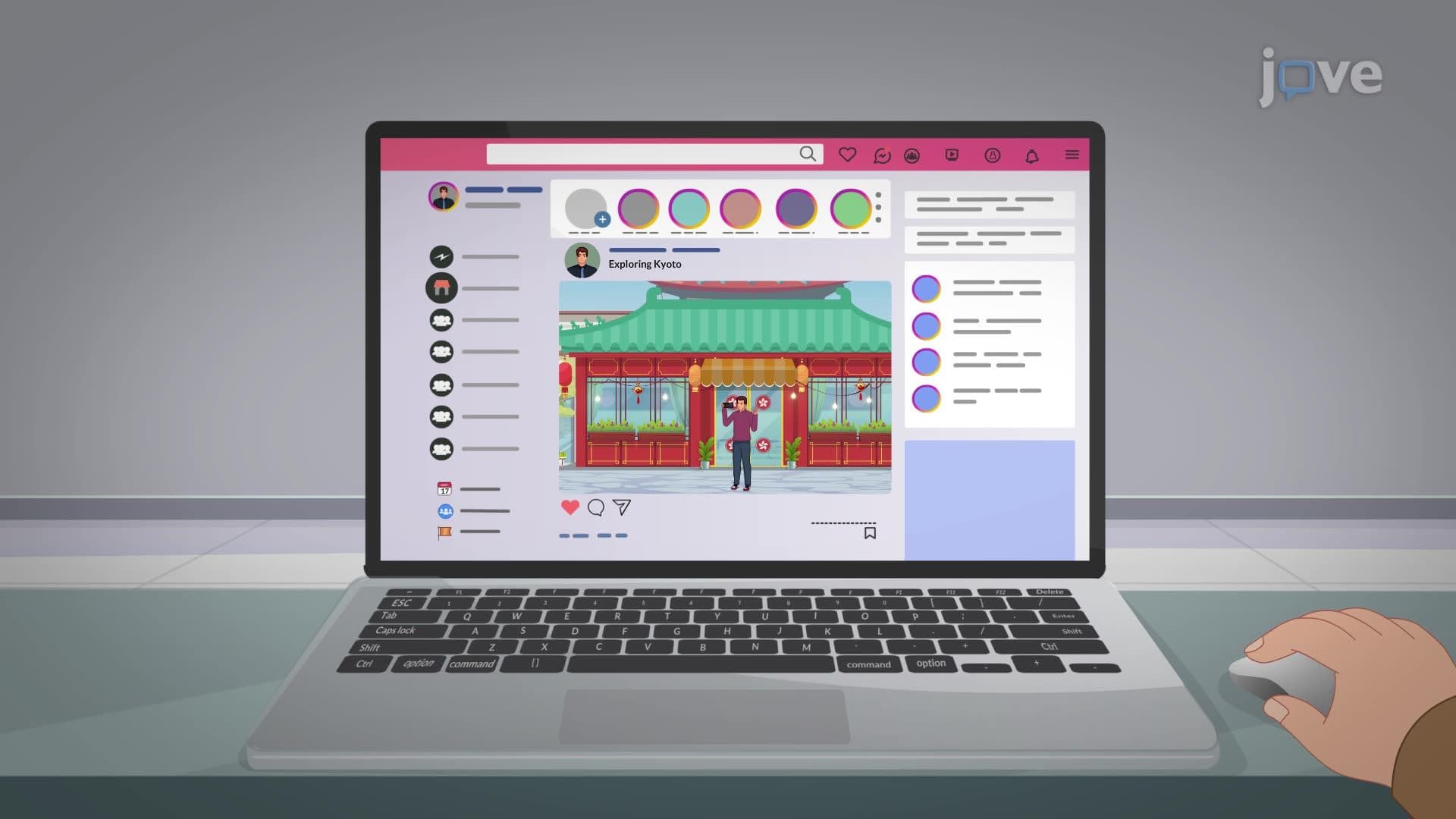
Why do politicians smile constantly during debates, even when discussing serious issues? Managing impressions drives this behavior-the strategic process of controlling how others perceive us through careful presentation of information and emotional expression. Consider how a McDonald's employee maintains a friendly demeanor even with difficult customers, demonstrating professional impression management in action. What is Managing Impressions reveals the psychological mechanisms behind our daily social performances. Watch the full video on JoVE Coach to master this concept with expert-led visuals and step-by-step explanations.
- Understand What is Managing Impressions as a fundamental psychological concept governing social interactions and professional relationships
- Identify the five primary strategies of impression management: ingratiation, intimidation, self-promotion, exemplification, and supplication
- Analyze how emotional regulation serves as a critical component of successful impression management across different social contexts
- Compare appropriate versus inappropriate emotional expressions in various professional settings like healthcare, education, and customer service
- Evaluate the consequences of failed impression management on personal and professional relationships
- Apply impression management principles to real-world scenarios including job interviews, academic presentations, and social situations
- Recognize the role of context in determining which impression management strategies are most effective
- Explore the psychological motivations behind why individuals engage in impression management behaviors
Understanding What is Managing Impressions in Psychology
Managing impressions represents a cornerstone concept in social psychology, describing how individuals consciously shape others' perceptions through strategic self-presentation. This psychological process involves carefully selecting which aspects of ourselves to reveal or conceal based on our desired outcomes and the social context we're navigating.
The Five Core Strategies of Managing Impressions
Research identifies five distinct approaches people use when managing impressions. Ingratiation involves behaviors designed to make others like us-think of a student complimenting a teacher's lesson to build rapport. Intimidation uses displays of power or aggression to instill fear, as seen when a football coach yells at players to establish authority. Self-promotion showcases our competencies and achievements, like highlighting SAT scores on college applications. Exemplification demonstrates moral superiority or dedication, such as a nurse working extra shifts to appear committed. Finally, supplication evokes sympathy by appearing helpless or needy, like a student explaining personal struggles to request deadline extensions.
Emotional Regulation as Impression Management
Professional settings demand careful emotional control to maintain appropriate impressions. A Starbucks barista must remain pleasant despite rude customers, while an ER nurse needs to project calm during medical emergencies. This emotional labor-the effort required to display organizationally appropriate emotions-is crucial for career success. Students preparing for the MCAT or nursing school entrance exams should understand how healthcare professionals manage emotional expression to maintain patient trust and professional credibility.
Real-World Applications and Academic Relevance
Managing impressions appears frequently on AP Psychology exams, particularly in social psychology units. Students encounter questions about self-presentation strategies and their effectiveness in different contexts. College psychology courses explore impression management through Erving Goffman's dramaturgical approach, which compares social interaction to theatrical performance. Understanding these concepts proves valuable for pre-med students, as physician-patient relationships heavily depend on doctors' ability to project competence while showing empathy.
The concept also applies beyond healthcare-business students learn impression management for networking events and job interviews, while education majors study how teachers use self-presentation to establish classroom authority. Recognizing impression management helps students decode social situations and develop more effective interpersonal skills for academic and professional success.
Frequently Asked Questions
Managing impressions is the process of controlling how others see you by carefully choosing what information to share and how to behave in different situations. It's like being an actor who adjusts their performance based on the audience and setting. Everyone does this naturally-from dressing professionally for job interviews to being more polite around parents than friends.
AP Psychology tests frequently include managing impressions questions in the social psychology unit, typically worth 3-7% of the exam. Students encounter multiple-choice questions about the five impression management strategies and free-response questions asking them to identify examples in scenarios. The College Board often connects this concept to conformity, social roles, and self-concept topics.
Yes, managing impressions is crucial for MCAT success in the Psychology and Sociology section. The exam tests your ability to apply impression management concepts to healthcare scenarios, such as how doctors build patient trust or how cultural differences affect self-presentation. This knowledge directly connects to medical school communication skills training.
College students constantly engage in impression management-from choosing outfits for sorority rush to adjusting speaking styles during professor office hours versus dorm conversations. Successful students learn to present academic seriousness in class while showing social skills in extracurricular activities. These same skills transfer to internship interviews and graduate school applications.
Not at all-high school students already practice impression management daily without realizing it. The concept simply gives a name to behaviors like acting differently around parents versus friends or preparing carefully for college interviews. Once students recognize these patterns, the psychological theory becomes intuitive and applicable to their own experiences.
Create flashcards for the five strategies with real-world examples, then practice identifying which strategy applies to different scenarios. Use mnemonics like "I'm Super Excited!" for Ingratiation, Self-promotion, Exemplification to remember the strategies. Focus on healthcare, workplace, and academic examples since these appear most frequently on standardized tests.
Managing impressions links closely to social identity theory, conformity, and cognitive dissonance. Students who master impression management often find it easier to understand how people balance authentic self-expression with social expectations. This foundation supports learning about group dynamics, prejudice, and interpersonal attraction in advanced psychology courses.
Build on impression management by exploring social roles theory, dramaturgical analysis, and nonverbal communication. These concepts deepen your understanding of how people navigate social expectations. For pre-health students, consider studying therapeutic communication and cultural competency, which apply impression management principles to patient care.
Related Micro-courses