Loading subject page…


1,786 views


Video Summary: What Is the Looking Glass Self
Ever wonder why teenagers spend hours perfecting their social media posts or why you feel nervous before giving a class presentation? The looking glass self explains how we see ourselves through the imagined eyes of others, like checking our reflection in a mirror. Charles Cooley's groundbreaking theory reveals that American high school students often overestimate how positively their peers view them, leading to inflated self-confidence in social situations. This psychological concept shapes everything from classroom behavior to career choices throughout our lives. Watch the full video on JoVE Coach to master this concept with expert-led visuals and step-by-step explanations.
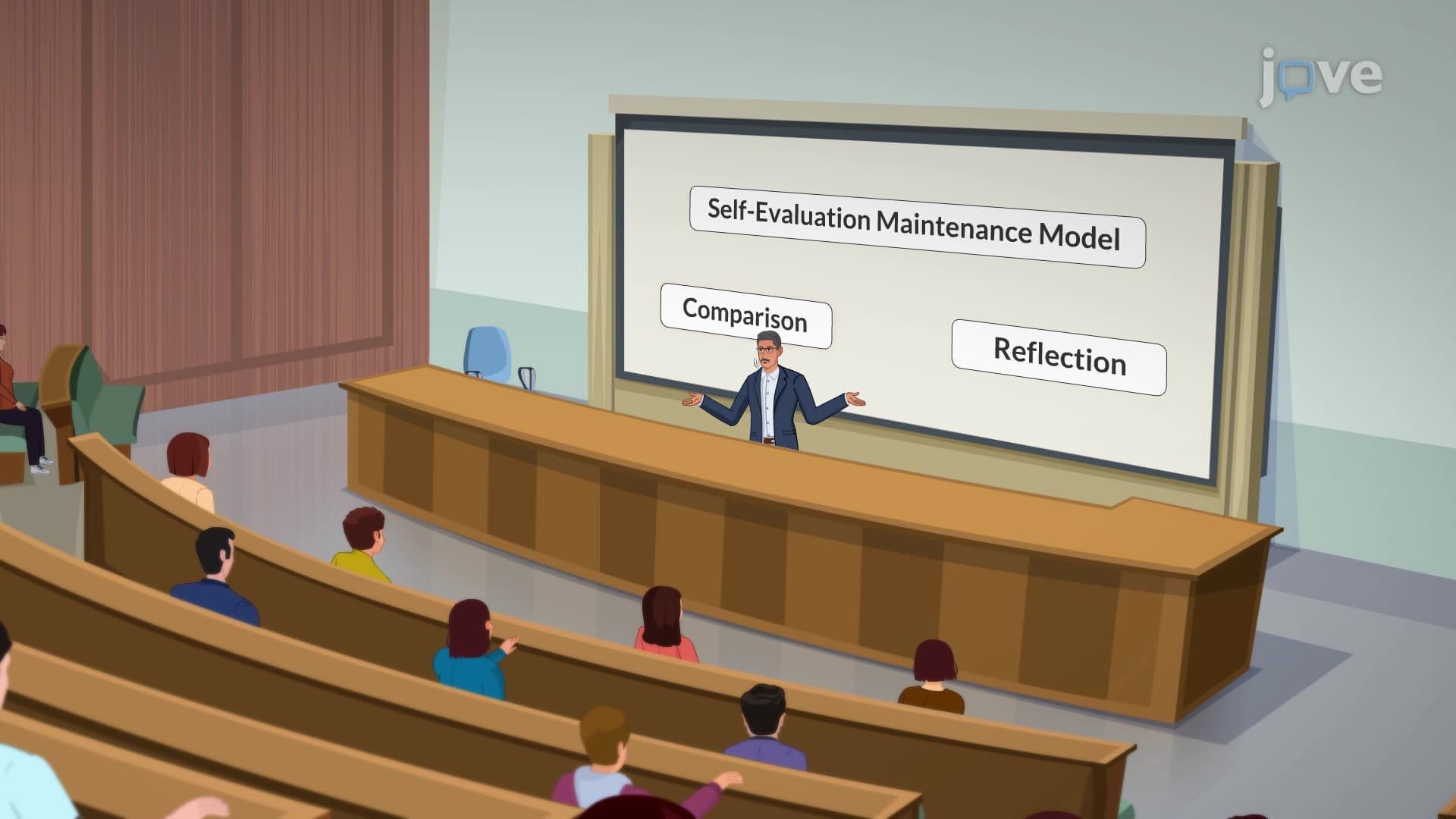
The looking glass self represents one of sociology's most influential theories about how we develop our sense of identity. Charles Horton Cooley, an American sociologist, introduced this concept in 1902 to explain how our self-perception forms through social interaction. Unlike a physical mirror that shows our appearance, the "looking glass" reflects how we believe others see us emotionally and socially.
This theory proves essential for AP Psychology students and those taking college-level sociology courses, as it bridges individual psychology with social dynamics. The concept frequently appears on standardized tests like the AP Psychology exam and college midterms, making it crucial for academic success.
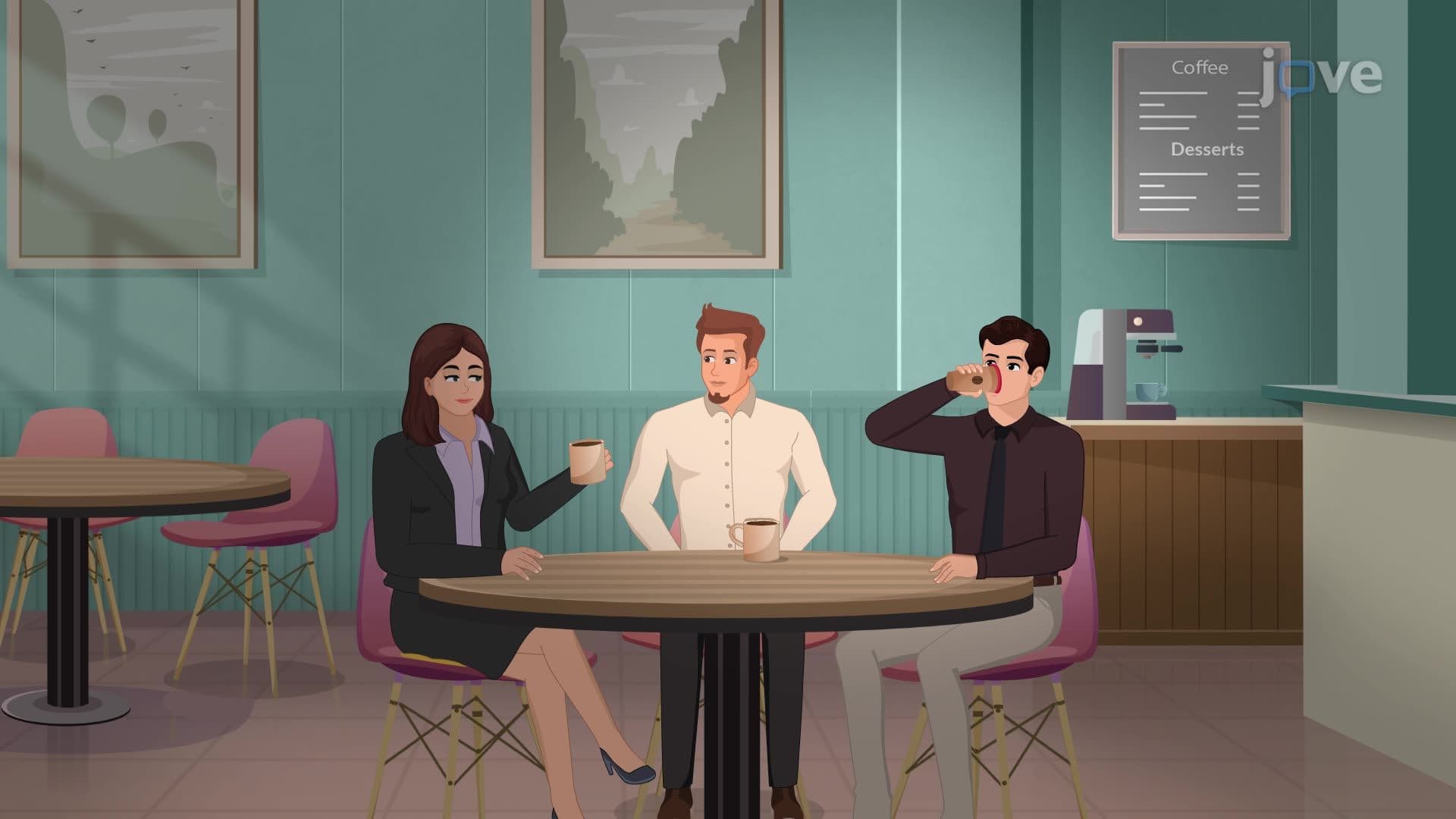
The looking glass self operates through three distinct stages that occur almost simultaneously in social situations. First, we imagine how we appear to others-whether that's during a job interview, classroom discussion, or social gathering. Second, we interpret what we believe others think about our appearance, behavior, or performance. Finally, we experience emotional reactions based on these perceived judgments, feeling pride, shame, confidence, or embarrassment.
Consider a college freshman giving their first presentation. They imagine their classmates noticing their nervous voice, interpret this as negative judgment, and feel embarrassed-even though their peers might actually admire their courage to speak publicly.
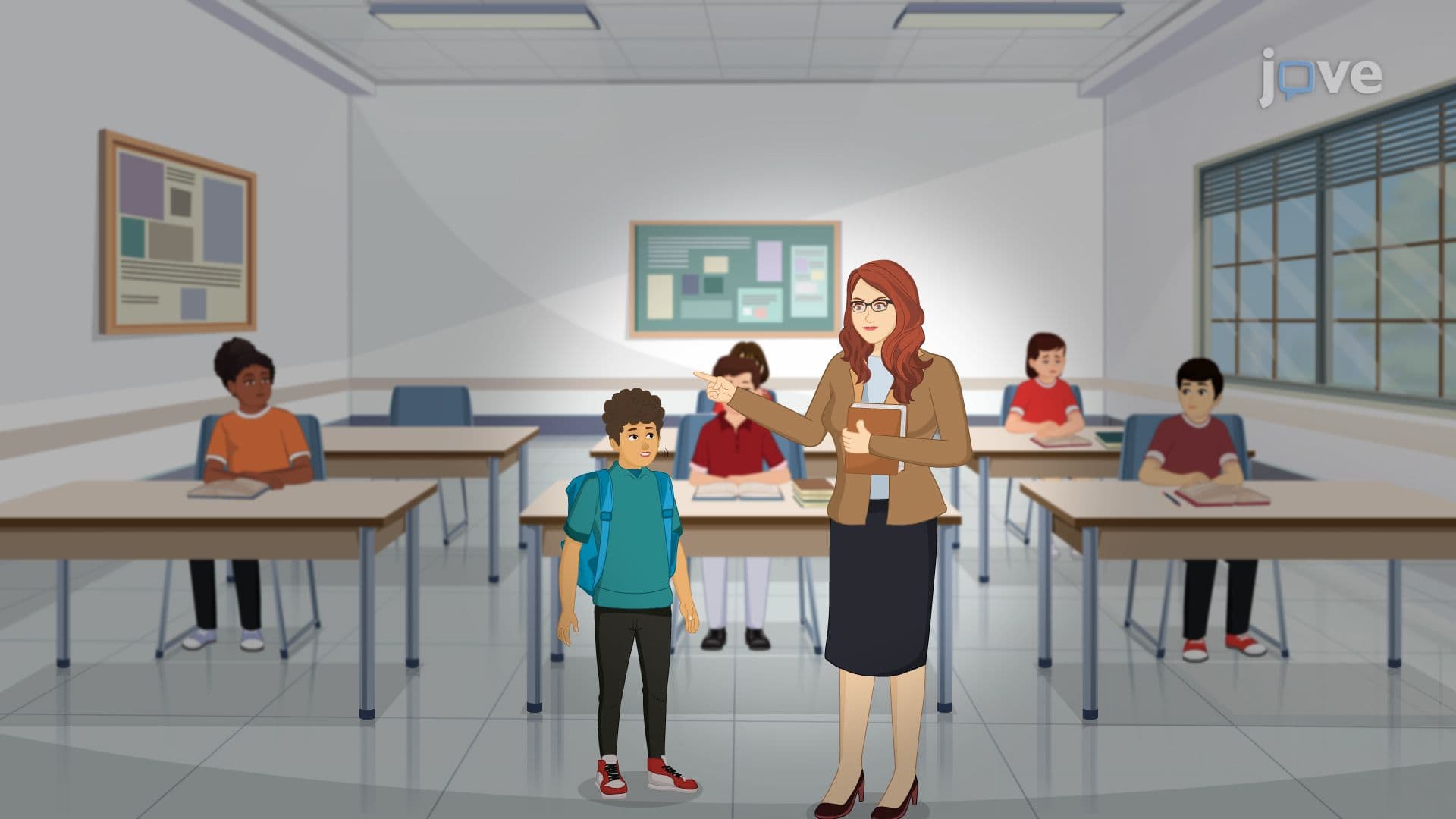
The sources of our "looking glass" change throughout development, creating different impacts at various life stages. During childhood, parents and family members serve as the primary mirrors, shaping fundamental self-concepts. American elementary students typically seek approval from teachers and parents above peers.
However, adolescence marks a dramatic shift toward peer influence. High school students increasingly define themselves through friendships, romantic relationships, and social media interactions. Research shows that teenagers' self-esteem often fluctuates based on perceived peer approval, making this developmental stage particularly vulnerable to social pressures.
One fascinating aspect of the looking glass self involves systematic overestimation of others' positive opinions. Americans tend to believe others view them more favorably than reality suggests, creating what psychologists call the "better-than-average effect." This bias appears prominently in academic settings, where students often overestimate their test performance or classroom contributions.
Social media amplifies these effects dramatically. Instagram likes, Facebook comments, and TikTok views become modern "looking glasses," creating feedback loops that shape self-perception in unprecedented ways. Understanding this connection helps explain contemporary issues like social media addiction and cyberbullying's psychological impact.
Related Micro-courses