Loading video…

 15 Concepts
 2.3K views


Video Summary: Impact of Groups on Individuals Explained
Ever wonder why American teenagers suddenly start wearing the same sneaker brands as their friends, or why workplace cultures can completely transform how professional adults behave? The impact of groups on individuals demonstrates how our social environments fundamentally shape our thoughts, behaviors, and identities through powerful psychological mechanisms. From high school cliques influencing fashion choices to corporate teams establishing unwritten rules about communication styles, group dynamics continuously mold individual behavior in ways we often don't consciously recognize. Watch the full video on JoVE Coach to master this concept with expert-led visuals and step-by-step explanations.
The impact of groups on individuals represents one of social psychology's most fundamental concepts, explaining how our membership in various social groups-from families and friend circles to professional organizations and sports teams-continuously shapes our behavior, attitudes, and sense of self. This phenomenon operates through multiple psychological mechanisms that work both consciously and unconsciously to align individual behavior with group expectations.
Group influence operates primarily through three interconnected mechanisms. Social norms establish both explicit rules (like dress codes in corporate America) and implicit expectations (such as contributing to office birthday celebrations). These norms create behavioral templates that members follow to maintain group acceptance and avoid social sanctions.
Conformity pressure represents another powerful mechanism, where individuals modify their behavior to match group standards even when personal preferences differ. Classic research by Solomon Asch demonstrated how American college students would give obviously incorrect answers to simple questions when surrounded by confederates providing wrong responses. This same principle explains why high school students might adopt their peer group's musical tastes or political views.
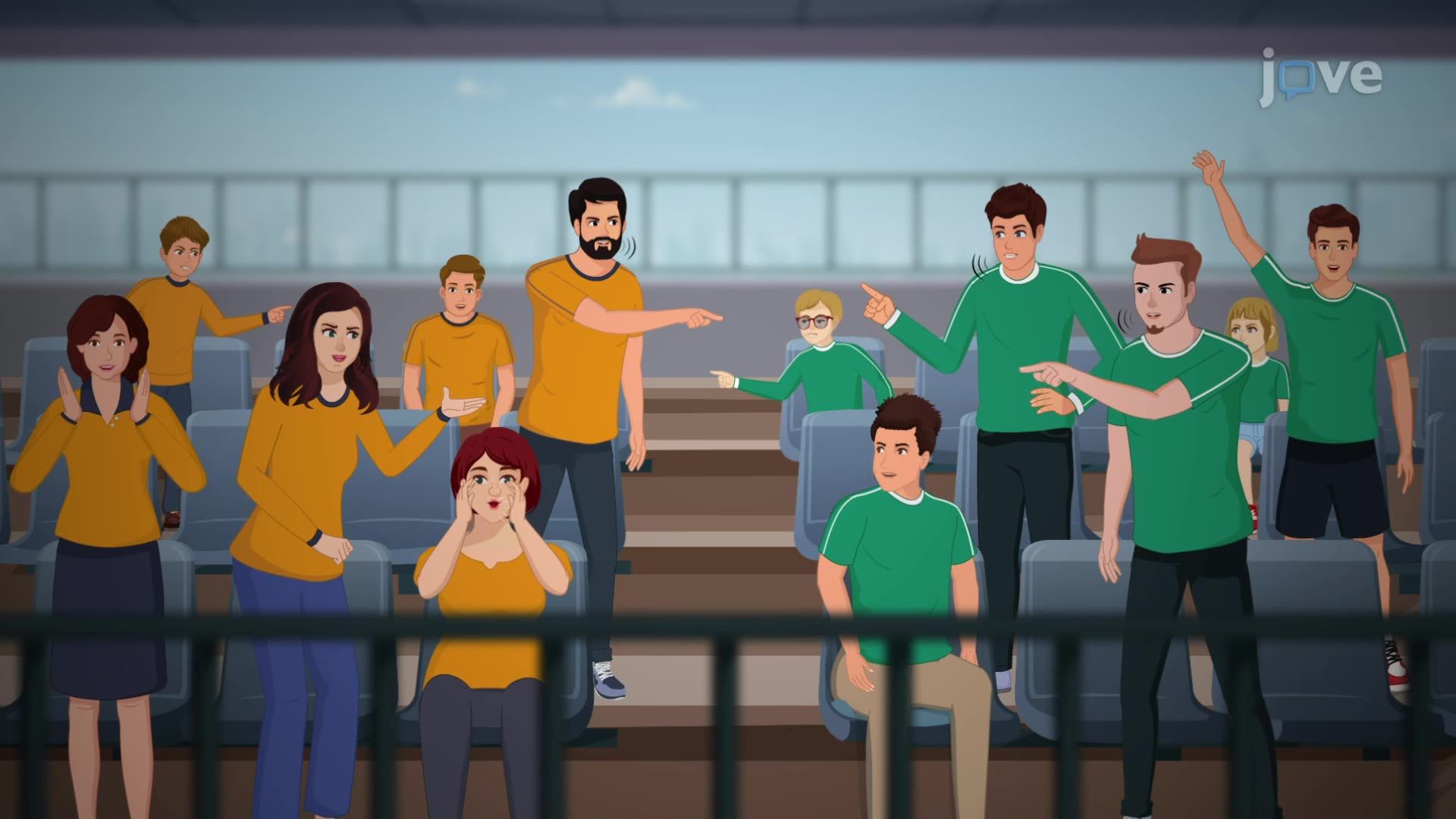
Social identity formation occurs as individuals begin defining themselves through group memberships, leading to in-group favoritism and out-group bias. American sports culture provides clear examples-Boston Red Sox fans develop intense loyalty while viewing New York Yankees supporters as rivals, demonstrating how group membership shapes both positive identification and negative attitudes toward outsiders.
Groups shape individuals through socialization processes that transmit cultural knowledge, values, and behavioral expectations across generations. American families socialize children into gender roles through toy choices, household responsibilities, and behavioral expectations that reflect broader cultural norms. Educational institutions continue this process, teaching not only academic content but also social skills, civic values, and professional behaviors essential for functioning in American society.
Workplace socialization represents a particularly powerful example relevant to college students preparing for careers. New employees in American corporations quickly learn unwritten rules about communication styles, work-life balance expectations, and professional networking behaviors that can significantly impact career advancement.
Understanding group influence proves essential for success on standardized exams like the AP Psychology test, where students must analyze scenarios involving conformity, social norms, and group dynamics. College courses in sociology, psychology, and business frequently examine these concepts through case studies of American organizations, political movements, and cultural phenomena.
Professional applications include organizational behavior analysis, marketing strategy development, and educational program design-all fields where understanding how groups shape individual behavior provides crucial insights for effective practice.
Related Micro-courses