Loading video…

 15 Concepts
 2.3K views

Video Summary: Causes of Social Behavior Ii Explained
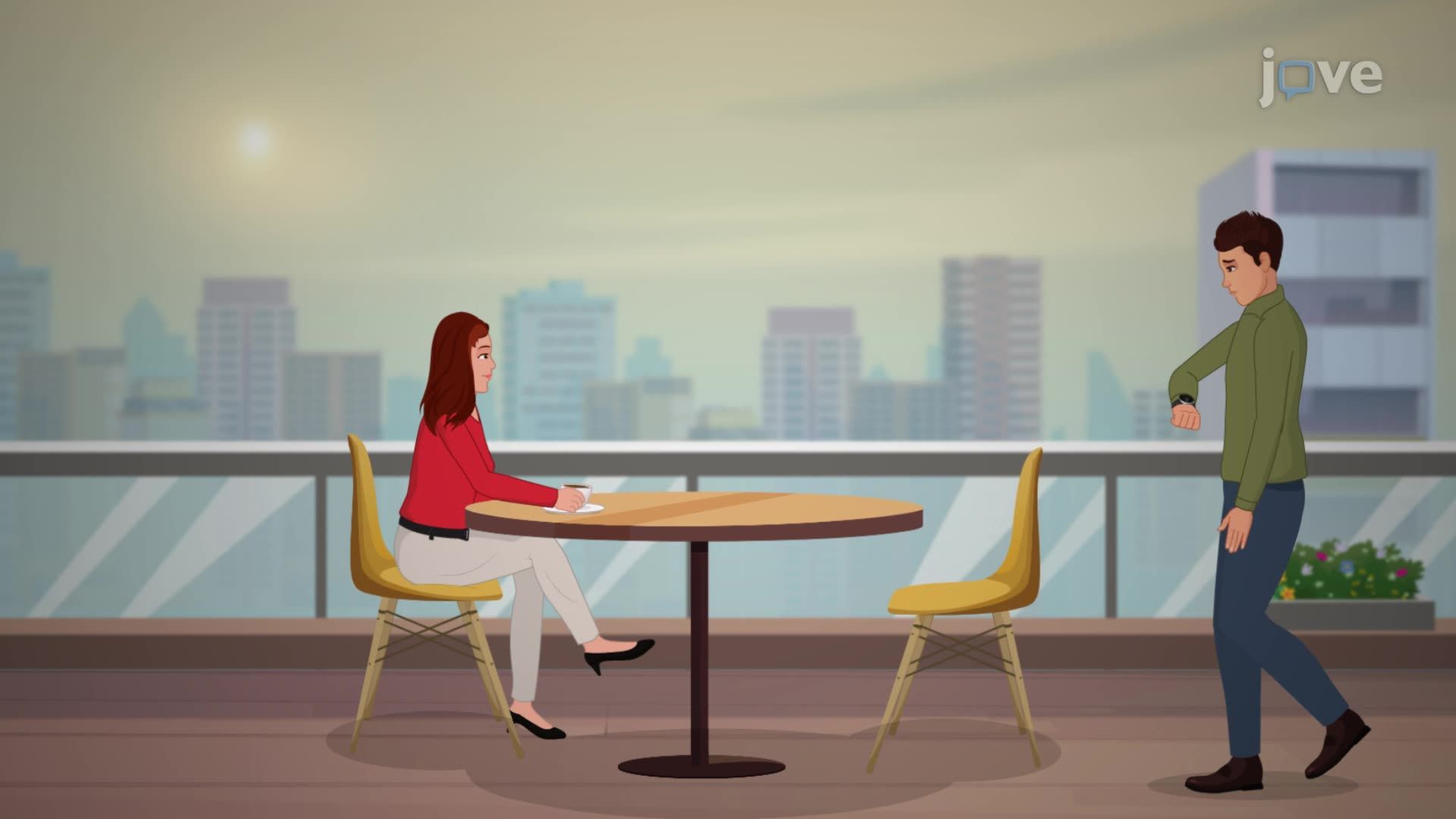
Ever wonder why you trust some people's excuses but not others? The causes of social behavior ii reveal how our brains constantly evaluate social situations based on past experiences and cognitive patterns. When a typically punctual friend in Chicago blames traffic for being late versus a chronically tardy friend using the same excuse, your brain processes these scenarios completely differently through attribution theory and social cognition mechanisms. Watch the full video on JoVE Coach to master this concept with expert-led visuals and step-by-step explanations.
The causes of social behavior ii encompass the complex cognitive mechanisms that drive how we interpret, judge, and respond to others' actions in our social environment. This advanced aspect of social psychology builds upon basic behavioral concepts by examining the mental processes that occur behind our social interactions. Unlike simple stimulus-response patterns, these causes involve sophisticated evaluation systems that consider context, history, and attribution patterns.
At the heart of understanding how causes of social behavior ii works lies attribution theory, which explains how we assign causes to others' behaviors. When your college roommate consistently arrives late to study sessions, your brain automatically categorizes this pattern as either dispositional (they're naturally disorganized) or situational (they have back-to-back classes). This cognitive process directly impacts future interactions and trust levels.
Fritz Heider's foundational work on attribution theory, later expanded by Harold Kelley at UCLA, demonstrates how we use consistency, distinctiveness, and consensus information to make social judgments. For AP Psychology students, this concept frequently appears in free-response questions about social psychology applications in real-world scenarios.
The causes of social behavior ii concept heavily emphasizes how our memory systems store and retrieve social information to guide current interactions. Consider how a manager at a Fortune 500 company evaluates employee excuses for missed deadlines. Past reliability patterns stored in memory influence whether explanations are accepted or questioned. This process involves both explicit memory (conscious recall of specific incidents) and implicit memory (unconscious behavioral patterns).
Neuroscience research from institutions like Stanford and Harvard shows that the prefrontal cortex actively processes social information, while the limbic system contributes emotional context to these evaluations. This biological foundation supports the causes of social behavior ii overview by explaining why some social judgments feel automatic while others require deliberate consideration.
For students preparing for the MCAT's Psychological, Social, and Biological Foundations section, understanding these concepts proves essential for passages about social psychology and behavioral science. The causes of social behavior ii study guide applications extend to workplace psychology, therapeutic relationships, and educational settings.
In clinical contexts, healthcare professionals use these principles when assessing patient compliance and building therapeutic rapport. Similarly, educators apply social cognition concepts when interpreting student behaviors and designing effective classroom management strategies.
Related Micro-courses