Loading video…

 15 Concepts
 2.3K views

Video Summary: Impact of Groups on Groups Explained
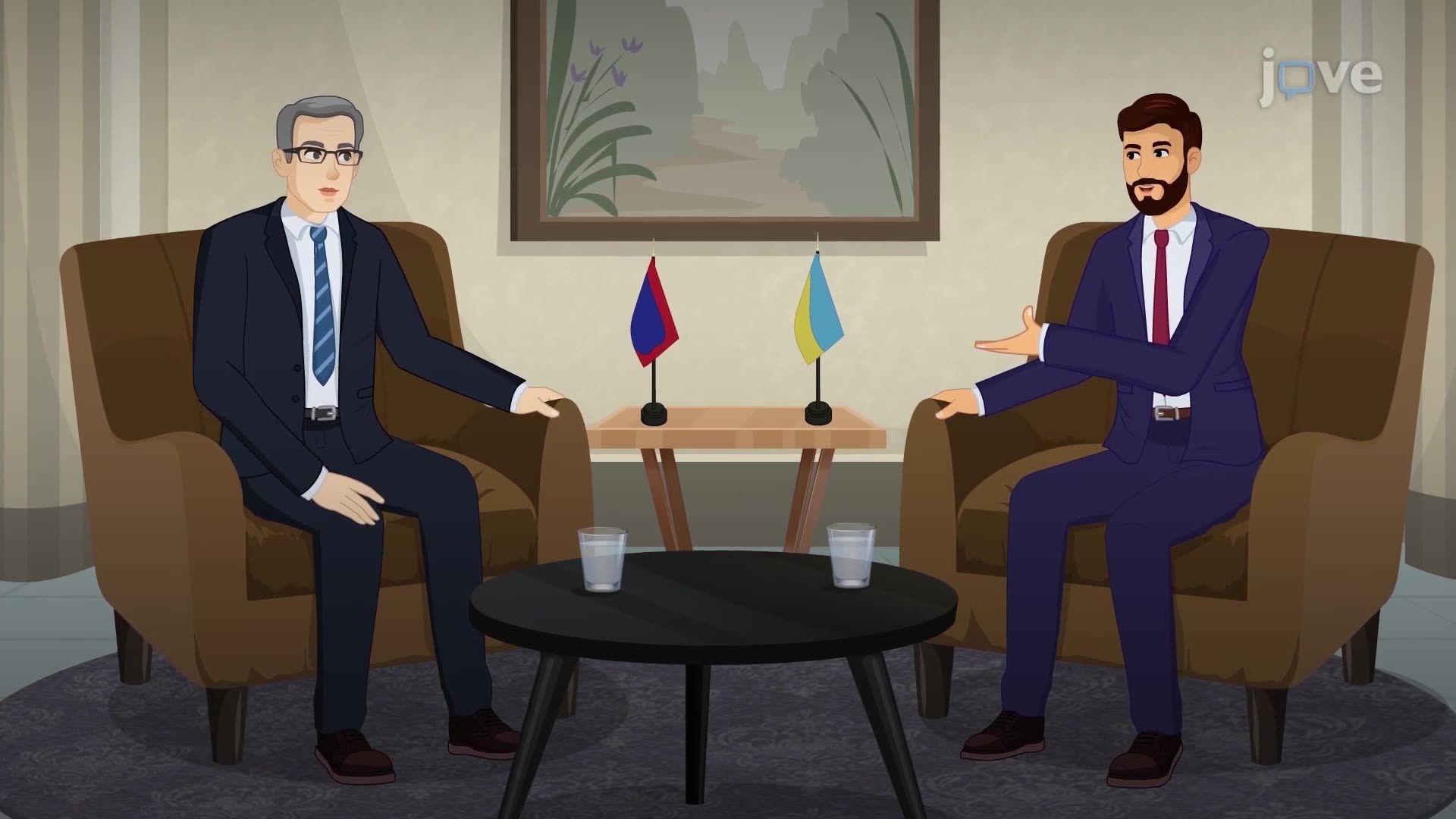
Did you know that the rivalry between Apple and Microsoft employees actually strengthens each company's internal culture? The impact of groups on groups shapes everything from corporate competition to international diplomacy. When the Democratic and Republican parties clash during election season, it doesn't just affect their relationship-it transforms how each party organizes internally, chooses leaders, and motivates supporters. Understanding Impact of Groups On Groups Explained reveals why some group interactions create cooperation while others fuel destructive conflict. Watch the full video on JoVE Coach to master this concept with expert-led visuals and step-by-step explanations.
The impact of groups on groups represents one of social psychology's most critical areas of study, examining how the mere existence and actions of one group fundamentally alter another group's behavior, structure, and internal dynamics. This phenomenon extends far beyond simple competition-it encompasses the complex web of intergroup relations that shape everything from corporate boardrooms to high school cafeterias.
When groups interact, they don't just maintain their original characteristics. Instead, each group's identity, decision-making processes, and internal cohesion transform in response to the other group's presence. Consider how Democrats and Republicans in Congress don't just disagree on policy-their awareness of each other shapes their internal party structures, influences leadership selection, and determines communication strategies.
Intergroup relationships fall along a spectrum from highly cooperative to intensely competitive. Trade relationships between US states demonstrate cooperative dynamics-California's tech industry and Texas's energy sector benefit mutually, leading to collaborative policies and shared economic initiatives. These positive interactions strengthen both groups internally, fostering innovation and economic growth.
Conversely, competitive dynamics emerge in scenarios like the rivalry between Harvard and Yale universities. This competition doesn't just affect athletics-it influences admissions strategies, fundraising approaches, and even academic program development. Students at each institution develop stronger school loyalty precisely because of their awareness of the rival institution.
Intergroup conflict arises from several psychological mechanisms that high school and college students encounter daily. Social identity theory explains why students identify strongly with their school's sports teams while viewing rival schools negatively. In-group favoritism leads group members to perceive their own group as superior, while out-group derogation creates negative stereotypes about competing groups.
These processes appear prominently on standardized tests. AP Psychology exams frequently test students' understanding of realistic conflict theory-the idea that competition over limited resources creates intergroup hostility. College social psychology courses examine how perceived threats, whether real or imagined, intensify group boundaries and internal solidarity.
Understanding intergroup dynamics proves essential for success in various fields. Business students learn how corporate mergers fail when companies maintain adversarial rather than collaborative mindsets. Political science majors analyze how international tensions affect domestic policy decisions and internal political party structures.
For students preparing for the MCAT, these concepts appear in psychology and sociology sections, particularly regarding healthcare team dynamics and patient-provider relationships. The principles also surface in workplace scenarios that college graduates encounter-understanding how departmental competition can either drive innovation or create destructive internal politics.
Related Micro-courses