Loading video…

 15 Concepts
 2.3K views

Video Summary: Causes of Social Behavior I Explained
Ever wonder why you automatically smile back at a barista or feel compelled to help someone who looks upset? The causes of social behavior i reveal how others' actions and characteristics unconsciously shape our thoughts and responses in profound ways. From a Stanford student adjusting their interview outfit to appear more competent to workplace dynamics influenced by first impressions, these psychological mechanisms operate beneath our conscious awareness yet drive countless daily interactions. Watch the full video on JoVE Coach to master this concept with expert-led visuals and step-by-step explanations.
The causes of social behavior i represent fundamental mechanisms through which human interactions unfold automatically and often unconsciously. This cornerstone concept in social psychology reveals that our behavioral responses are continuously shaped by two primary sources: the observable actions of others and their inherent characteristics. Unlike conscious decision-making processes, these influences operate beneath our awareness, creating predictable patterns that psychologists have extensively documented across diverse populations and settings.
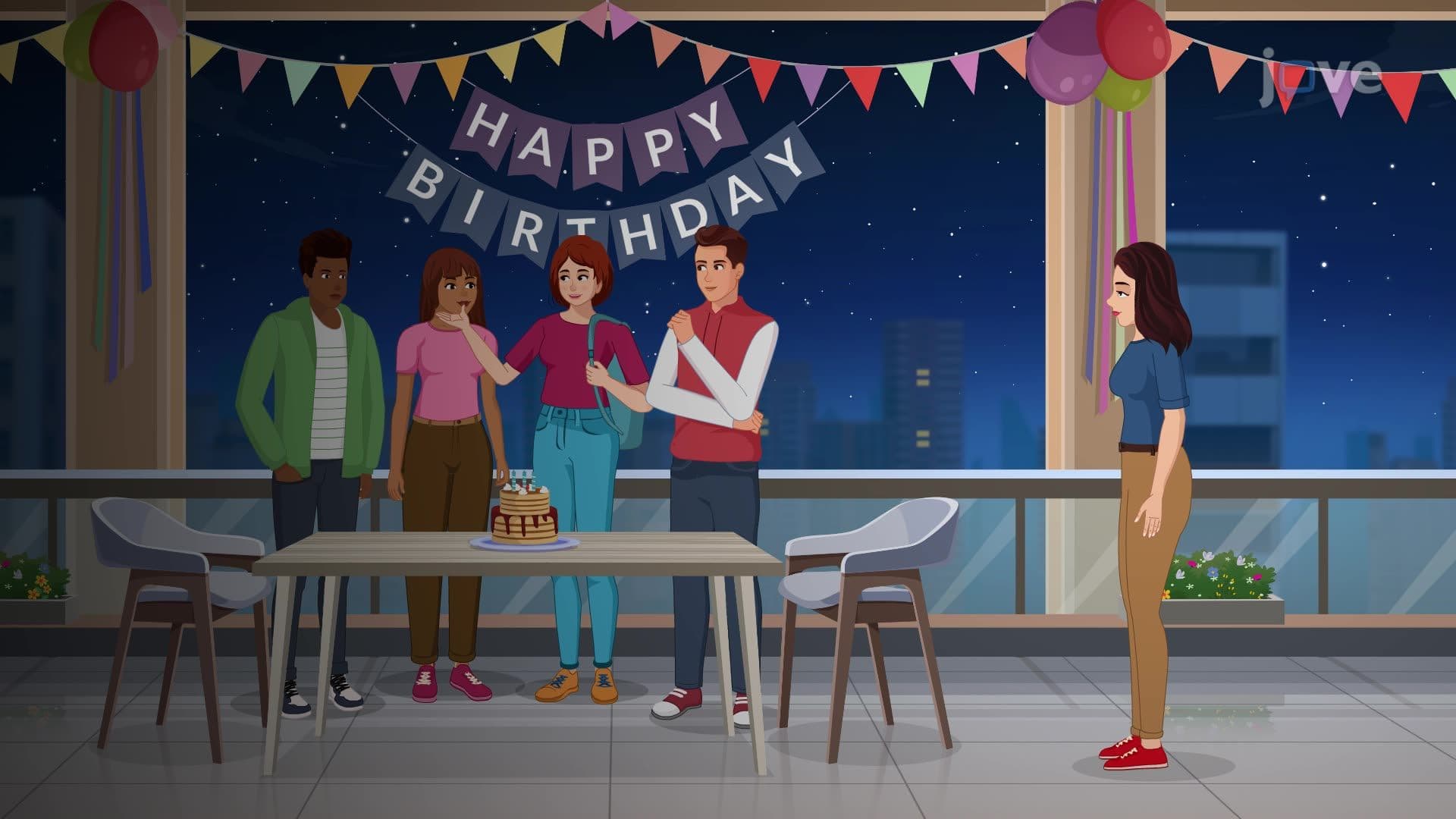
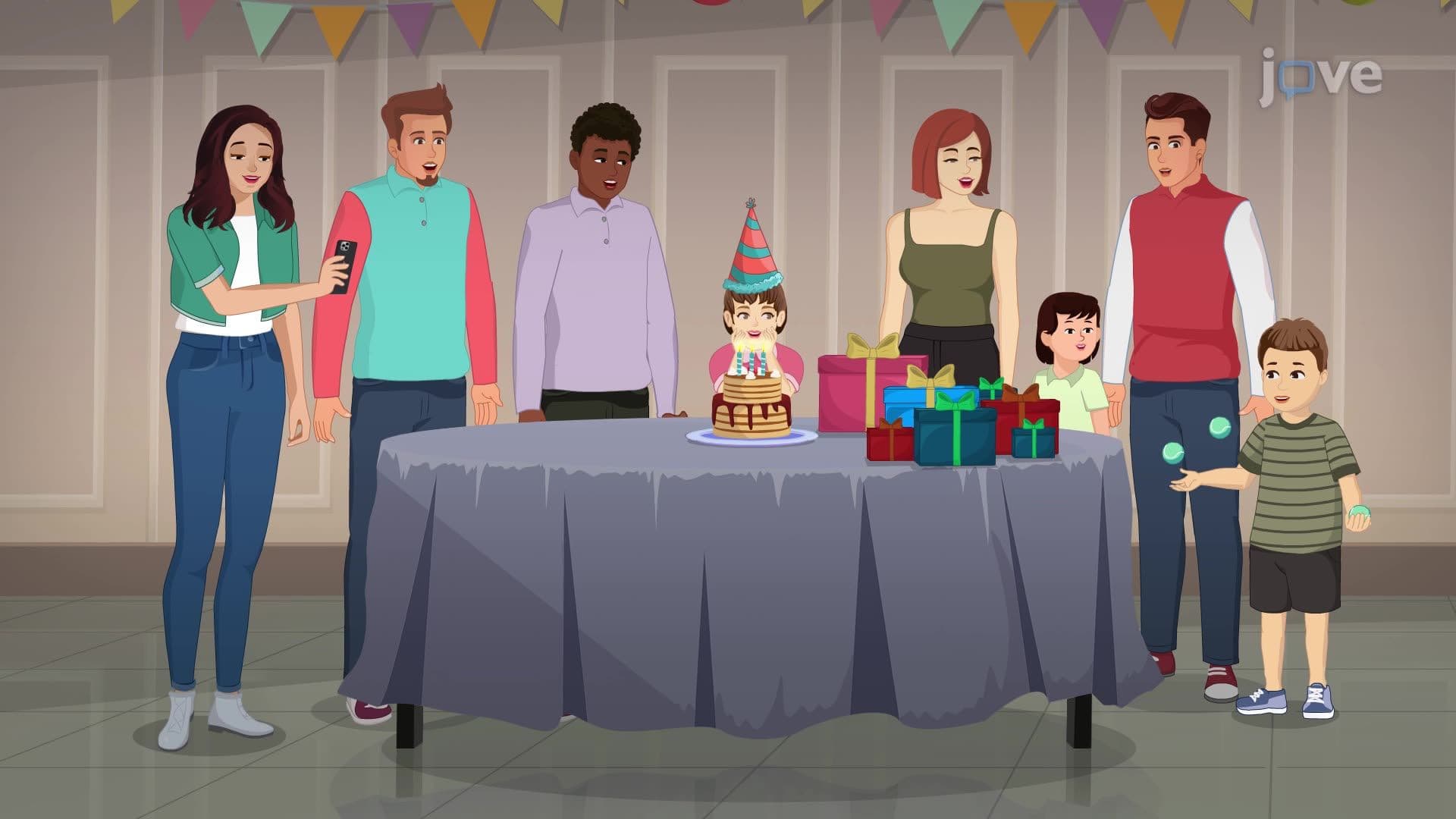
Emotional expressions serve as powerful catalysts for social responses, functioning as a sophisticated communication system that transcends verbal language. When a University of California student encounters a distressed classmate in the library, their immediate impulse to offer assistance illustrates how emotional cues automatically activate prosocial behaviors. Research demonstrates that positive emotional signals, such as genuine smiles or enthusiastic gestures, create approach behaviors that foster social bonding and cooperation. Conversely, negative emotional displays like frowning or tears trigger empathetic responses and helping behaviors. These mechanisms proved evolutionarily advantageous, enabling rapid social coordination without conscious deliberation.
This concept frequently appears on AP Psychology exams, where students must distinguish between conscious and unconscious social influences. College-level social psychology courses explore these mechanisms through experimental paradigms, examining how emotional contagion spreads through groups and influences collective behavior patterns.
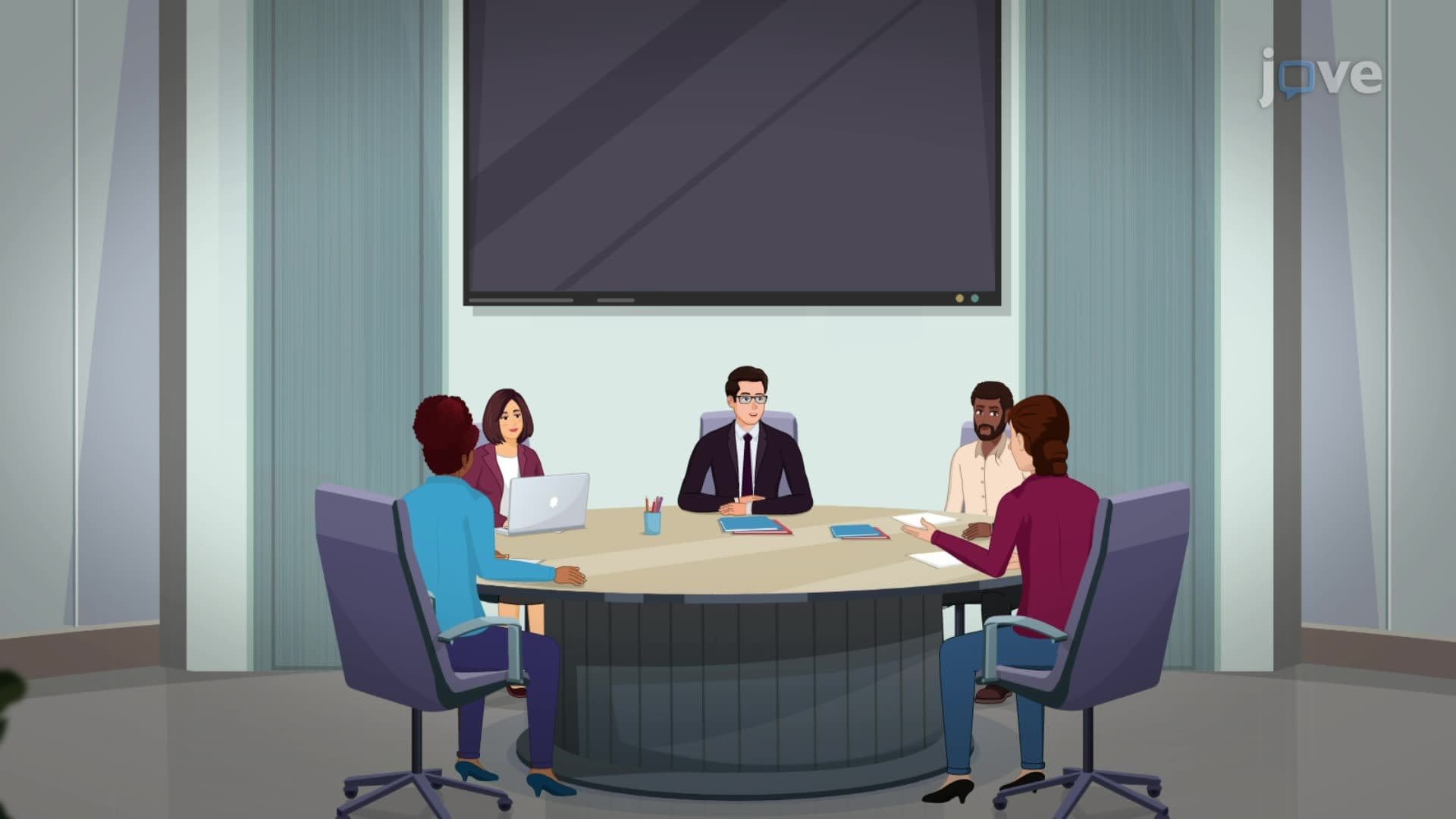
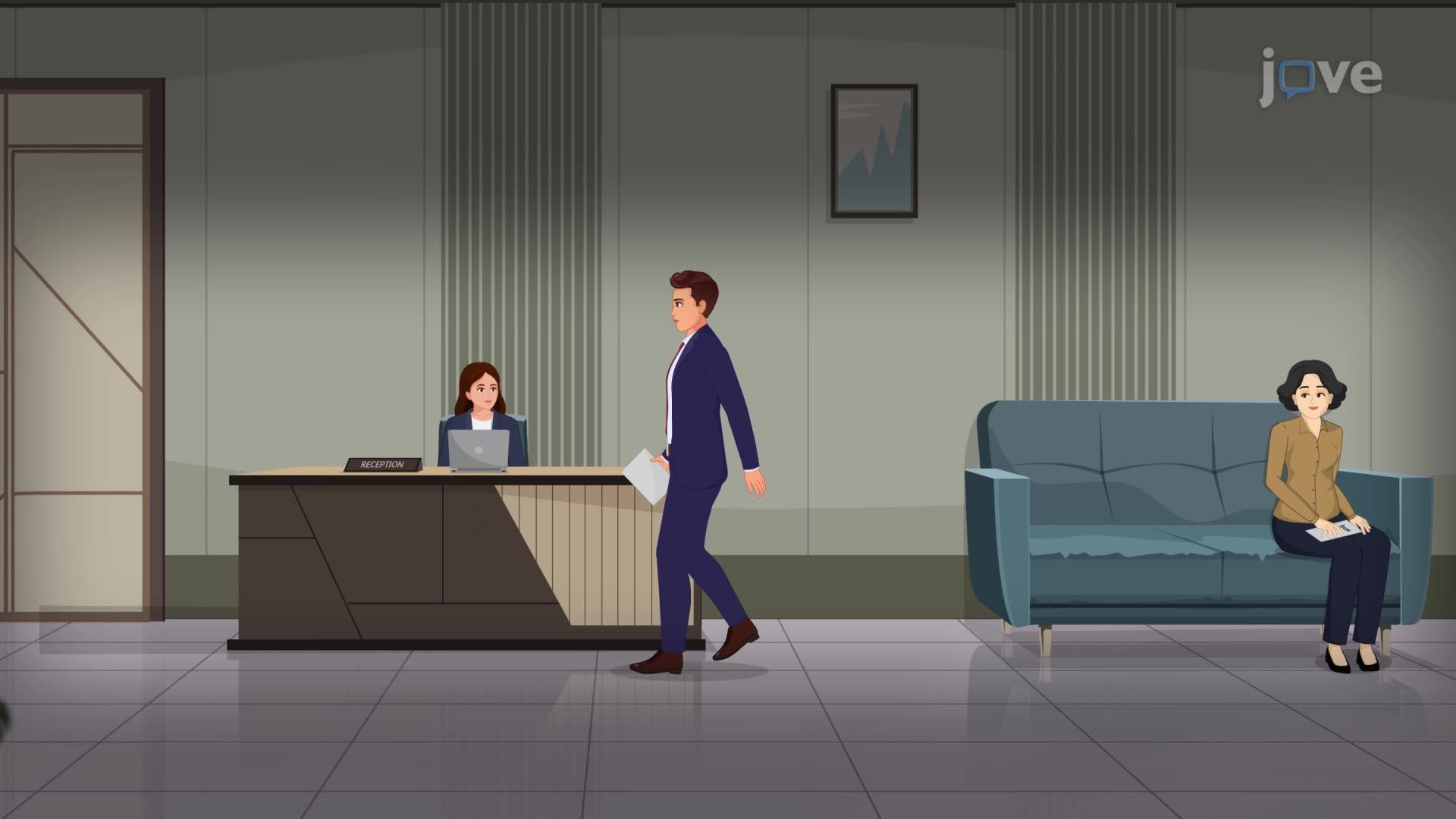
Individual characteristics including attractiveness, age, ethnicity, and dress profoundly influence social perceptions despite our conscious attempts to remain objective. Harvard Business School research confirms that formally dressed job candidates receive higher competency ratings than casually dressed applicants with identical qualifications, demonstrating how appearance-based judgments operate automatically. These biases emerge within milliseconds of visual contact, influencing everything from hiring decisions to judicial sentencing patterns across American institutions.
The phenomenon extends beyond professional contexts into educational settings, where teacher expectations often correlate with student appearance and demographic characteristics, creating self-fulfilling prophecies that affect academic outcomes. Understanding these mechanisms proves crucial for MCAT preparation, as medical school admissions committees increasingly emphasize cultural competency and bias recognition in healthcare delivery.
These concepts apply directly to numerous professional fields including marketing, education, healthcare, and law enforcement. Marketing professionals at companies like Coca-Cola leverage emotional cue research to design advertisements that trigger specific behavioral responses, while educators recognize how their unconscious reactions to student characteristics can influence classroom dynamics and learning outcomes.
For students preparing for college-level psychology courses or graduate school admissions, mastering these foundational concepts provides essential groundwork for advanced topics including stereotype threat, implicit association testing, and social cognitive theory.
Related Micro-courses