Loading video…


 17 Concepts
 5.4K views

Video Summary: What Is Toxicity Testing in Animals
Toxicity testing in animals basics is a foundational concept for professionals overseeing drug safety evaluation, clinical research operations, or regulatory compliance teams. When your team is responsible for interpreting preclinical data, gaps in understanding toxicity testing in animals can lead to costly misalignment with safety standards. Understanding this process builds sharper judgment around risk thresholds and regulatory decisions. Watch the full video on JoVE Coach to master this concept with expert-led visuals and step-by-step explanations.
Picture this: your team is preparing a preclinical safety briefing for a regulatory submission. A senior scientist references LD50 data from two animal species, and half the room nods confidently while the other half quietly struggles to connect those numbers to the human risk assessment they're expected to present. This is not a knowledge gap, it's a communication gap. And as the manager in the room, it's yours to close.
Understanding what toxicity testing in animals actually involves, and why it's structured the way it is, gives you the foundation to lead these conversations rather than defer to them.
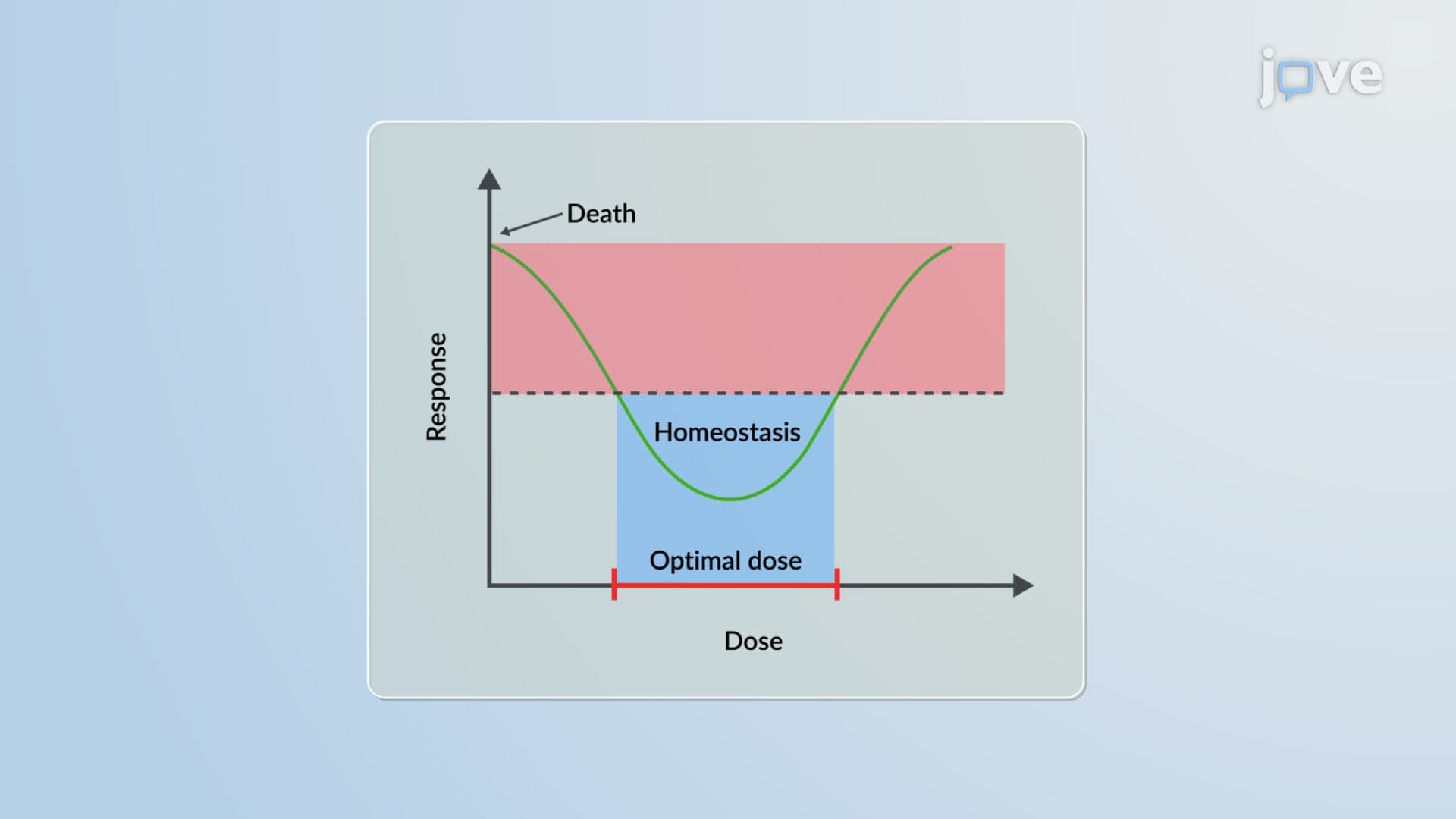
Animal toxicity studies are not arbitrary, they follow a staged logic that mirrors how risk is evaluated before any human exposure occurs. The process begins with acute toxicity assessment, most notably the LD50, the dose lethal to 50% of a test population. This benchmark is established across two animal species and two routes of administration, giving scientists a starting point for understanding dose-response relationships.
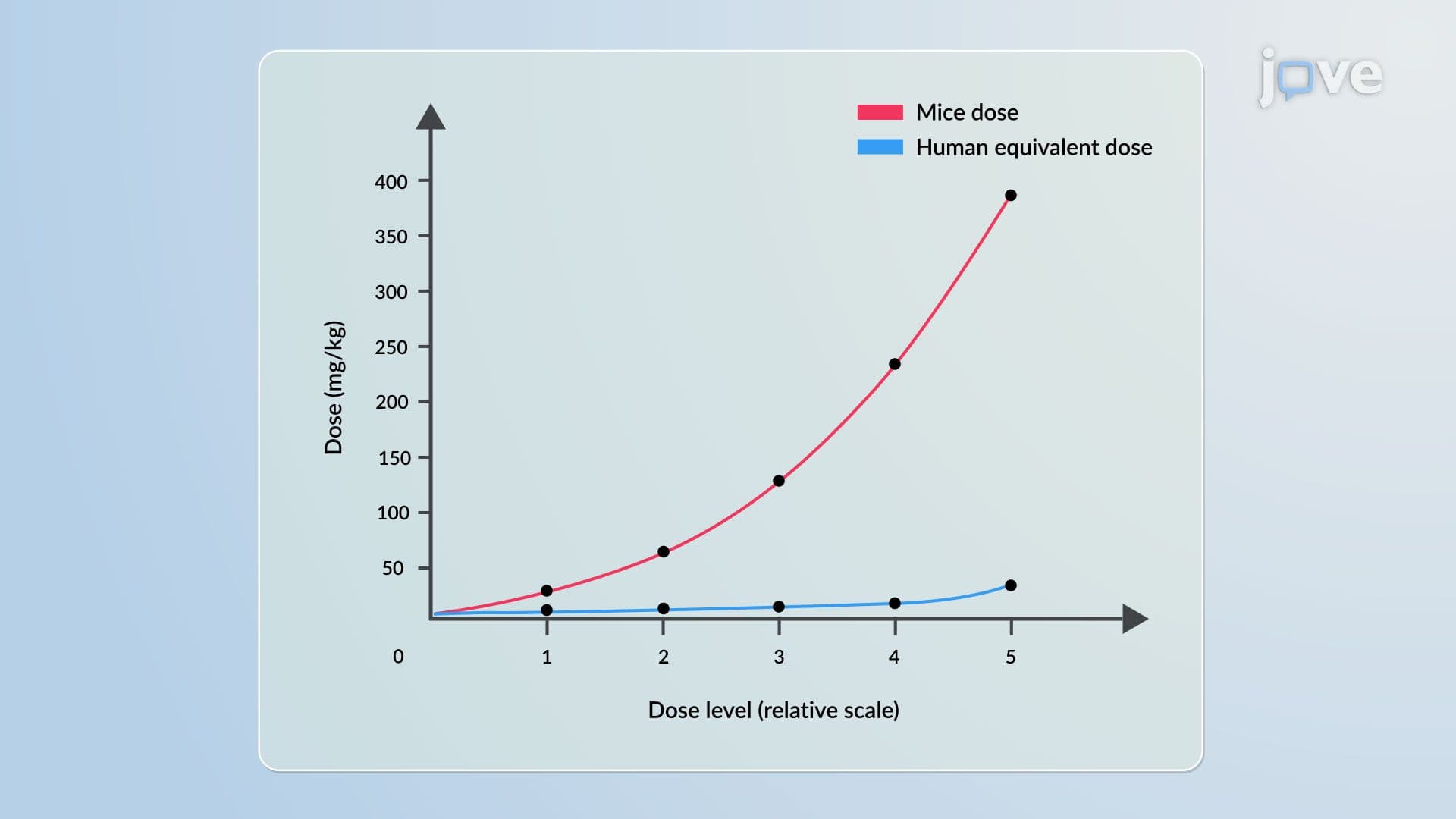
Your team needs to understand *why* animals receive doses far higher than what humans would ever encounter. It's not recklessness, it's statistical necessity. Because far fewer animals are tested than the human populations ultimately at risk, higher doses are used to amplify detectable signals. This principle, often explained through body surface area scaling and physiological adjustment, is fundamental to interpreting any preclinical safety report your team touches.
When your team can explain this logic clearly to non-scientific stakeholders, procurement leads, operations directors, or regulatory reviewers unfamiliar with preclinical methodology, you've built a genuinely cross-functional capability.
Animal toxicity testing follows a clear three-phase progression. Think of it as a staged risk-escalation model:
Phase 1, Acute exposure: Single-dose studies followed by 14-day monitoring. Endpoints include mortality, behavioral changes, lethargy, and signs of intoxication. Your team's role here is to accurately capture and contextualize these endpoints in safety narratives.
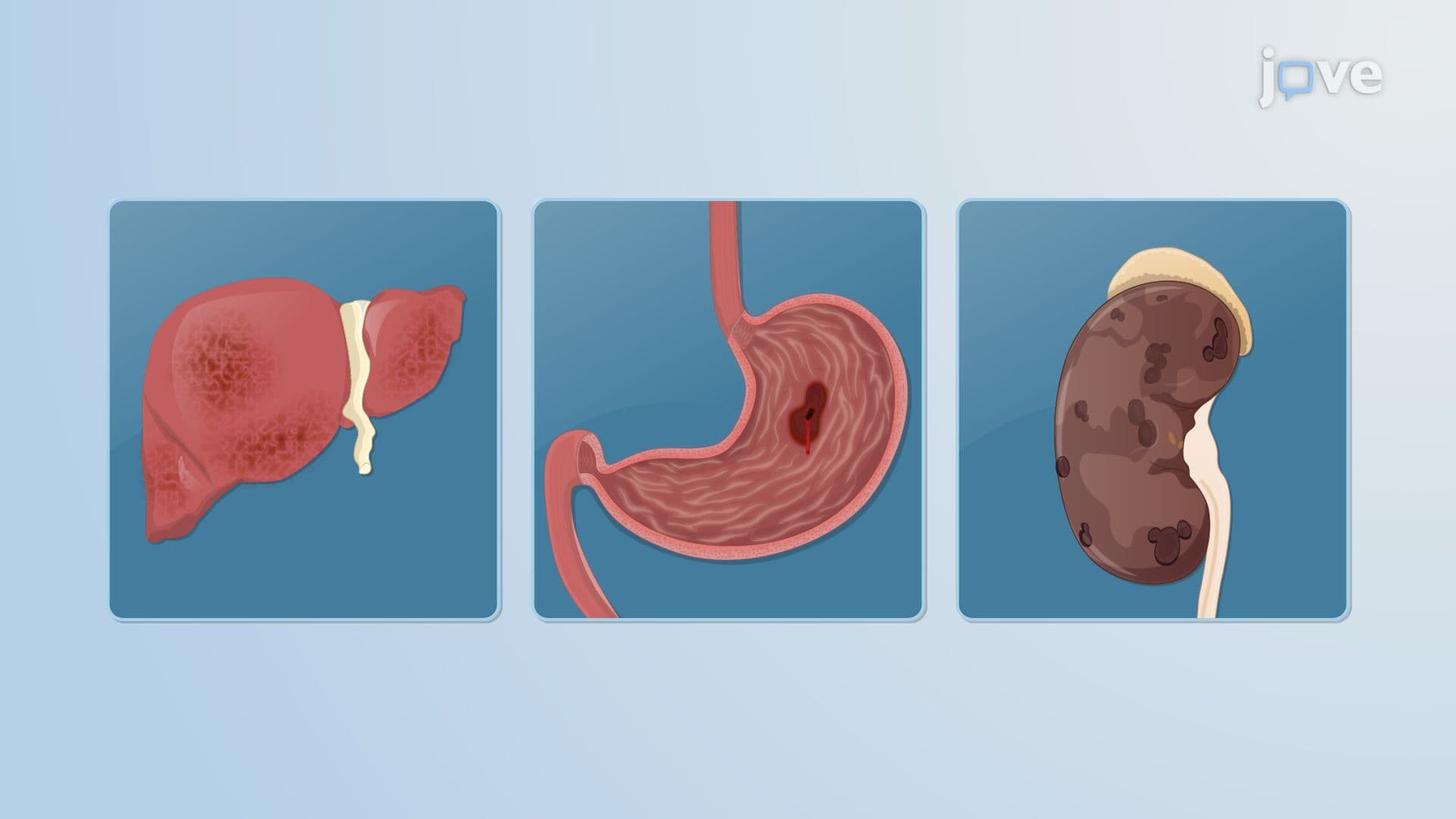
Phase 2, Subchronic exposure: 90-day repeated-dose studies using three dose levels. This phase introduces health parameters like weight monitoring and detailed organ and tissue pathology. Teams managing preclinical documentation need to understand which findings are dose-dependent versus incidental, a distinction that directly affects how safety margins are communicated.
Phase 3, Chronic and specialized studies: Long-term carcinogenicity, teratogenicity, fertility, and perinatal/postnatal toxicity studies, run in parallel with clinical trials. These studies inform the most consequential safety decisions in a drug's development lifecycle.
Use this three-phase framework as a shared mental model in your team's review processes. When everyone can place a finding within its correct study phase, your safety review meetings become more focused and your deliverables more precise.
The most common mistake is treating toxicology data as a scientist's domain rather than a leadership responsibility. When managers disengage from preclinical safety discussions, teams lose coherence at exactly the moments when clarity matters most, regulatory queries, cross-functional reviews, or study design decisions.
A second mistake is conflating statistical findings with clinical certainty. Animal models predict human risk, they do not guarantee it. Managers who communicate this distinction confidently to stakeholders prevent both overreaction to animal findings and dangerous underestimation of genuine risk signals.
Finally, avoid siloing your toxicology knowledge within your scientific staff. Apply a 70-20-10 development approach: 70% of your team's learning should come from active involvement in study reviews and safety discussions, 20% from peer knowledge-sharing across functions, and 10% from structured learning resources. When toxicology literacy is distributed across your team, your overall operational resilience goes up, and your dependence on any single expert goes down.
Related Micro-courses