Loading video…


 6 Concepts
 490 views

Video Summary: Automatic Processing and Automatic Social Behavior Explained
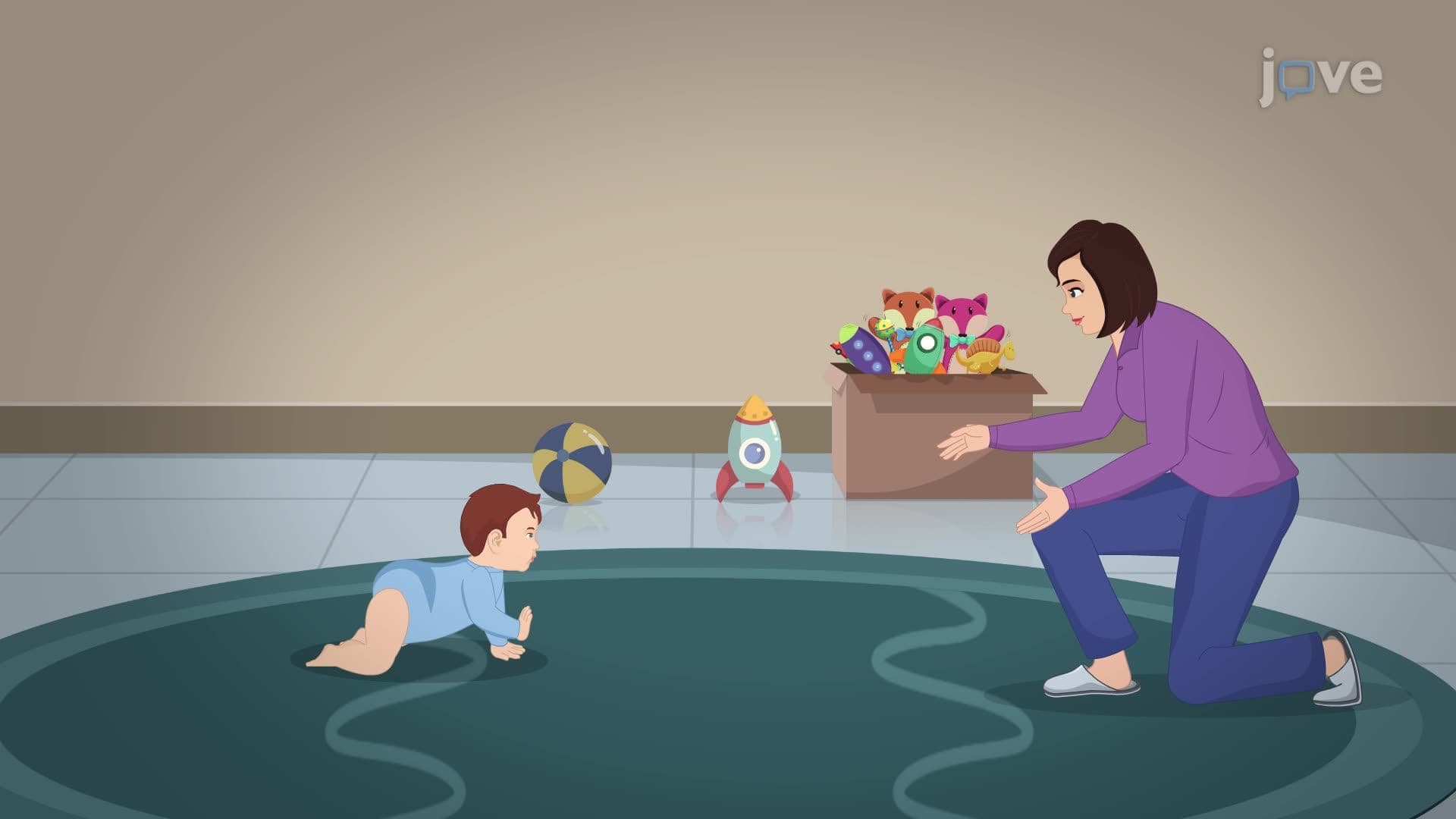
Ever wonder why you might walk slower after seeing images of elderly people, even without realizing it? Automatic processing and automatic social behavior shape our daily interactions in ways we never consciously notice. Research shows that college students primed with politeness-related words are significantly less likely to interrupt conversations compared to those exposed to rudeness cues. This fascinating psychological phenomenon demonstrates how our minds constantly process social information below the threshold of awareness, influencing everything from our walking speed to our conversation habits. Watch the full video on JoVE Coach to master this concept with expert-led visuals and step-by-step explanations.
Automatic processing represents one of the most fascinating aspects of human cognition, operating continuously beneath our conscious awareness while profoundly shaping our social interactions. Unlike controlled processing, which requires deliberate attention and effort, automatic processing occurs spontaneously and efficiently, allowing our minds to navigate complex social environments without overwhelming our cognitive resources. This system enables us to respond appropriately to social cues, form impressions of others, and adjust our behavior based on environmental context-all while focusing our conscious attention on other tasks.
Priming research has revolutionized our understanding of how automatic processing influences behavior. When researchers expose participants to specific concepts-whether through words, images, or subtle environmental cues-these stimuli activate related mental networks that subsequently influence thoughts, feelings, and actions. The classic politeness-rudeness study demonstrates this phenomenon clearly: participants who unscrambled sentences containing polite words (such as "respectful," "courteous," and "patient") showed markedly different behavior than those exposed to rude words ("aggressive," "intrude," "interrupt"). Remarkably, participants remained completely unaware of this influence, yet the priming effect was powerful enough to change their likelihood of interrupting an ongoing conversation by over 60%.
This concept appears frequently on standardized tests, including AP Psychology exams and college-level social psychology courses. Students preparing for the MCAT often encounter questions about automatic versus controlled processing in the psychology and sociology sections. Understanding these mechanisms helps explain everyday phenomena: why walking past a coffee shop might suddenly make you crave caffeine, why hearing your favorite song can instantly improve your mood, or why certain office environments seem to promote either collaboration or competition among colleagues.
The relationship between attitudes and automatic behavior reveals another layer of complexity. Research demonstrates that our pre-existing attitudes toward social groups can interact with environmental primes to produce preparatory behaviors-unconscious adjustments that prepare us for anticipated interactions. Students with positive attitudes toward elderly individuals, when primed with images of older adults, unconsciously walked more slowly when leaving the experimental room, as if preparing for a patient, respectful interaction. Conversely, those with negative attitudes walked faster, suggesting an unconscious avoidance response. This finding has profound implications for understanding stereotype activation and intergroup relations in diverse settings like schools, workplaces, and communities.
Related Micro-courses