Loading video…


 19 Concepts
 22.5K views

Video Summary: What Is Titrimetric Analysis Classification
Ever wonder how forensic labs determine the exact concentration of poison in a victim's blood sample? Titrimetric analysis classification organizes analytical chemistry methods into four distinct categories based on their underlying chemical reactions. From acid-base neutralizations used in FDA drug testing to redox reactions monitoring water quality in California's reservoirs, each classification of titration methods serves specific analytical purposes. These systematic approaches enable chemists at institutions like the CDC to achieve precise quantitative measurements across diverse applications. Watch the full video on JoVE Coach to master this concept with expert-led visuals and step-by-step explanations.
Titrimetric analysis classification represents one of analytical chemistry's most systematic approaches to quantitative measurement. This organizational framework divides titration techniques into four primary categories, each defined by distinct chemical reaction mechanisms. Students preparing for AP Chemistry exams or college analytical chemistry courses encounter this classification system as a cornerstone concept that bridges theoretical chemistry with practical laboratory applications.
The classification system enables chemists to select optimal analytical methods based on analyte properties and desired precision levels. For instance, pharmaceutical companies like Pfizer utilize different titration classifications to verify drug concentrations, while environmental agencies employ specific methods to monitor pollutant levels in drinking water supplies across the United States.
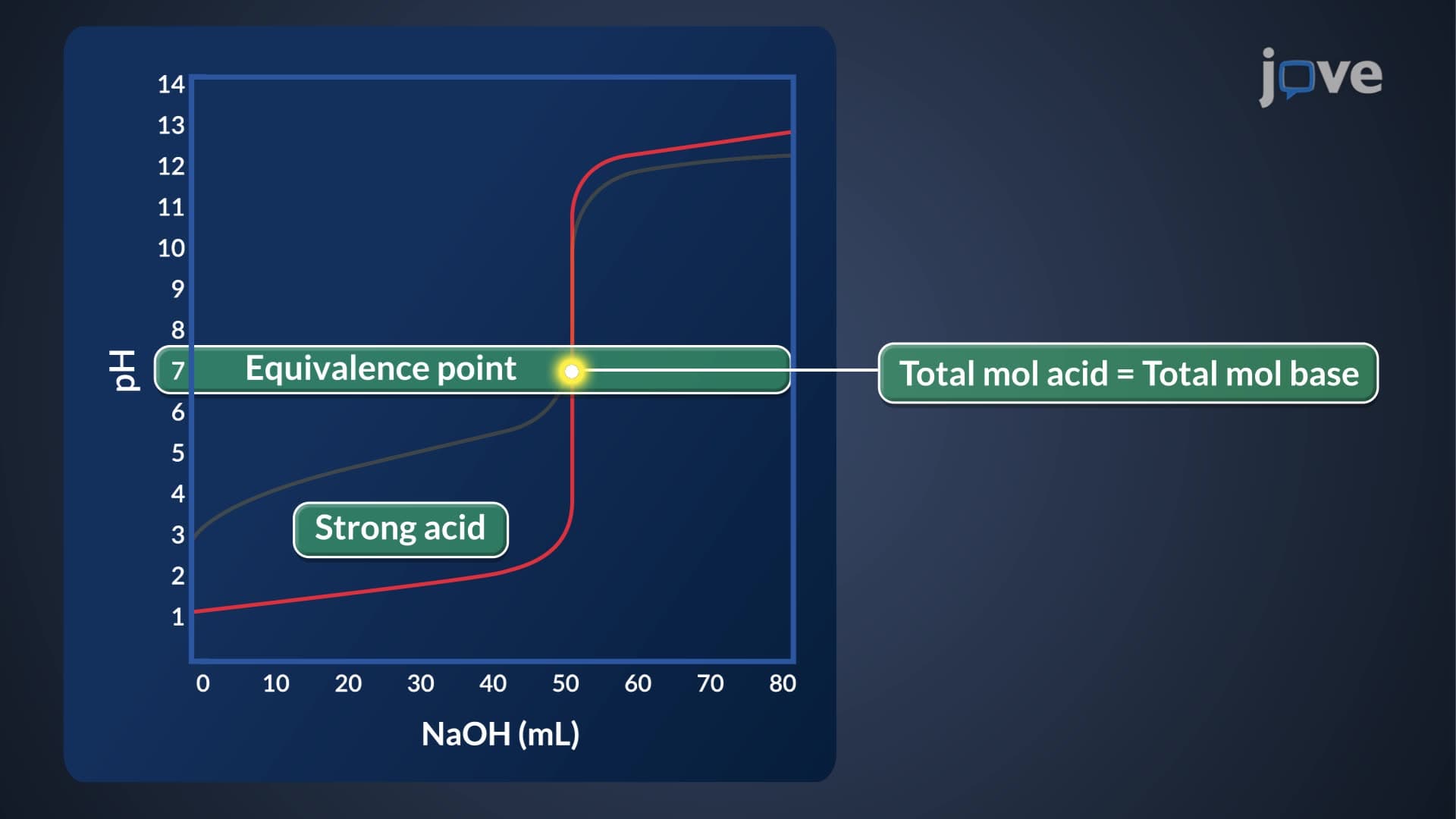
Acid-base titrations constitute the most fundamental classification of titration methods, relying on proton transfer reactions between acids and bases. This category subdivides into acidimetry and alkalimetry techniques, each serving distinct analytical purposes. Acidimetry involves titrating basic analytes with standardized strong acid solutions, commonly used in pharmaceutical quality control to determine antacid effectiveness. Major companies like Johnson & Johnson routinely employ acidimetric methods to verify medication potency.
Alkalimetry operates through the reverse mechanism, titrating acidic analytes with standardized strong base solutions. Environmental laboratories frequently use alkalimetric titrations to measure acidity levels in acid rain samples collected throughout industrial regions. Students preparing for MCAT examinations should recognize these techniques as essential tools for understanding physiological pH regulation and clinical diagnostic procedures.
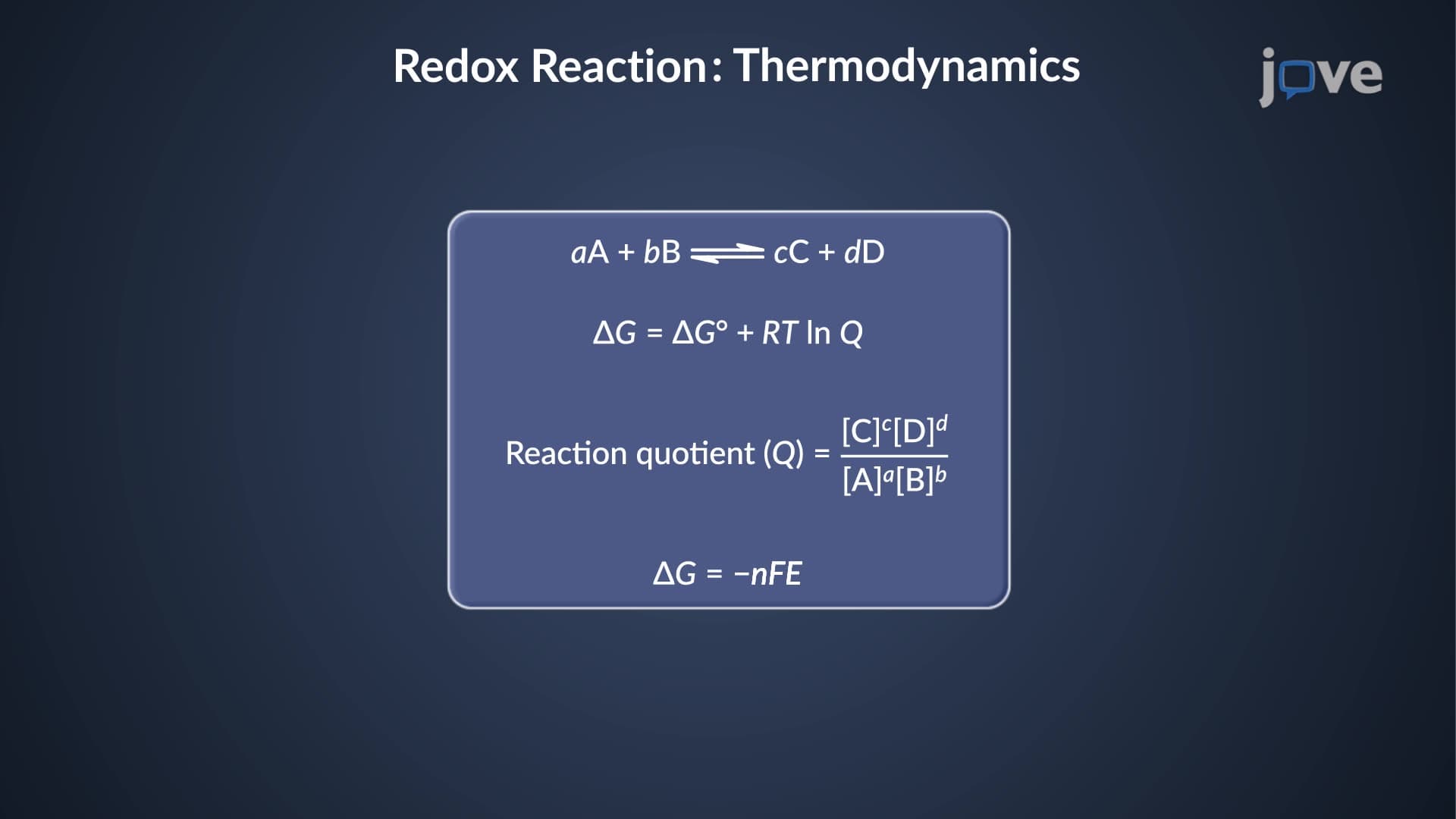
Redox titrations represent the second major classification, characterized by electron transfer between oxidizing and reducing agents. These methods prove invaluable in clinical laboratories, where hospitals like Mayo Clinic utilize redox titrations to measure glucose concentrations in diabetic patient samples. The oxidation state changes during these reactions provide quantitative information about analyte concentrations.
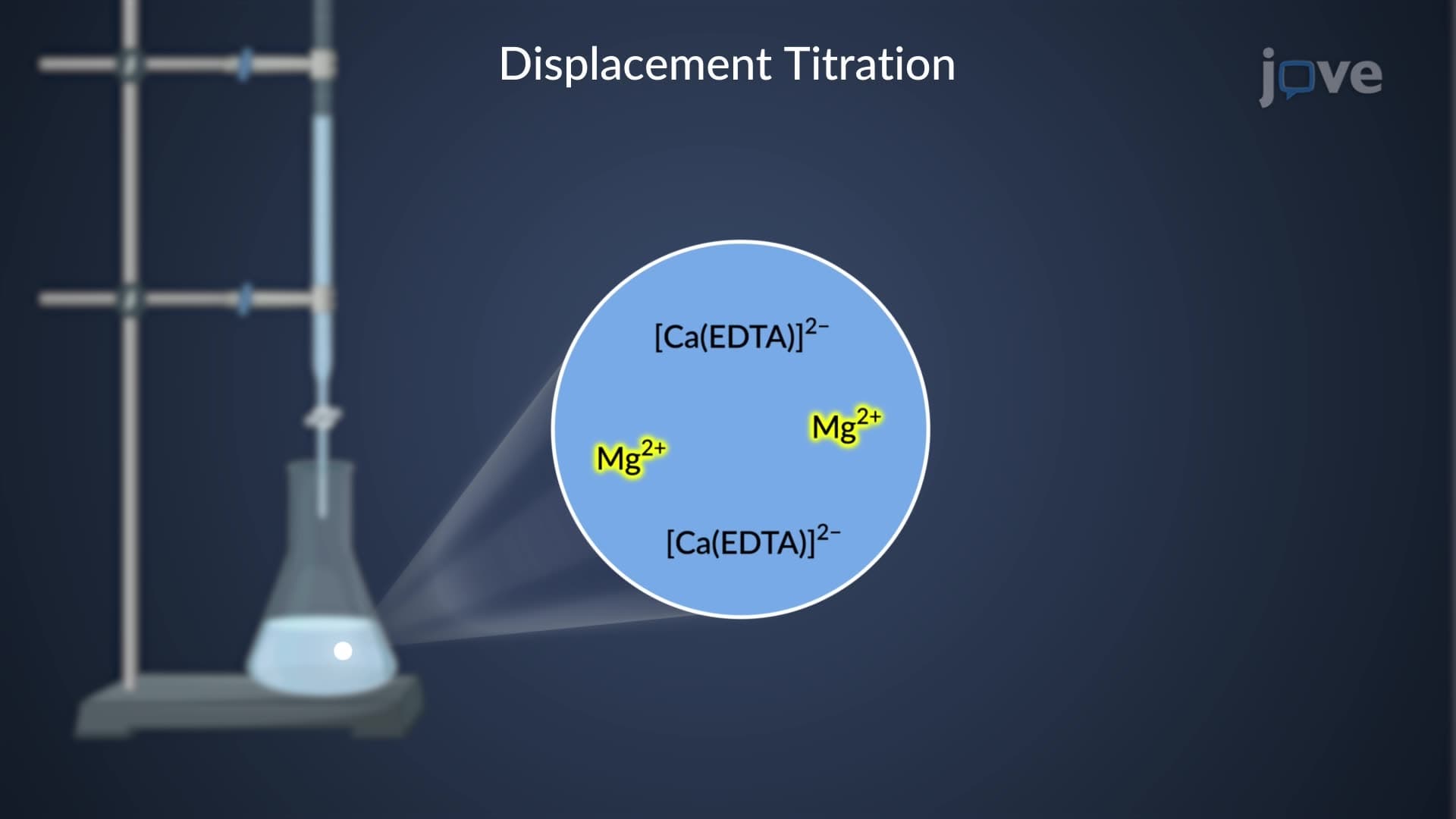
Complexometric titrations form the third category, involving metal ion coordination with specific ligands to create stable complexes. Water treatment facilities across California employ complexometric methods to determine heavy metal contamination levels, ensuring public safety standards. These techniques prove particularly useful for analyzing transition metal concentrations in environmental samples.
Precipitation titrations complete the classification system, relying on insoluble product formation between analytes and titrants. Forensic laboratories utilize precipitation methods to determine chloride concentrations in evidence samples, supporting criminal investigations with quantitative chemical analysis.
Related Micro-courses