Complexometric titration uses metal-ligand binding reactions to quantify metal ions in solution, with EDTA being the most widely used chelating agent. This analytical technique, combined with precipitation titration and gravimetric methods, forms the foundation of quantitative analysis in environmental testing, pharmaceutical quality control, and clinical laboratories across the United States. Master these essential techniques with JoVE Coach.
Understand the principles of complexometric titration and metal-ligand complex formation
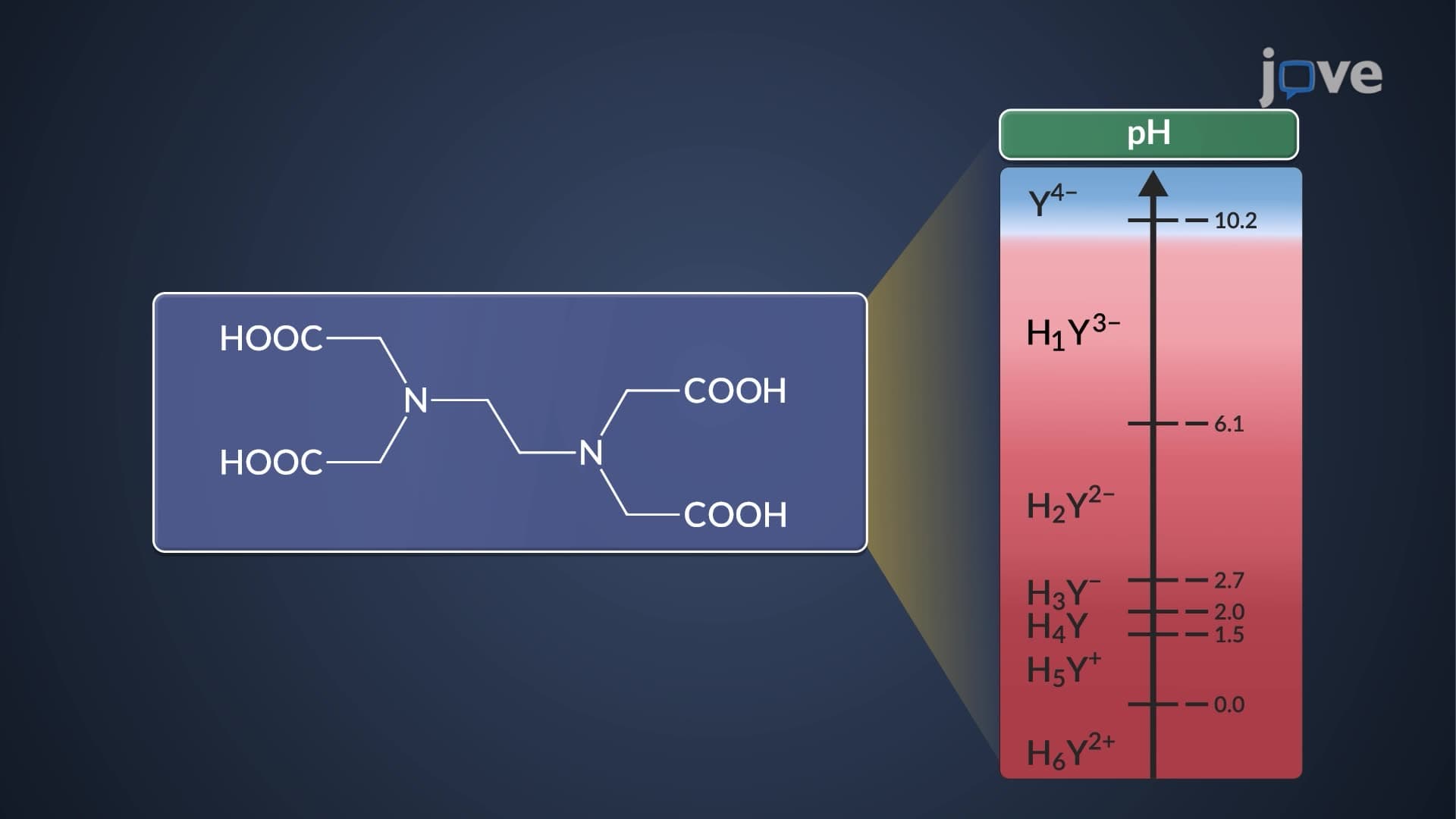
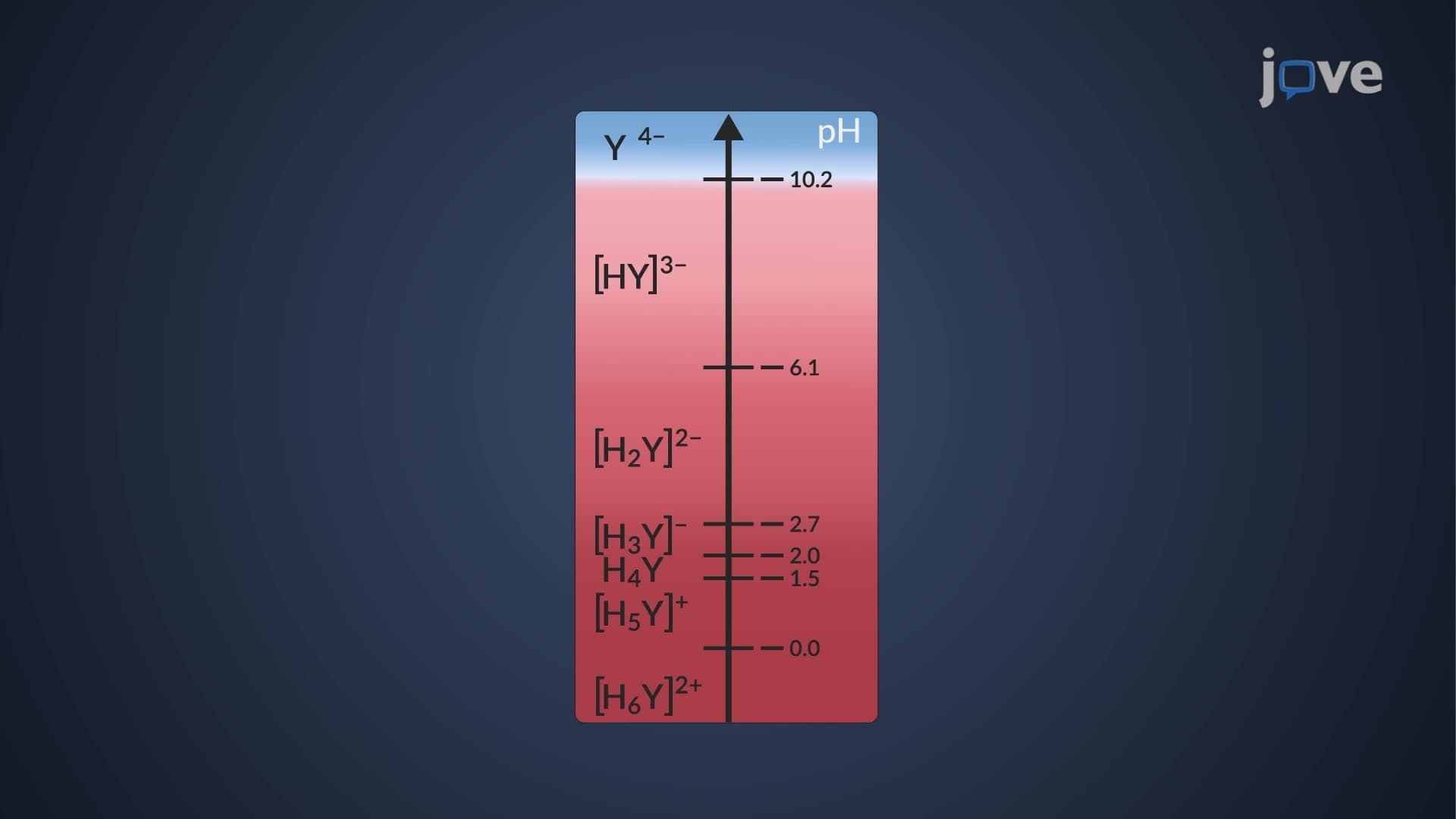
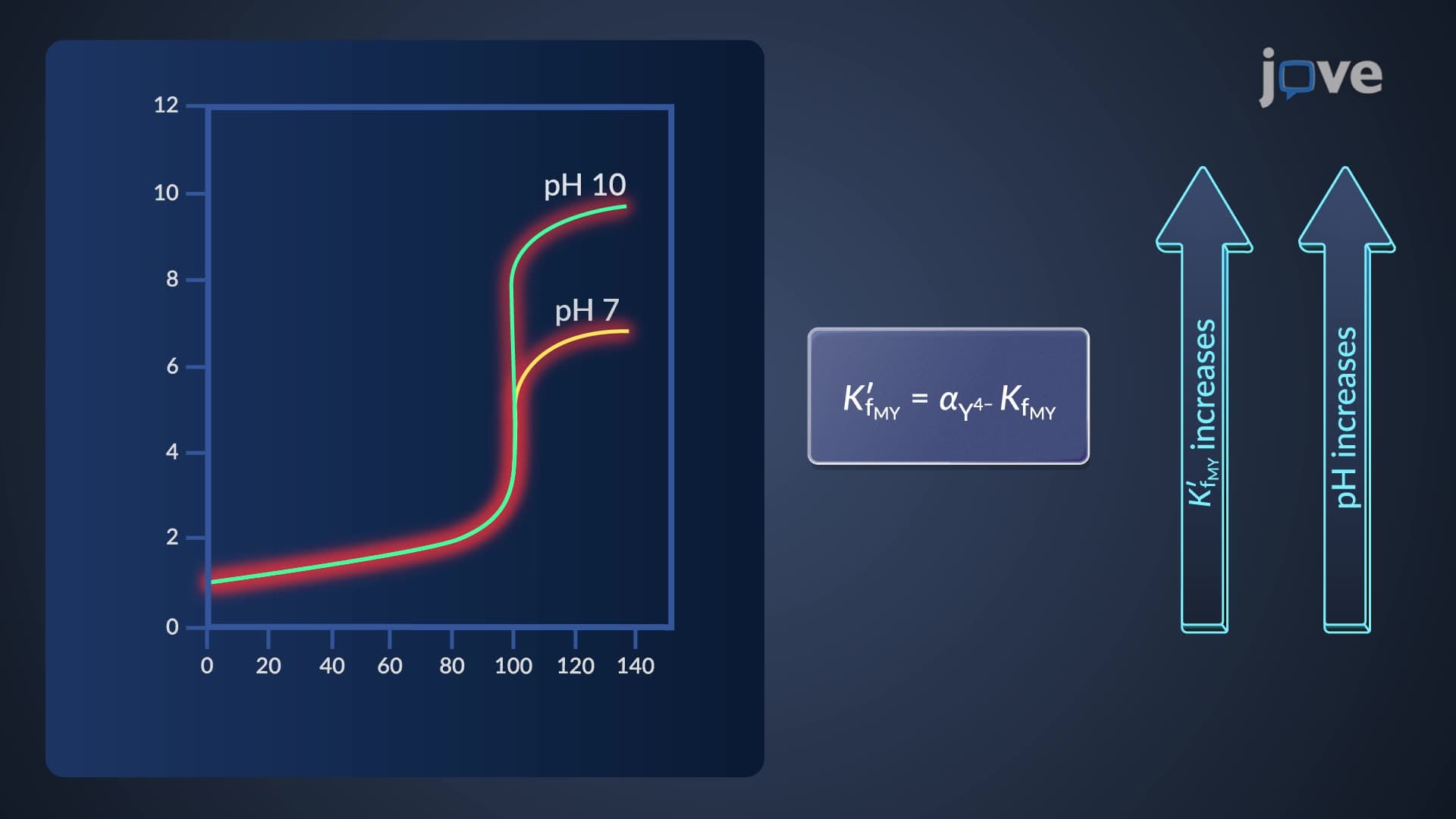
Learn EDTA chemistry, conditional formation constants, and pH-dependent behavior
Identify different EDTA titration methods including direct, back-titration, and displacement techniques
Explore precipitation titration curves and endpoint detection using Mohr, Volhard, and Fajans methods
Analyze gravimetric analysis procedures for quantitative determination of analytes
Apply masking and demasking strategies to improve analytical selectivity
Understand precipitate formation, particle size control, and coprecipitation effects
1. Complexometric Titration Fundamentals and EDTA Chemistry
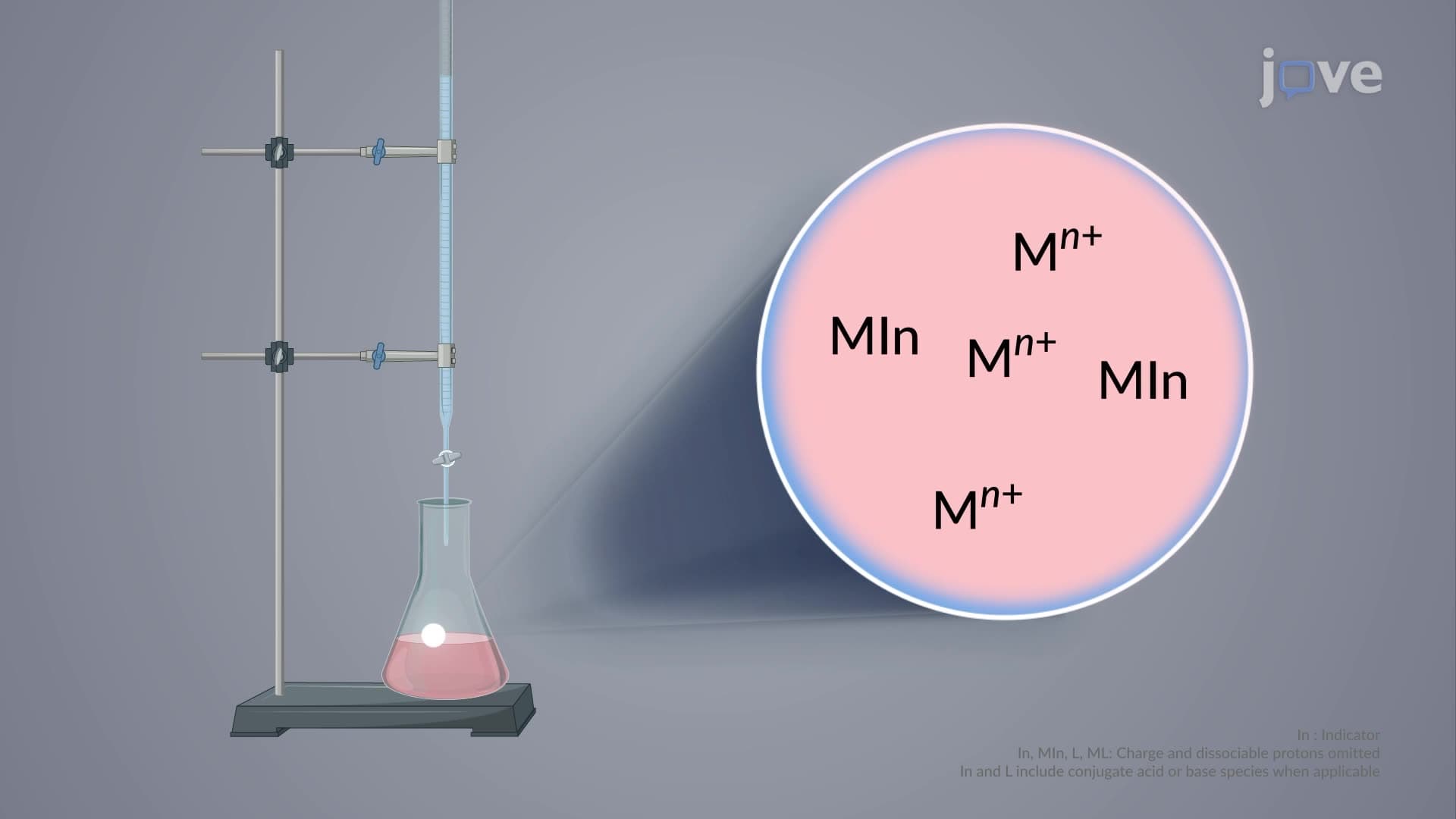
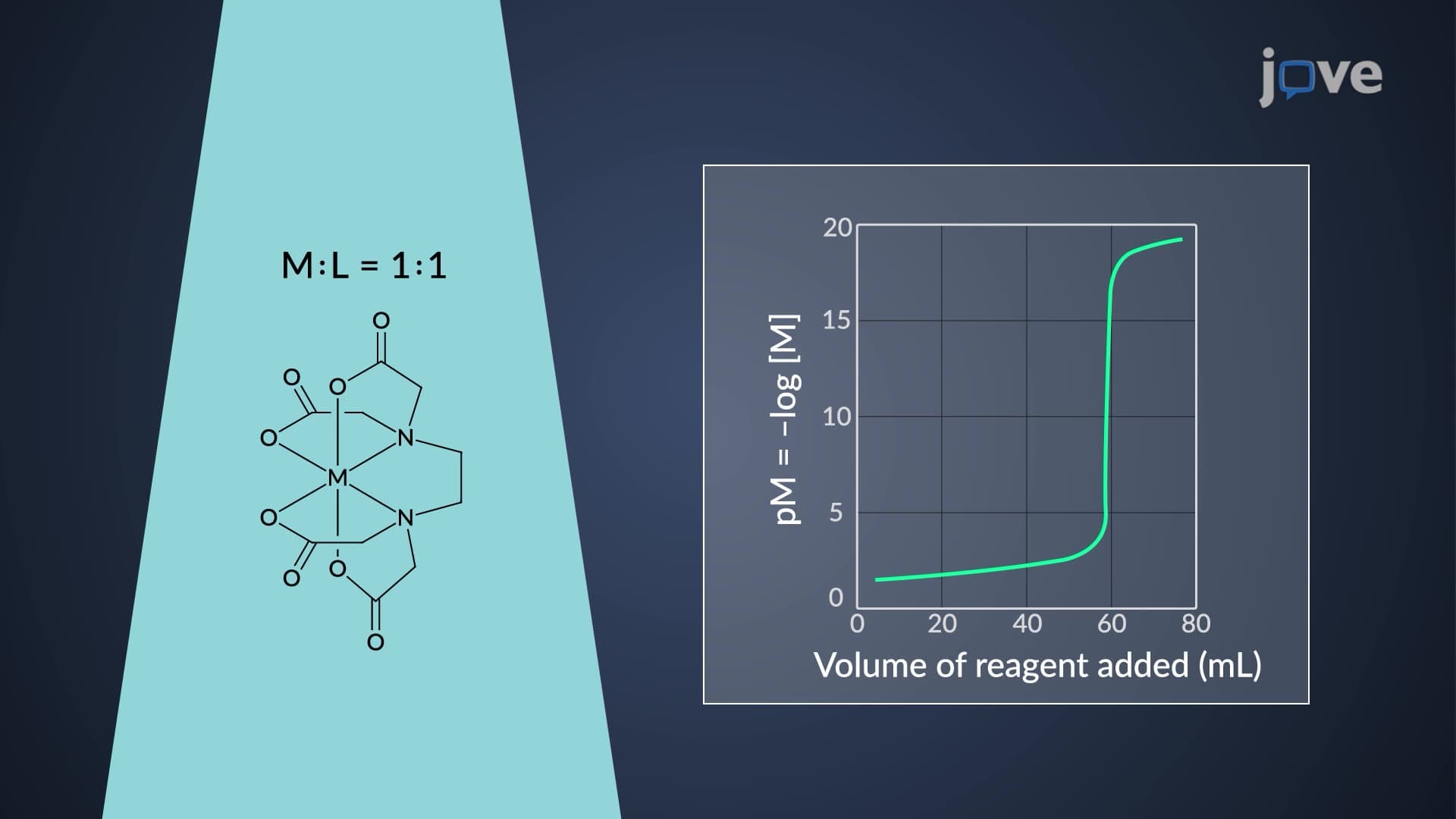
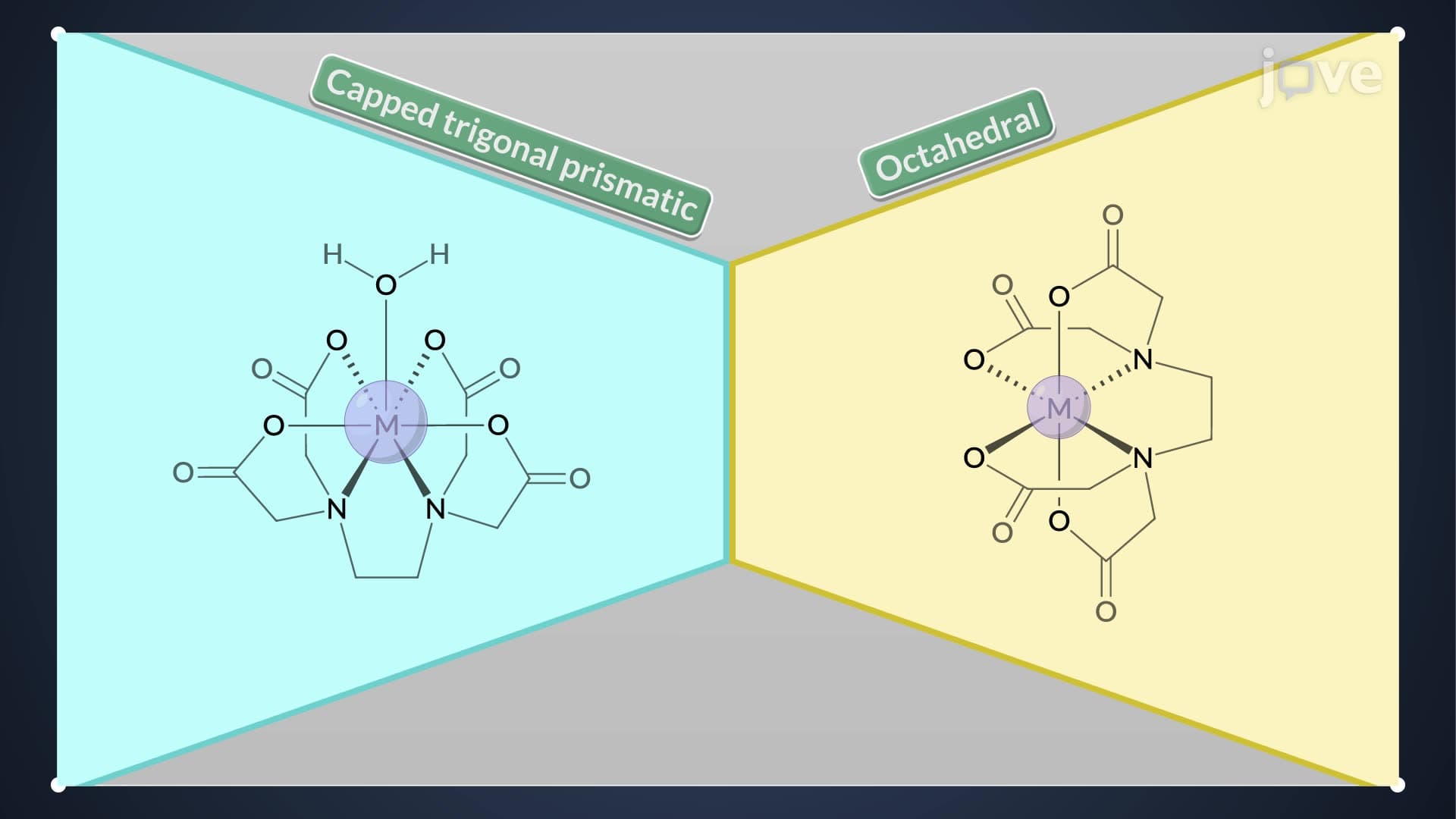
EDTA (ethylenediaminetetraacetic acid) serves as the premier chelating agent in complexometric titrations due to its six coordination sites that form stable 1:1 metal complexes. The technique relies on visual indicators that initially complex weakly with metal ions, producing a colored solution. At the equivalence point, excess EDTA displaces the indicator, causing a sharp color change. This method quantifies water hardness in municipal treatment plants, determines heavy metals in environmental samples, and analyzes pharmaceutical formulations. The conditional formation constant varies with pH, requiring alkaline conditions (pH 8-10) for optimal complex stability and sharp endpoints.
2. EDTA Titration Methods and Auxiliary Complexing Agents
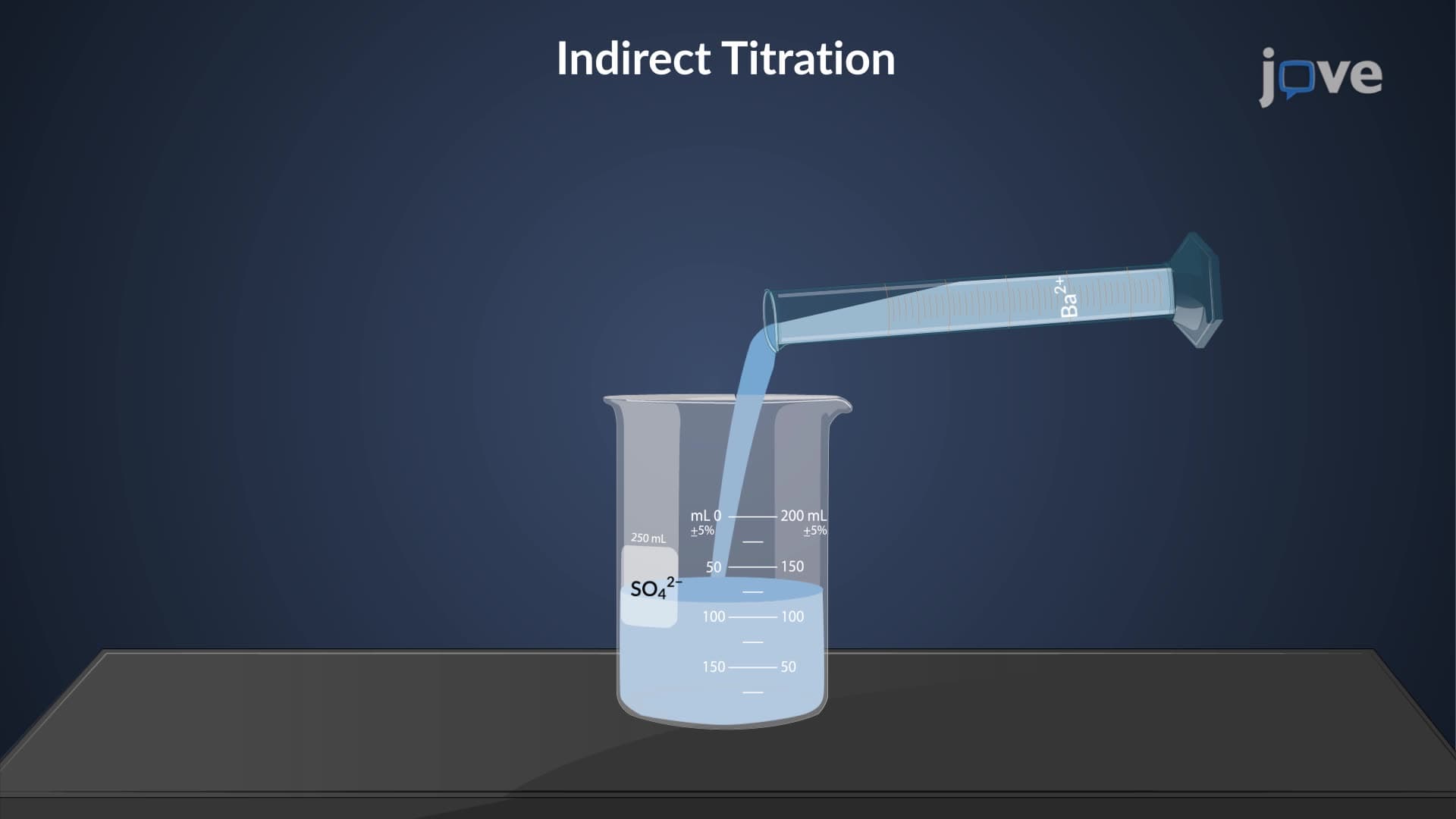
Five distinct EDTA titration approaches address different analytical challenges: direct titration for cooperative metals, back-titration for slow-reacting ions like aluminum, displacement titration for metals lacking suitable indicators, indirect titration for anion determination, and alkalimetric titration measuring released hydrogen ions. Auxiliary complexing agents like ammonia prevent metal hydroxide precipitation at high pH by forming intermediate complexes that EDTA subsequently displaces. These techniques find applications in clinical analysis of serum calcium, pharmaceutical potency testing, and metallurgical quality control in American steel production facilities.
3. Precipitation Titration and Argentometric Methods
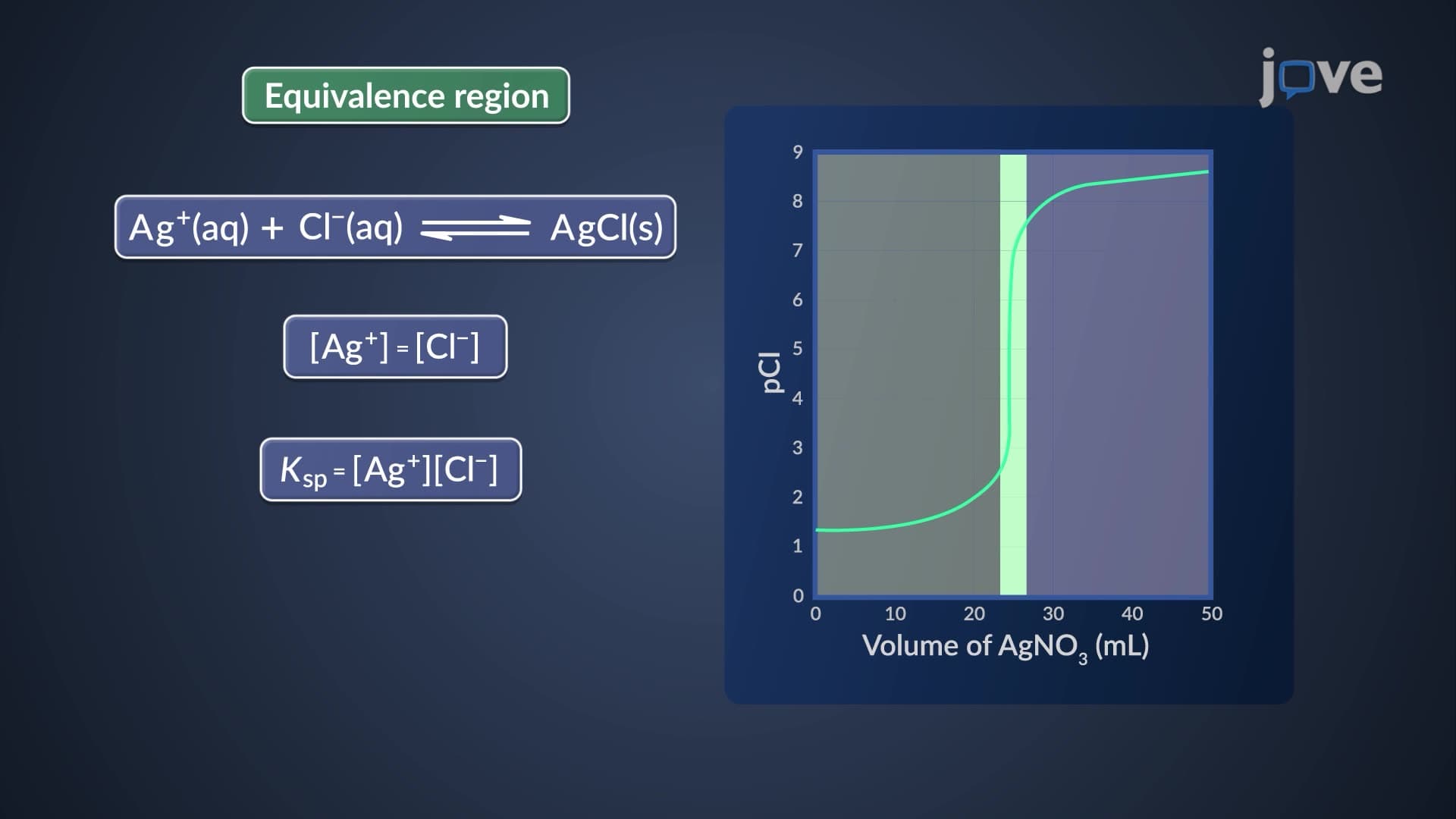
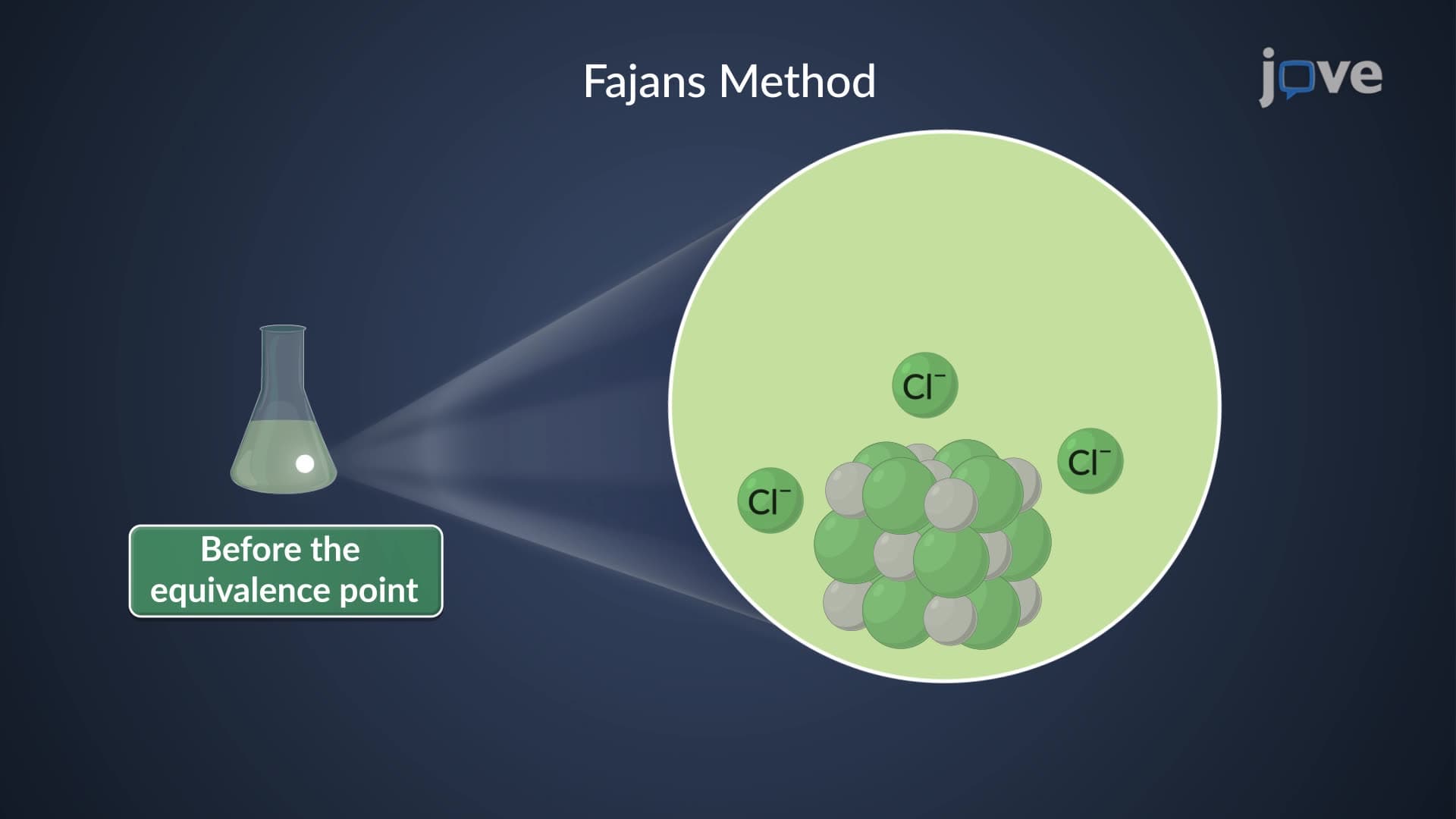
Precipitation titrations utilize sparingly soluble product formation, with silver nitrate (argentometric) titrations being most common for halide determination. The titration curve exhibits three distinct regions: pre-equivalence (excess analyte), equivalence point (solubility product equilibrium), and post-equivalence (excess titrant). The Mohr method uses chromate indicator for chloride analysis, Volhard method employs thiocyanate back-titration with iron indicator, and Fajans method relies on adsorption indicators. These techniques analyze salt content in food products, chloride levels in drinking water systems, and pharmaceutical halide compounds in American drug manufacturing.
4. Gravimetric Analysis and Precipitation Control
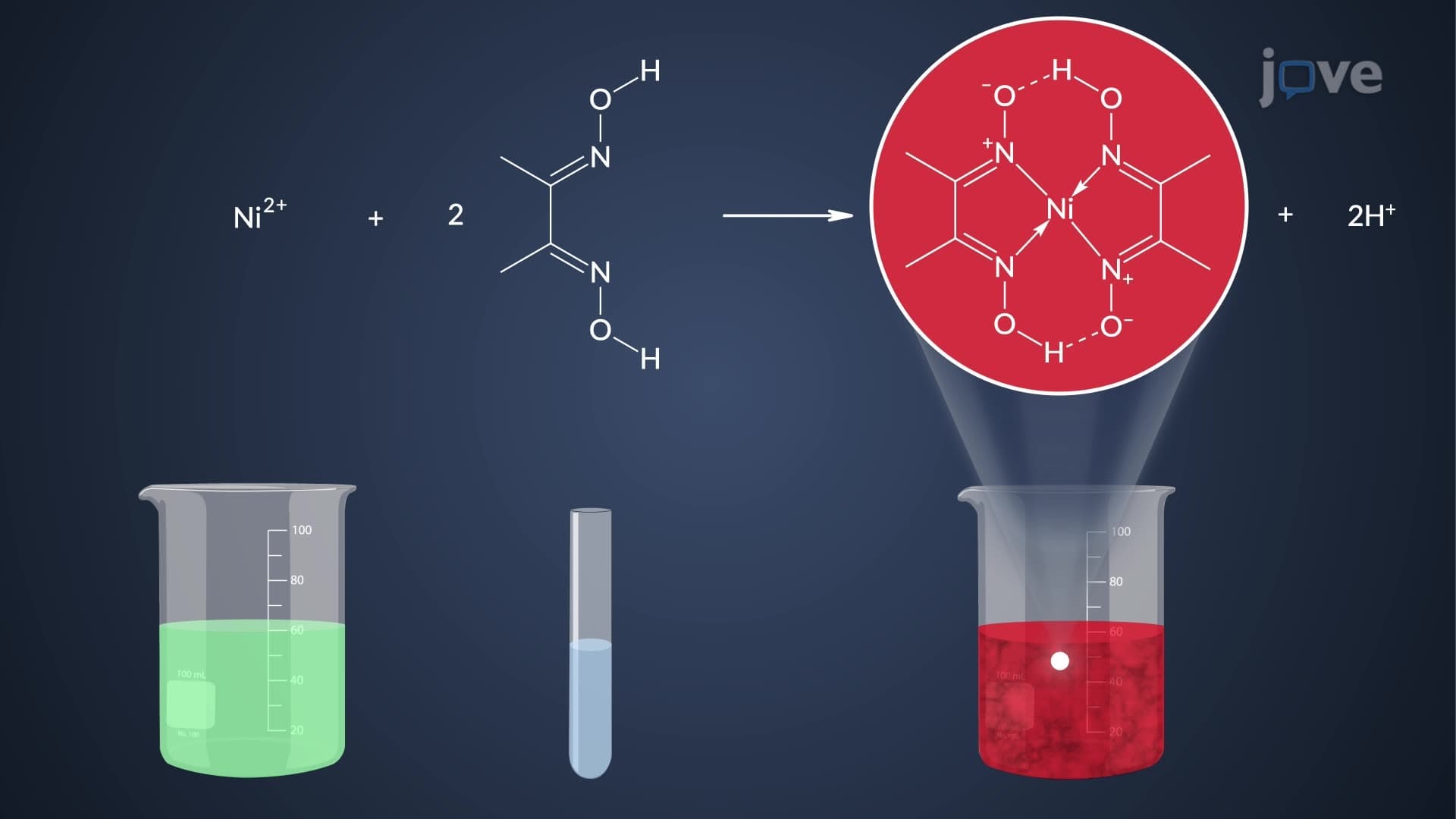
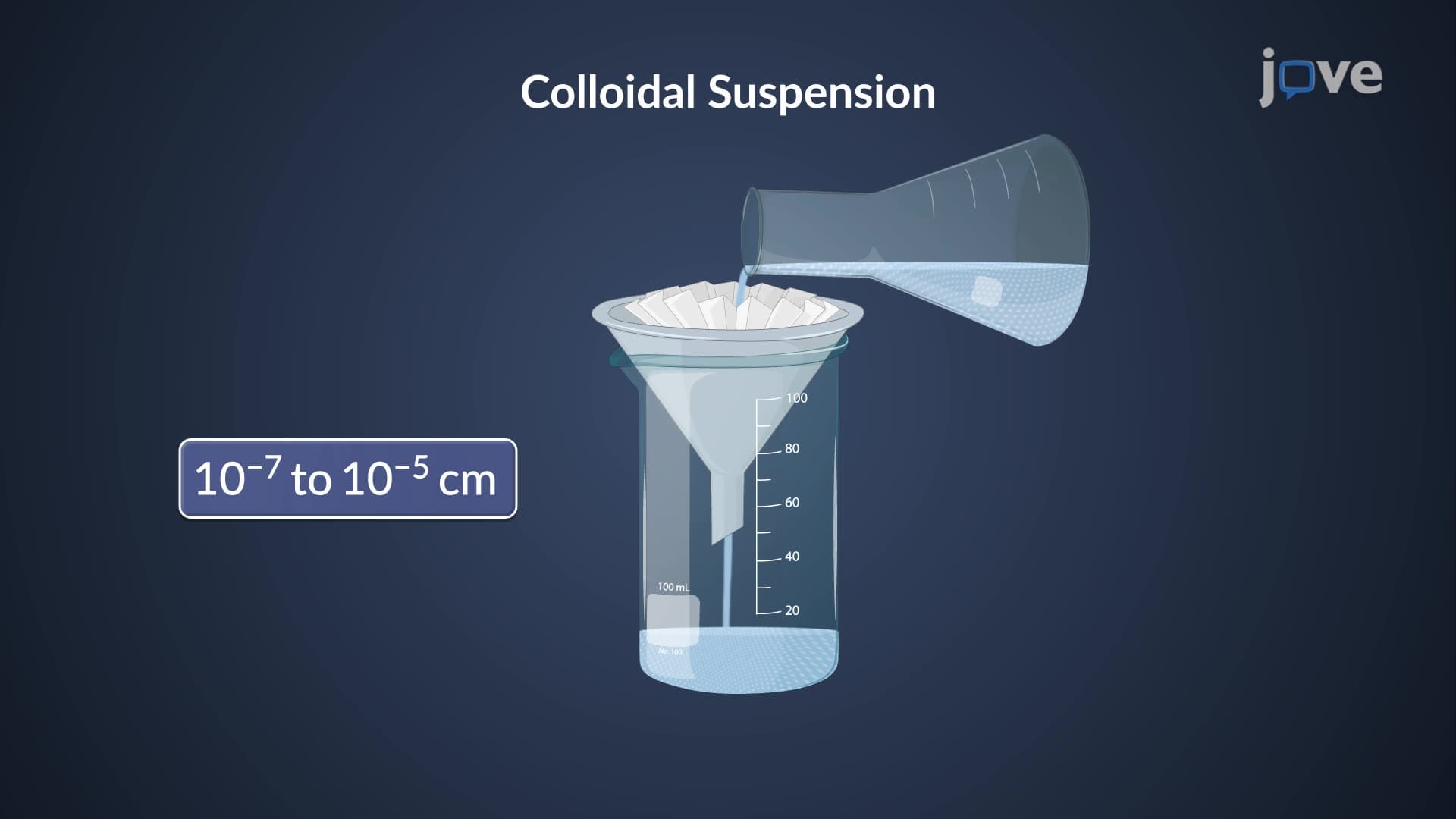
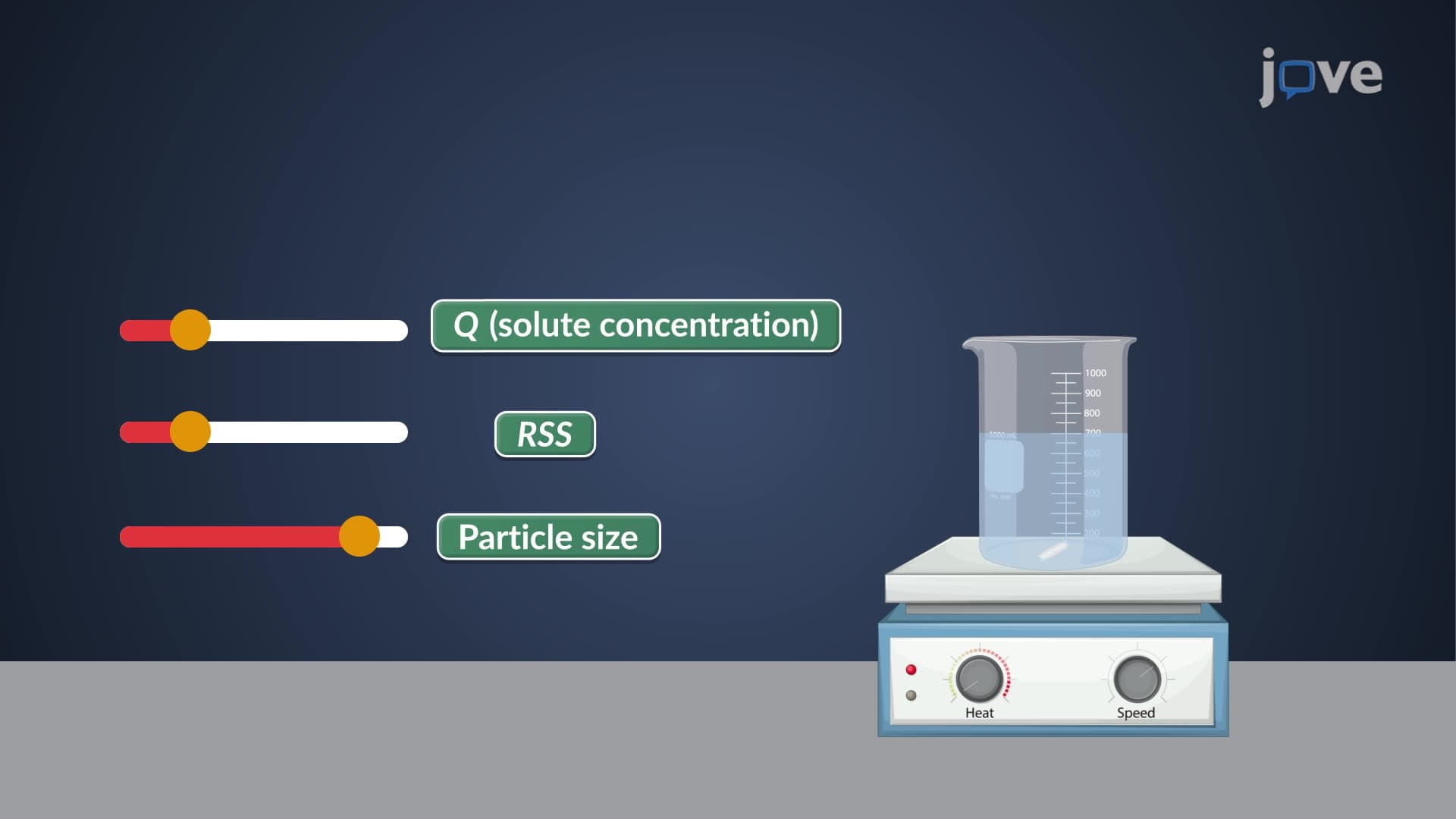
Gravimetric analysis determines analyte concentration through mass measurements of isolated precipitates or volatilized products. Success requires precipitates with low solubility, known composition, high purity, and easy filtration. Particle size control through relative supersaturation management prevents colloidal formation that passes through filters. Techniques include slow reagent addition, dilute solutions, elevated temperatures, and homogeneous precipitation where reagents generate in situ. Applications include sulfate determination in drinking water, nickel analysis in steel alloys, and moisture content in pharmaceutical preparations across American laboratories.
5. Coprecipitation, Washing Procedures, and Quality Control
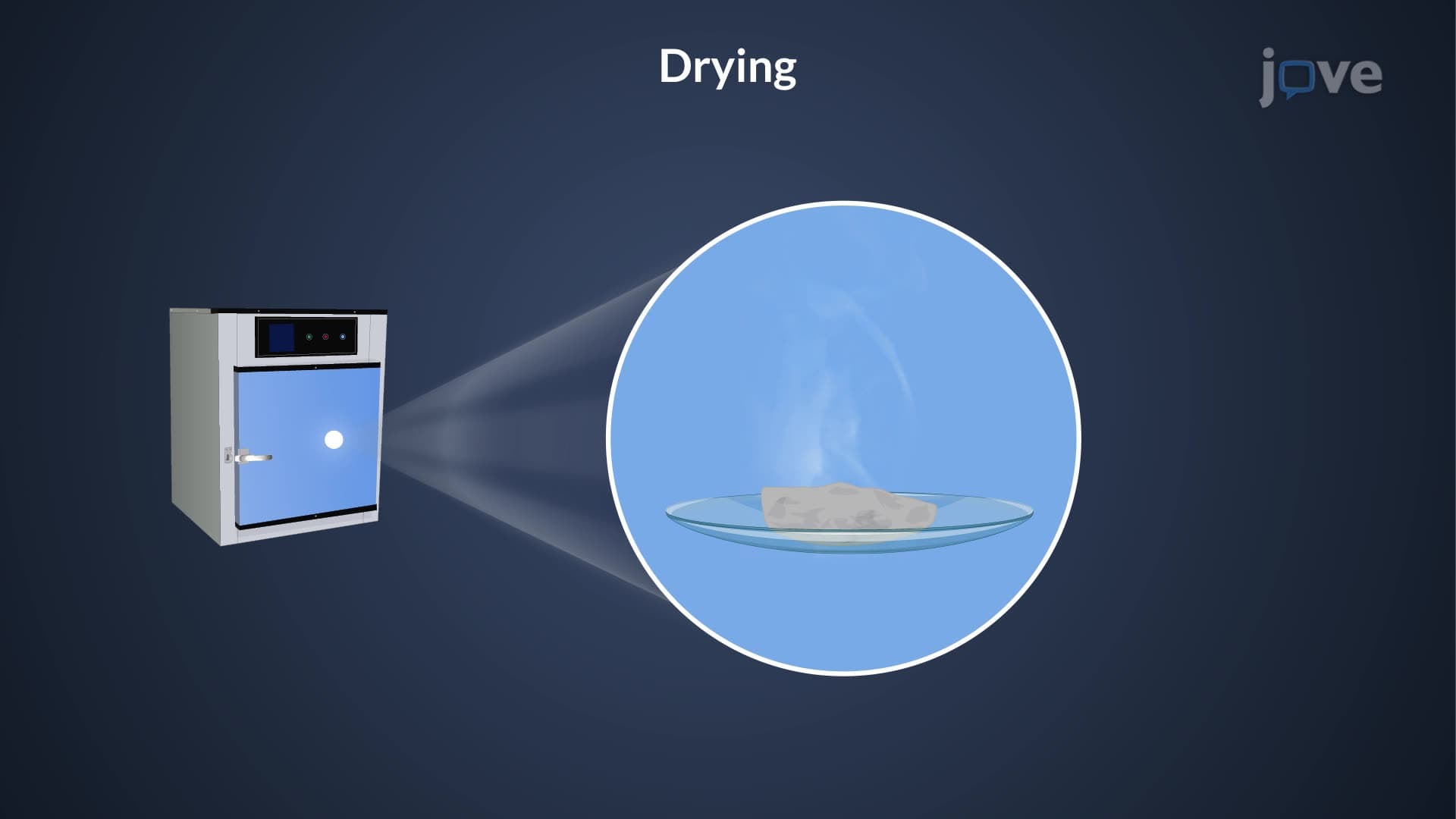
Coprecipitation contamination occurs through surface adsorption, isomorphous replacement, occlusion, and mechanical entrapment, requiring specific mitigation strategies. Colloidal precipitates need electrolyte washing to prevent peptization, while crystalline precipitates benefit from digestion in hot mother liquor. Proper washing removes coprecipitated impurities using common ion solutions, appropriate pH buffers, or non-interfering electrolytes. Final precipitate treatment involves controlled drying, possible ignition for conversion to weighing form, and desiccator cooling. These quality control measures ensure accurate results in environmental monitoring, pharmaceutical analysis, and materials testing laboratories nationwide.
Frequently Asked Questions
EDTA's six coordination sites form highly stable 1:1 complexes with most metal ions, creating sharp titration endpoints. Unlike monodentate ligands that form multiple equilibria, EDTA's polydentate structure provides the chelate effect, dramatically increasing complex stability and analytical precision.
Use direct titration for cooperative metals like calcium and magnesium that react quickly with clear color changes. Choose back-titration for slow-reacting metals (aluminum, chromium), metals that precipitate without EDTA, or when the metal-indicator complex blocks visual detection.
Argentometric titrations using silver nitrate dominate standardized tests, particularly chloride determination by the Mohr method. Focus on titration curve interpretation, solubility product calculations, and understanding how Ksp values affect endpoint sharpness.
Converting between precipitate mass and analyte concentration through stoichiometric relationships. Practice identifying the gravimetric factor (analyte molar mass/precipitate molar mass) and applying it correctly to mass measurements for accurate results.
Municipal water treatment facilities routinely use EDTA titrations to monitor calcium and magnesium levels, ensuring optimal water quality for American consumers. High hardness causes scale buildup in pipes and appliances, while low hardness can increase corrosion rates in distribution systems.
pH affects both precipitate solubility and indicator behavior. Too acidic conditions may prevent complete precipitation, while too basic conditions can cause hydroxide formation. Most argentometric methods work best at pH 6-8 to balance these competing factors.
Focus on understanding the underlying equilibrium principles rather than memorizing procedures. Practice drawing titration curves, calculating conditional formation constants, and identifying when to use each method. Work through real analytical scenarios like water quality testing and pharmaceutical analysis.
Masking agents like cyanide or fluoride form more stable complexes with interfering ions than EDTA would, effectively removing them from the titration. This allows selective determination of target metals in complex matrices like environmental samples or biological fluids.
This microcourse includes 22 concept videos that walk you through the building blocks of Analytical Chemistry. Each video is short, about 1 minute, so you can cover a full topic during a coffee break or between classes. The full sequence starts with Complexometric Titration: Overview and ends with Washing, Drying, and Ignition of Precipitates.