NMR spectroscopy represents one of the most powerful analytical tools for determining molecular structure and dynamics in modern chemistry. This comprehensive course explores advanced multidimensional NMR techniques including 2D NMR methods, variable-temperature experiments, and specialized enhancement techniques like NOE and INEPT. Students will master sophisticated approaches used in pharmaceutical research, materials science, and academic laboratories across the United States, building expertise essential for graduate studies and professional careers in analytical chemistry.
Understand how conformational flexibility affects NMR spectra and apply variable-temperature techniques to resolve dynamic processes
Learn to identify and characterize labile protons using deuterium substitution methods
Explore Nuclear Overhauser Enhancement (NOE) for determining spatial relationships and molecular stereochemistry
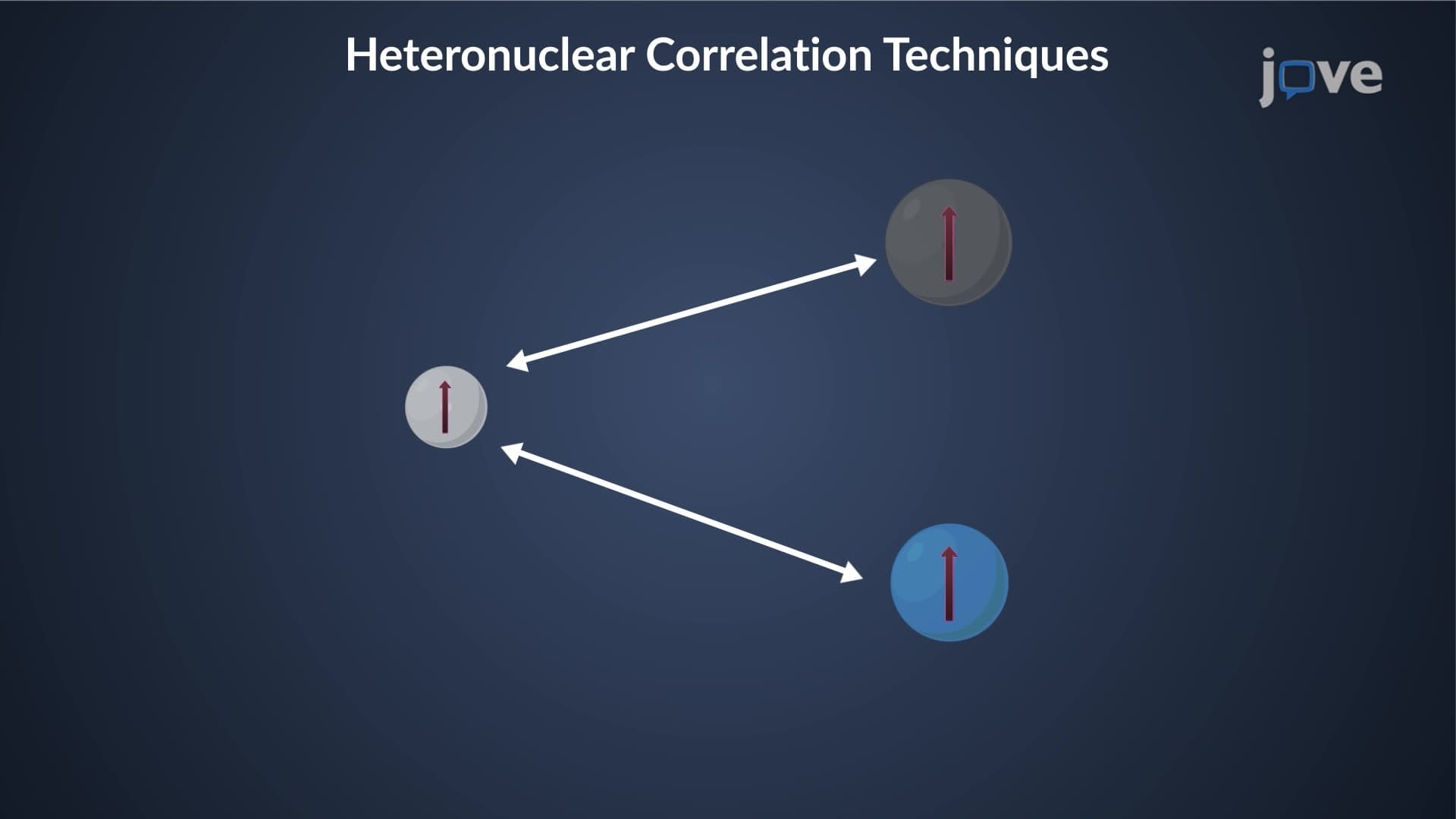
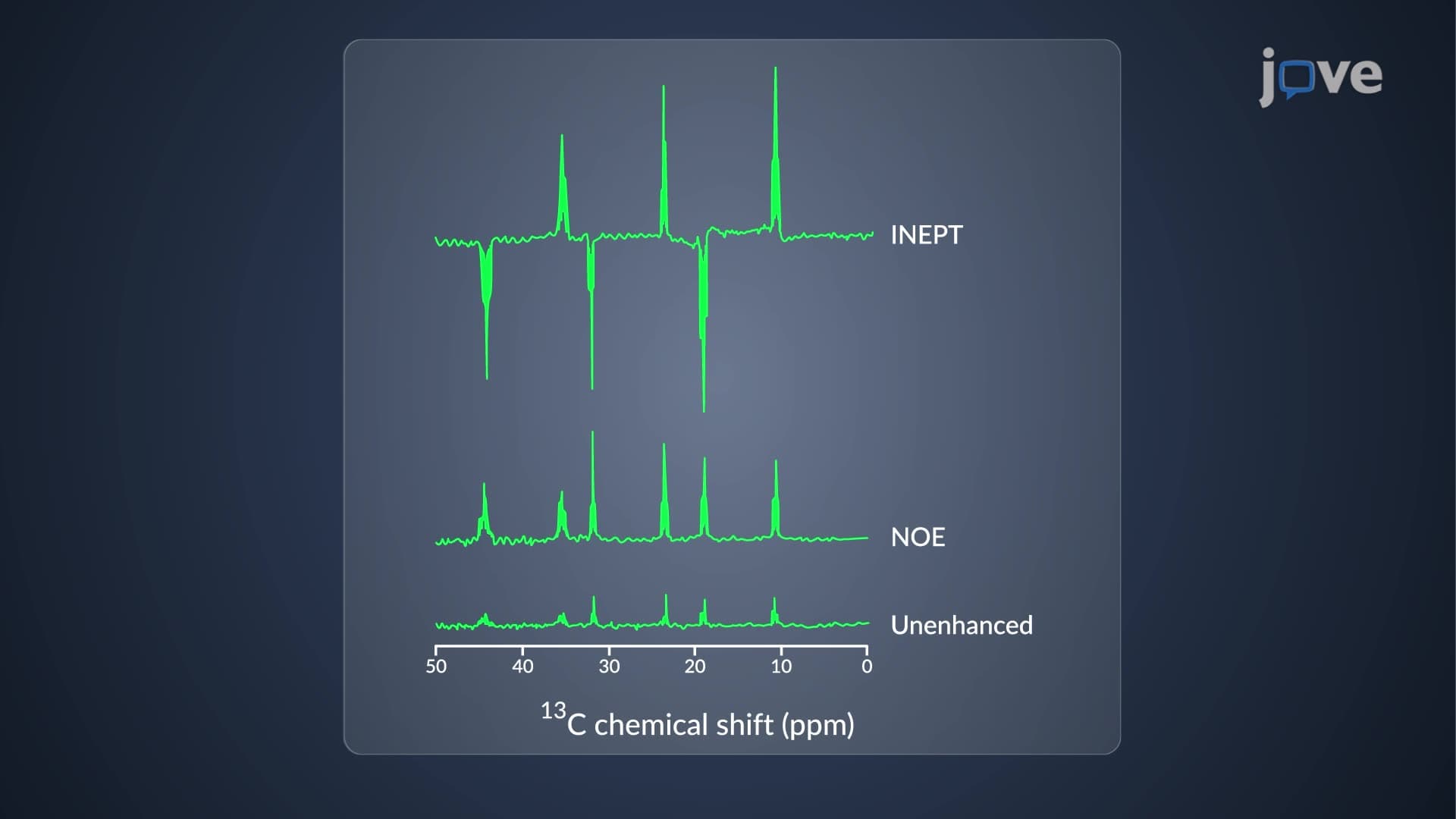
Analyze polarization transfer techniques like INEPT to enhance sensitivity for insensitive nuclei
Apply double resonance methods for selective decoupling and signal enhancement
Understand the principles and applications of two-dimensional NMR spectroscopy
Identify molecular connectivity using homonuclear correlation techniques like COSY
Analyze heteronuclear correlations through advanced 2D NMR methods including HSQC and HMBC
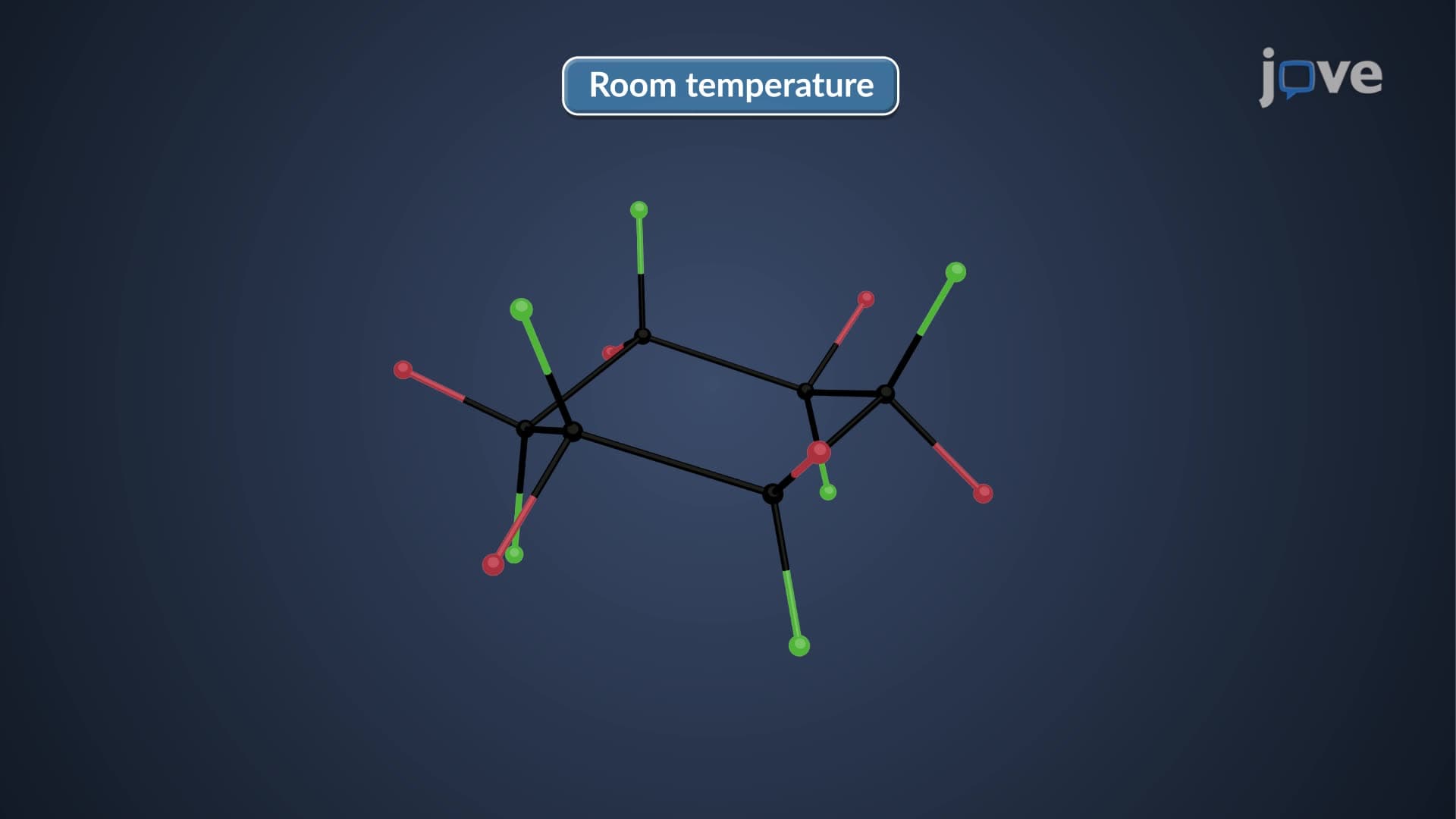
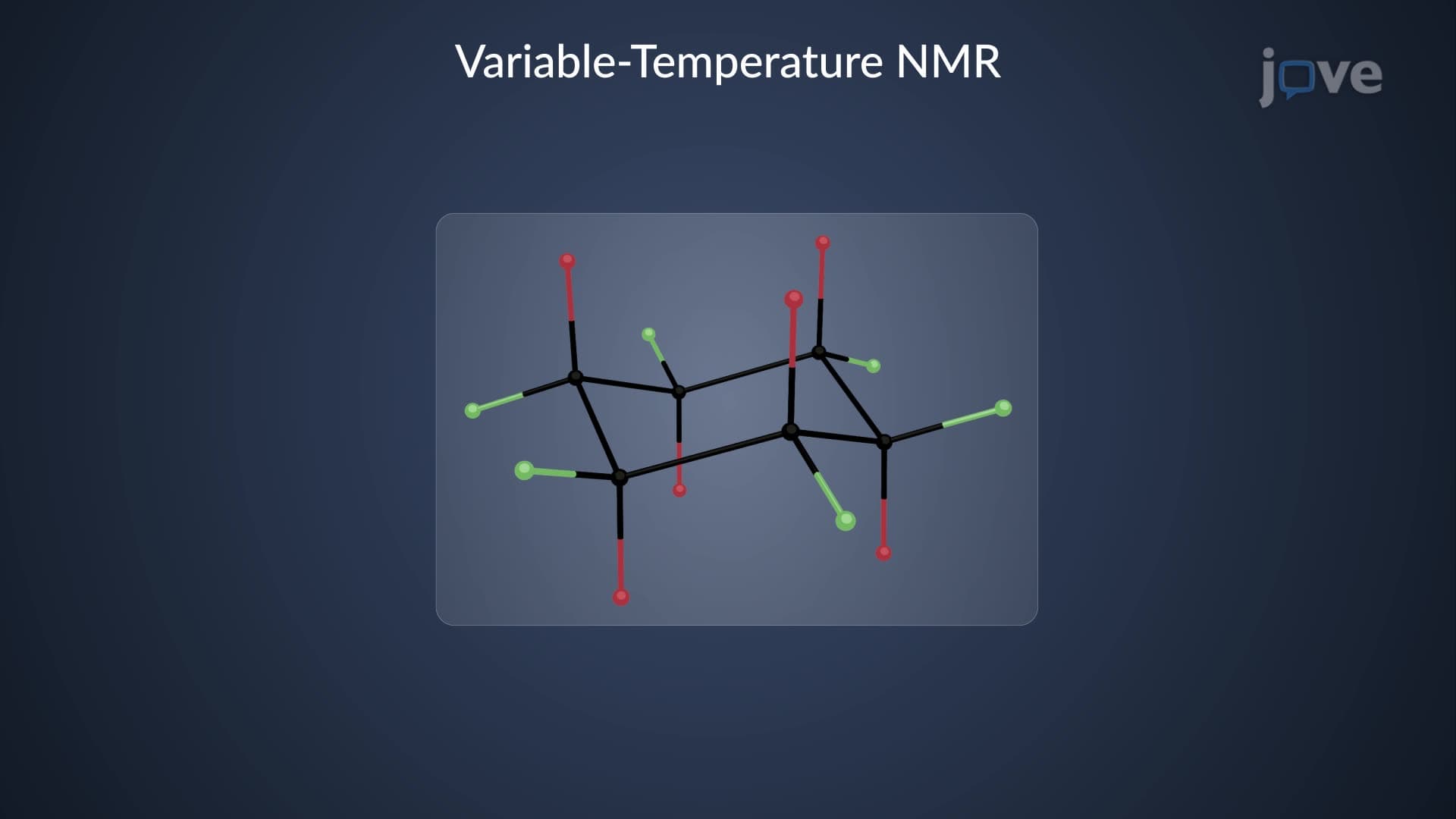
1. Dynamic NMR and Conformational Analysis - Conformationally flexible molecules like cyclohexane undergo rapid interconversion between chair conformations at room temperature, causing NMR to average all conformers into single peaks. Variable-temperature NMR techniques slow these processes, allowing observation of individual conformers. At sufficiently low temperatures, separate signals for axial and equatorial protons become visible, providing crucial information about molecular dynamics and energy barriers in pharmaceutical compounds and natural products studied in US research laboratories.
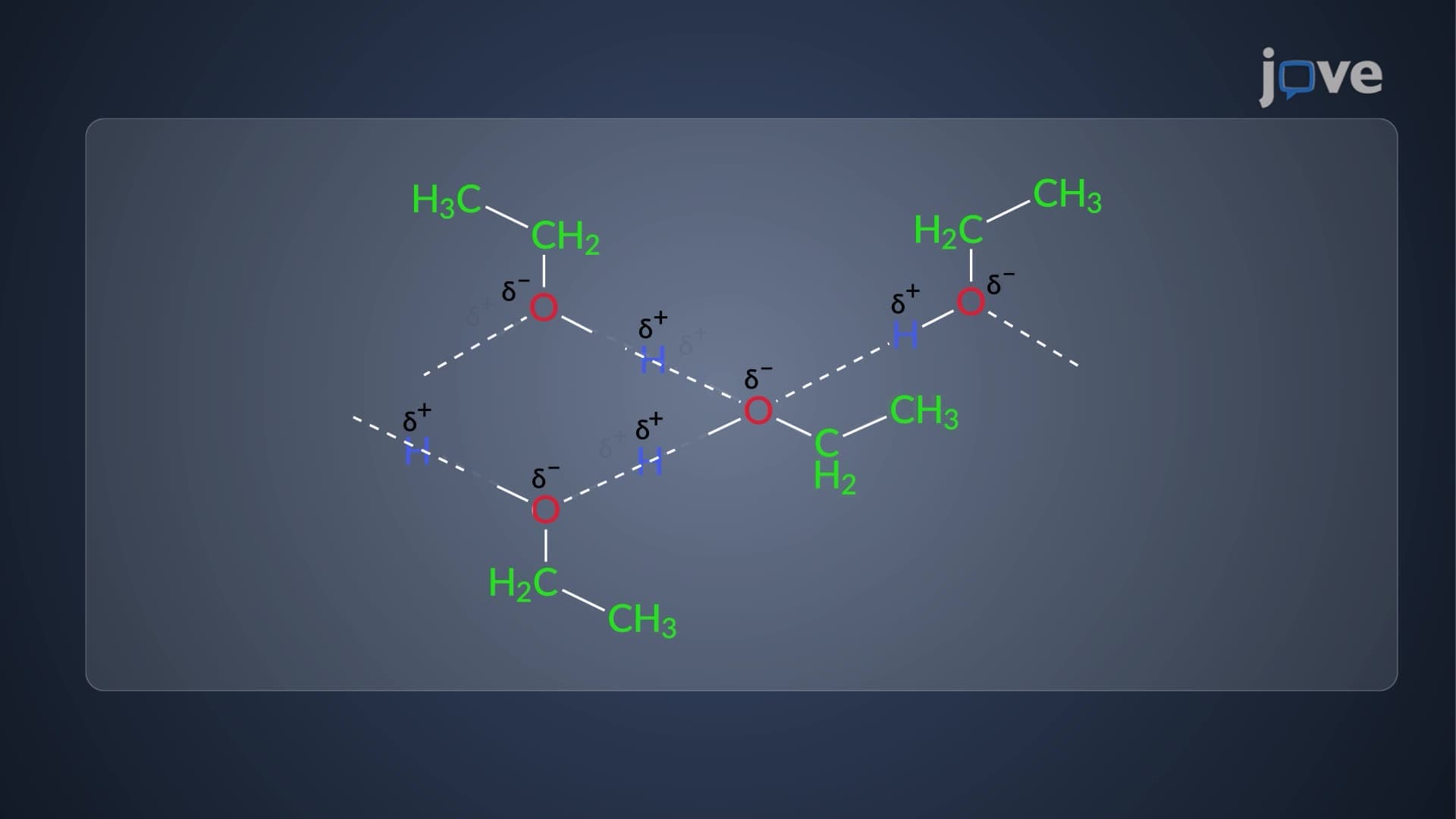
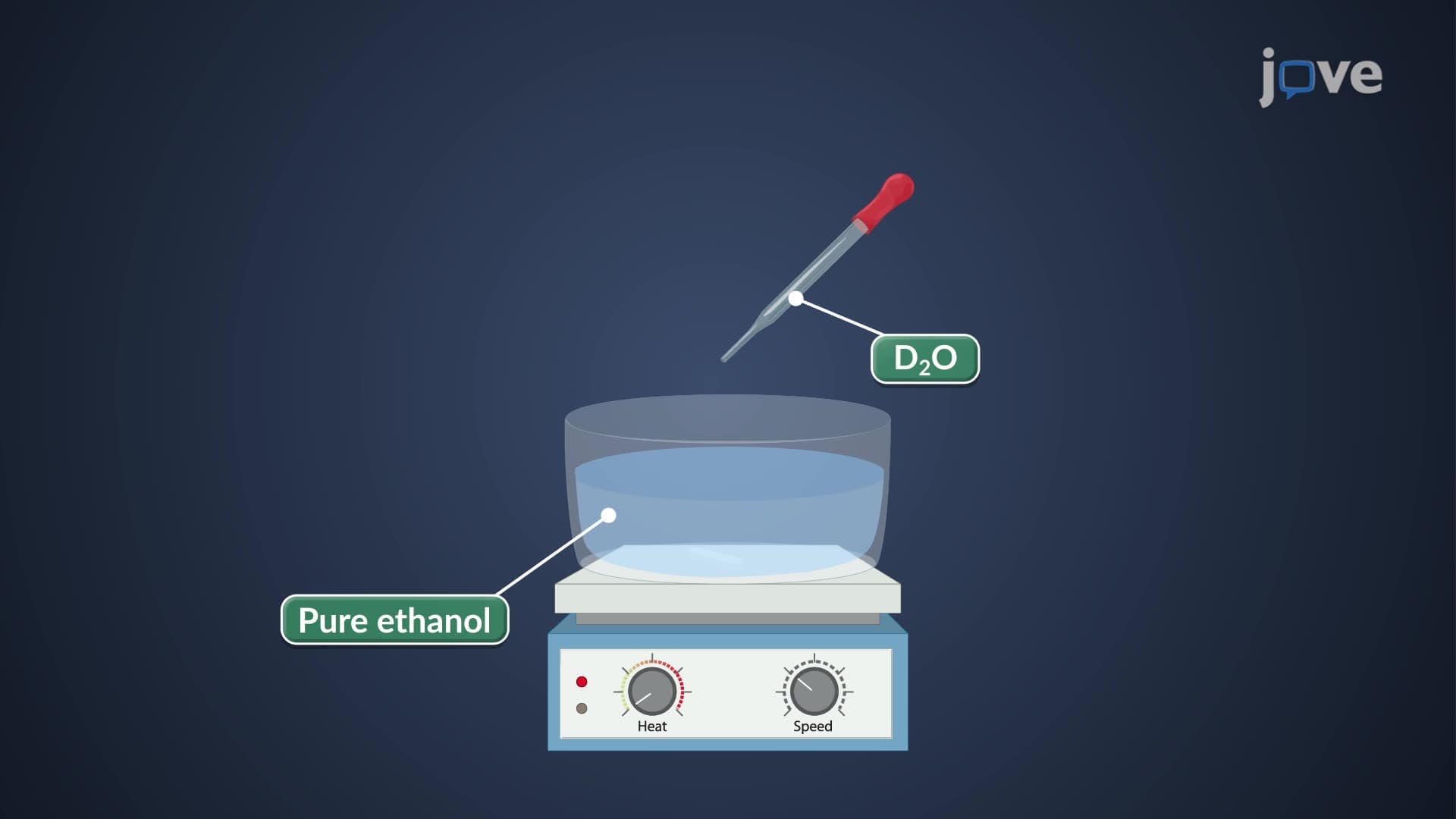
2. Labile Proton Characterization - Labile protons such as OH groups in alcohols undergo rapid exchange with other molecules, creating variable chemical shifts and coupling patterns depending on sample purity and temperature. Deuterium substitution experiments using D₂O definitively identify these exchangeable protons by replacing them with deuterium, which is invisible in ¹H NMR. This technique proves essential for characterizing hydrogen bonding in biological molecules and drug compounds analyzed in American pharmaceutical companies.
3. Nuclear Overhauser Enhancement (NOE) - NOE effects occur through space rather than through bonds, providing information about atomic proximity within 4 angstroms. Irradiating one nucleus can enhance or diminish nearby nuclear signals, enabling stereochemical assignments and conformational analysis. This technique proves particularly valuable for determining three-dimensional structures of complex organic molecules, natural products, and drug candidates in research conducted at major US universities and pharmaceutical corporations.
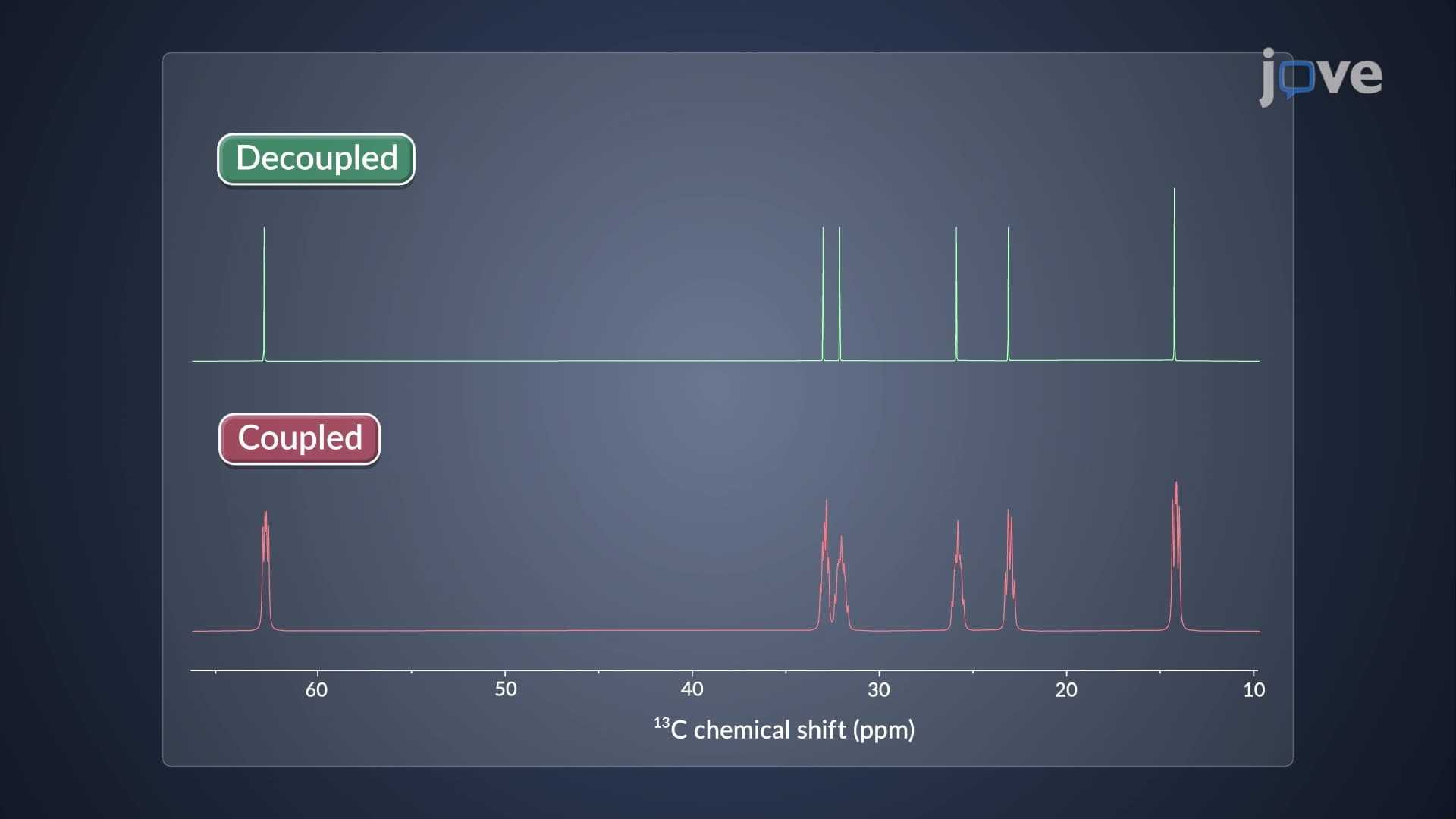
4. Polarization Transfer Techniques - INEPT (Insensitive Nuclei Enhanced by Polarization Transfer) uses abundant, sensitive nuclei like protons to enhance signals from less sensitive nuclei such as ¹³C and ¹⁵N. Through carefully timed pulse sequences and coupling-constant delays, polarization transfers from protons to carbon nuclei, dramatically improving signal strength. This enhancement technique enables routine ¹³C NMR analysis of small samples, supporting research in organic synthesis and materials science across American academic institutions.
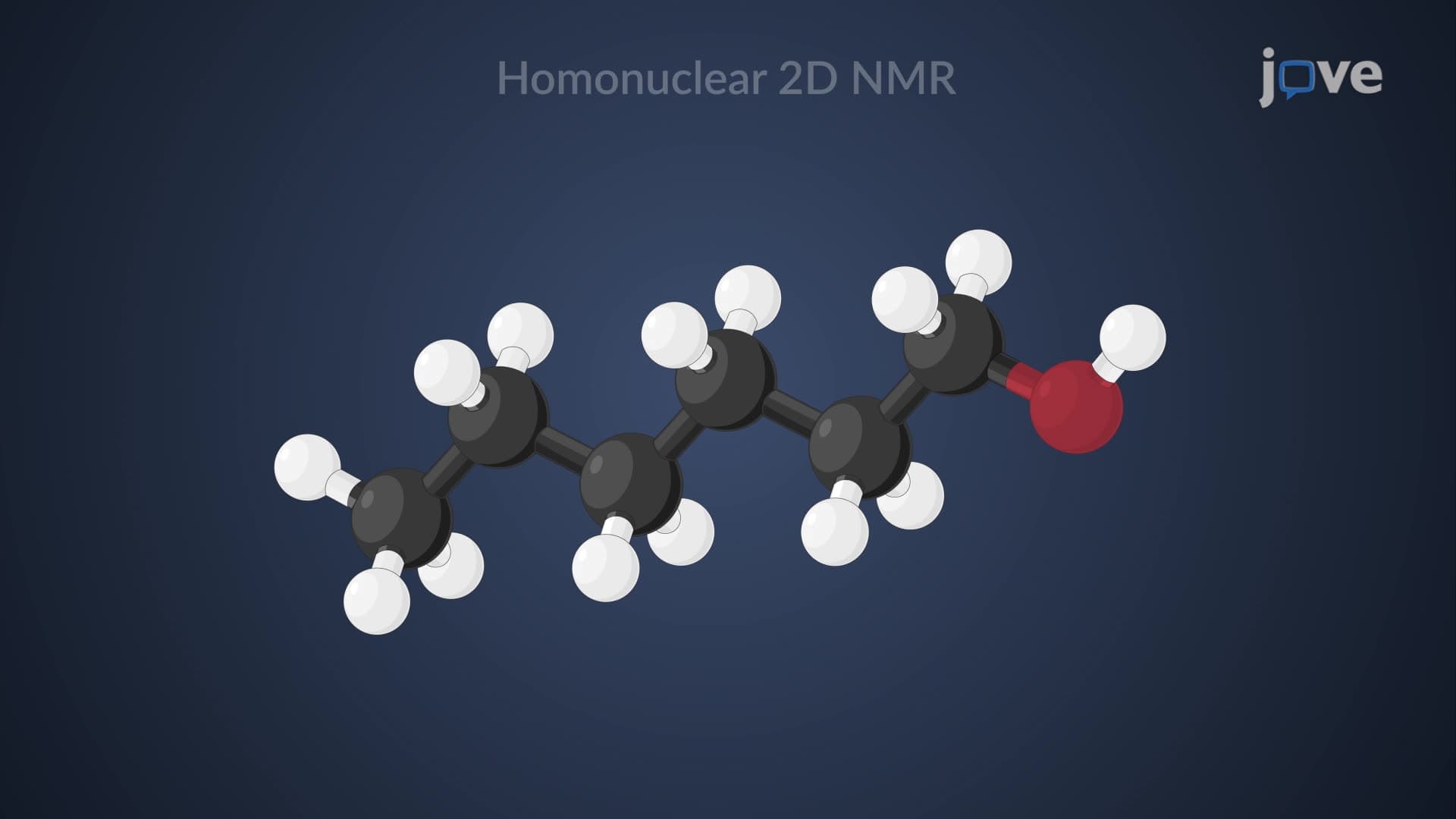
5. Two-Dimensional NMR Spectroscopy - 2D NMR introduces a second frequency dimension by systematically varying evolution times during pulse sequences. After Fourier transformation of both time domains, correlation patterns appear as cross-peaks in contour plots, revealing molecular connectivity information impossible to obtain from 1D spectra. These techniques revolutionized structural determination in complex molecules, becoming standard tools in pharmaceutical development, natural product chemistry, and protein structure analysis conducted in US research facilities.
6. Homonuclear Correlation Techniques - COSY (Correlation Spectroscopy) identifies through-bond coupling between protons separated by 2-3 bonds, appearing as symmetric cross-peaks in 2D spectra. Advanced variants like long-range COSY and total correlation spectroscopy extend connectivity information across larger molecular fragments. These experiments prove indispensable for structure elucidation of complex organic compounds, natural products, and synthetic intermediates in research programs at American universities and chemical companies.
7. Heteronuclear Correlation Methods - HSQC (Heteronuclear Single-Quantum Correlation) and HMBC (Heteronuclear Multiple-Bond Correlation) reveal connectivity between different nuclear types, typically ¹H and ¹³C. HSQC shows direct carbon-proton bonds while HMBC displays longer-range correlations through 2-3 bonds. These complementary techniques provide comprehensive structural information for complex molecules, supporting drug discovery research and natural product identification in pharmaceutical and academic laboratories throughout the United States.
Frequently Asked Questions
Variable-temperature NMR slows down rapid molecular motions by lowering temperature. At room temperature, fast conformational changes cause NMR to see averaged signals. Cooling the sample reduces the rate of these processes until separate signals for different environments become visible, like distinguishing axial from equatorial protons in cyclohexane.
Labile protons undergo rapid chemical exchange with other molecules, typically OH, NH, or SH groups. When D₂O is added to the sample, these exchangeable protons are replaced by deuterium atoms, which don't appear in ¹H NMR spectra. The disappearance of specific signals confirms their labile nature.
Focus on understanding NOE for spatial relationships, basic 2D NMR concepts for connectivity determination, and how coupling patterns reveal molecular structure. The MCAT emphasizes conceptual understanding of how these techniques provide structural information rather than detailed pulse sequences.
COSY reveals which protons are coupled to each other through bonds, creating a connectivity map. While 1D NMR shows individual signals, COSY cross-peaks identify neighboring groups, allowing you to piece together molecular fragments even in complex spectra with overlapping signals.
HSQC shows direct carbon-proton bonds (one bond away), while HMBC reveals longer-range correlations (typically 2-3 bonds away). Together, they provide complementary connectivity information essential for complete structure determination of complex organic molecules.
Pharmaceutical companies use these methods to confirm the structure of drug candidates, study drug-protein interactions, and analyze metabolites. NOE experiments determine three-dimensional shapes crucial for biological activity, while 2D methods identify impurities and degradation products in drug development.
The main challenges are visualizing 2D spectra, understanding pulse sequences, and connecting spectral features to molecular structure. Practice interpreting 2D NMR spectra regularly, focus on recognizing cross-peak patterns, and work through structure determination problems systematically to build pattern recognition skills.
Many undergraduate research programs involve NMR-based structure determination. Understanding 2D NMR, NOE, and polarization transfer techniques prepares you for research in organic synthesis, natural products, materials science, and biochemistry labs at American universities, enhancing graduate school applications and career prospects.