22 Concepts
19 Concepts
14 Concepts
17 Concepts
22 Concepts
14 Concepts
13 Concepts
24 Concepts
17 Concepts
24 Concepts
27 Concepts
14 Concepts
19 Concepts
17 Concepts
15 Concepts
12 Concepts
Interpreting NMR spectra is essential for determining molecular structure through analysis of chemical shifts, coupling patterns, and integration values. This comprehensive course covers ¹H and ¹³C NMR fundamentals, from basic chemical shift principles to advanced techniques like DEPT and multinuclear spectroscopy. Students master spectrum analysis skills crucial for organic chemistry coursework and research applications. JoVE Coach provides interactive practice with real spectra from pharmaceuticals and natural products used in US laboratories.
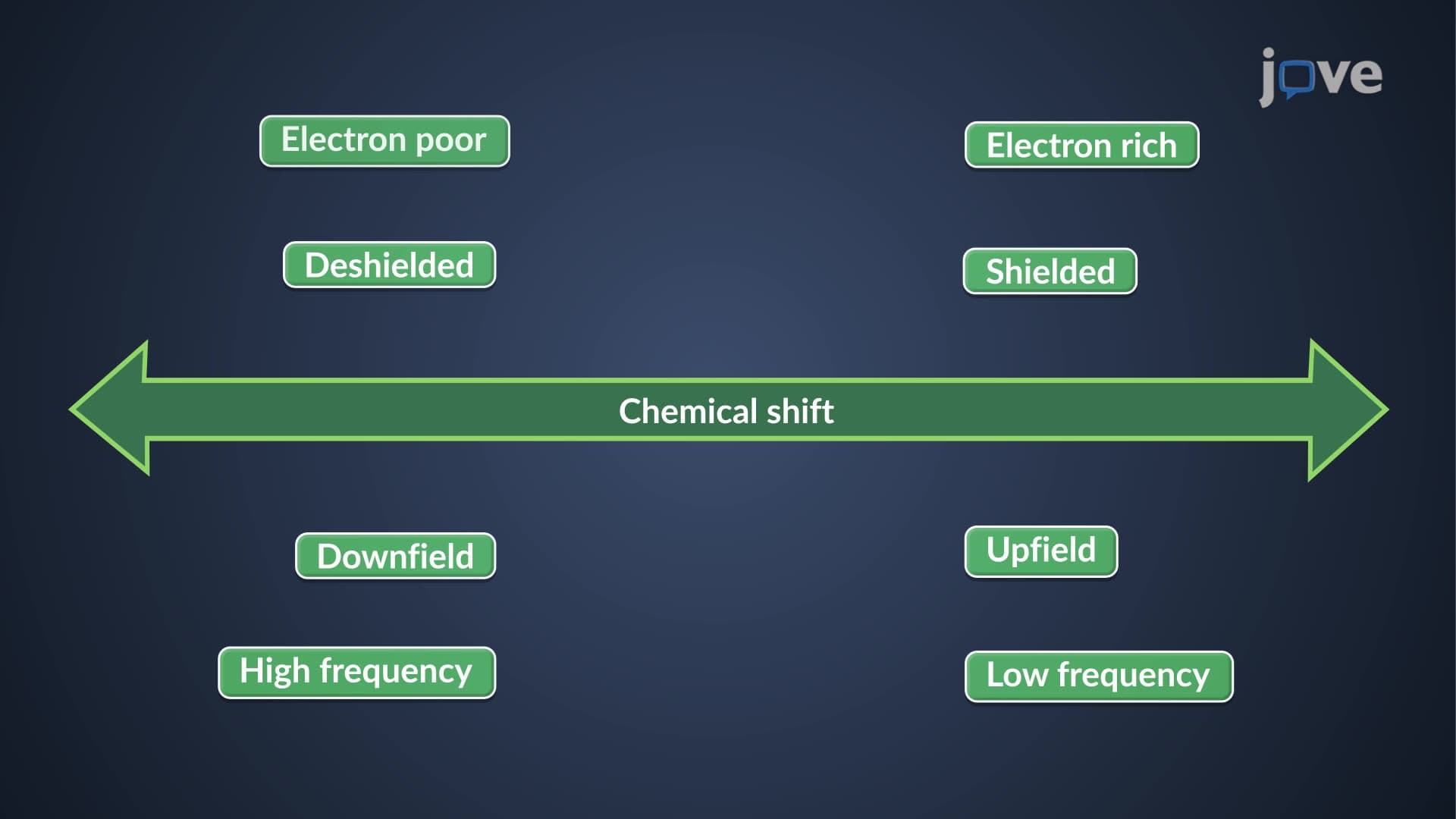
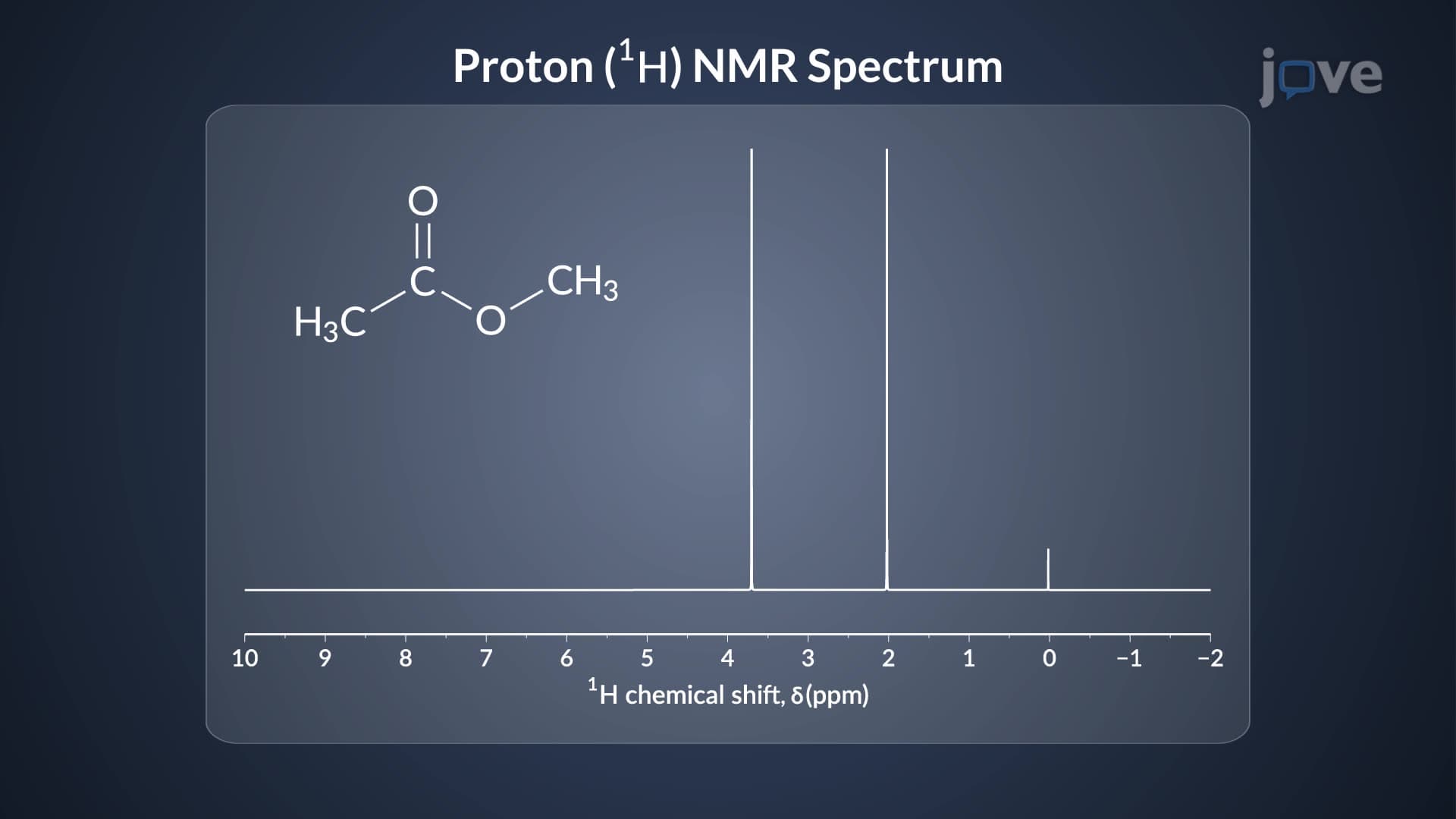
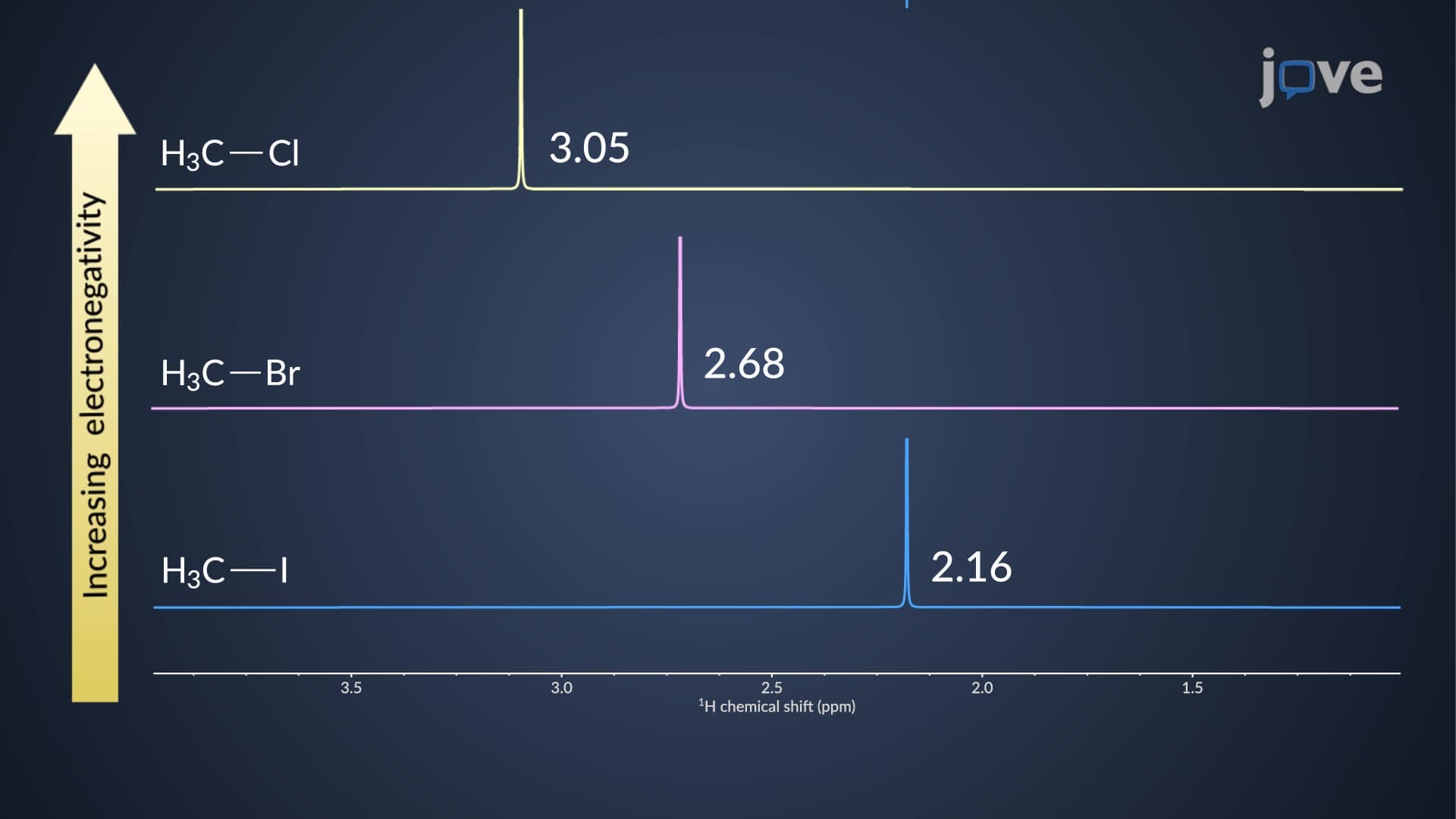
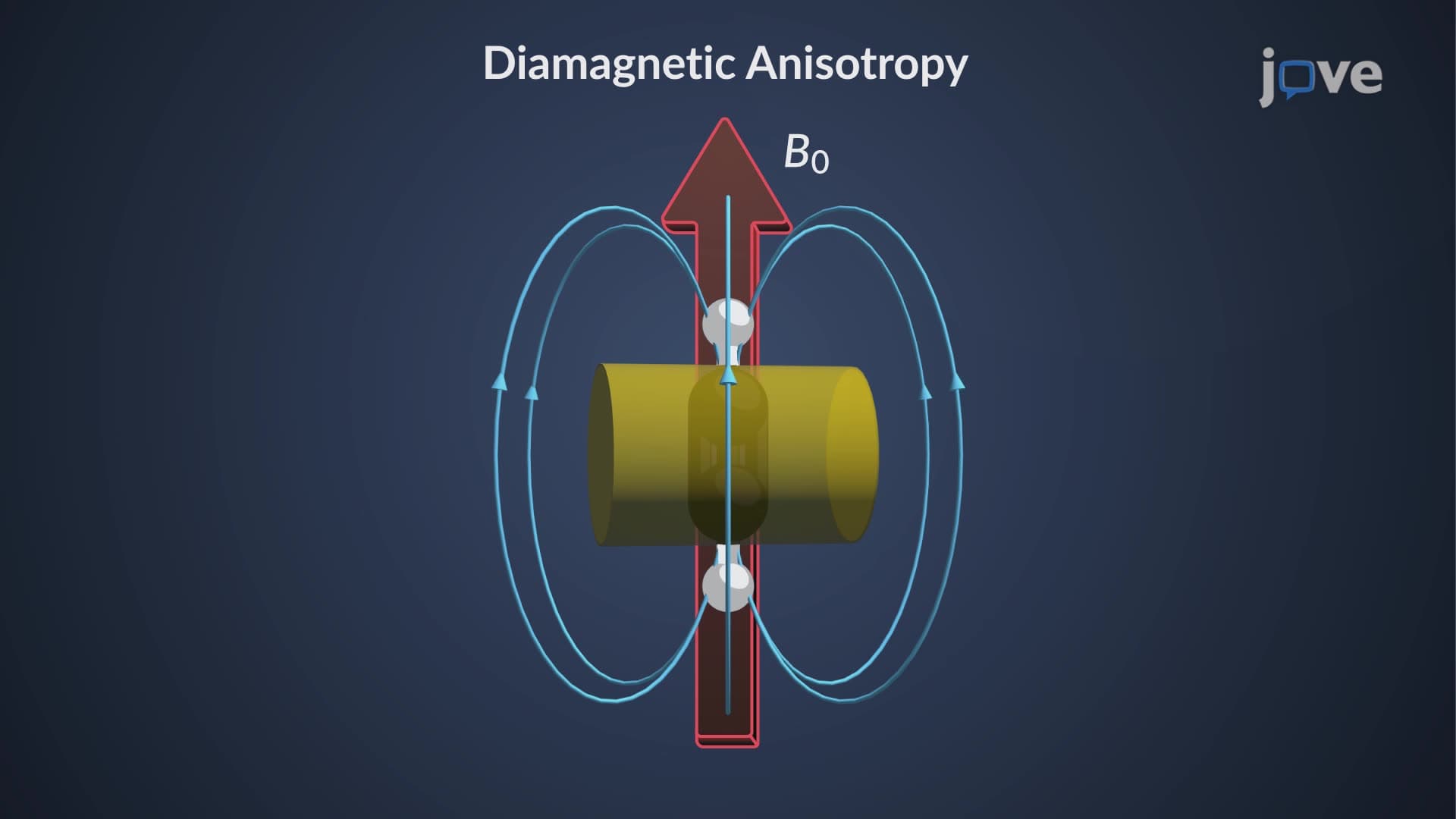
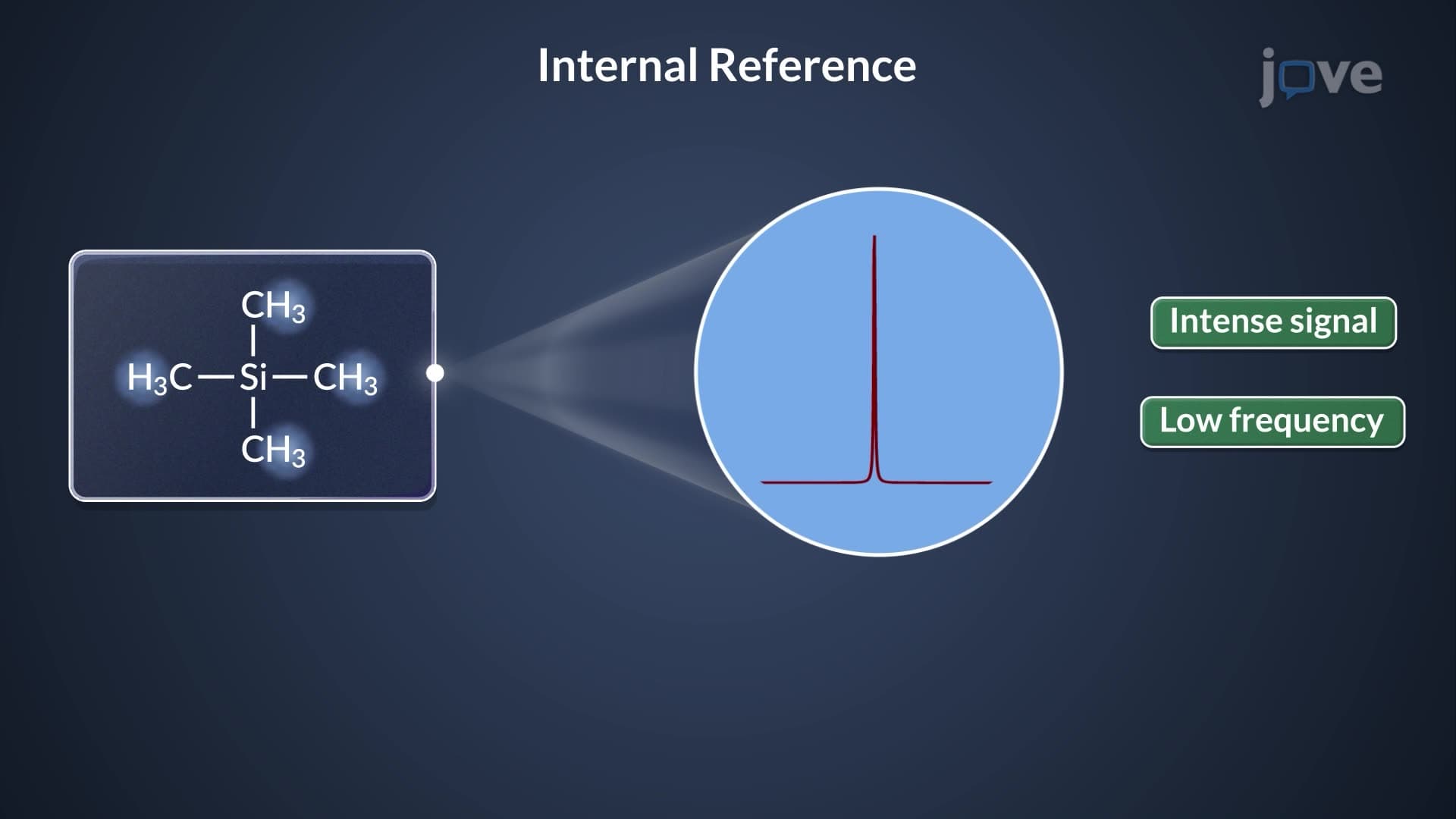
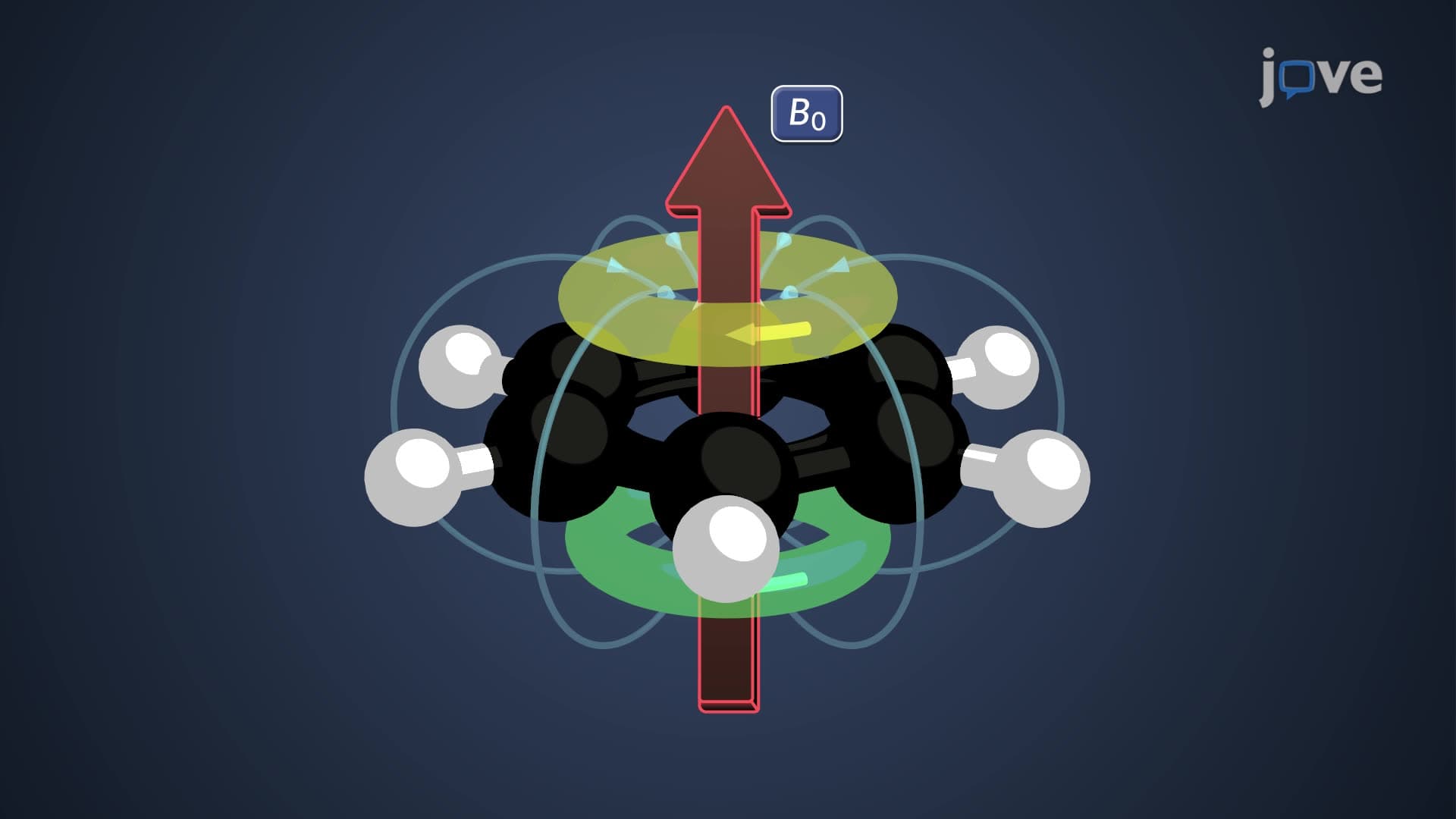
1. Chemical Shift Fundamentals and Reference Standards Chemical shifts represent the position of NMR signals relative to reference compounds, typically tetramethylsilane (TMS) at 0 ppm. The chemical shift scale allows comparison between different instruments and field strengths. Factors affecting chemical shift include electronegativity, hybridization, and magnetic anisotropy effects. For example, methyl protons in acetone appear at 2.1 ppm due to the electron-withdrawing carbonyl group, while aromatic protons in benzene resonate at 7.3 ppm. Understanding chemical shift ranges helps identify functional groups: alkyl (0-3 ppm), vinyl (4.5-6.5 ppm), aromatic (6.5-8.5 ppm), and aldehydic protons (9-10.5 ppm).
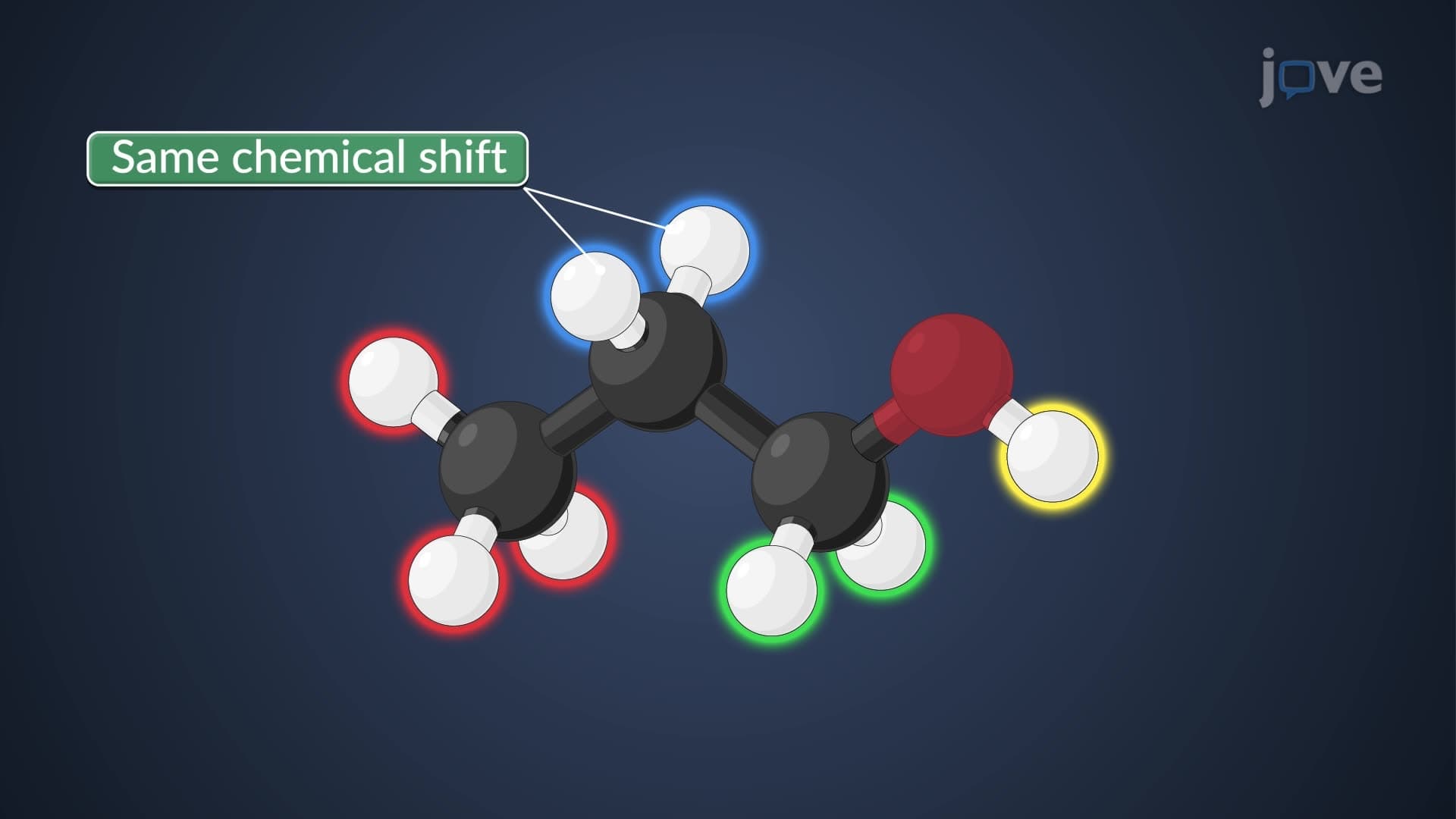
2. Proton Equivalence and Molecular Symmetry Proton equivalence determines whether hydrogens produce the same NMR signal based on their electronic environments. Homotopic protons, related by molecular rotation or symmetry operations, give identical signals like the six equivalent protons in ethane. Enantiotopic protons appear equivalent in achiral solvents but become non-equivalent in chiral environments. Diastereotopic protons, found in chiral molecules or near stereocenters, always produce different signals. For instance, the methylene protons in 2-butanol are diastereotopic and show separate peaks. This concept is crucial for analyzing complex molecules and understanding stereochemistry effects in NMR.
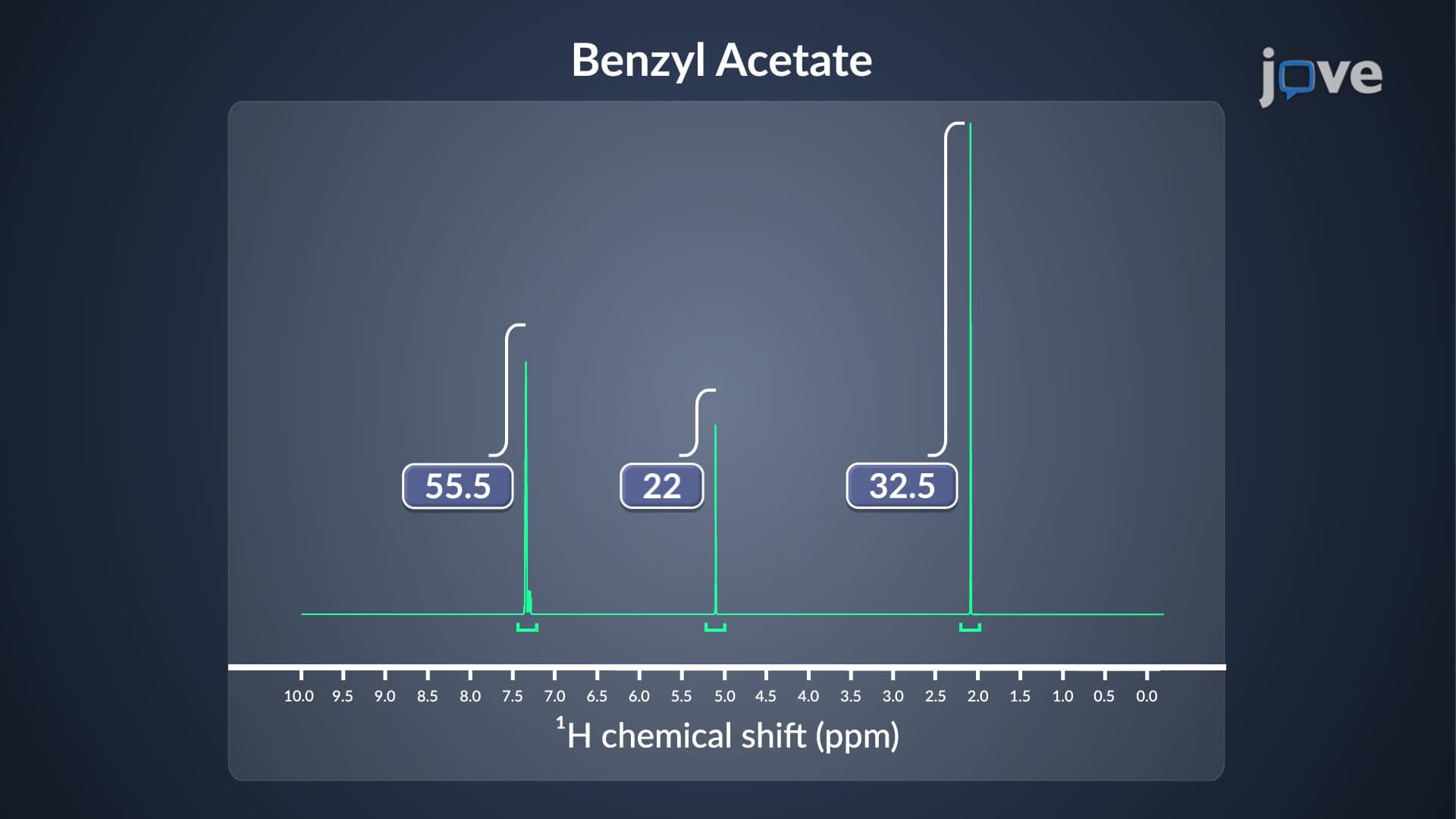
3. Integration Analysis and Quantitative NMR Integration measures the area under NMR peaks, providing information about the relative number of protons producing each signal. The integration ratio reveals molecular composition when combined with chemical shift data. For example, ethyl acetate shows a 3:2:3 integration pattern corresponding to methyl, methylene, and acetate methyl groups respectively. Modern instruments display integration as digital values or curved lines above peaks. Students learn to convert integration ratios to actual proton counts by finding the greatest common divisor and comparing with molecular formulas. This quantitative aspect makes NMR invaluable for purity analysis and structural confirmation in pharmaceutical development.
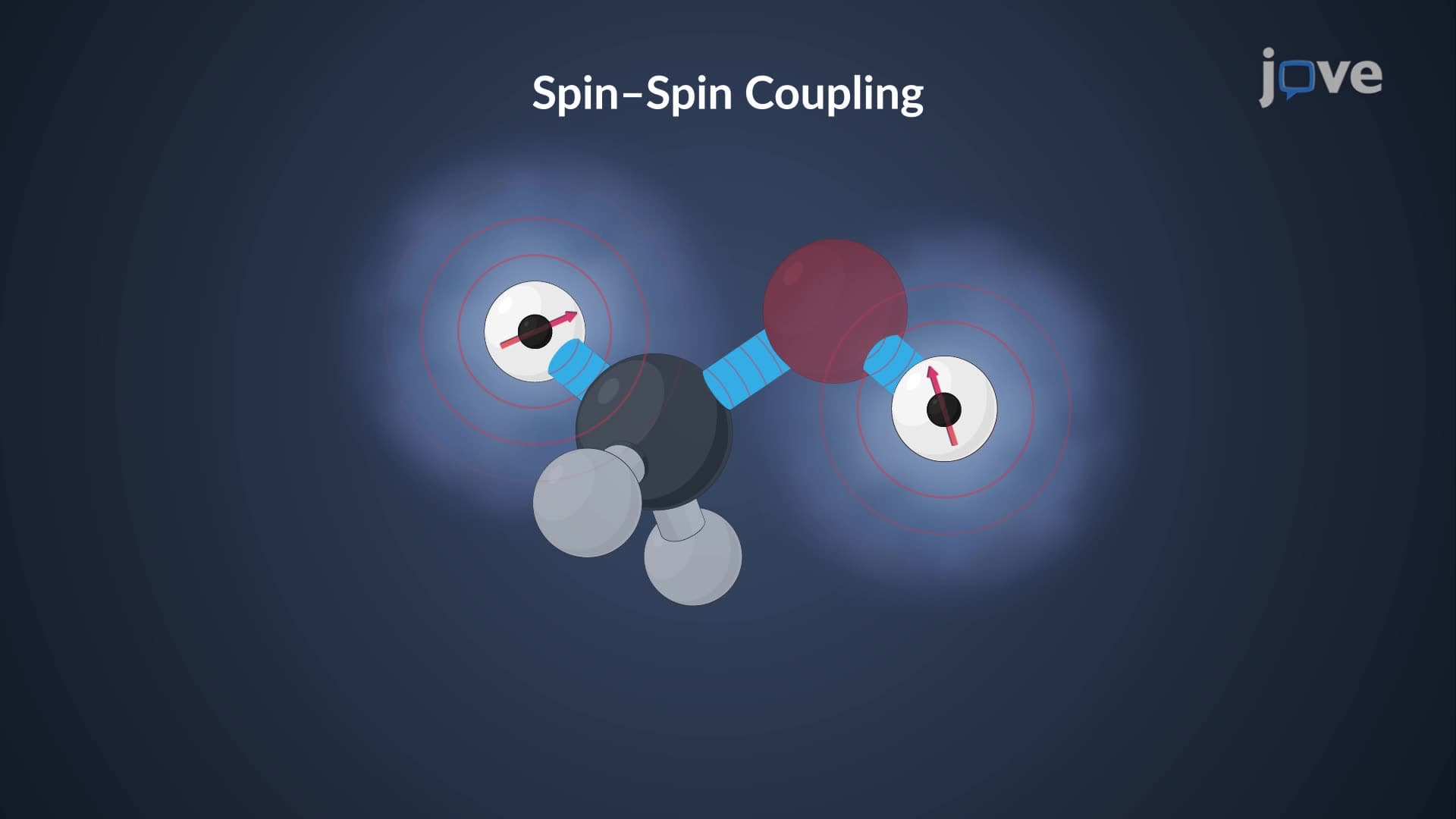
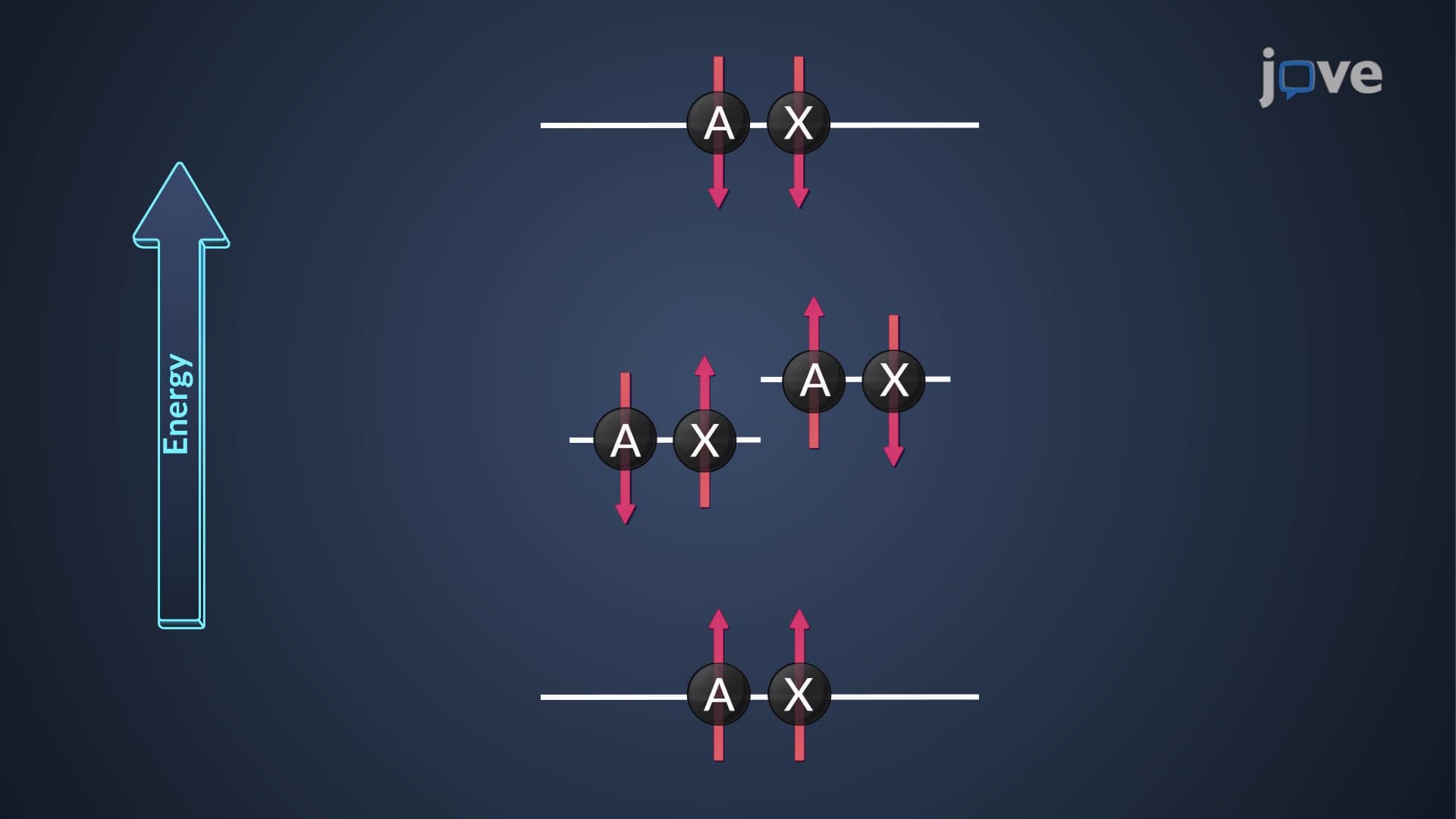
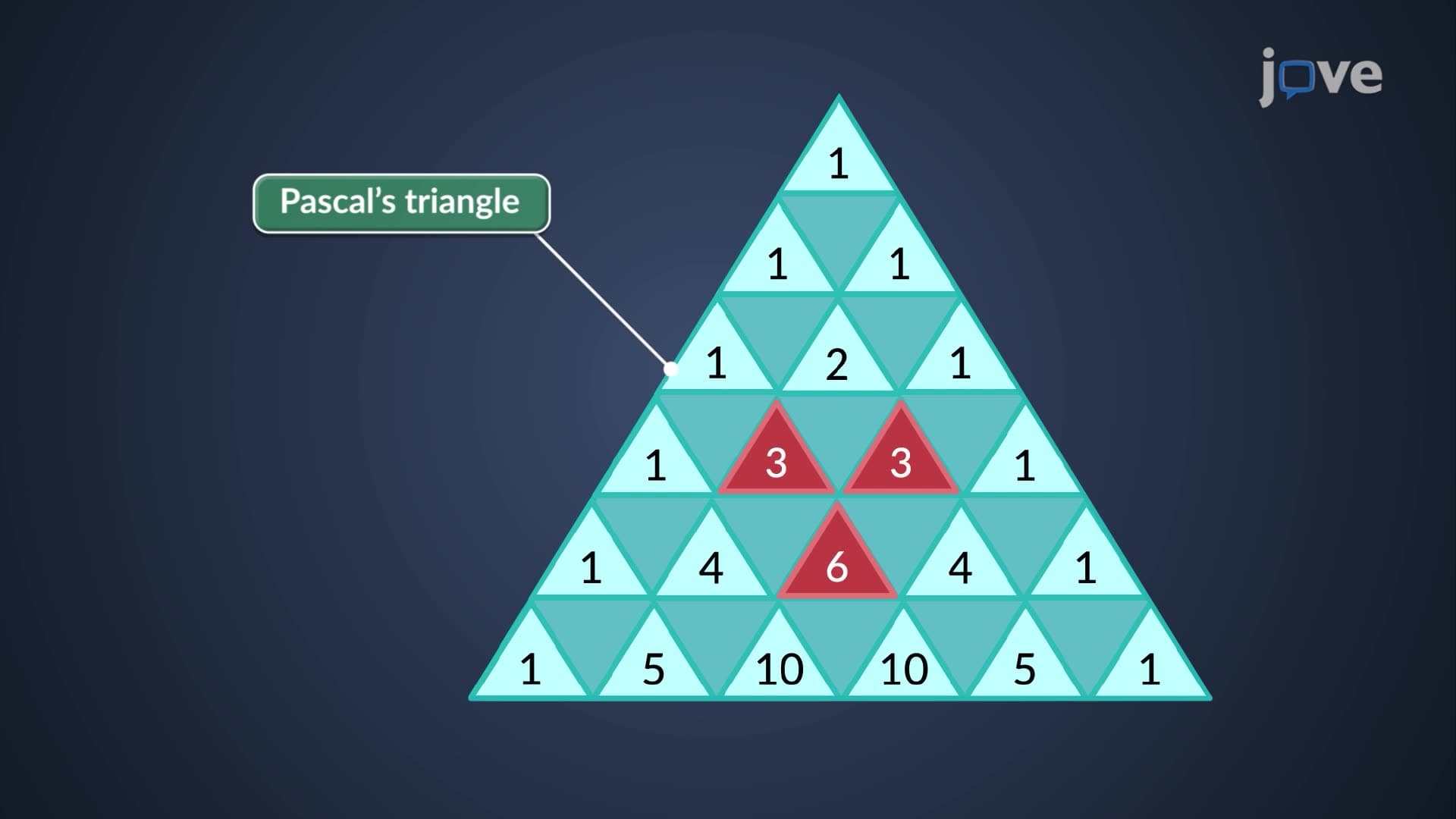
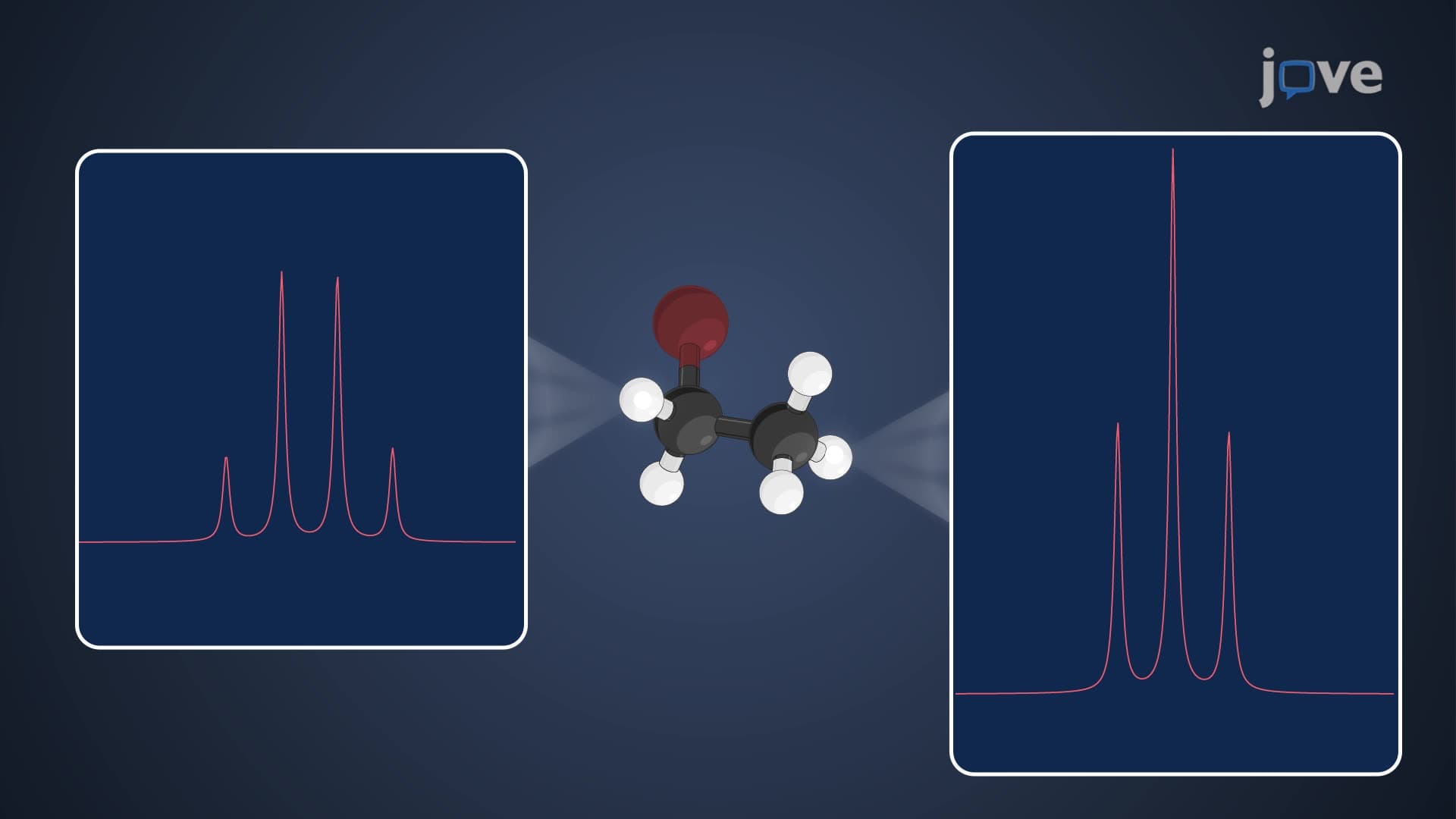
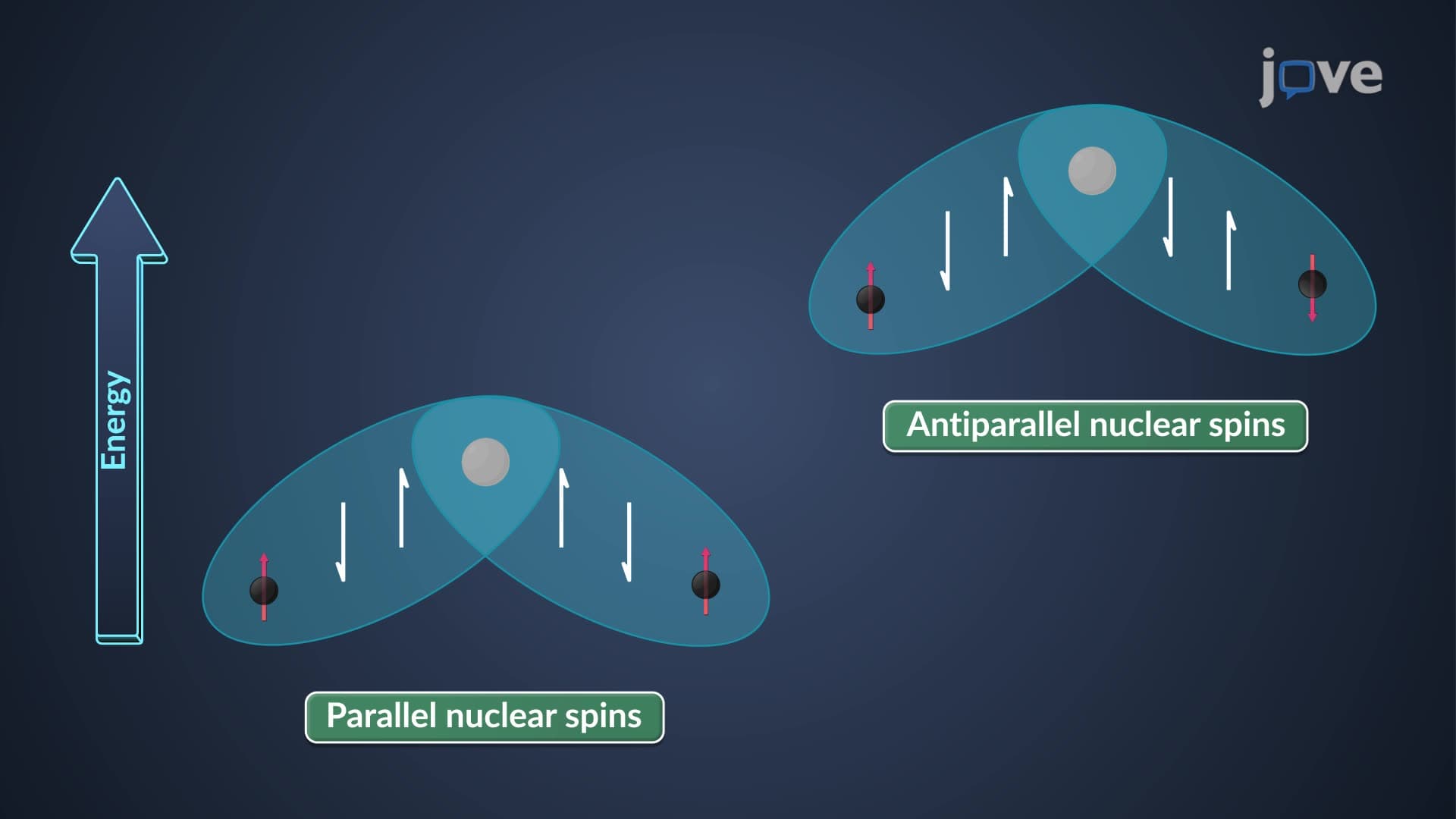
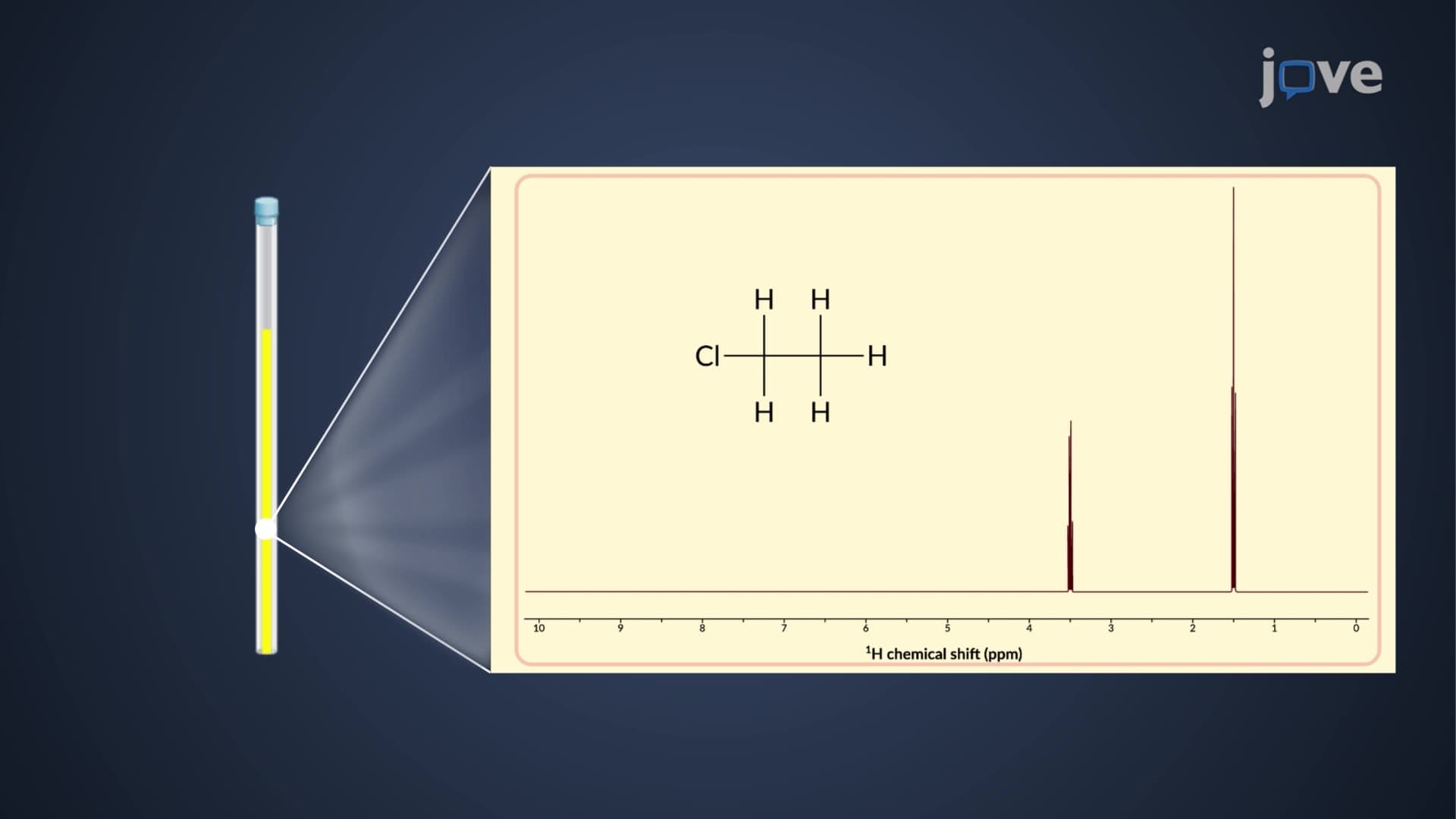
4. Spin-Spin Coupling and the (n + 1) Rule Spin-spin coupling occurs when NMR-active nuclei influence each other's magnetic environments through chemical bonds, typically up to three bonds away. The (n + 1) rule predicts that a proton signal splits into (n + 1) peaks when coupled to n equivalent neighboring protons. Ethyl groups show characteristic triplet-quartet patterns: methyl protons (n = 2 adjacent protons) appear as triplets, while methylene protons (n = 3 adjacent protons) form quartets. Coupling constants (J values) measure the strength of these interactions and remain constant regardless of magnetic field strength. Understanding coupling patterns helps determine molecular connectivity and is essential for structure elucidation in organic synthesis projects.
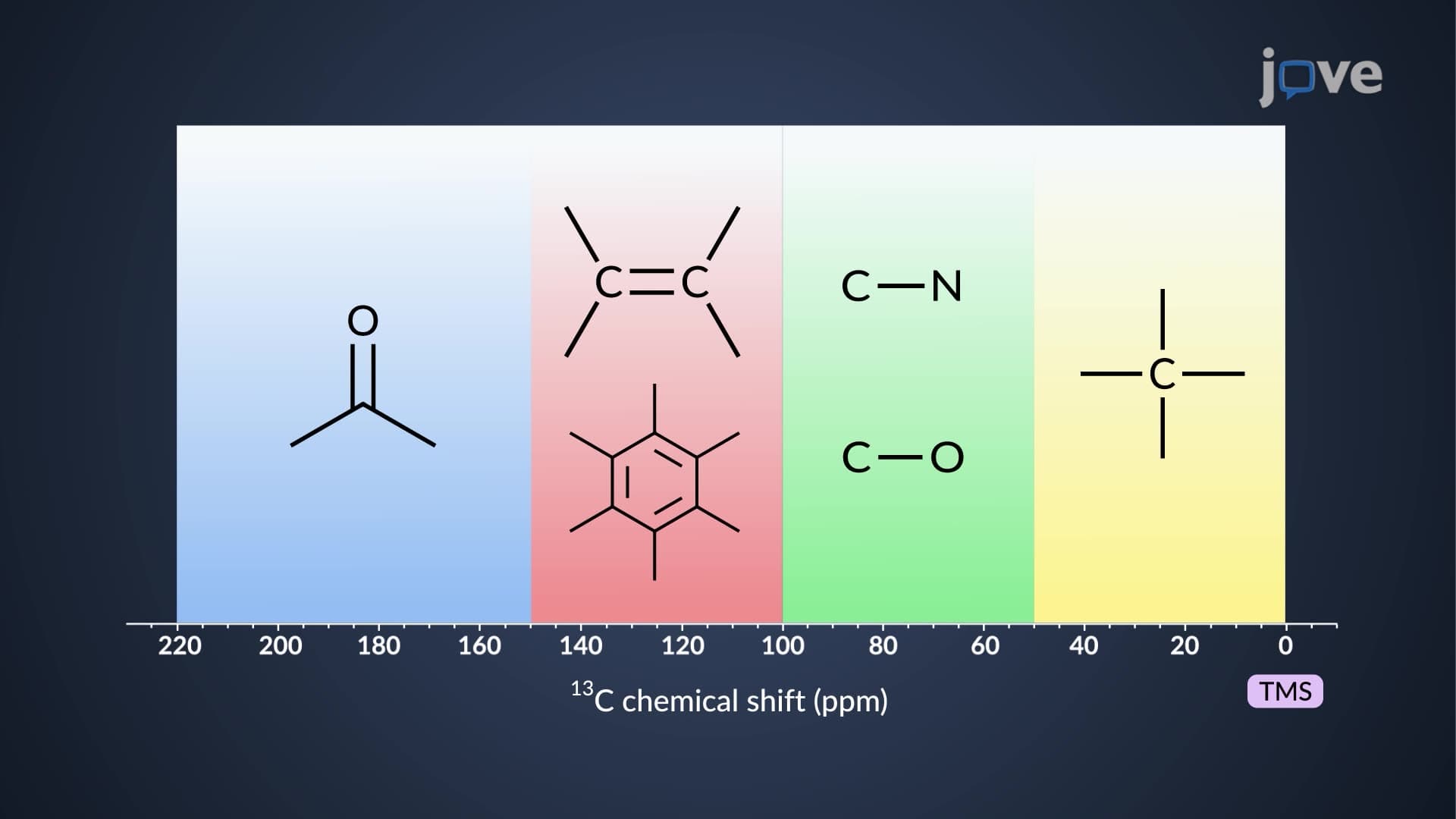
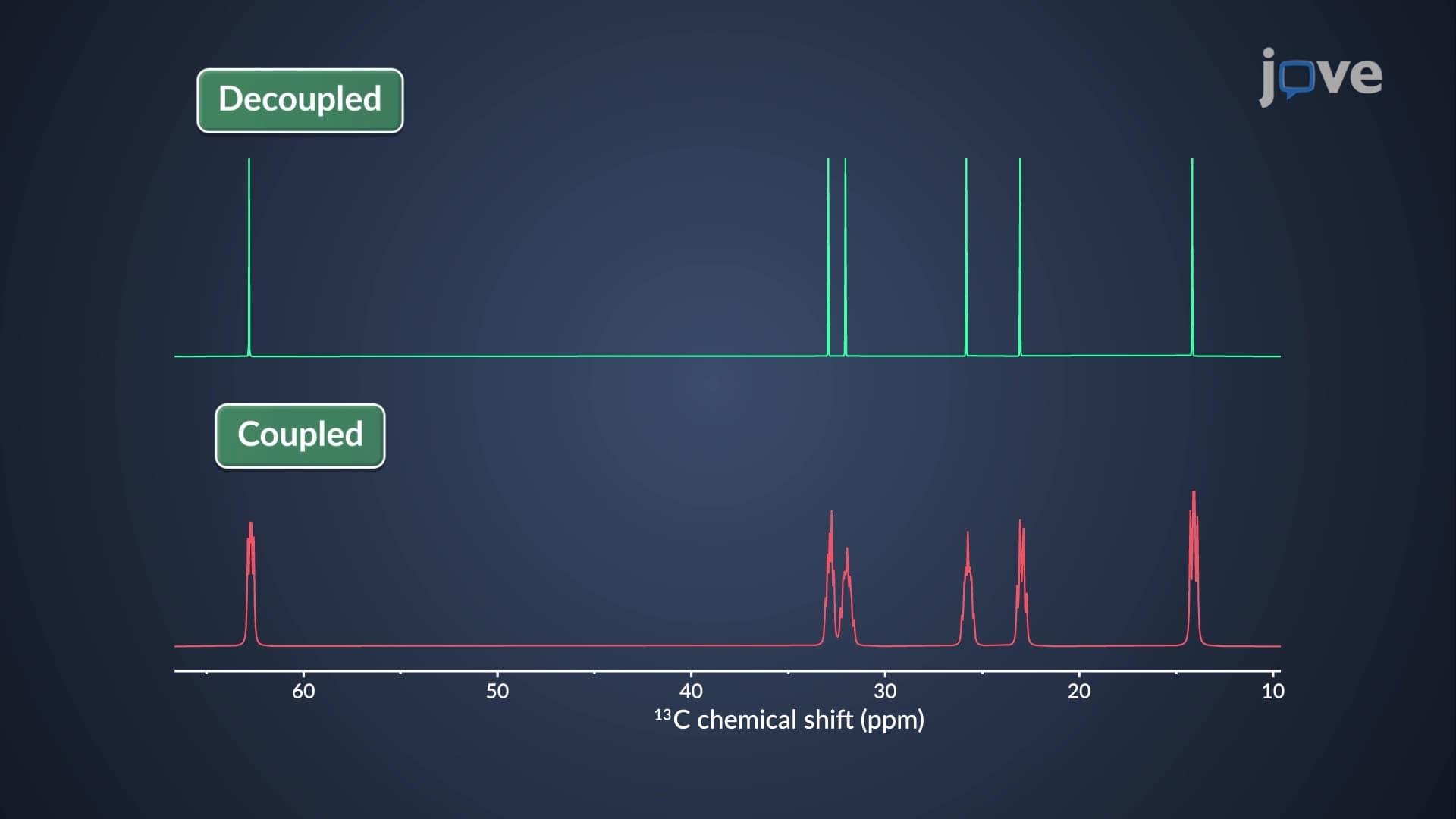
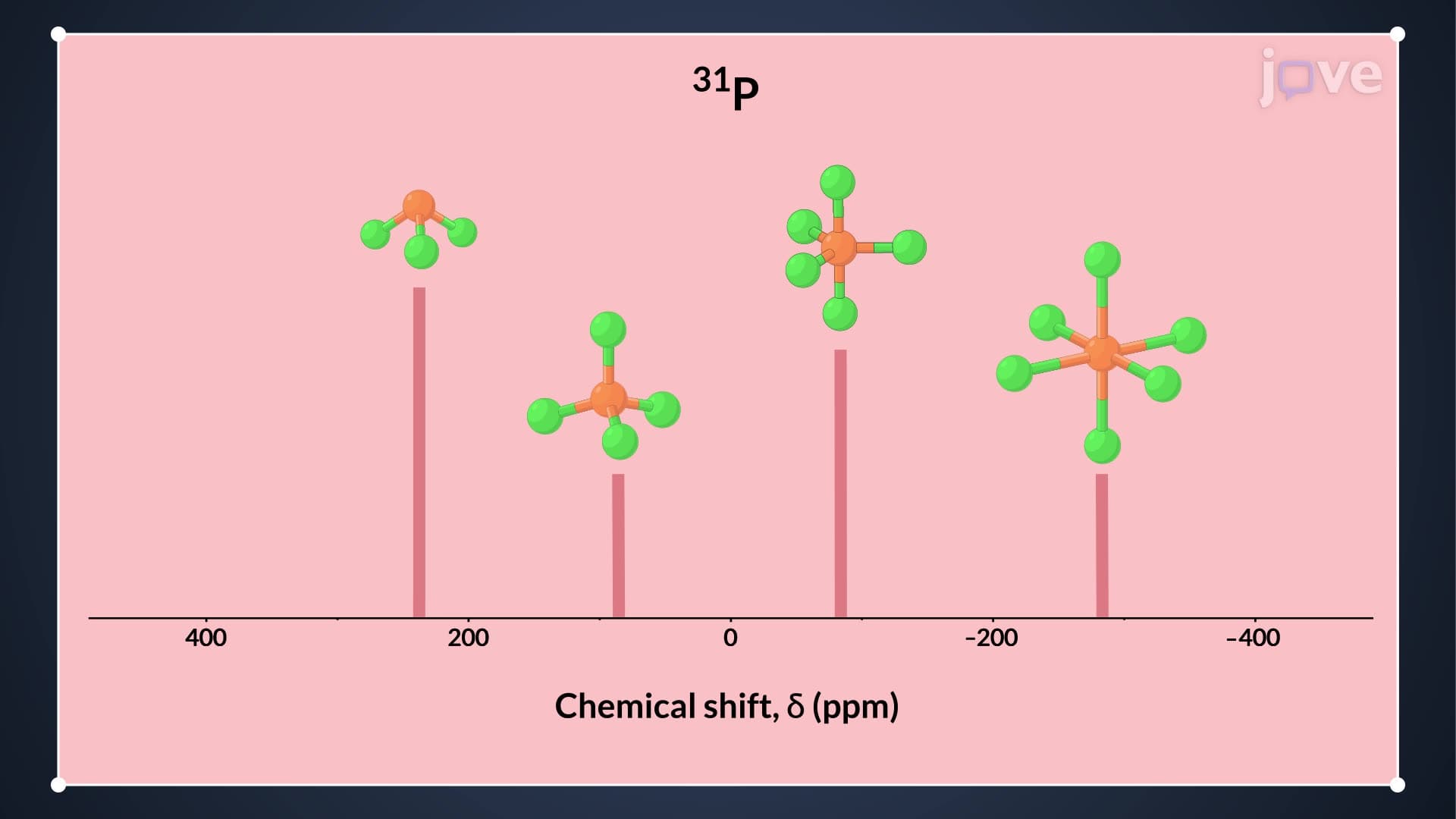
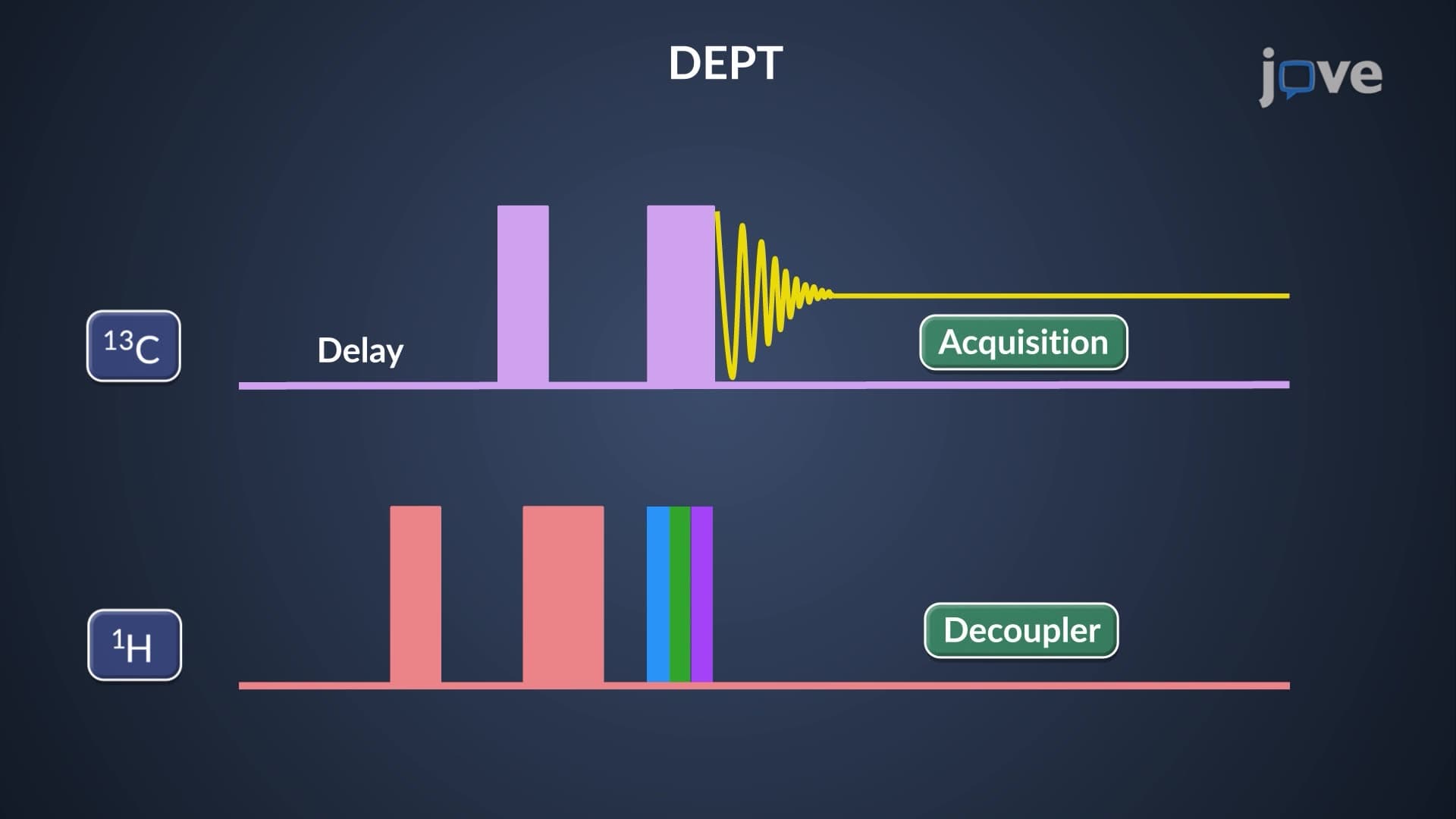
5. Carbon-13 NMR and DEPT Techniques ¹³C NMR provides complementary structural information with chemical shifts spanning 0-220 ppm, much larger than proton NMR ranges. Each carbon typically produces a distinct signal due to the expanded chemical shift range, making structural analysis more straightforward. Proton-decoupled ¹³C spectra eliminate splitting, showing single peaks for each unique carbon. DEPT (Distortionless Enhancement by Polarization Transfer) experiments distinguish carbon types: DEPT-135 shows CH₃ and CH carbons as positive peaks, CH₂ as negative peaks, while quaternary carbons disappear. These techniques are standard in pharmaceutical research for confirming synthetic products and natural product structure determination at institutions like the National Institutes of Health.
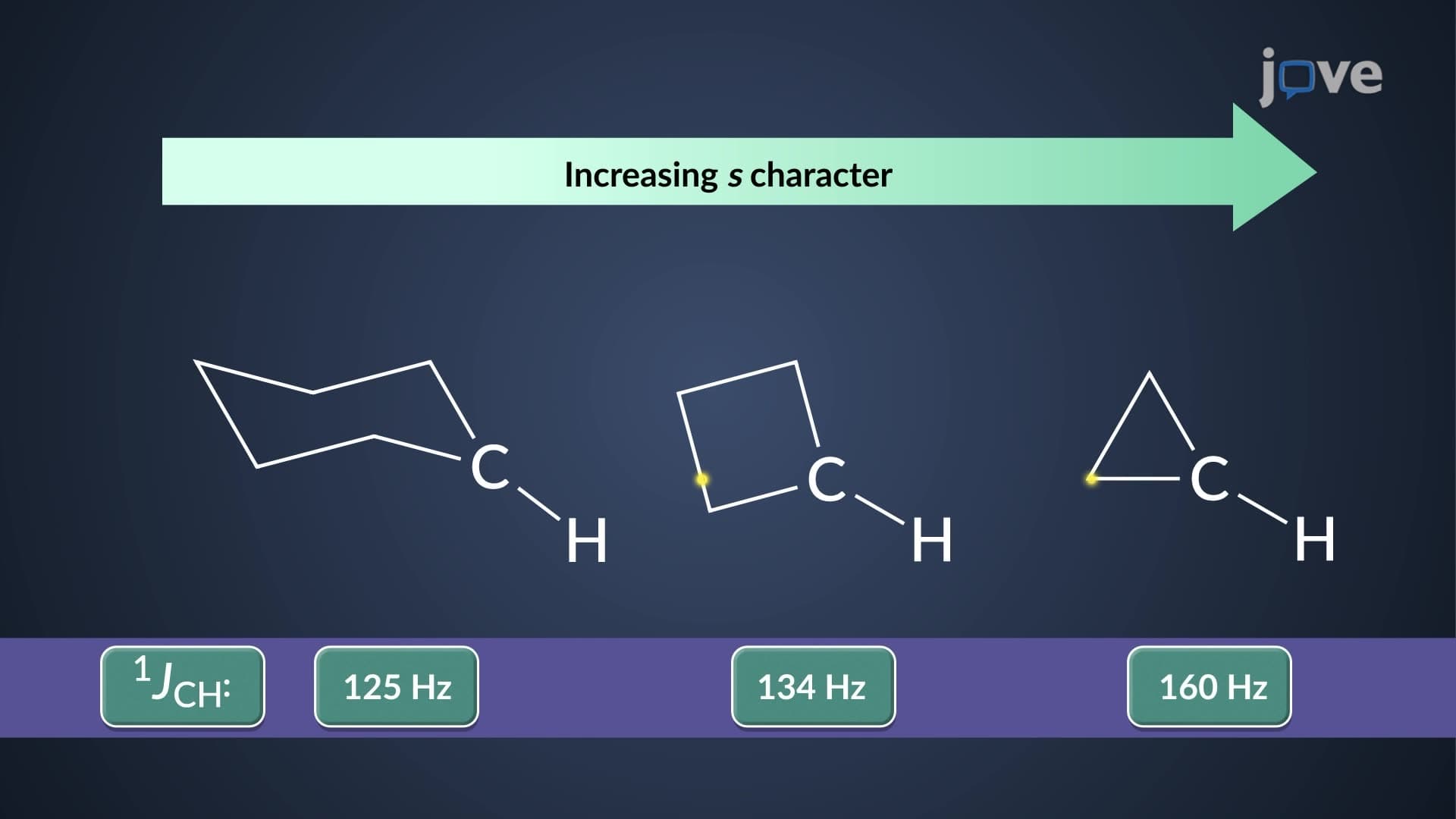
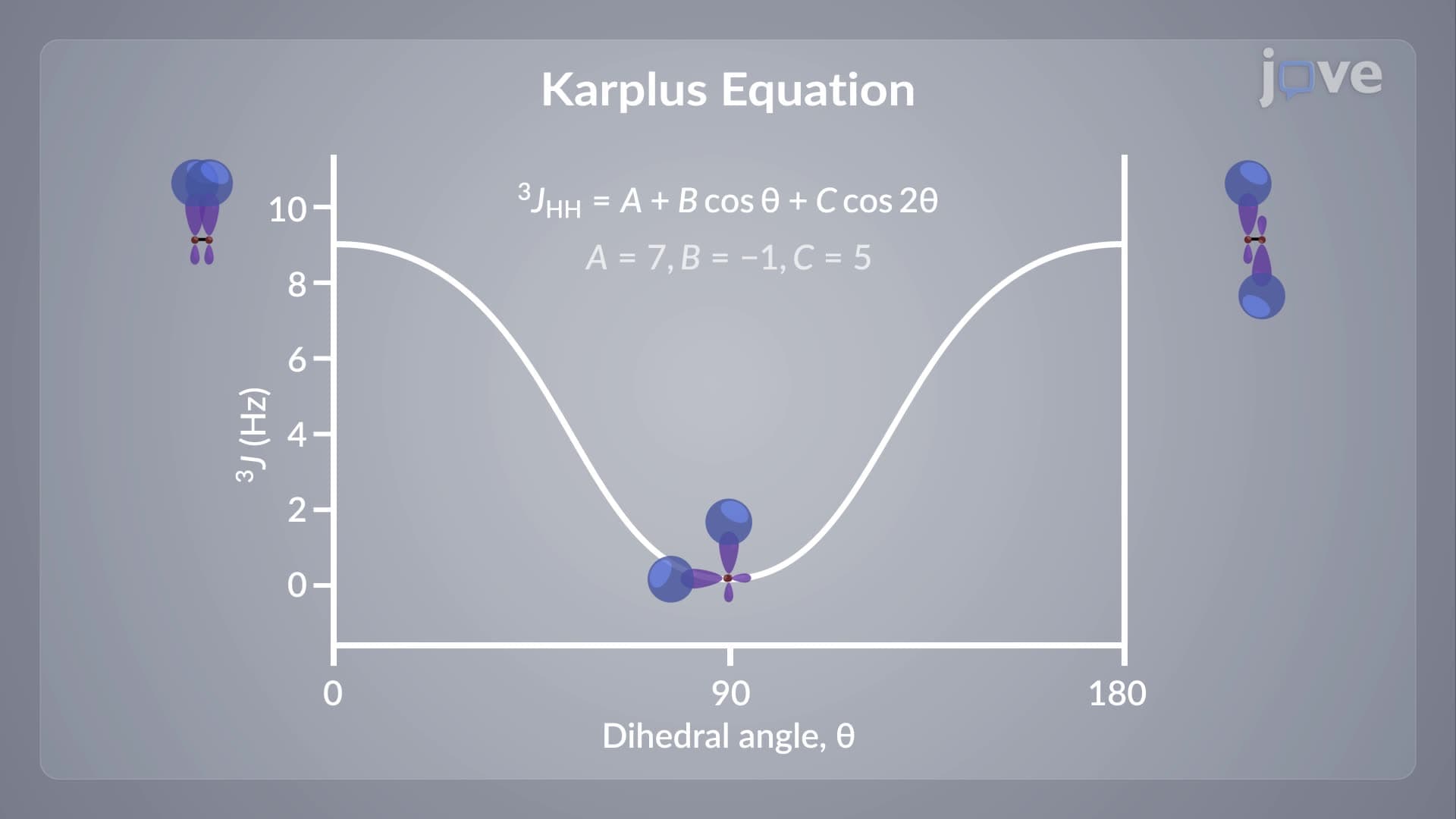
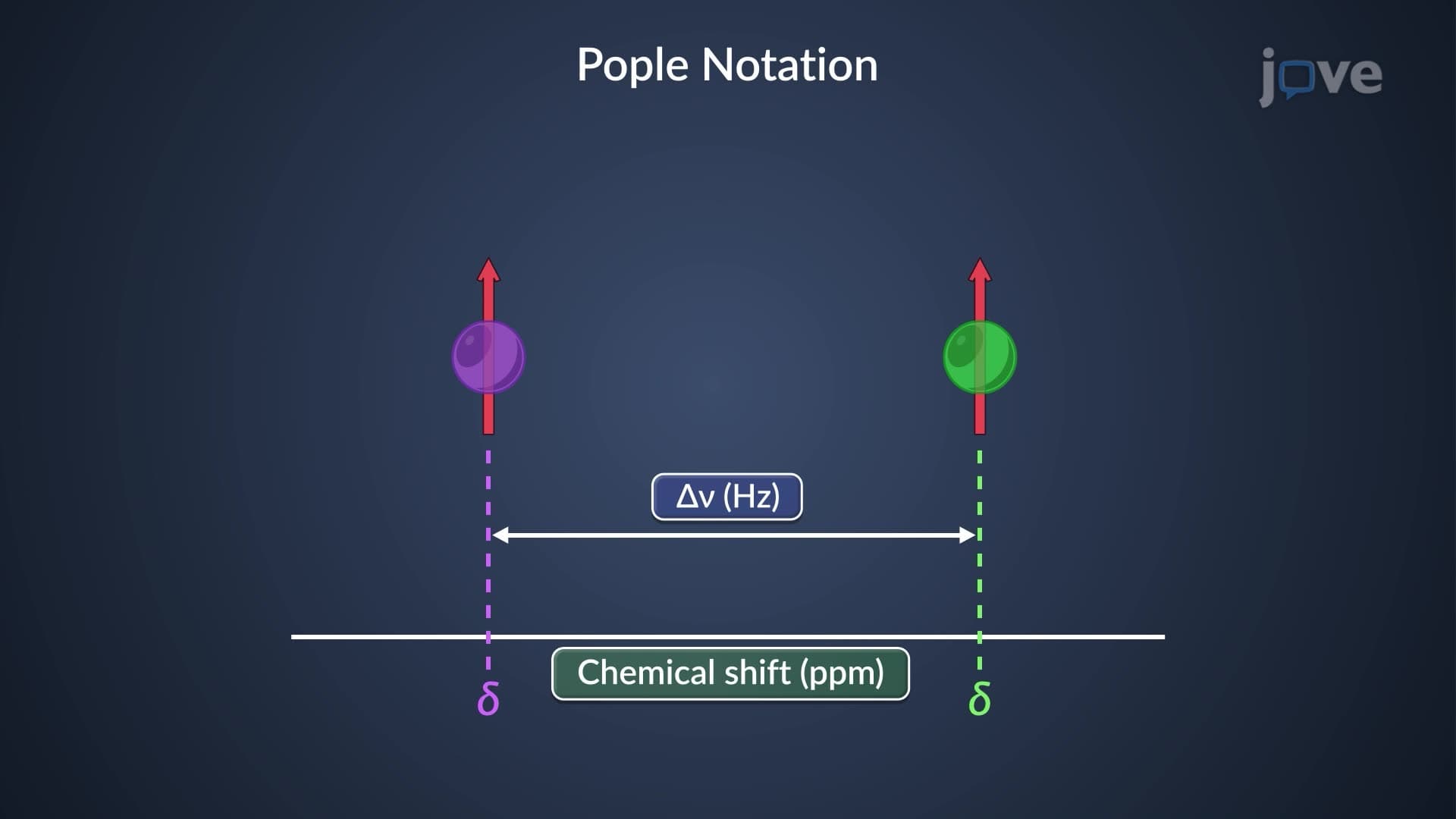
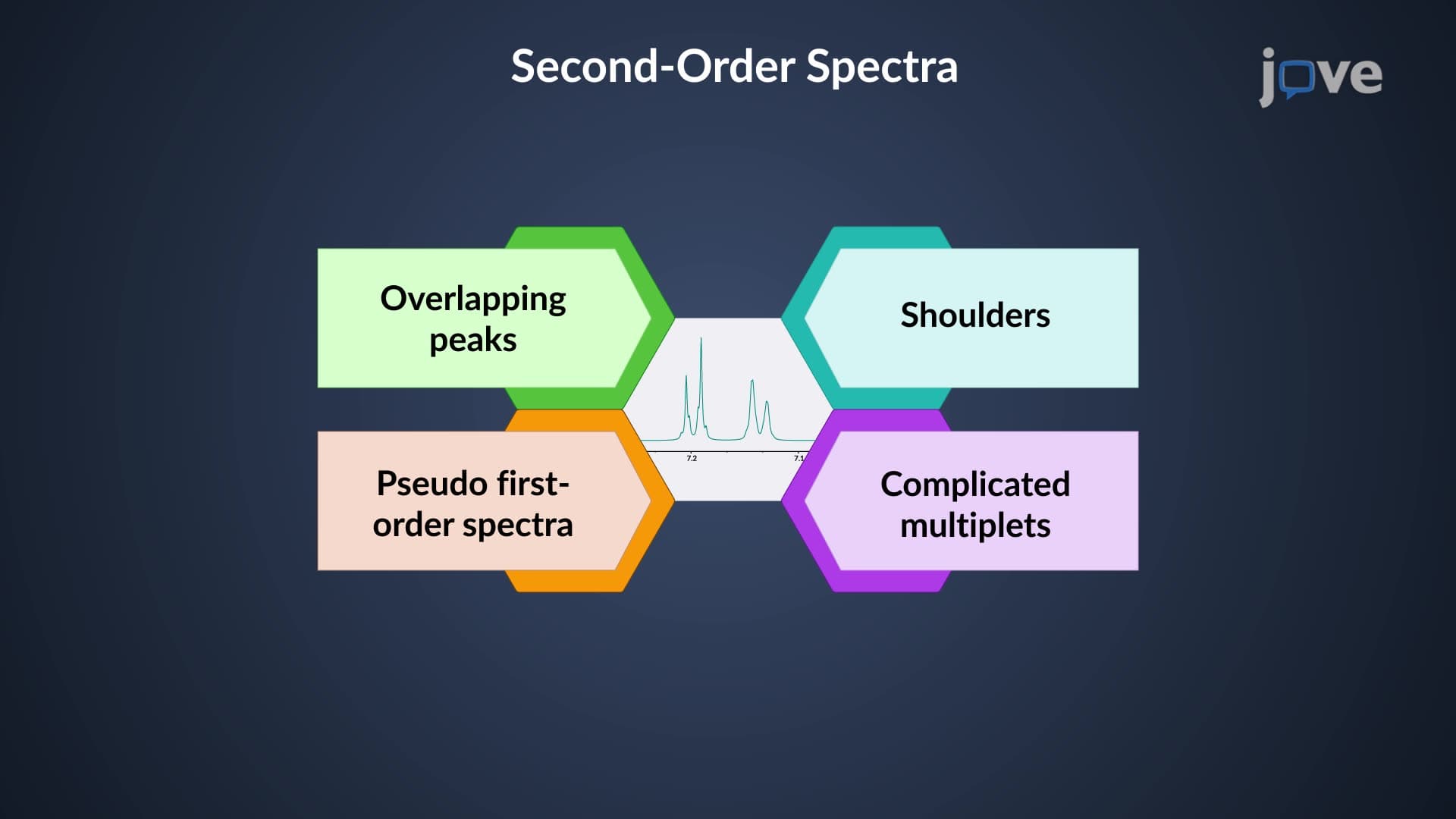
6. Advanced Coupling Phenomena and Complex Splitting Beyond simple (n + 1) splitting, complex coupling patterns arise from multiple non-equivalent neighbors or overlapping J values. Long-range coupling occurs through π-electron systems in alkenes and aromatics, producing additional splitting beyond three bonds. The Karplus equation relates vicinal coupling constants to dihedral angles, useful for determining molecular conformations. Strong coupling effects appear when chemical shift differences approach coupling constant values, causing peak distortions and "roofing" effects. Understanding these phenomena helps interpret spectra of complex natural products and pharmaceuticals. Advanced techniques like 2D NMR (COSY, HSQC) resolve overlapping signals and establish connectivity patterns essential for modern drug discovery.