Loading video…


 24 Concepts
 53.1K views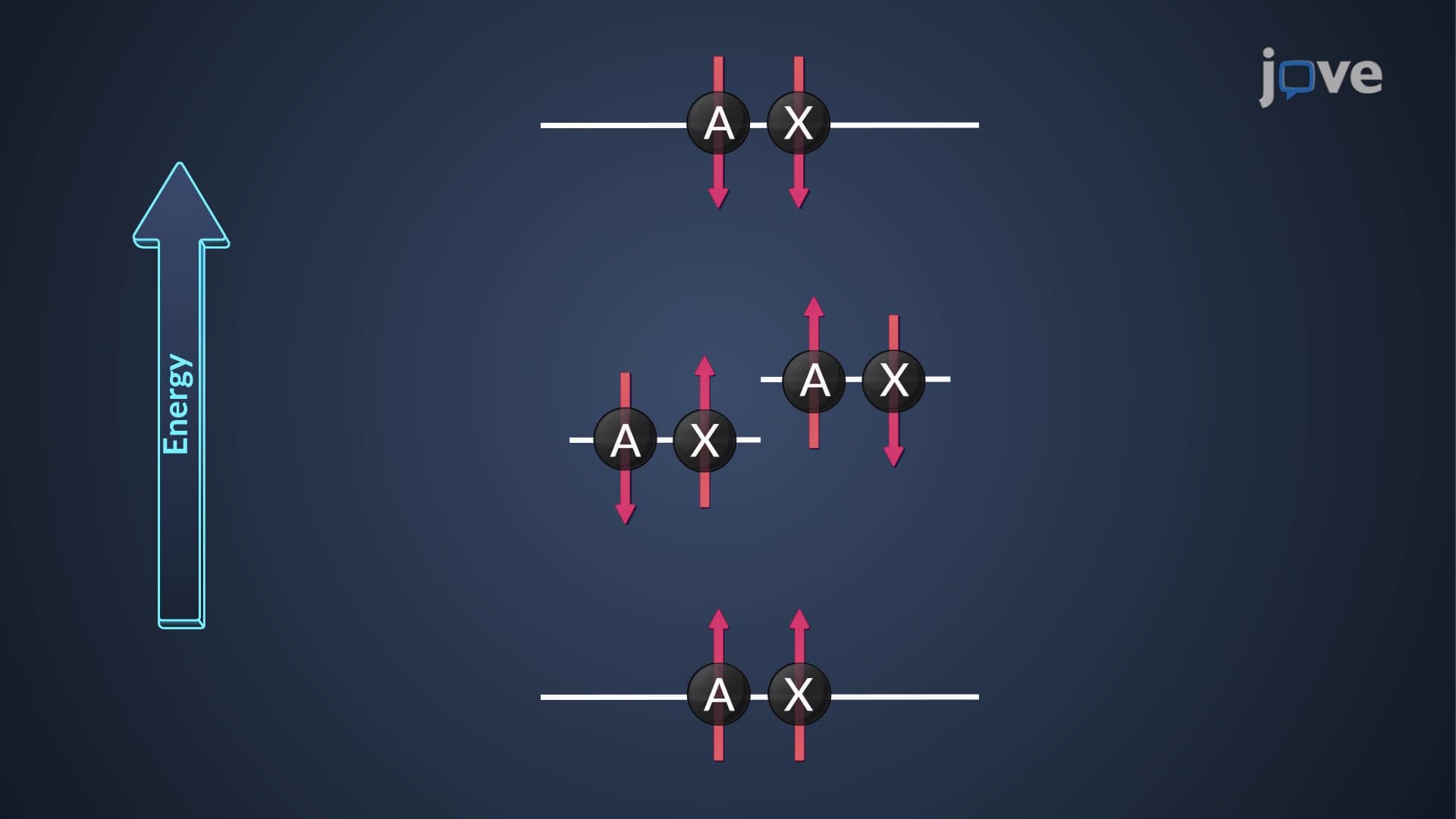

Video Summary: H Nmr Signal Multiplicity Splitting Patterns Explained
Ever wondered why NMR signals appear as multiple peaks instead of single lines? NMR signal multiplicity patterns occur when neighboring protons influence each other's magnetic environments, creating characteristic splitting that helps chemists determine molecular structure. For example, when pharmaceutical companies like Pfizer analyze new drug compounds, they rely on these splitting patterns to confirm chemical structures and ensure product purity. Understanding H NMR Signal Multiplicity Splitting Patterns Explained is essential for interpreting these complex spectra. Watch the full video on JoVE Coach to master this concept with expert-led visuals and step-by-step explanations.
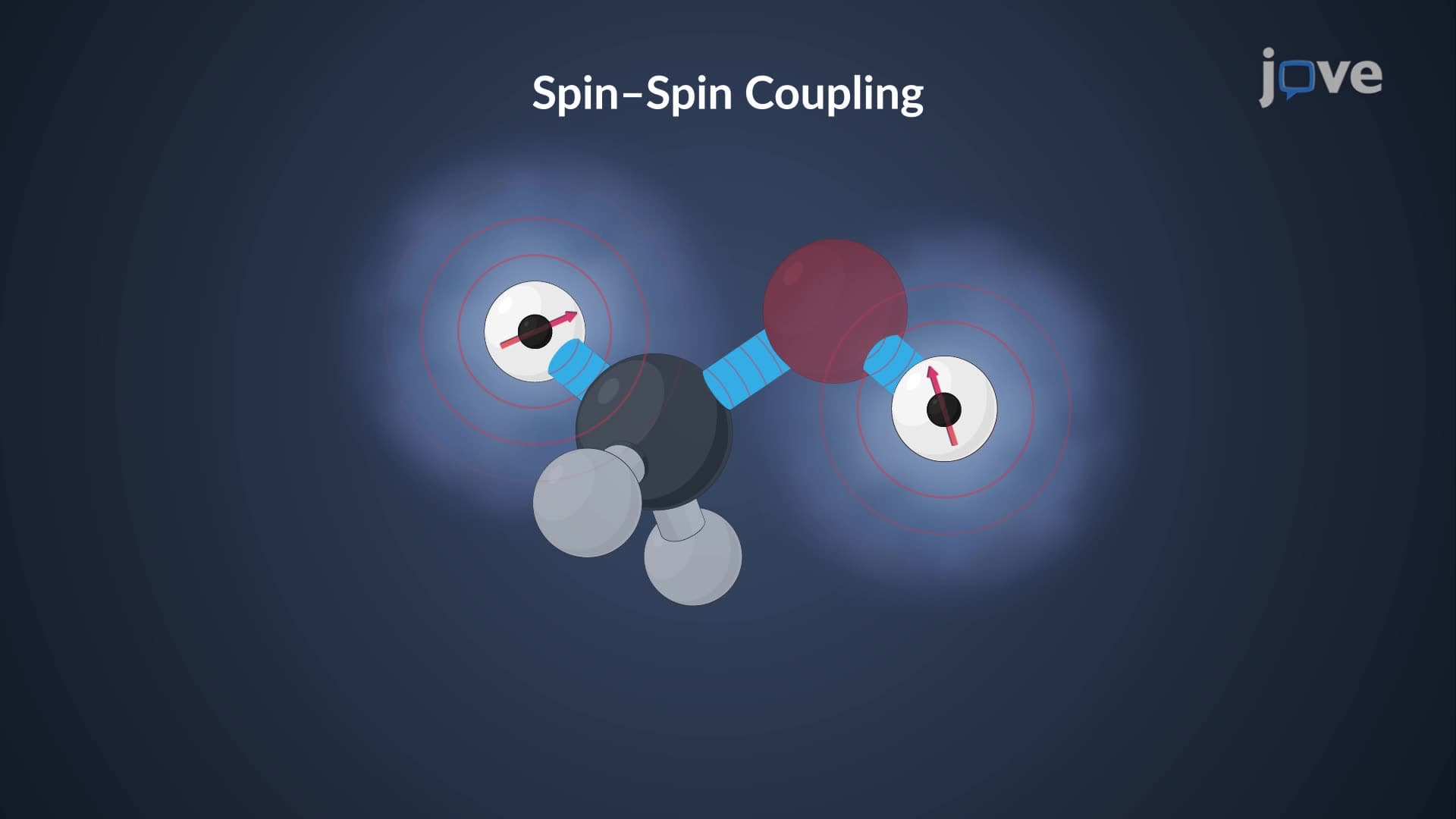
NMR signal multiplicity patterns form the backbone of structural analysis in organic chemistry. When protons are close enough to influence each other's magnetic environments, they create complex splitting patterns that reveal detailed information about molecular connectivity. This phenomenon, known as spin-spin coupling, transforms simple NMR signals into diagnostic fingerprints that chemists use to determine molecular structures.
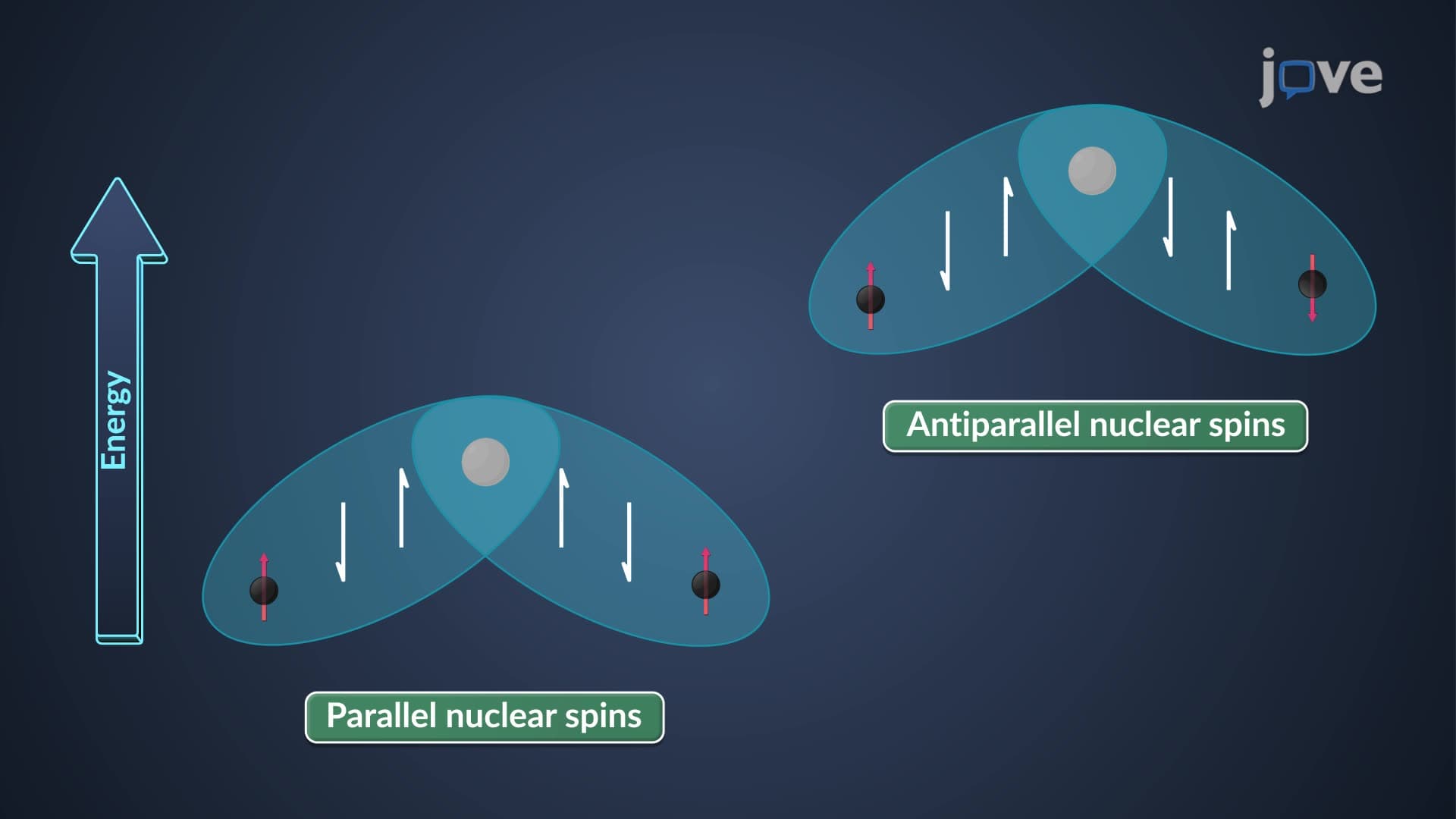
The mechanism underlying NMR splitting patterns explained involves the interaction between nuclear spins of neighboring protons. Each proton can exist in two spin states: spin-up (aligned with the external magnetic field) or spin-down (opposed to the field). When proton A couples with proton X, the magnetic field that A experiences depends on X's spin state. This creates two possible resonance frequencies for proton A, resulting in a doublet pattern with peaks separated by the coupling constant J(AX).
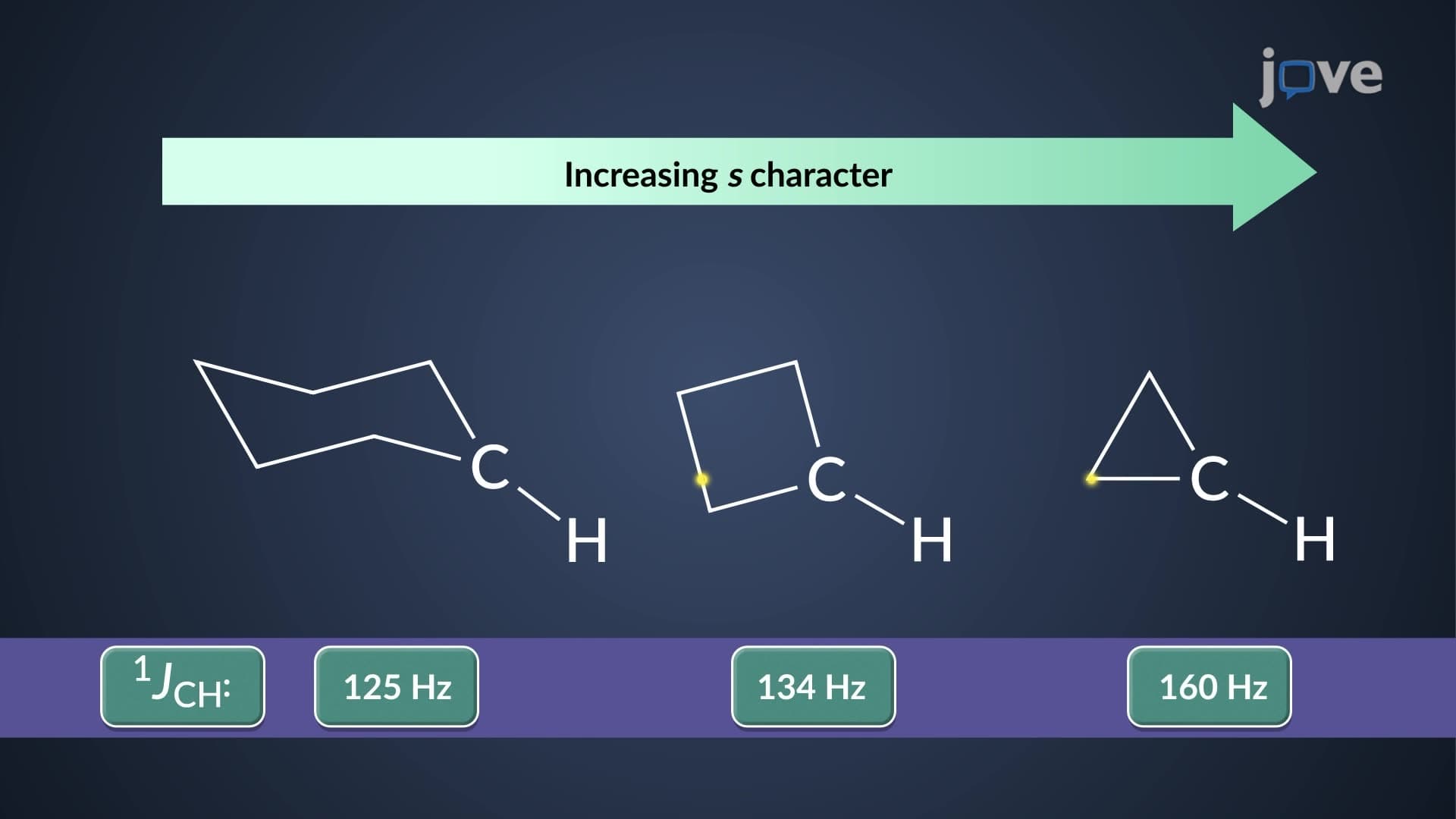
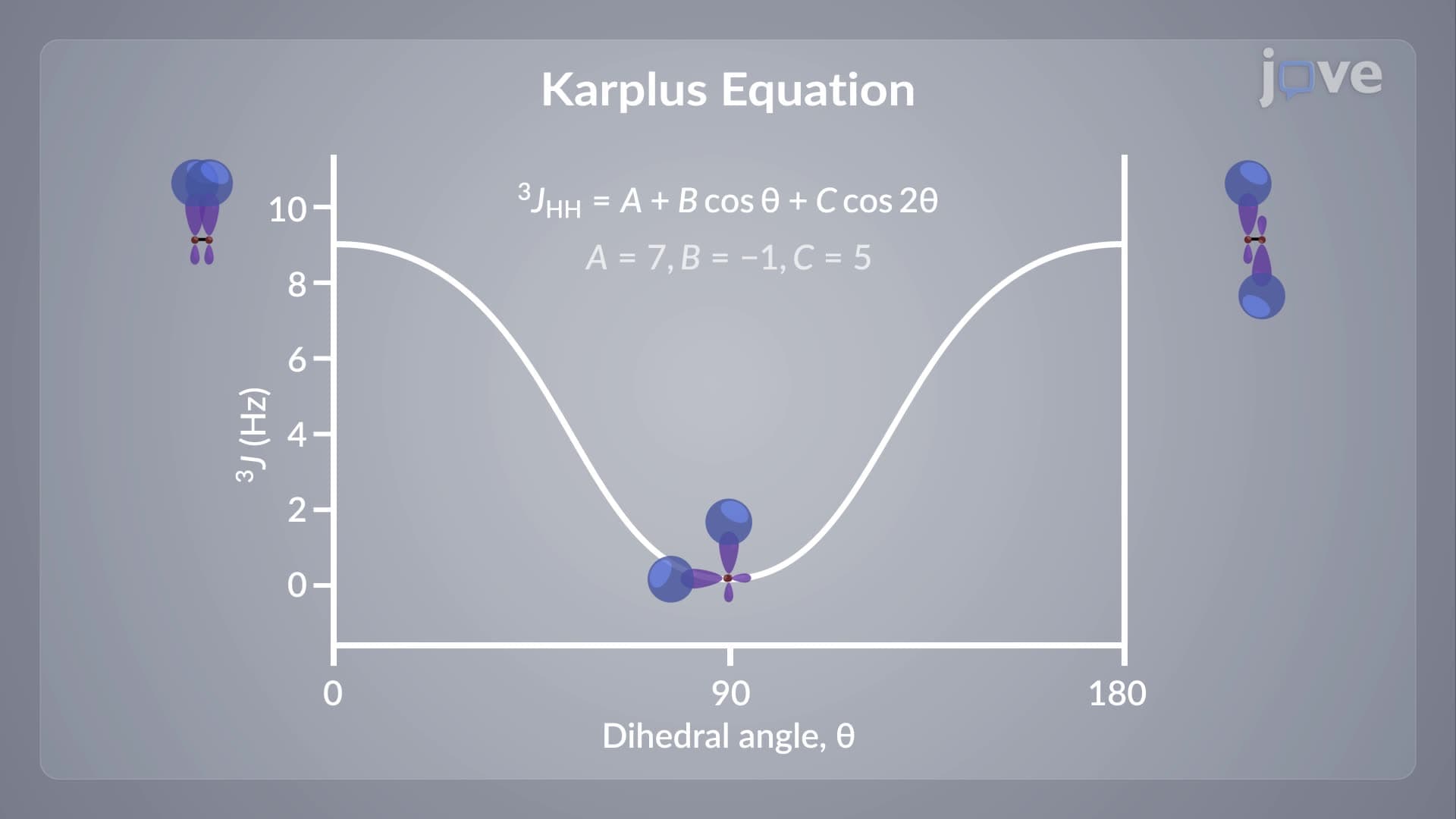
Students preparing for the AP Chemistry exam or college organic chemistry courses should understand that coupling constants typically range from 0-20 Hz and remain independent of the spectrometer's magnetic field strength. This consistency makes J values reliable structural indicators across different instruments.
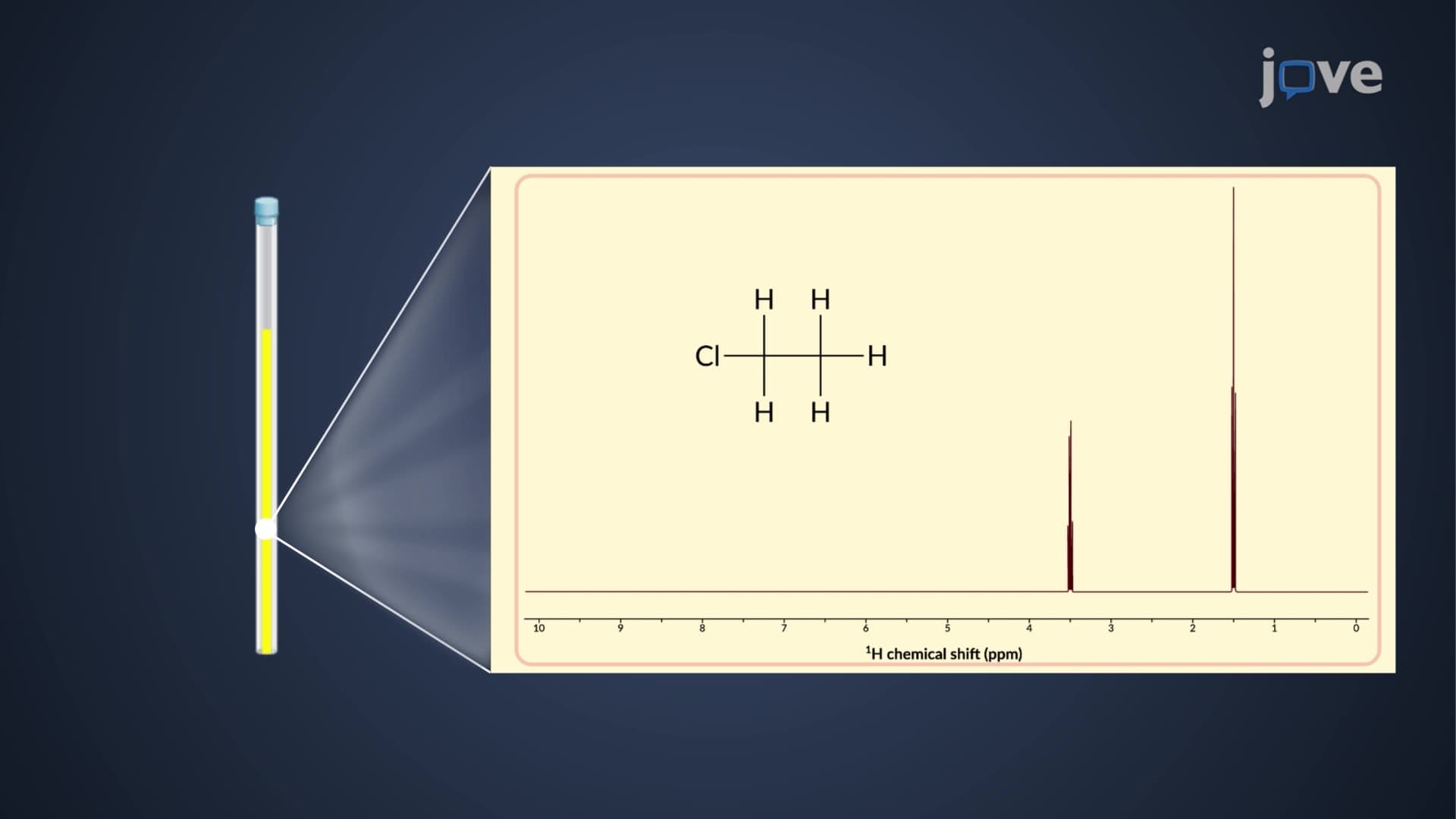
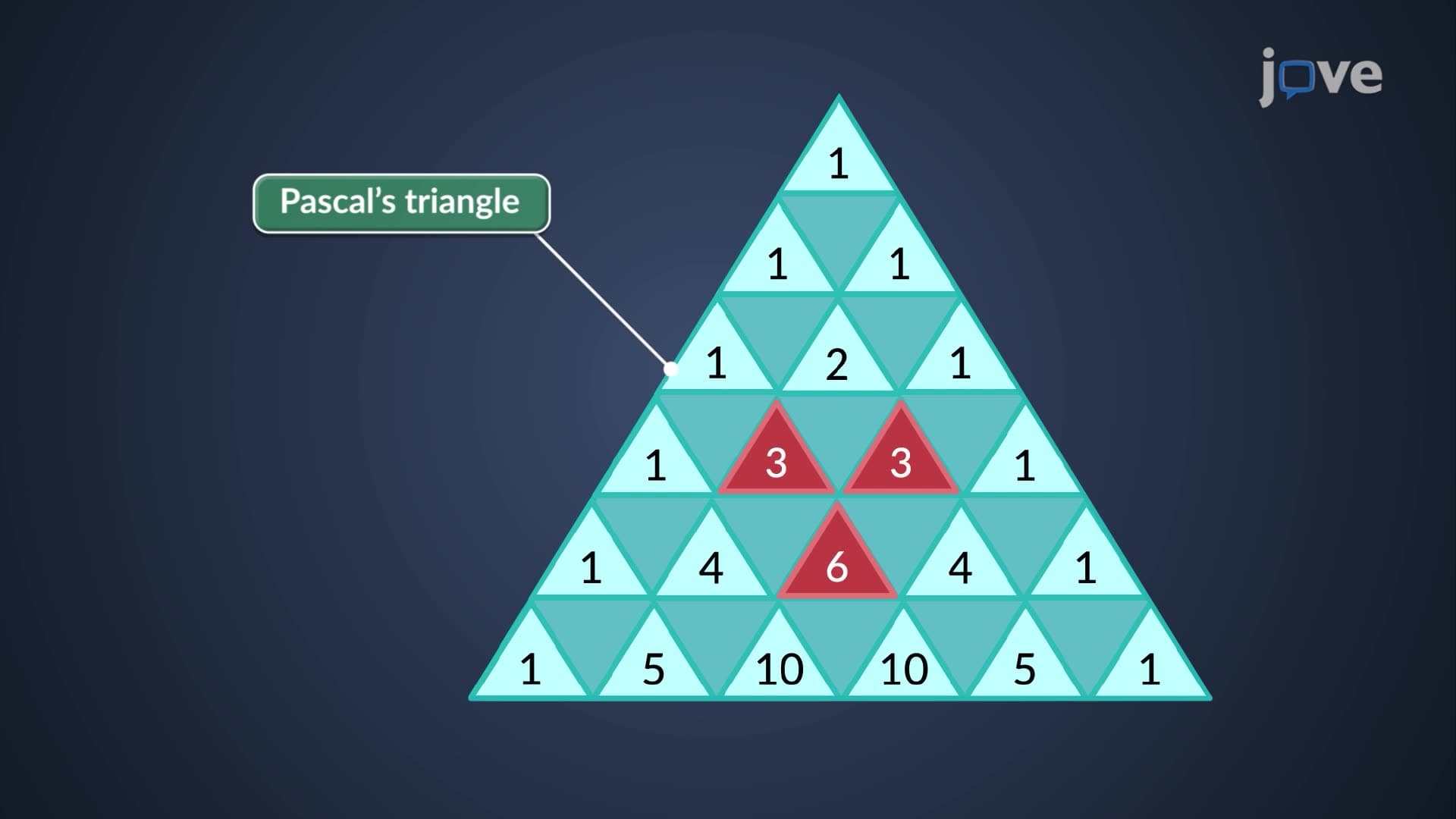
How to interpret NMR signal multiplicity patterns becomes systematic when applying the n+1 rule, where n equals the number of equivalent neighboring protons. A proton with one neighbor appears as a doublet (1+1=2 peaks), two neighbors create a triplet (2+1=3 peaks), and three neighbors produce a quartet (3+1=4 peaks).
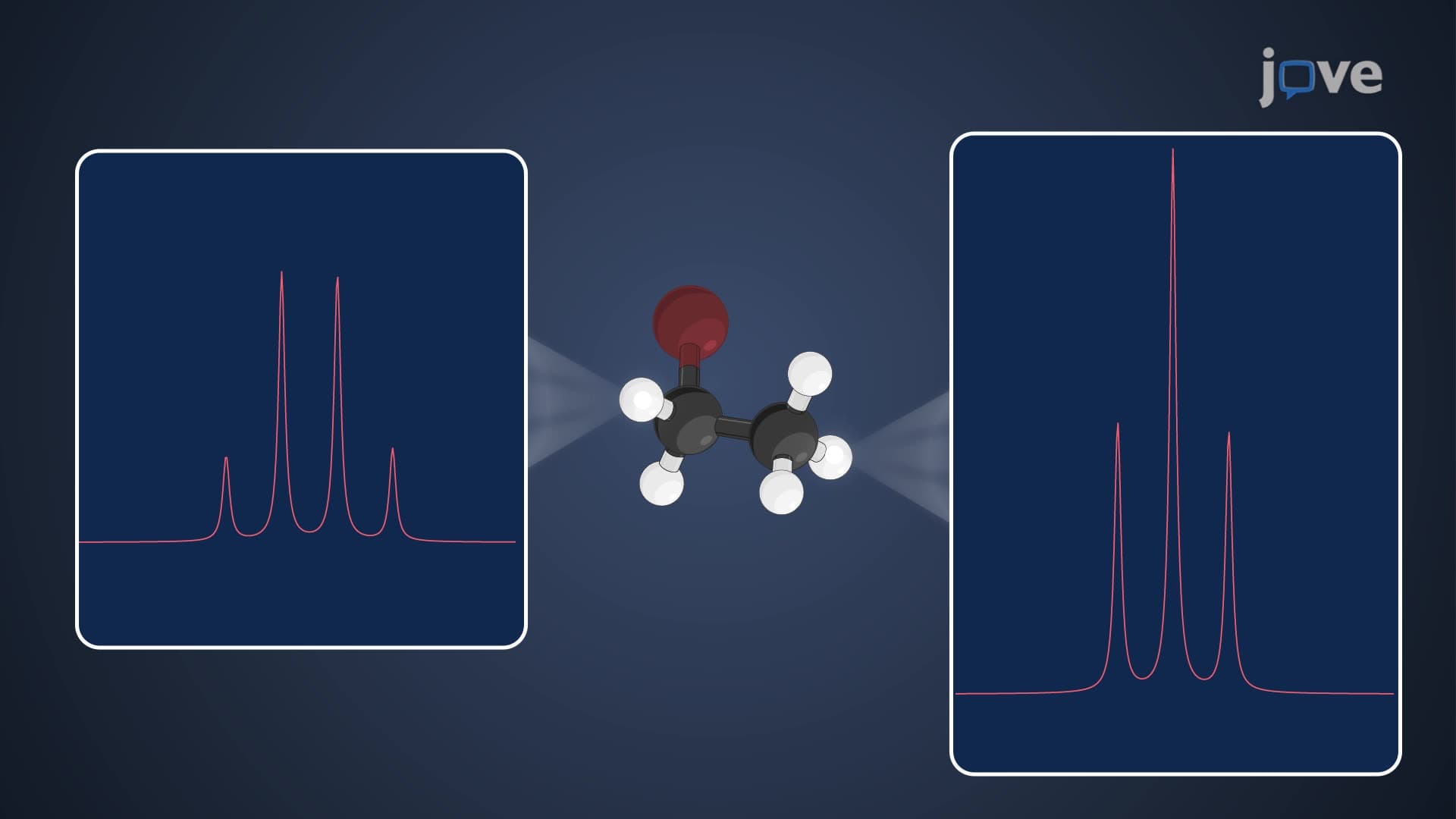
For example, in ethanol (CH3CH2OH), the methyl group appears as a triplet because it couples with the two equivalent protons on the adjacent methylene group. The methylene protons appear as a quartet due to coupling with the three equivalent methyl protons. This pattern analysis is crucial for MCAT preparation and advanced undergraduate chemistry courses.
Pharmaceutical companies like Johnson & Johnson routinely use multiplet NMR signal analysis to verify drug purity and identify impurities. Research institutions such as the National Institutes of Health rely on these techniques for natural product characterization and drug discovery. Understanding signal splitting NMR patterns enables chemists to distinguish between structural isomers that might have identical molecular formulas but different connectivity patterns.
Related Micro-courses