22 Concepts
19 Concepts
14 Concepts
17 Concepts
22 Concepts
14 Concepts
13 Concepts
24 Concepts
17 Concepts
24 Concepts
27 Concepts
14 Concepts
19 Concepts
17 Concepts
15 Concepts
12 Concepts
The principles of chromatography form the foundation for understanding how chemical separations work through the interaction between stationary and mobile phases. This comprehensive course covers chromatography fundamentals from basic theory to advanced techniques like HPLC and GC, essential for pre-med students, analytical chemistry courses, and professionals in pharmaceutical and environmental labs across the United States. Master these separation techniques with JoVE Coach's systematic approach.
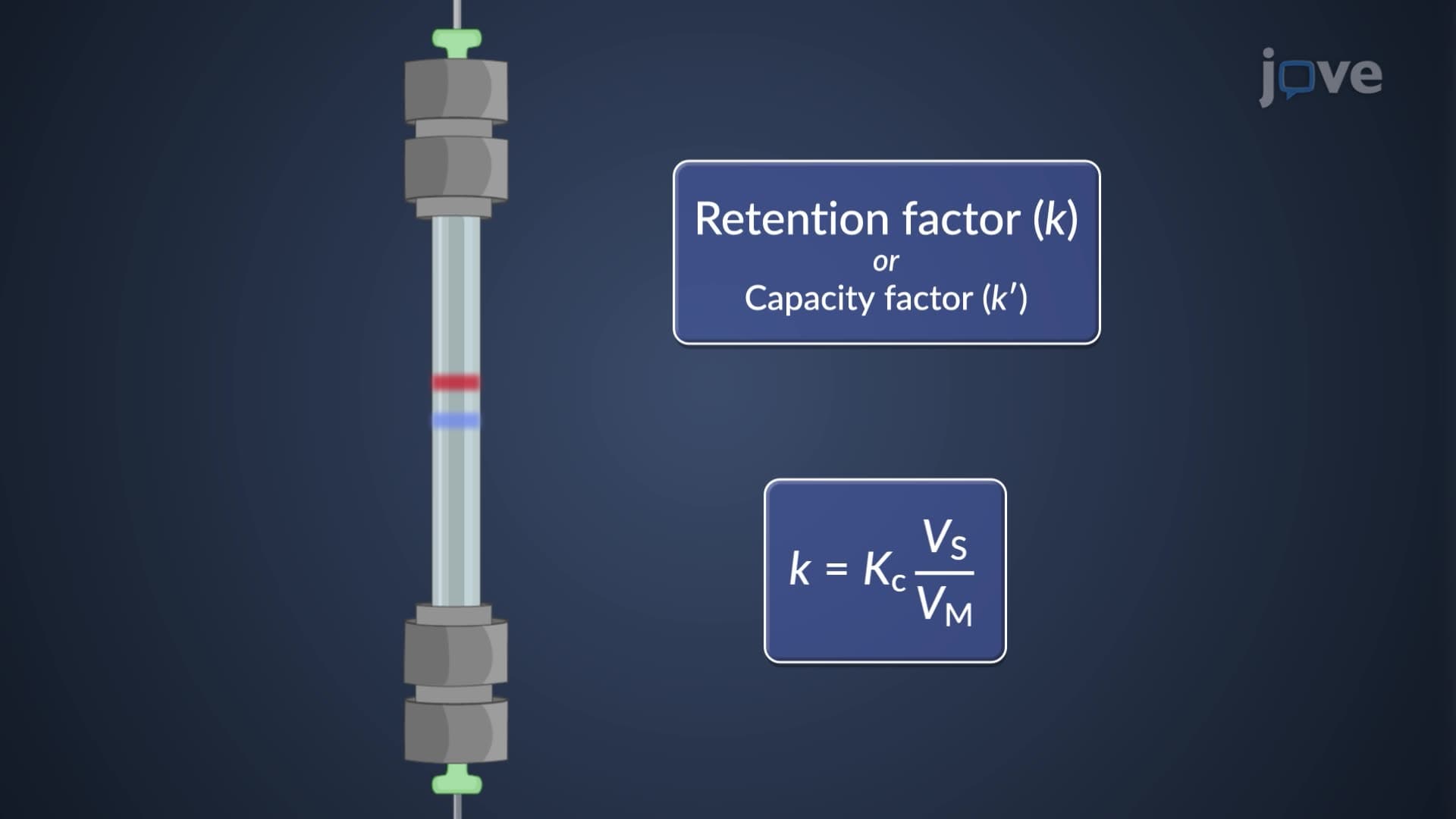
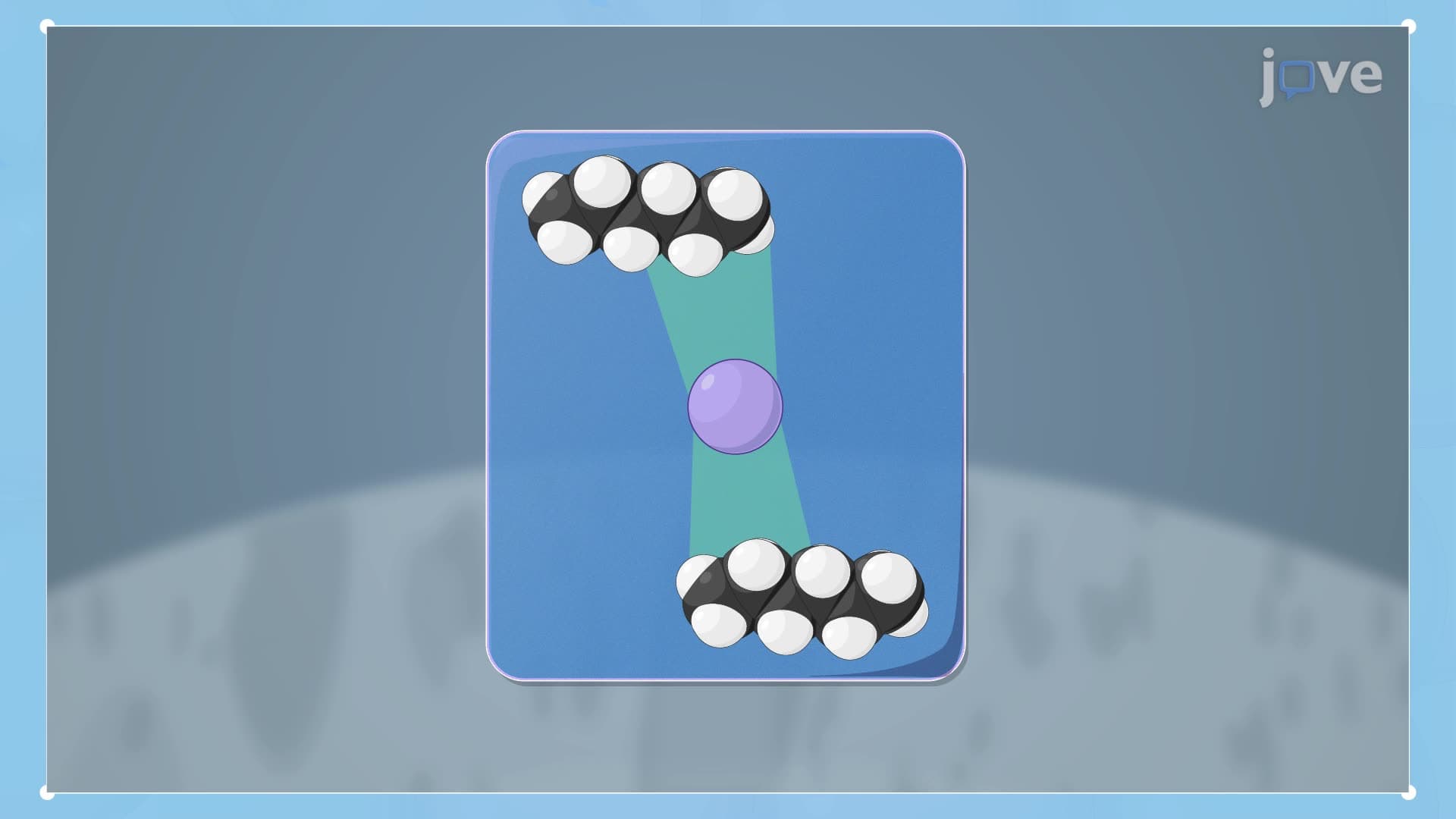
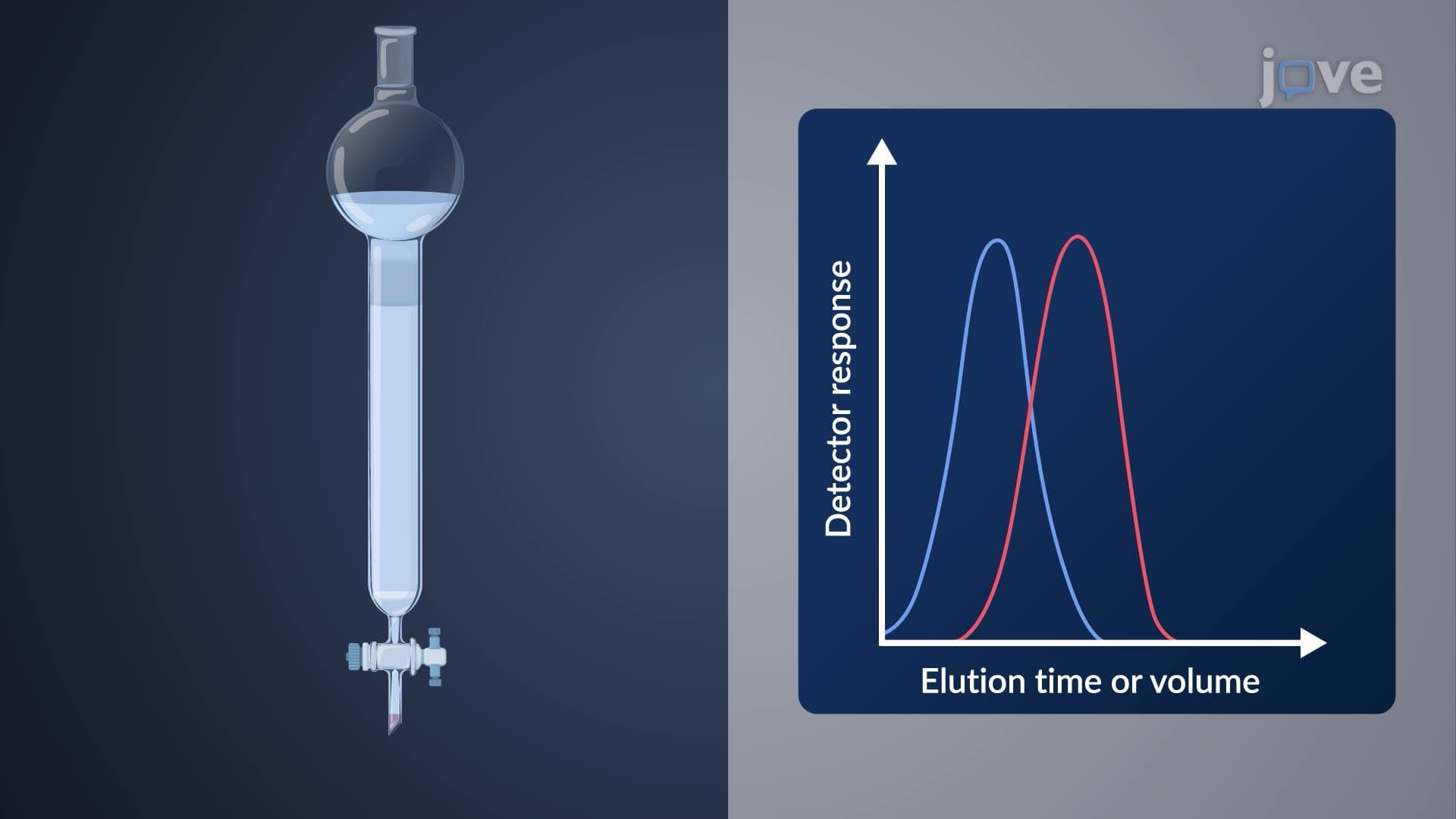
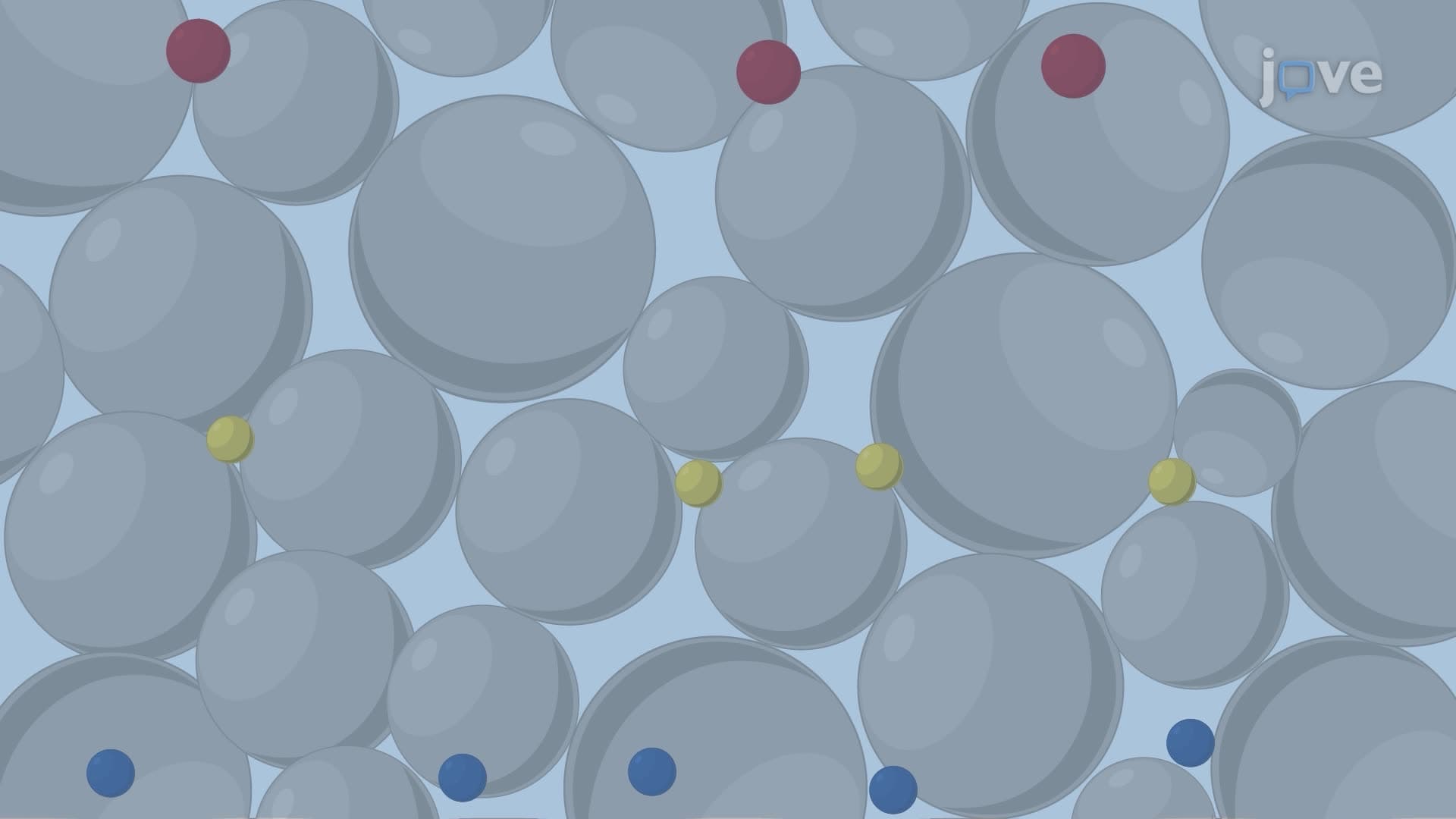
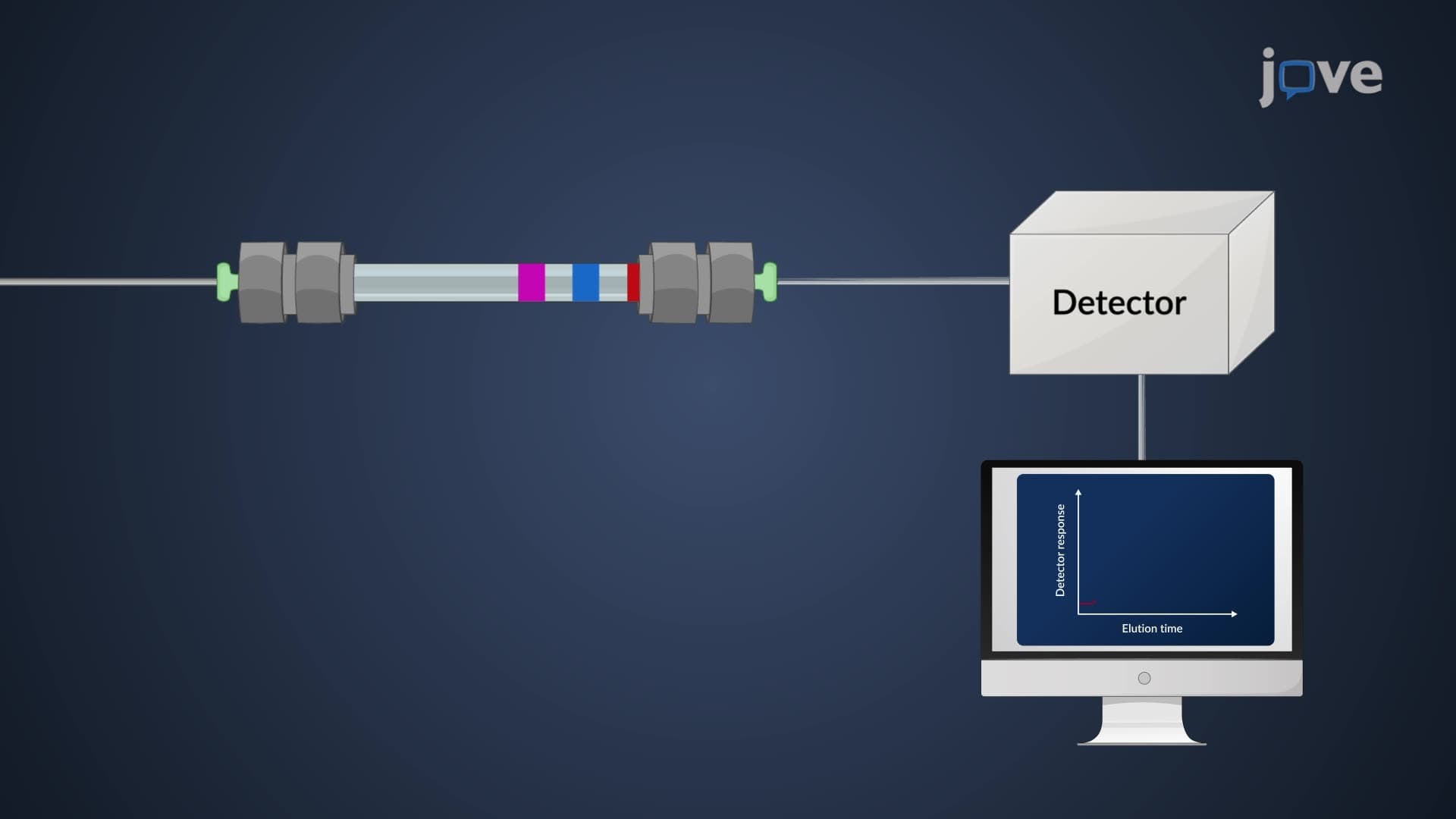
1. Fundamental Chromatographic Principles and Phase Interactions Understanding how chromatography separates compounds through differential distribution between stationary and mobile phases. The stationary phase remains fixed while the mobile phase carries analytes through the system. Key concepts include retention time (time from injection to peak detection), retention volume, and the distribution constant that governs how components partition between phases. Students learn how polar compounds interact strongly with polar stationary phases like silica gel, while nonpolar compounds prefer nonpolar phases. This foundation applies to pharmaceutical quality control where drug purity must be verified using standardized chromatographic methods.
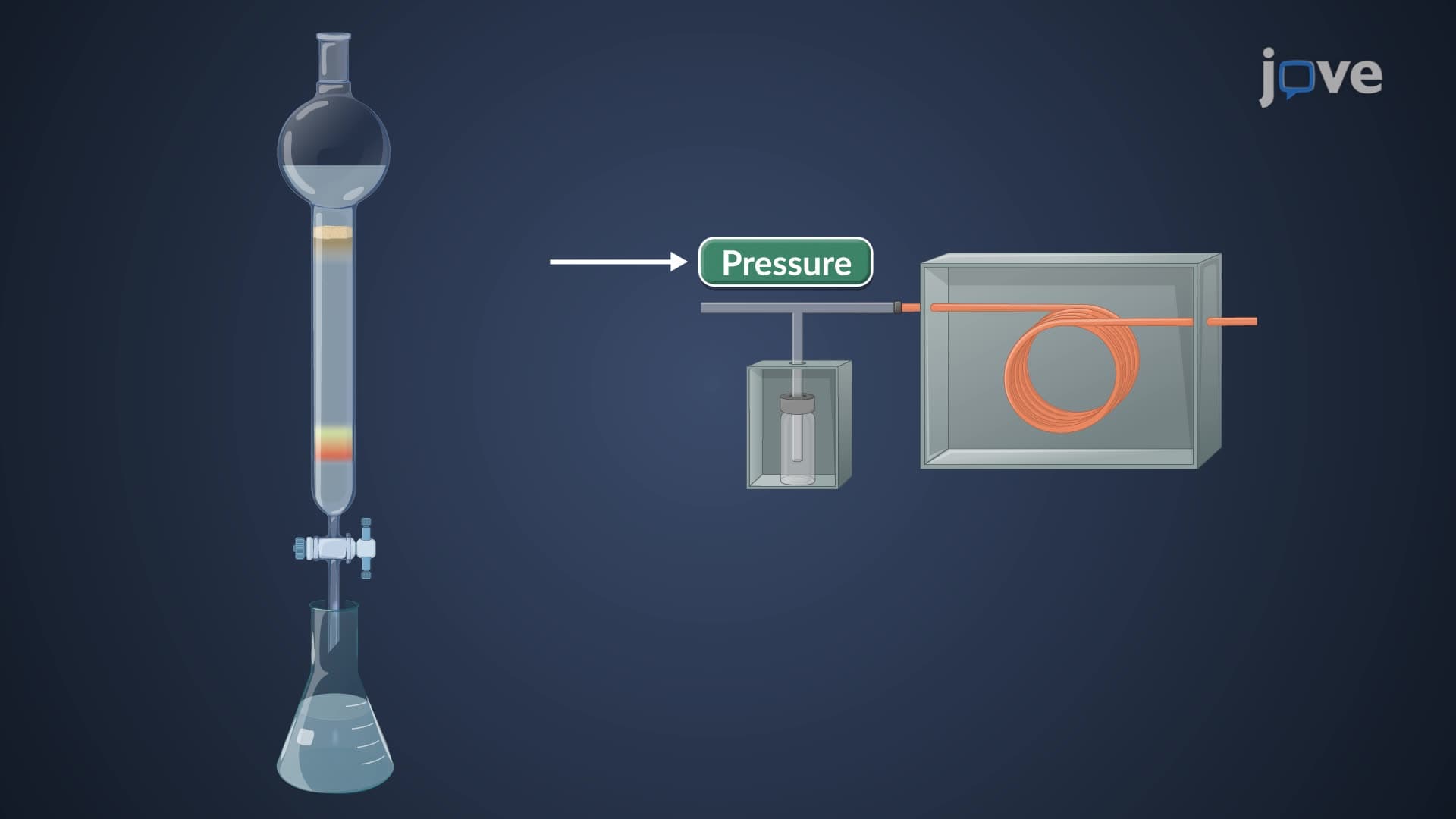
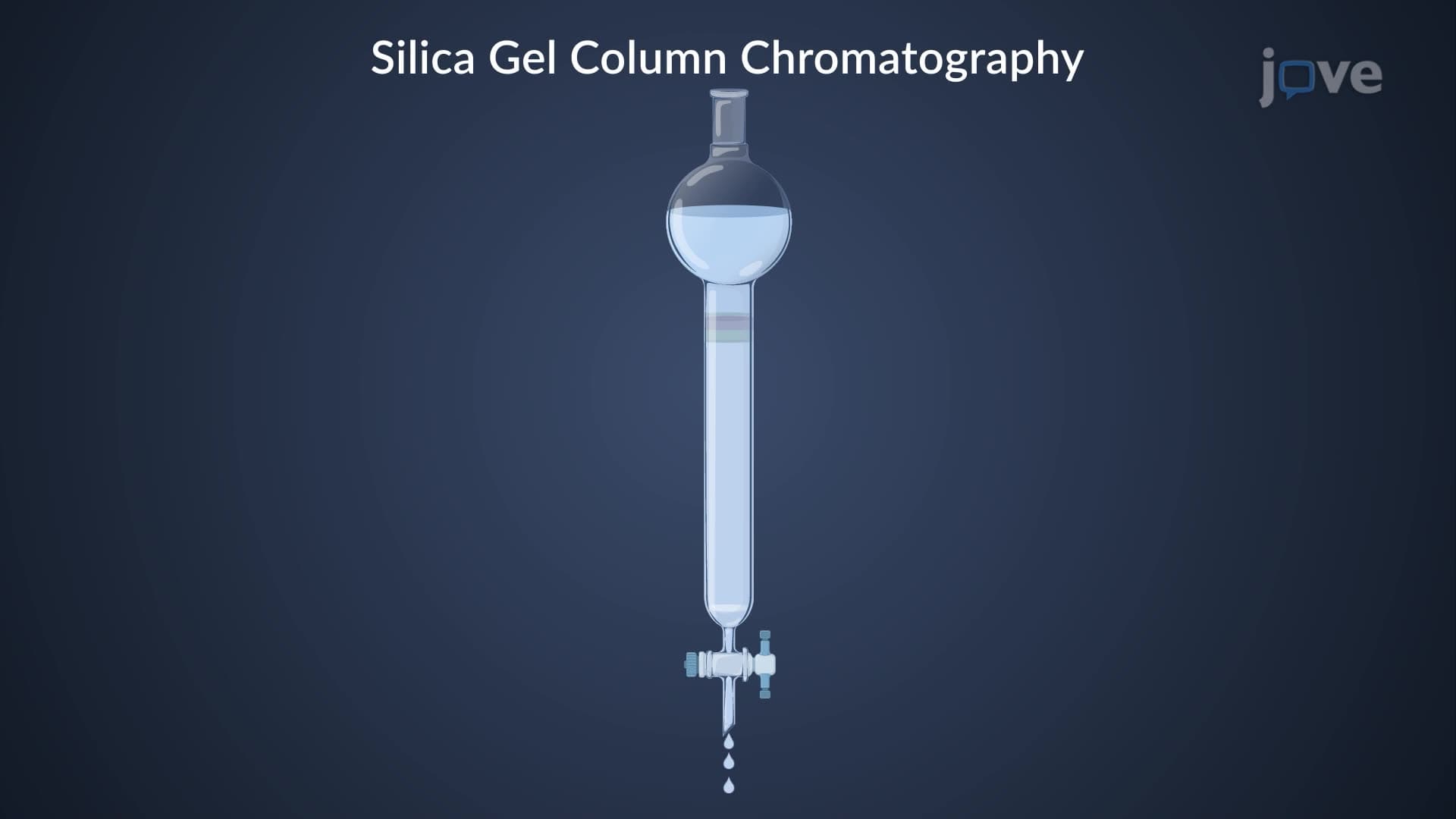
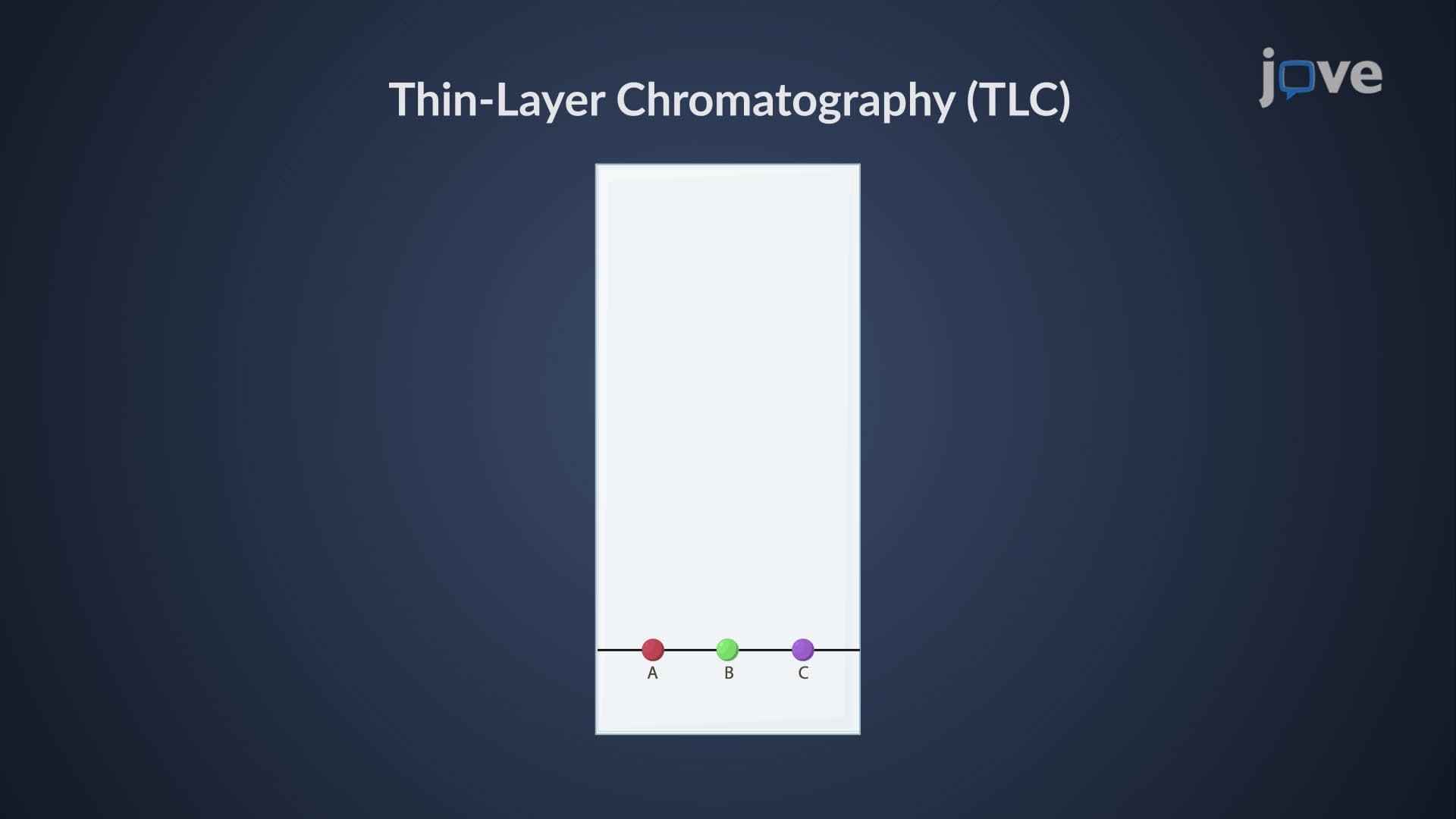
2. Chromatographic Classification Systems and Method Selection Comprehensive classification of chromatographic techniques based on physical states (gas-liquid, liquid-liquid), equipment design (column vs. planar), and separation mechanisms (adsorption, partition, ion-exchange, size-exclusion). Gas chromatography uses gaseous mobile phases for volatile compounds, while liquid chromatography handles non-volatile substances. Column chromatography provides quantitative results, while thin-layer chromatography (TLC) offers rapid qualitative analysis. Understanding these classifications helps analysts choose appropriate methods for specific applications, such as using GC for environmental pollutant analysis or HPLC for pharmaceutical compound identification in FDA-regulated laboratories.
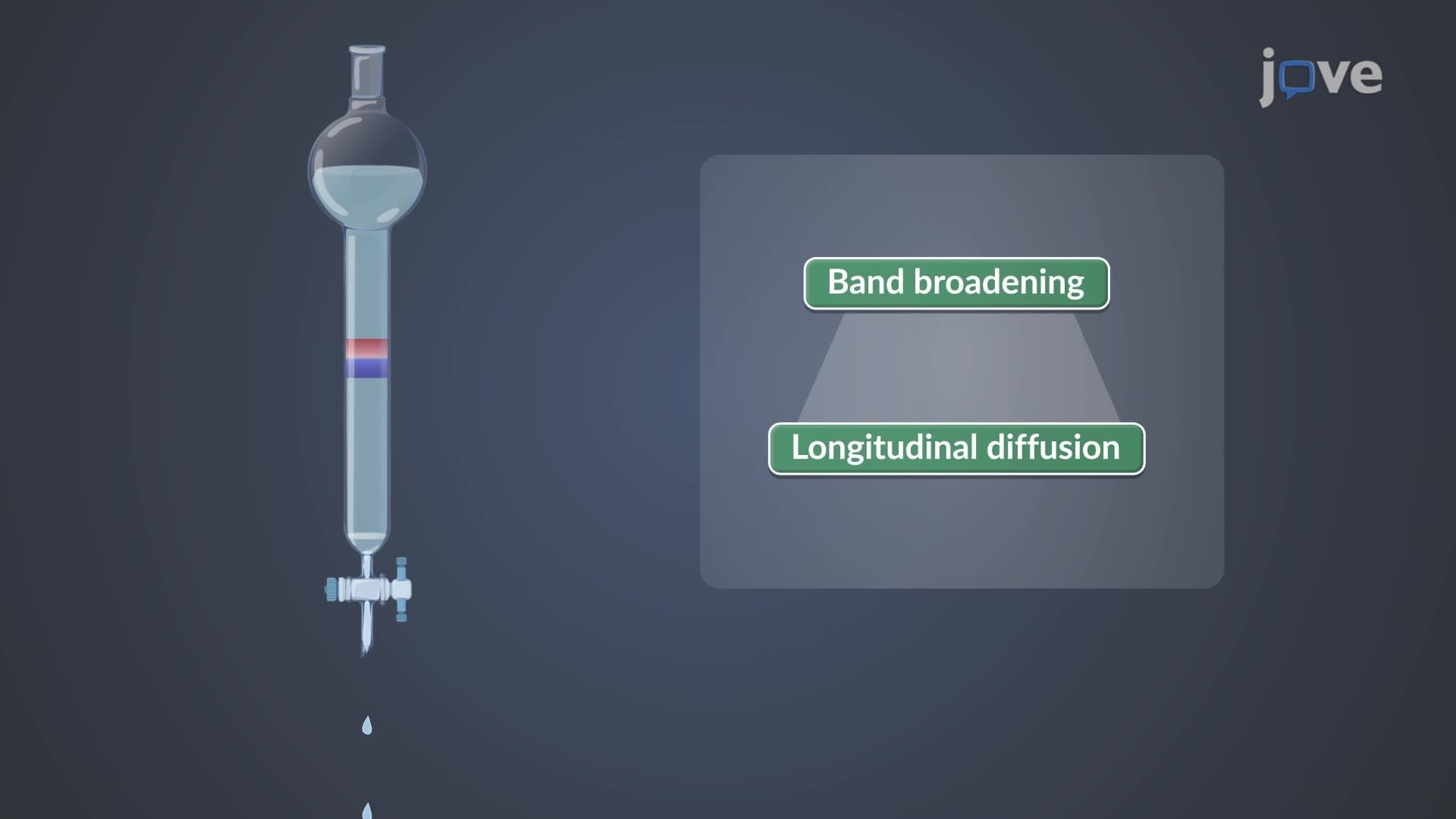
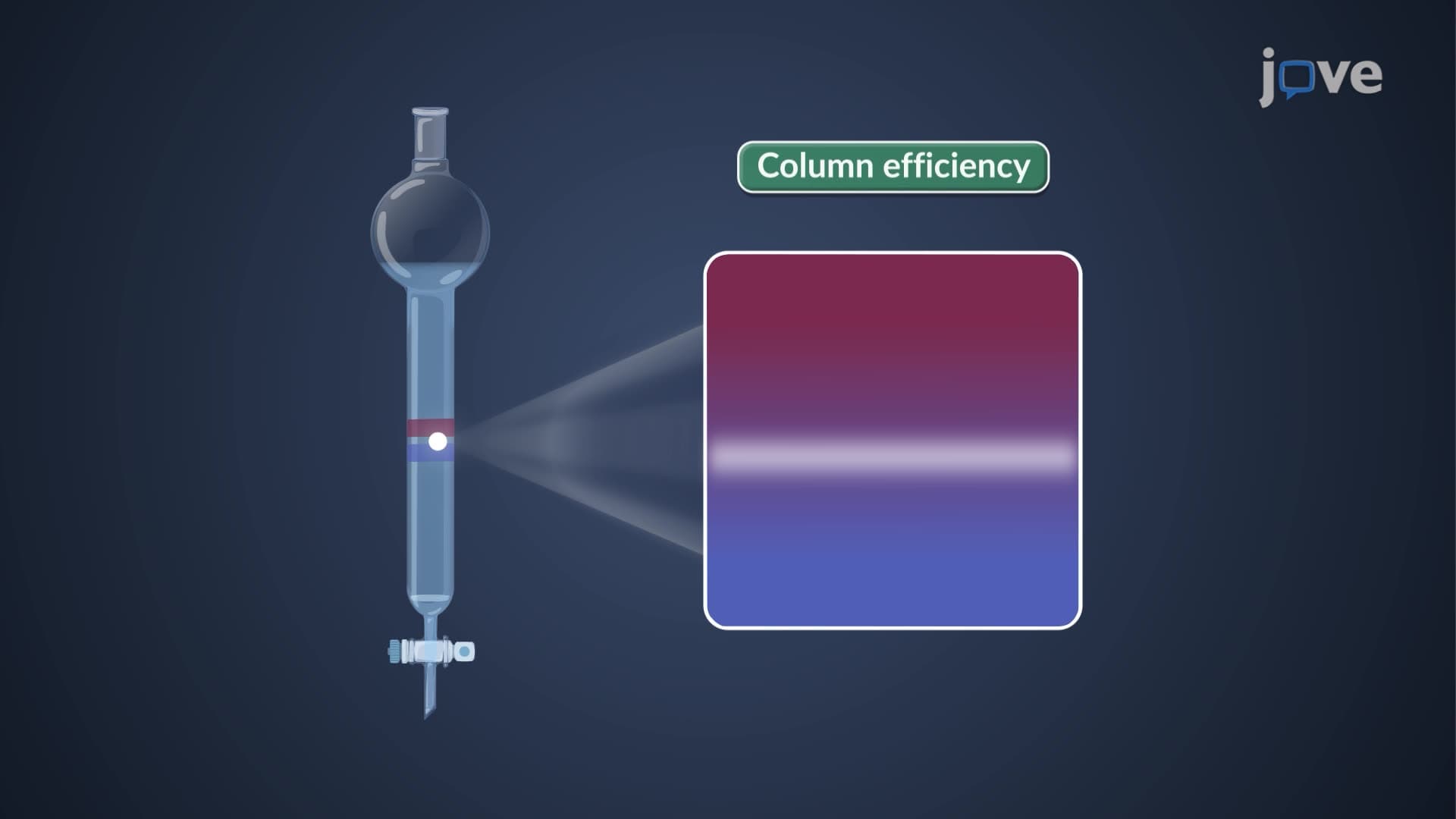
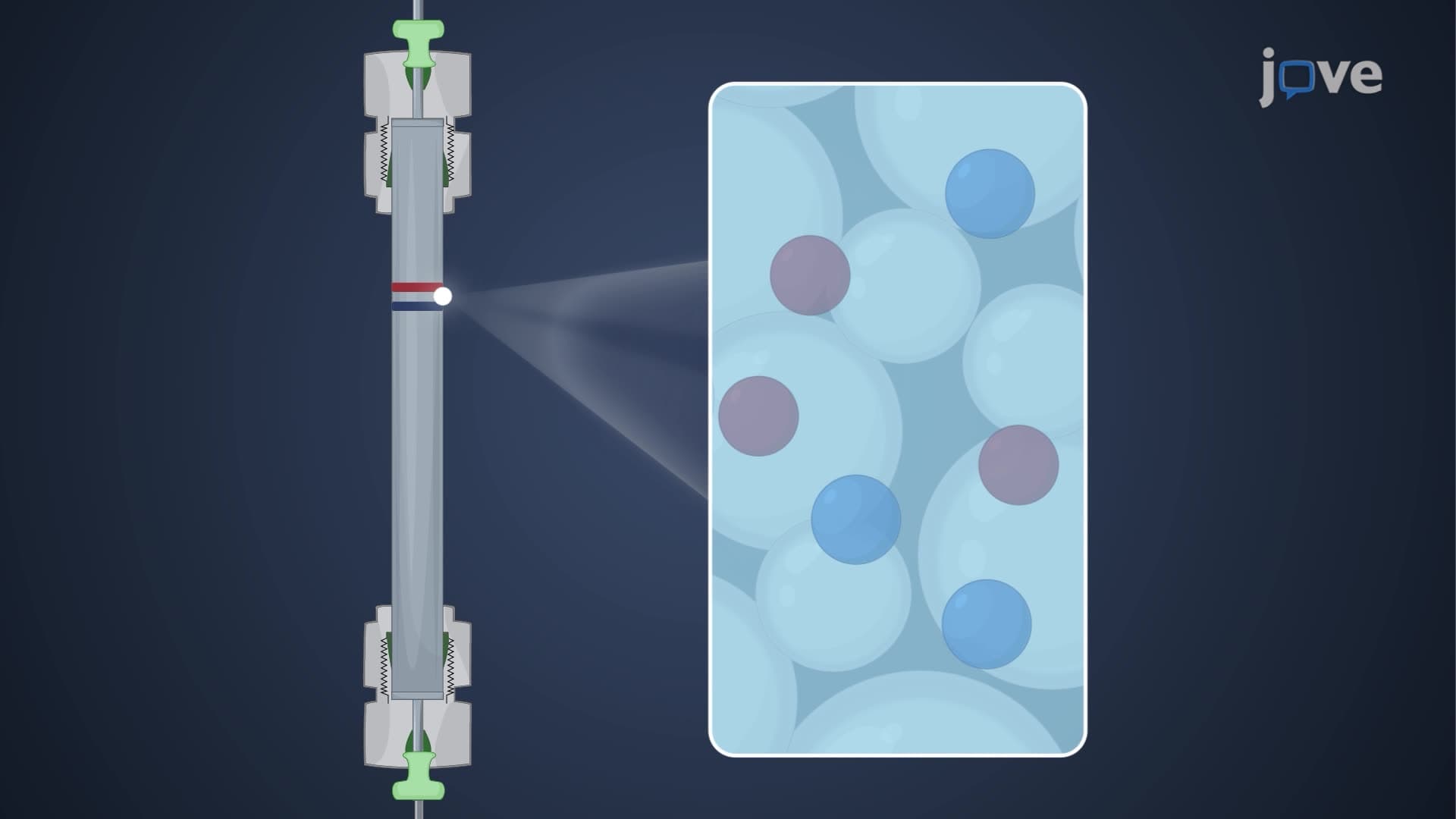
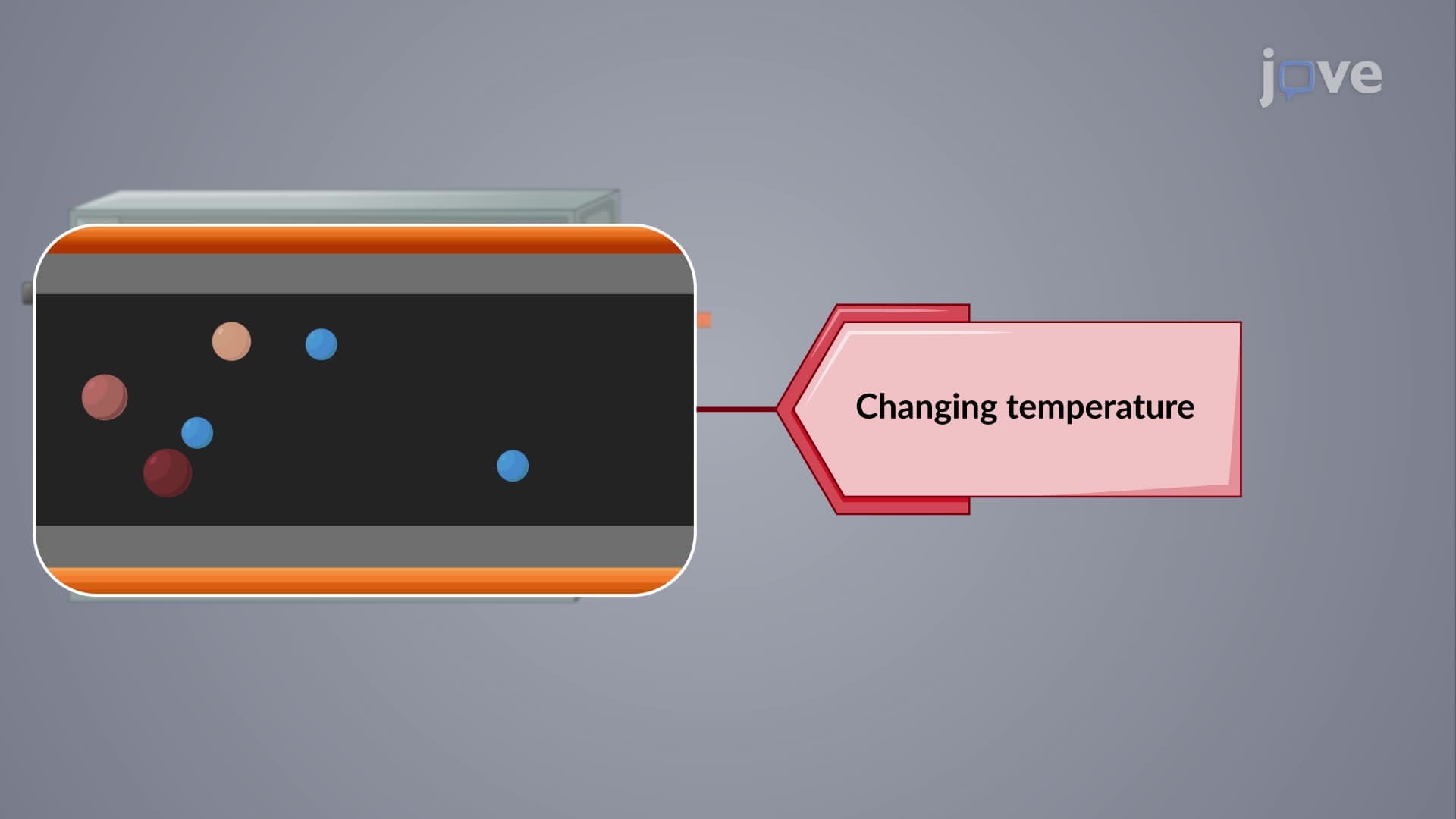
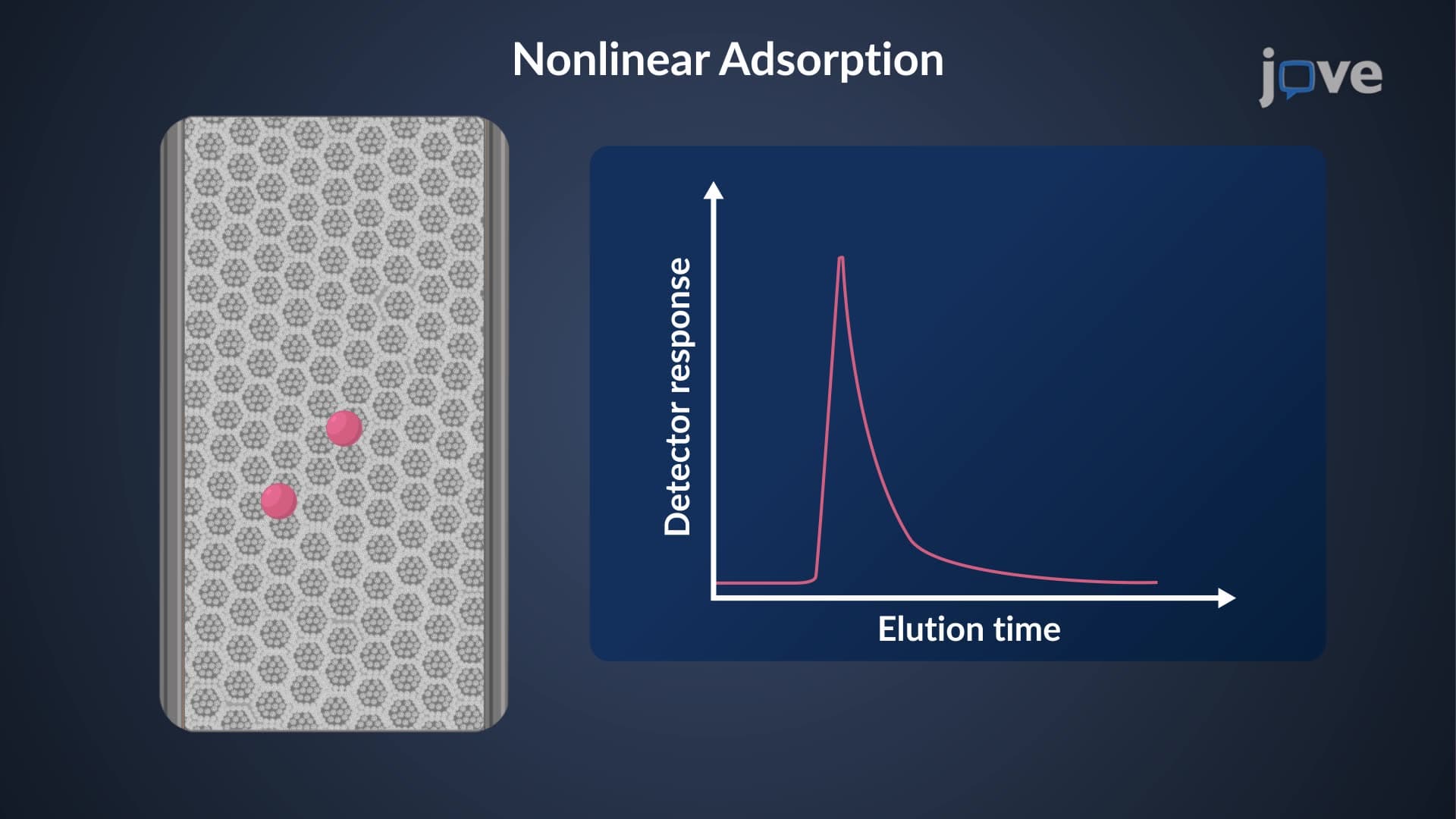
3. Column Efficiency and Resolution Optimization Mastering the factors that determine separation quality through plate theory and rate theory. The number of theoretical plates (N) measures column efficiency, while the height equivalent to a theoretical plate (HETP) indicates band broadening. The van Deemter equation relates plate height to flow rate, showing how multiple flow paths, longitudinal diffusion, and mass transfer affect separation. Resolution between adjacent peaks depends on selectivity, efficiency, and retention. Students learn to optimize separations by adjusting mobile phase composition, column temperature, and flow rates-critical skills for pharmaceutical analysis where regulatory agencies require baseline resolution between active ingredients and impurities.
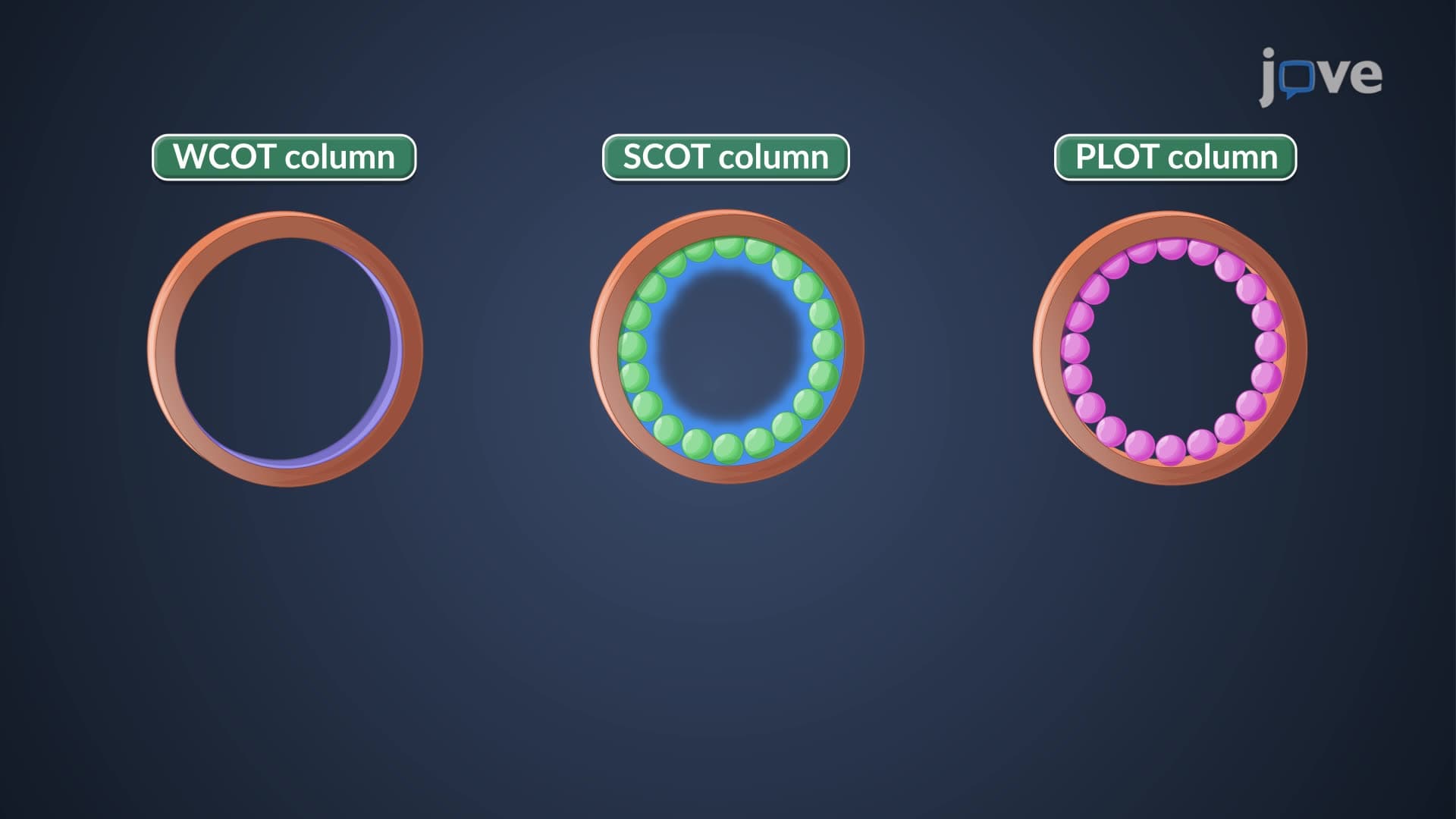
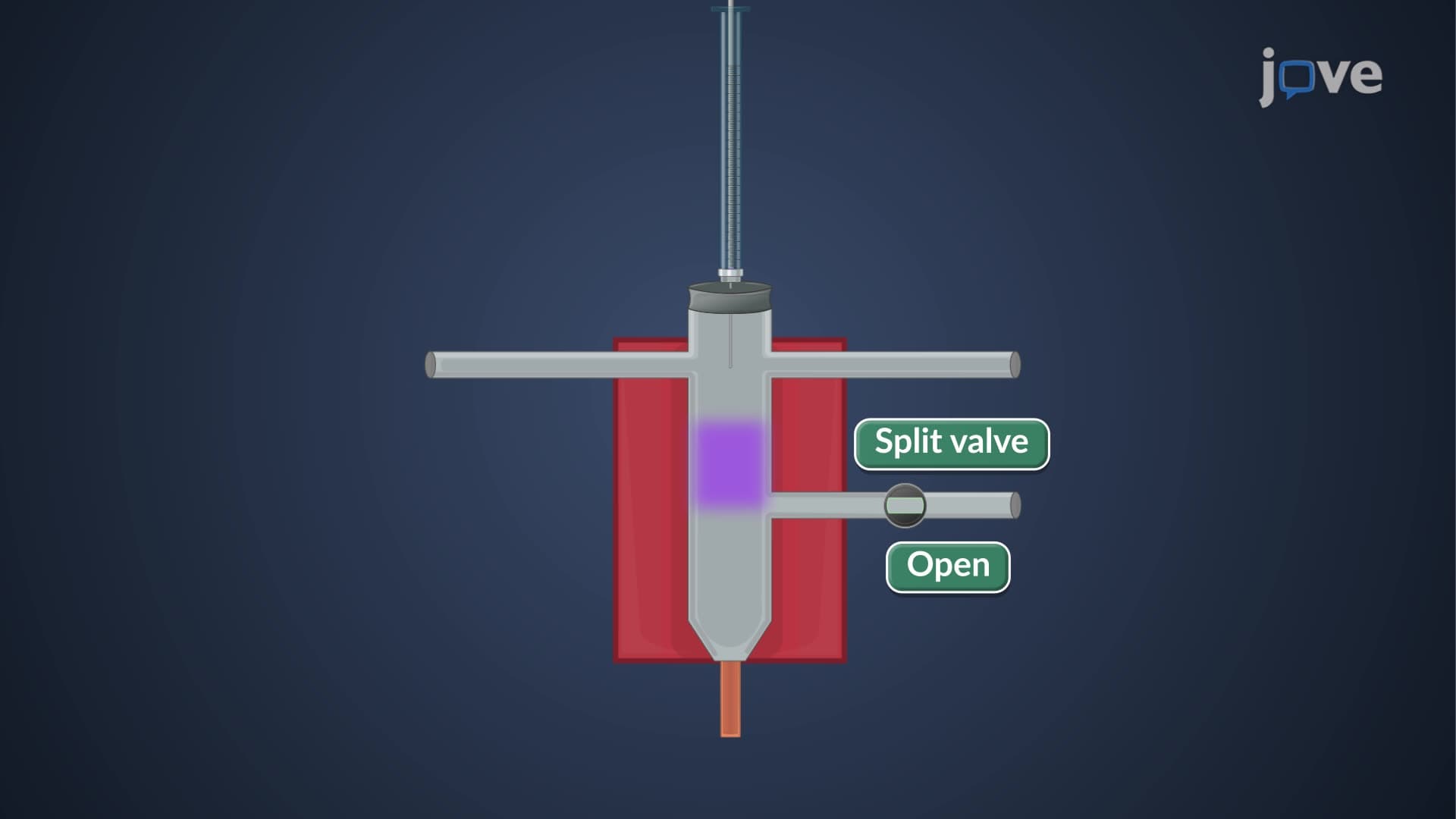
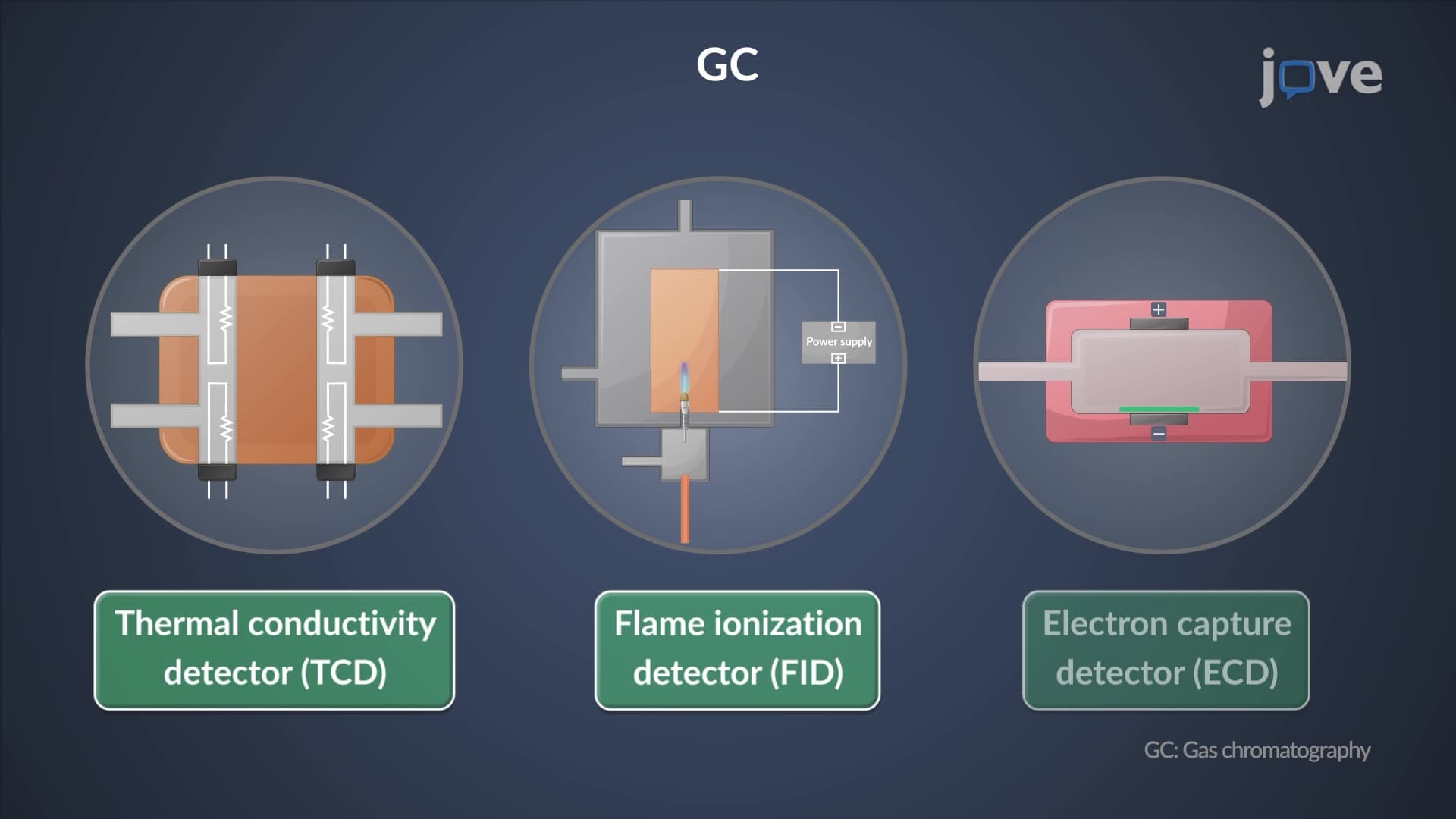
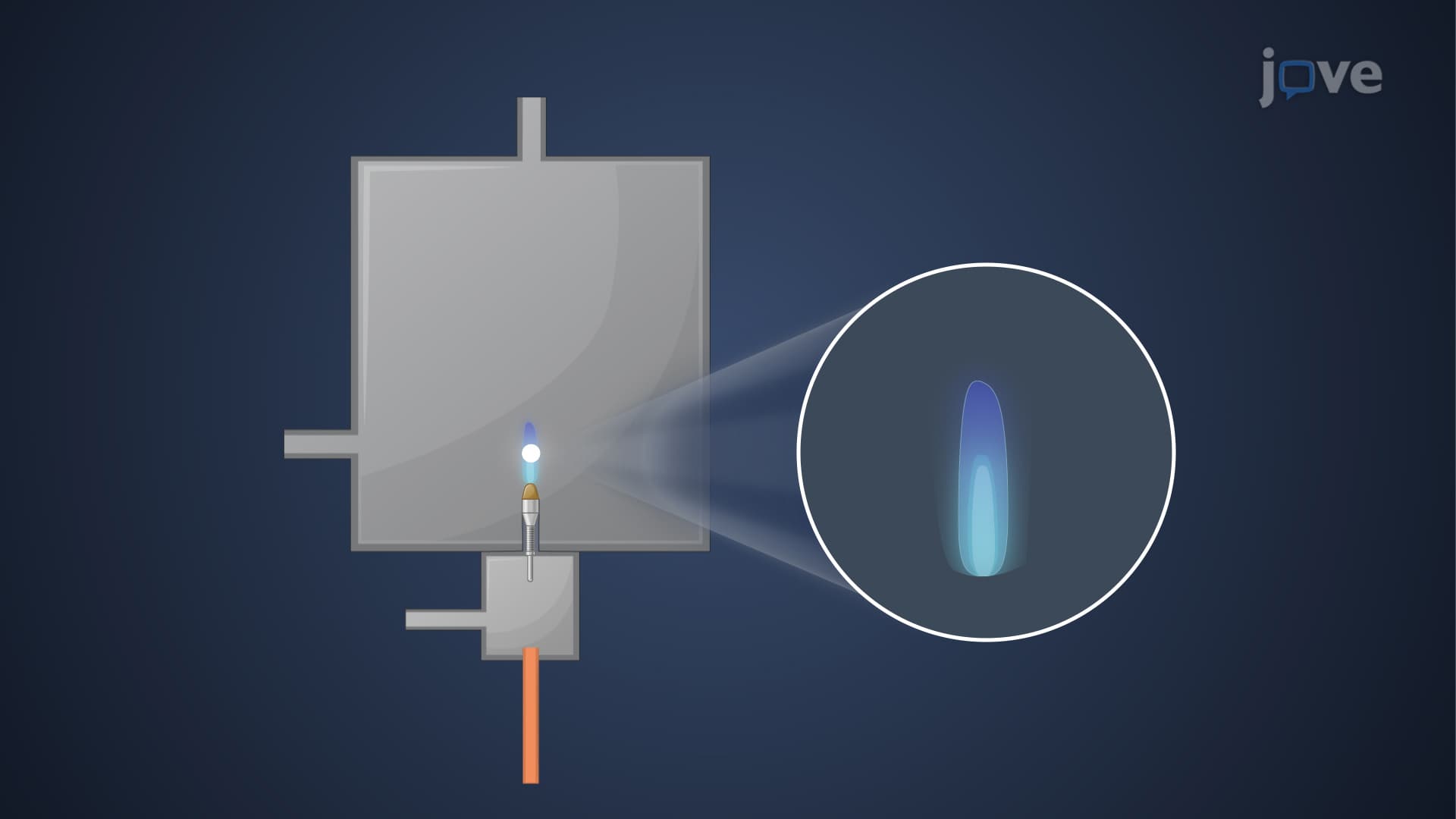
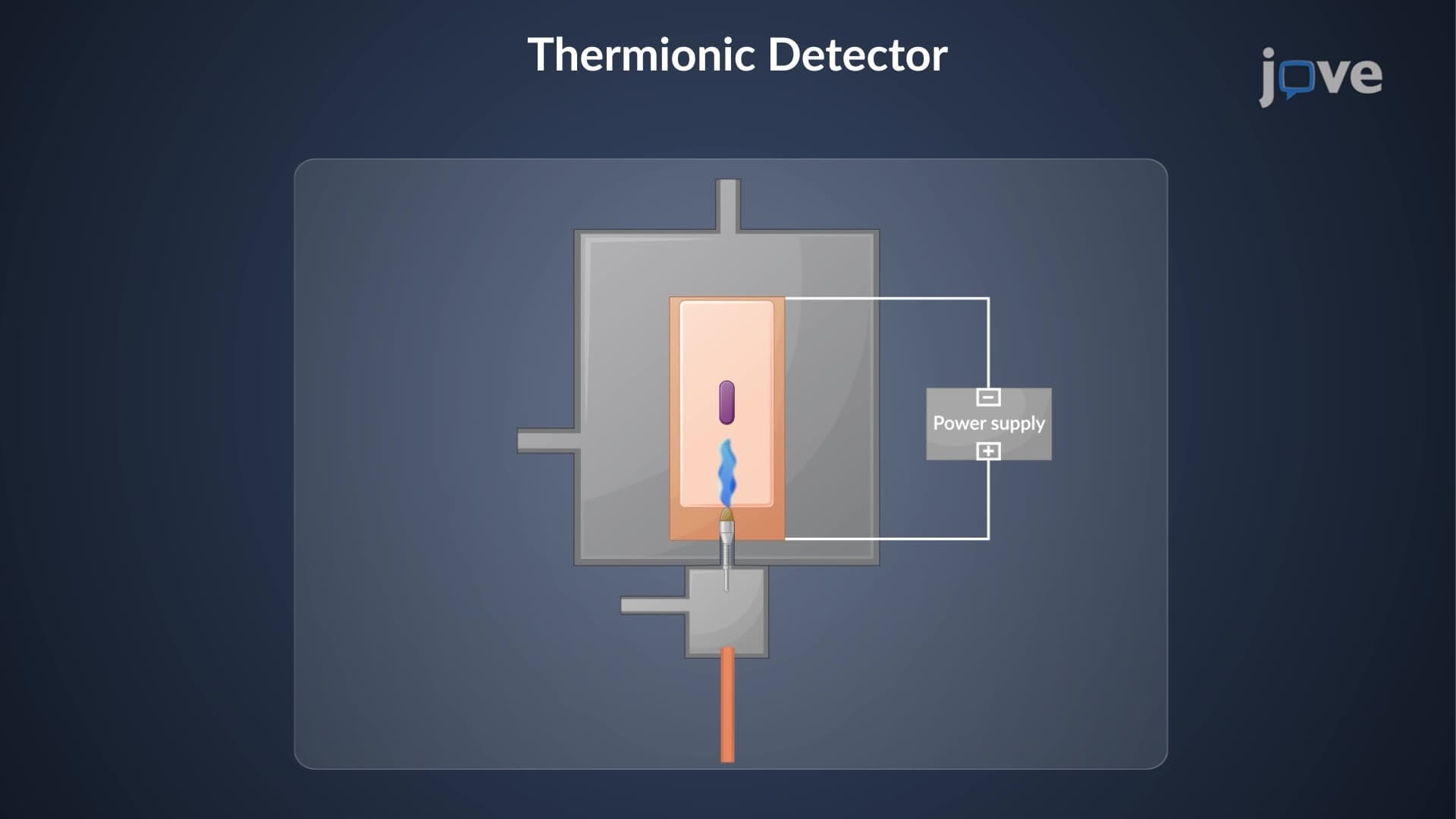
4. Gas Chromatography Systems and Detection Methods Detailed exploration of GC instrumentation including injection systems, column types, and detector selection. Capillary columns provide high resolution for complex mixtures, while packed columns offer higher sample capacity. Split injection prevents overloading concentrated samples, while splitless injection maximizes sensitivity for trace analysis. Common detectors include thermal conductivity detectors (universal response), flame ionization detectors (organic compounds), and electron capture detectors (electronegative compounds). Understanding detector characteristics helps forensic chemists choose appropriate systems for drug analysis, environmental scientists monitor pollutants, and food safety laboratories detect pesticide residues in compliance with EPA and FDA regulations.
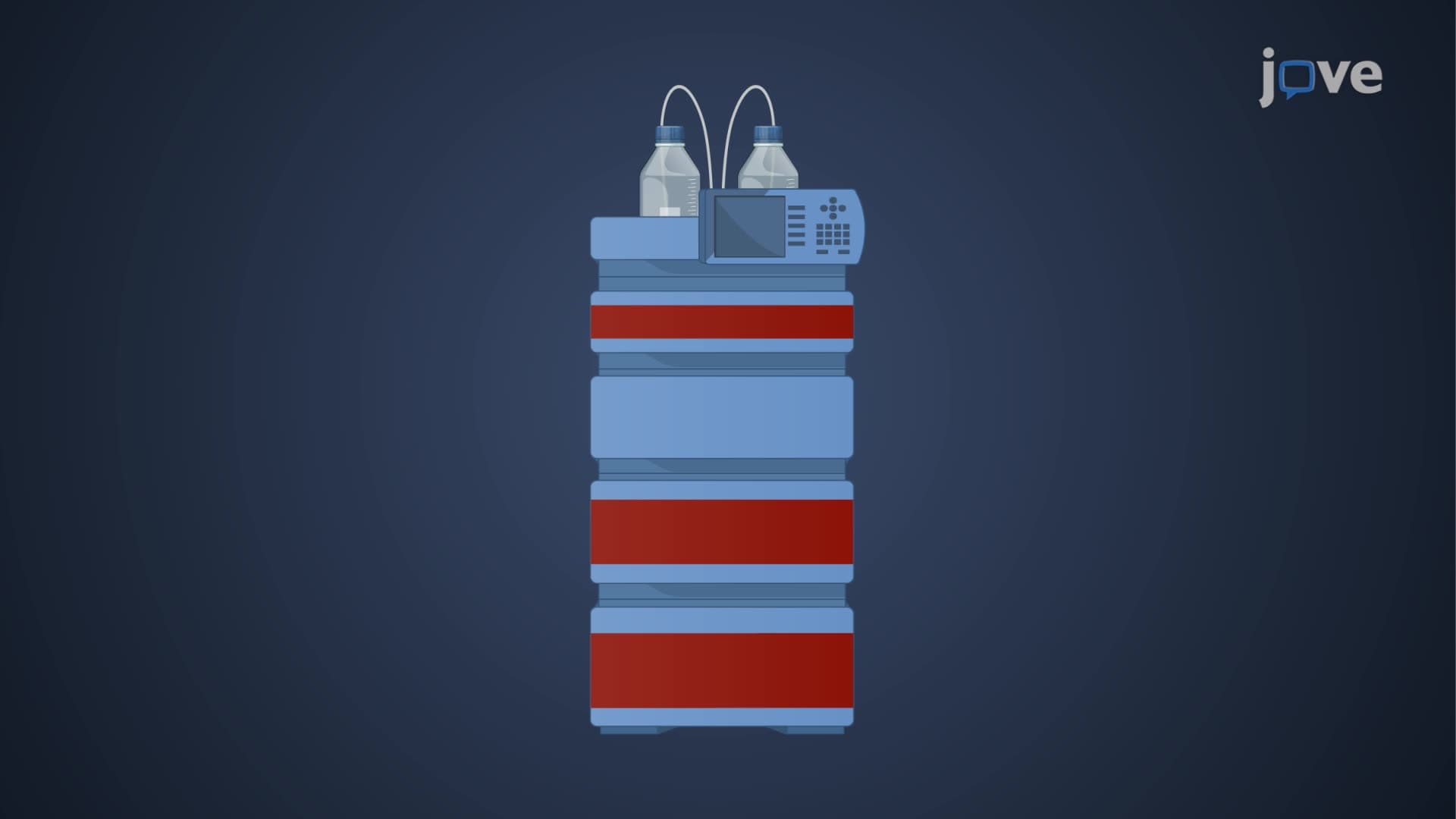
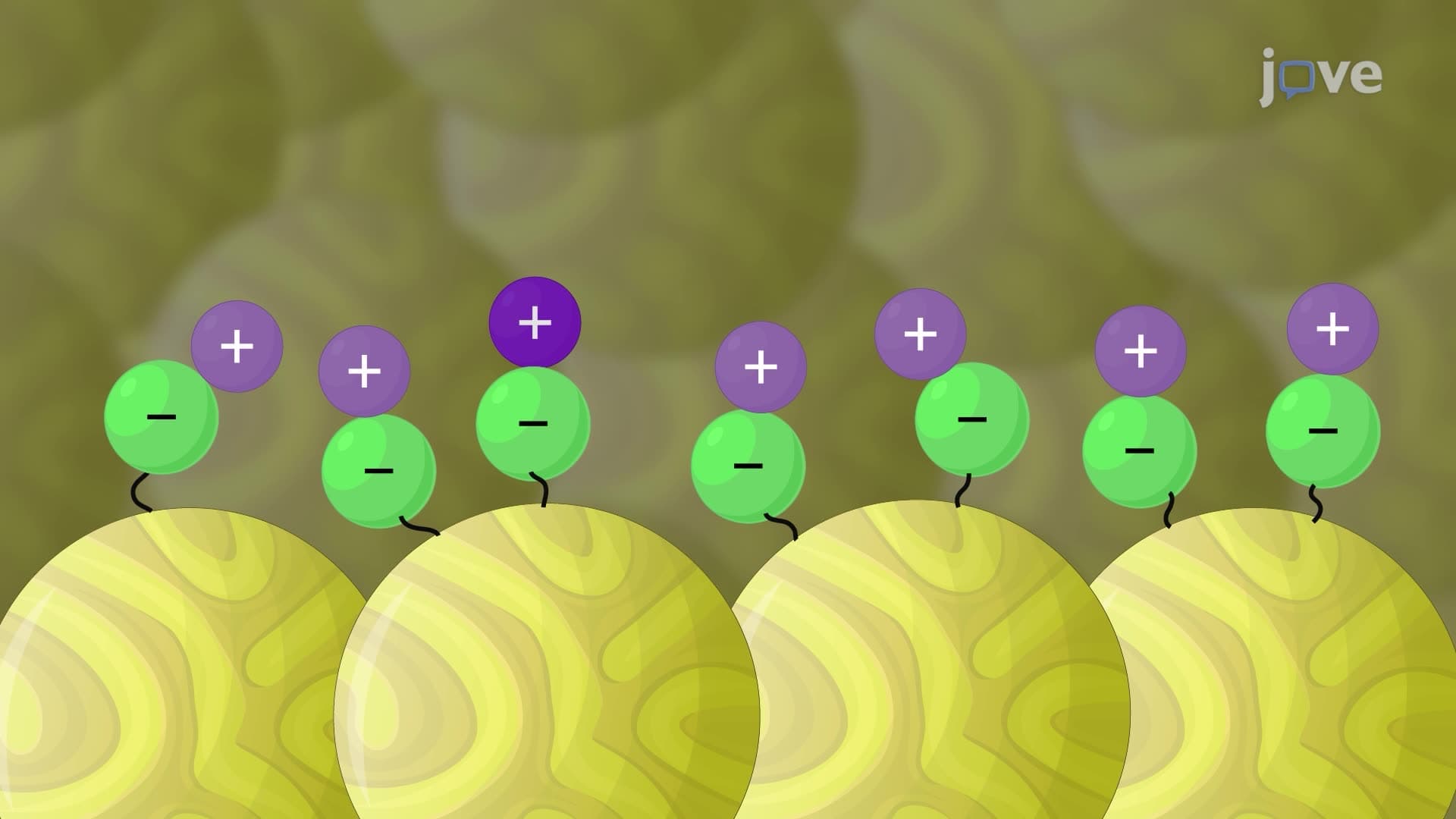
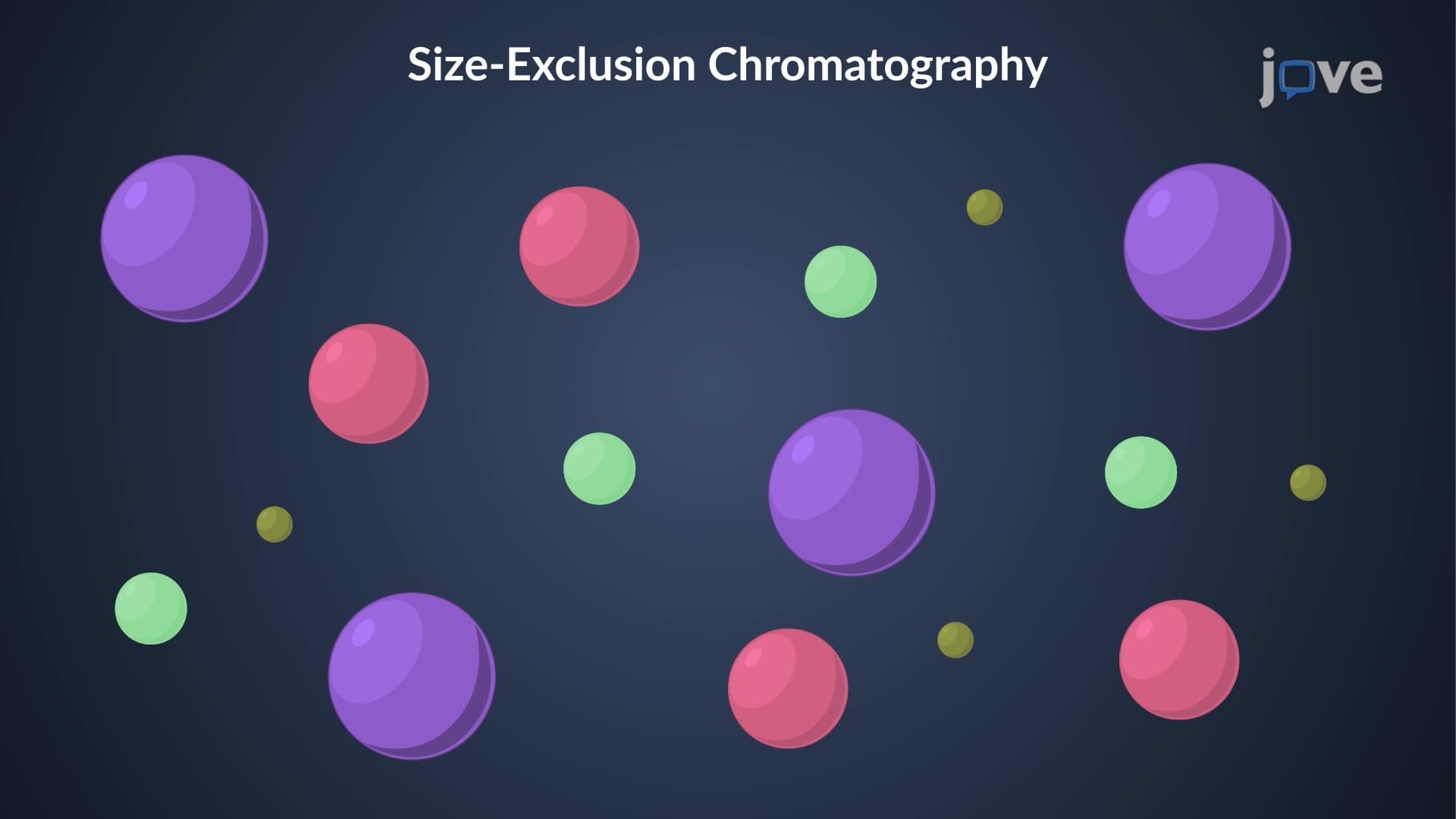
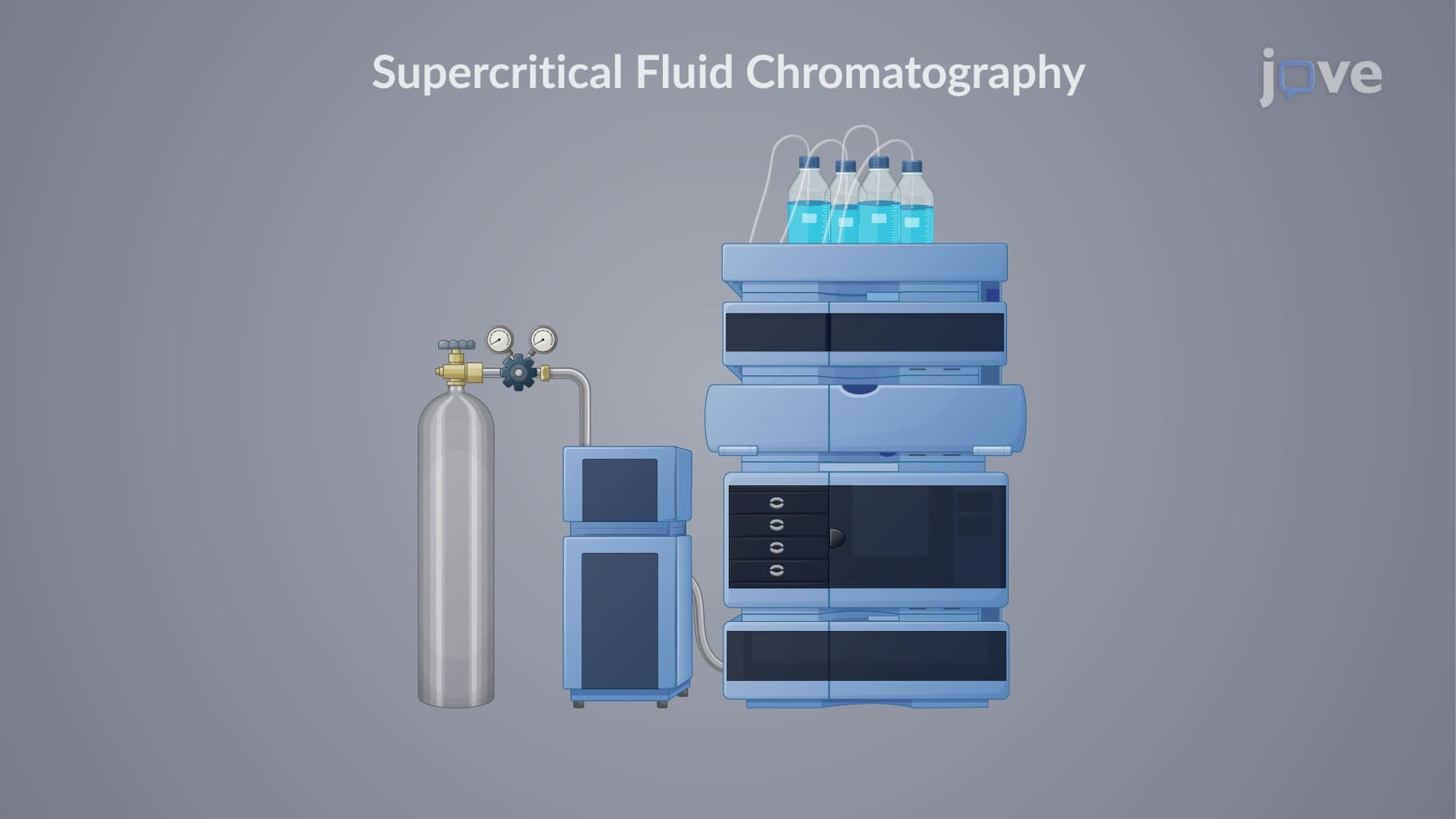
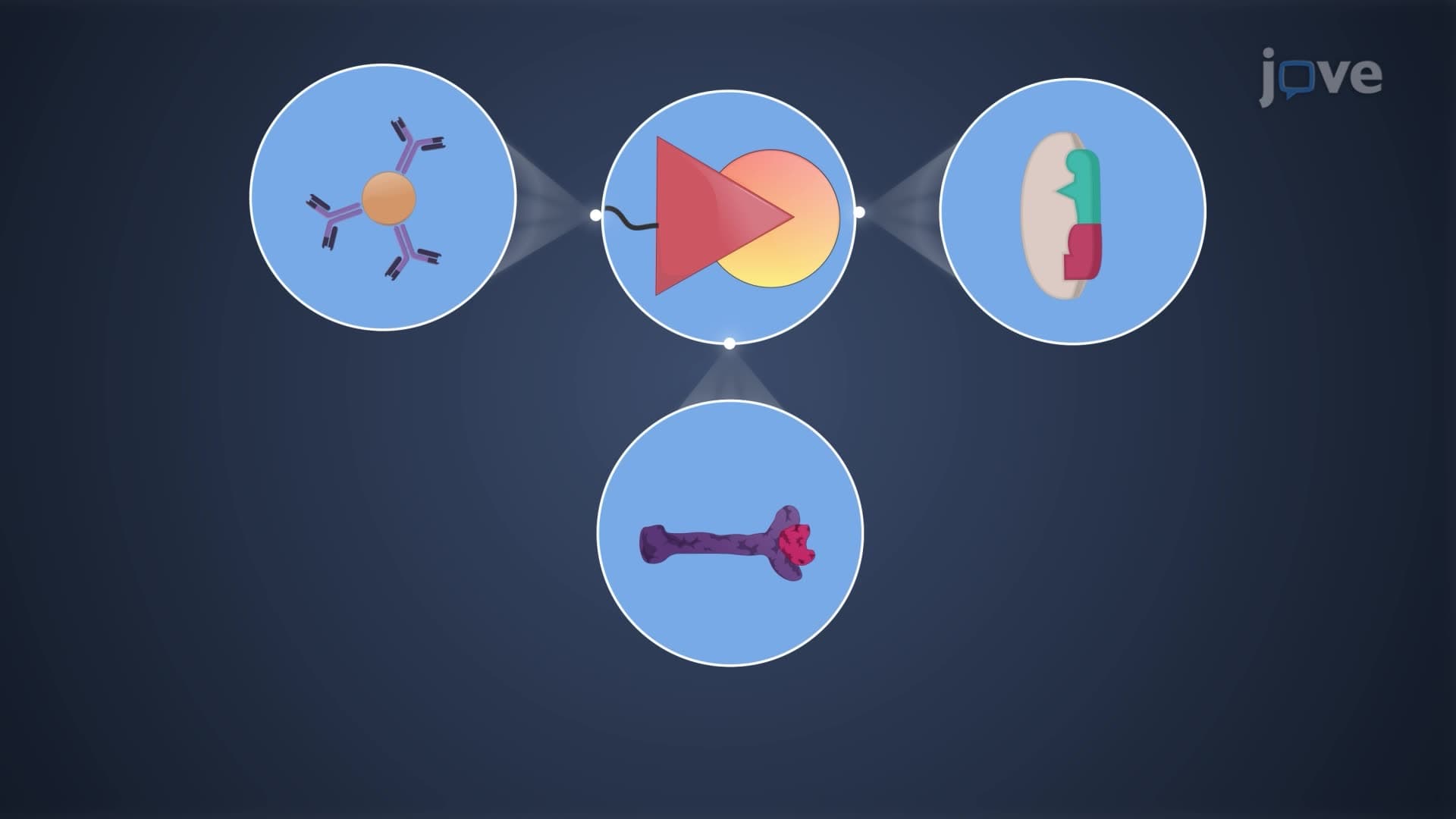
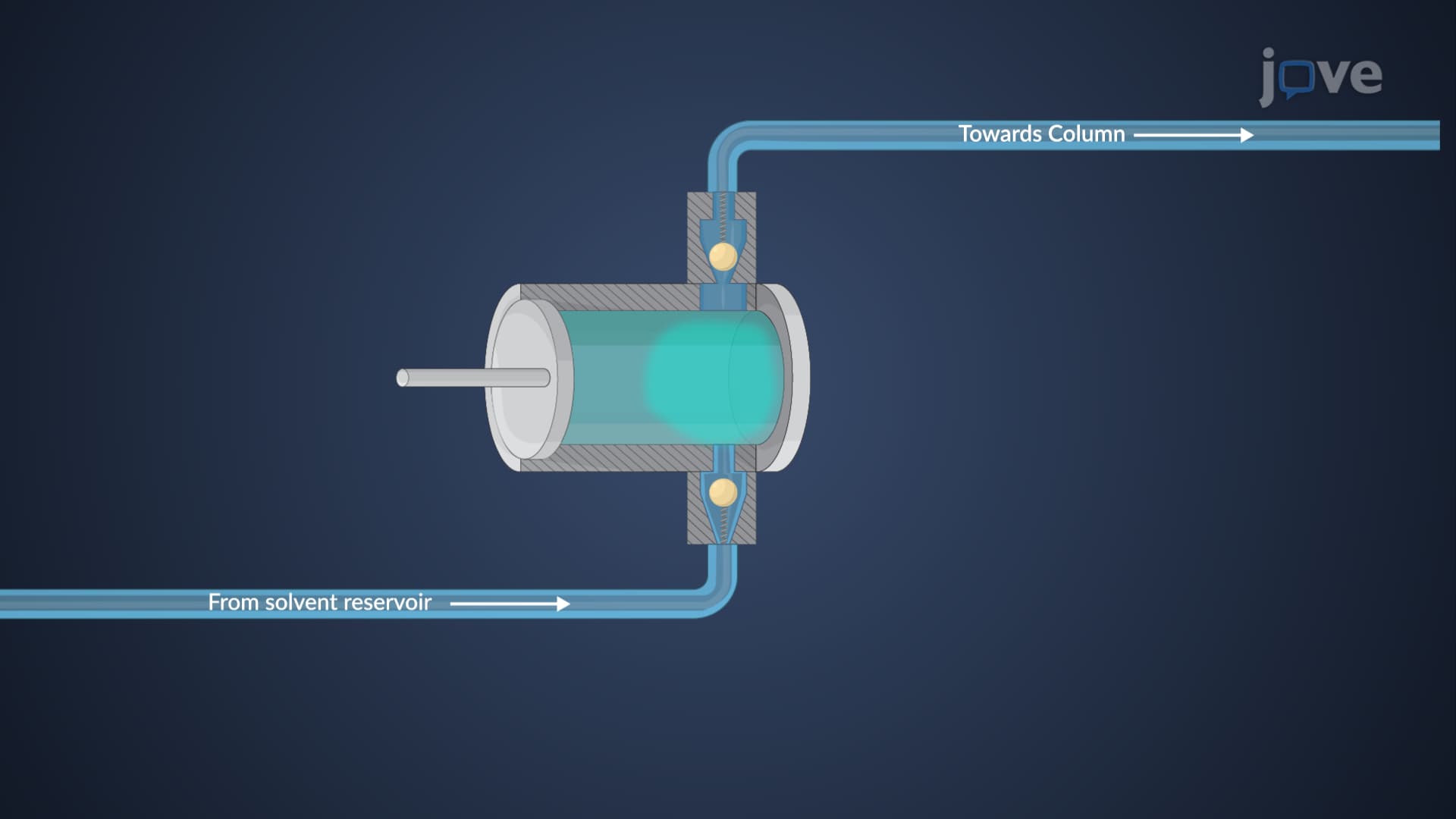
5. High-Performance Liquid Chromatography and Advanced Separation Techniques Comprehensive coverage of HPLC systems including pumping mechanisms, gradient elution, and detector technologies. Normal-phase chromatography uses polar stationary phases for polar compound separation, while reverse-phase chromatography (more common) uses nonpolar stationary phases with polar mobile phases. UV-visible detectors provide excellent sensitivity for compounds with chromophores, while refractive index detectors respond to all solutes. Specialized techniques include ion-exchange chromatography for charged molecules, size-exclusion chromatography for polymer analysis, and affinity chromatography for biomolecule purification. These methods are essential in pharmaceutical development, clinical diagnostics, and biotechnology applications throughout the United States healthcare system.