Loading video…


 27 Concepts
 42.9K views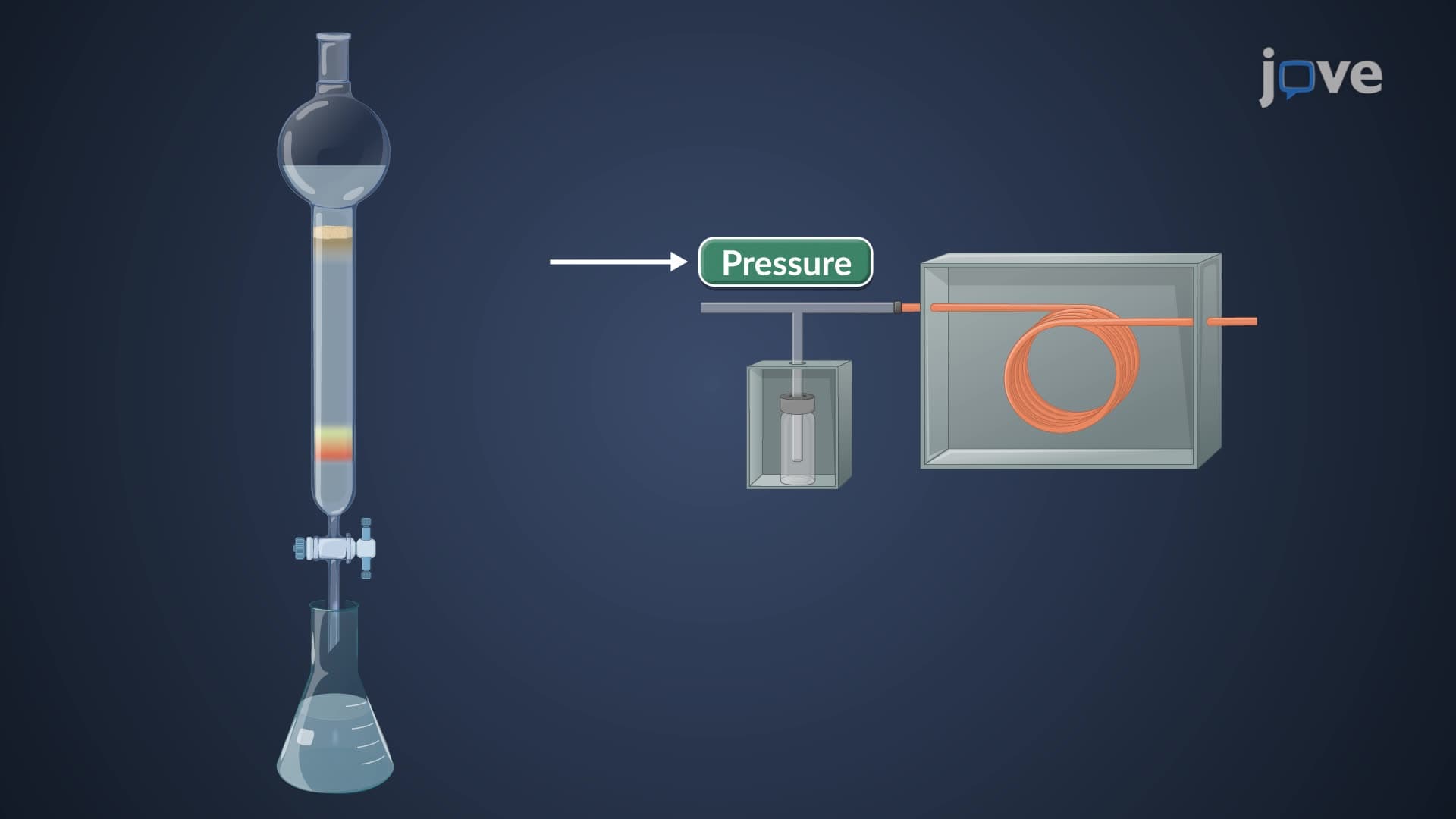

Video Summary: What Is Chromatographic Methods Classification
Ever wonder how forensic scientists identify drugs in a criminal investigation or how pharmaceutical companies ensure medication purity? The answer lies in chromatography classification methods-a systematic approach to separating and analyzing chemical mixtures. For instance, the FBI uses gas-liquid chromatography to analyze paint samples from hit-and-run accidents, comparing evidence found on vehicles to crime scenes. Understanding what is chromatographic methods classification reveals how scientists organize these powerful analytical techniques based on physical states, equipment design, and separation mechanisms. Watch the full video on JoVE Coach to master this concept with expert-led visuals and step-by-step explanations.
What is chromatographic methods classification? It's the systematic organization of analytical separation techniques based on three fundamental criteria that determine how molecules separate and move through different phases. This classification system helps chemists and laboratory technicians select the most effective method for specific analytical challenges, from testing water quality in California's drinking supply to analyzing blood samples in hospital laboratories.
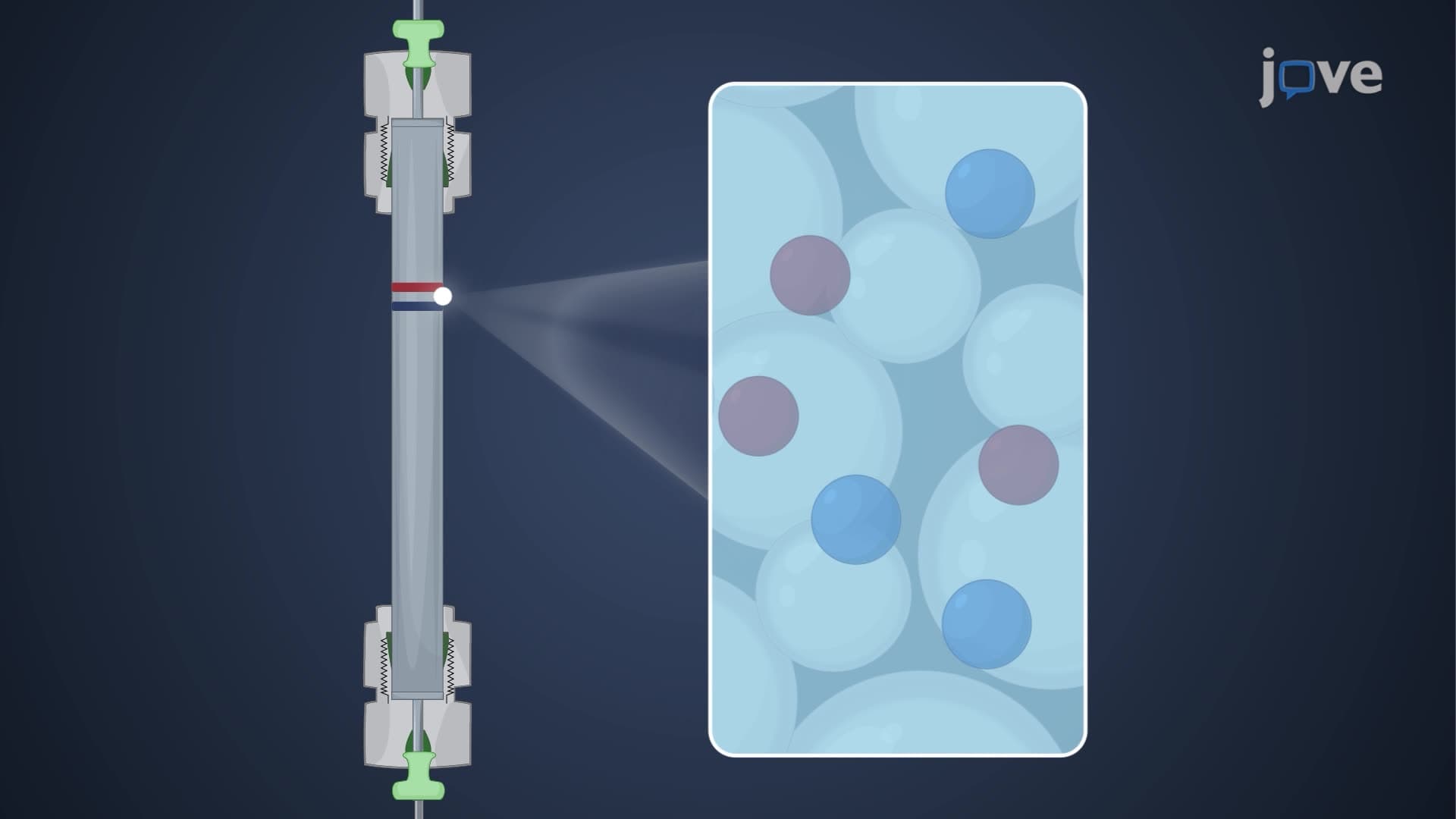
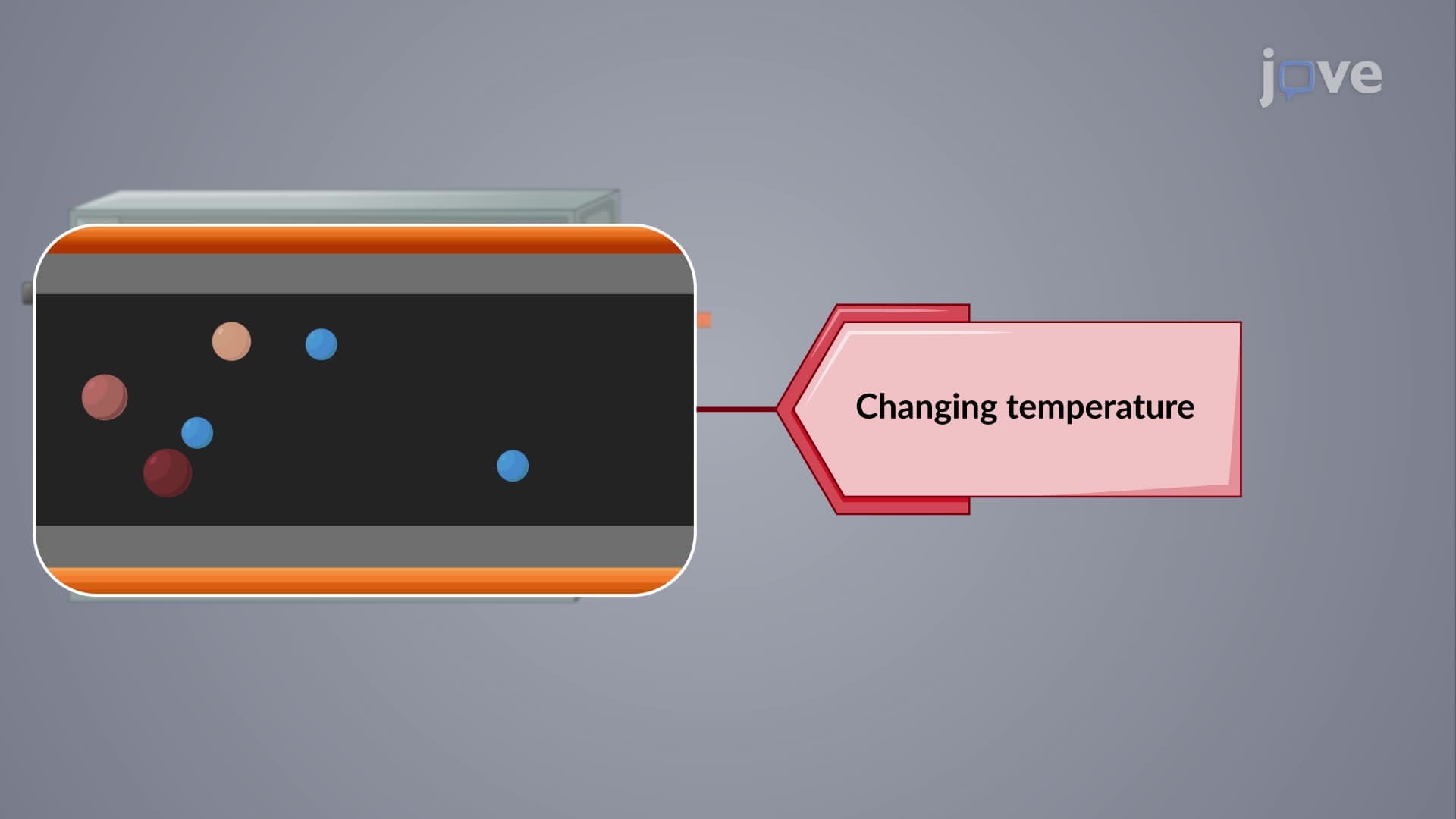
The most fundamental classification of chromatographic methods relies on the physical states of mobile and stationary phases. Gas-liquid chromatography (GLC) employs a gaseous mobile phase and liquid stationary phase, making it ideal for volatile compounds like those found in breath alcohol testing used by police departments nationwide. Gas-solid chromatography uses a solid stationary phase, perfect for separating permanent gases. Liquid-liquid chromatography utilizes liquid phases in both roles, commonly seen in high-performance liquid chromatography (HPLC) systems used by pharmaceutical companies to test drug purity before FDA approval.
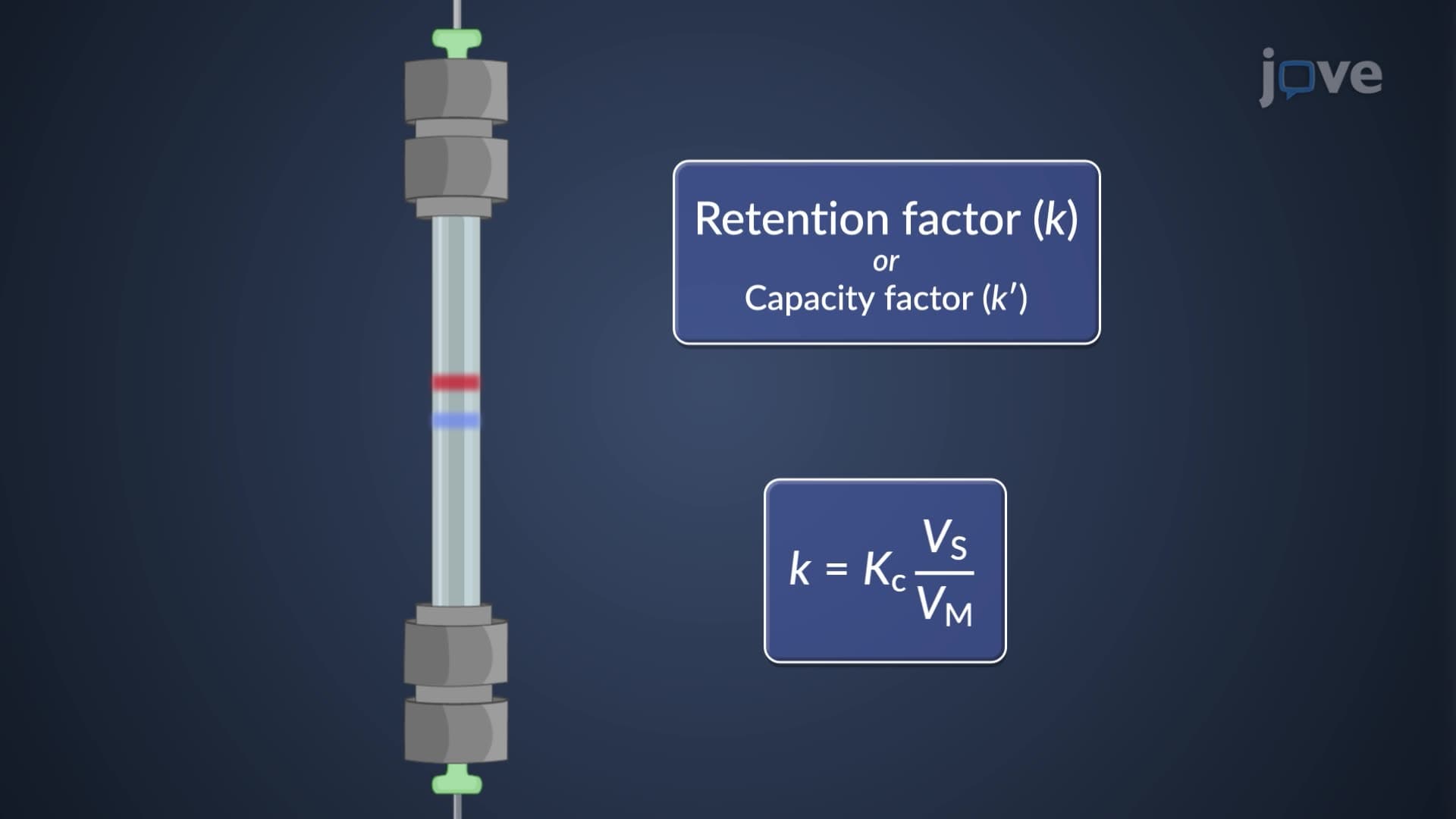
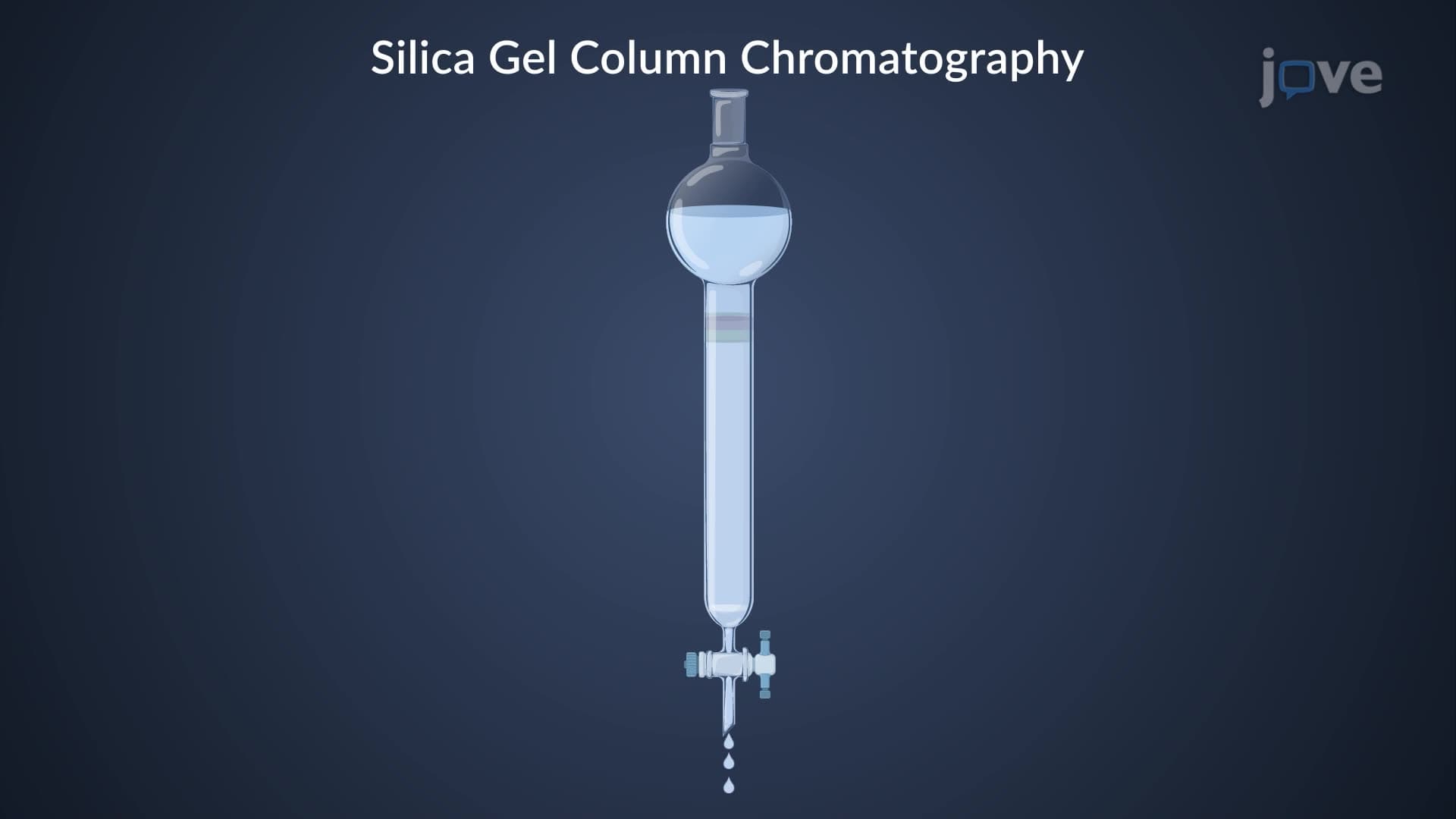
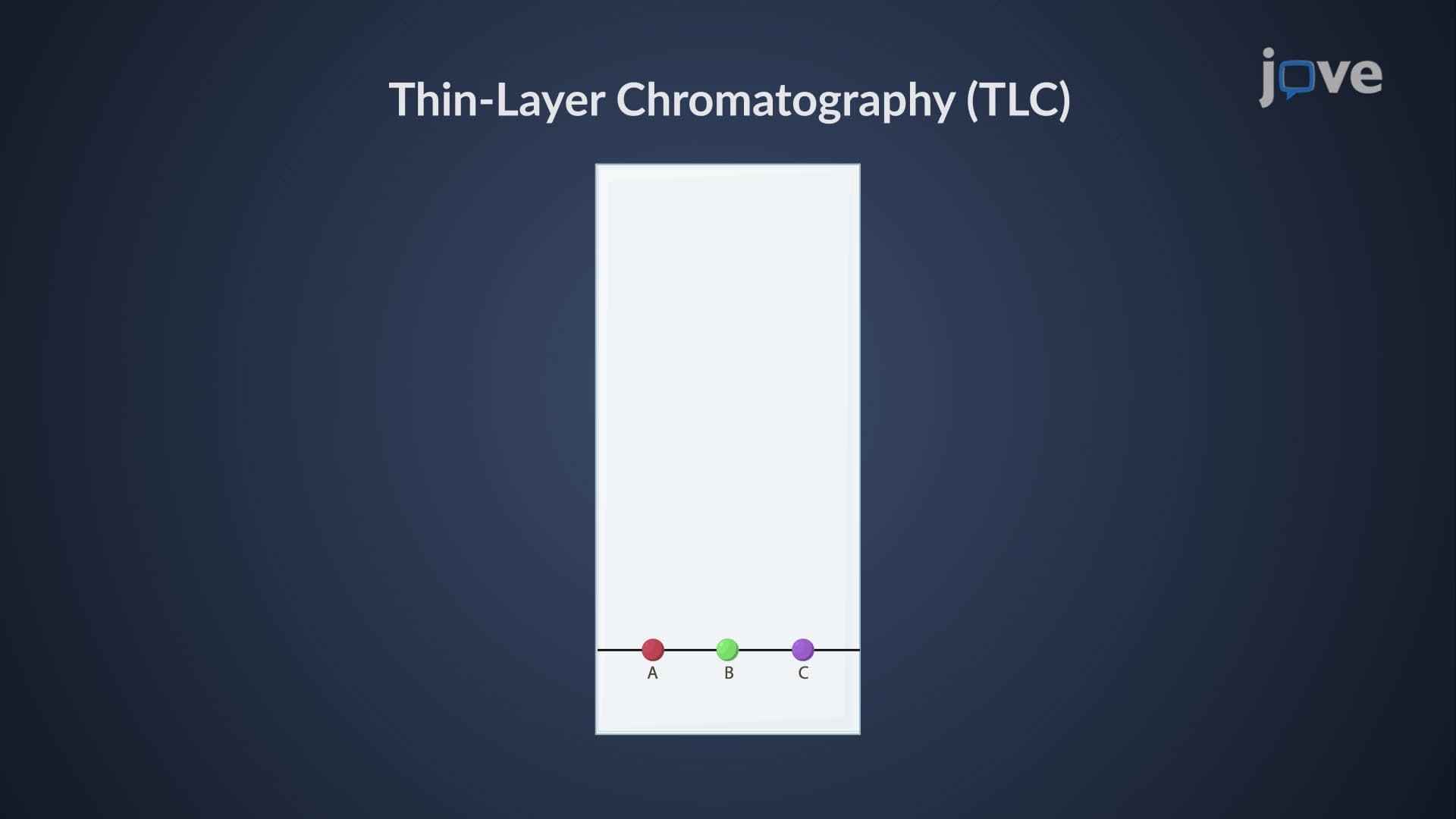
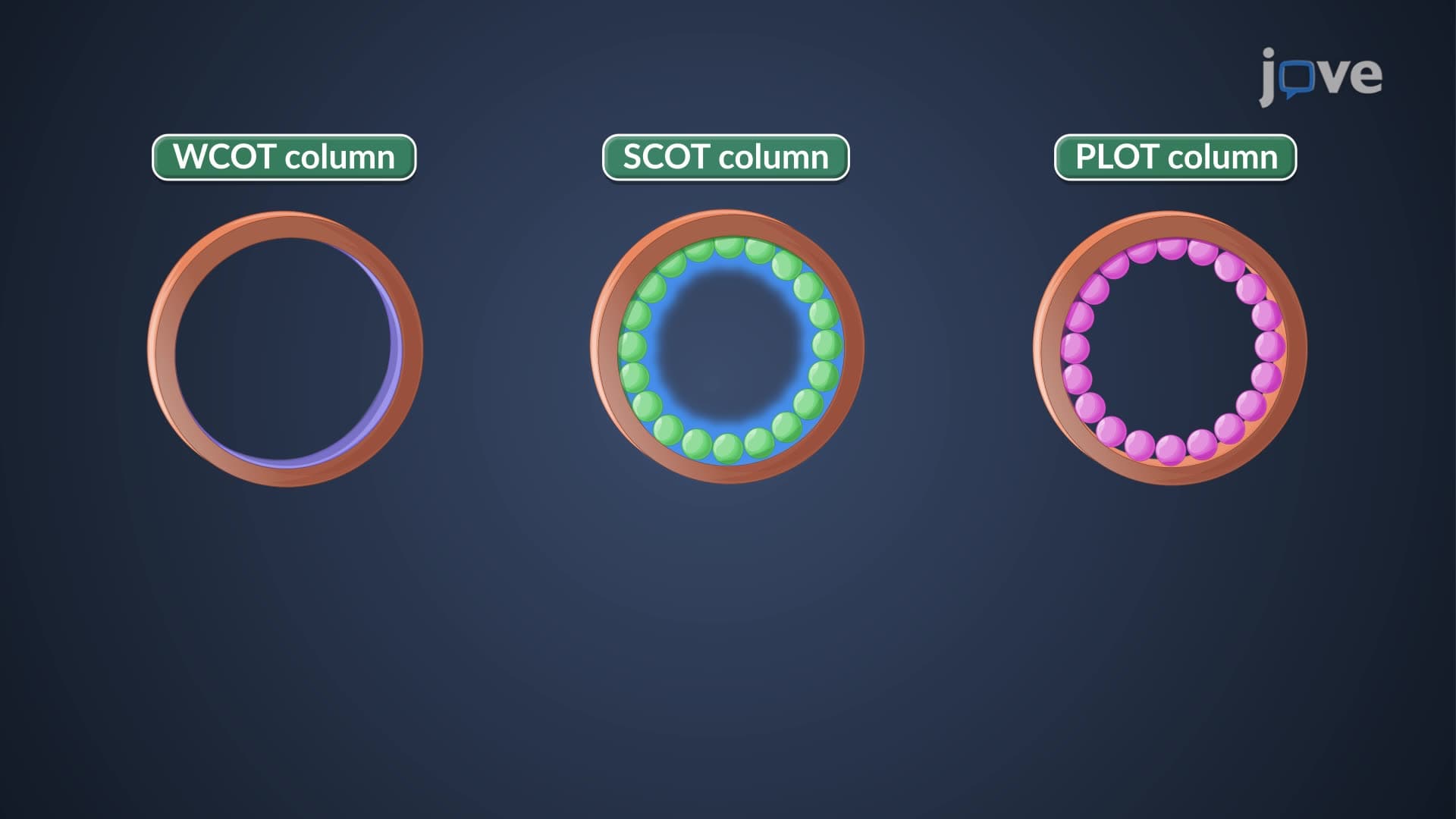
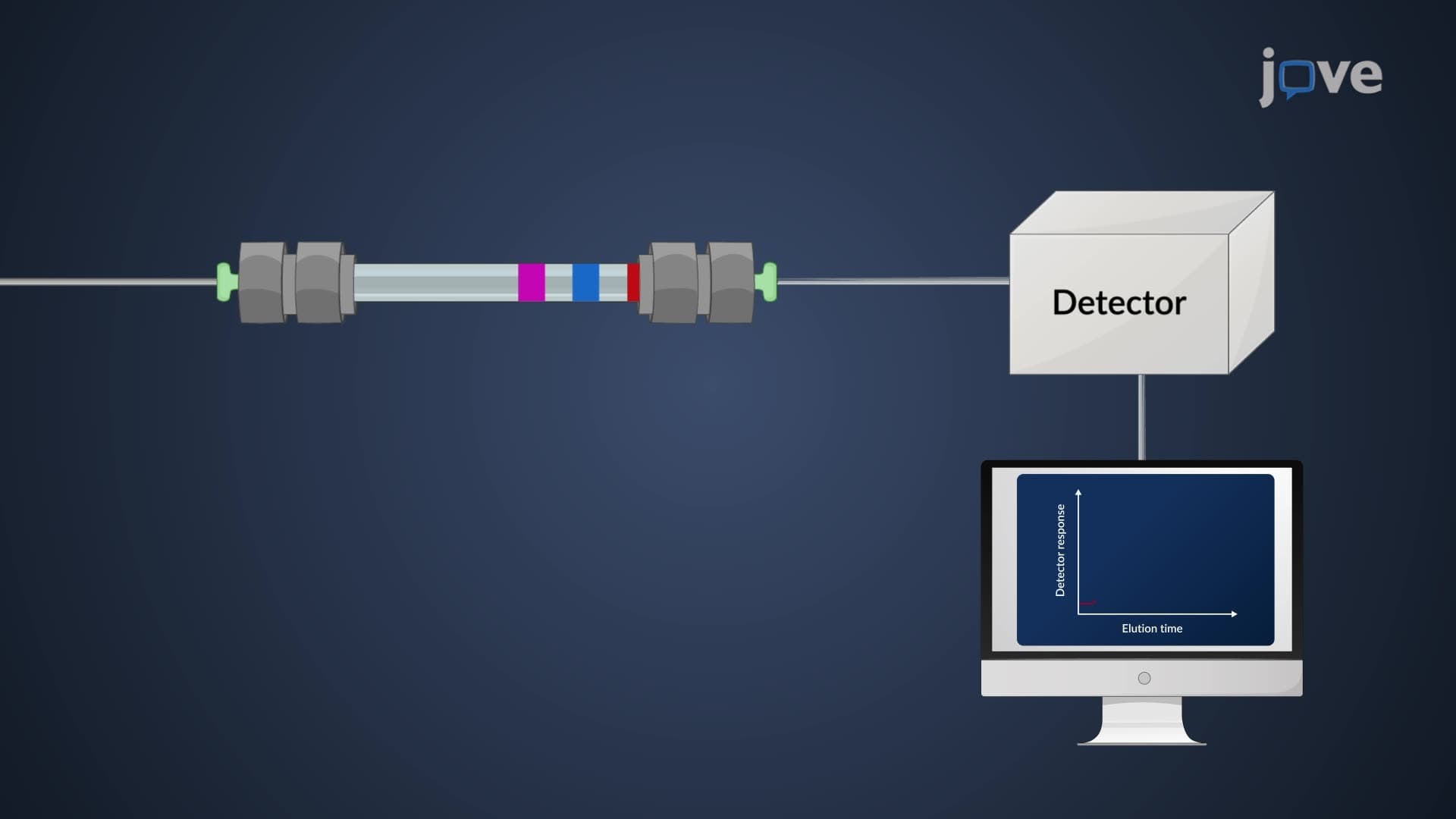
How chromatographic methods are classified also depends on equipment configuration. Column chromatography confines the stationary phase within tubes or packed columns, where mobile phases flow under controlled pressure or gravity. This method dominates pharmaceutical quality control laboratories across major US companies like Pfizer and Merck. Planar chromatography spreads the stationary phase across flat surfaces, relying on capillary action for mobile phase movement. Thin-layer chromatography (TLC), a common planar technique, serves as a quick screening method in organic chemistry courses at universities like MIT and Stanford.
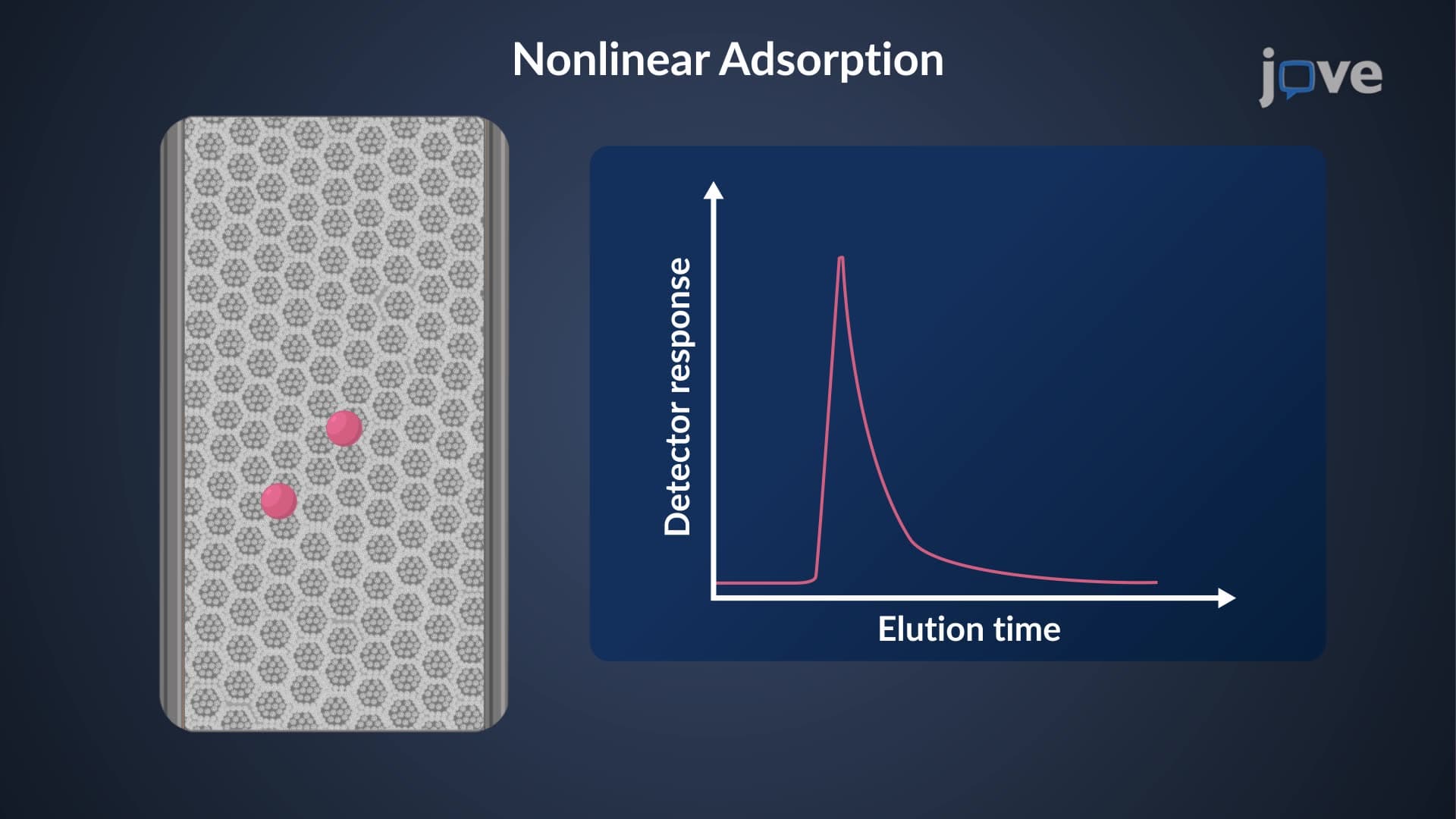
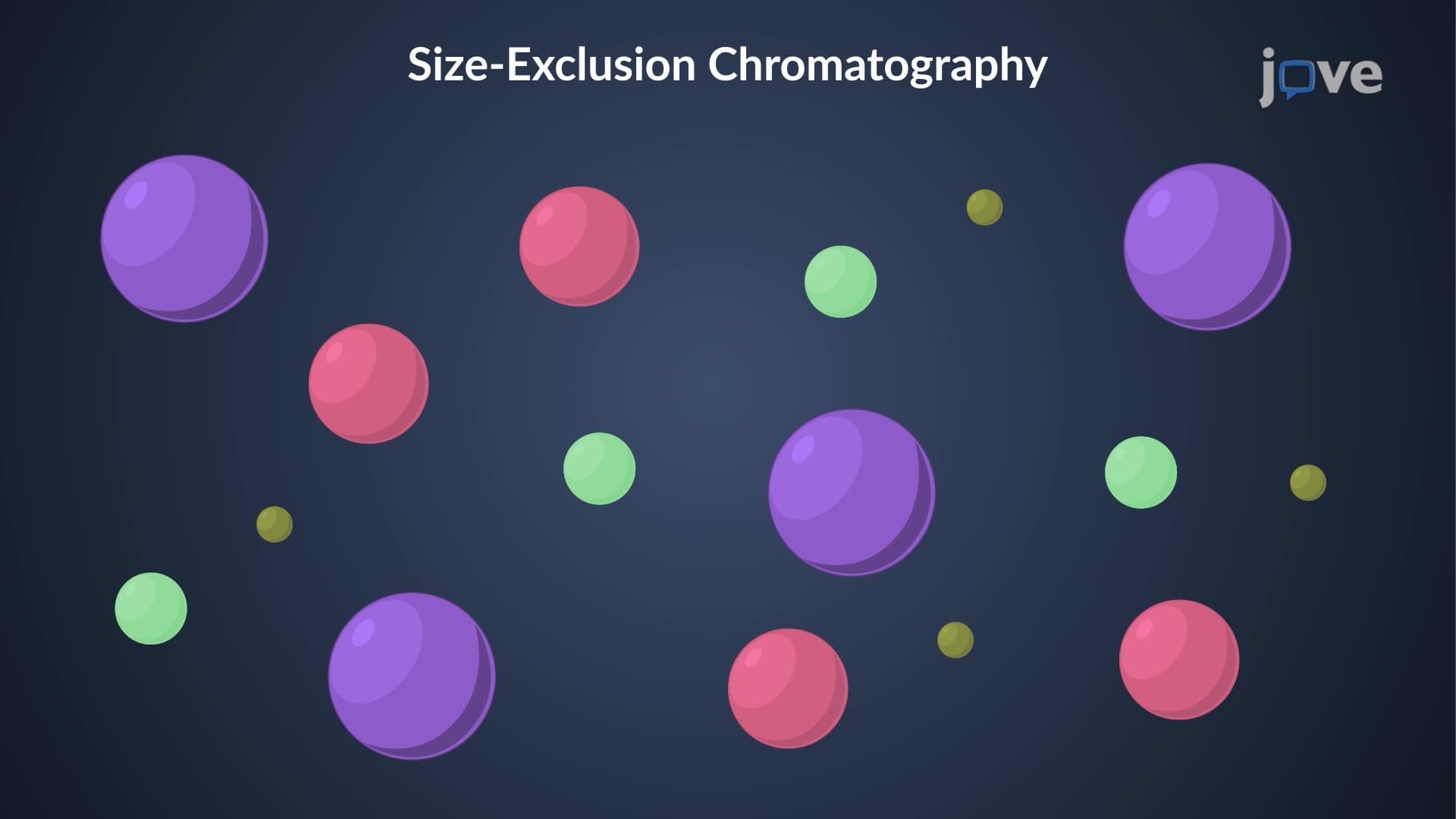
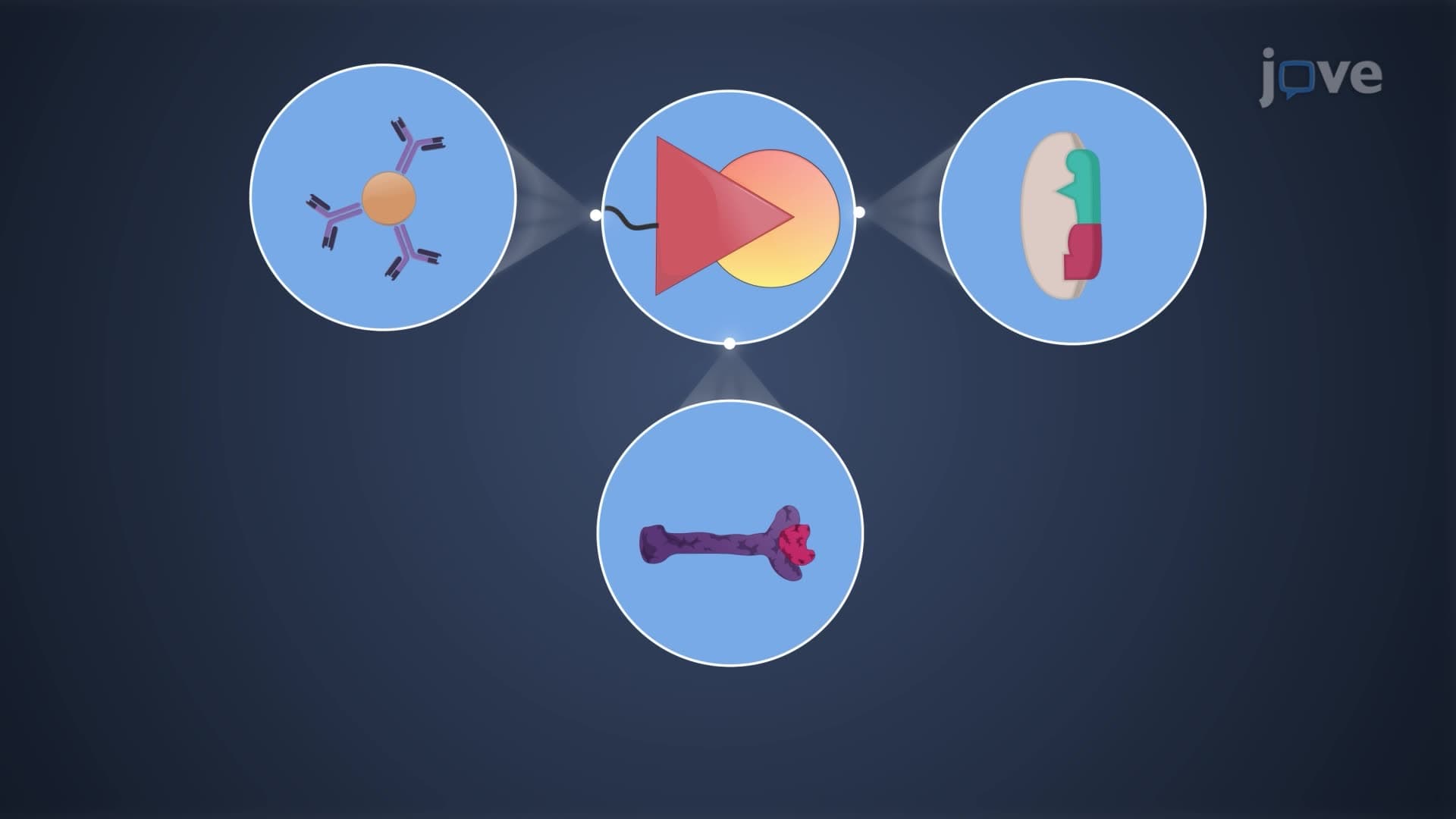
The third classification system focuses on chromatography mobile phase classification and underlying separation mechanisms. Adsorption chromatography separates compounds based on surface interactions, while partition chromatography relies on differential solubility between phases. Ion exchange chromatography separates ionic species-crucial for analyzing electrolytes in clinical laboratories. Size-exclusion chromatography separates molecules by molecular weight, essential for protein analysis in biotechnology companies throughout Research Triangle Park in North Carolina.
Understanding these classification systems proves essential for AP Chemistry students, pre-med undergraduates preparing for the MCAT, and chemistry majors tackling analytical chemistry coursework. Each classification method provides a framework for selecting appropriate techniques in research laboratories, clinical settings, and industrial quality control operations throughout the United States.
Related Micro-courses