Loading video…


 27 Concepts
 42.9K views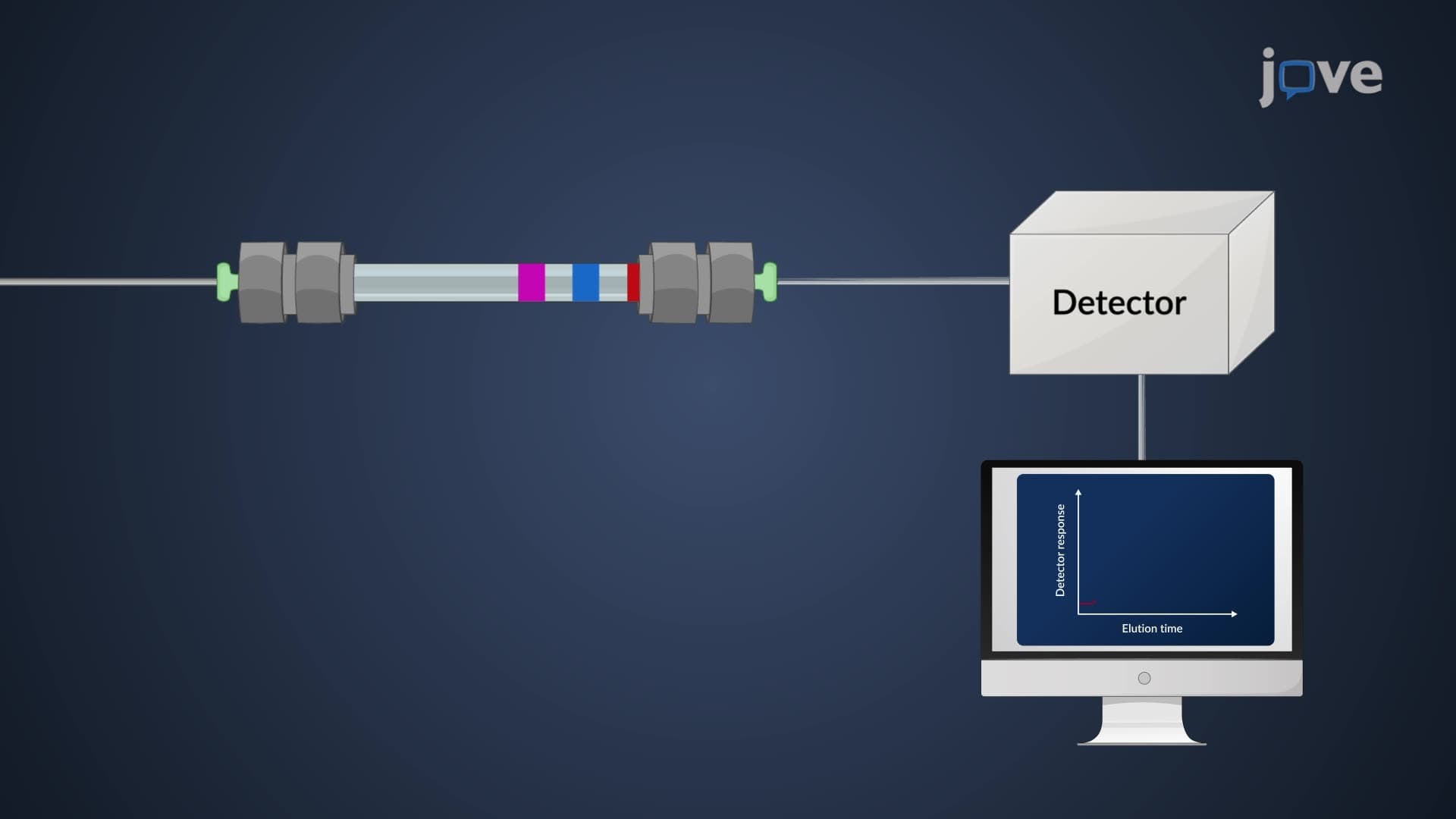

Video Summary: High Performance Liquid Chromatography Types Guide
Ever wondered how pharmaceutical companies ensure your medications contain exactly the right amount of active ingredients? This precision relies on HPLC types guide principles that separate and identify chemical compounds with remarkable accuracy. Major US drug manufacturers like Pfizer use different High Performance Liquid Chromatography Types Guide methods to analyze everything from aspirin tablets to complex cancer treatments, ensuring both safety and efficacy. Watch the full video on JoVE Coach to master this concept with expert-led visuals and step-by-step explanations.
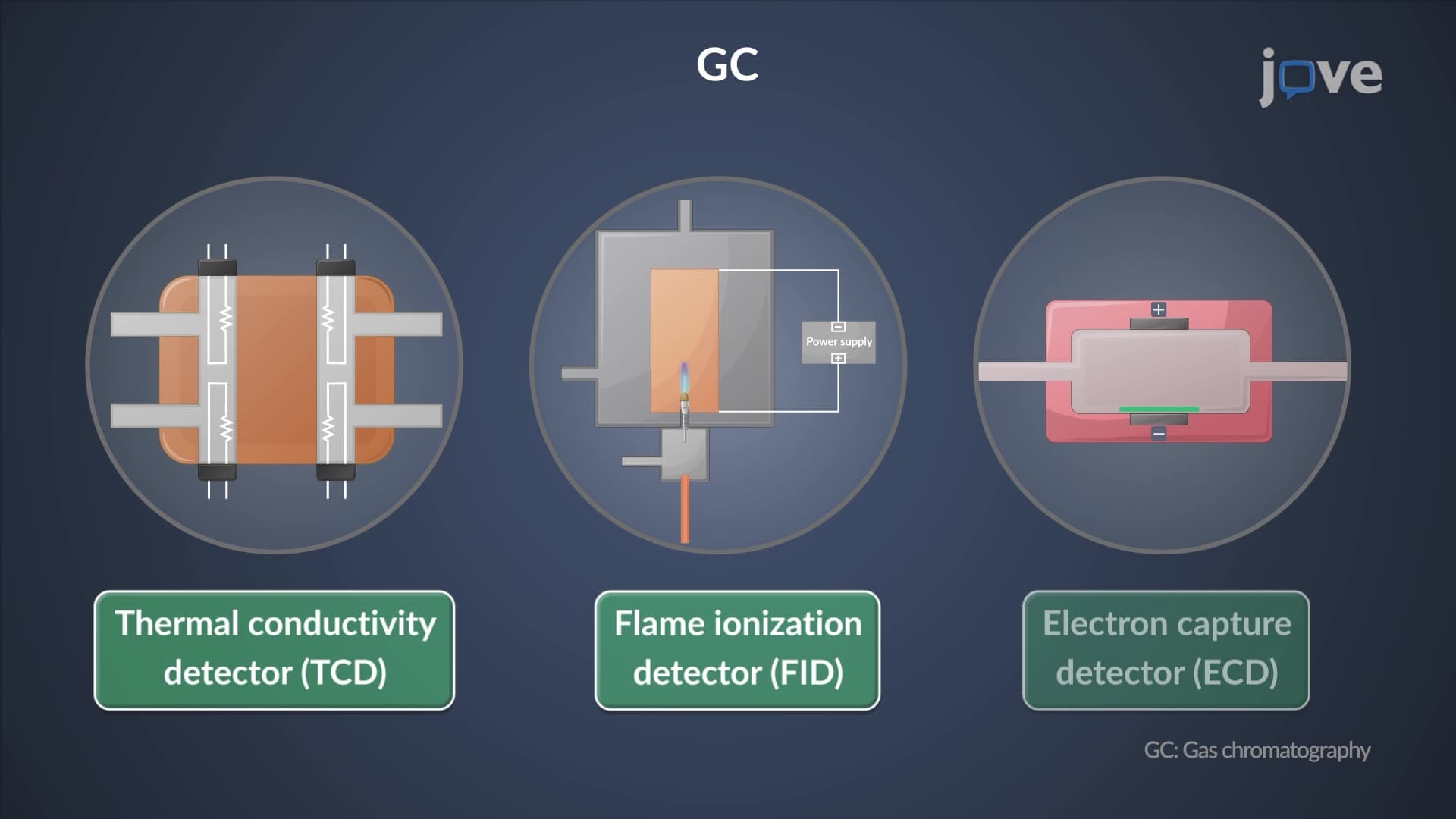
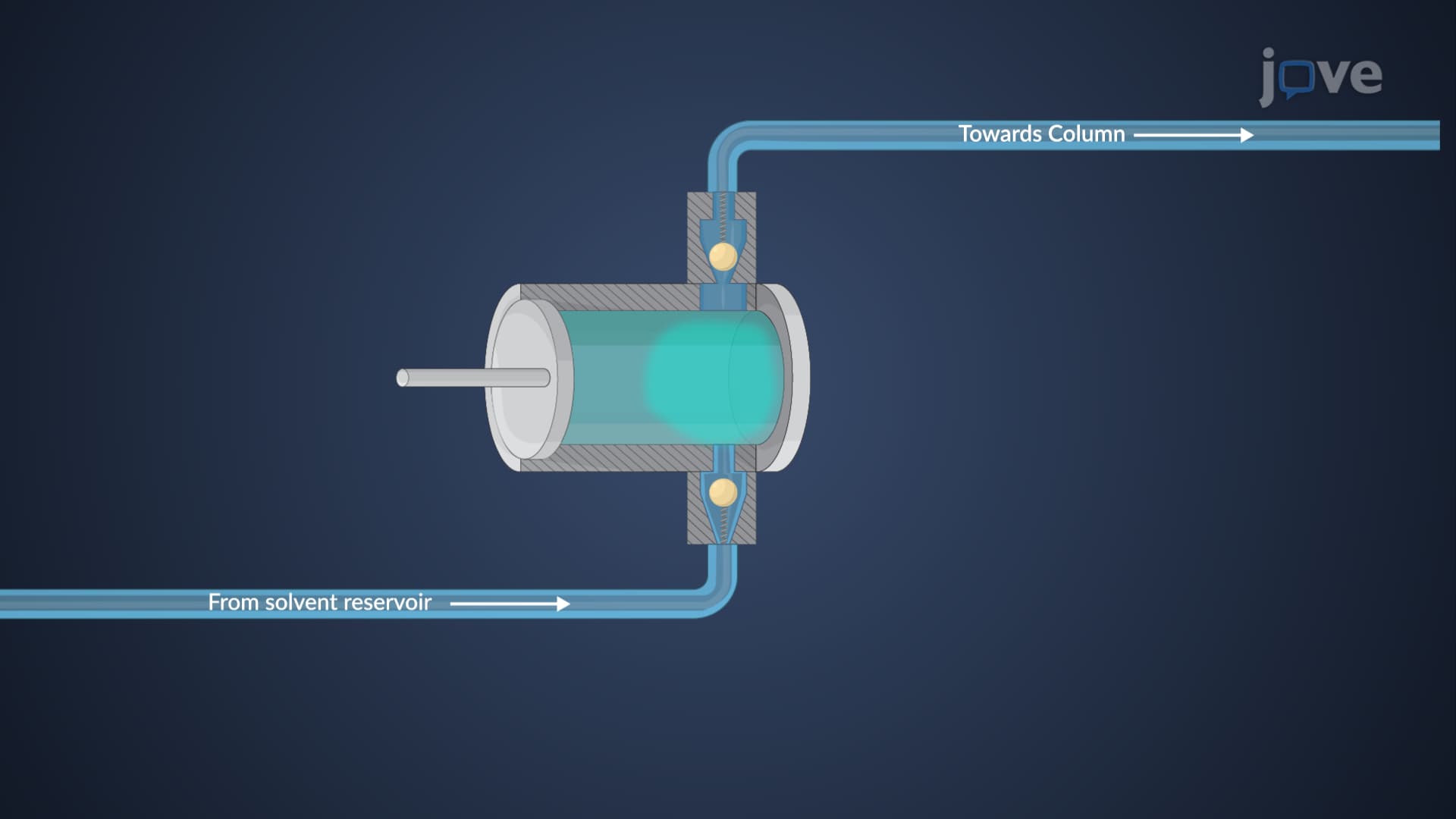
High Performance Liquid Chromatography Types Guide encompasses various analytical approaches distinguished primarily by their separation mechanisms and detection methods. While the transcript focuses on detectors, understanding HPLC types requires examining both the separation modes and detection strategies that make each method unique.
The foundation of any HPLC method lies in its ability to separate complex mixtures into individual components. Reversed phase HPLC represents the most widely used technique, employing hydrophobic stationary phases with polar mobile phases. This method excels at separating organic compounds and finds extensive use in pharmaceutical analysis at companies like Johnson & Johnson for drug purity testing.
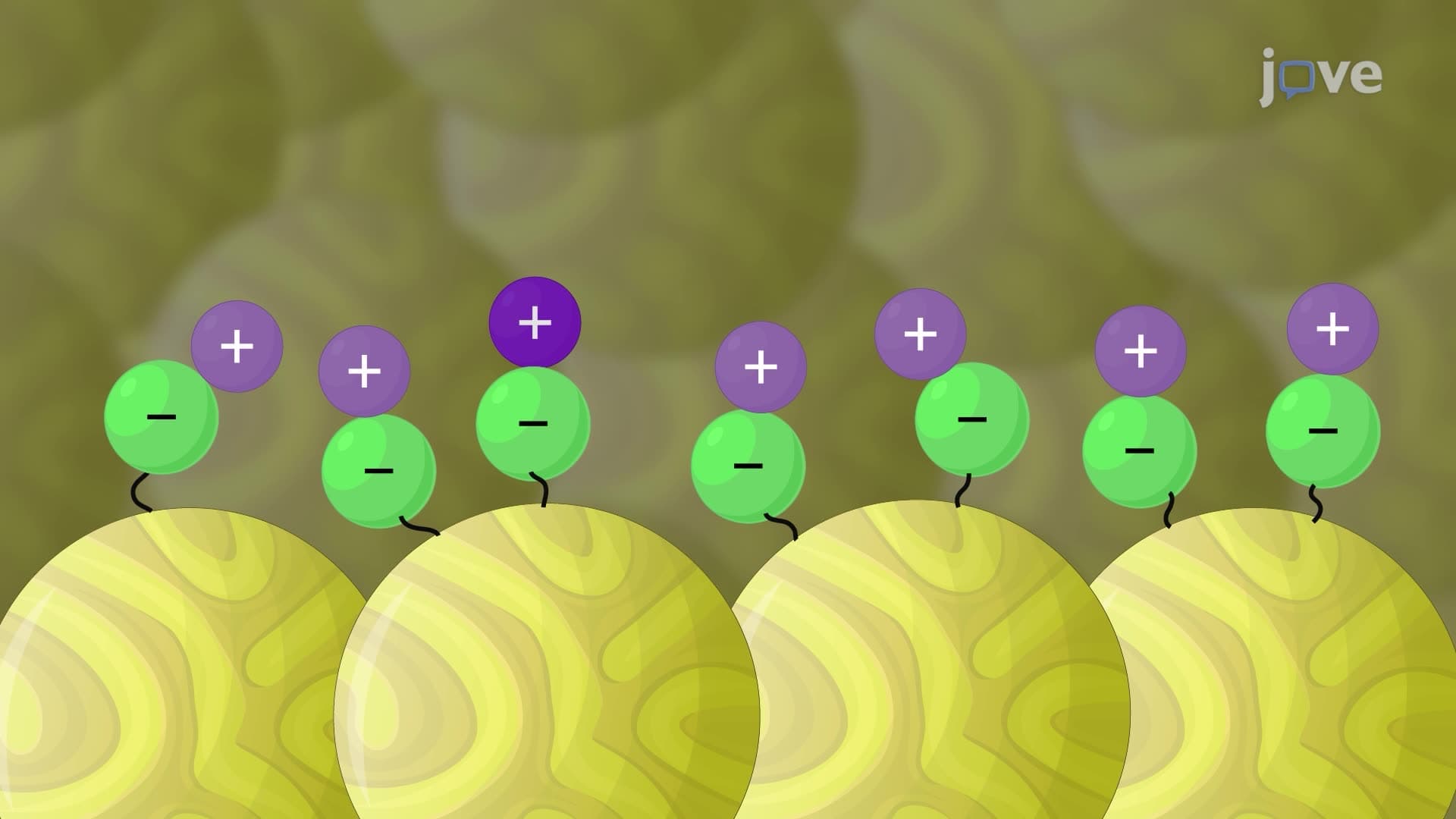
Normal phase HPLC operates opposite to reversed phase, using polar stationary phases with nonpolar mobile phases. This technique proves particularly valuable for separating polar compounds and isomers. Ion exchange HPLC separates charged molecules based on their electrostatic interactions with oppositely charged stationary phases, making it essential for protein and amino acid analysis in biotechnology companies throughout California's biotech corridor.
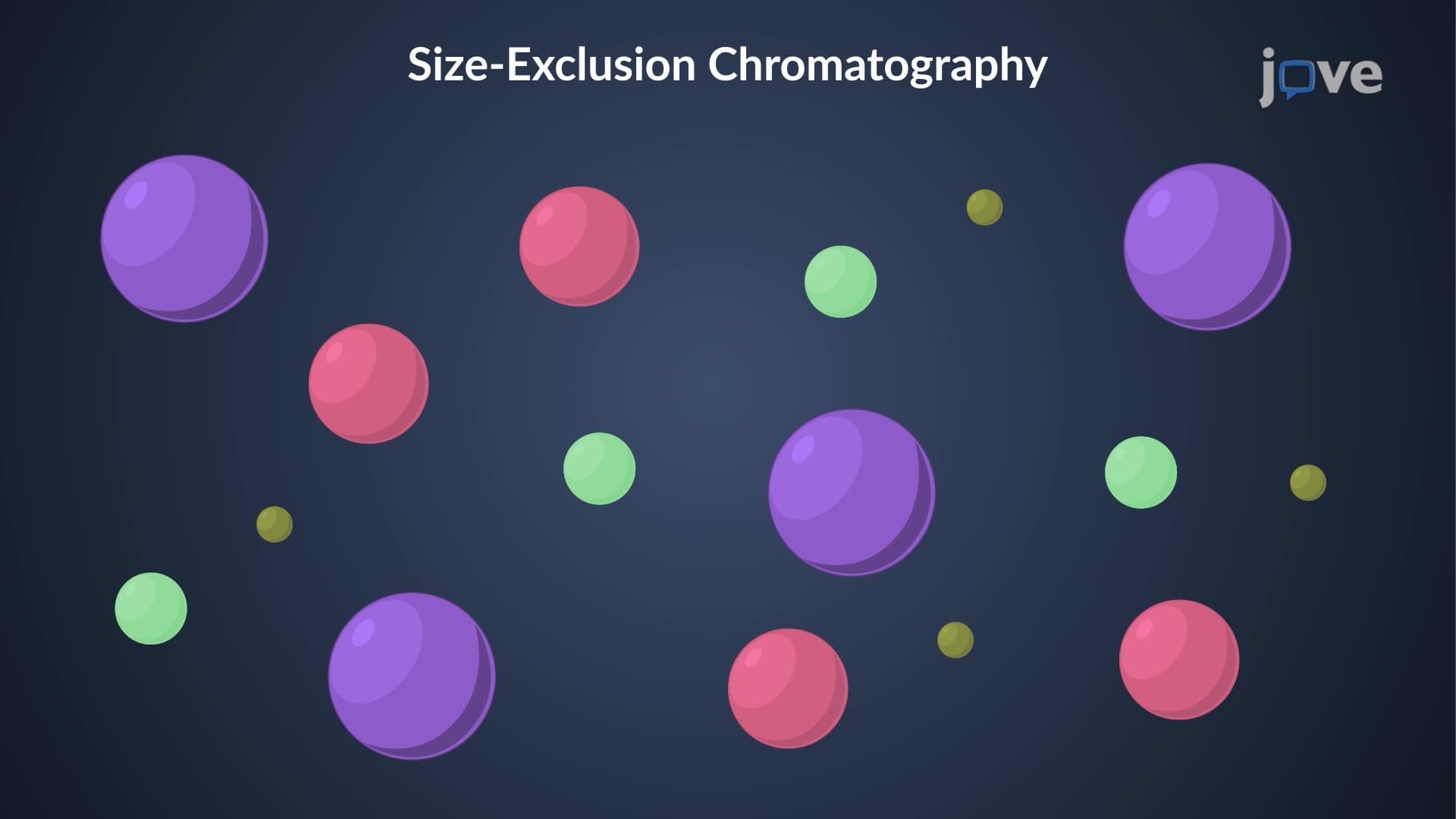
Size exclusion HPLC separates molecules based on their physical size, with larger molecules eluting first. This technique plays a crucial role in polymer analysis and protein characterization at research institutions like MIT and Stanford University.
The choice of detector significantly impacts method performance and applicability. UV-Visible detectors dominate pharmaceutical applications because most drugs contain chromophoric groups that absorb UV light. These detectors offer excellent compatibility with gradient elution, making them ideal for complex sample analysis required by FDA submissions.
Fluorescence detectors provide exceptional sensitivity for naturally fluorescent compounds or those derivatized with fluorescent tags. Environmental testing laboratories across the US rely on fluorescence detection for trace-level pollutant analysis in water samples.
Refractive index detectors, while universal, suffer from temperature sensitivity and gradient incompatibility. However, they remain valuable for analyzing compounds lacking UV chromophores, such as sugars and fatty acids in food industry applications.
Modern HPLC systems increasingly incorporate mass spectrometry detectors, providing both separation and structural identification capabilities. This combination proves invaluable in pharmaceutical metabolite studies and forensic toxicology laboratories throughout the US court system.
Students preparing for the MCAT or advanced placement chemistry exams should understand how detector characteristics influence method selection and analytical outcomes in real-world applications.
Related Micro-courses