22 Concepts
19 Concepts
14 Concepts
17 Concepts
22 Concepts
14 Concepts
13 Concepts
24 Concepts
17 Concepts
24 Concepts
27 Concepts
14 Concepts
19 Concepts
17 Concepts
15 Concepts
12 Concepts
Atomic spectroscopy serves as a cornerstone analytical technique for qualitative and quantitative elemental analysis in chemistry and environmental science. This comprehensive JoVE Coach micro-course covers the three primary techniques in atomic spectroscopy: atomic absorption spectroscopy (AAS), atomic emission spectroscopy (AES), and atomic fluorescence spectroscopy (AFS). Students explore instrumentation, interference mitigation, and practical laboratory applications essential for understanding how scientists identify and quantify trace metals in everything from drinking water to pharmaceutical compounds across American laboratories.
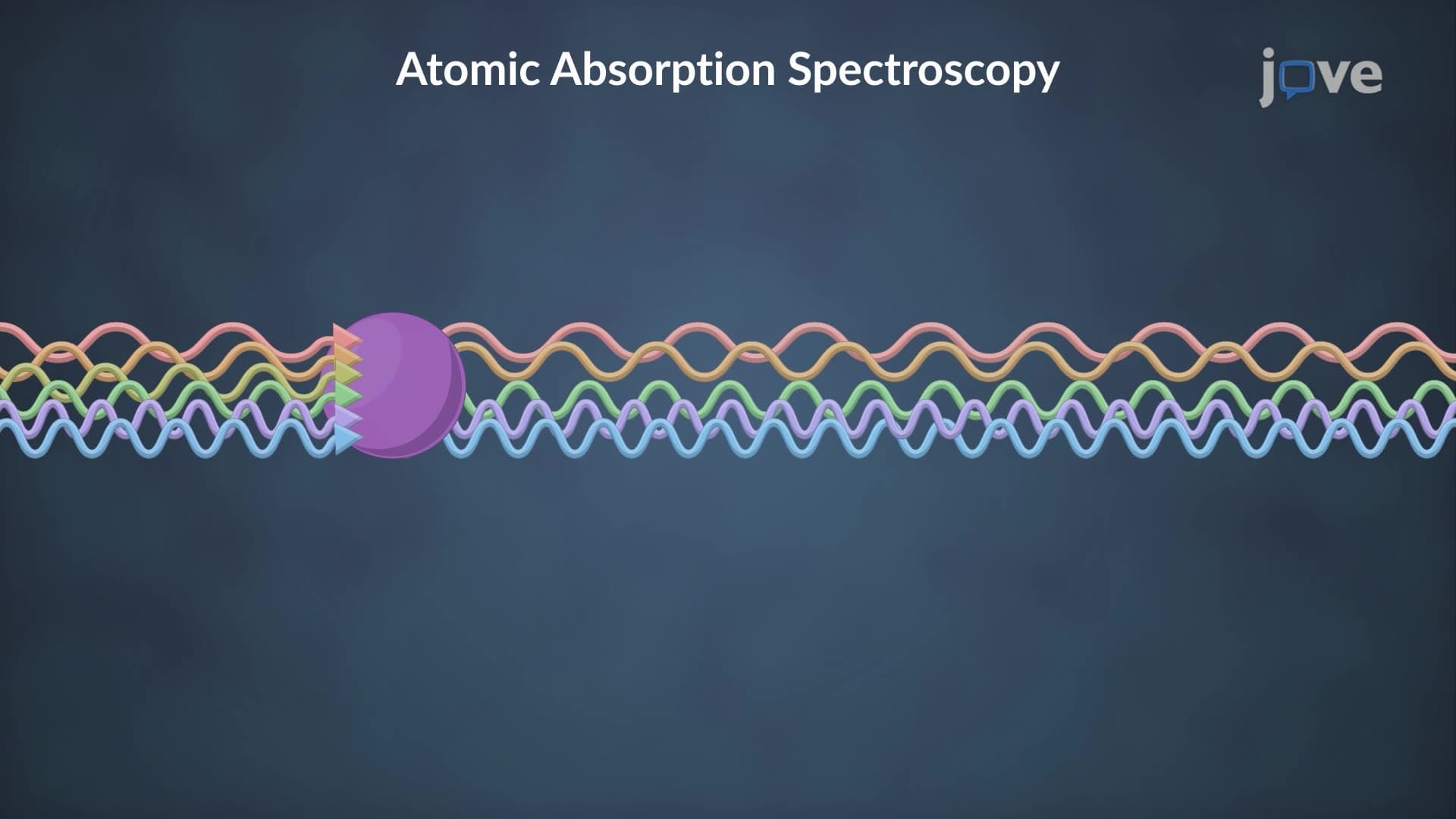
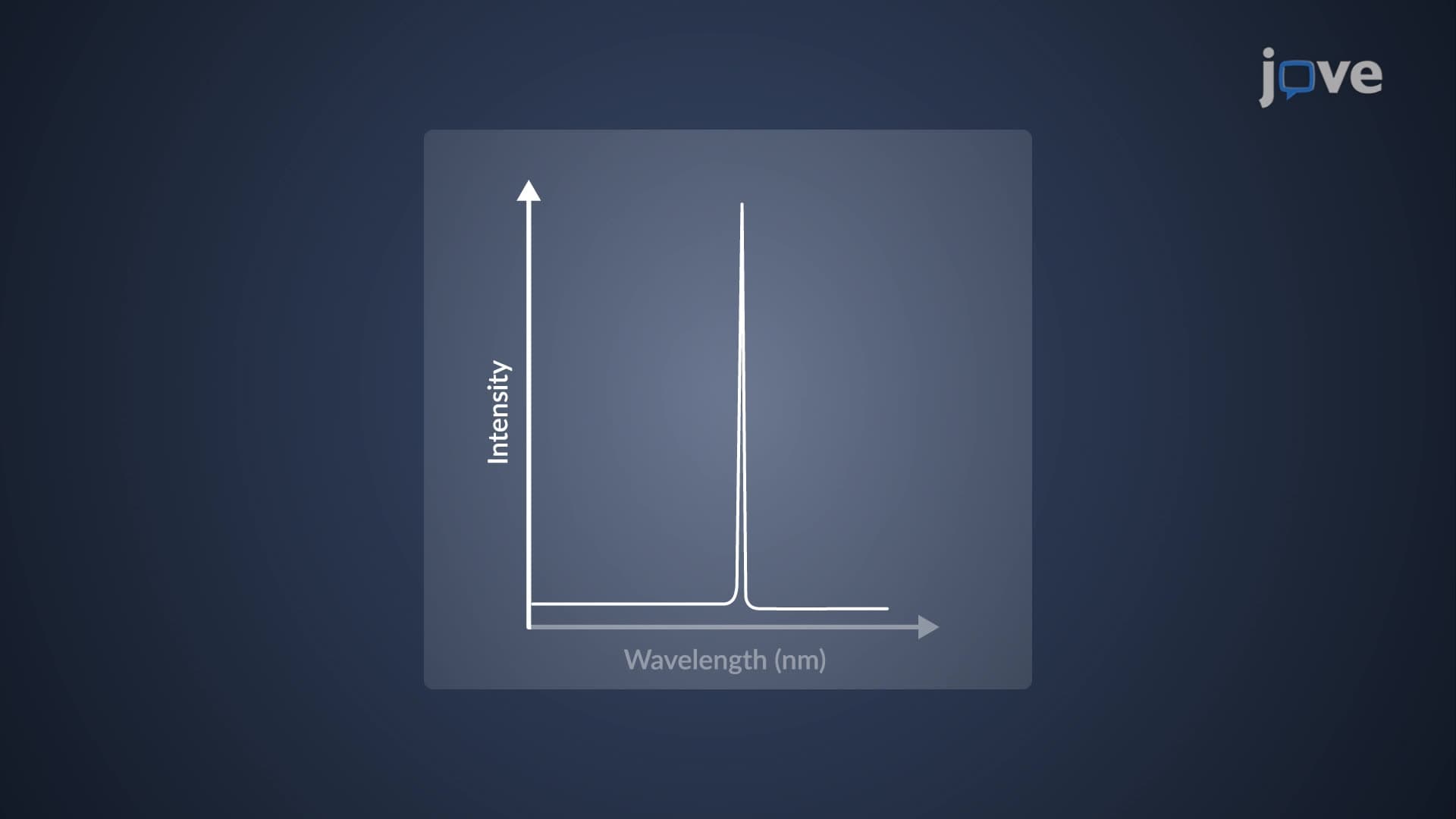
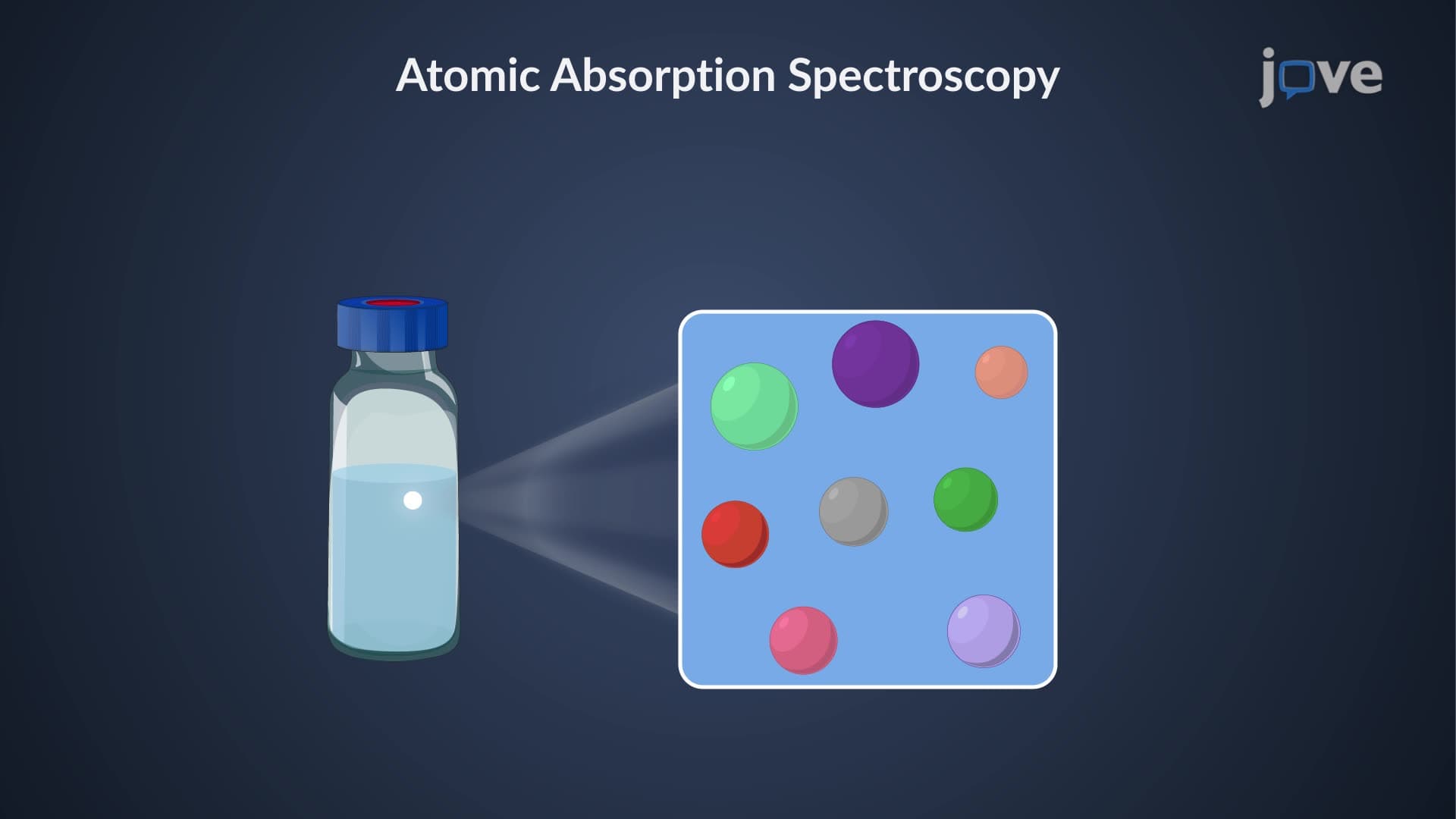
1. Fundamental Principles of Atomic Spectroscopy Atomic spectroscopy techniques measure the interaction between electromagnetic radiation and gas-phase atoms to determine elemental composition. The process begins with atomization, where liquid samples are converted to individual atoms in the gas phase. In atomic absorption spectroscopy (AAS), ground-state atoms absorb specific wavelengths corresponding to electronic transitions. Atomic emission spectroscopy (AES) measures light emitted when excited atoms return to lower energy states. Atomic fluorescence spectroscopy (AFS) combines both excitation and emission measurements. These techniques follow Beer-Lambert law relationships, enabling quantitative analysis of trace metals in American environmental samples, from EPA water quality assessments to FDA pharmaceutical testing.
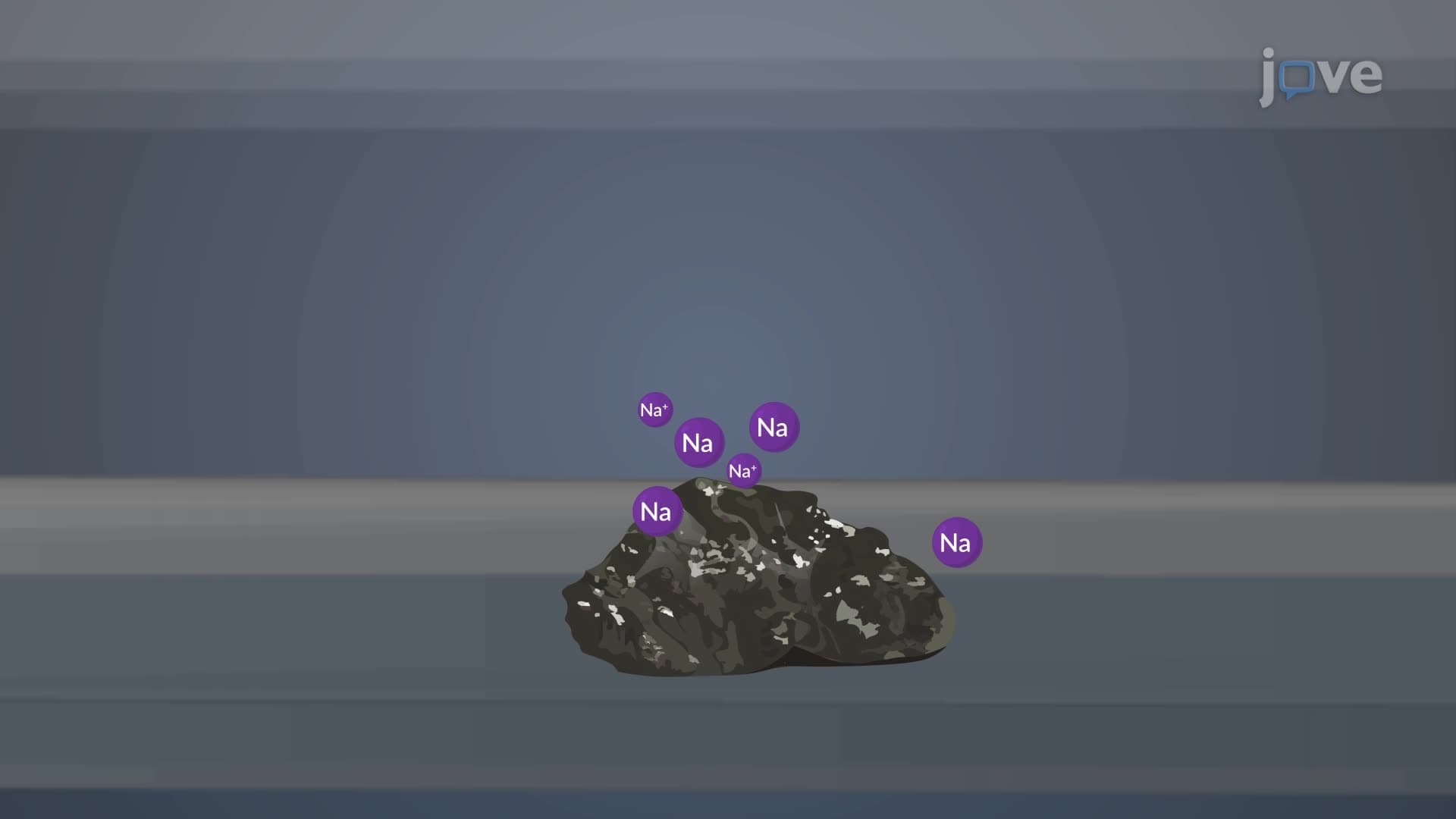
2. Temperature Effects and Atomic Population Dynamics Temperature critically influences atomic spectroscopy measurements by affecting atomization efficiency and atomic population distributions. The Maxwell-Boltzmann distribution describes how thermal energy distributes atoms between ground and excited states. At typical flame temperatures (2500K), less than 0.02% of sodium atoms exist in excited states, but small temperature increases dramatically affect these populations. Higher temperatures improve atomization efficiency but can cause ionization interference, reducing the number of neutral atoms available for analysis. American laboratories carefully control flame temperatures to ensure reproducible results in applications ranging from clinical blood analysis to agricultural soil testing, where precise trace metal quantification is essential.
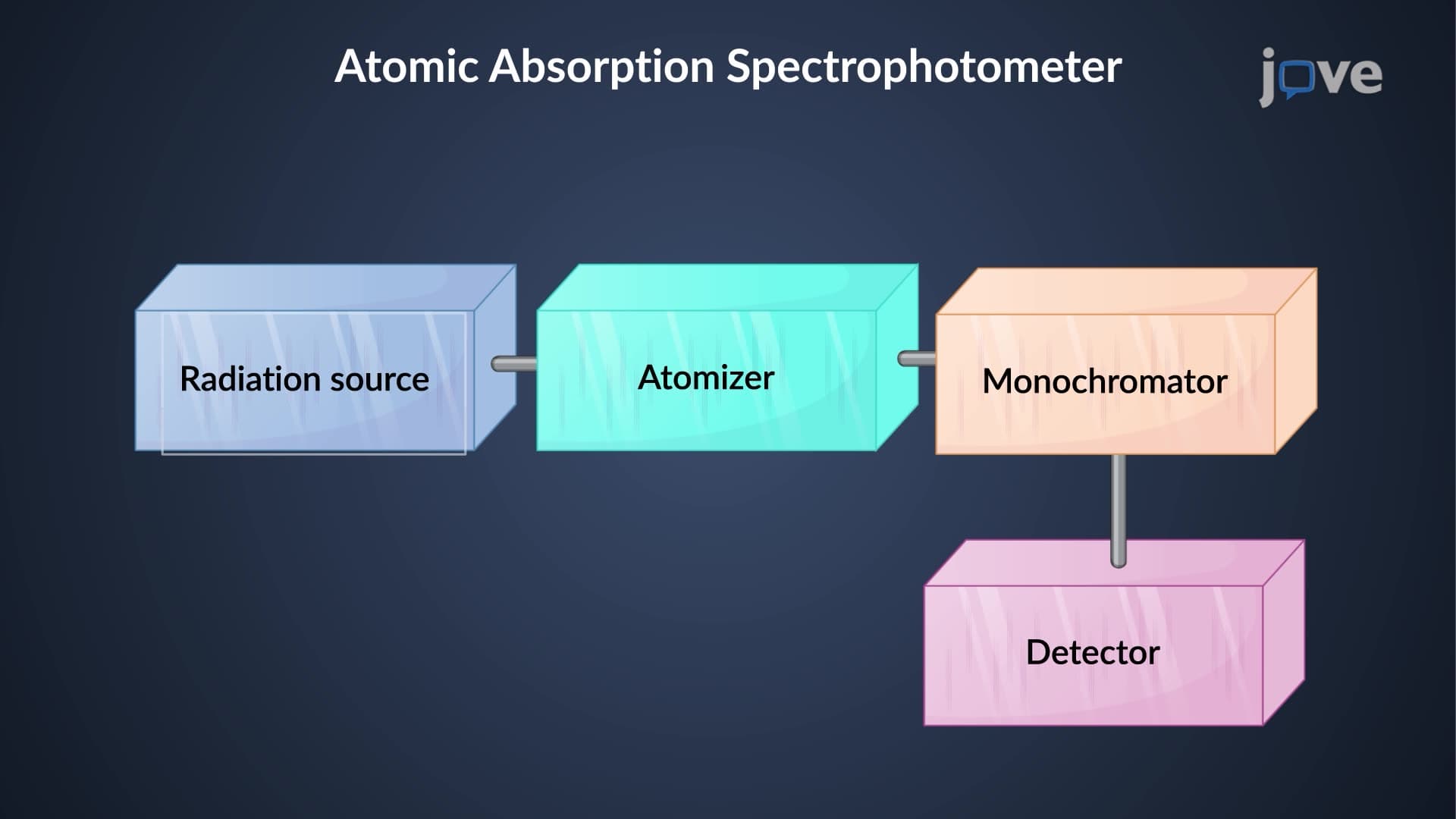
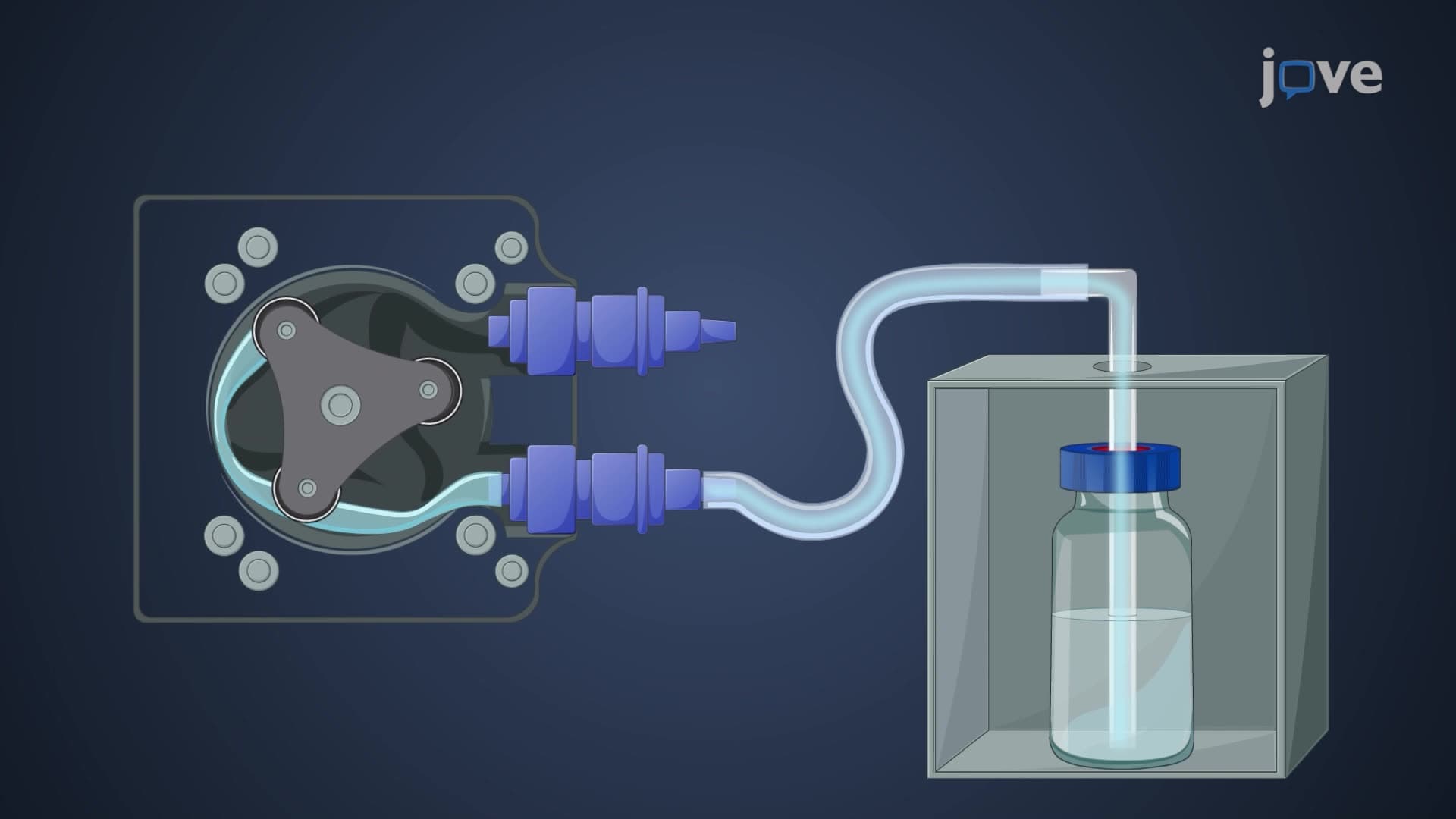
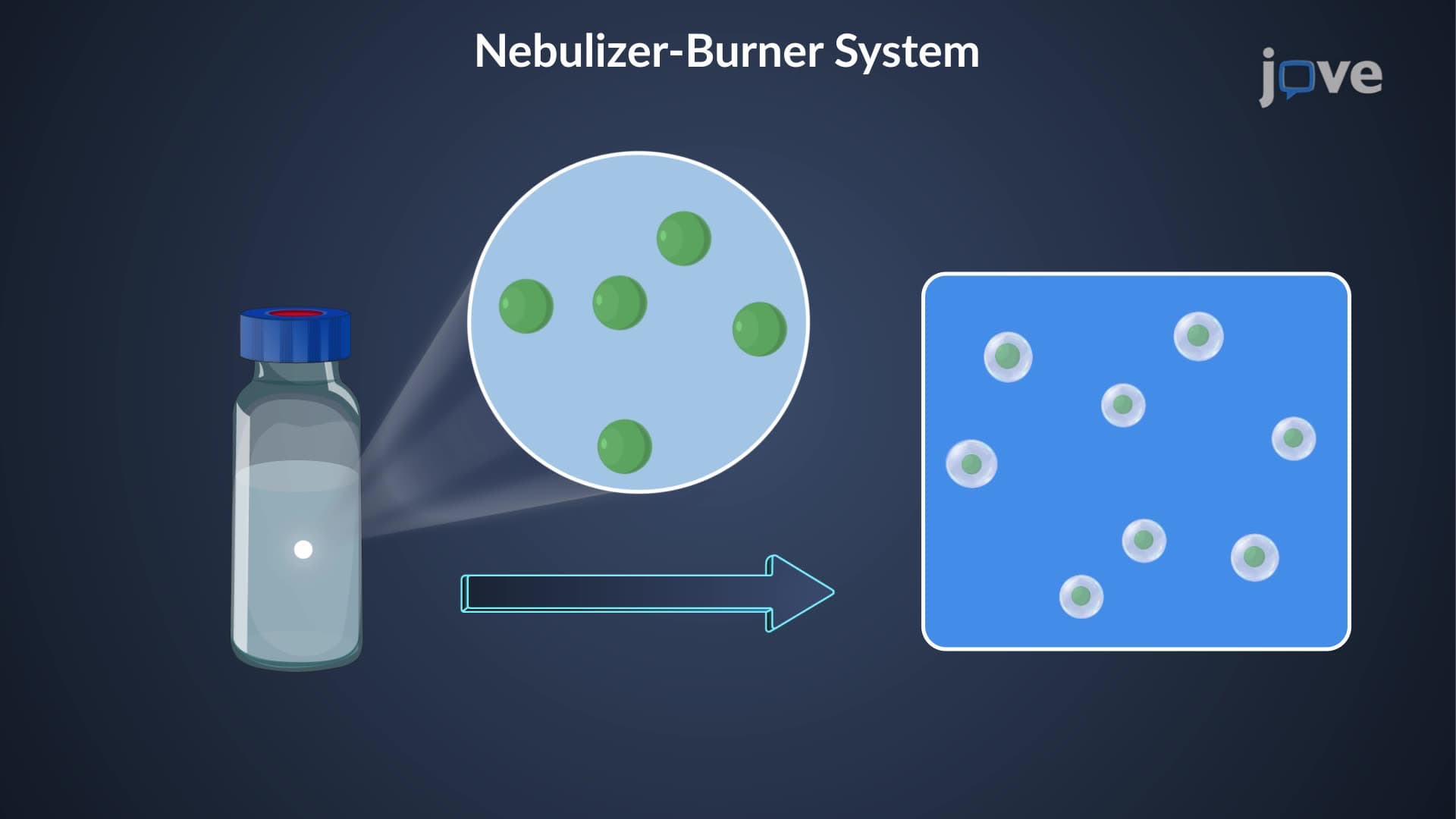
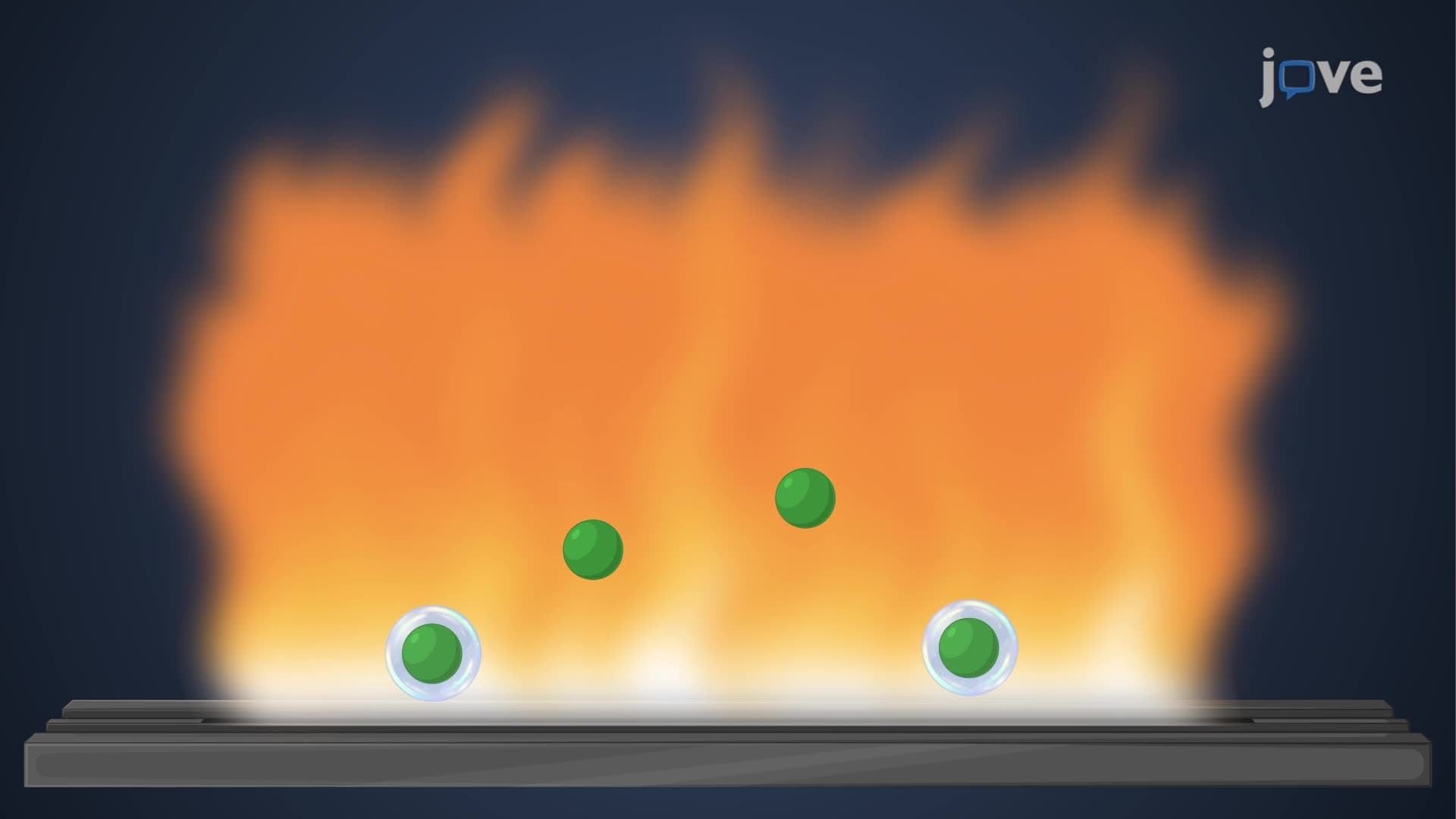
3. Atomic Absorption Spectroscopy (AAS) Instrumentation and Methods AAS instruments consist of radiation sources (hollow-cathode lamps or electrodeless discharge lamps), atomizers (flame or electrothermal), monochromators, and photomultiplier detectors. Flame atomization uses nebulizers to create fine droplets mixed with fuel and oxidant gases, suitable for routine analysis but requiring larger sample volumes. Electrothermal atomization employs graphite furnaces for enhanced sensitivity with small sample volumes, achieving detection limits as low as picograms per milliliter. American clinical laboratories use AAS for blood lead testing mandated by CDC guidelines, while environmental labs analyze drinking water for heavy metals according to EPA regulations, demonstrating the technique's critical role in public health protection.
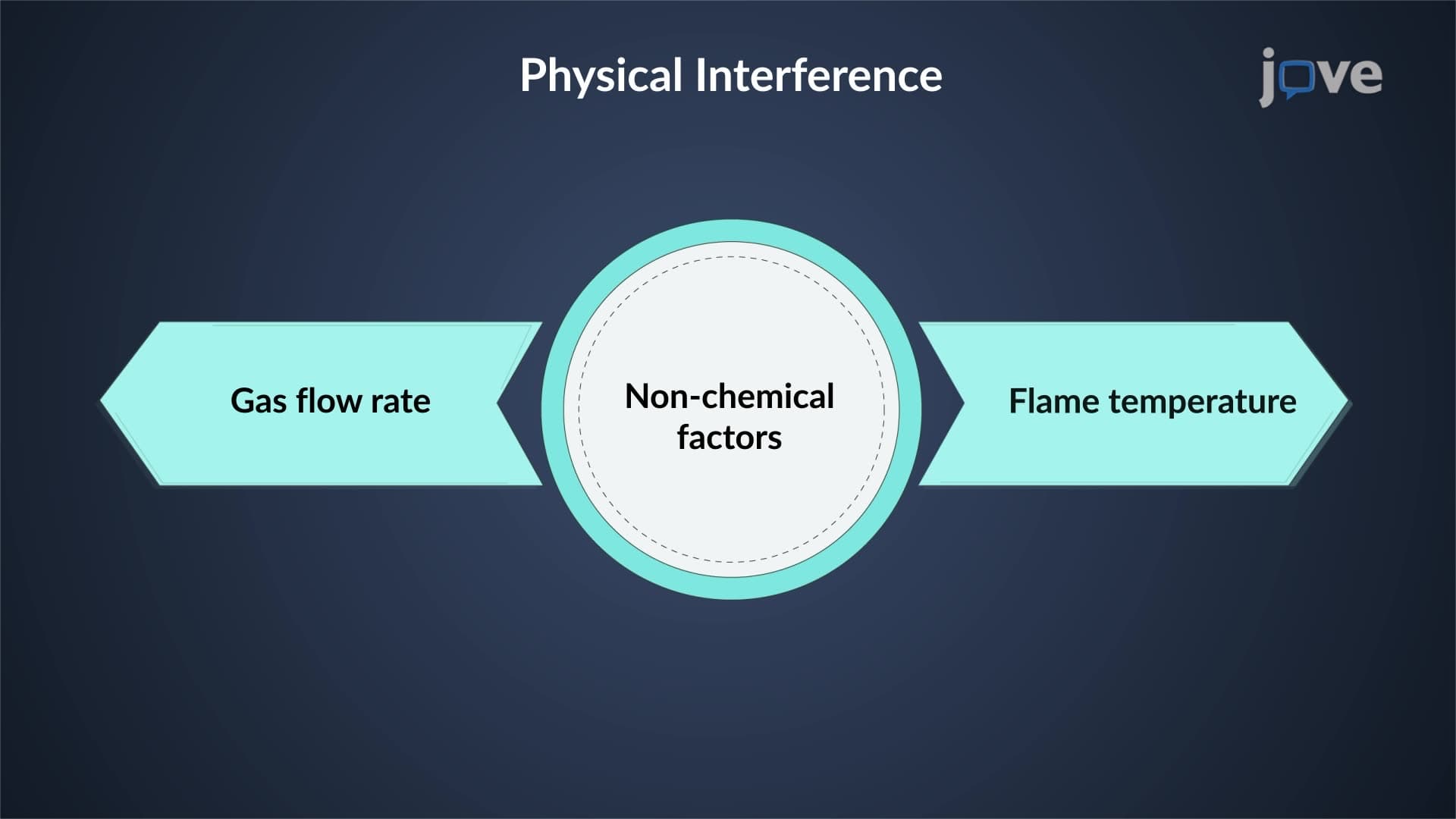
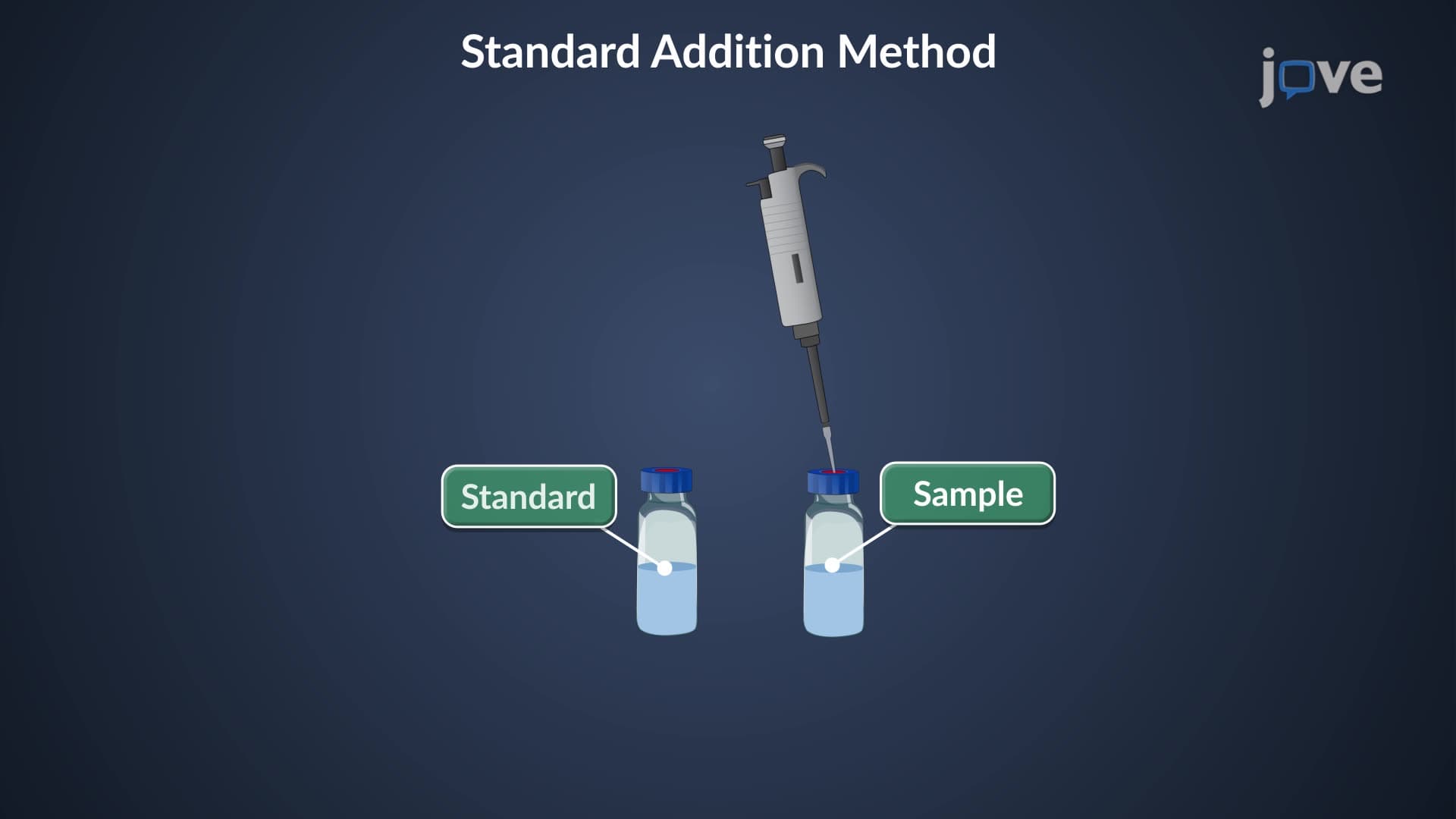
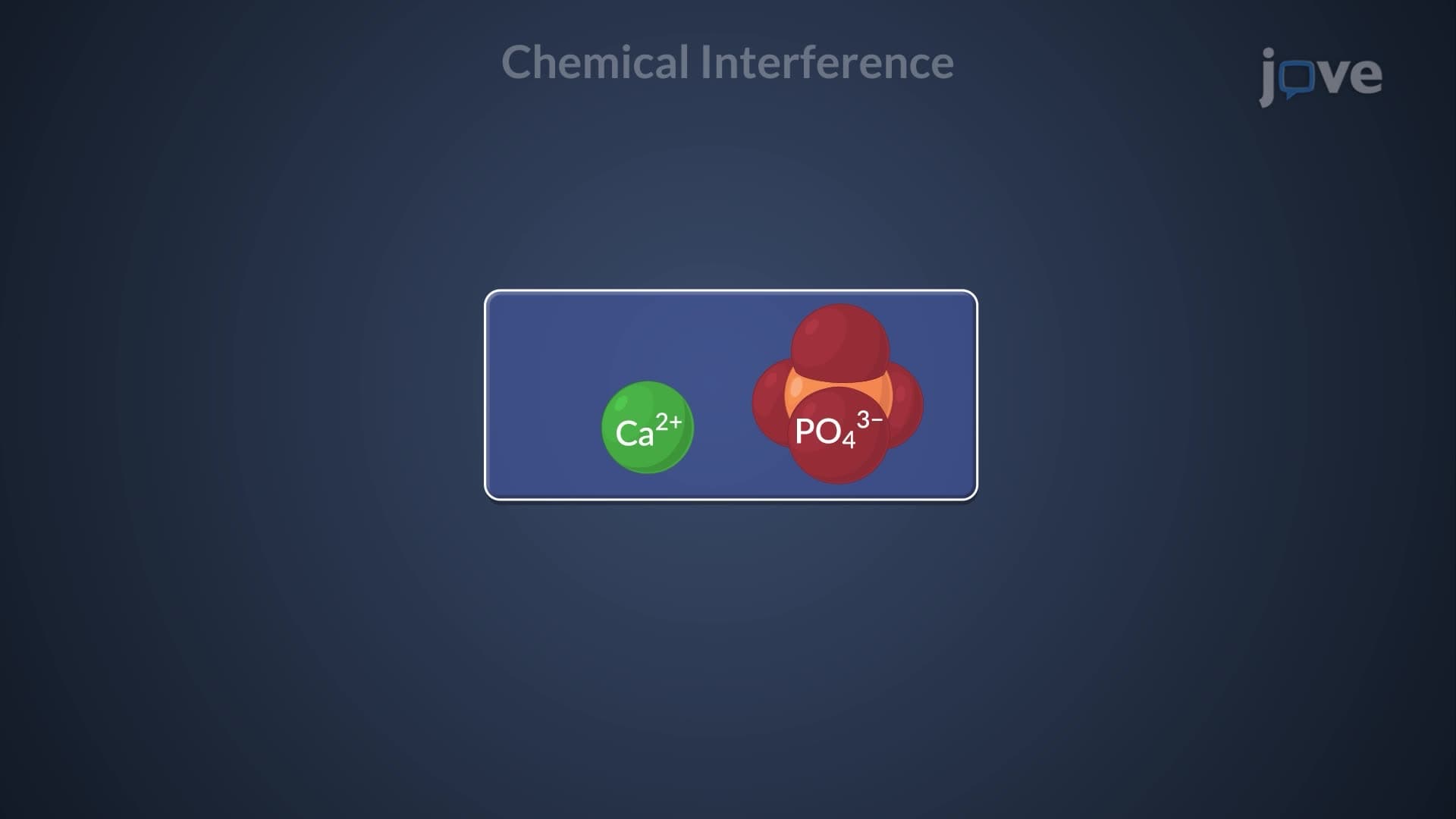
4. Interference Effects and Correction Strategies Spectral interferences occur when signals from matrix components overlap with analyte absorption lines, while chemical interferences result from analyte interactions forming refractory compounds that resist atomization. Physical interferences arise from variations in sample transport or flame conditions. American analytical laboratories employ sophisticated correction methods including Zeeman background correction, standard addition techniques, and matrix matching to ensure accurate results. In pharmaceutical quality control, these corrections are essential for meeting FDA requirements, while environmental testing labs use similar strategies to comply with EPA method specifications for water and soil analysis.
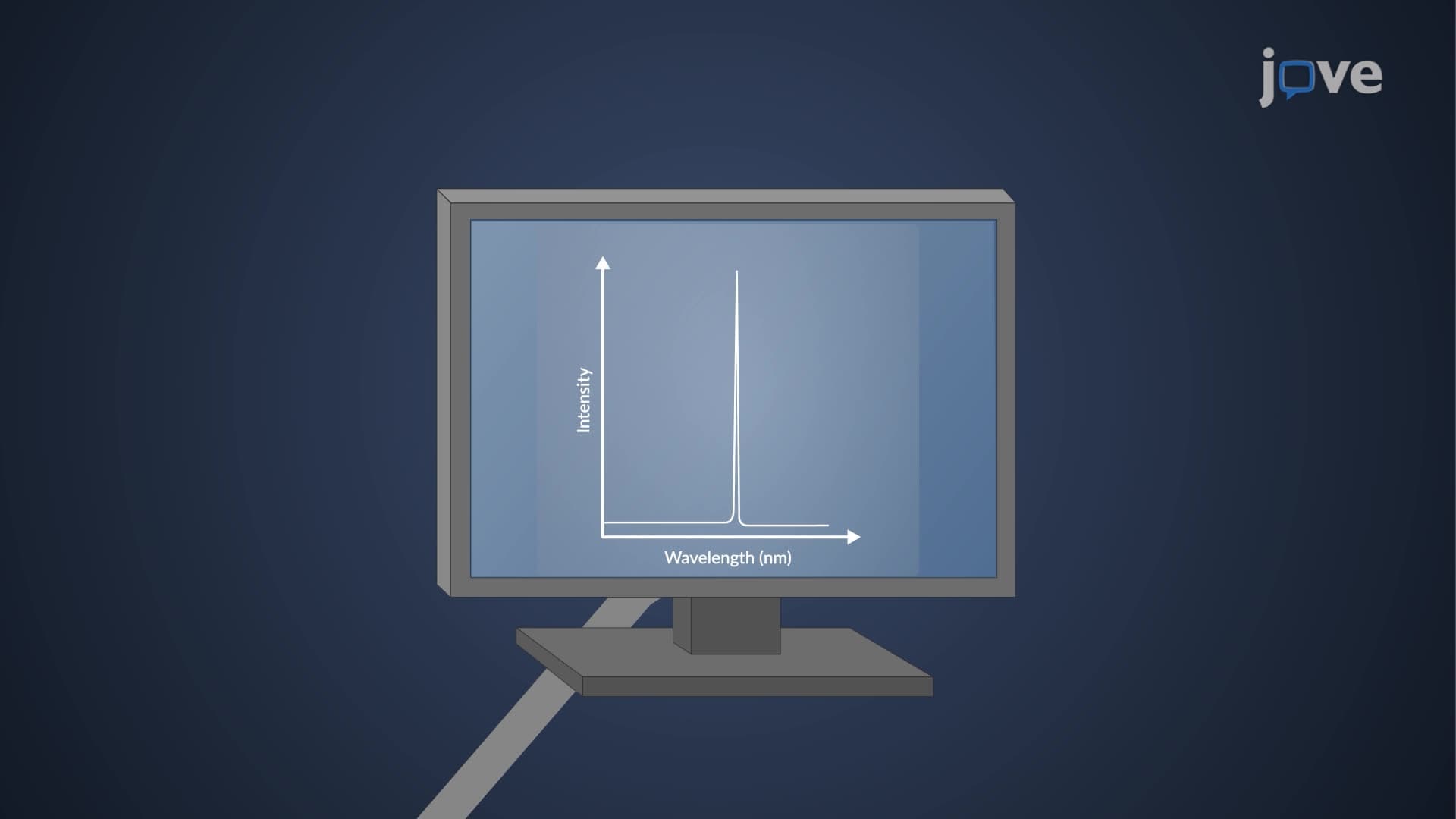
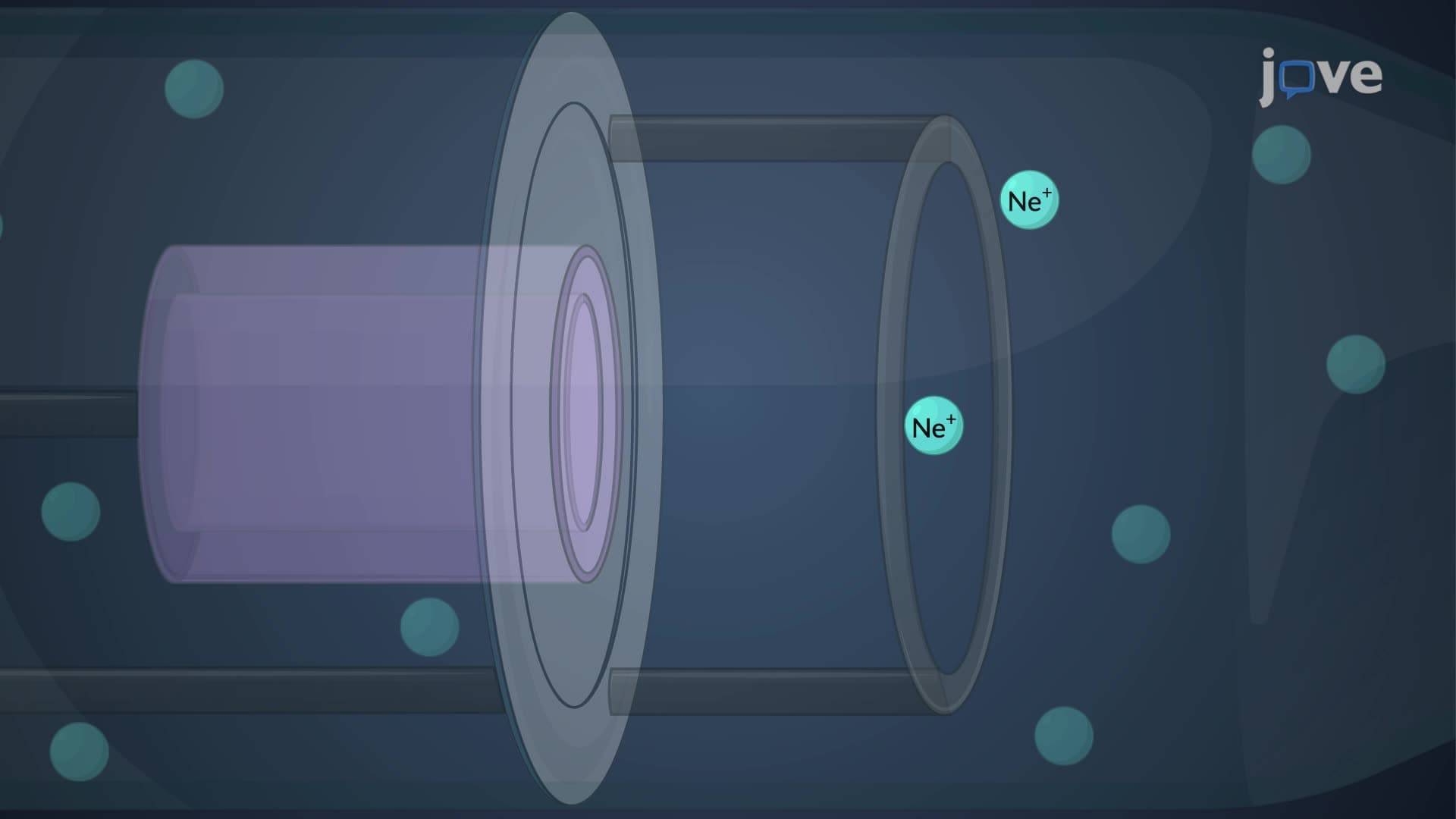
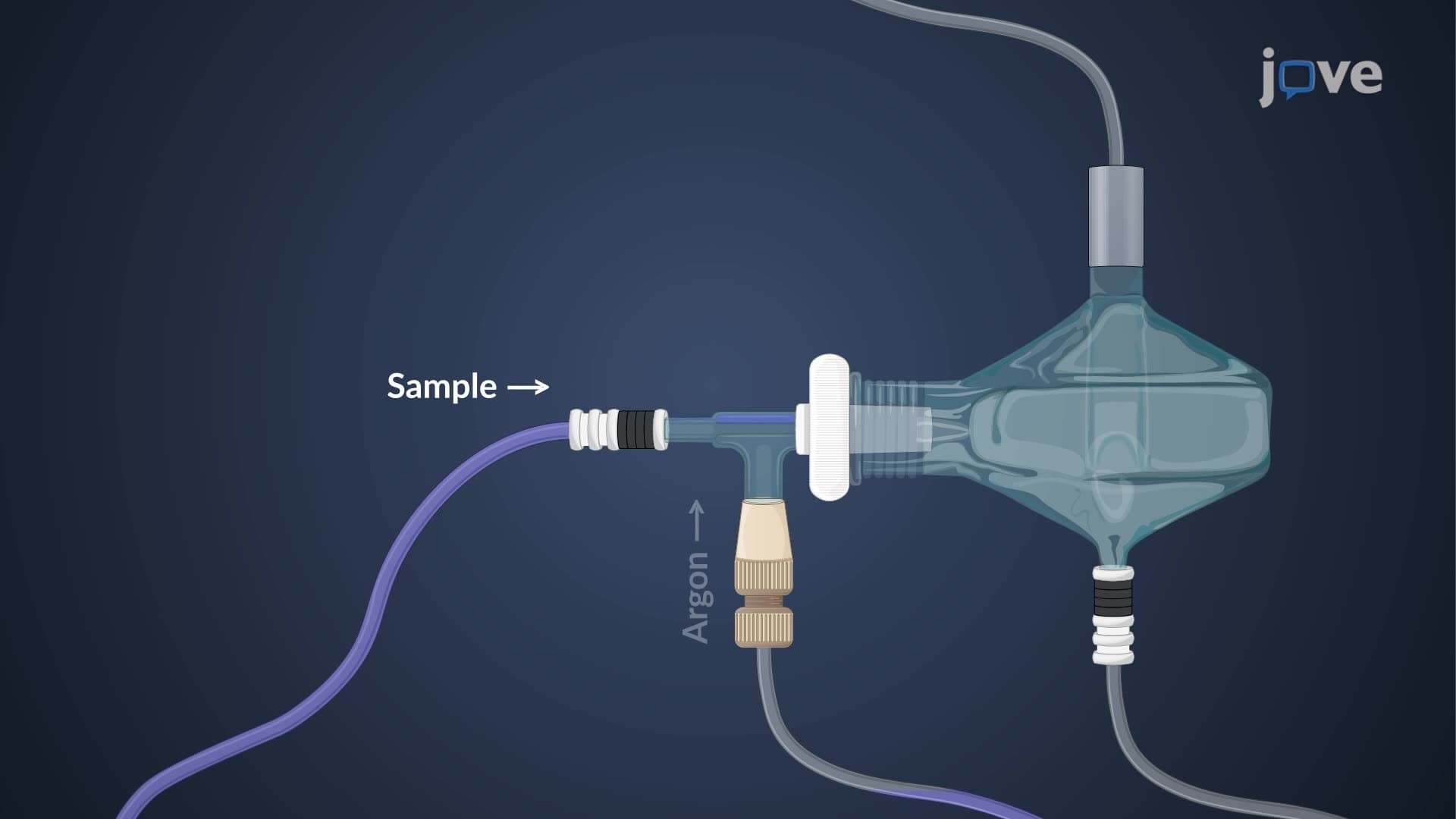
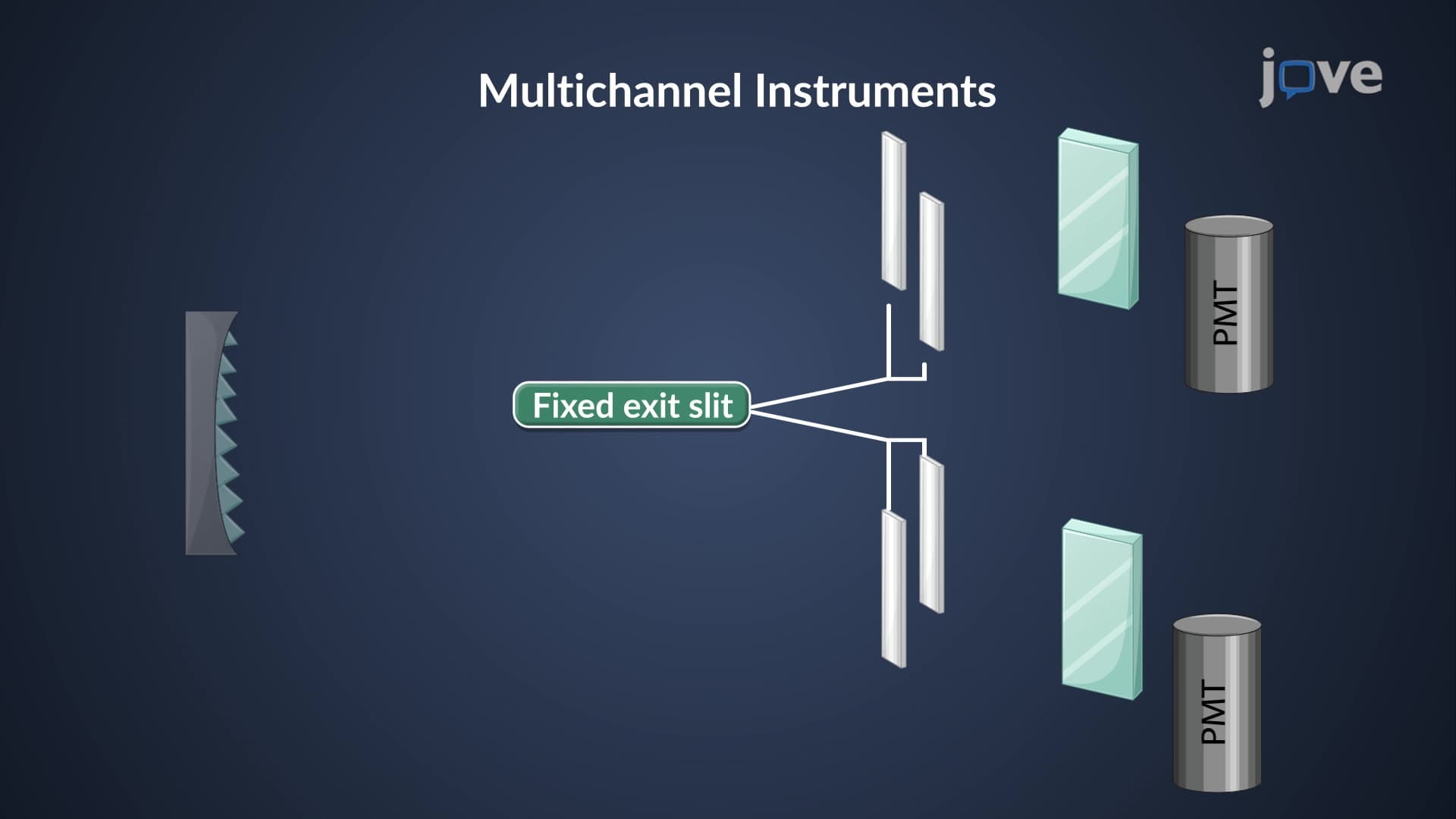
5. Atomic Emission Spectroscopy and ICP Technology Inductively coupled plasma atomic emission spectroscopy (ICP-AES) uses high-temperature argon plasma (up to 10,000K) to simultaneously excite multiple elements, enabling rapid multi-elemental analysis. The plasma's high temperature minimizes chemical interferences while providing excellent atomization efficiency. ICP instruments use sophisticated optical systems including echelle gratings and CCD detectors to separate and measure emission lines. American geological surveys employ ICP-AES for mineral analysis, while food safety laboratories use the technique to screen for toxic elements in agricultural products. The method's ability to analyze 60+ elements simultaneously makes it indispensable for comprehensive elemental profiling in research and quality control applications.
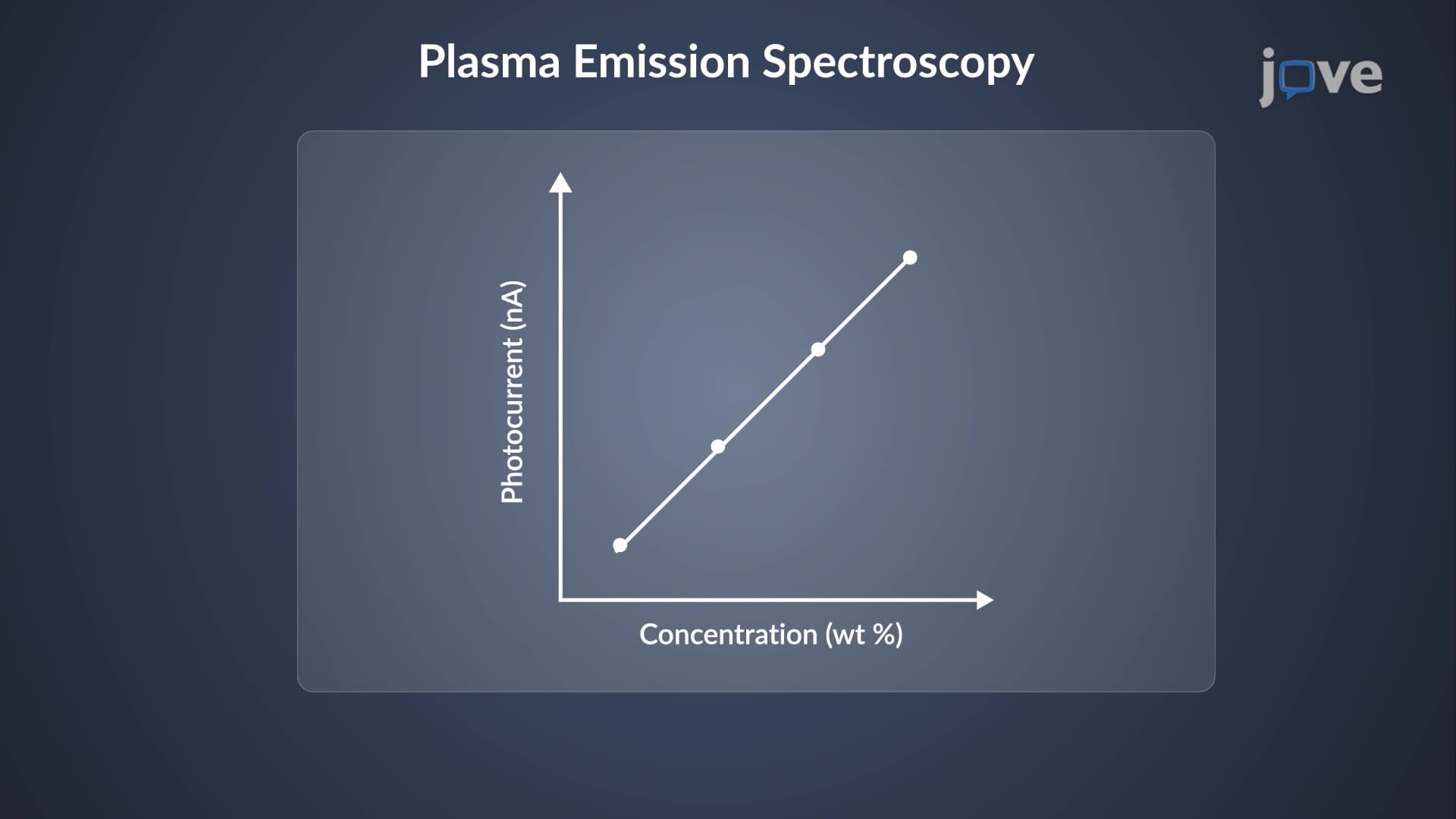
6. Flame Photometry and Specialized Applications Flame photometry represents a simplified emission technique optimized for alkali and alkaline earth metals using lower-temperature flames. The technique measures characteristic emission lines from thermally excited atoms, with linear calibration curves at low concentrations. American clinical laboratories extensively use flame photometry for sodium and potassium analysis in blood serum, essential for diagnosing electrolyte imbalances. Agricultural extension services employ the technique for soil potassium testing to guide fertilizer recommendations. The method's simplicity and cost-effectiveness make it ideal for routine analyses where high sensitivity isn't required, complementing more sophisticated techniques in comprehensive analytical workflows.