Acid base titration is a fundamental analytical technique used to determine solution concentrations through controlled neutralization reactions. This comprehensive course covers essential pH titration chemistry principles, from basic strong acid-strong base reactions to complex polyprotic systems and buffer mechanisms. Students explore real-world applications including pharmaceutical quality control, environmental water testing, and clinical laboratory procedures. Master standardization techniques, indicator selection, and equivalence point determination through JoVE Coach's systematic approach to acid-base titration procedures and calculations.
Understand fundamental acid-base theories and pH concepts in analytical chemistry
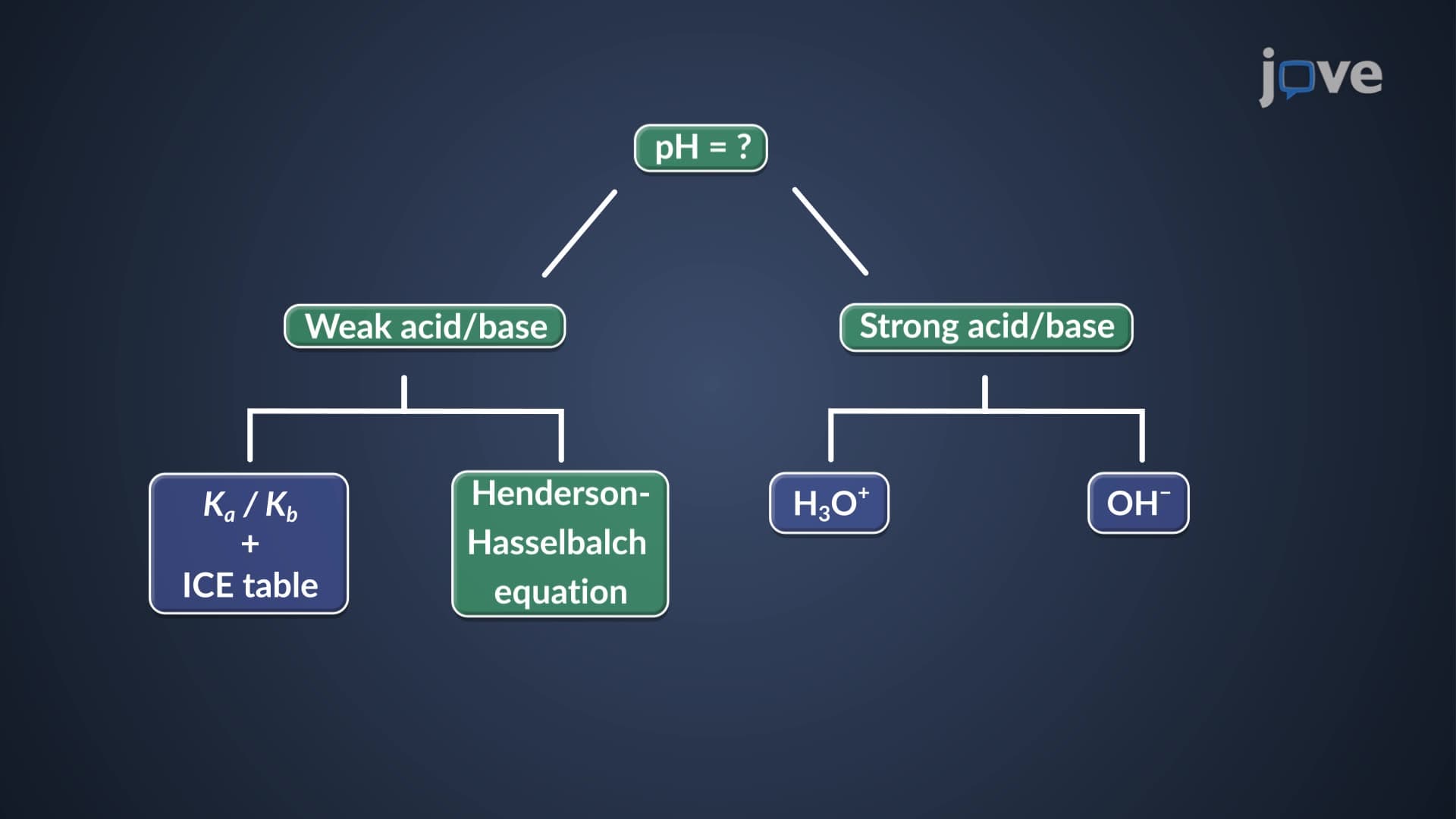
Learn to calculate pH changes during various titration scenarios using ICE tables and equilibrium expressions
Identify appropriate indicators for different titration types based on pH transition ranges
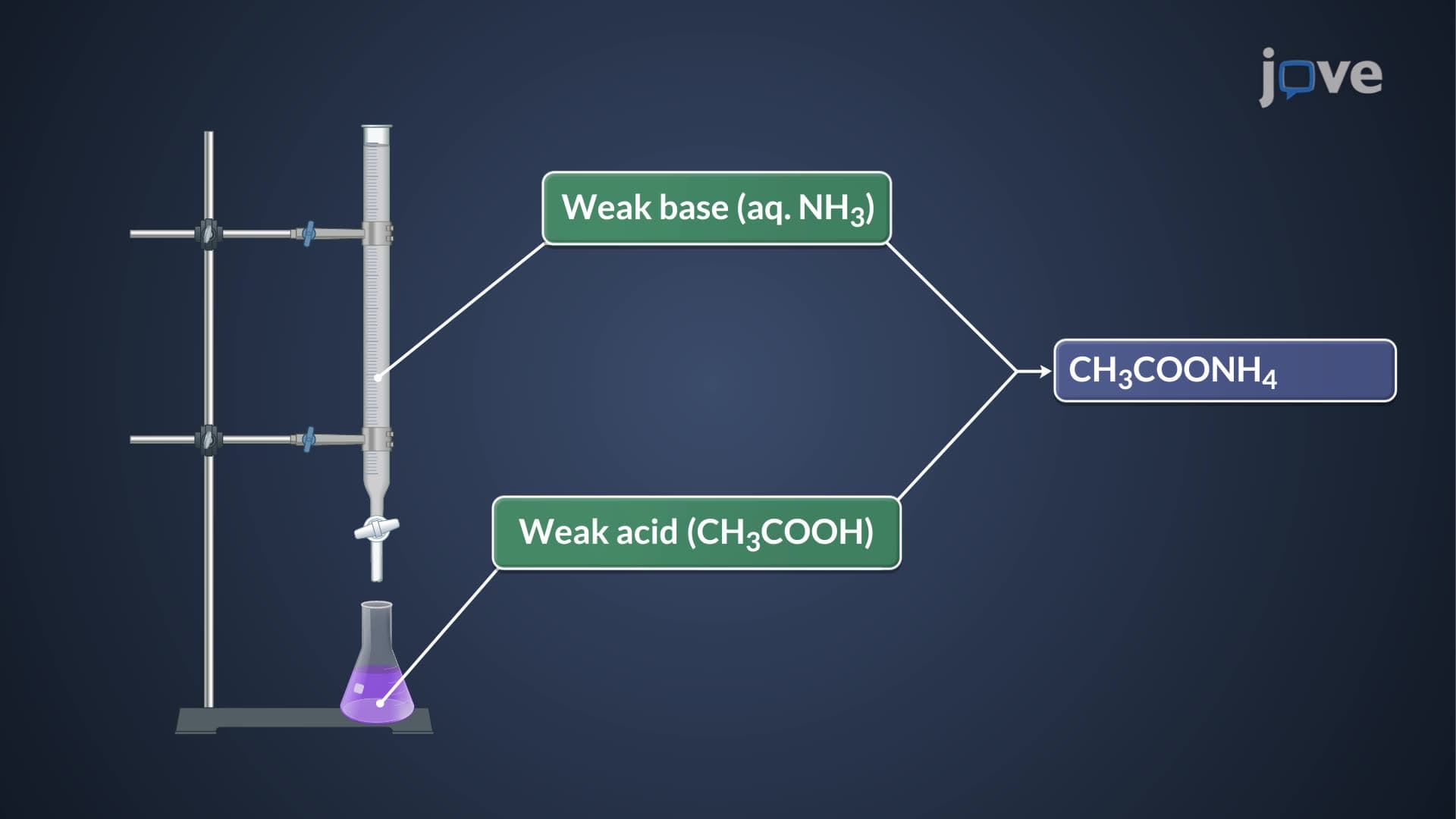
Explore titration curves and equivalence points for strong-strong, weak-strong, and weak-weak combinations
Analyze polyprotic acid and base systems with multiple equivalence points
Apply Henderson-Hasselbalch equation to buffer calculations and capacity determinations
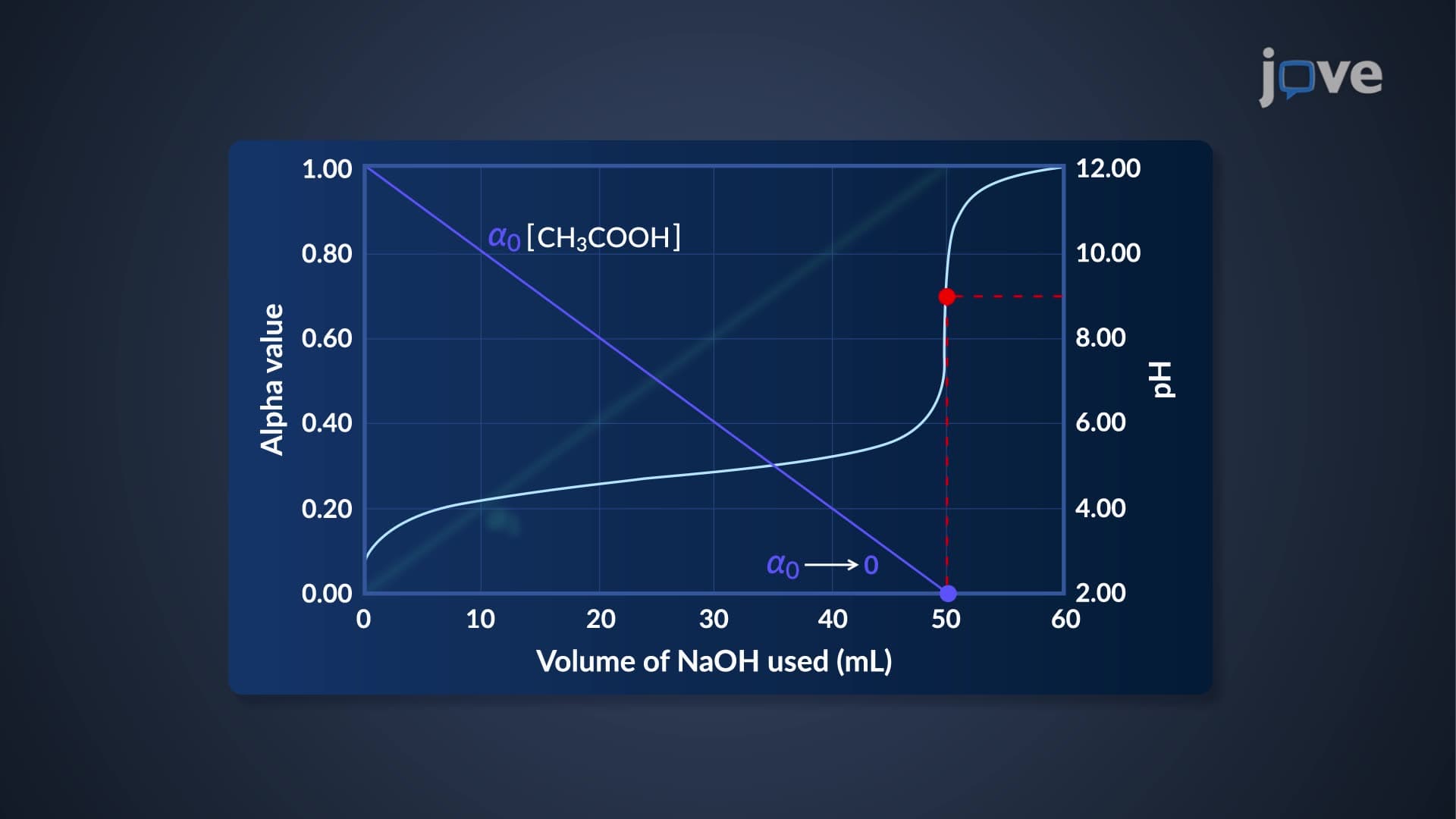
Understand solution composition changes throughout titration processes using alpha fraction diagrams
Master standardization procedures for accurate concentration determinations
Analyze mixture titrations and leveling effects in various solvent systems
Apply titration principles to real-world analytical problems in healthcare and industry
1. Fundamental Titration Principles and pH Calculations
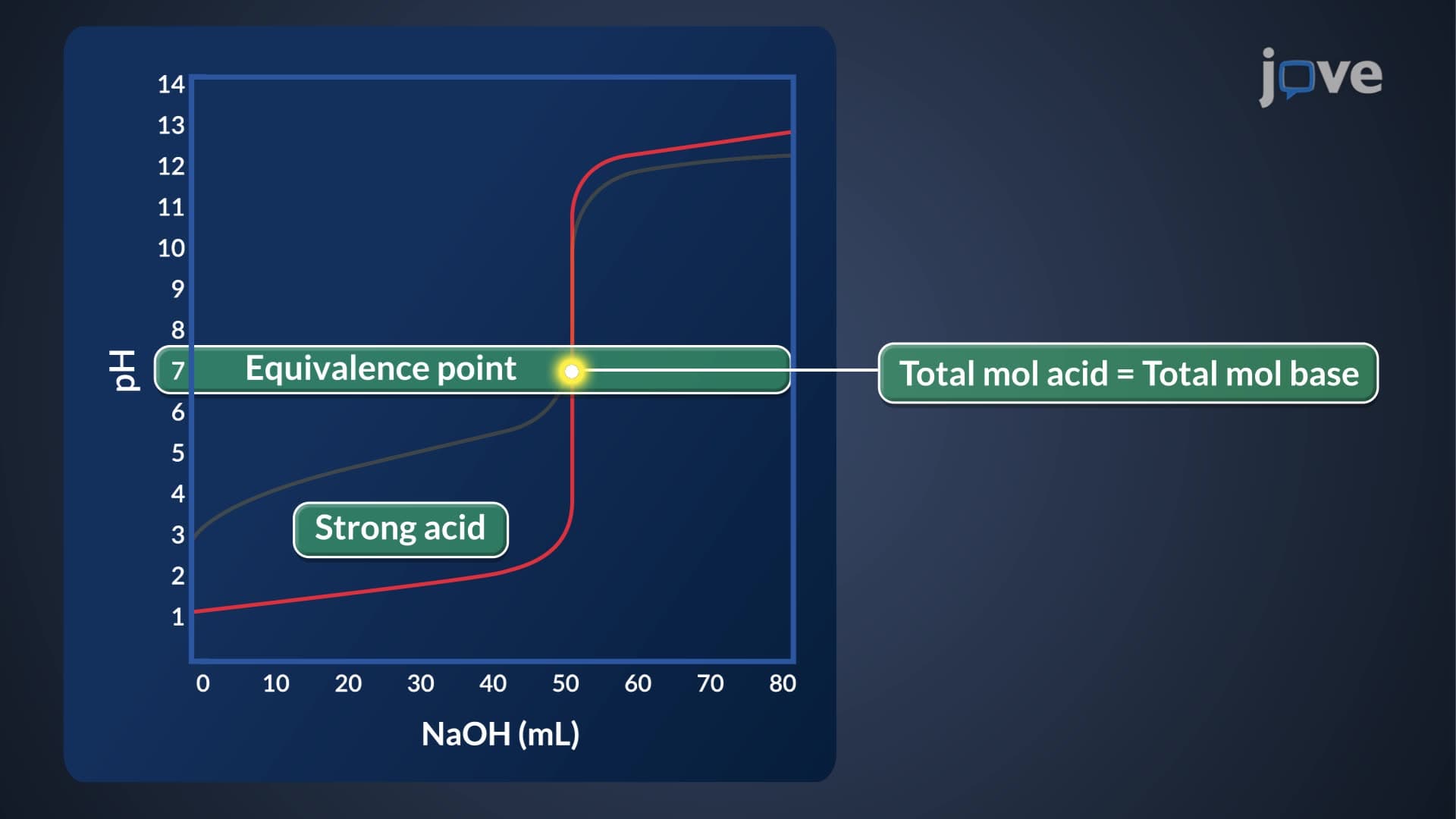
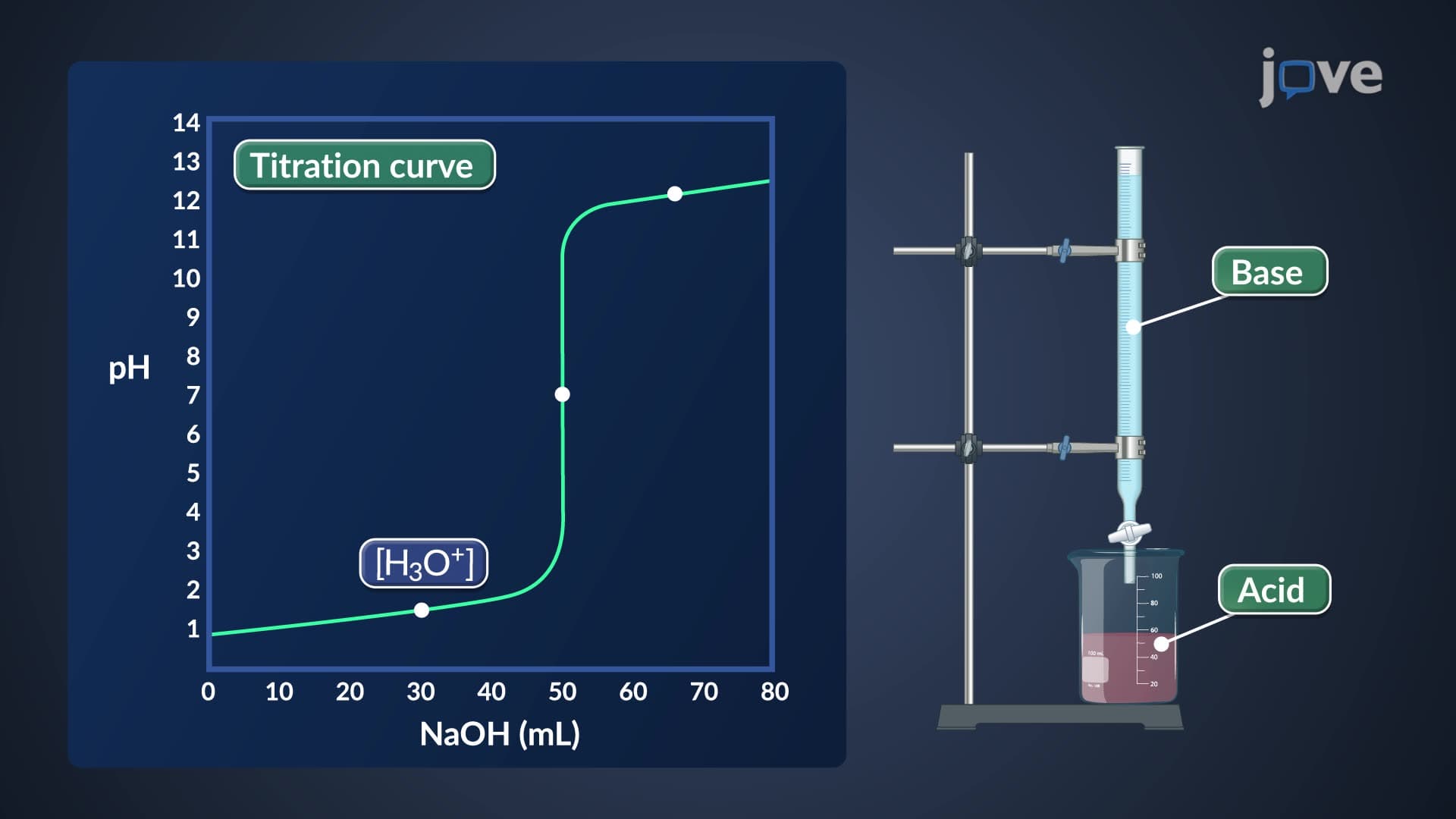
Strong acid-strong base titrations demonstrate the simplest neutralization reactions, where complete dissociation creates sharp pH transitions at equivalence points. For example, titrating 0.1 M HCl with 0.1 M NaOH produces a dramatic pH jump from acidic to basic at the equivalence point (pH = 7). Students learn to calculate pH before, during, and after equivalence using concentration changes and volume additions. These calculations form the foundation for understanding more complex titration systems encountered in pharmaceutical quality control and environmental monitoring.
2. Weak Acid-Strong Base and Weak Base-Strong Acid Systems
Weak acid titrations with strong bases create buffer regions before equivalence points, demonstrating the Henderson-Hasselbalch relationship. Acetic acid titrated with sodium hydroxide shows gradual pH changes until near equivalence, where acetate ion hydrolysis creates a basic equivalence point (pH > 7). The half-equivalence point reveals where pH equals pKa, crucial for buffer preparation. Clinical applications include determining medication concentrations in pharmaceutical formulations and analyzing organic acids in biological samples.
3. Polyprotic Acid and Base Titration Analysis
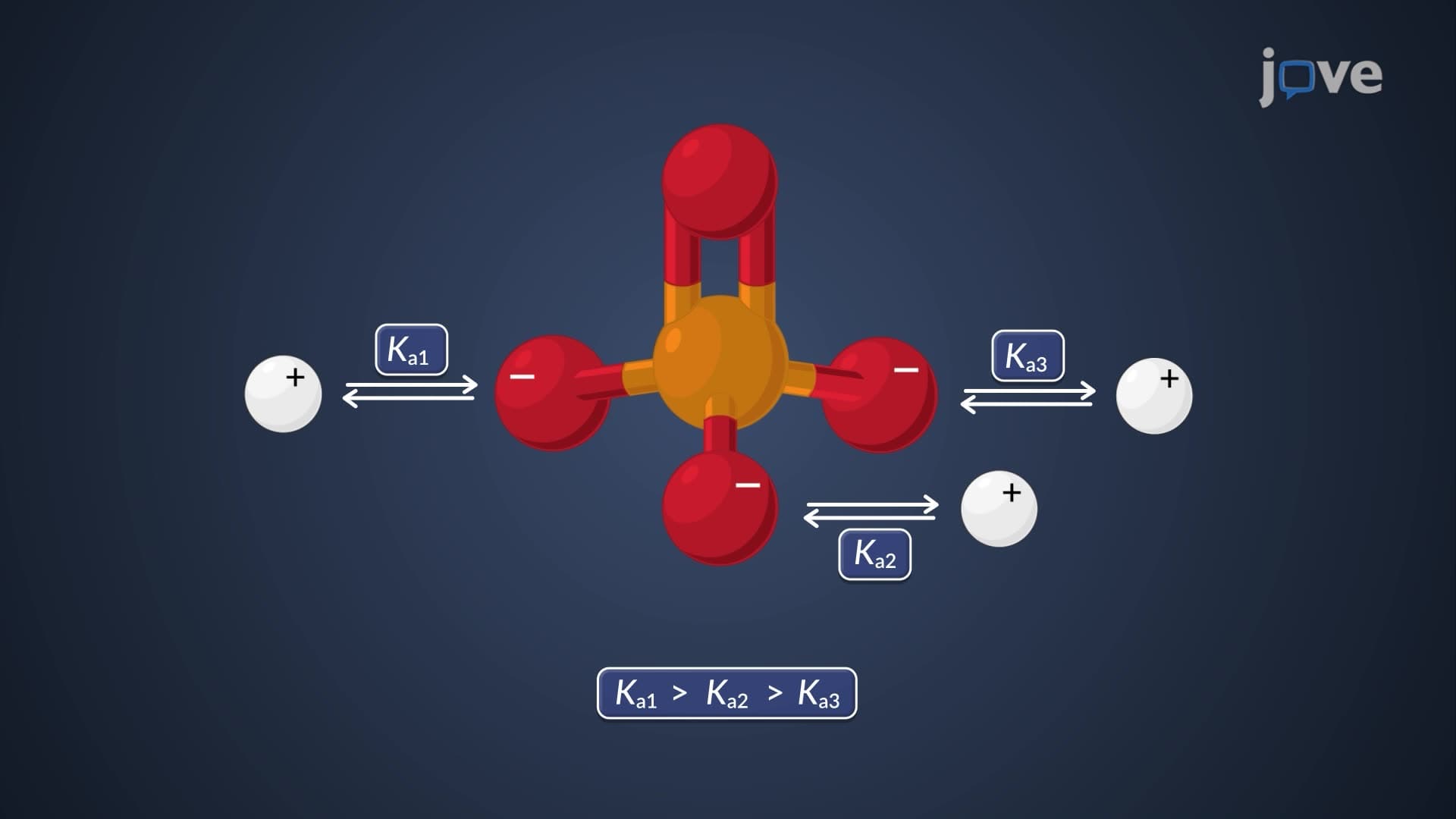
Polyprotic systems like phosphoric acid demonstrate multiple equivalence points corresponding to successive proton removal. Each dissociation constant (Ka1, Ka2, Ka3) represents progressively weaker acid behavior, creating distinct pH plateaus and equivalence points. Carbonic acid systems exemplify environmental applications in water alkalinity testing and blood pH regulation studies. Students analyze alpha fraction diagrams showing species distribution changes throughout titration, essential for understanding biological buffering systems.
4. Buffer Systems and Capacity Calculations
Buffer solutions resist pH changes through weak acid-conjugate base equilibria, exemplified by the carbonic acid-bicarbonate system maintaining blood pH at 7.4. Buffer capacity quantifies resistance to pH change, maximized when weak acid and conjugate base concentrations are equal (pH = pKa). Students calculate buffer capacity using derivatives of titration curves and apply these principles to biological systems, pharmaceutical formulations, and laboratory solution preparation for maintaining optimal reaction conditions.
5. Advanced Titration Applications and Non-aqueous Systems
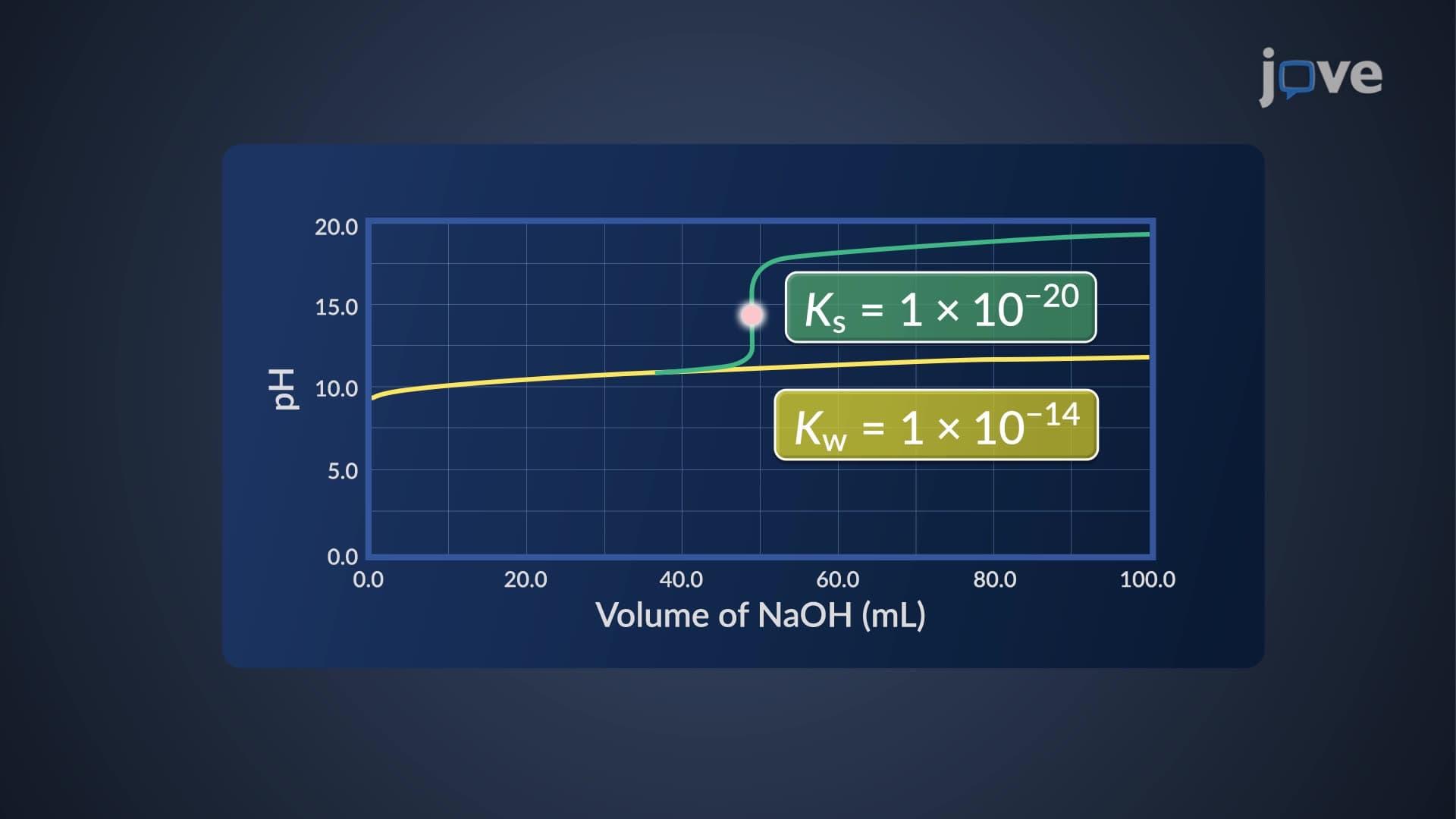
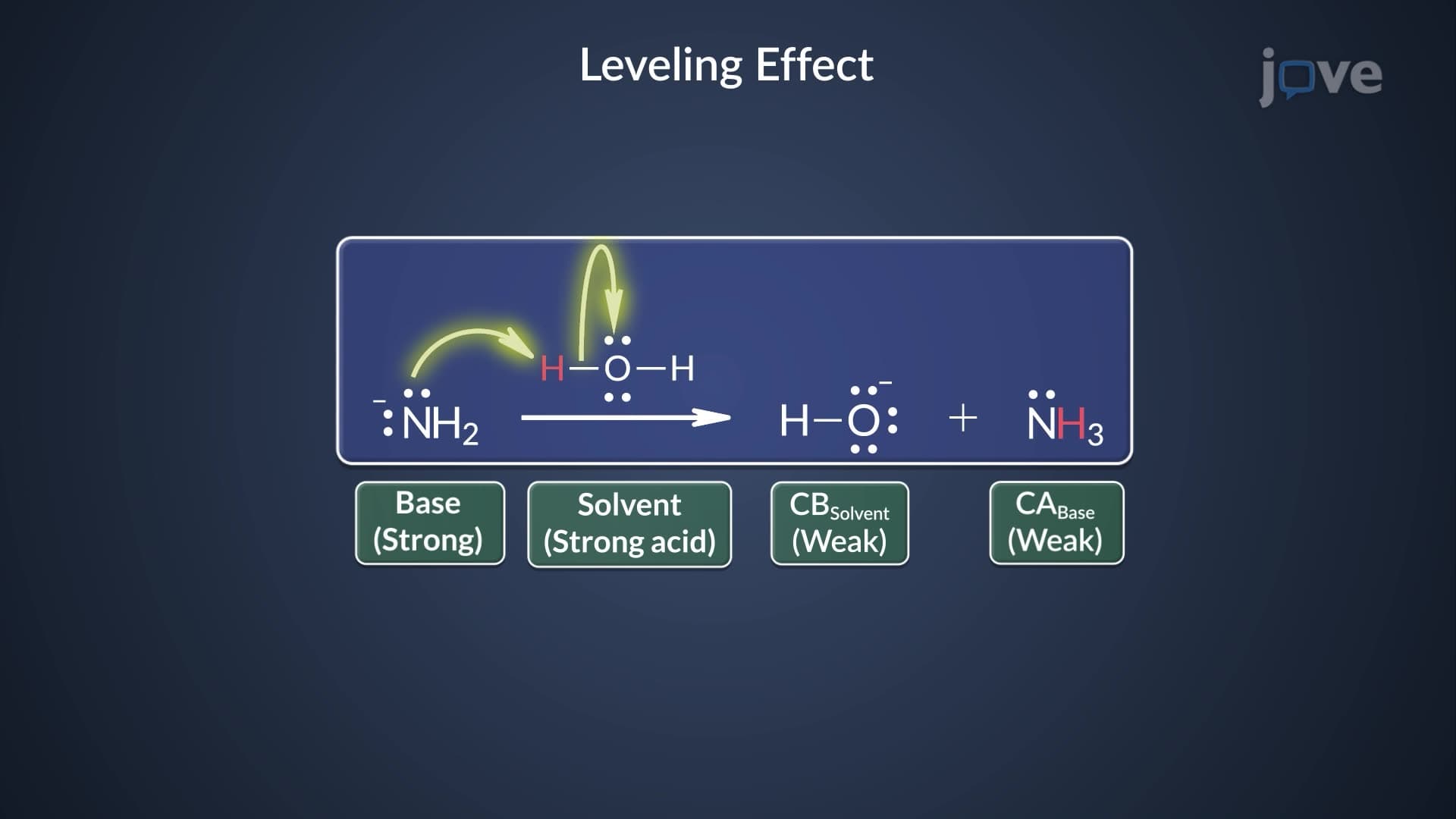
Non-aqueous titrations overcome water's leveling effect, enabling analysis of very weak acids and bases that don't show clear endpoints in water. Aprotic, protophilic, and protogenic solvents extend titration applications to organic compounds with limited water solubility. Industrial applications include petroleum product analysis and pharmaceutical manufacturing quality control. Students explore mixture analysis where stronger acids suppress weaker acid dissociation, following Le Châtelier's principle in complex analytical scenarios.
Frequently Asked Questions
The equivalence point is the theoretical point where moles of acid equal moles of base added, while the endpoint is the practical point where the indicator changes color. Good indicators are chosen so their color change occurs very close to the equivalence point, minimizing titration error in analytical procedures.
At equivalence, all weak acid converts to its conjugate base (like acetate from acetic acid). This conjugate base undergoes hydrolysis with water, producing hydroxide ions and raising pH above 7. The exact pH depends on the conjugate base's strength and concentration.
MCAT questions often test understanding of biological polyprotic systems like amino acids and phosphate buffers. Recognizing multiple equivalence points, calculating species concentrations at different pH values, and understanding buffer regions prepares students for biochemistry and physiology passages involving acid-base homeostasis.
Phenolphthalein works well for weak acid-strong base titrations (equivalence point ~8-9), methyl orange suits strong acid-weak base systems (equivalence point ~4-5), and mixed indicators like methyl red-methylene blue help with weak acid-weak base titrations that lack sharp endpoints.
Clinical laboratories use titration for determining blood bicarbonate levels, analyzing stomach acid production, measuring medication concentrations, and testing IV solution pH. Environmental health applications include water quality testing for drinking water safety and wastewater treatment monitoring.
Buffer capacity explains how blood maintains stable pH despite metabolic acid production. Nurses must understand how conditions like diabetic ketoacidosis overwhelm buffer systems and how treatments like bicarbonate administration restore pH balance. This knowledge is essential for NCLEX preparation and clinical practice.
The main difficulty lies in recognizing which equations to use at different titration stages. Practice identifying whether you're before, at, or after equivalence point, then apply appropriate equilibrium expressions. Start with ICE tables for systematic problem-solving, then advance to Henderson-Hasselbalch and hydrolysis calculations.
Titration fundamentals underlie potentiometric analysis, pH electrode calibration, and automated analyzer functions used in research and industry. Understanding equivalence point detection prepares students for instrumental methods like potentiometric titration and ion-selective electrode measurements in advanced analytical courses.
This microcourse includes 14 concept videos that walk you through the building blocks of Analytical Chemistry. Each video is short, about 1 minute, so you can cover a full topic during a coffee break or between classes. The full sequence starts with Acid-Base Titration: Overview and ends with Leveling Effect.