22 Concepts
19 Concepts
14 Concepts
17 Concepts
22 Concepts
14 Concepts
13 Concepts
24 Concepts
17 Concepts
24 Concepts
27 Concepts
14 Concepts
19 Concepts
17 Concepts
15 Concepts
12 Concepts
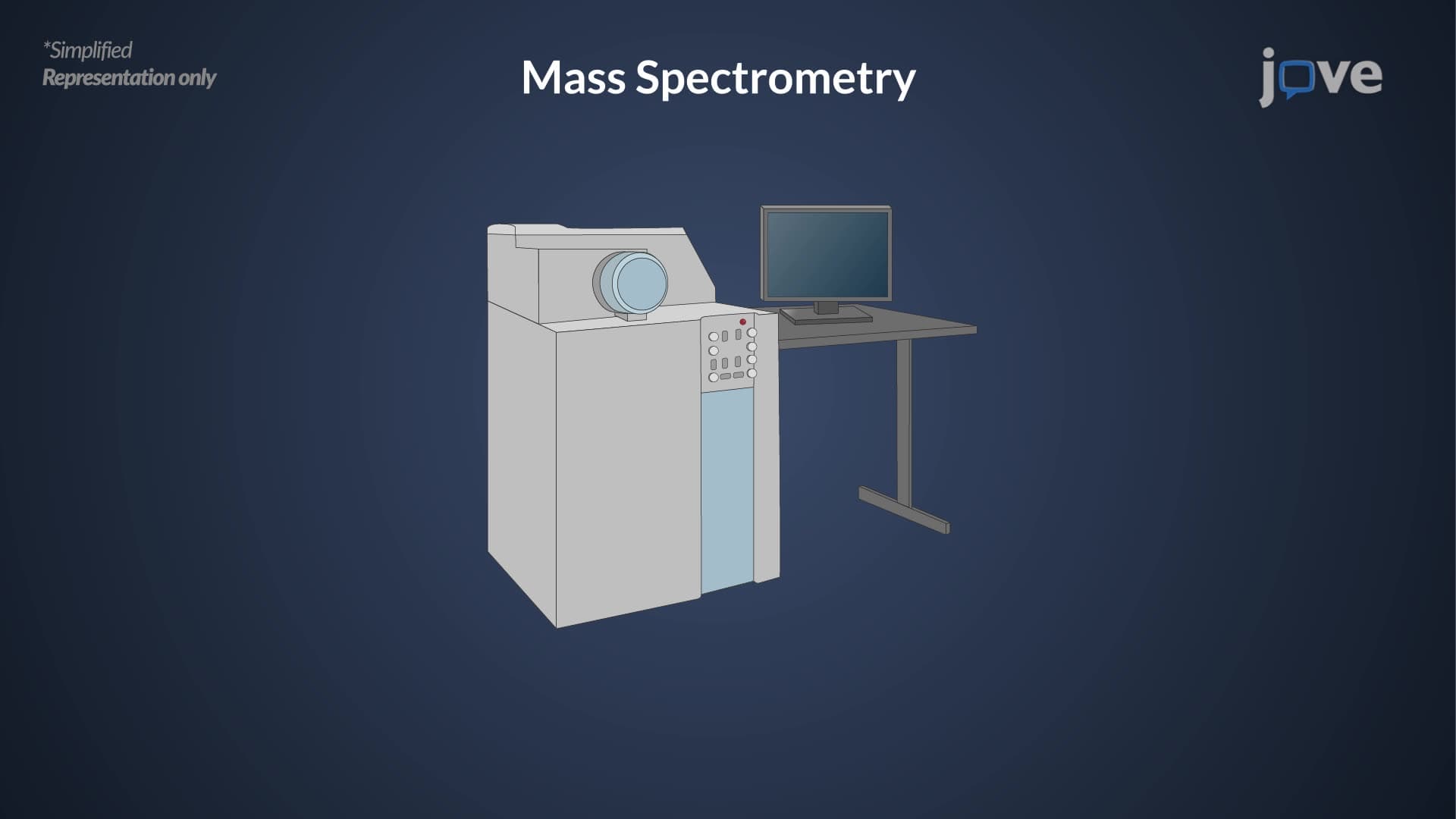
The principles of mass spectrometry encompass ionization techniques, molecular fragmentation patterns, and mass analysis methods used to identify unknown compounds. This JoVE Coach micro-course covers fundamental mass spec instrumentation including electron impact ionization, quadrupole analyzers, and hyphenated techniques like GC-MS. Students explore how mass-to-charge ratios reveal molecular structure and composition in pharmaceutical, environmental, and forensic applications across the United States.
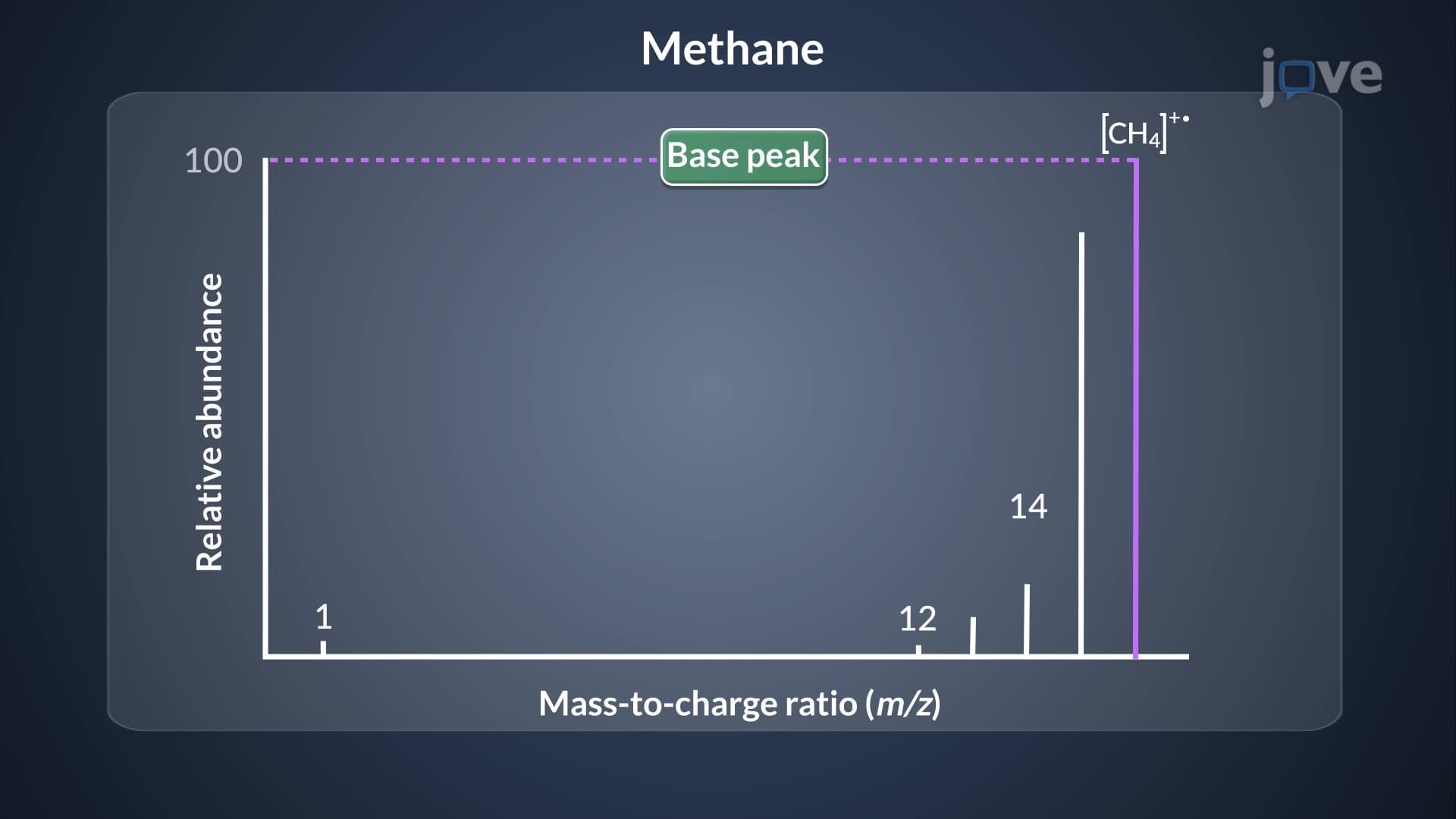
1. Ionization Methods and Molecular Ion Formation Mass spectrometry begins with ionization, where high-energy electrons remove electrons from molecules to create radical cations. Electron impact ionization is most common, but alternative methods like electrospray ionization (ESI) and matrix-assisted laser desorption ionization (MALDI) are used for different sample types. The molecular ion retains the original molecular weight since electron mass is negligible. Understanding ionization helps predict which compounds will produce stable molecular ions versus those that fragment immediately upon ionization.
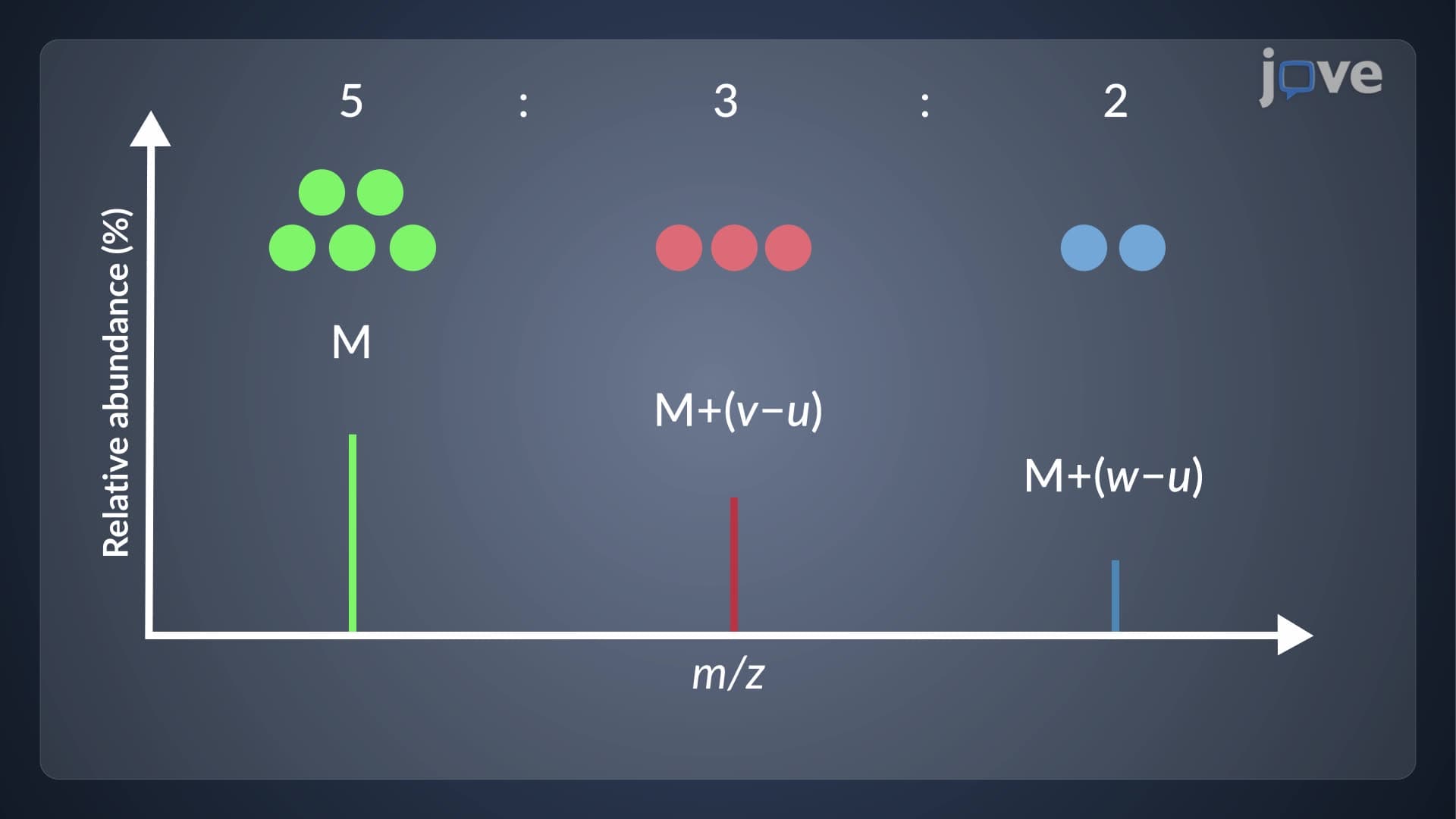
2. Isotope Effects and Peak Patterns Natural isotope abundances create characteristic peak patterns in mass spectra. Carbon-13 produces M+1 peaks, while chlorine and bromine create distinctive M+2 patterns due to their isotope mass differences. For example, chloroform shows a 3:1 intensity ratio for M:M+2 peaks, while bromoform exhibits a 1:1 ratio. These patterns help identify heteroatoms in unknown compounds and are essential for determining molecular formulas from spectral data in pharmaceutical quality control and environmental analysis.
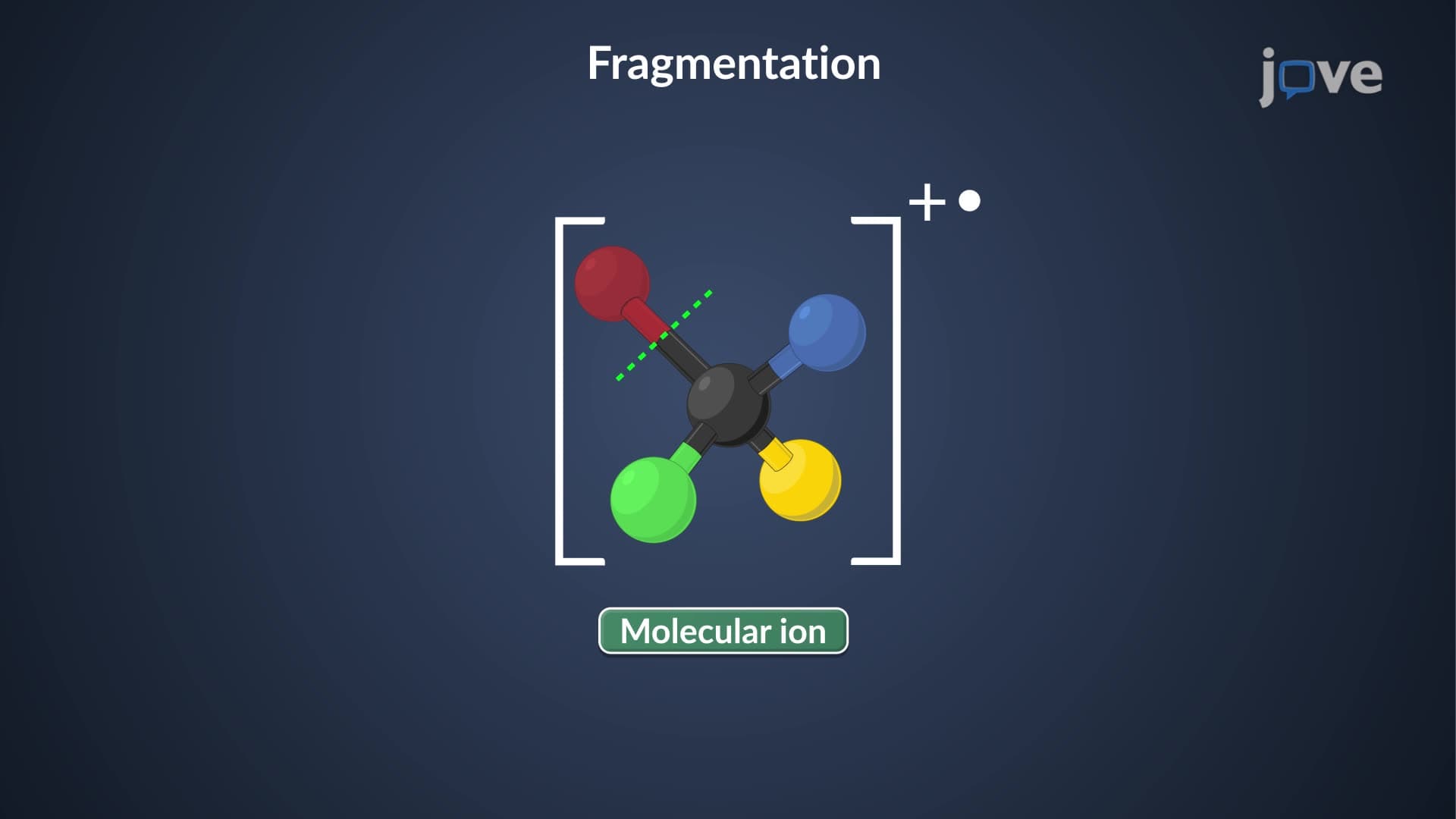
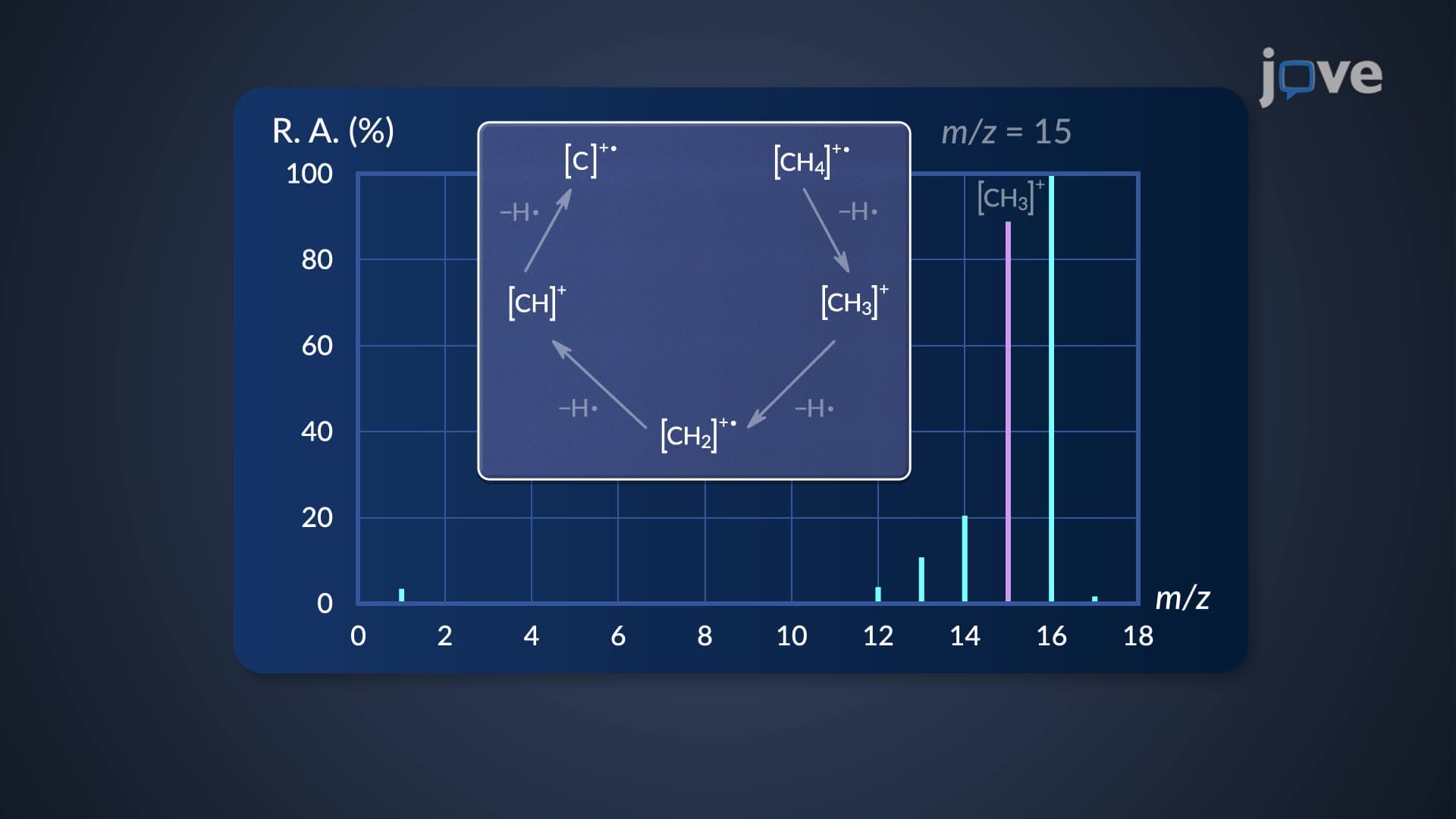
3. Molecular Fragmentation Mechanisms Fragmentation follows predictable pathways that produce relatively stable carbocations, radicals, and neutral molecules. Cleavage occurs preferentially at bonds that yield stable fragments - tertiary carbocations are more stable than secondary, which are more stable than primary. Alpha-cleavage adjacent to heteroatoms and resonance-stabilized fragments are common. Understanding these mechanisms helps predict fragmentation patterns and interpret unknown spectra in forensic laboratories and drug metabolism studies.
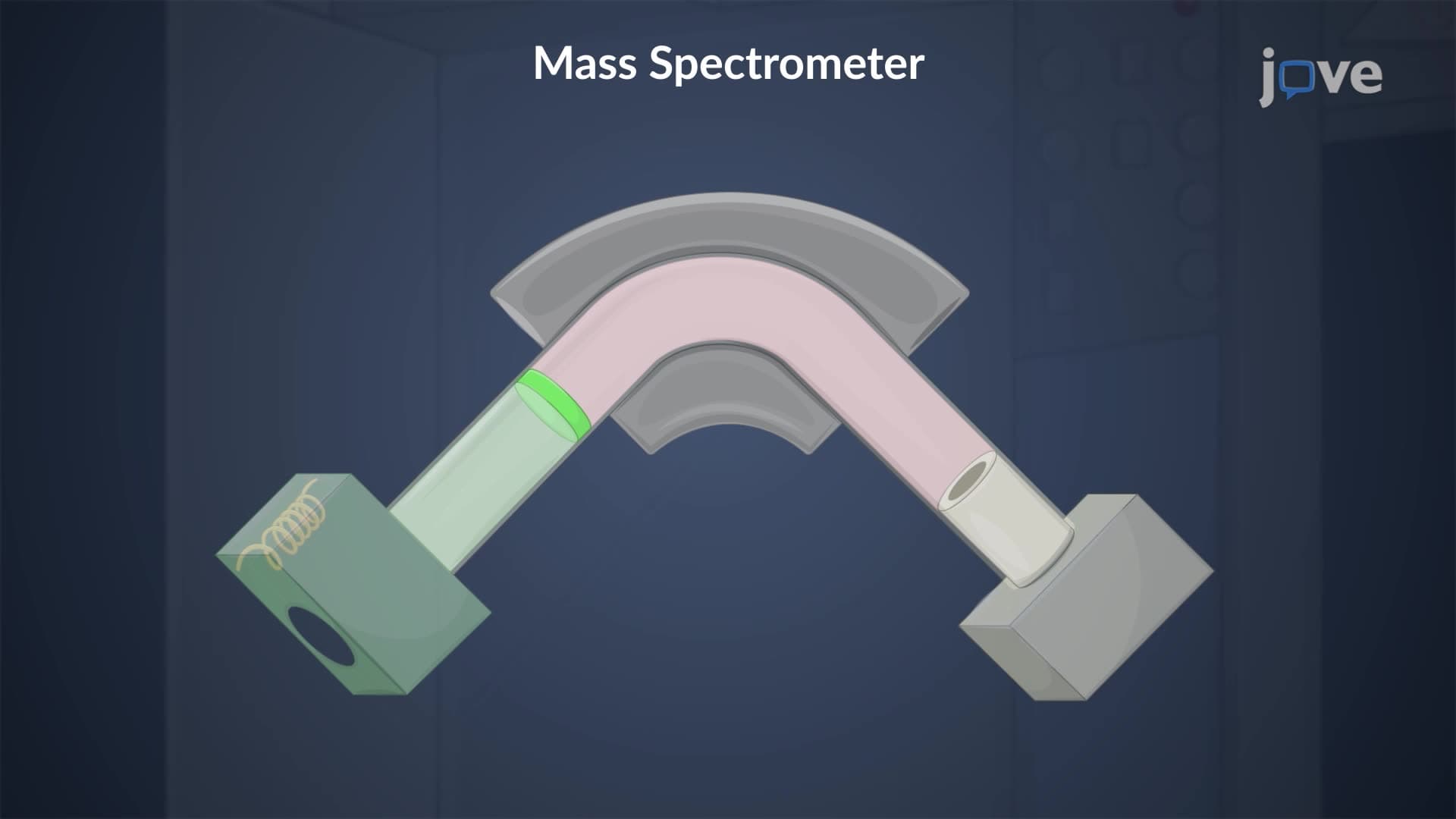
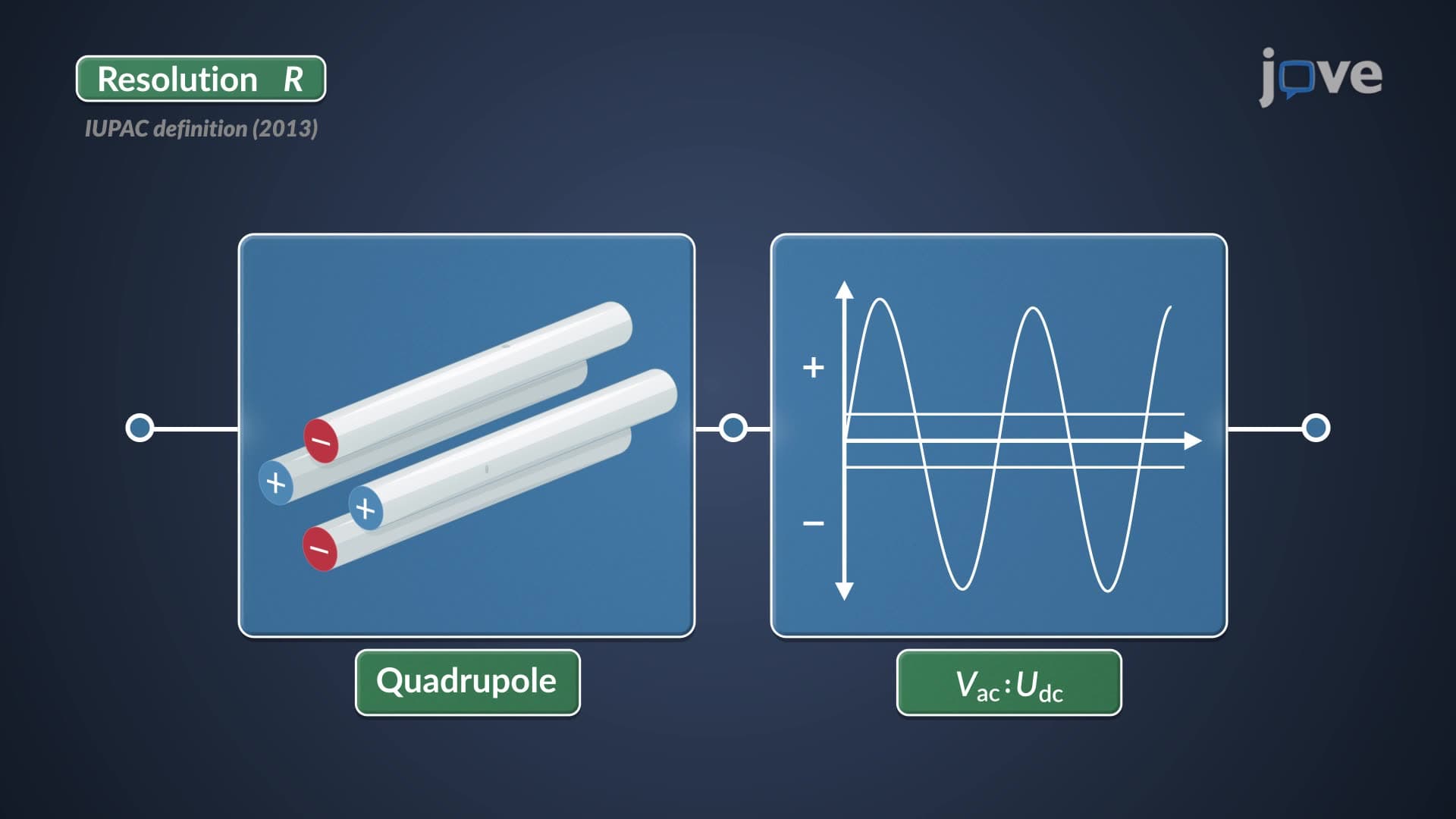
4. Mass Analyzer Technologies Different mass analyzers separate ions using various physical principles. Quadrupole analyzers use oscillating electric fields to filter ions based on mass-to-charge ratios, offering moderate resolution at lower cost. Time-of-flight analyzers measure ion flight times through field-free regions, with lighter ions traveling faster. Magnetic sector instruments deflect ions in curved paths, with double-focusing designs combining electric and magnetic fields for higher resolution. Each analyzer type offers specific advantages for different analytical applications.
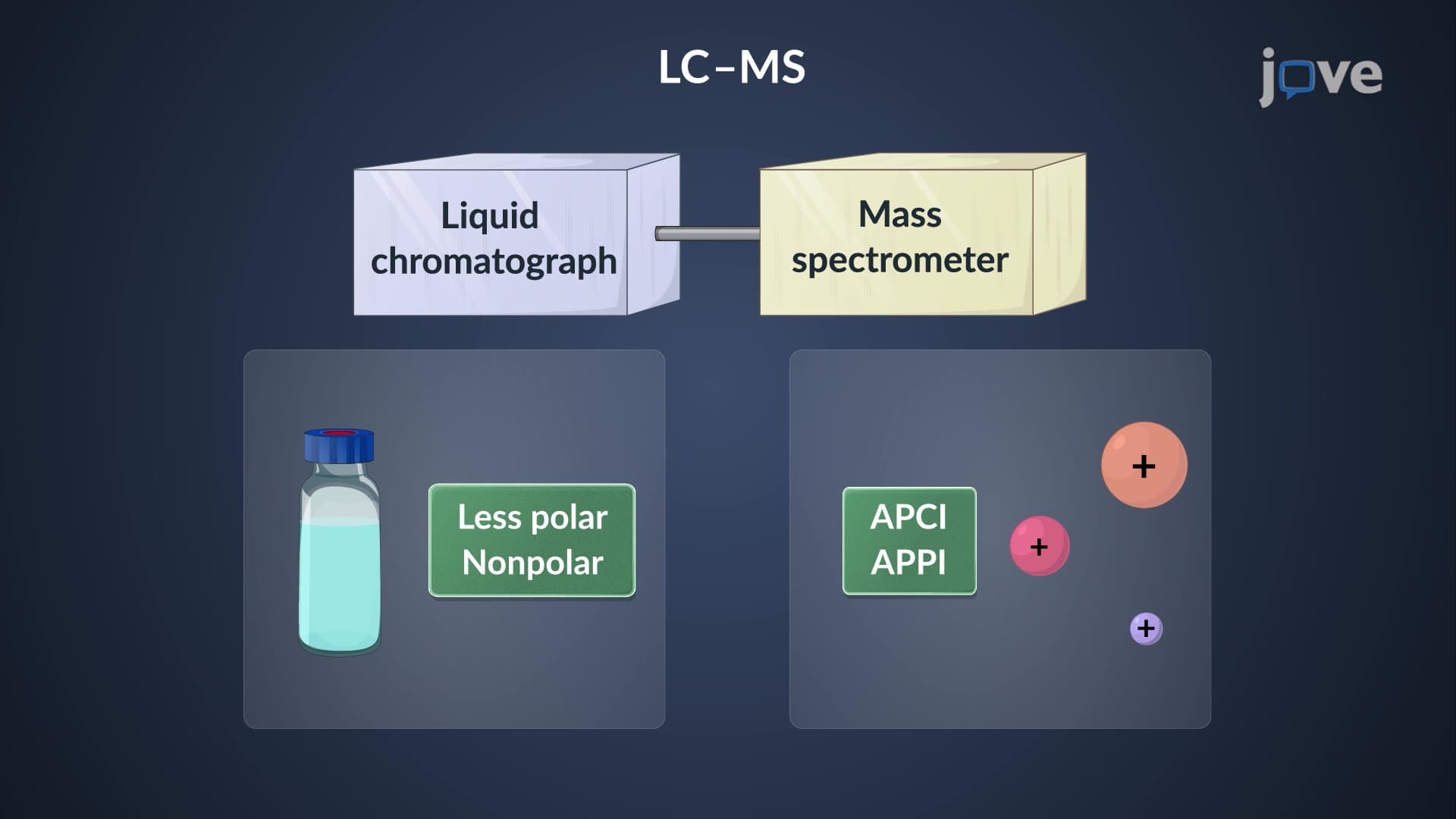
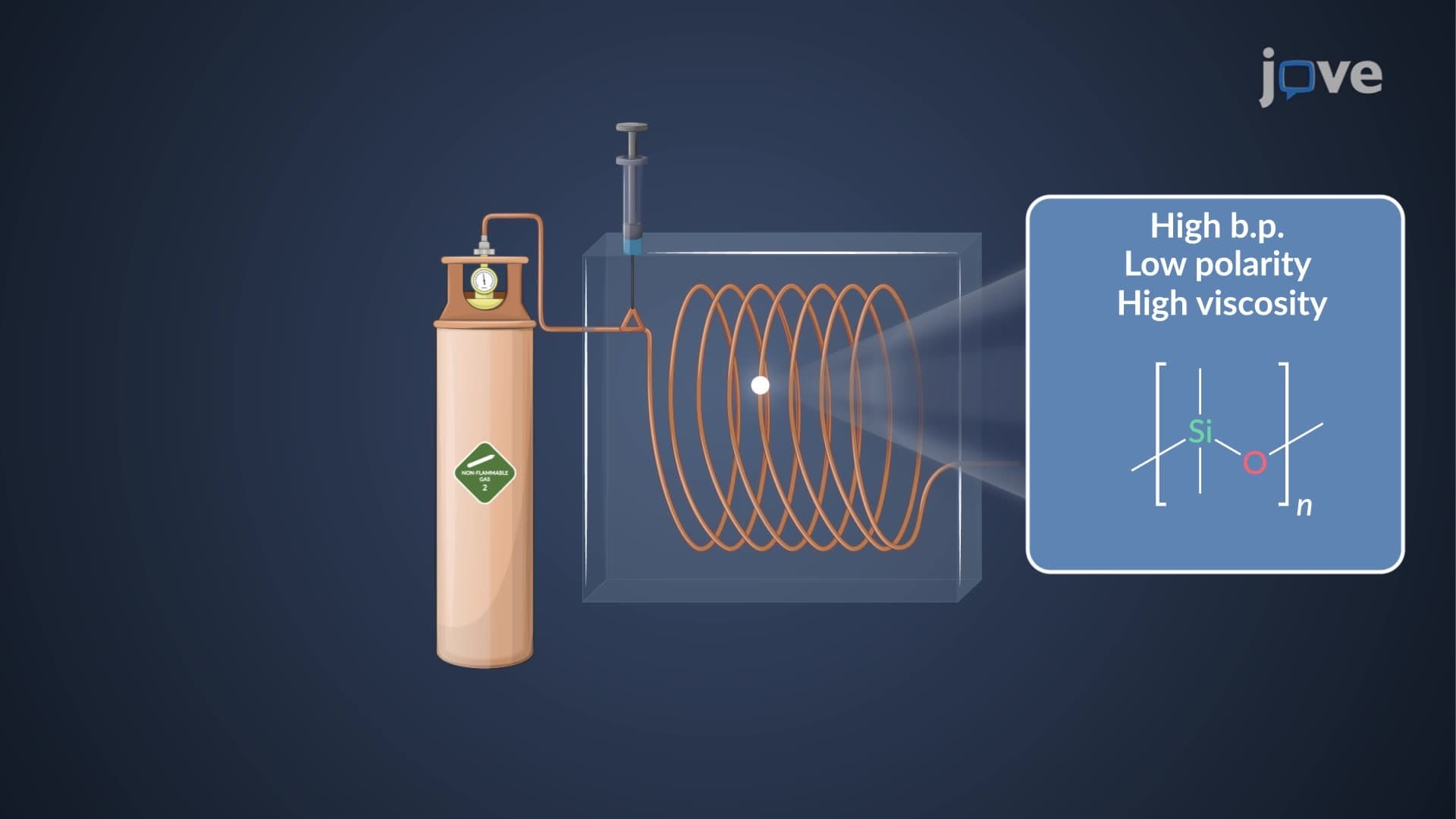
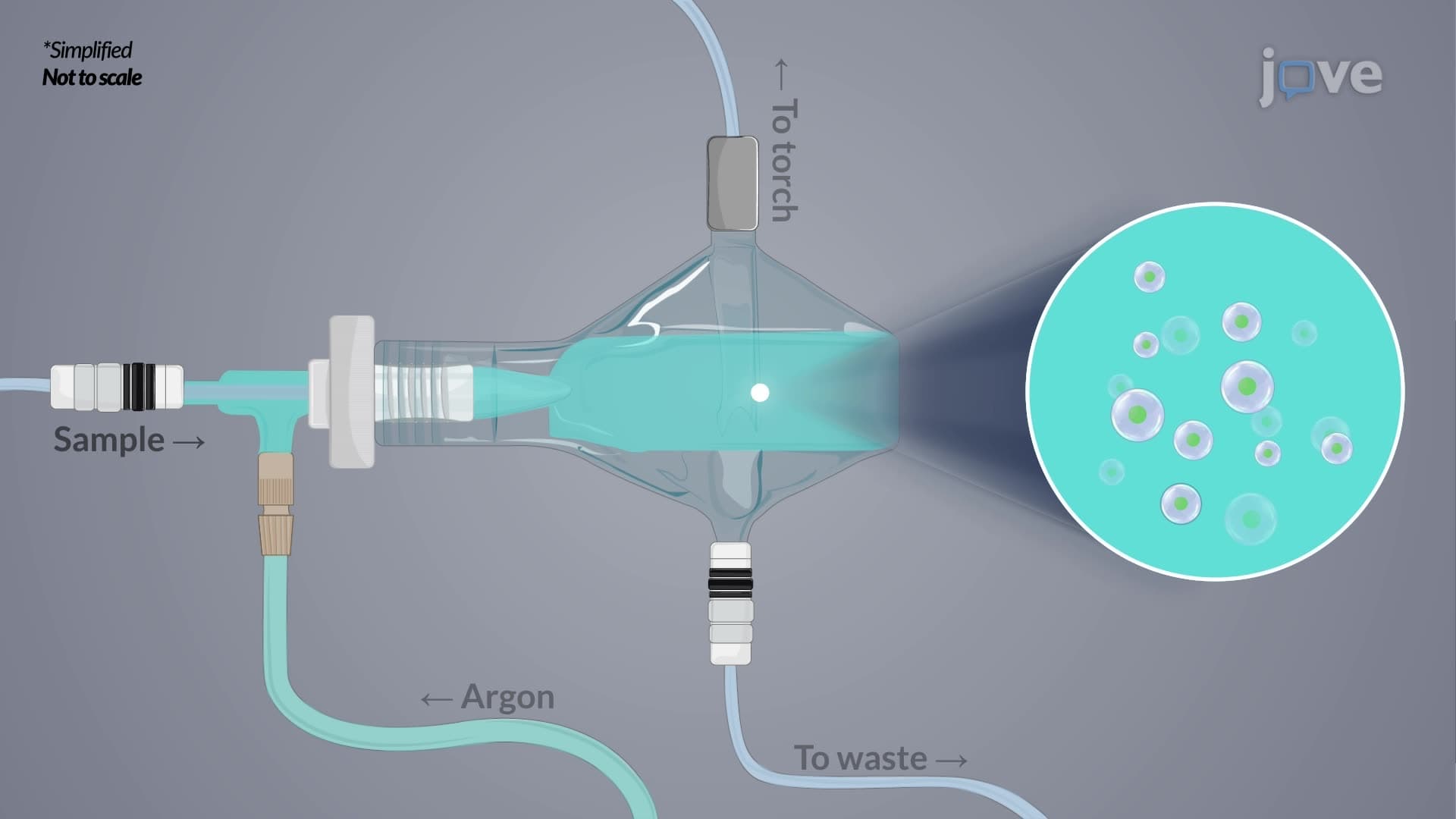
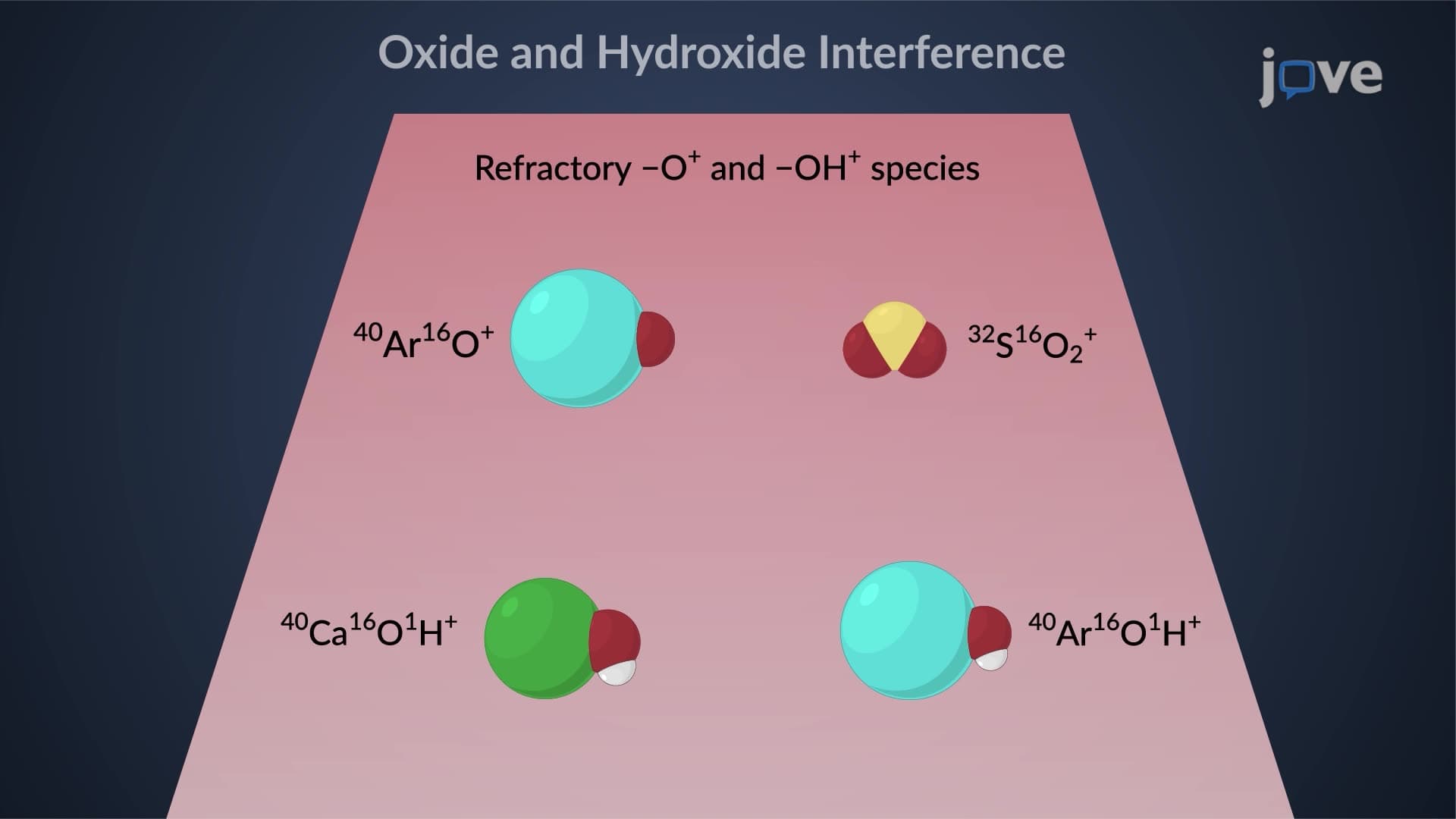
5. Hyphenated Techniques and Complex Analysis Gas chromatography-mass spectrometry (GC-MS) combines separation and identification for volatile compound mixtures, widely used in environmental monitoring and forensic toxicology. Liquid chromatography-mass spectrometry (LC-MS) handles non-volatile compounds using electrospray ionization. Tandem mass spectrometry (MS/MS) provides structural information through controlled fragmentation in collision cells. Inductively coupled plasma-mass spectrometry (ICP-MS) enables elemental analysis with exceptional sensitivity, crucial for trace metal determination in clinical and environmental samples.