Loading video…


 14 Concepts
 42.4K views

Video Summary: What are Mass Analyzers Common Types
Ever wonder how forensic labs identify unknown substances in criminal investigations? The common mass analyzer types used in spectrometry laboratories across the US include quadrupole, time-of-flight, and ion trap analyzers, each offering unique advantages for chemical analysis. From detecting drug residues in DEA labs to quality control in pharmaceutical companies like Pfizer, understanding what are mass analyzers common types is essential for modern analytical chemistry. Watch the full video on JoVE Coach to master this concept with expert-led visuals and step-by-step explanations.
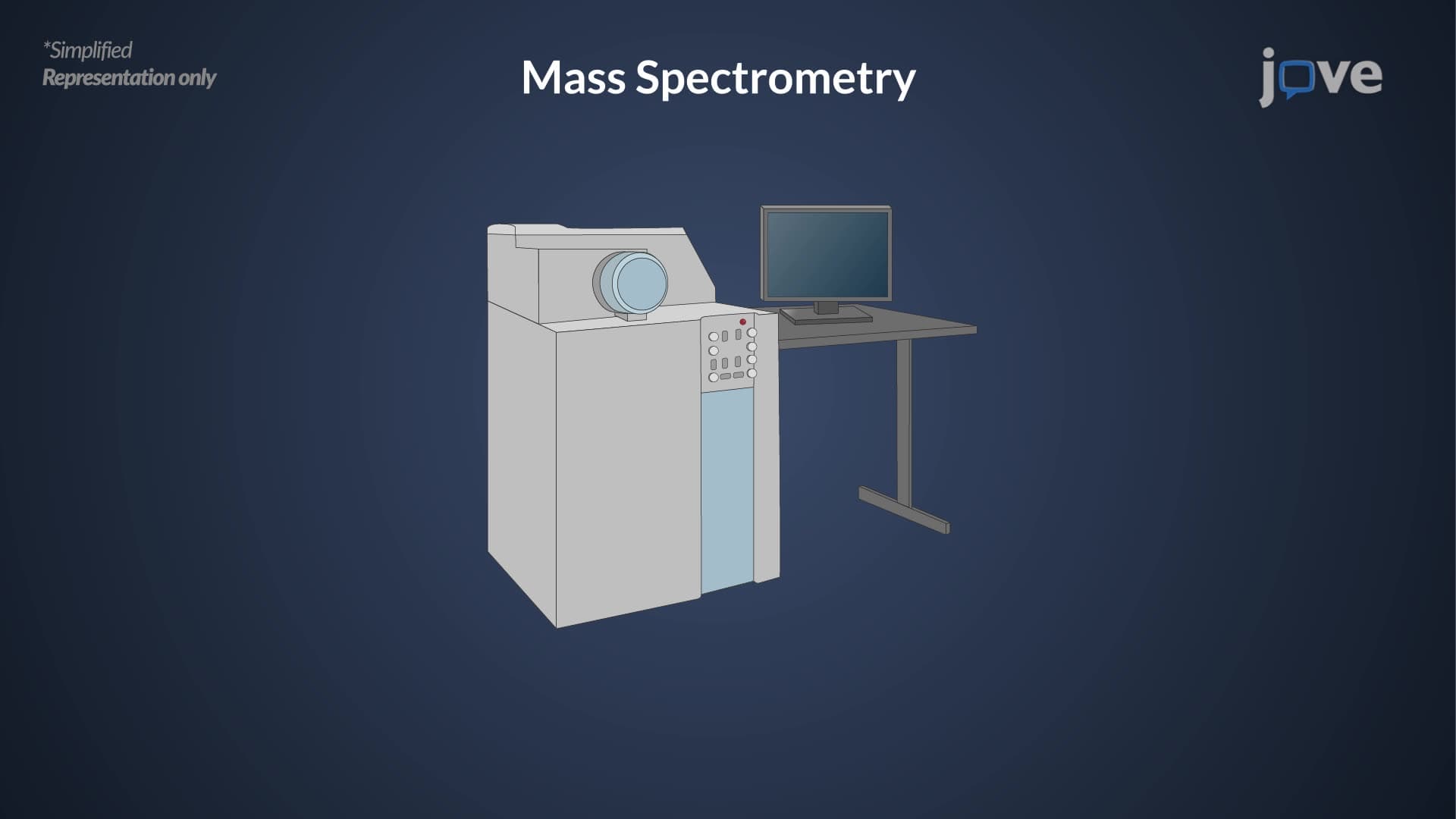
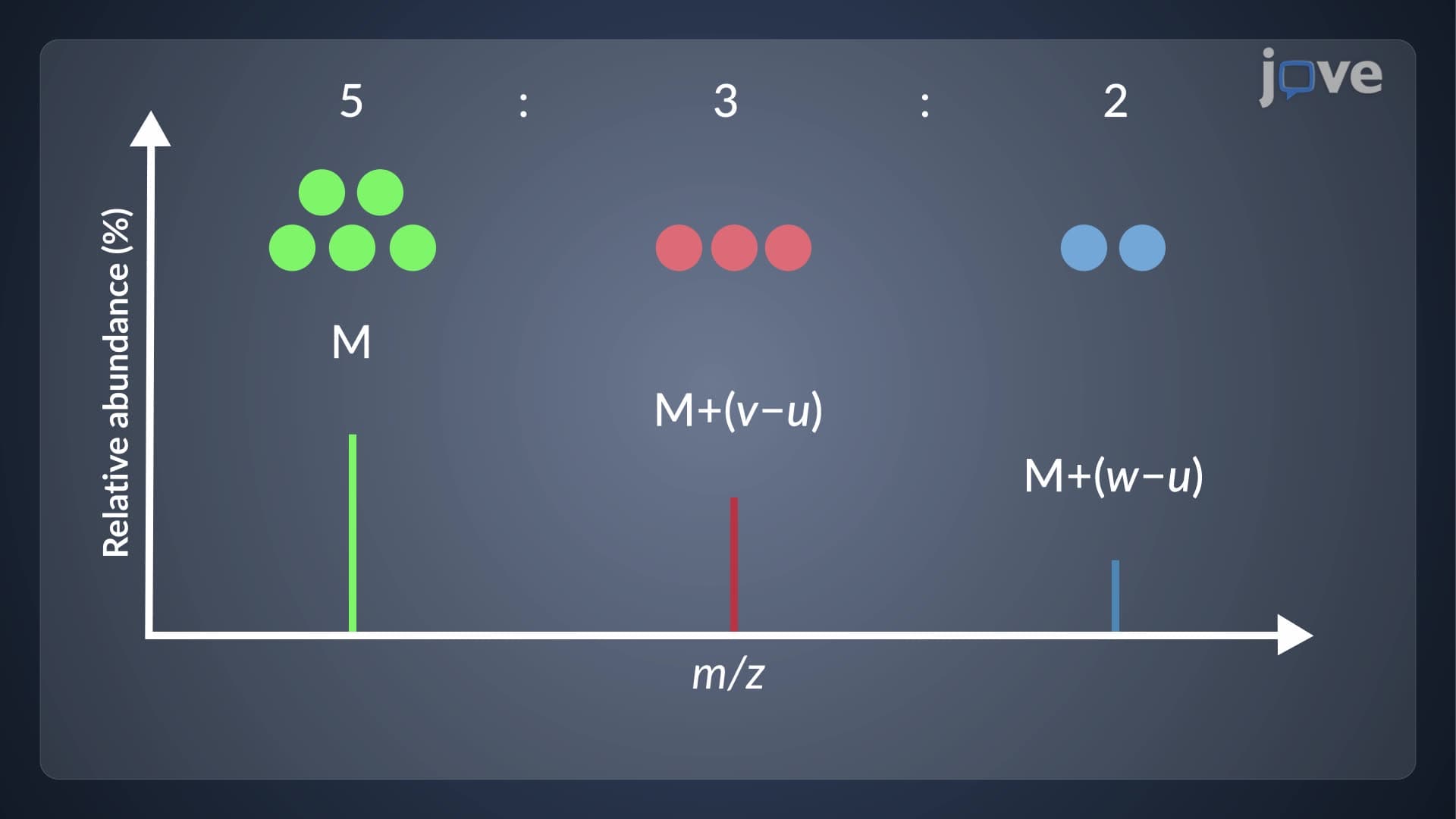
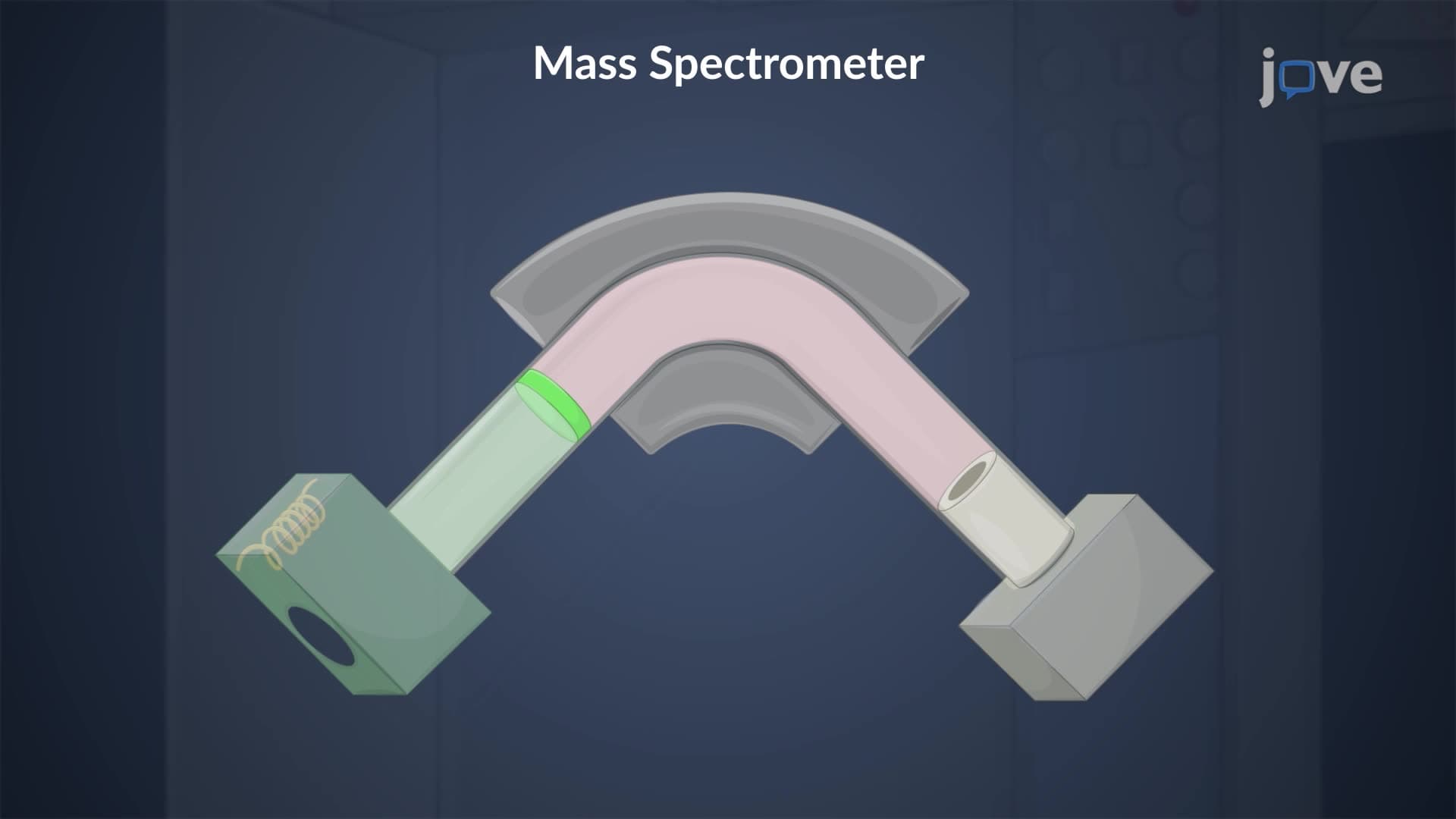
Mass analyzers represent the heart of mass spectrometry instruments, separating ions based on their mass-to-charge (m/z) ratios. The most common mass analyzers used in chemistry laboratories across American universities and research facilities fall into three primary categories, each employing distinct physical principles to achieve ion separation and detection.
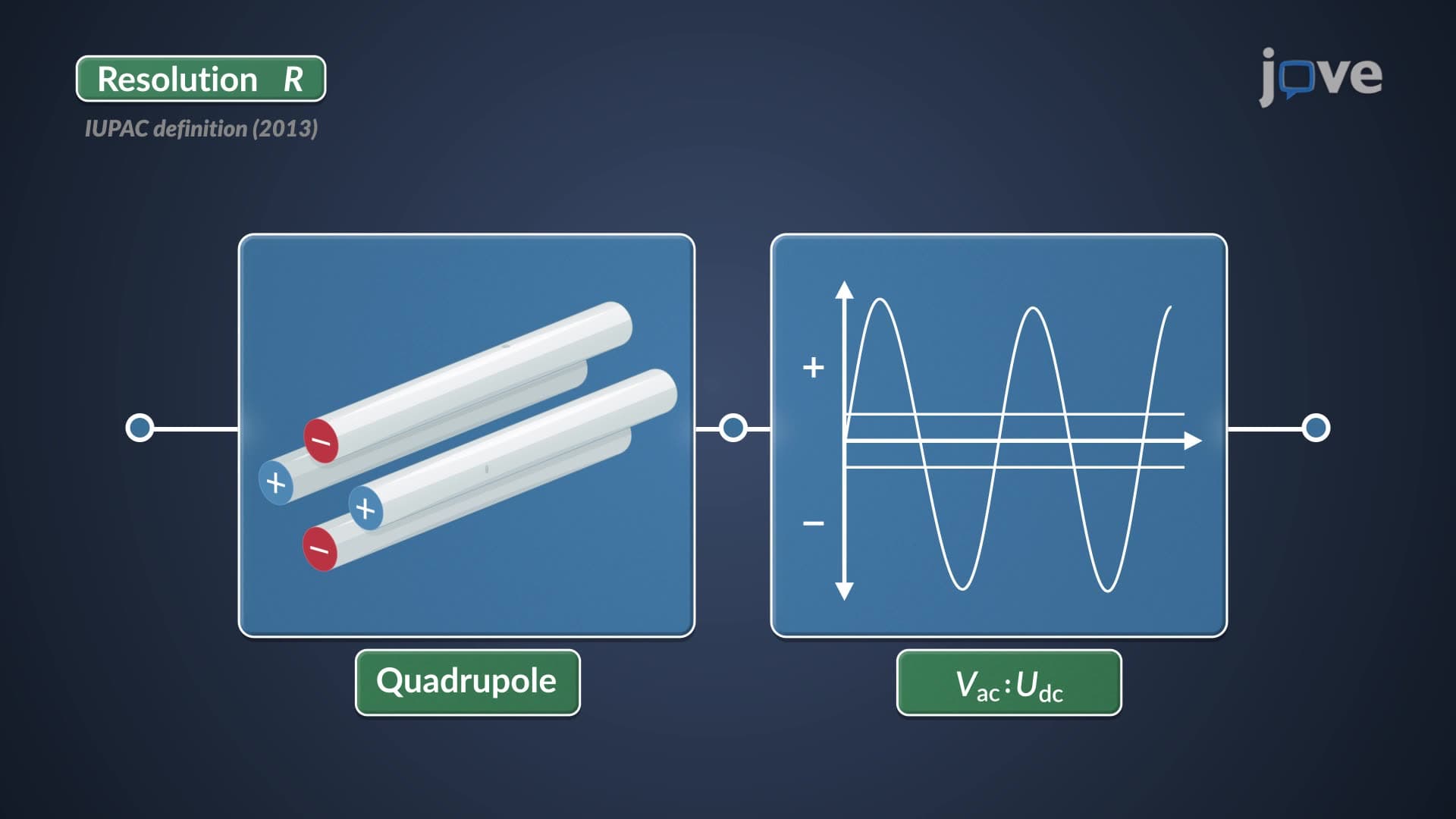
The quadrupole analyzer MS system utilizes four parallel cylindrical rods arranged in a precise geometric configuration. By applying both DC and radio-frequency AC voltages to opposite rod pairs, the analyzer creates a complex electric field that acts as an ion filter. Only ions with specific m/z ratios maintain stable trajectories through this field, while others follow unstable paths and are eliminated.
This technology powers many routine analytical instruments in US clinical laboratories, including those used for therapeutic drug monitoring at major medical centers like Johns Hopkins Hospital. Students preparing for the MCAT will encounter quadrupole principles when studying analytical techniques, particularly in the context of identifying biomolecules and pharmaceutical compounds.
Time of flight analyzer systems operate on a beautifully simple principle: ions of different masses travel at different velocities when given equal kinetic energy. In the field-free drift region, lighter ions outpace heavier ones, reaching the detector first. This temporal separation enables mass determination through precise flight time measurements.
Advanced TOF systems incorporate reflectrons-electrostatic mirrors that correct for kinetic energy variations among ions of identical mass. This innovation significantly improves resolution, making TOF analyzers valuable for applications ranging from environmental monitoring by the EPA to protein analysis in biotechnology companies like Genentech.
The three-dimensional quadrupole ion trap represents an elegant evolution of quadrupole technology. Using a ring electrode and two endcap electrodes, these analyzers create a three-dimensional potential well that confines ions in oscillatory motion. By systematically varying the radio-frequency voltage, operators can selectively destabilize and eject ions of increasing mass, creating a mass spectrum.
Ion trap technology proves particularly valuable in applications requiring tandem mass spectrometry (MS/MS), such as metabolomics studies conducted at research universities and pharmaceutical quality control laboratories throughout the United States.
Related Micro-courses