Loading video…


 14 Concepts
 42.4K views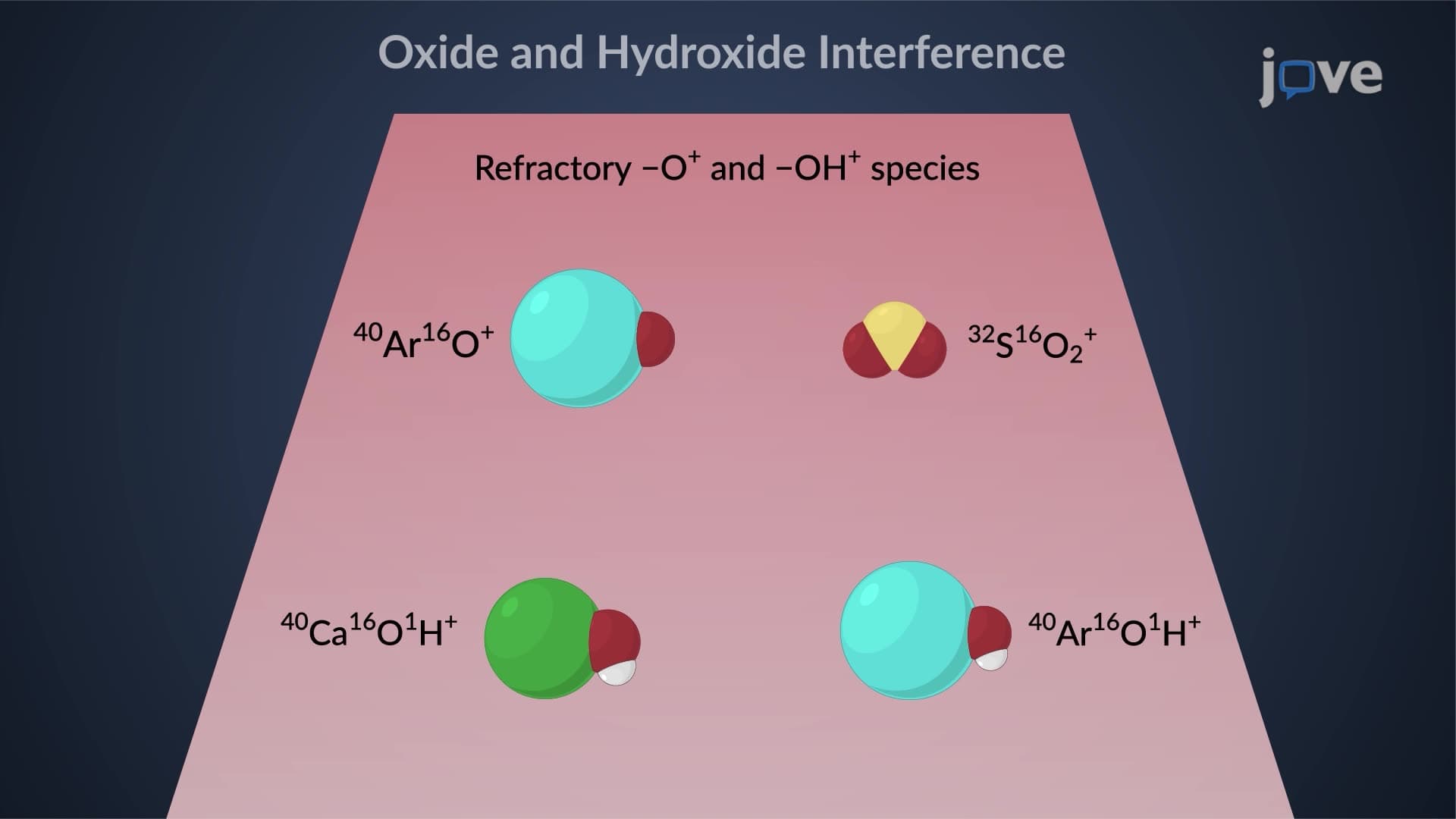

Video Summary: Icp Ms Interferences Types Causes and Correction Methods
Did you know that analyzing drinking water for lead contamination can give false readings due to molecular interference? ICP MS interferences correction is essential for accurate elemental analysis, as spectroscopic and non-spectroscopic interferences can significantly skew results. The EPA relies on proper ICP-MS Interferences: Types, Causes, and Correction Methods to ensure water quality standards are met nationwide. Watch the full video on JoVE Coach to master this concept with expert-led visuals and step-by-step explanations.
Inductively Coupled Plasma Mass Spectrometry (ICP-MS) has revolutionized elemental analysis across industries, from pharmaceutical quality control to environmental monitoring. However, even this powerful technique faces significant analytical challenges through various interference mechanisms that can compromise data quality and lead to incorrect conclusions.
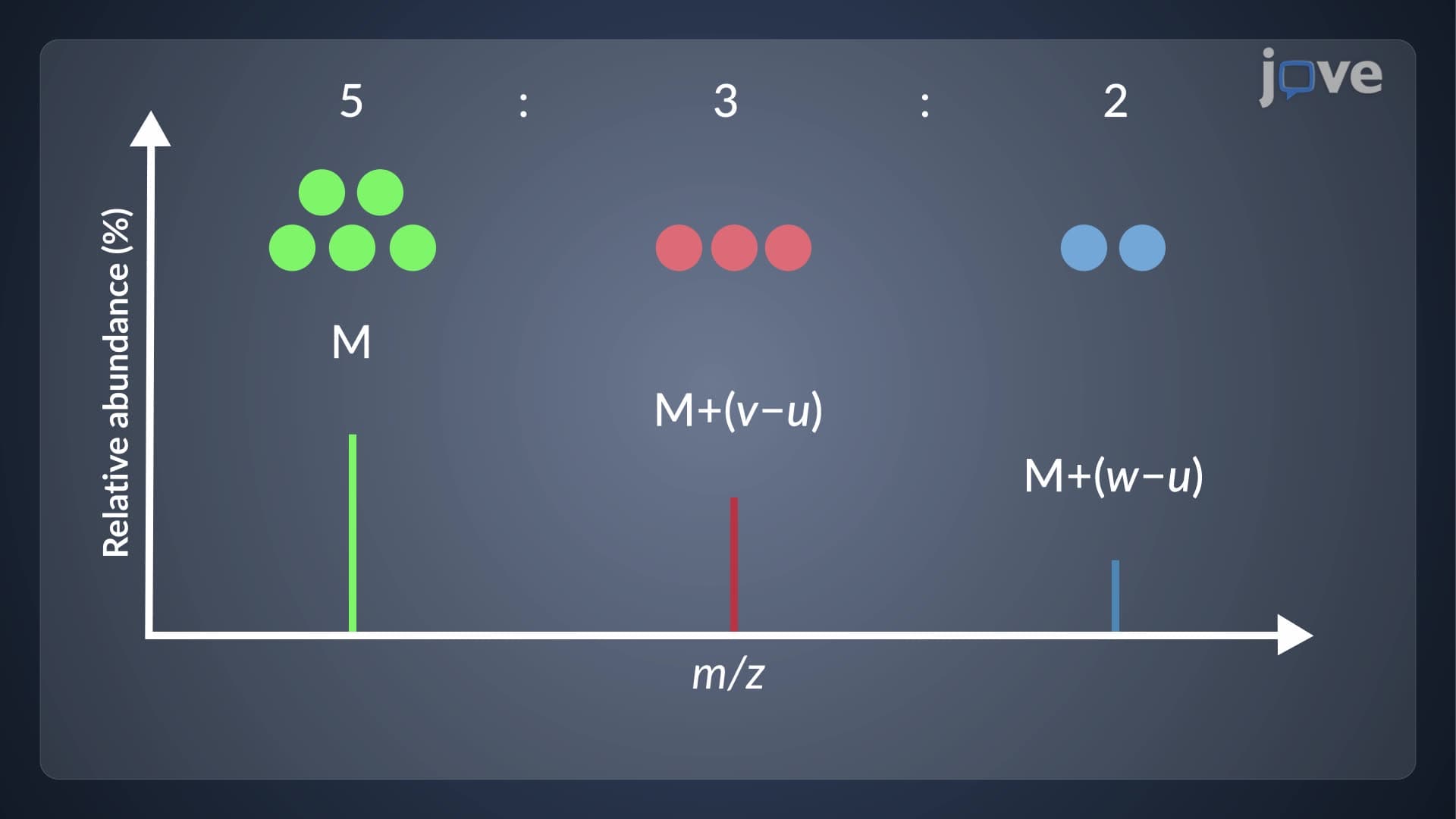
Isobaric interference represents one of the most challenging aspects of ICP-MS analysis. These interferences occur when different elements share the same mass-to-charge ratio, making them indistinguishable by the mass spectrometer. For example, iron-54 and chromium-54 both appear at m/z 54, creating potential confusion in steel analysis or environmental samples. This becomes particularly problematic in AP Chemistry labs studying transition metal complexes or in clinical laboratories analyzing blood samples for trace metals.
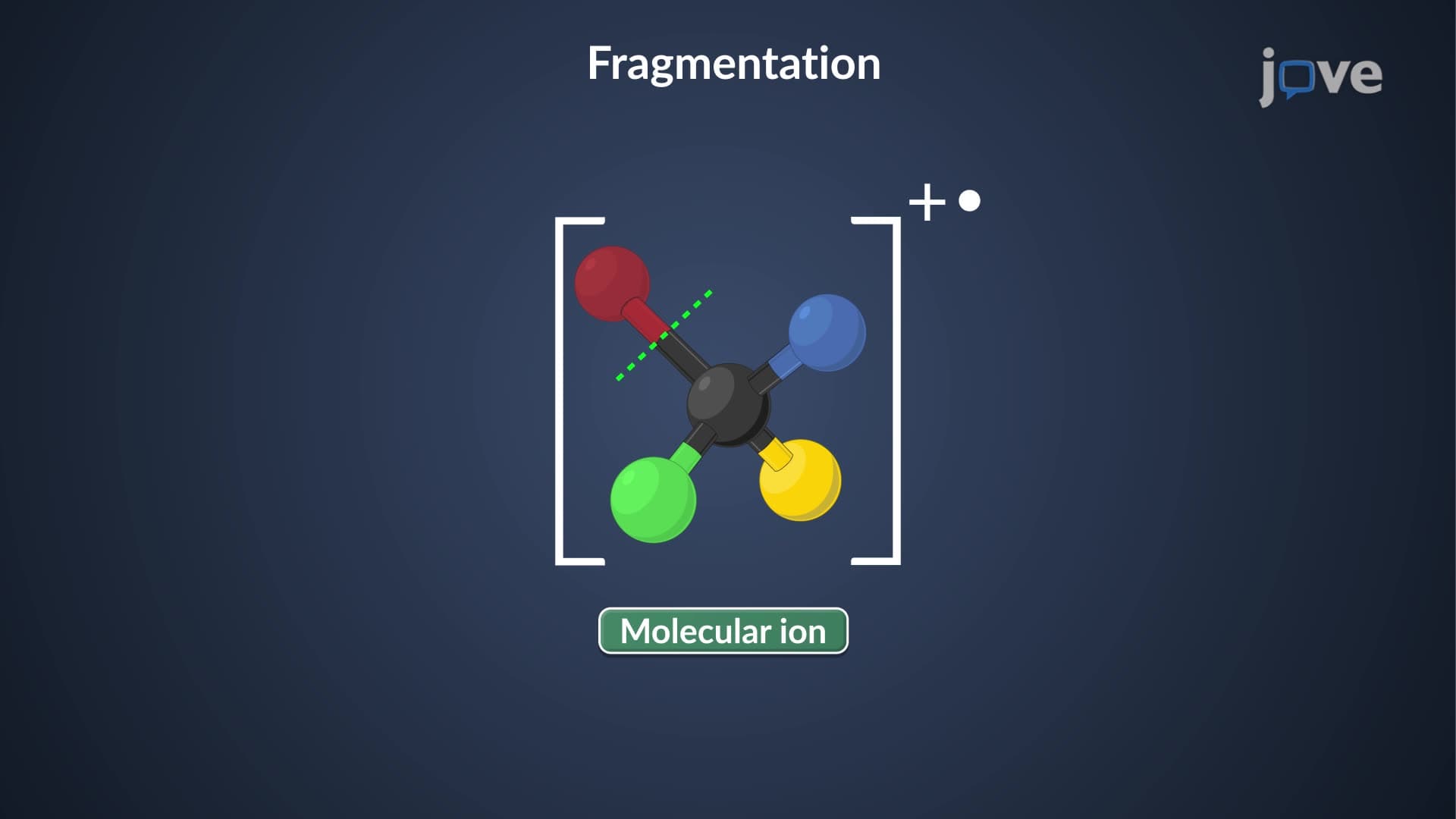
Polyatomic interference forms when plasma gases, atmospheric components, or sample matrix elements combine to create molecular ions with masses identical to target analytes. A classic example is argon chloride (ArCl+) interference at m/z 75, which overlaps with arsenic-75 analysis. This interference proves especially troublesome for EPA-mandated arsenic testing in drinking water, where accurate detection at parts-per-billion levels is crucial for public health protection.
Refractory oxide interference occurs when sample elements form stable oxide or hydroxide species that persist through the plasma. Cerium oxide (CeO+) can interfere with europium analysis, particularly relevant in rare earth element studies that support US manufacturing of electronics and renewable energy technologies.
Matrix effects represent a different challenge category, primarily involving signal suppression or enhancement due to high concentrations of matrix components. Unlike spectroscopic interferences that add false signals, matrix effects alter the efficiency of analyte ionization and transport. This phenomenon significantly impacts routine analyses in clinical laboratories, where high salt concentrations in biological samples can suppress trace element signals by 20-50%.
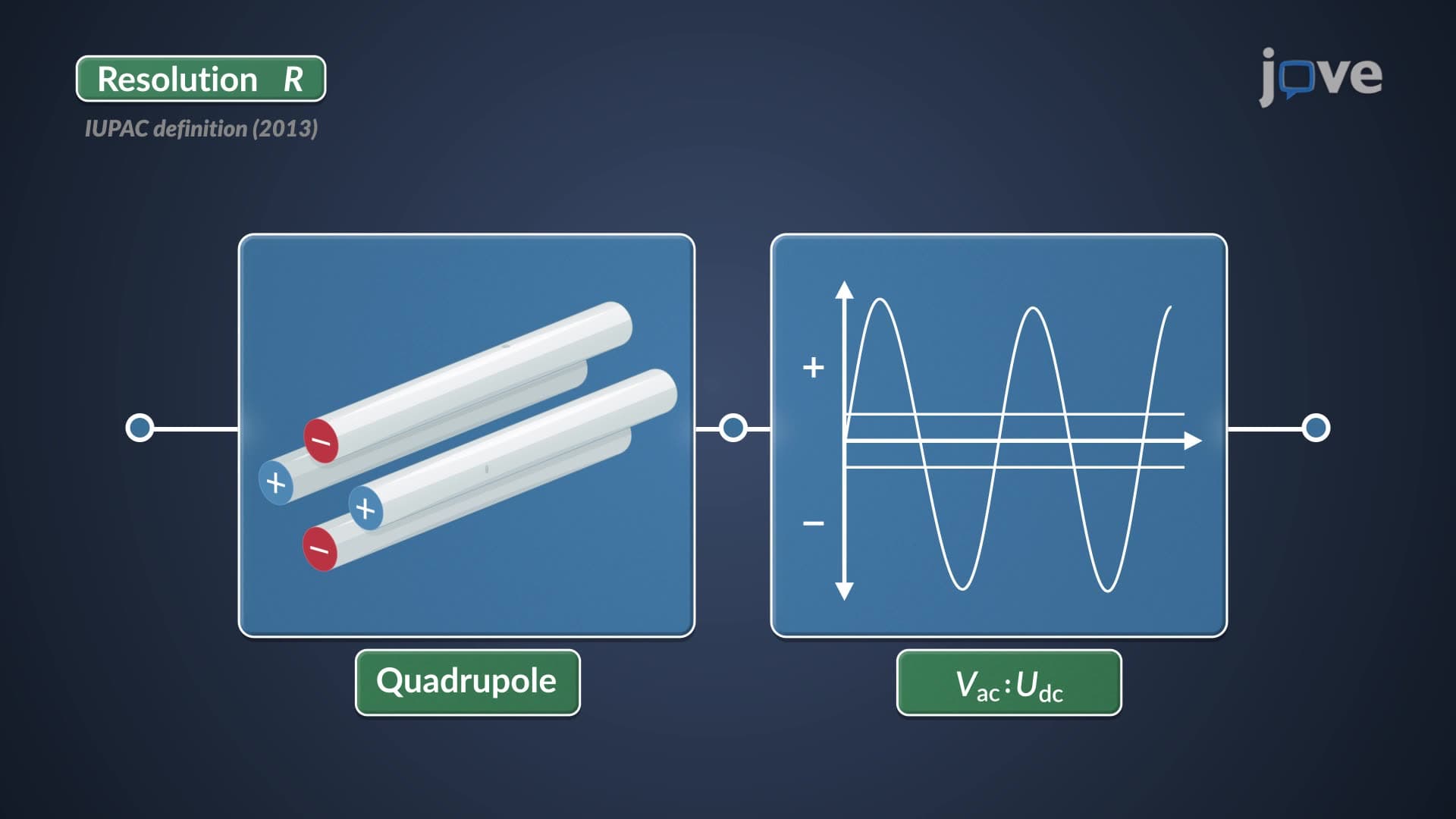
Modern ICP-MS correction methods employ several sophisticated approaches. Internal standardization using elements like rhodium or indium provides real-time correction for matrix effects and instrumental drift. Collision cell technology introduces reaction gases to eliminate polyatomic interferences through selective ion-molecule reactions. High-resolution mass spectrometry can resolve overlapping peaks that standard quadrupole systems cannot separate.
These concepts frequently appear on MCAT questions testing analytical chemistry principles and in college-level instrumental analysis courses where students learn to troubleshoot real analytical problems encountered in pharmaceutical, environmental, and clinical laboratories.
Related Micro-courses