22 Concepts
19 Concepts
14 Concepts
17 Concepts
22 Concepts
14 Concepts
13 Concepts
24 Concepts
17 Concepts
24 Concepts
27 Concepts
14 Concepts
19 Concepts
17 Concepts
15 Concepts
12 Concepts
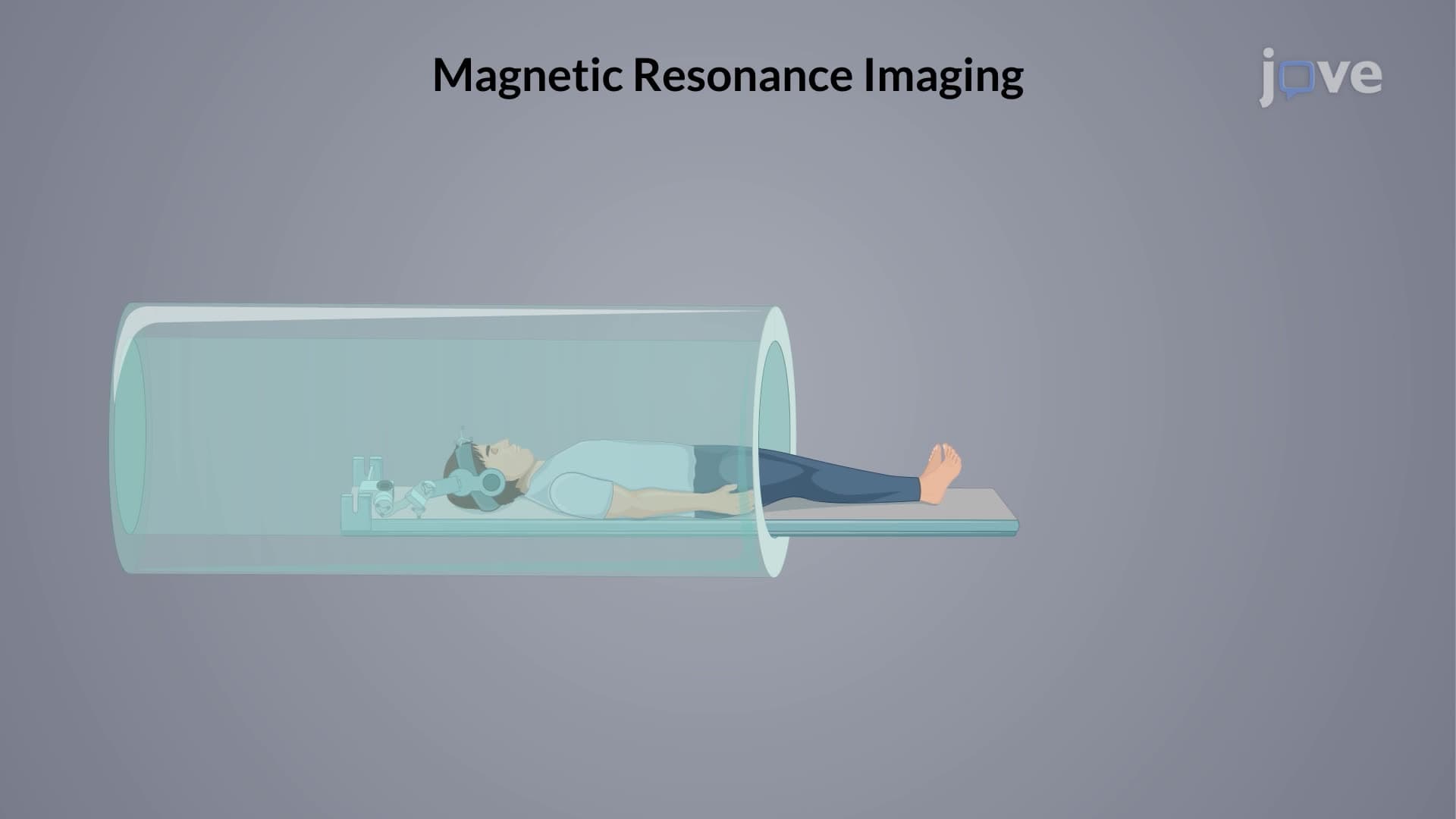
NMR principle forms the foundation of spectroscopy and medical imaging technologies used extensively across US research institutions and hospitals. This comprehensive course explores NMR fundamentals chemistry, from nuclear spin states to magnetic resonance phenomena, providing students with essential knowledge for understanding how atomic nuclei interact with magnetic fields and radiofrequency radiation. JoVE Coach guides you through complex concepts with clear explanations.
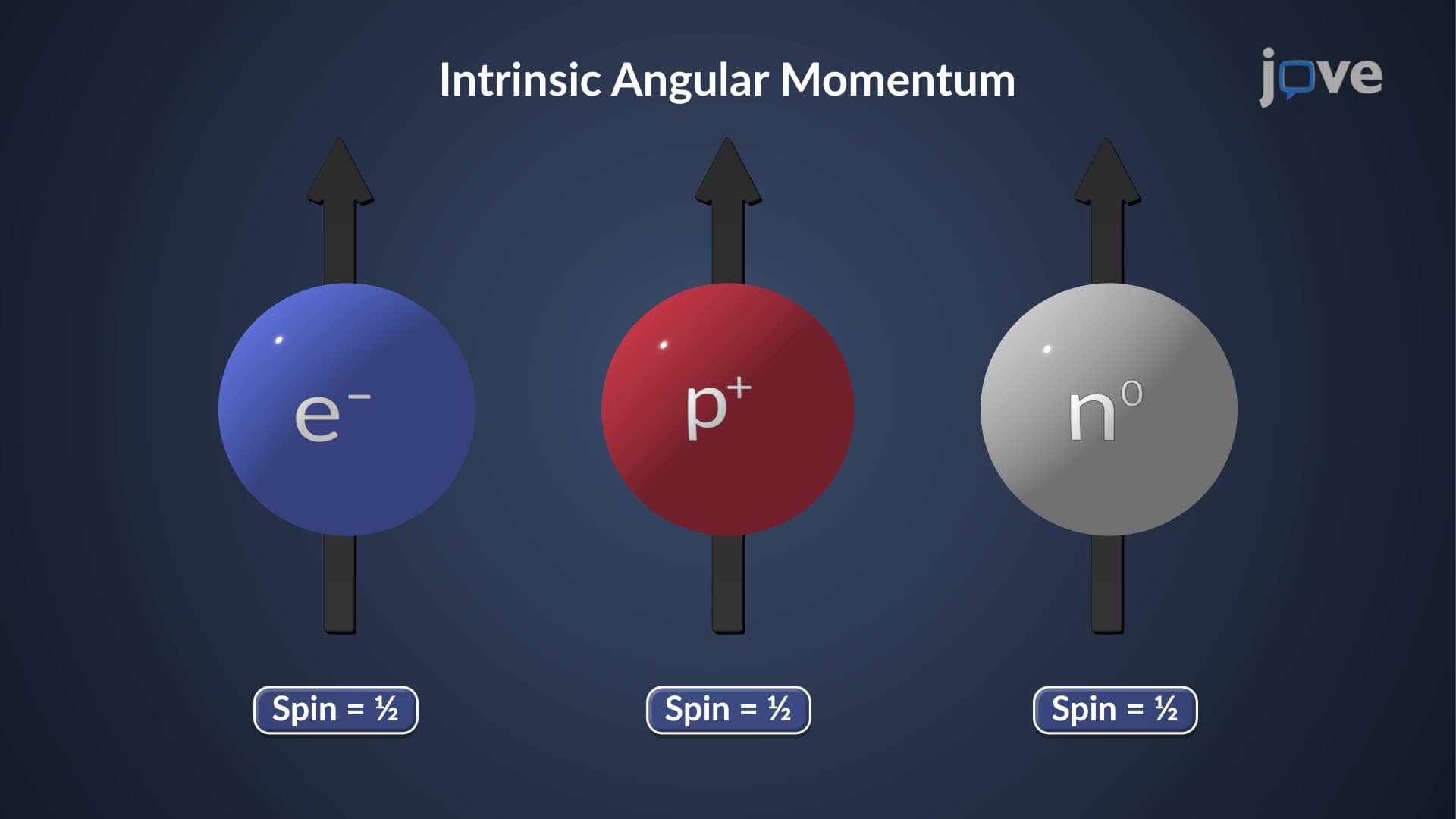
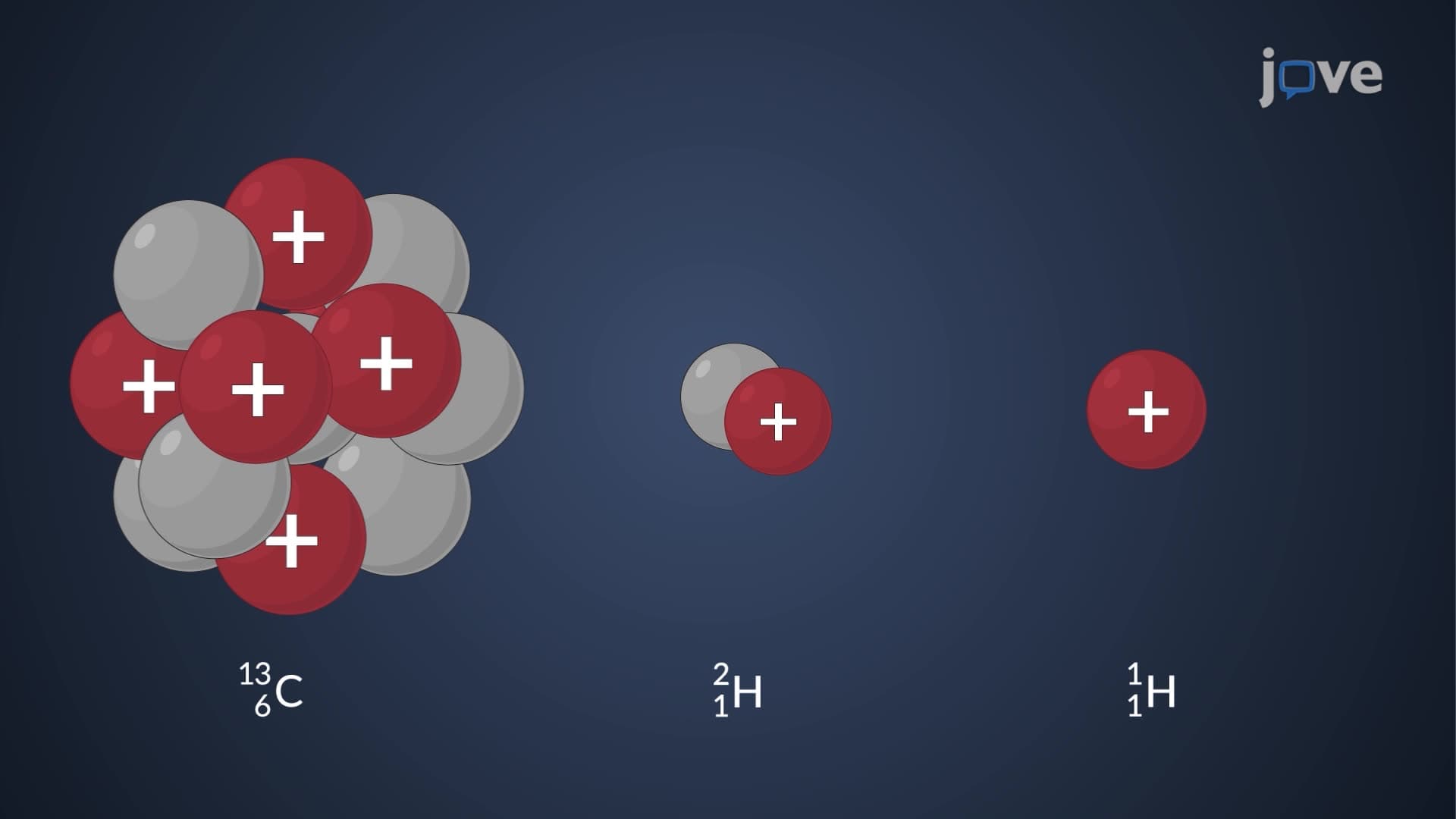
1. Nuclear Spin and Magnetic Moments: Atomic nuclei with unpaired protons or neutrons possess intrinsic angular momentum called nuclear spin, creating magnetic moments when the nucleus rotates. This fundamental property enables certain nuclei to interact with external magnetic fields, forming the basis for NMR activity. Understanding nuclear spin helps explain why hydrogen nuclei (protons) are commonly used in NMR studies, as they have a spin value of 1/2 and produce clear, interpretable signals in spectroscopic analysis.
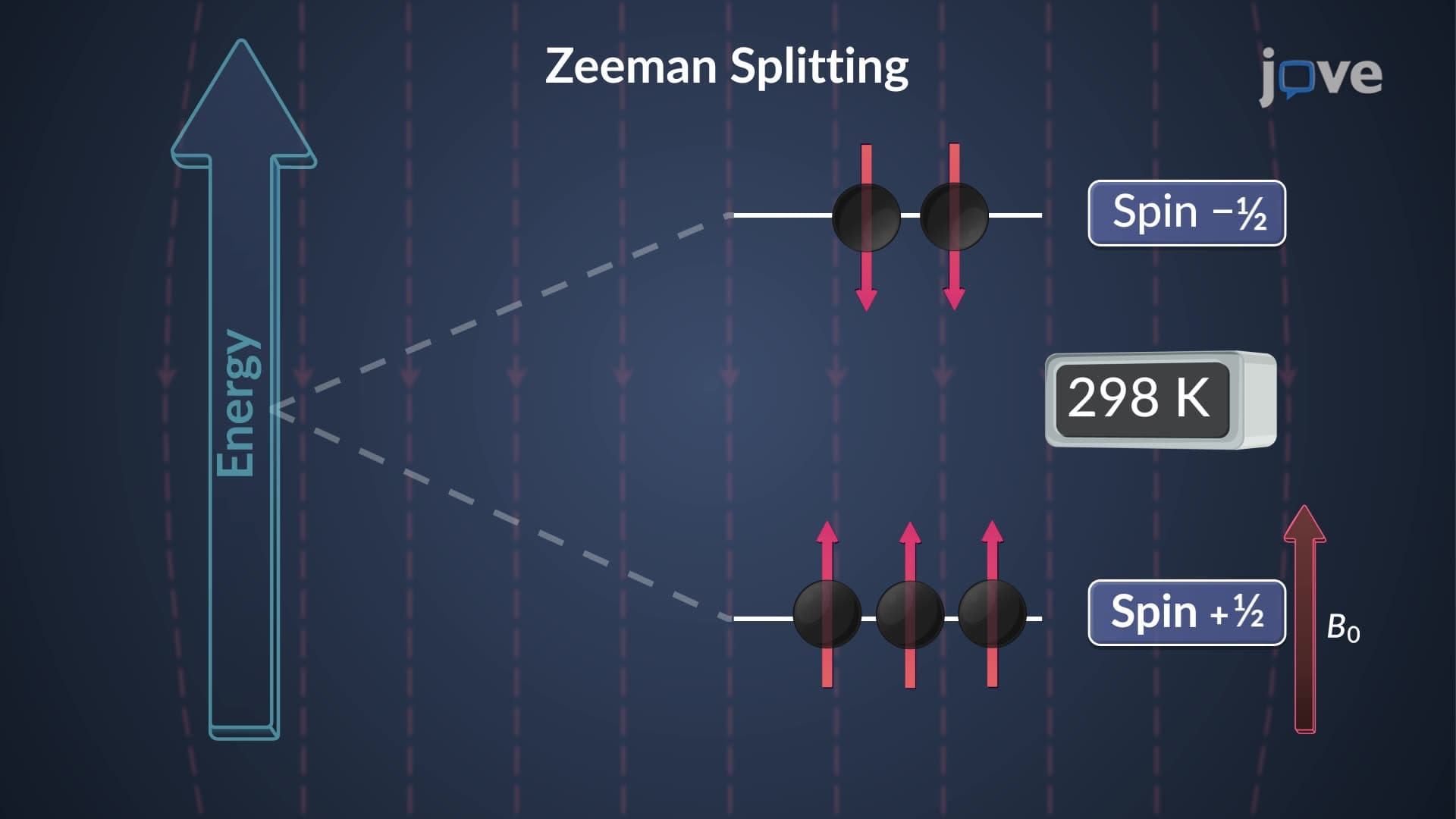
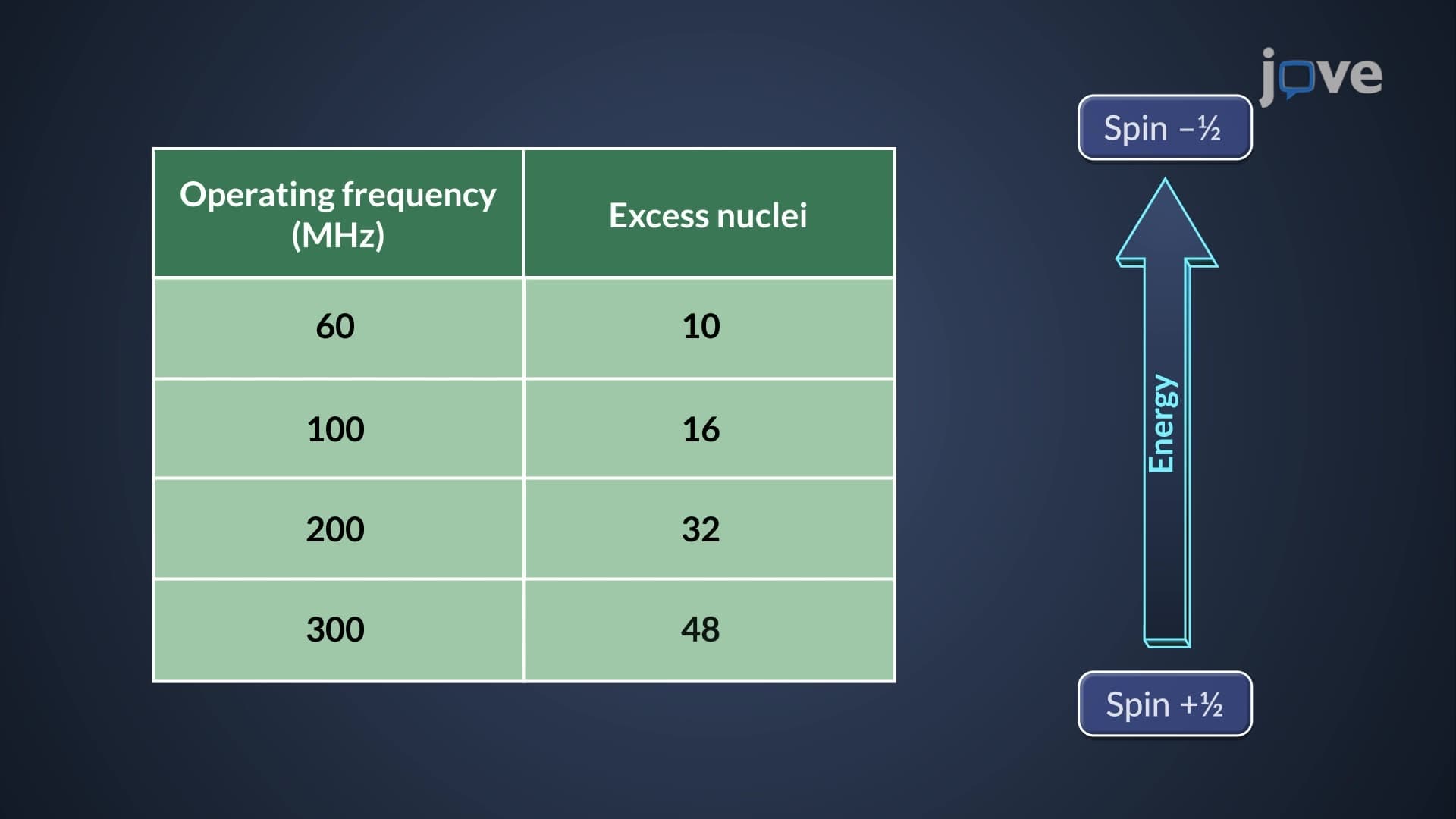
2. Energy States and Population Distribution: When NMR-active nuclei are placed in external magnetic fields, their energy states become quantized through Zeeman splitting, creating distinct spin orientations. The Boltzmann distribution governs how nuclear populations distribute between these energy levels, with slightly more nuclei occupying lower-energy states aligned with the magnetic field. This small population excess, approximately 9-10 nuclei per two million at room temperature, generates the detectable NMR signal used in spectroscopic applications.
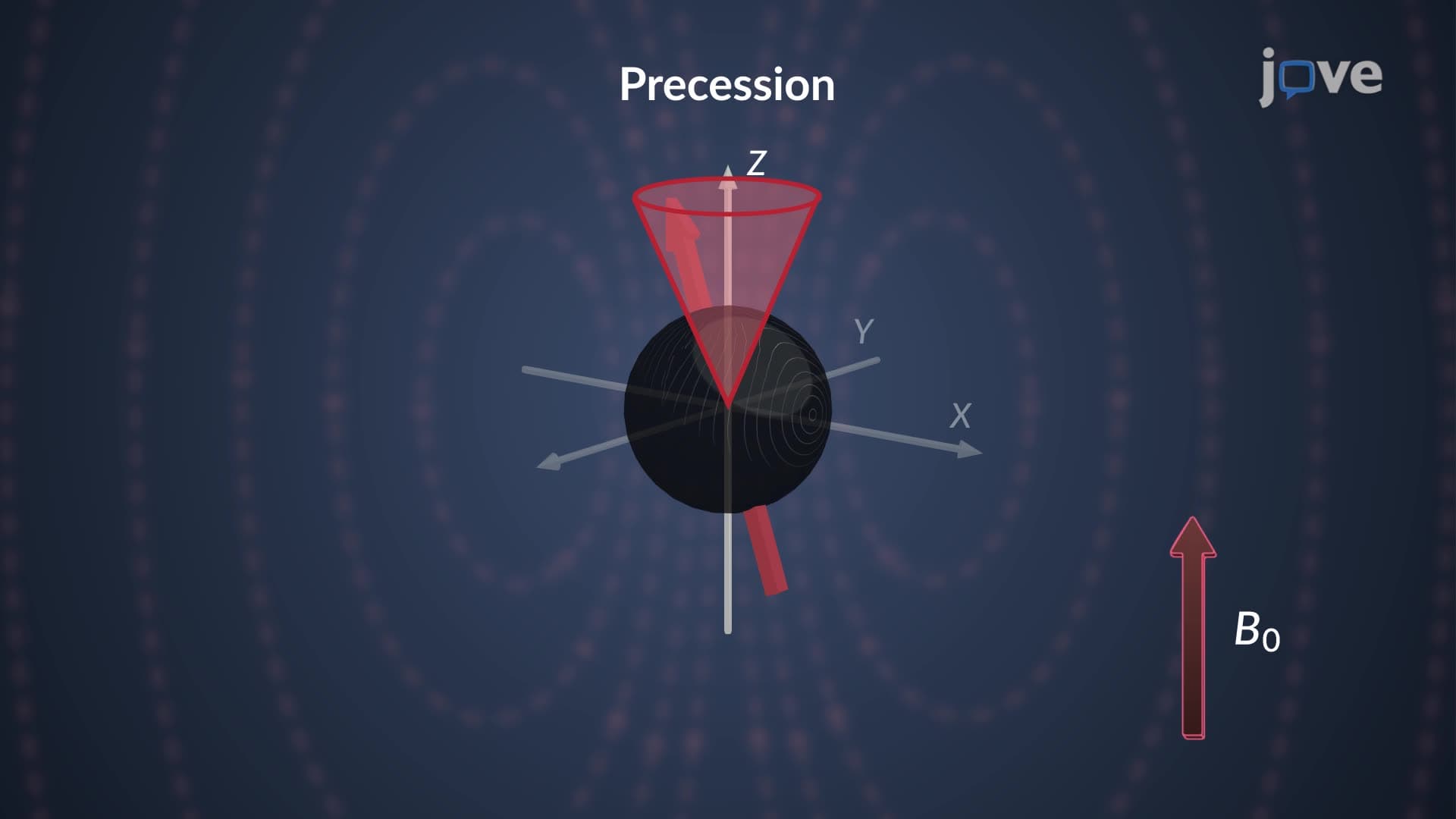
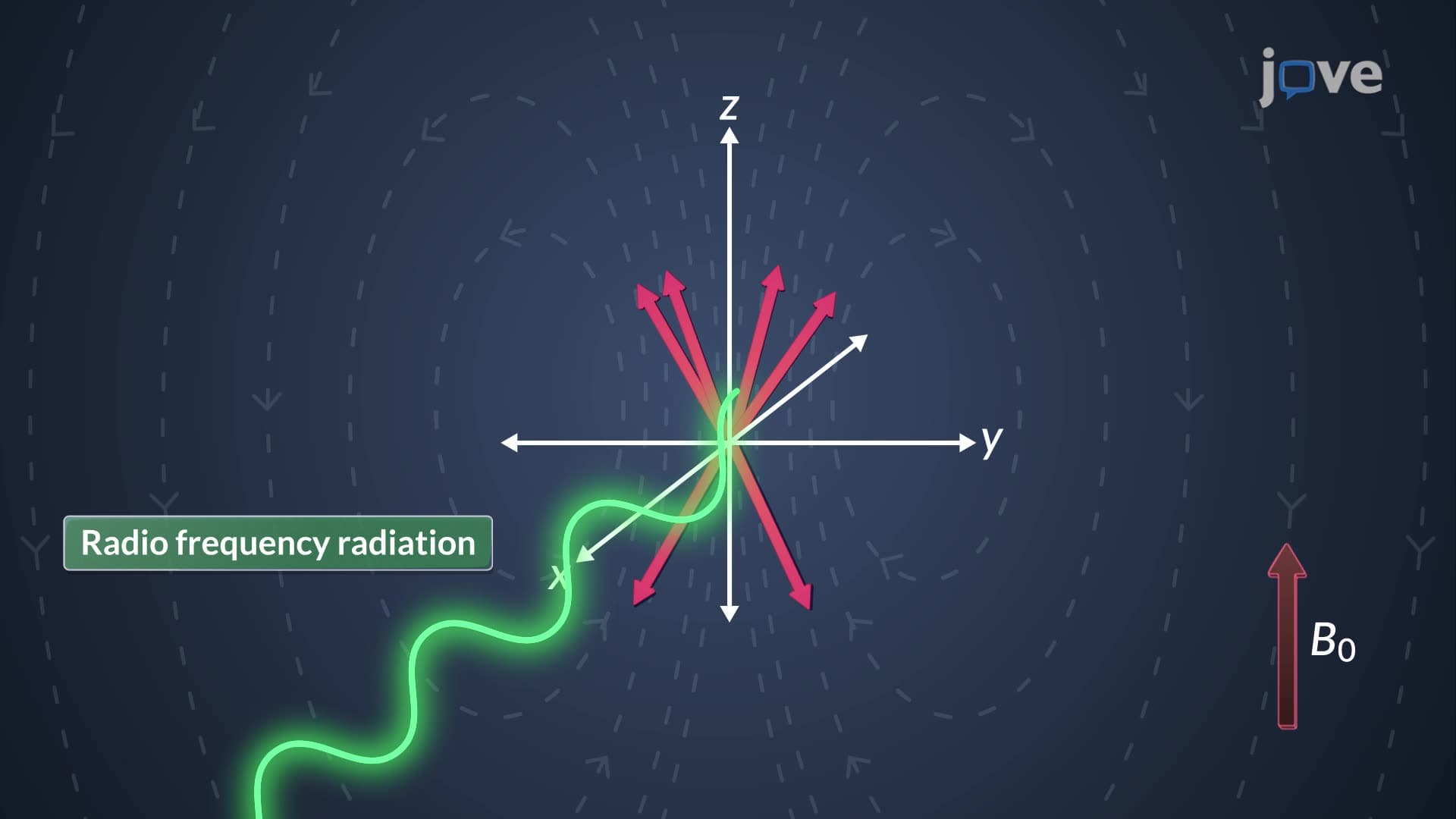
3. Larmor Precession and Resonance: Nuclear magnetic moments precess around applied magnetic fields at characteristic frequencies called Larmor frequencies, directly proportional to magnetic field strength through the magnetogyric ratio. When radiofrequency pulses matching these precession frequencies are applied, nuclei absorb energy and flip between spin states, creating the resonance condition essential for NMR spectroscopy. This frequency-dependent absorption allows scientists to identify different nuclear environments within molecular structures.
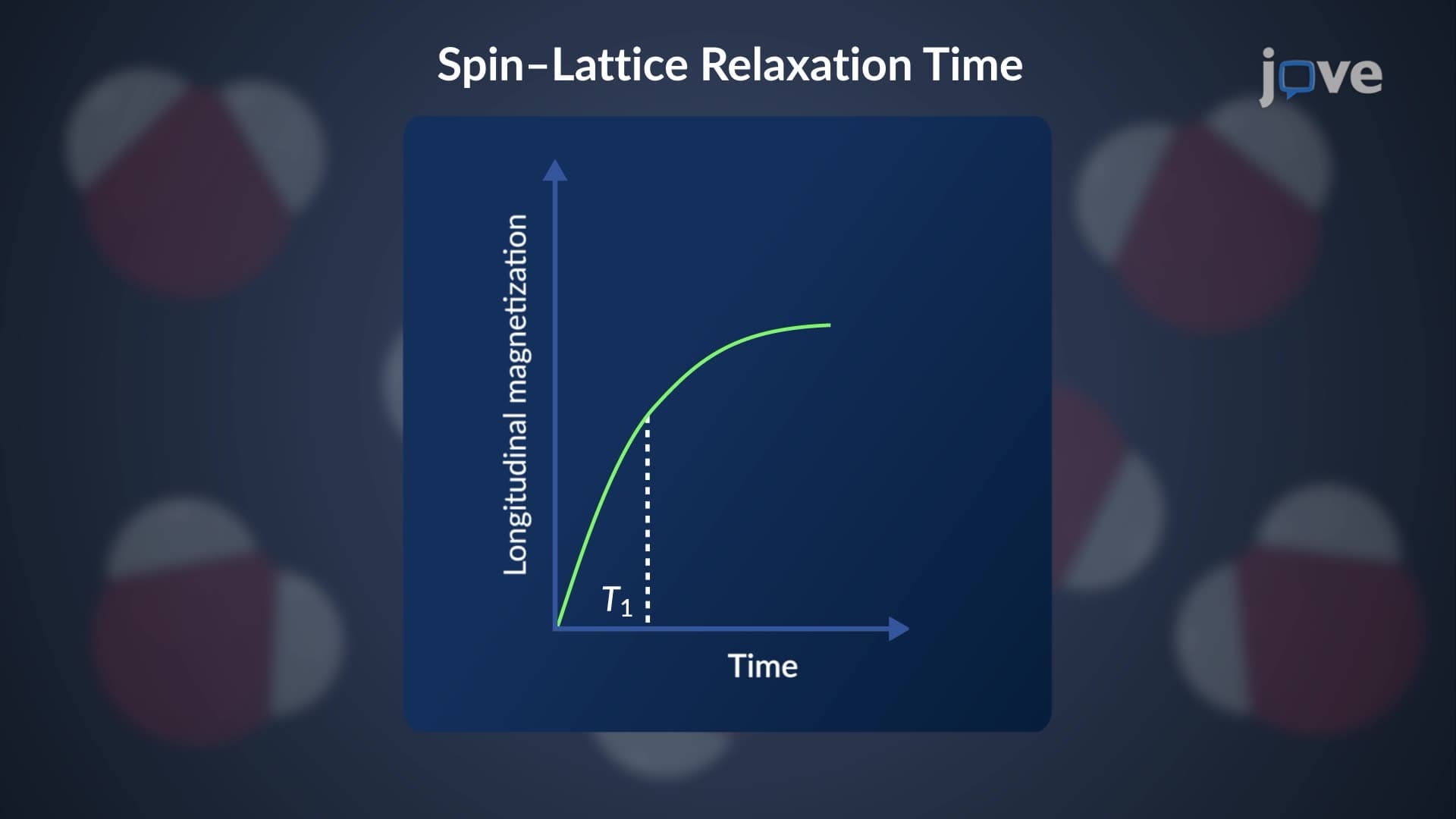
4. Nuclear Relaxation Mechanisms: After radiofrequency excitation, nuclei must return to equilibrium through relaxation processes characterized by time constants T1 and T2. Spin-lattice relaxation (T1) restores population distributions through energy transfer to surrounding molecular motion, while spin-spin relaxation (T2) causes signal decay through magnetic interactions between neighboring nuclei. Understanding these mechanisms helps optimize experimental conditions and interpret spectral line widths in analytical applications.
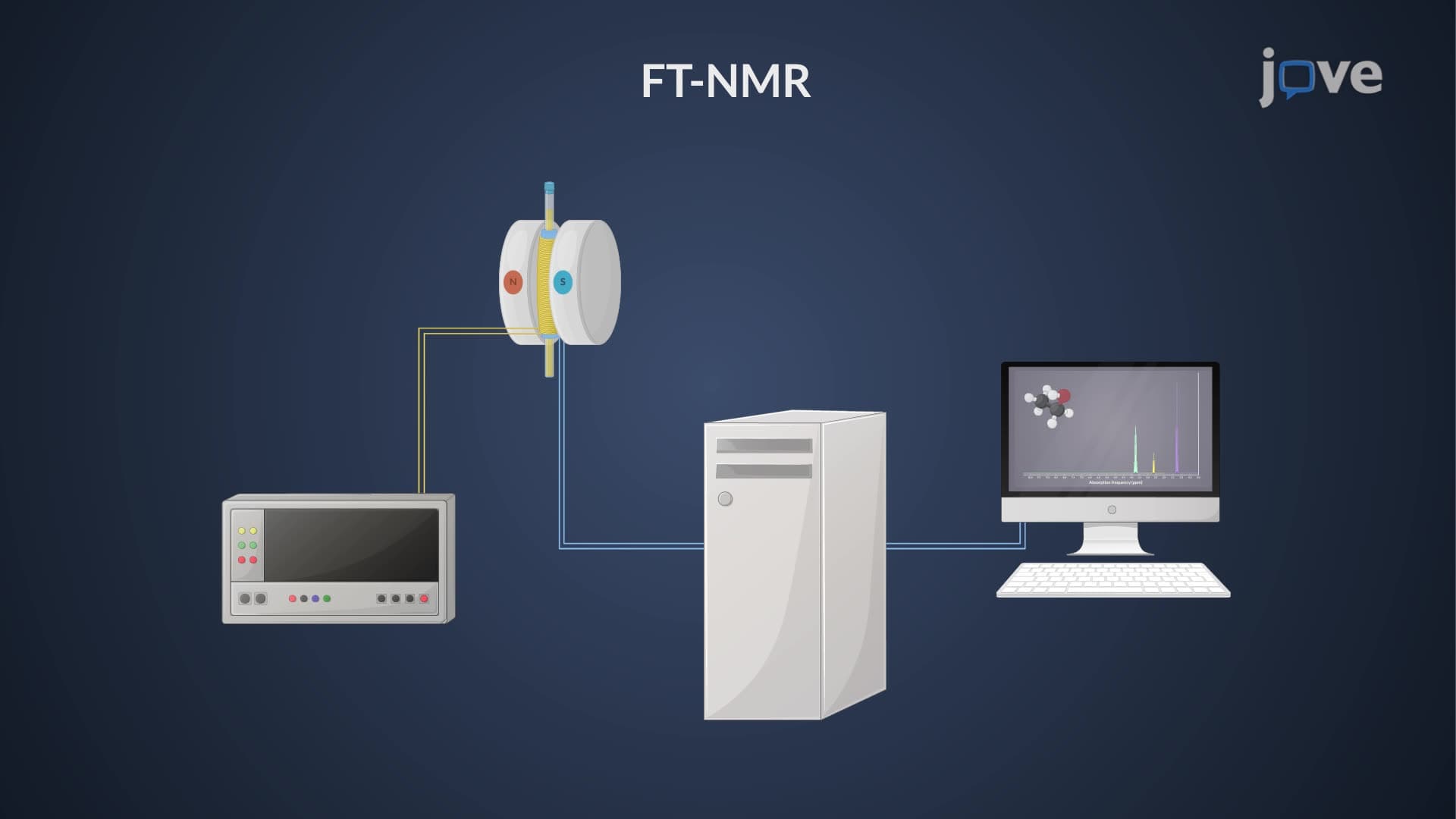
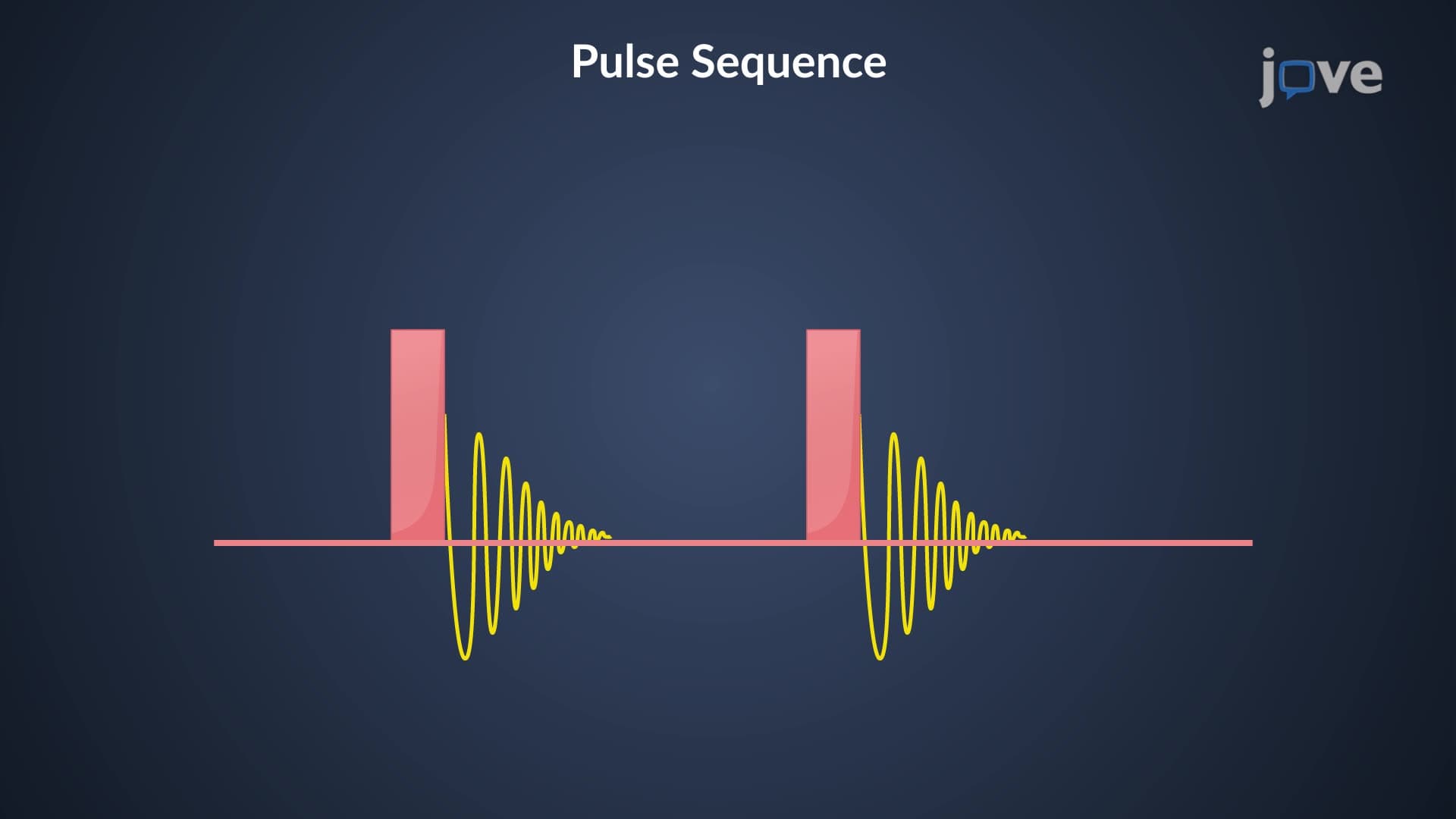
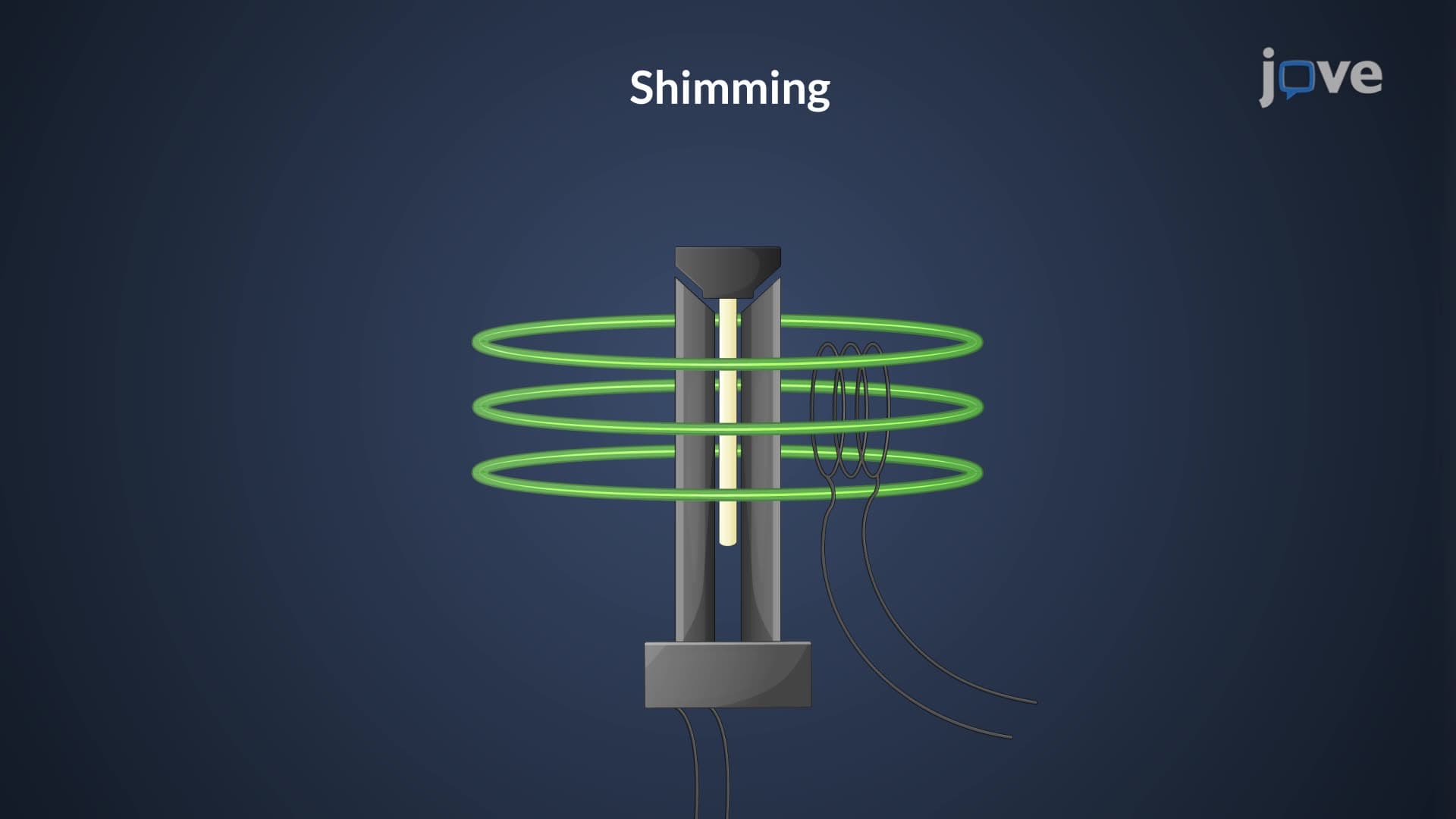
5. NMR Instrumentation and Detection: Modern NMR spectrometers use pulsed Fourier-transform methods, applying short, high-power radiofrequency pulses to simultaneously excite multiple nuclear resonances. The resulting free induction decay signals are mathematically converted into frequency-domain spectra showing characteristic absorption patterns. Magnetic field homogeneity through shimming procedures ensures high-resolution spectra suitable for detailed molecular structure determination in research laboratories across US universities.
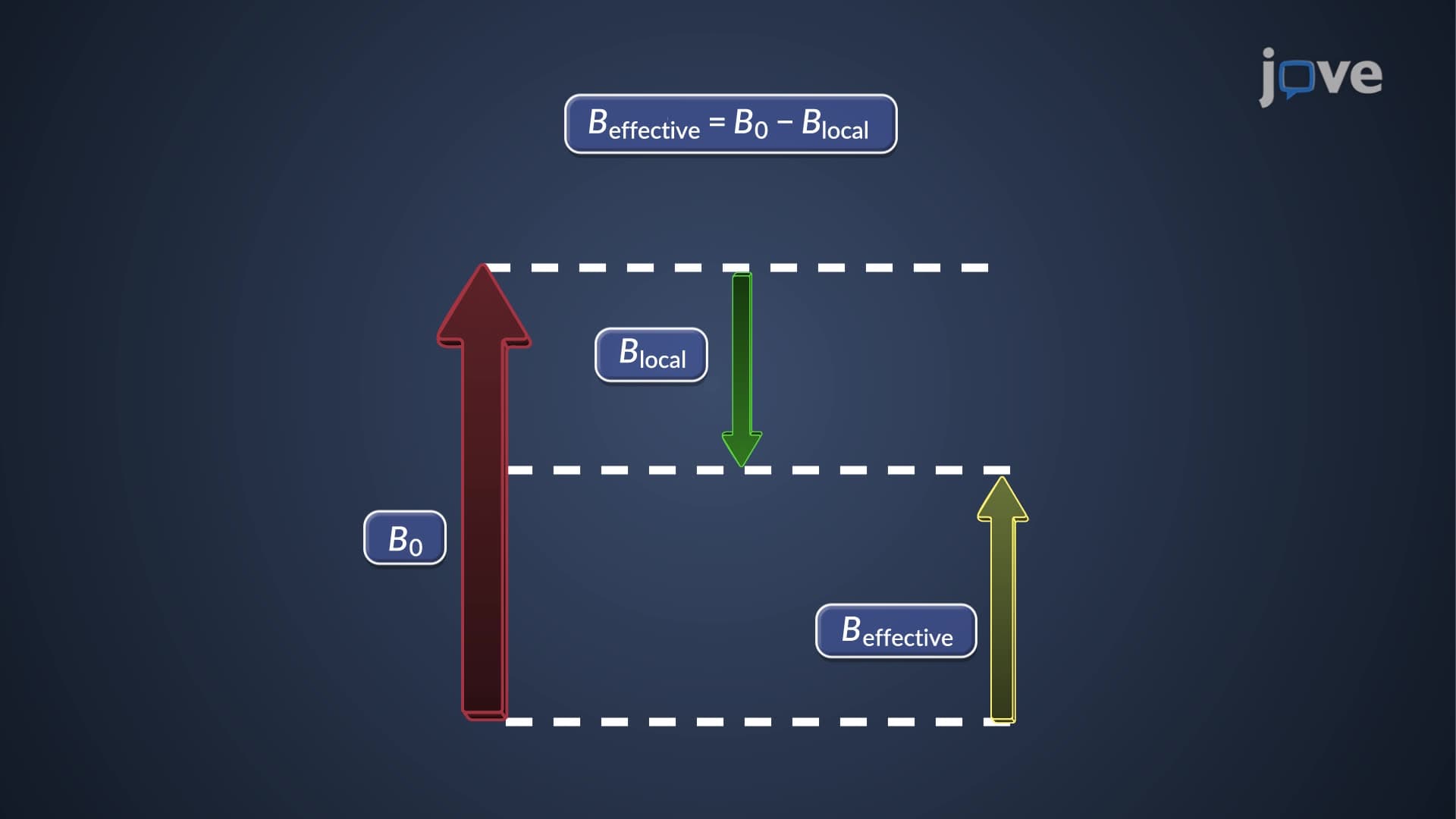
6. Chemical Shift and Shielding Effects: Electrons surrounding atomic nuclei create local diamagnetic currents when exposed to magnetic fields, partially shielding nuclei from the applied field strength. This shielding varies with electron density, causing nuclei in different molecular environments to resonate at distinct frequencies called chemical shifts. These frequency differences provide crucial information about molecular structure, enabling chemists to distinguish between carbon atoms in different functional groups or identify specific hydrogen environments in organic compounds.