Loading subject page…


24,278 views

Video Summary: What Is Atomic Nuclei Nuclear Spin
Ever wonder how MRI machines at hospitals like Mayo Clinic can peer inside your body without surgery? The secret lies in nuclear spin explained through the quantum mechanical properties of atomic nuclei. This fundamental concept reveals how protons and neutrons contribute their intrinsic angular momentum to create the overall nuclear spin property that makes advanced medical imaging possible. Understanding what atomic nuclei nuclear spin truly means unlocks the mysteries behind both chemistry textbook problems and cutting-edge diagnostic technology. Watch the full video on JoVE Coach to master this concept with expert-led visuals and step-by-step explanations.
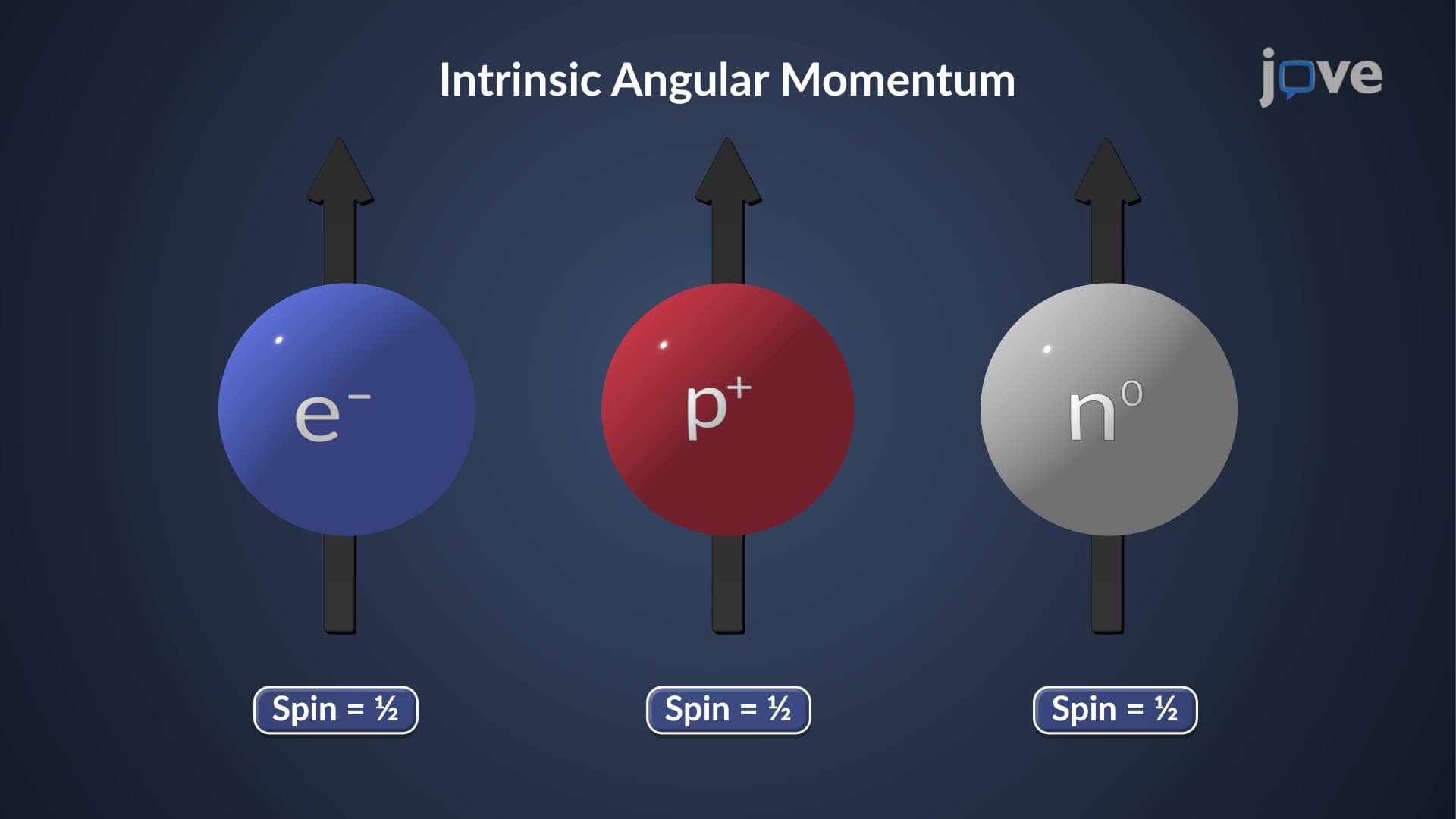
Nuclear spin explained begins with recognizing that every atomic nucleus possesses a quantum mechanical property called intrinsic angular momentum. This nuclear spin property emerges from the individual contributions of protons and neutrons, each carrying a spin quantum number of 1/2. Unlike the simplified atomic models taught in introductory chemistry, the reality involves complex quantum interactions where these nuclear particles can align or oppose each other's spins.
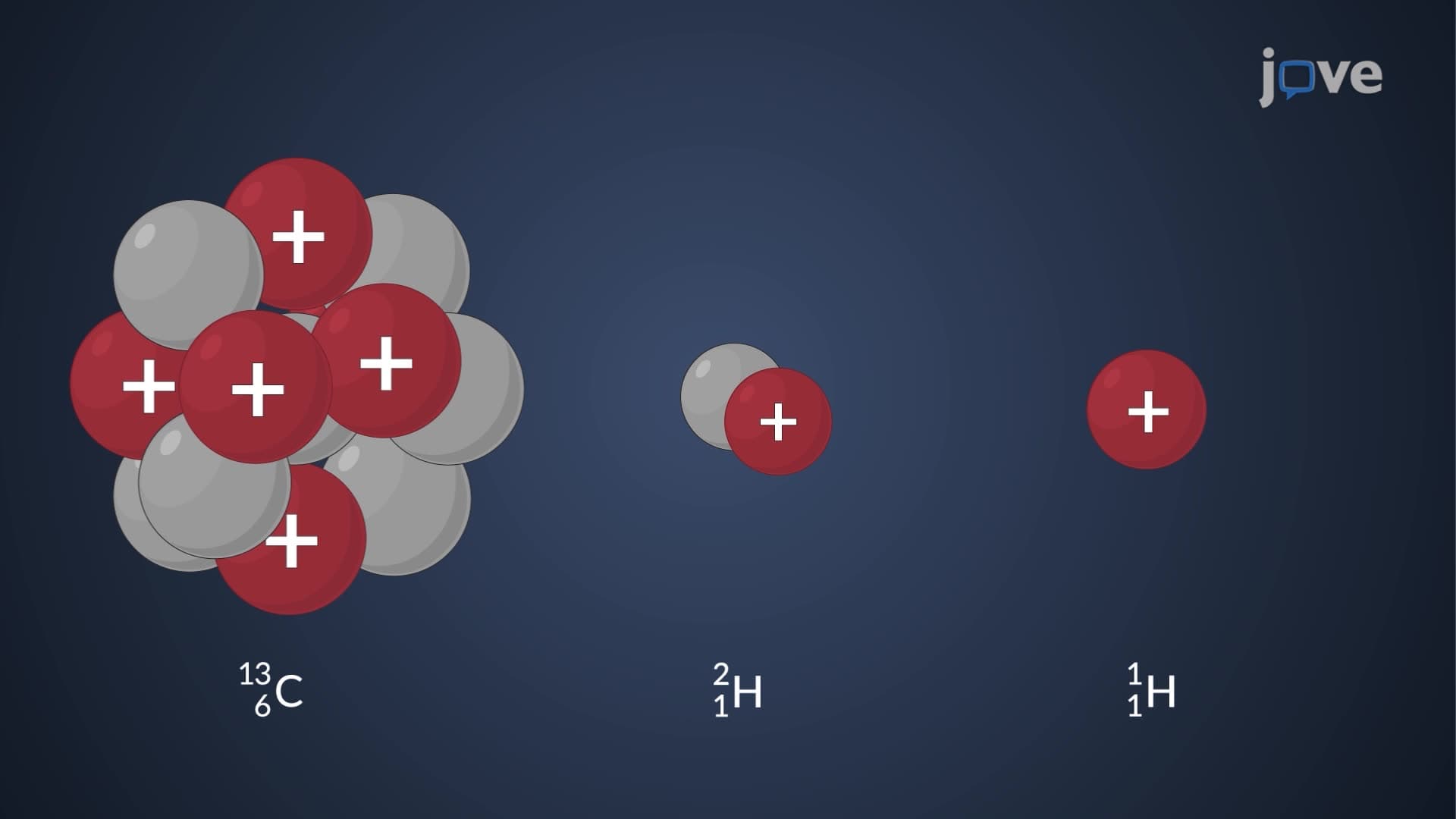
The key to understanding atomic nuclei nuclear spin chemistry lies in the pairing behavior of nuclear particles. Protons preferentially pair with other protons, while neutrons pair with neutrons. These paired particles effectively cancel each other's spin contributions, resulting in zero net angular momentum from paired nucleons. Consequently, only unpaired particles contribute to the total nuclear spin value.
This pairing principle leads to predictable patterns. When either the proton number or neutron number is odd, at least one particle remains unpaired, creating a half-integer nuclear spin (like 1/2, 3/2, 5/2). If both proton and neutron numbers are odd, two unpaired particles contribute, typically yielding integer spin values (1, 2, 3). Students preparing for AP Chemistry or college-level physical chemistry courses frequently encounter these calculations on exams.
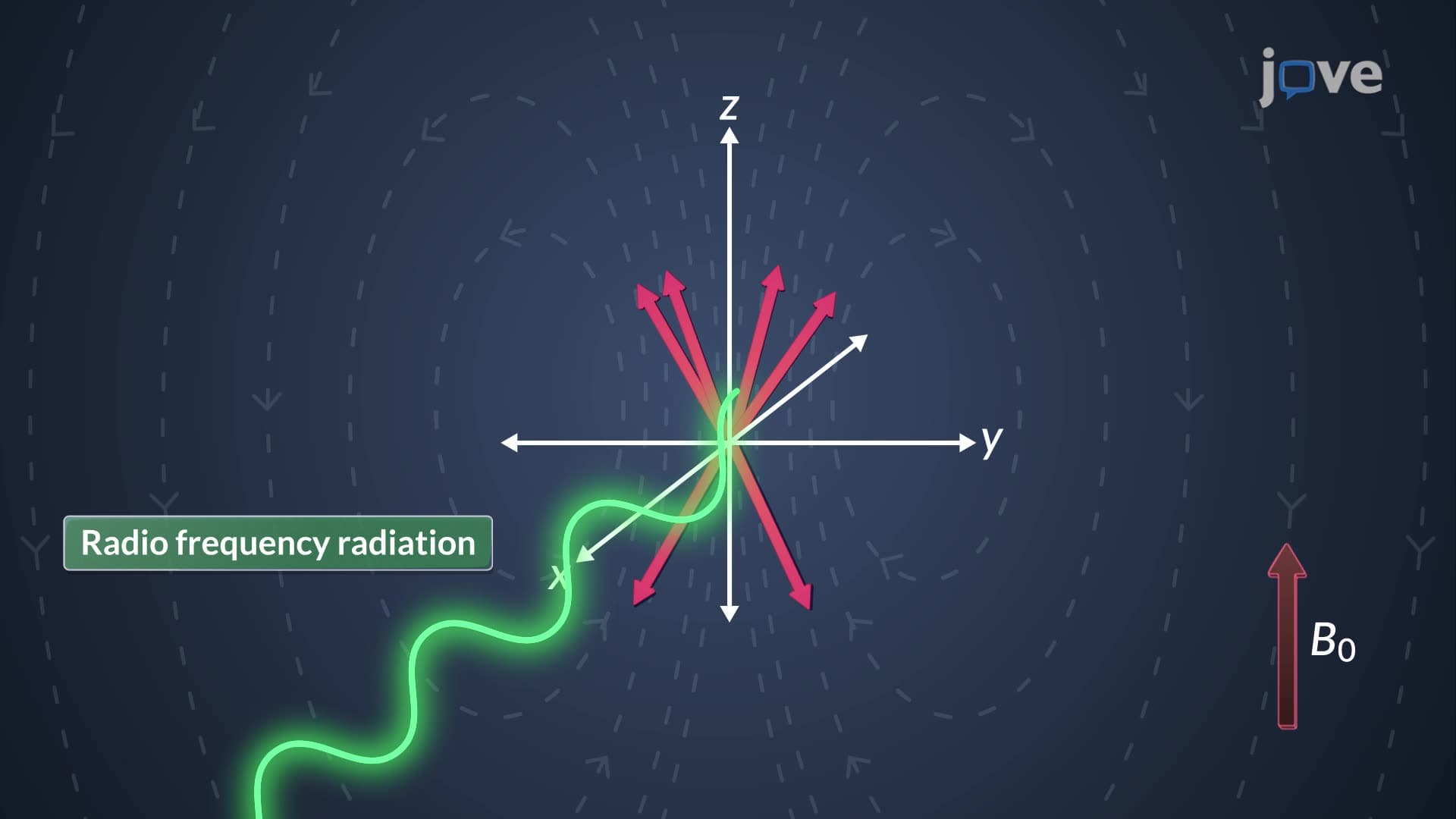
What is nuclear spin in NMR spectroscopy becomes crucial when examining which nuclei can be studied using nuclear magnetic resonance techniques. Only nuclei with nonzero spin half nuclei NMR activity can interact with external magnetic fields in ways that produce detectable signals. However, not all NMR-active nuclei are equally useful for spectroscopic analysis.
Spin-1/2 nuclei like hydrogen-1 (^1H) and carbon-13 (^13C) are particularly valuable because they possess spherical charge distributions and create symmetric electromagnetic fields. These properties result in sharp, well-resolved NMR signals that chemistry students analyze in organic chemistry laboratory courses at universities like MIT, Stanford, and UC Berkeley. Higher spin nuclei often produce broader, more complex signals due to quadrupolar interactions with surrounding electric field gradients.
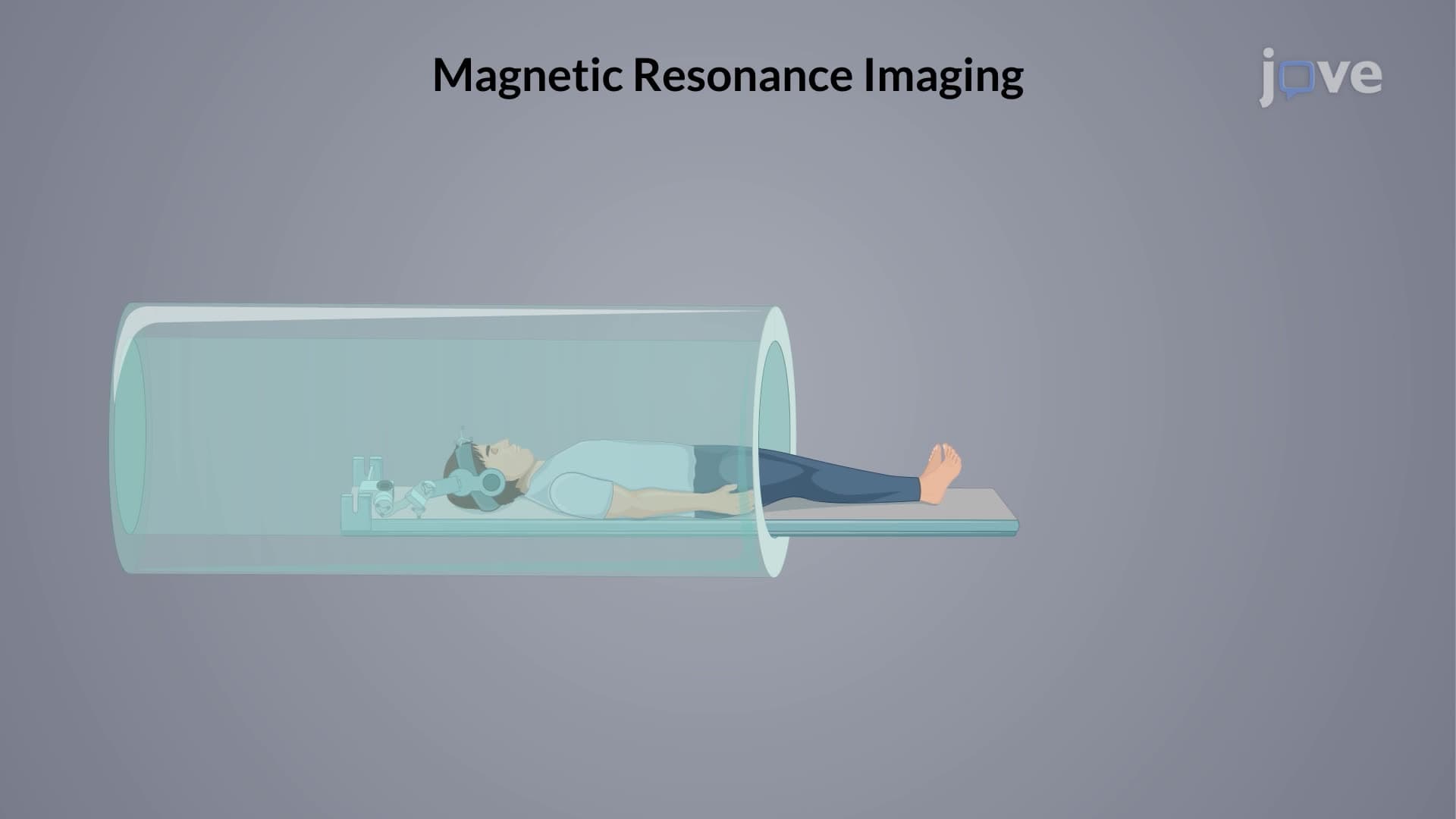
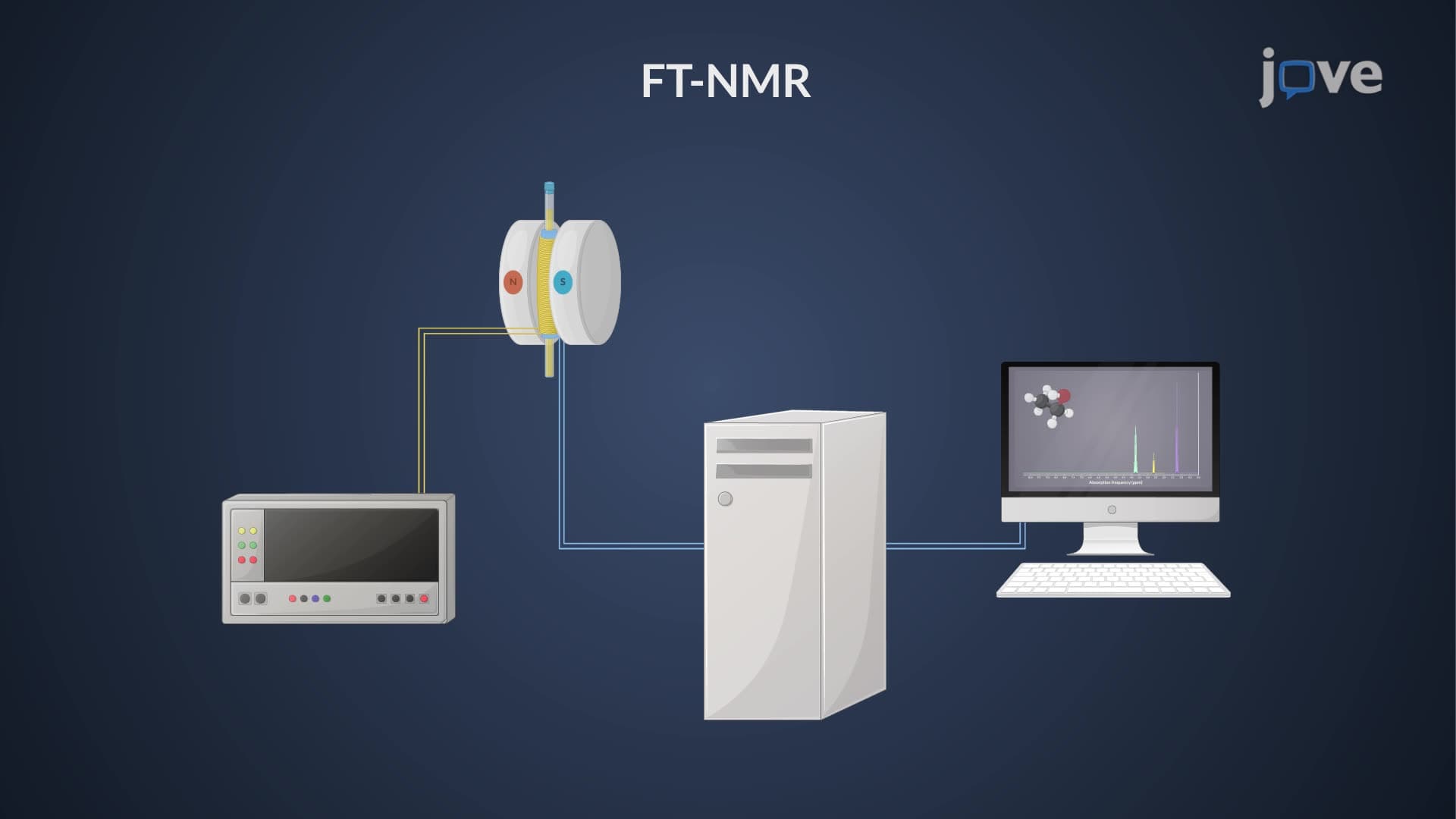
Understanding NMR active nuclei spin properties directly impacts modern analytical chemistry and medical diagnostics. In pharmaceutical companies across the United States, researchers routinely use ^1H and ^13C NMR spectroscopy to verify molecular structures of new drug compounds. Meanwhile, MRI technicians in hospitals utilize the nuclear spin properties of hydrogen atoms in water molecules to generate detailed images of internal body structures.
Students planning careers in chemistry, biochemistry, or medicine will encounter these concepts repeatedly in advanced coursework and standardized exams like the MCAT, where understanding nuclear spin mechanisms helps explain both NMR spectroscopy principles and MRI imaging physics.
Related Micro-courses