Loading video…


 13 Concepts
 24.3K views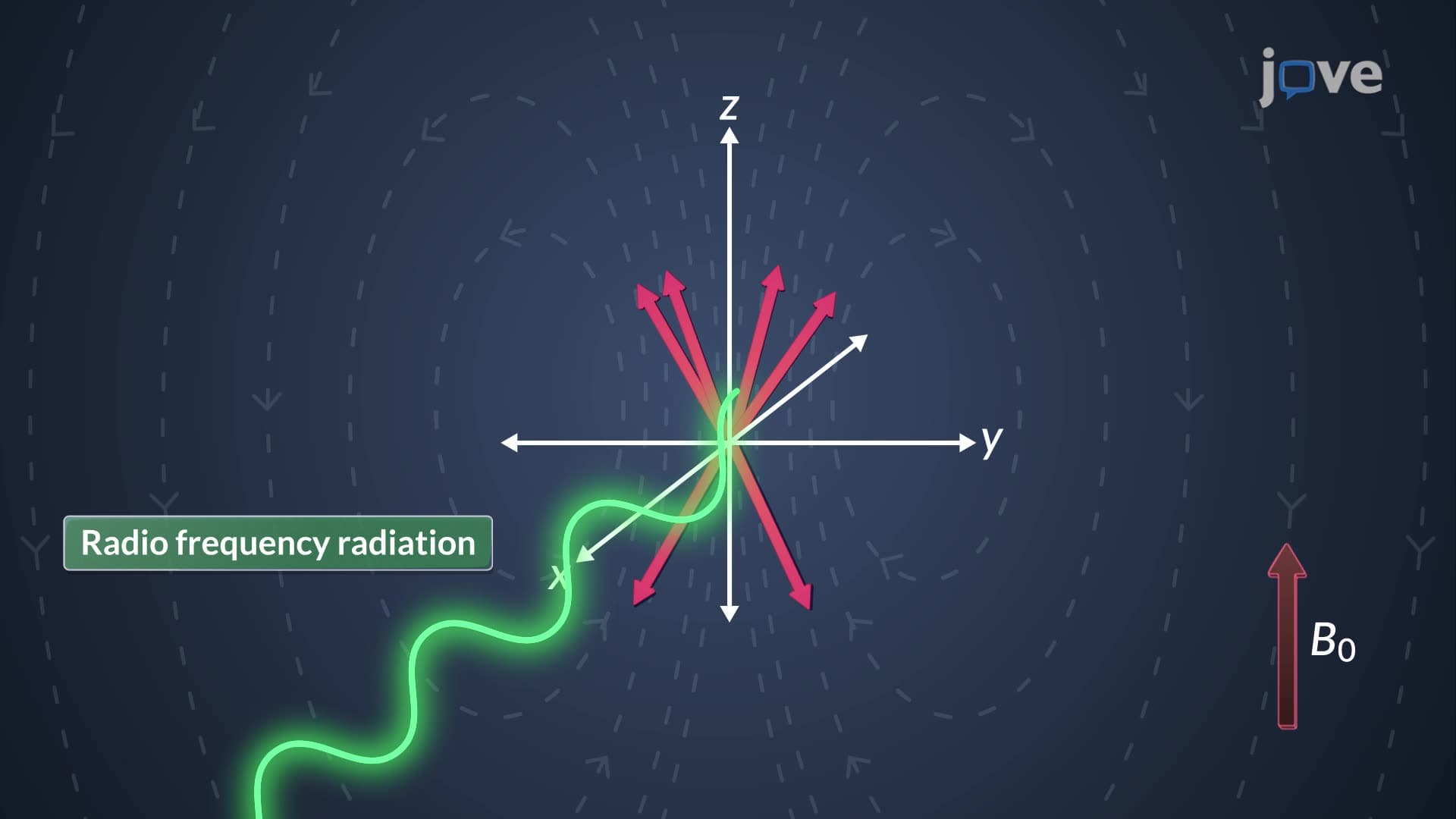

Video Summary: Atomic Nuclei Nuclear Relaxation Processes Explained
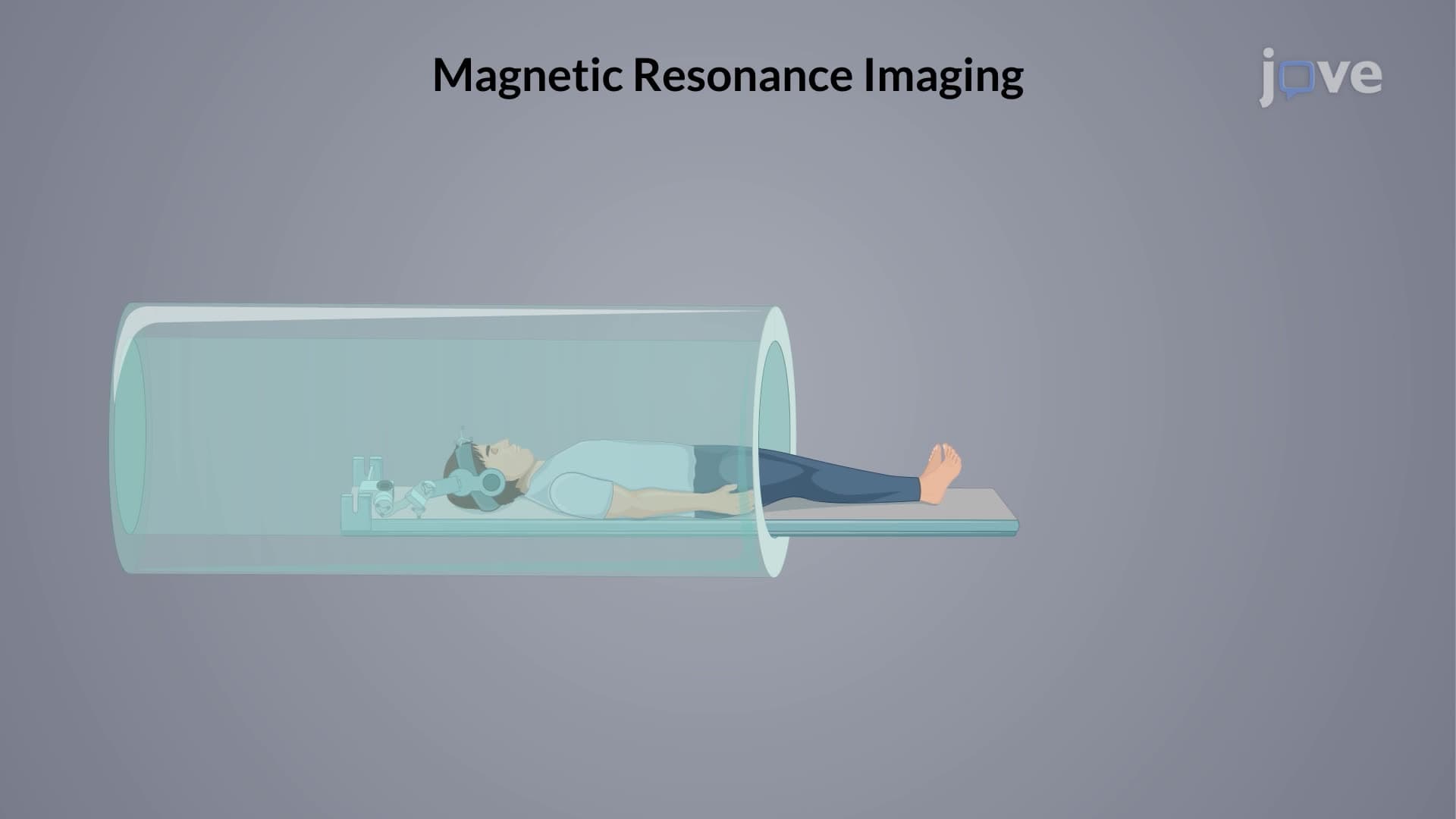
Did you know that MRI machines at hospitals like Mayo Clinic rely on nuclear relaxation processes to create detailed images of your brain and organs? Nuclear relaxation processes occur when excited atomic nuclei return to their ground state after absorbing radiofrequency energy, releasing the absorbed energy in a predictable pattern. This fundamental mechanism underlies advanced medical imaging and analytical chemistry techniques used across the United States. Watch the full video on JoVE Coach to master this concept with expert-led visuals and step-by-step explanations.
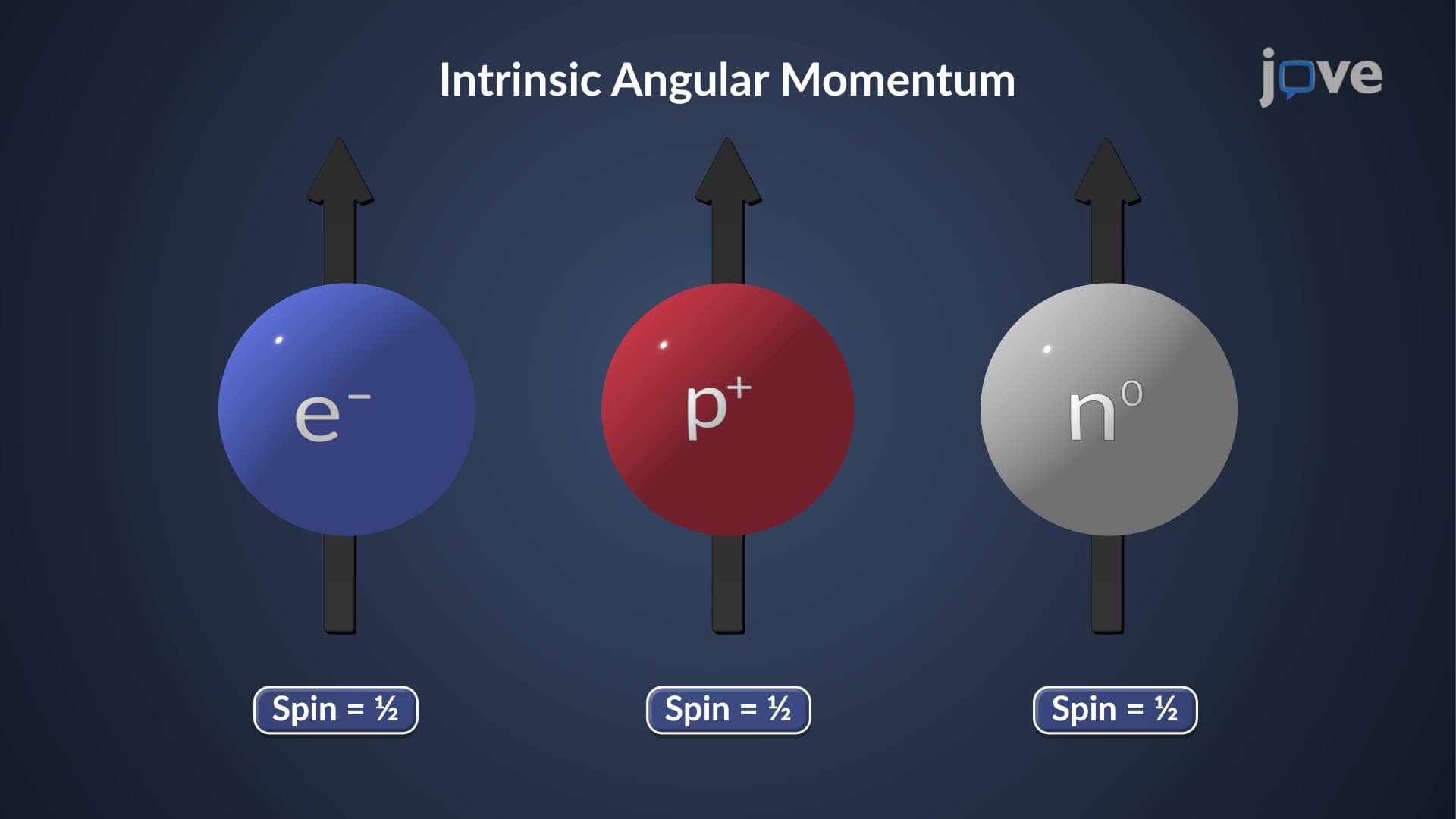
Nuclear relaxation processes represent fundamental quantum mechanical phenomena where atomic nuclei return to thermodynamic equilibrium after electromagnetic disturbance. In the presence of strong magnetic fields-like those found in research-grade NMR spectrometers at universities such as Stanford or MIT-nuclear spins naturally align according to Boltzmann statistics, creating measurable net magnetization.
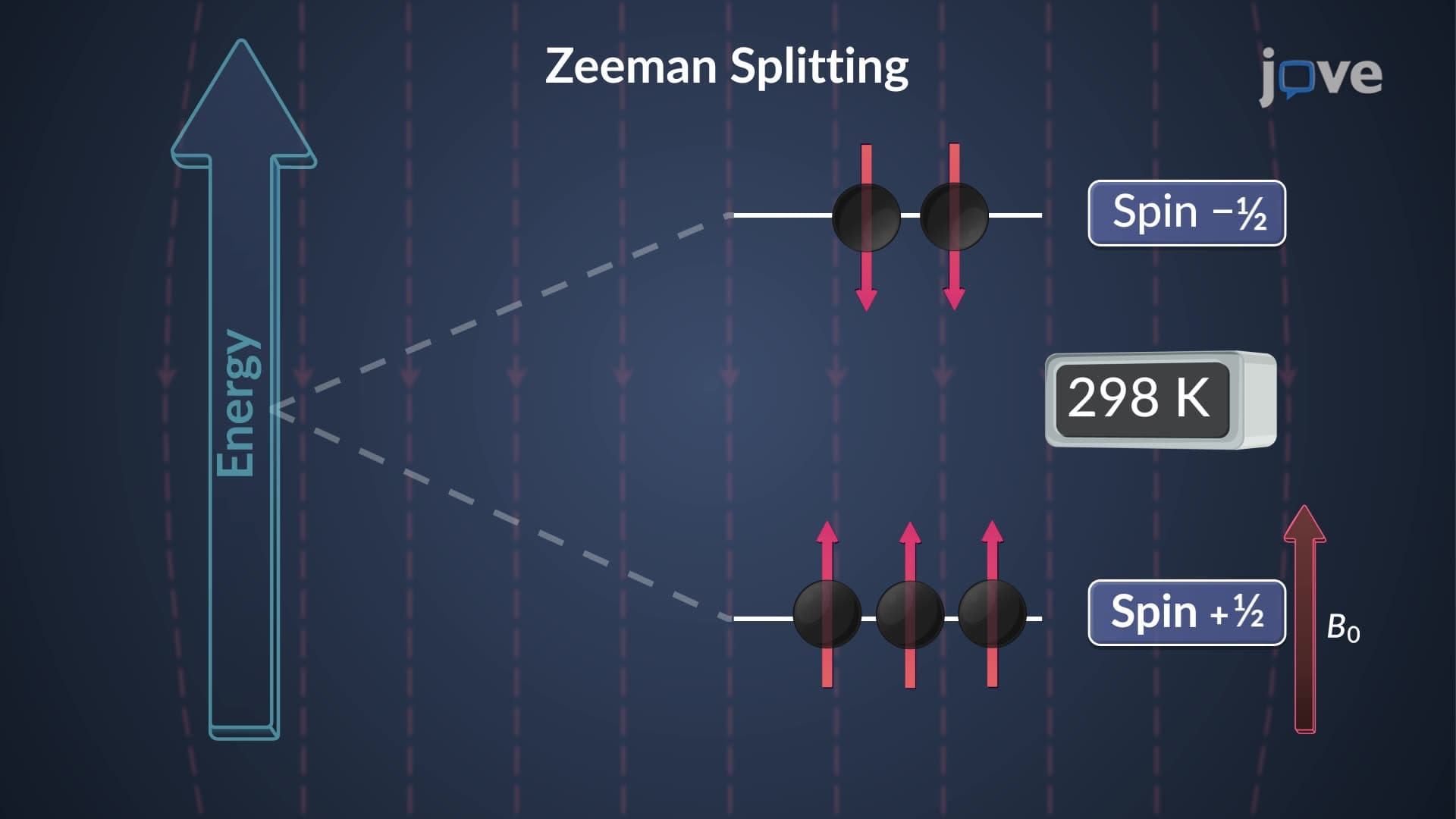
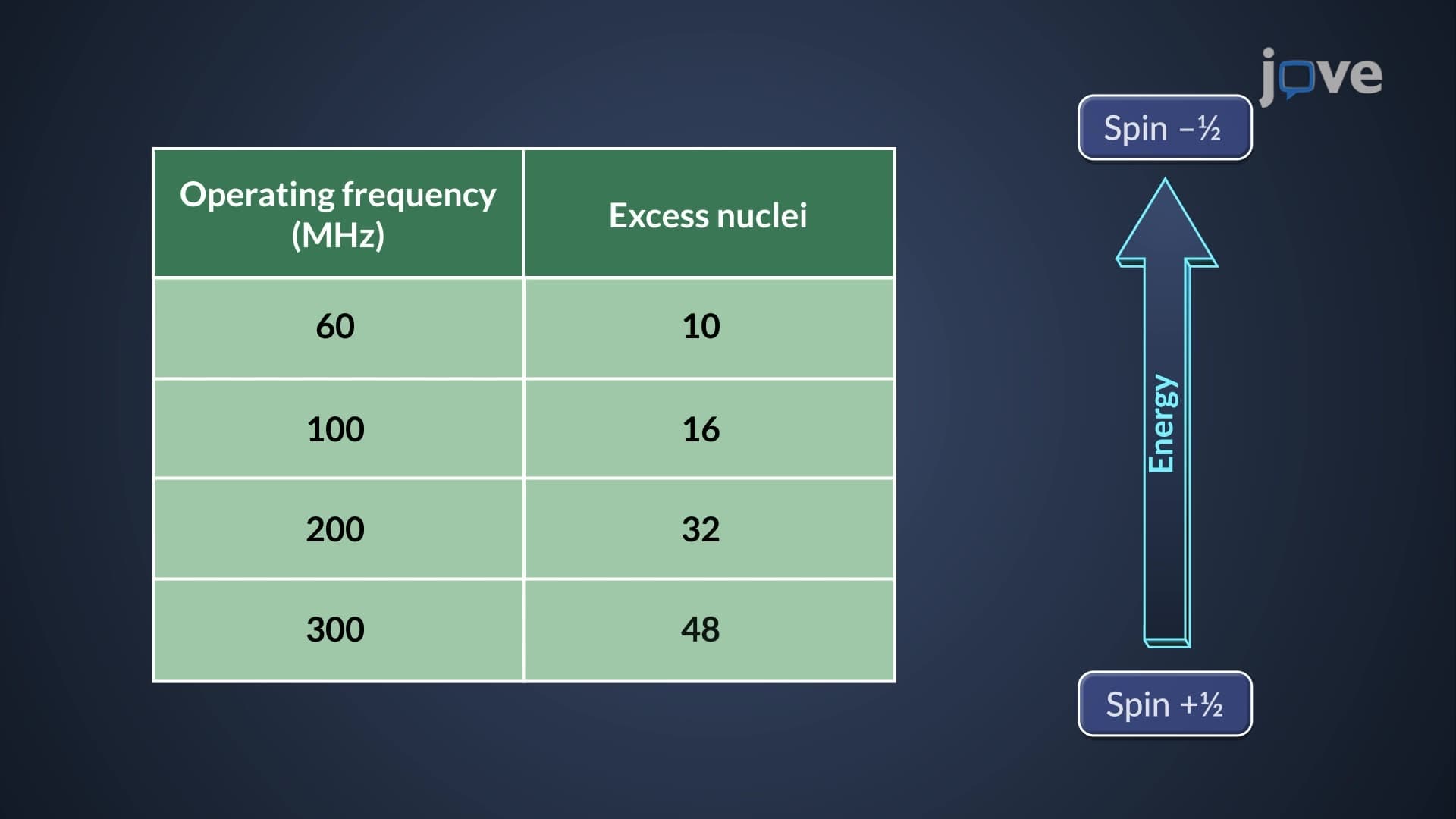
The foundation of nuclear relaxation lies in energy state populations. At room temperature, slightly more nuclei occupy lower energy spin states than higher energy states, following Boltzmann distribution. This population imbalance creates net magnetization along the magnetic field direction (z-axis). When radiofrequency pulses match the energy gap between spin states-typically in the megahertz range for proton NMR-nuclei absorb energy and transition to higher energy states.
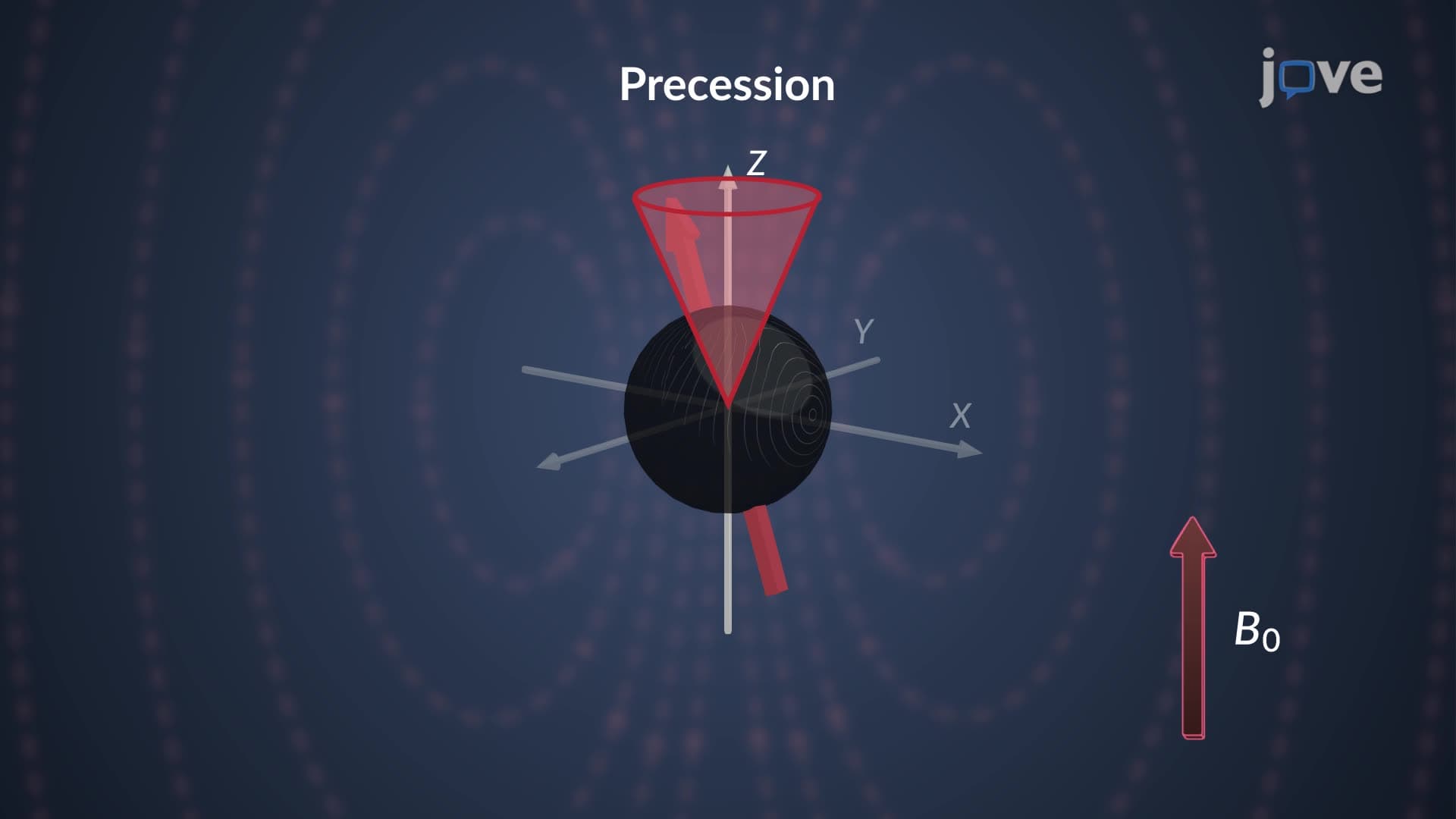
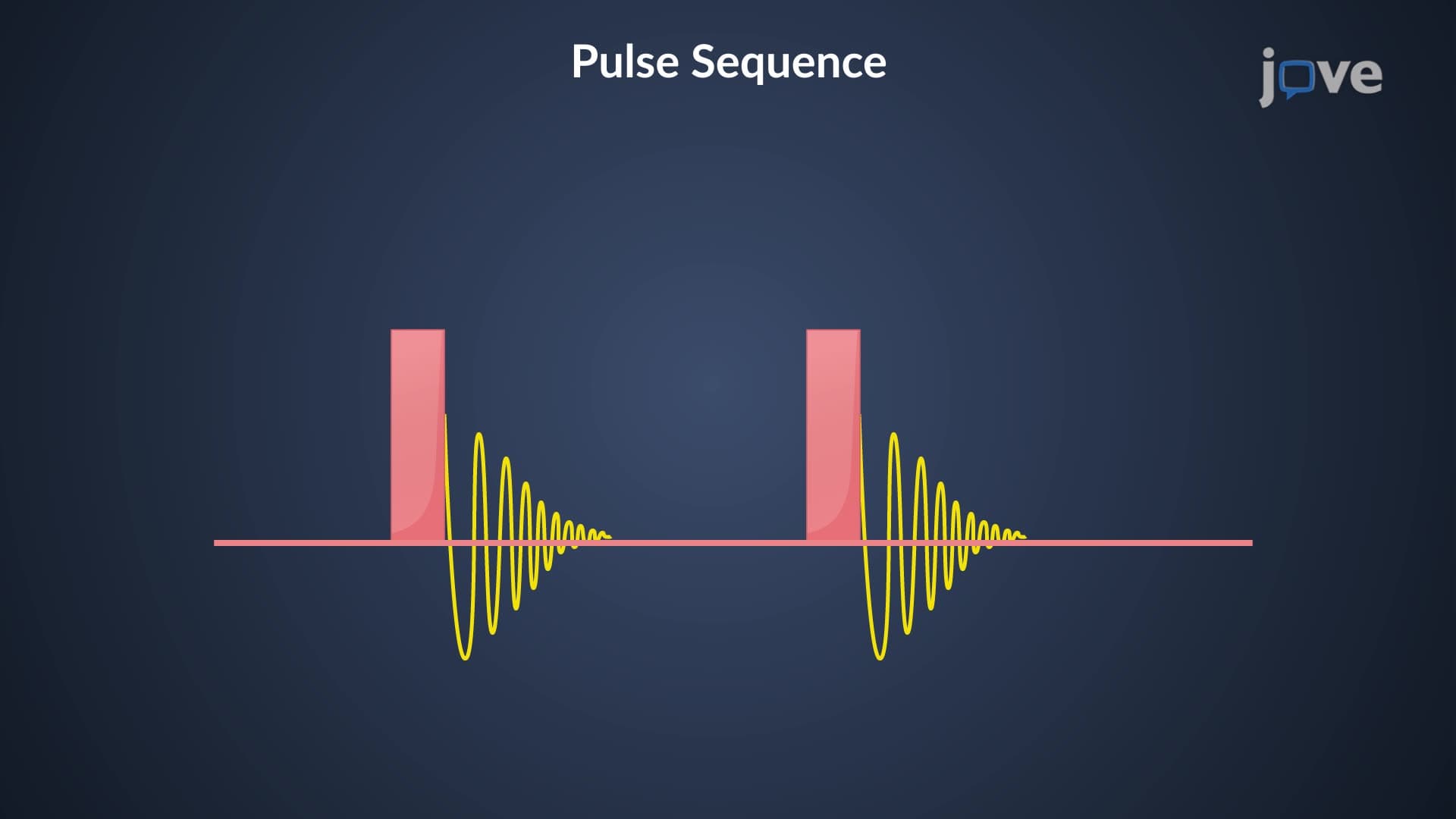
During radiofrequency excitation, nuclear magnetic moments develop phase coherence, causing the net magnetization vector to tip away from its equilibrium position. Continued excitation can equalize populations between energy states, creating saturation where no net signal exists. This principle explains why MRI pulse sequences used in clinical settings at hospitals like Johns Hopkins carefully control excitation timing to maintain signal strength.
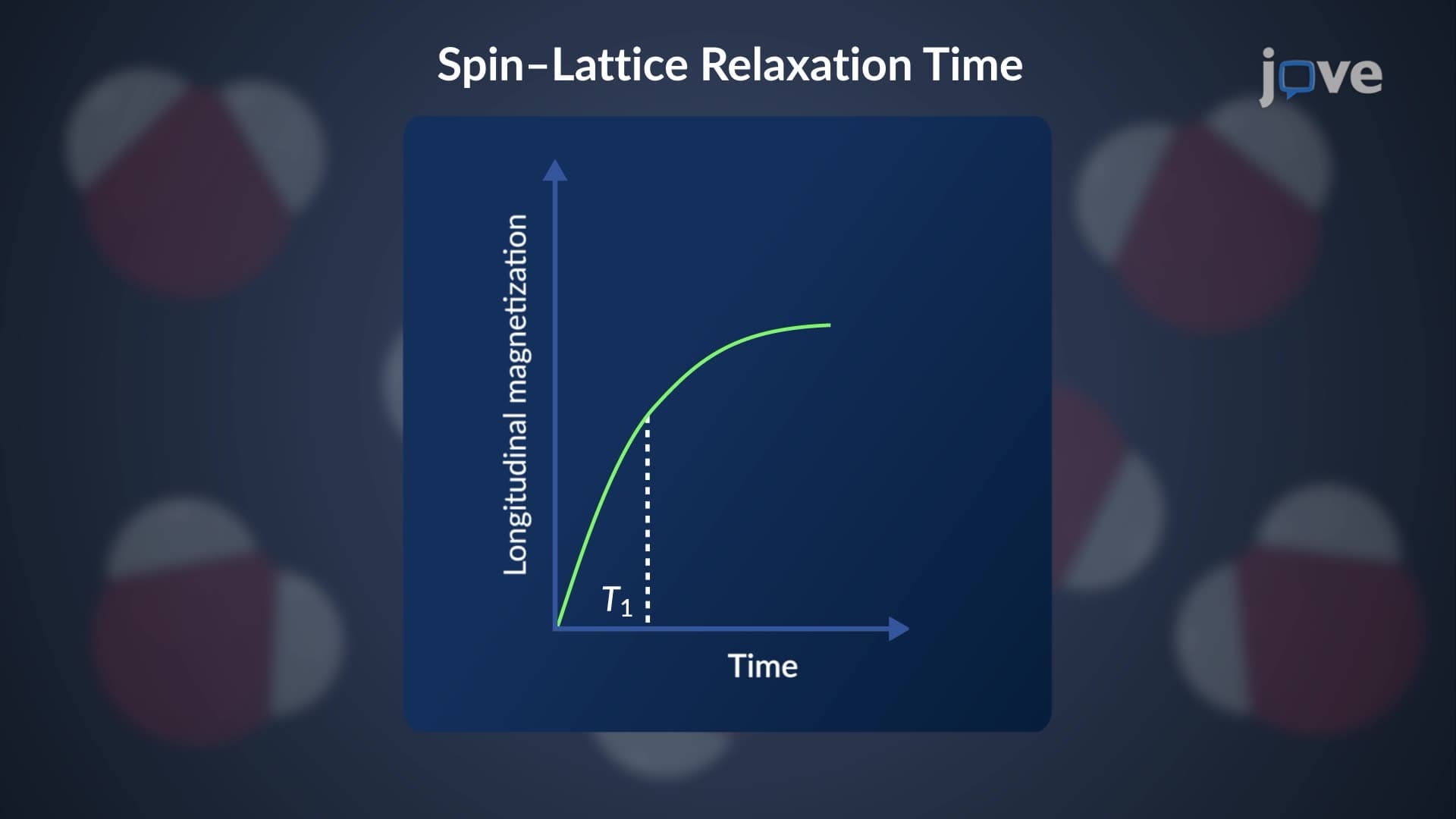
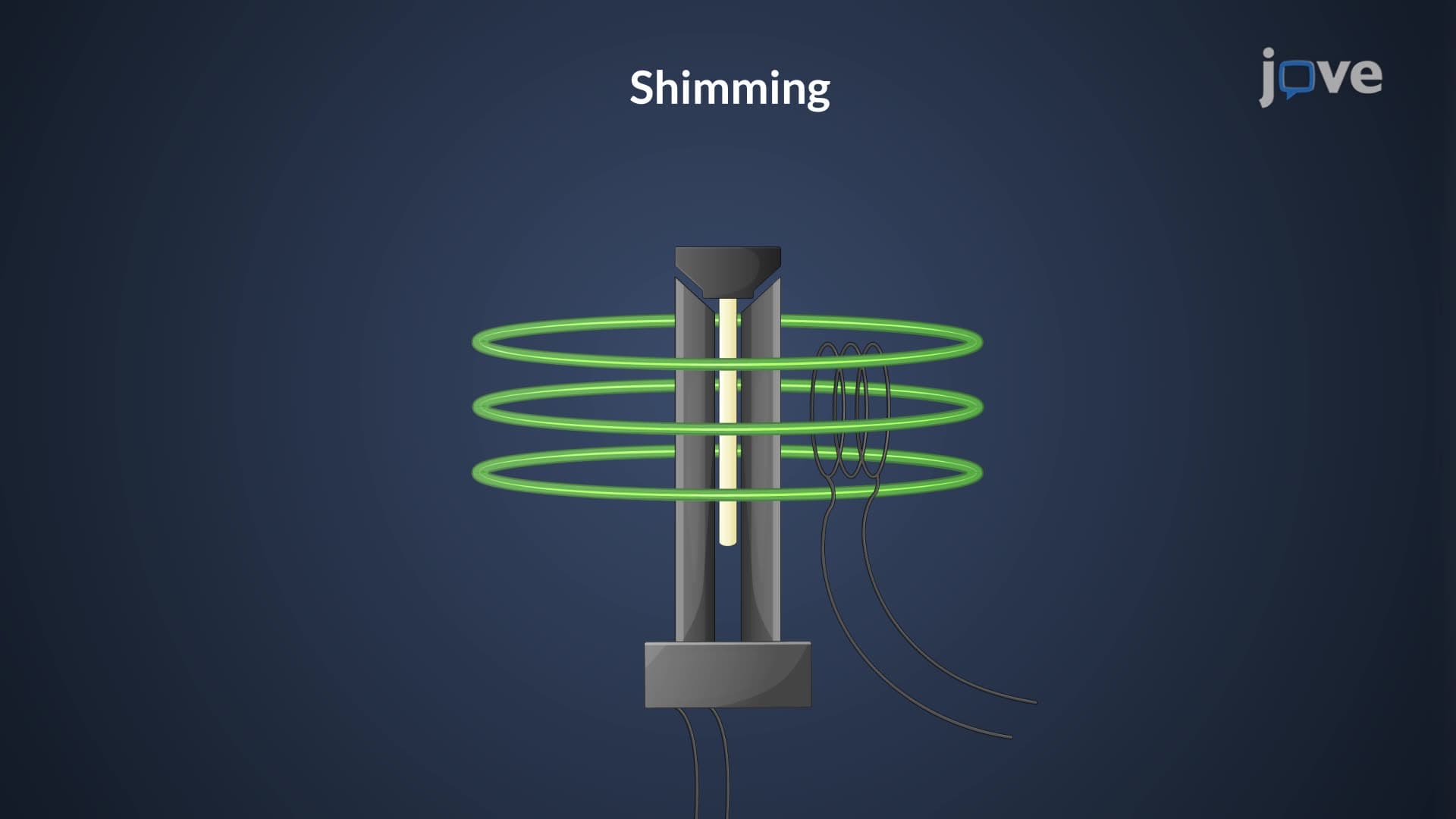
Two primary relaxation pathways restore equilibrium: T1 (spin-lattice) relaxation returns population distributions to Boltzmann equilibrium, while T2 (spin-spin) relaxation destroys phase coherence among nuclear spins. T1 relaxation involves energy transfer to surrounding molecular framework, typically occurring over seconds in biological tissues. T2 relaxation happens through magnetic field inhomogeneities and spin-spin interactions, usually much faster than T1.
Nuclear relaxation processes appear frequently on advanced chemistry exams, including AP Chemistry free-response questions and MCAT physical sciences sections. Understanding these concepts proves essential for pre-med students pursuing careers in radiology or medical physics. Research applications span pharmaceutical development, where NMR relaxation measurements help characterize drug stability and molecular interactions at companies like Pfizer and Johnson & Johnson.
Related Micro-courses