Loading video…


 13 Concepts
 24.3K views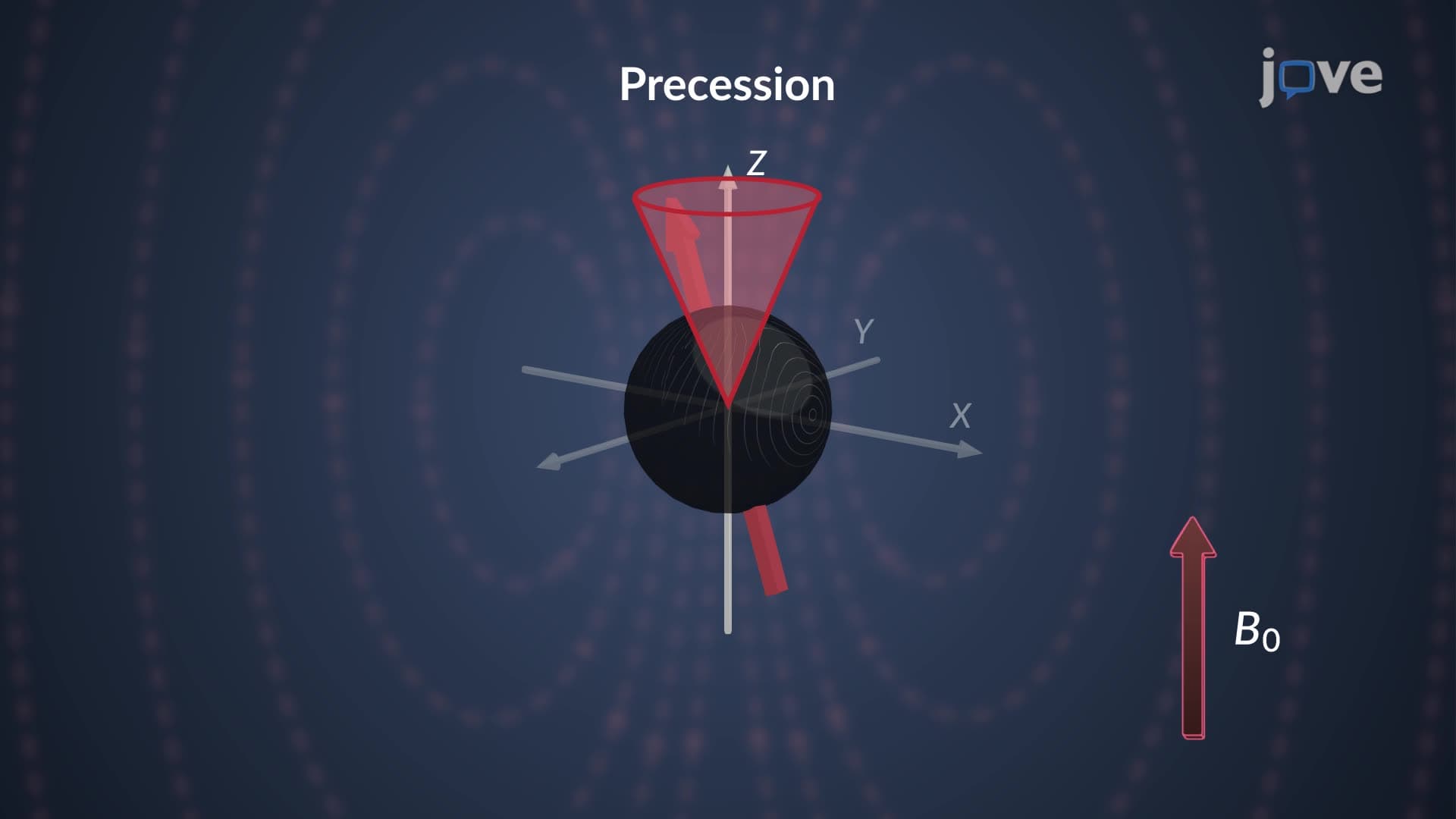

Video Summary: Atomic Nuclei Larmor Precession Frequency Explained
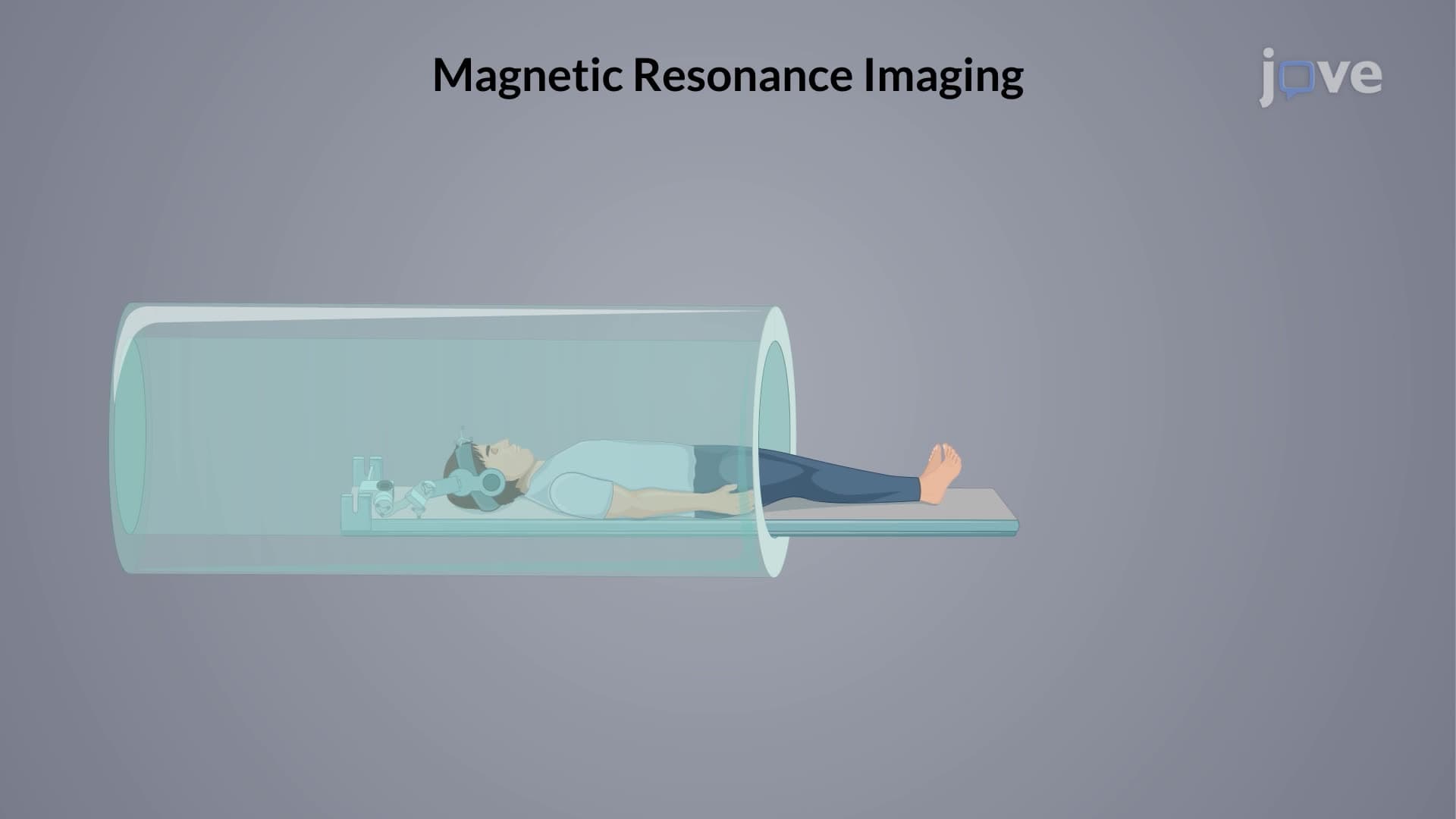
Ever wondered why MRI machines at Houston Methodist Hospital can "see" inside your body without surgery? The secret lies in Larmor precession frequency, the rate at which atomic nuclei spin like tiny tops in magnetic fields. Just as Earth wobbles around its axis due to gravitational forces, spinning nuclei precess around magnetic field lines, creating the foundation for medical imaging breakthroughs. Understanding atomic nuclei Larmor precession frequency explained reveals how this quantum mechanical phenomenon enables life-saving diagnostics. Watch the full video on JoVE Coach to master this concept with expert-led visuals and step-by-step explanations.
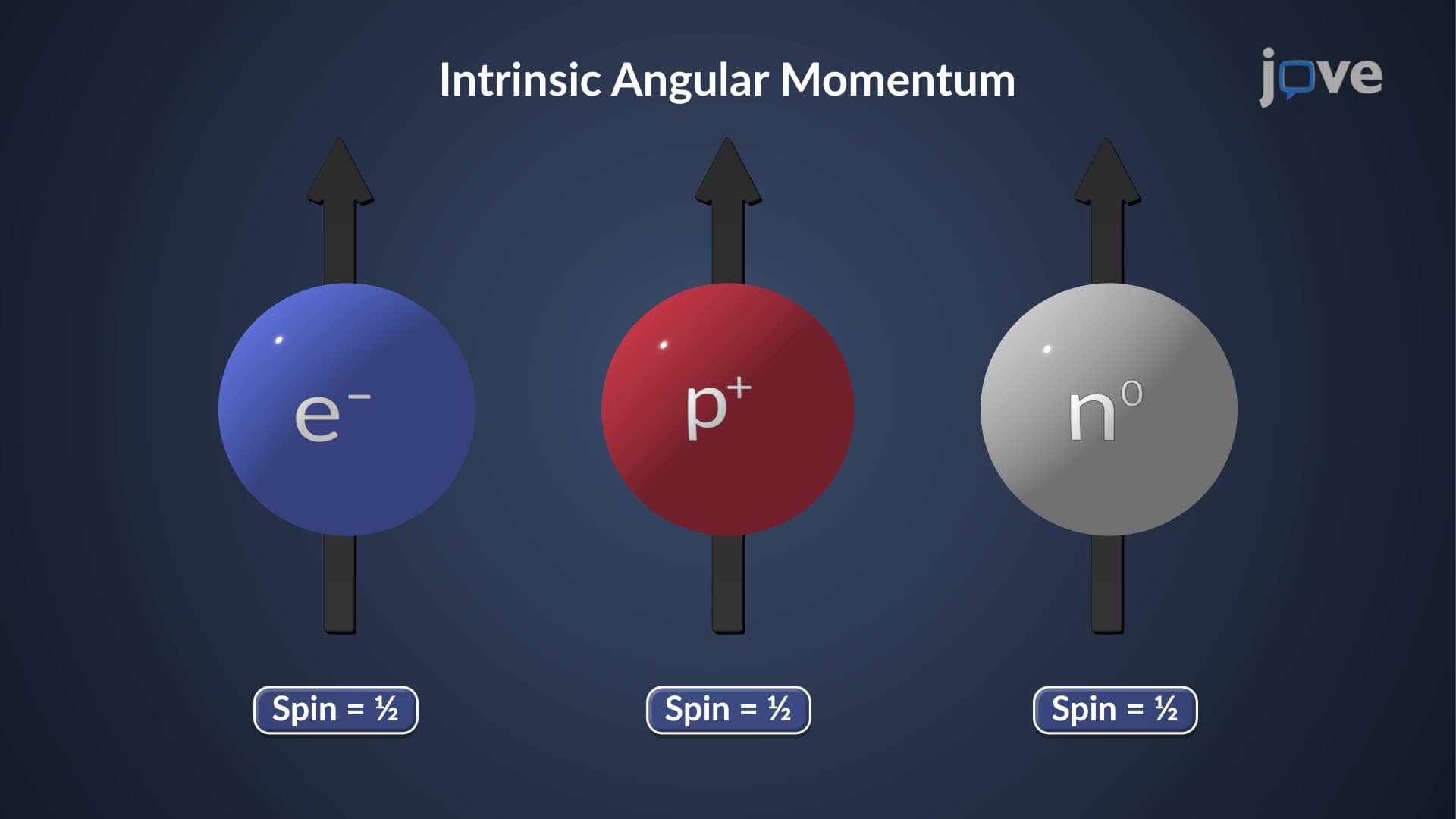
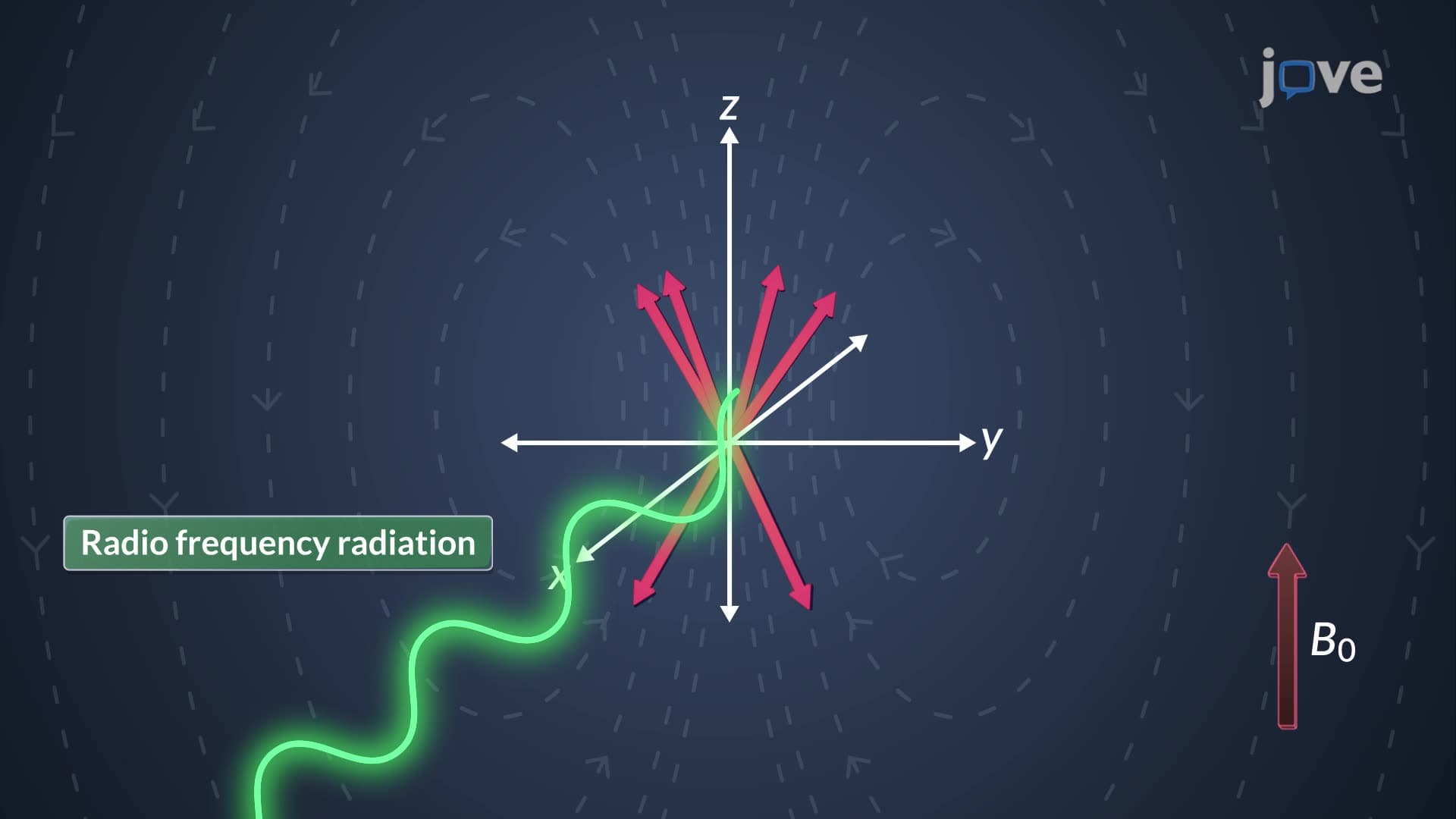
The Larmor precession frequency represents one of the most elegant examples of quantum mechanics manifesting in observable phenomena. When atomic nuclei with non-zero spin are placed in external magnetic fields, they behave like microscopic gyroscopes, precessing around the field direction rather than aligning perfectly with it. This precession occurs at a specific frequency determined by both the magnetic field strength and the nuclear properties.
The precession frequency magnetic field relationship follows the fundamental Larmor equation: ω = γB₀, where ω represents the angular precession frequency, γ is the gyromagnetic ratio, and B₀ is the applied magnetic field strength. This deceptively simple equation governs complex phenomena from NMR spectroscopy at Stanford University's chemistry labs to the 3-Tesla MRI scanners at Mayo Clinic.
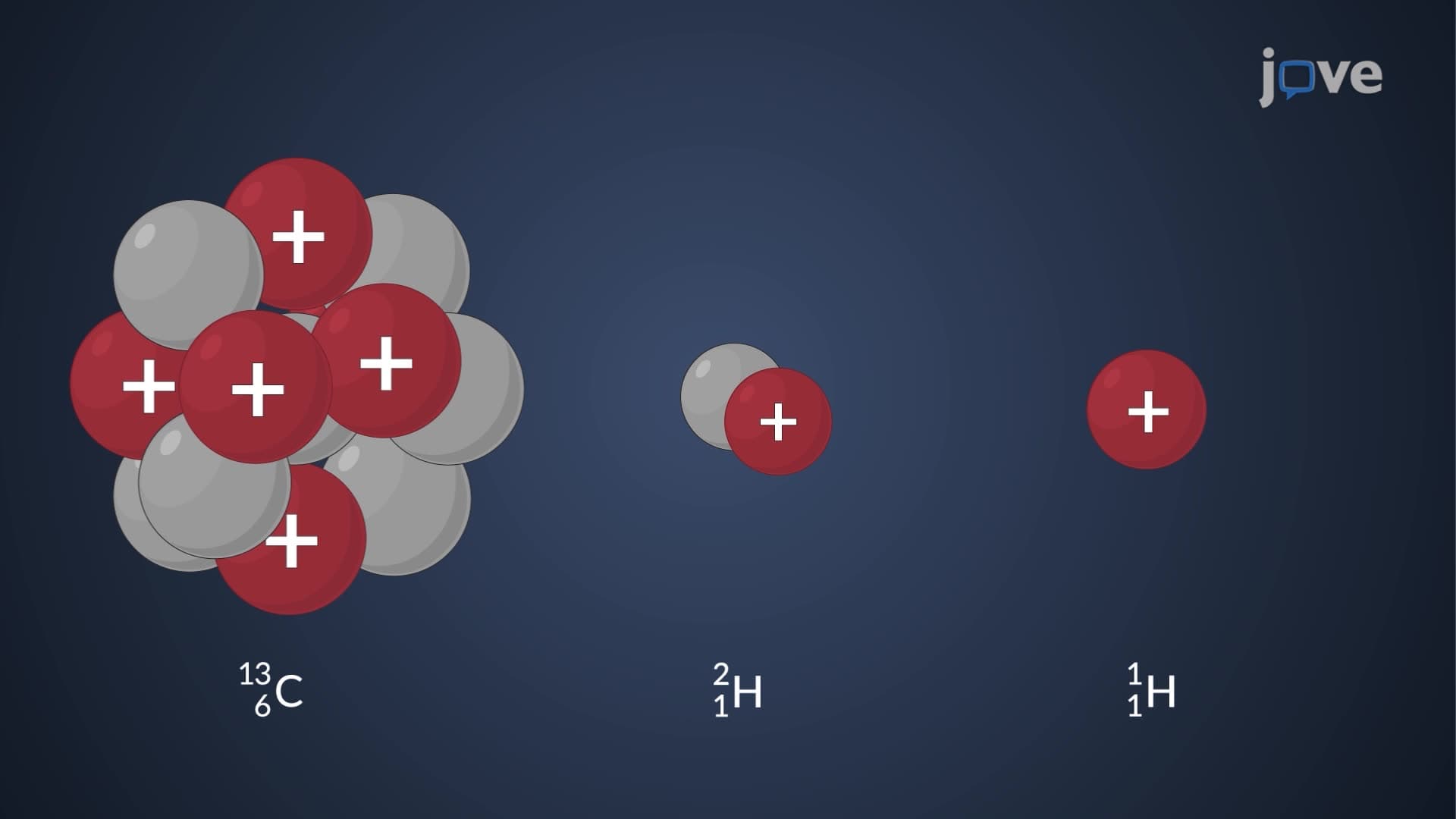
The gyromagnetic ratio Larmor connection proves crucial because γ remains constant for each nuclear isotope. Hydrogen nuclei (protons) have γ = 42.58 MHz/Tesla, while carbon-13 nuclei exhibit γ = 10.71 MHz/Tesla. These values enable precise identification of different atoms in complex molecules, making NMR spectroscopy invaluable for pharmaceutical research at companies like Pfizer and Merck.
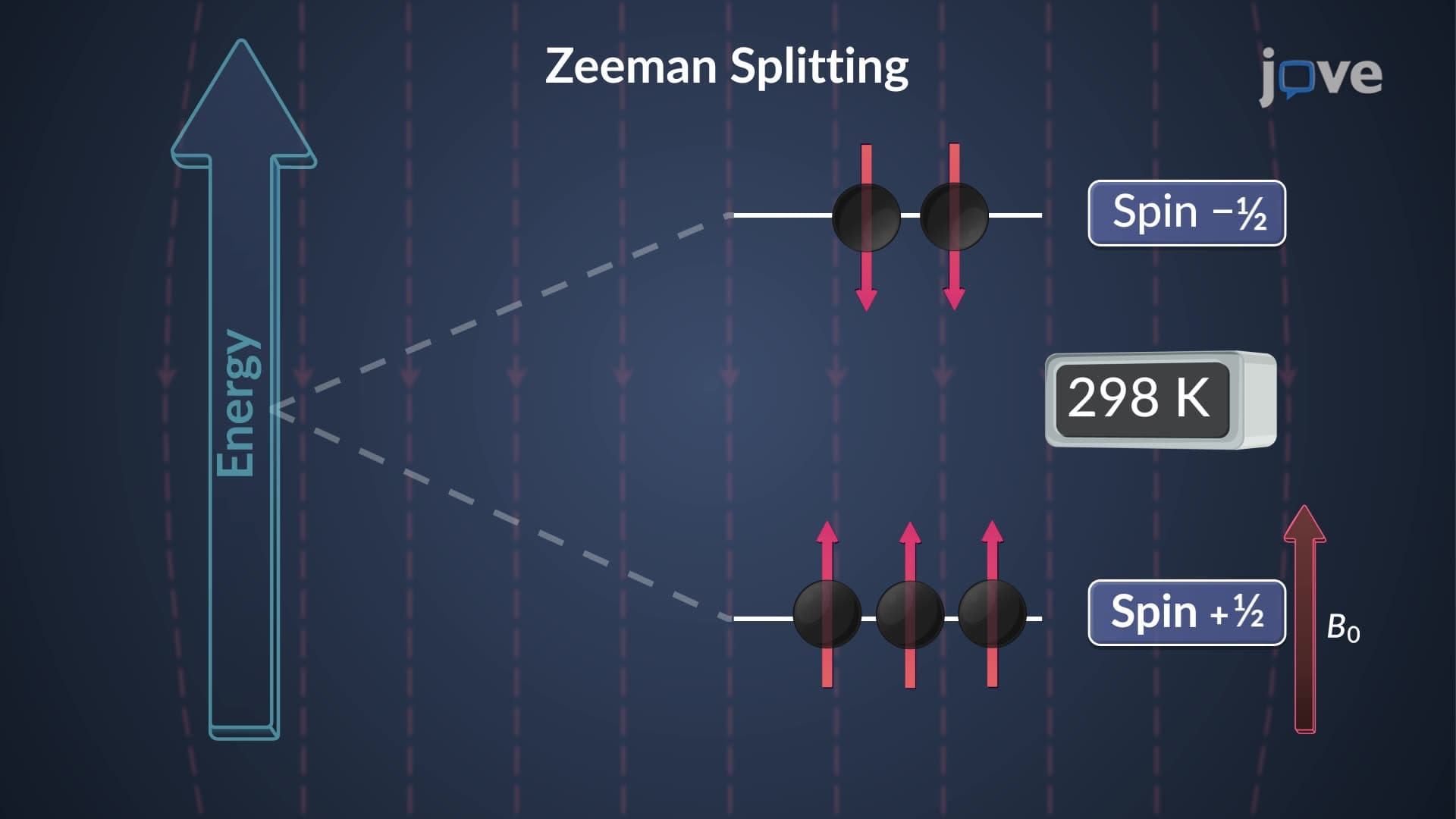
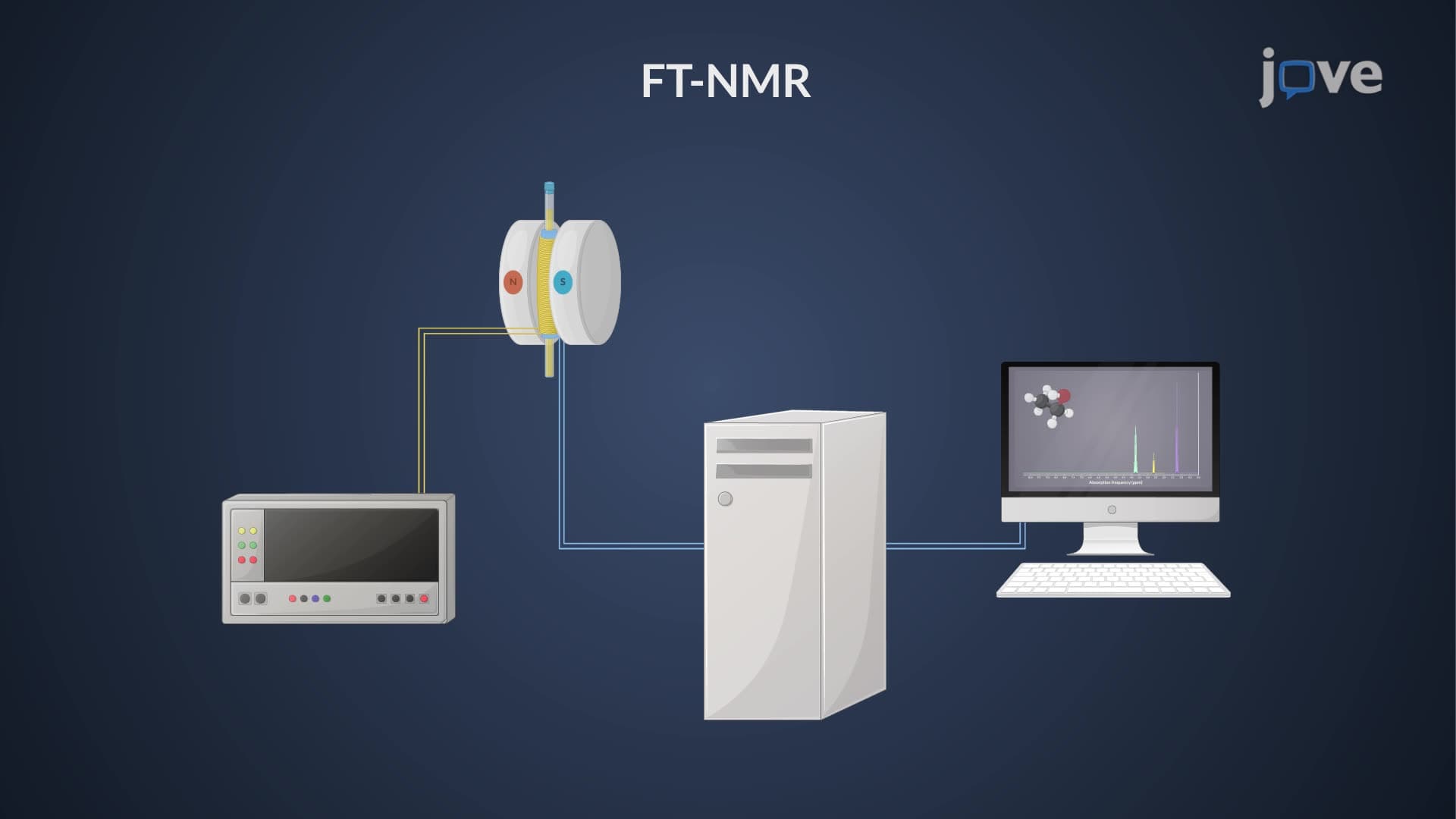
When expressed as the resonance frequency NMR relationship, the Larmor equation connects to quantum energy levels through Planck's constant: E = ℏω = ℏγB₀. This reveals that precessing nuclei can absorb electromagnetic radiation only at specific frequencies matching their Larmor precession rate. Students preparing for the MCAT will encounter this concept when studying nuclear magnetic resonance imaging principles.
Understanding Larmor frequency NMR explained proves essential for AP Chemistry students tackling molecular structure problems and college undergraduates in physical chemistry courses. The concept appears frequently in standardized tests, particularly when examining magnetic resonance phenomena or quantum mechanical energy transitions. Medical school applicants encounter Larmor precession in MCAT physics sections, especially questions relating to medical imaging technologies.
Related Micro-courses