Loading video…


 13 Concepts
 24.3K views

Video Summary: Nmr Spectrometers Resolution and Error Correction Explained
Ever wondered why some NMR spectra look crystal clear while others appear fuzzy and unreadable? The key to achieving exceptional NMR spectrometer resolution lies in mastering field homogeneity and error correction techniques. At research institutions like MIT and Stanford, scientists routinely use shimming processes to eliminate magnetic field distortions that blur spectral peaks and reduce analytical precision. Understanding NMR Spectrometers Resolution And Error Correction Explained is essential for obtaining high-quality data in analytical chemistry and biochemistry applications. Watch the full video on JoVE Coach to master this concept with expert-led visuals and step-by-step explanations.
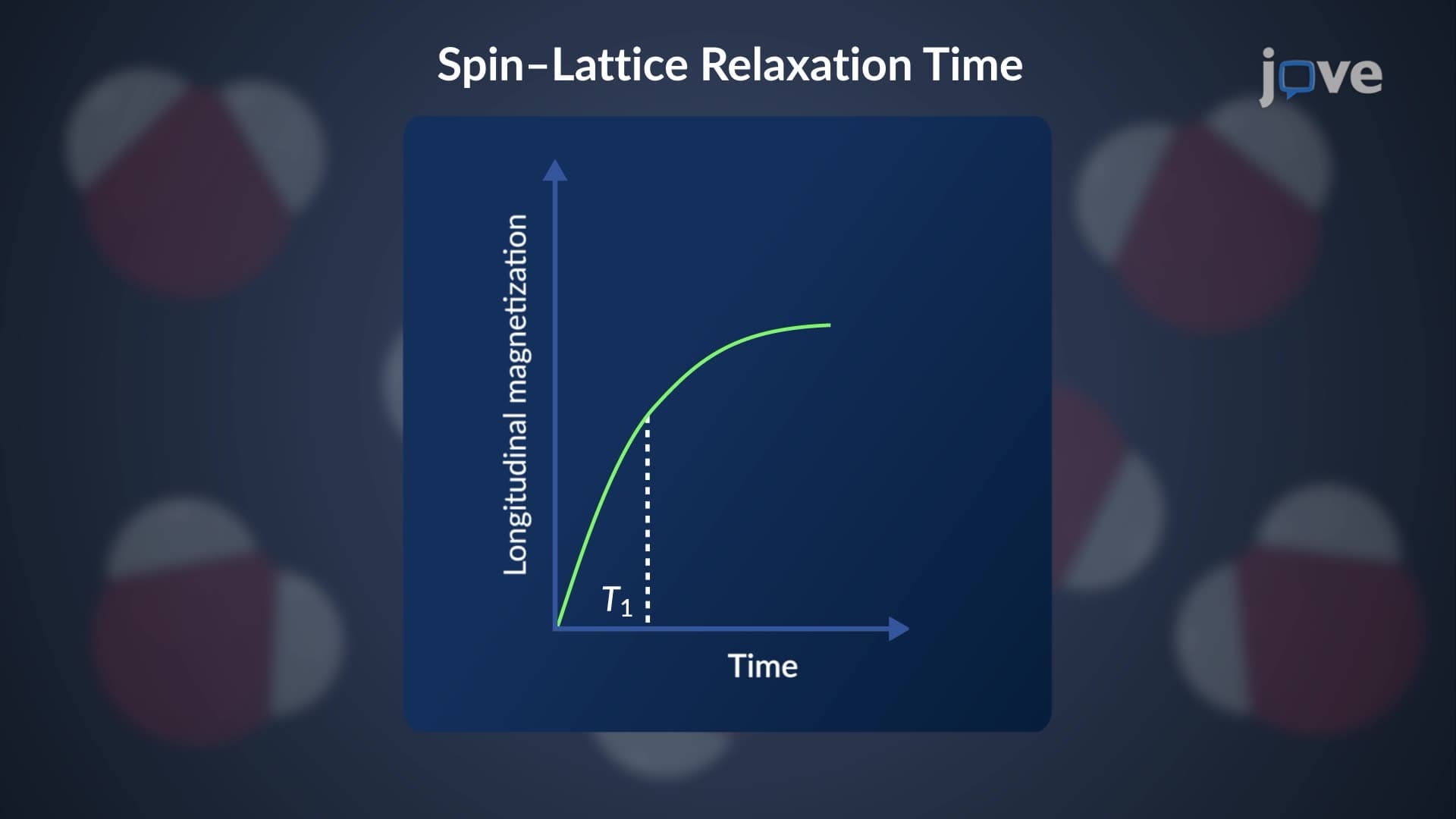
NMR spectrometer resolution represents the instrument's ability to distinguish between closely spaced spectral peaks, directly impacting the quality and interpretability of analytical results. In perfectly homogeneous magnetic fields, peak widths are governed solely by intrinsic spin-spin relaxation times (T2), producing sharp, well-defined Lorentzian line shapes. However, real-world conditions introduce significant complications that compromise spectral quality.
Magnetic field inhomogeneities arise from multiple sources that affect NMR resolution error correction requirements. The sample itself creates localized field distortions due to differences in magnetic susceptibility between the solvent, solute, and container materials. Additionally, the probe hardware introduces field perturbations through metallic components and geometric constraints. These inhomogeneities manifest as peak broadening, reduced signal-to-noise ratios, and the appearance of unwanted sidebands that obscure important spectral features.
The consequences extend beyond mere aesthetic concerns. In pharmaceutical research at companies like Pfizer and Merck, poor resolution can mask critical structural information needed for drug development. Similarly, students taking advanced placement chemistry exams or college organic chemistry courses must interpret NMR spectra accurately, making resolution optimization crucial for academic success.
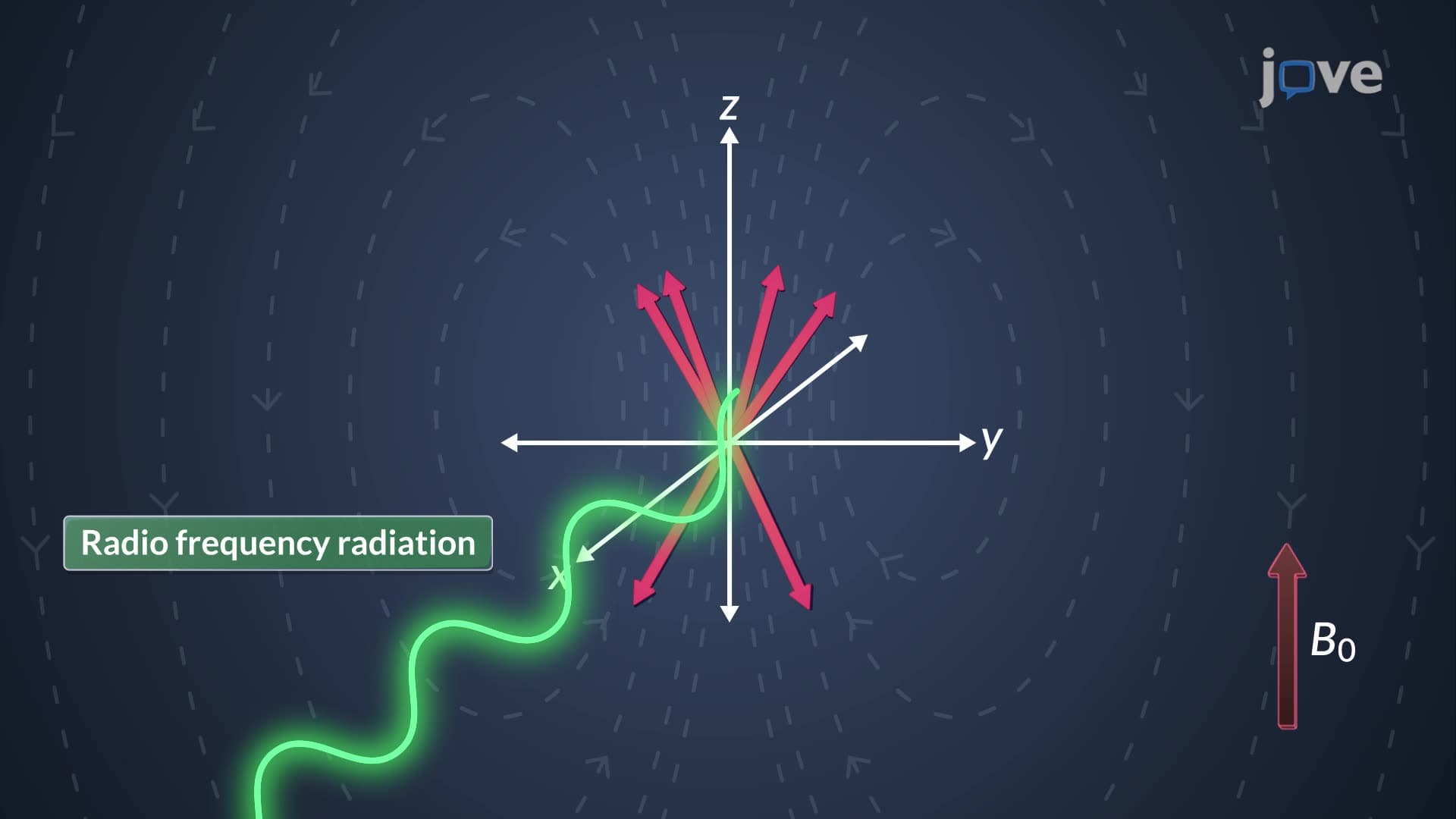
Shimming NMR magnet systems represents the primary method for achieving optimal field homogeneity NMR. This process involves strategically positioning current-carrying shim coils around the sample region to generate precisely controlled magnetic field gradients. These corrective fields either enhance or oppose the primary B0 field in specific spatial regions, effectively canceling out inhomogeneities and restoring uniform magnetic conditions.
Modern NMR spectrometers employ both first-order and higher-order shim coils to address different types of field distortions. First-order shims correct linear field gradients along the x, y, and z axes, while higher-order shims address more complex spatial variations. The lock signal NMR system provides real-time feedback during shimming, allowing operators to monitor field stability and optimize correction parameters.
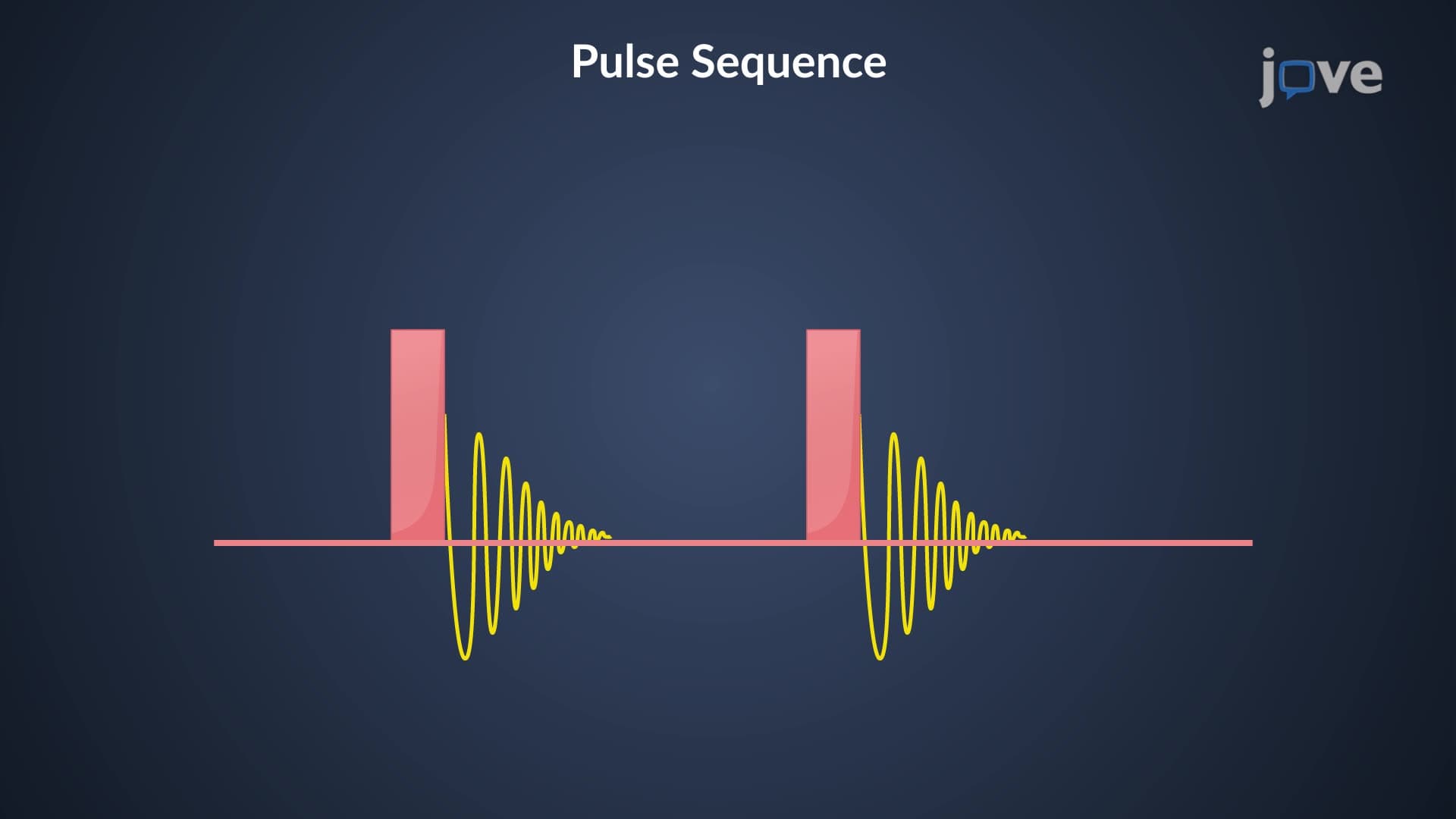
Achieving superior NMR linewidth resolution requires integration of multiple optimization approaches beyond basic shimming. Proper sample preparation minimizes susceptibility artifacts by ensuring uniform solution composition and eliminating air bubbles or particulates. Pulse sequence parameter optimization, including appropriate relaxation delays and acquisition parameters, prevents saturation effects that broaden peaks artificially.
Temperature control also plays a critical role, as thermal fluctuations can introduce dynamic field variations. Research facilities typically maintain sample temperatures within ±0.1°C to preserve optimal resolution conditions. For students preparing for the MCAT or graduate school applications, understanding these interconnected factors demonstrates sophisticated analytical thinking that admissions committees value highly.
Related Micro-courses