Loading concepts…


22 Concepts
19 Concepts
14 Concepts
17 Concepts
22 Concepts
14 Concepts
13 Concepts
24 Concepts
17 Concepts
24 Concepts
27 Concepts
14 Concepts
19 Concepts
17 Concepts
15 Concepts
12 Concepts
 15 Concepts
 30.2K Views
 Popular topics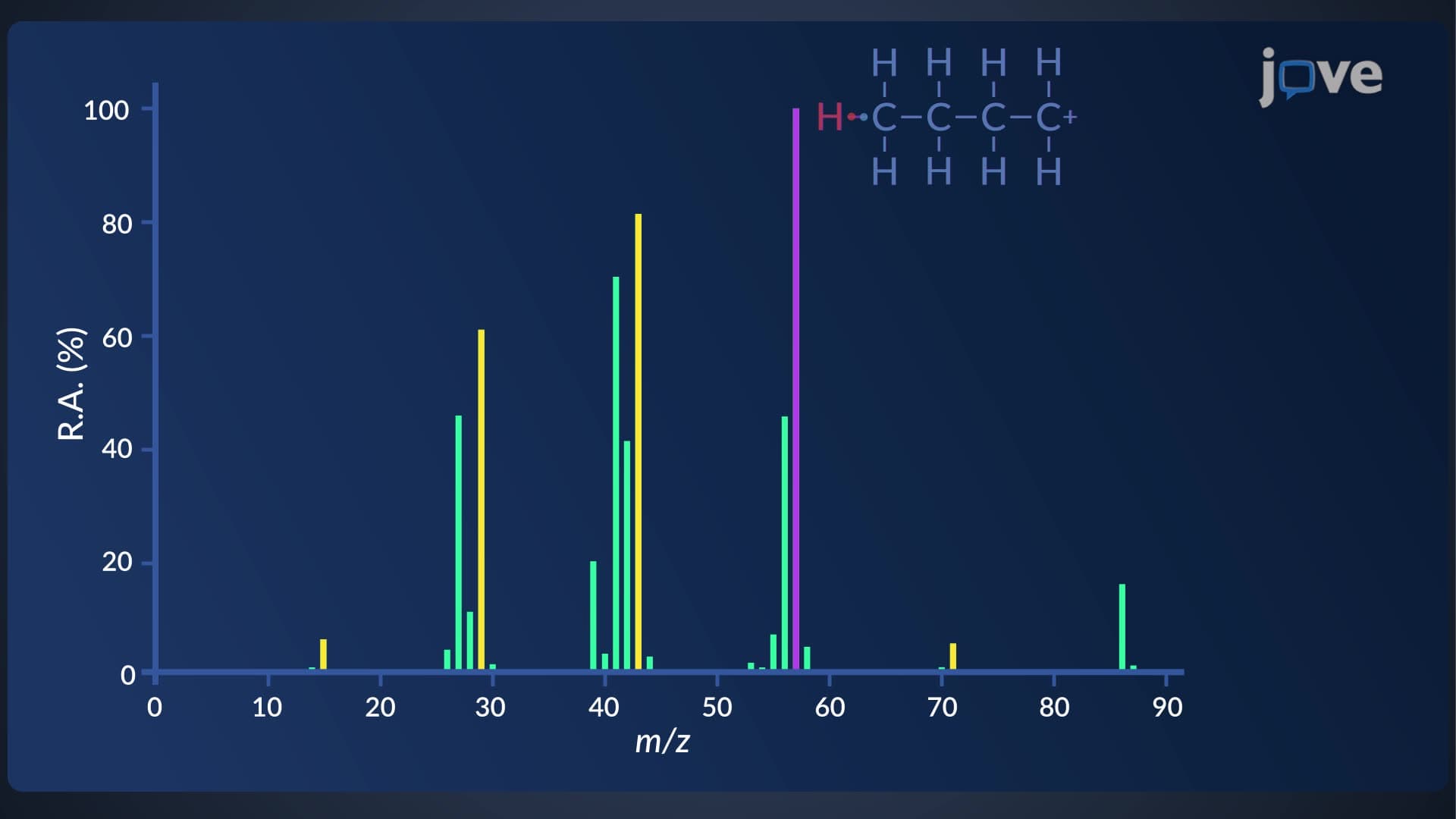



Mass spectrometry fragmentation techniques are essential analytical methods used to identify organic compounds by studying how molecular ions break apart under electron bombardment. These fragmentation patterns provide structural information crucial for pharmaceutical analysis, environmental testing, and forensic investigations across US laboratories. Understanding MS fragmentation patterns helps predict molecular behavior and interpret complex spectra. JoVE Coach guides students through comprehensive fragmentation mechanisms for diverse organic compound classes.
1. Electron Impact Ionization and Molecular Ion Formation Understanding how high-energy electrons remove electrons from organic molecules creates the foundation for mass spectrometry analysis. The molecular ion (M•+) represents the starting point for all fragmentation patterns. In linear alkanes like hexane, fragmentation occurs preferentially away from chain ends because terminal fragmentation would create unstable methyl carbocations. The most abundant fragments correspond to the most stable carbocations formed, with butyl carbocation becoming the base peak in hexane spectra. This principle applies across all compound classes where stability drives fragmentation patterns.
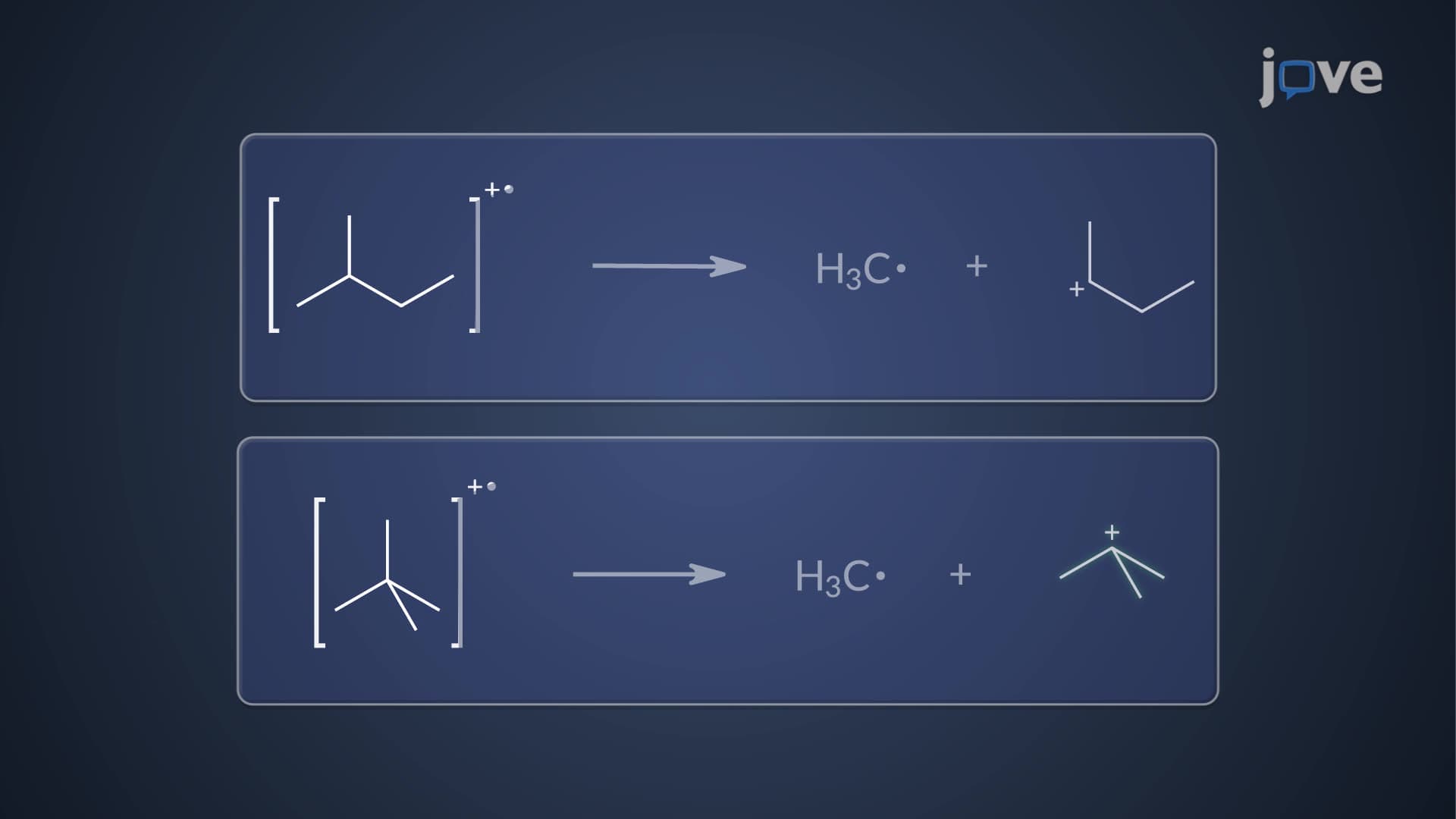
2. Alkane Fragmentation Patterns and Carbocation Stability Branched alkanes fragment primarily at branching points to generate stable secondary or tertiary carbocations. For example, 2-methylbutane loses a methyl radical to form a secondary carbocation, while 2,2-dimethylpropane creates a tertiary carbocation so stable that no molecular ion peak appears in the spectrum. The extensive fragmentation reflects tertiary carbocation stability exceeding secondary carbocation stability. In 2,2-dimethylpentane, fragmentation occurs on both sides of the tertiary carbon, with the pathway producing the more stable primary radical being favored over methyl radical formation.
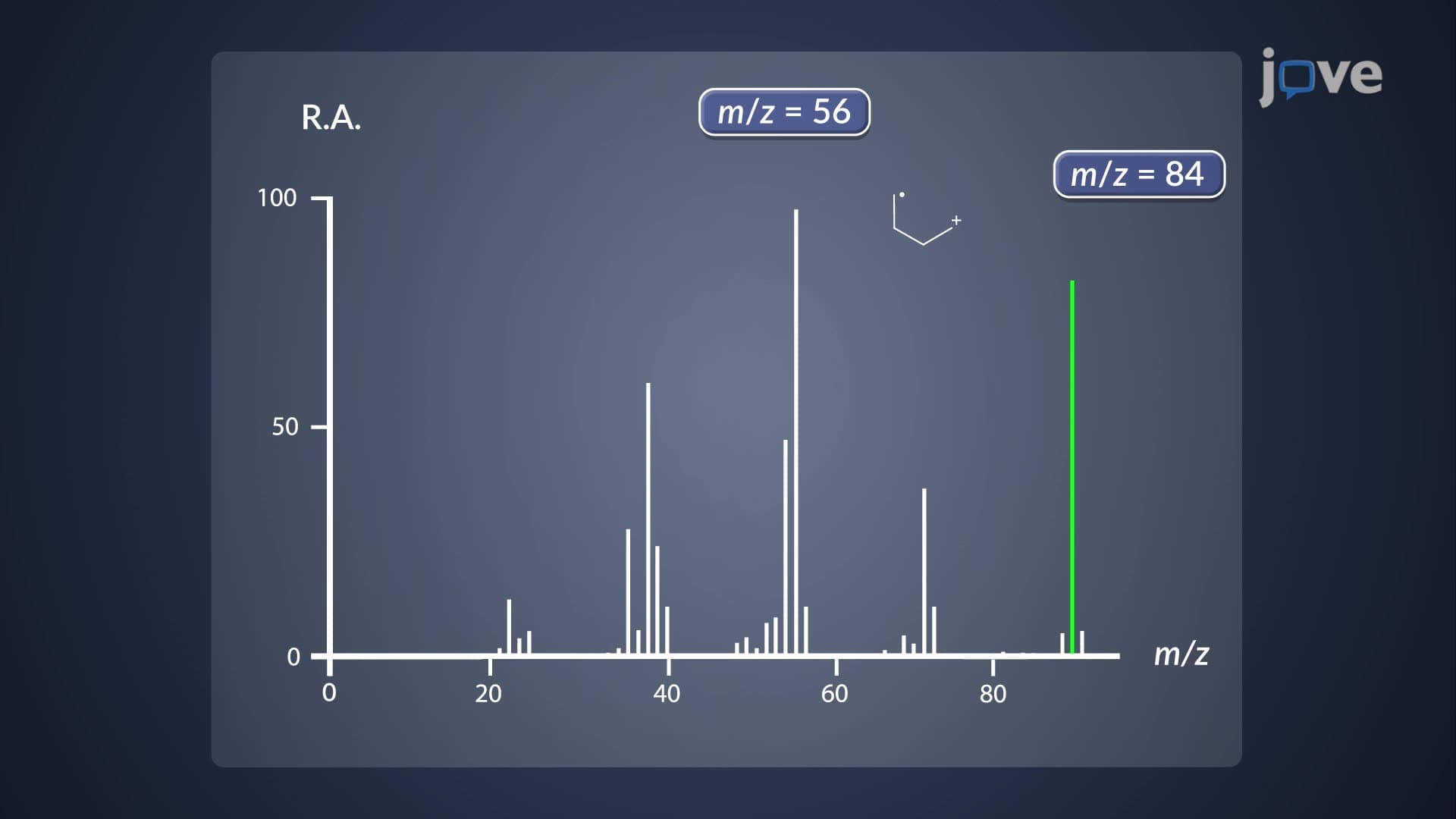
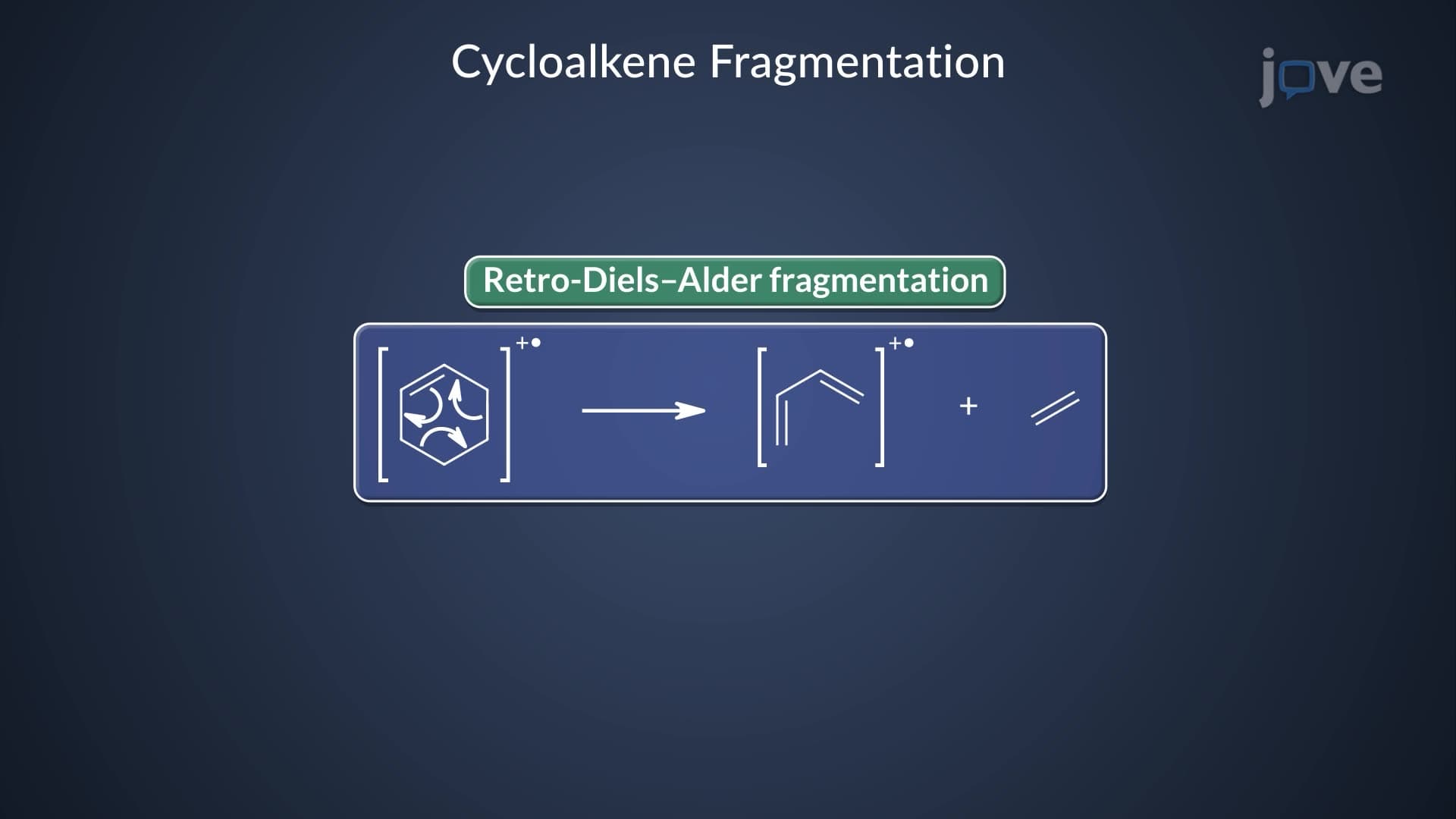
3. Cyclic Compound Fragmentation and Ring Stability Cycloalkanes exhibit greater molecular ion stability than their linear counterparts due to ring strain relief upon fragmentation. Cyclohexane molecular ions cleave to produce ethylene and a stable butyl radical cation (m/z 56), which becomes the base peak. Branched cycloalkanes like methylcyclopentane undergo dual fragmentation: side chain loss forming cyclopentyl cation, and ethylene elimination. The cyclopentyl cation further fragments into ethylene and propyl radical cation, demonstrating how ring systems provide unique fragmentation pathways not observed in acyclic compounds.
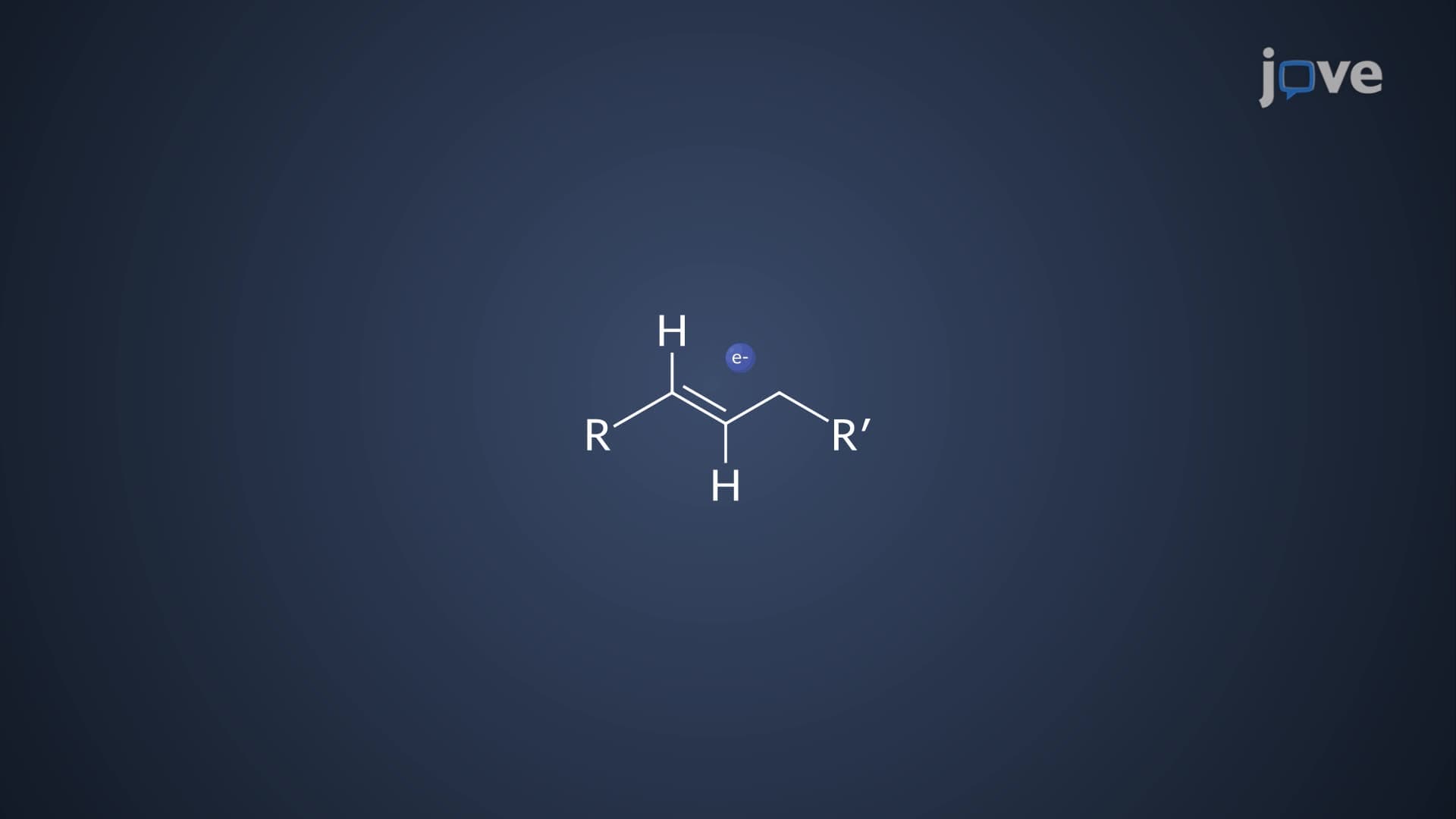
4. Alkene and Alkyne Fragmentation Mechanisms Alkenes fragment preferentially at allylic positions due to resonance stabilization of the resulting carbocations. The pi bond electron removal creates molecular ions that undergo characteristic cleavage adjacent to double bonds. McLafferty rearrangement represents a crucial mechanism where hydrogen rearrangement accompanies bond cleavage, producing low molecular weight alkene radical cations. Terminal alkynes fragment to form resonance-stabilized propargyl cations (m/z 39), while internal alkynes show substituted propargyl signals at higher masses. The M-1 peak in terminal alkynes results from hydrogen atom loss adjacent to the triple bond.
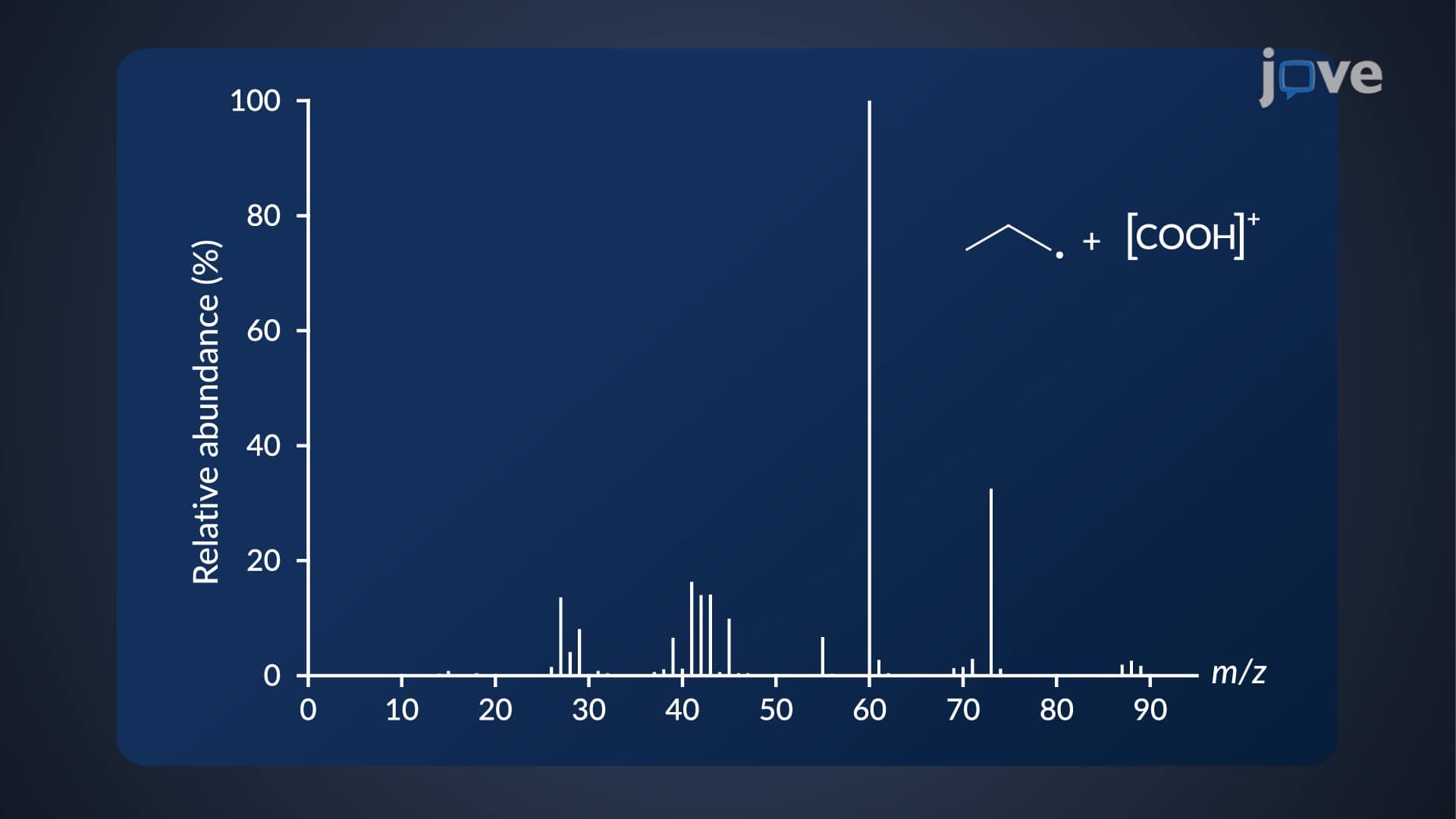
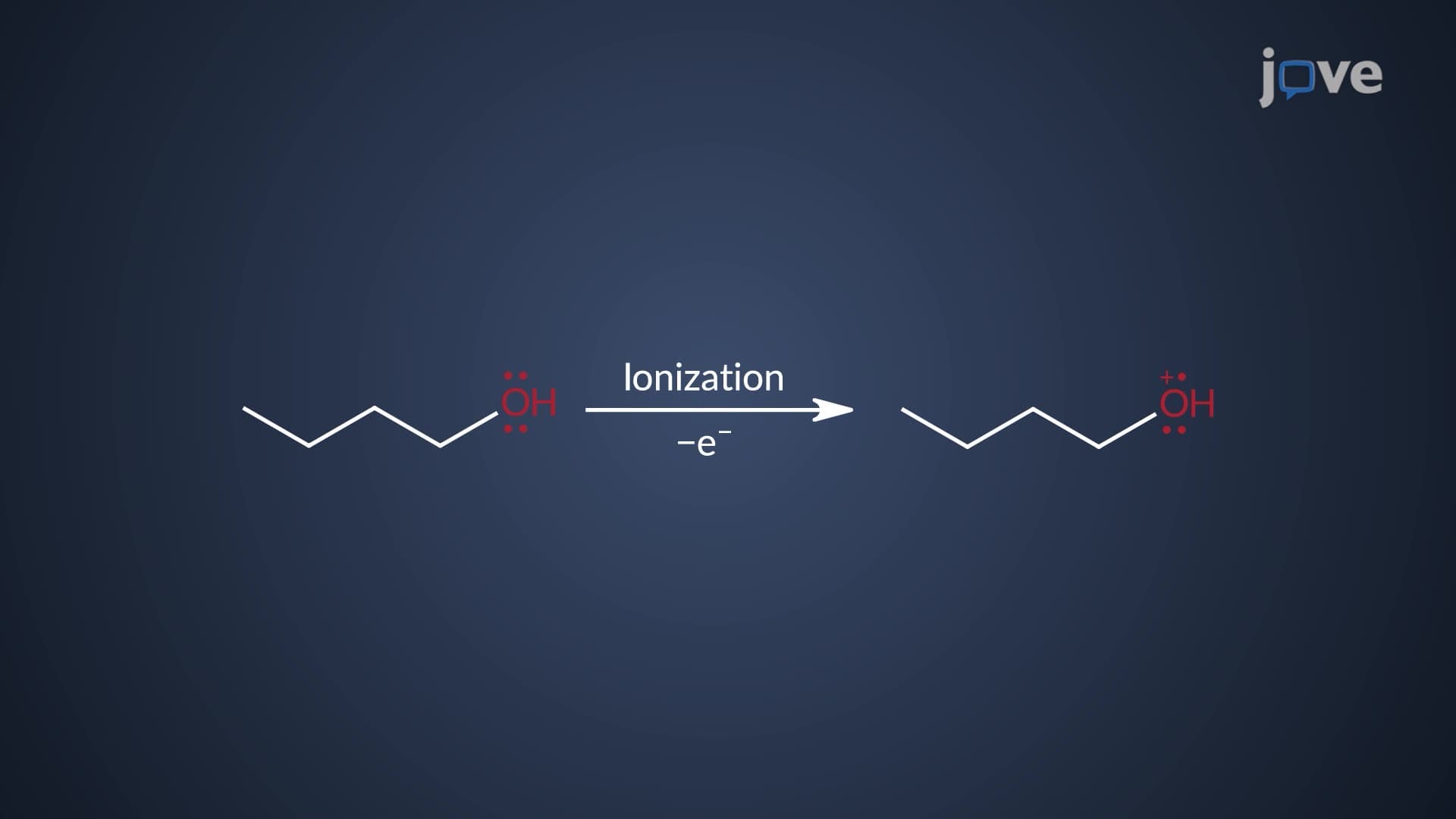
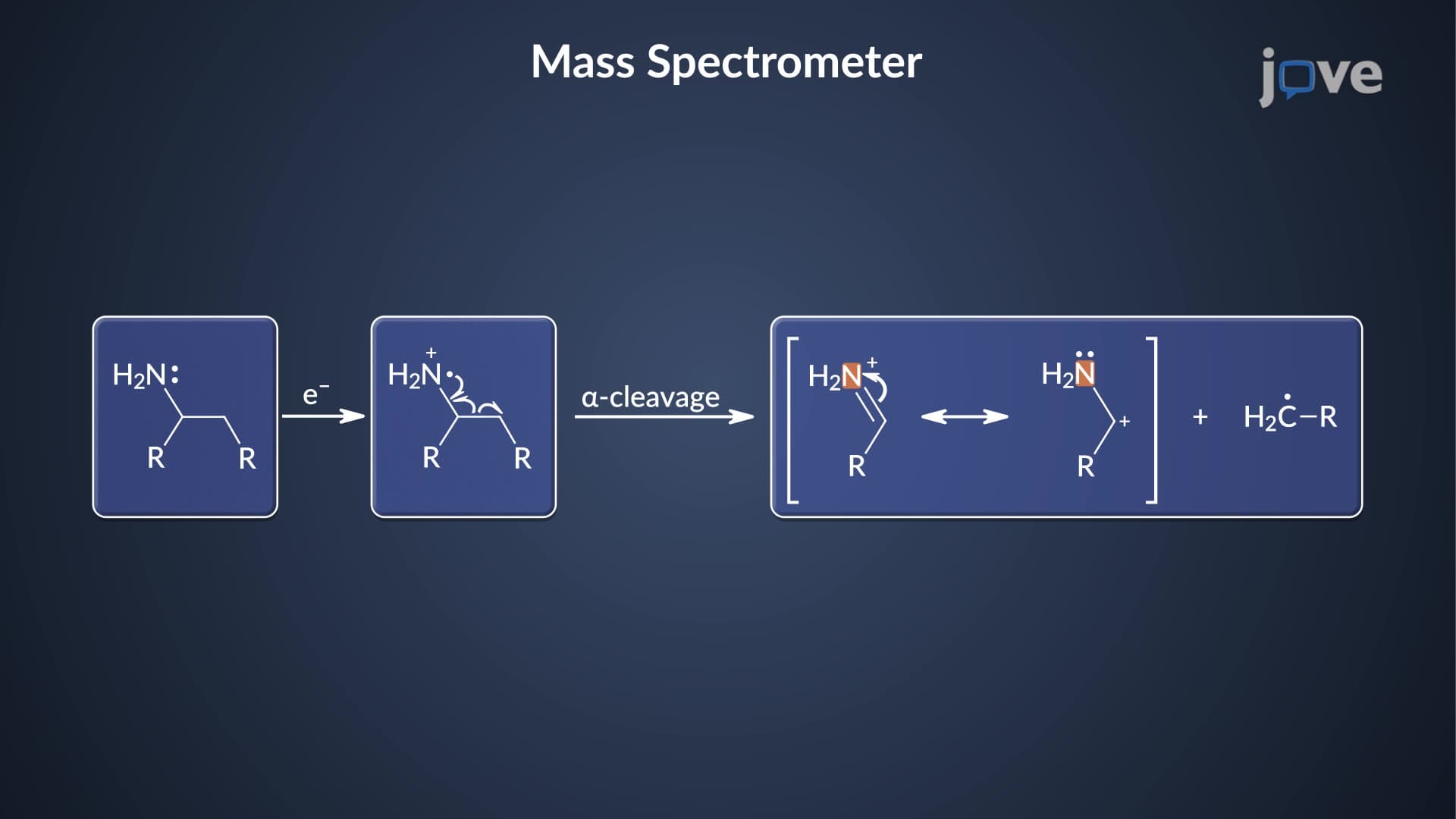
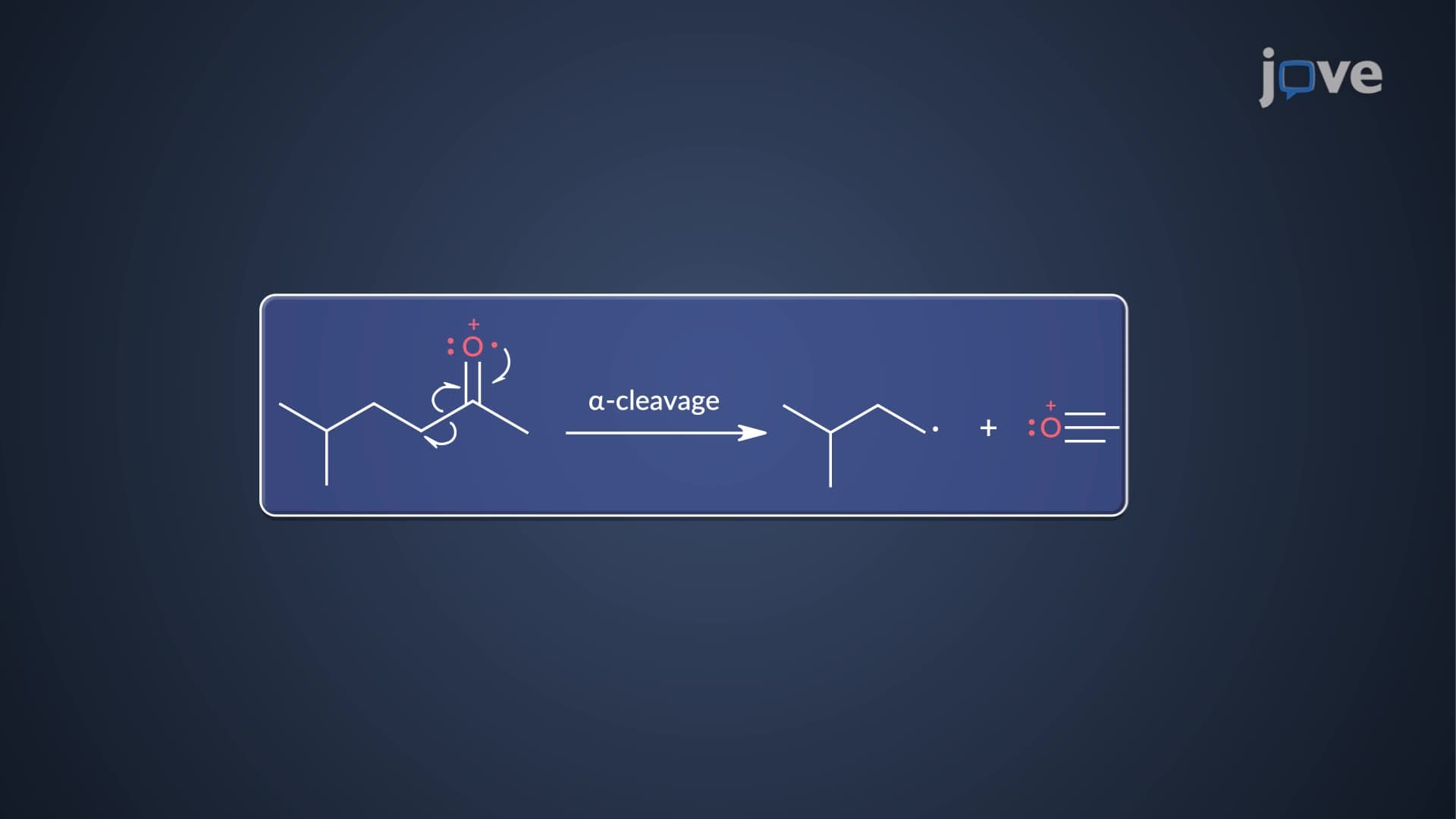
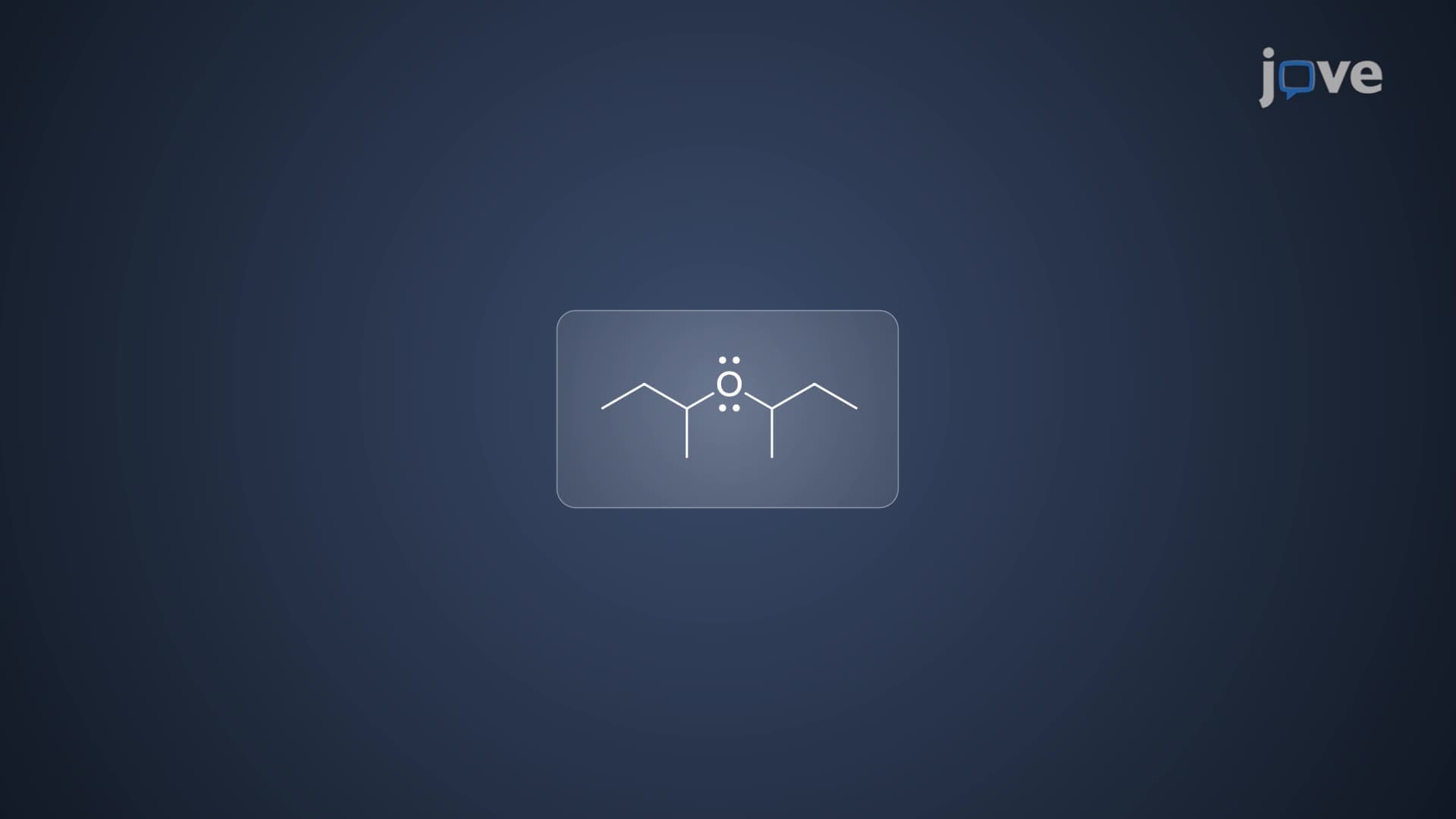
5. Functional Group Fragmentation Patterns Alcohols undergo characteristic cleavage at carbons adjacent to hydroxyl groups and dehydration reactions losing H₂O (M-18 peaks). Aldehydes and ketones exhibit α-cleavage forming acylium cations, inductive cleavage producing alkyl cations, and McLafferty rearrangements. Carboxylic acids show COOH⁺ fragments (m/z 45) from α-cleavage and characteristic McLafferty peaks. Amines follow the nitrogen rule where odd nitrogen numbers produce odd molecular weights, with α-cleavage generating resonance-stabilized nitrogen-containing cations. Each functional group provides diagnostic fragmentation patterns essential for structural identification.
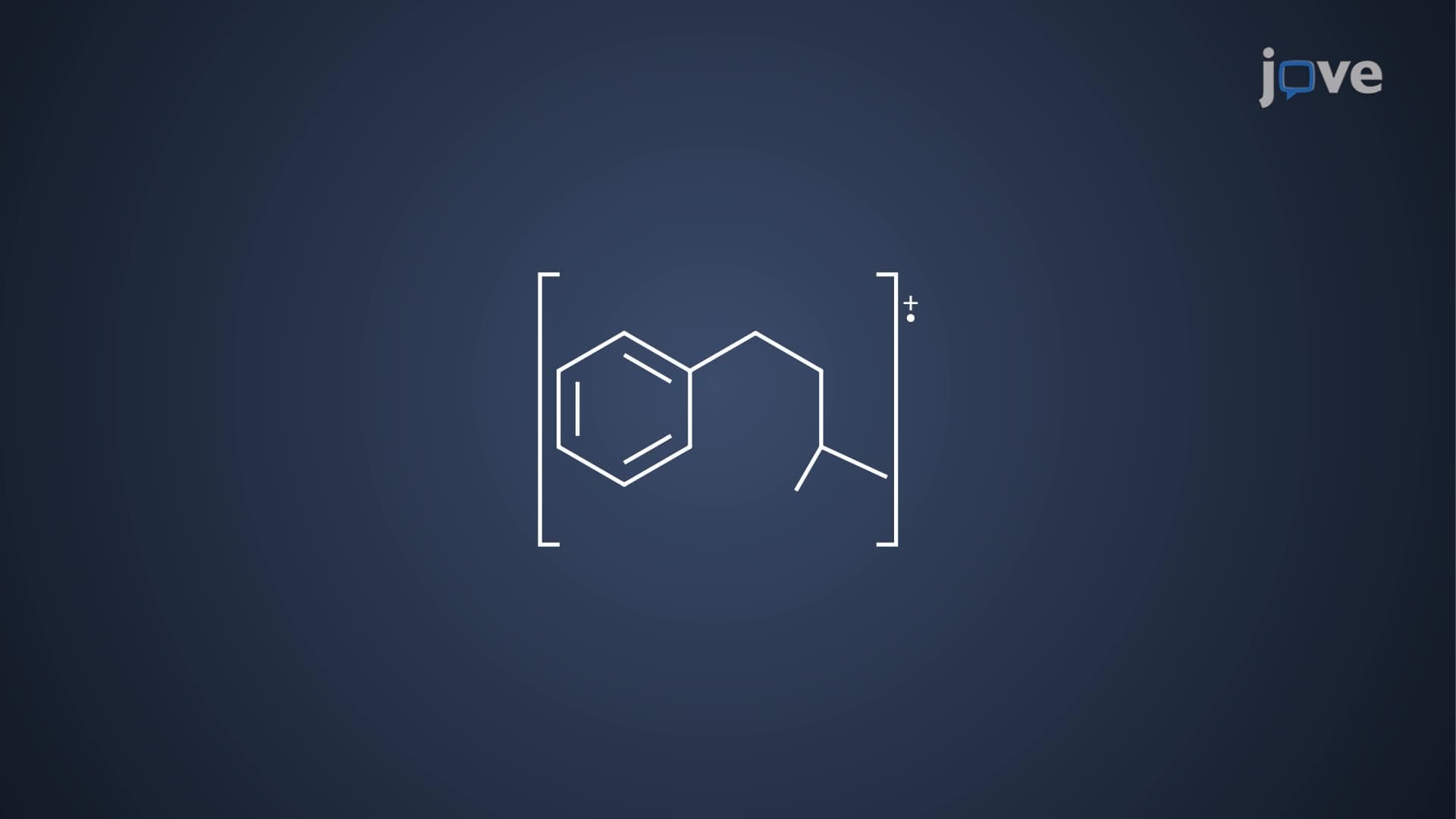
6. Aromatic Compound Fragmentation and Tropylium Ion Formation Benzene molecular ions resist fragmentation due to aromatic stability, while substituted benzenes fragment at benzylic positions. Toluene loses hydrogen to form benzyl cation, which rearranges to the more stable tropylium ion (C₇H₇⁺, m/z 91). Larger alkyl substituents undergo side chain cleavage initially forming benzyl cations that rearrange to tropylium ions. McLafferty rearrangement in alkylbenzenes with three or more carbons produces characteristic m/z 92 peaks. Polyalkylated benzenes form methyltropylium ions, though mass spectrometry cannot distinguish substitution patterns in isomeric disubstituted compounds.
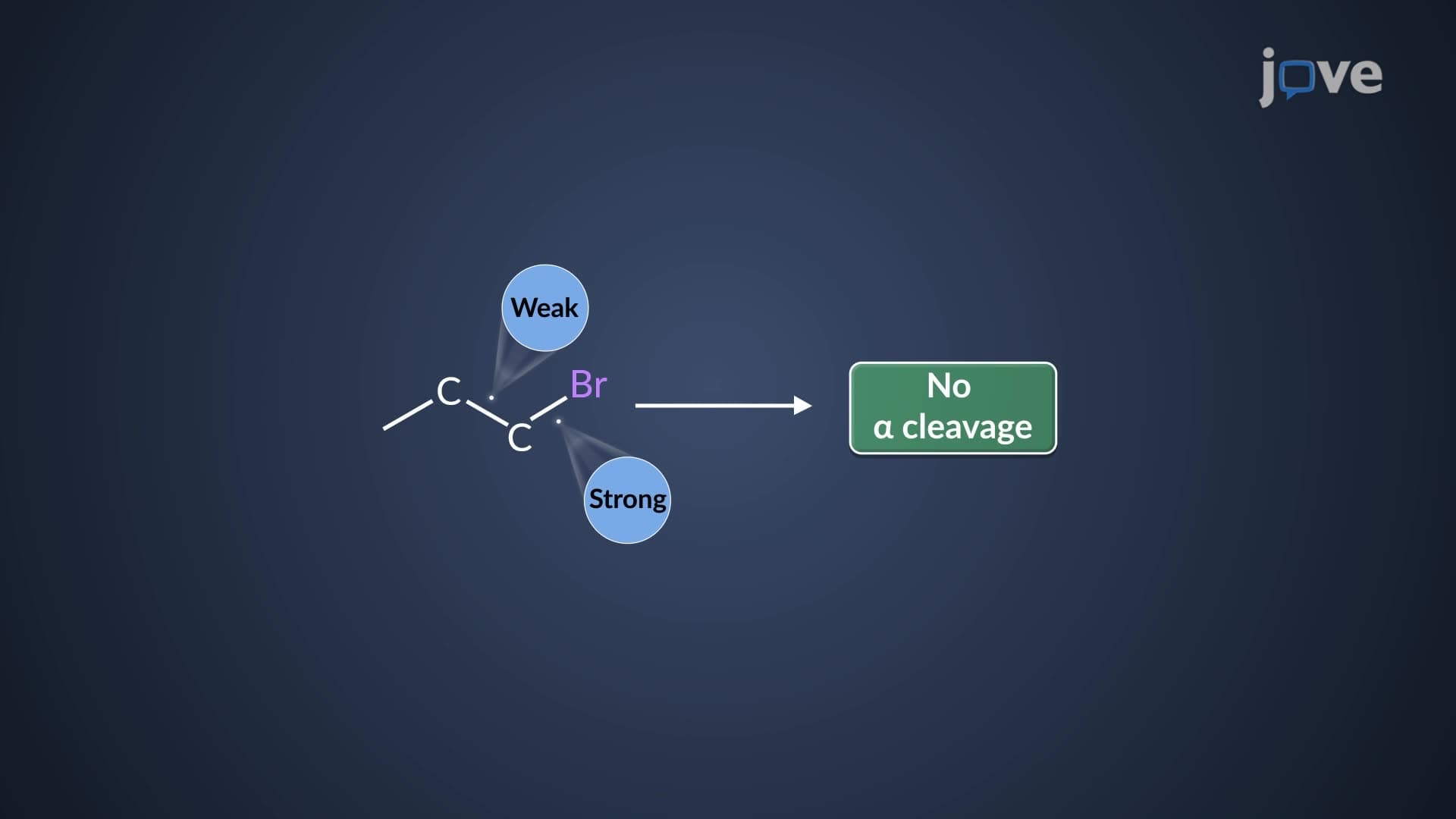
7. Halogen Compound Isotope Effects and Fragmentation Alkyl halides display distinctive isotope patterns reflecting natural chlorine (³⁵Cl:³⁷Cl = 3:1) and bromine (⁷⁹Br:⁸¹Br = 1:1) ratios. These ratios appear as molecular ion doublets separated by two mass units (M and M+2). Heterolytic C-X bond cleavage produces base peaks from alkyl carbocations. Chloroalkanes undergo α-cleavage because C-Cl and C-C bonds have similar strengths, creating stable carbocations with shared positive charge. Bromoalkanes resist α-cleavage since C-C bonds are weaker than C-Br bonds, leading to different fragmentation preferences.
8. Soft Ionization Techniques: CI, ESI, and MALDI Chemical ionization (CI) addresses excessive fragmentation in electron impact methods by creating stable protonated molecules (M+1 peaks) through gas-phase proton transfer reactions. Methane serves as the common reagent gas, forming CH₅⁺ superacid species that protonate analyte molecules. Electrospray ionization (ESI) enables analysis of large biomolecules by creating charged droplets that yield intact molecular ions with associated counter-ions (M+23 for sodium). Matrix-assisted laser desorption ionization (MALDI) analyzes polar biopolymers up to 100,000 Daltons using UV laser energy absorbed by matrix compounds like 2,5-dihydroxybenzoic acid for gentle ionization and time-of-flight analysis.