Loading subject page…


53,693 views


Video Summary: Composition of Polyprotic Acid Solutions Explained
Ever wondered why your morning coffee's pH changes differently than lemon juice when you add cream? Polyprotic acid solutions behave uniquely because they can donate multiple protons, creating distinct chemical species at different pH levels. Consider carbonic acid (H2CO3) in carbonated beverages-it exists as three different forms simultaneously, with their proportions shifting as pH changes. The composition of polyprotic acid solutions explained through alpha fraction calculations reveals how these molecular transformations occur predictably during titrations. Watch the full video on JoVE Coach to master this concept with expert-led visuals and step-by-step explanations.
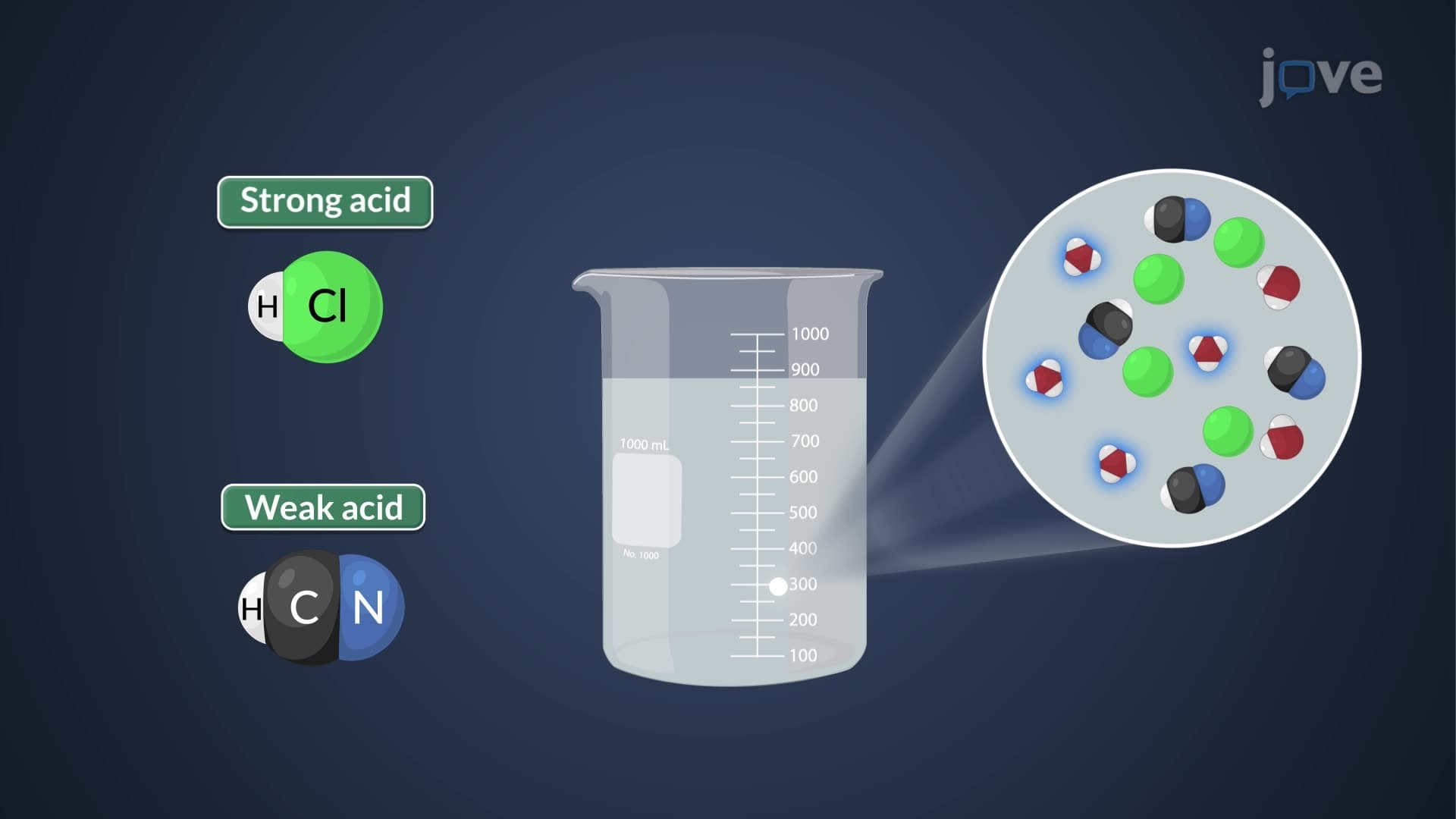
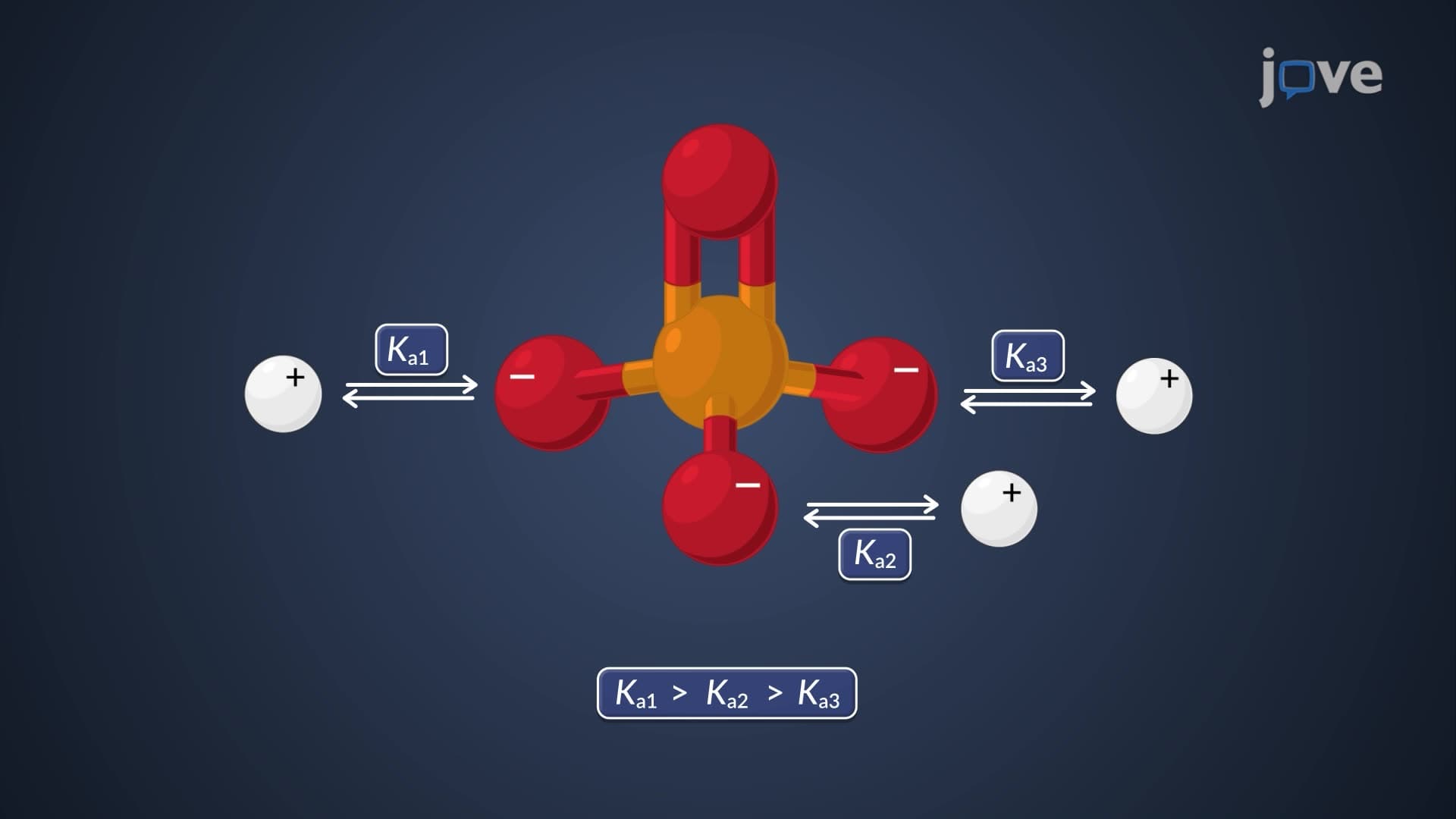
Polyprotic acid solutions contain acids capable of donating multiple protons (H+) in sequential steps, making their chemical behavior far more complex than simple monoprotic acids. Unlike hydrochloric acid (HCl), which releases only one proton, polyprotic acids like sulfuric acid (H2SO4), phosphoric acid (H3PO4), and carbonic acid (H2CO3) undergo multiple dissociation reactions. This creates a dynamic equilibrium system where several ionic species coexist simultaneously, with their relative concentrations shifting predictably as solution conditions change.
The composition of these solutions is elegantly described using alpha (α) fractions, which represent the fraction of total acid present in each possible form. For a diprotic acid H2A, three species exist: the fully protonated form (H2A), the singly deprotonated form (HA-), and the fully deprotonated form (A2-). These correspond to α0, α1, and α2 respectively, where α0 + α1 + α2 = 1.
The mathematical relationships governing these fractions involve the acid's dissociation constants (Ka1 and Ka2) and solution pH. At low pH values, α0 dominates, meaning most molecules remain fully protonated. As pH increases, α1 reaches maximum concentration at pH = (pKa1 + pKa2)/2, while α2 predominates at high pH values. These calculations prove essential for AP Chemistry students tackling acid-base equilibrium problems and college students in analytical chemistry courses.
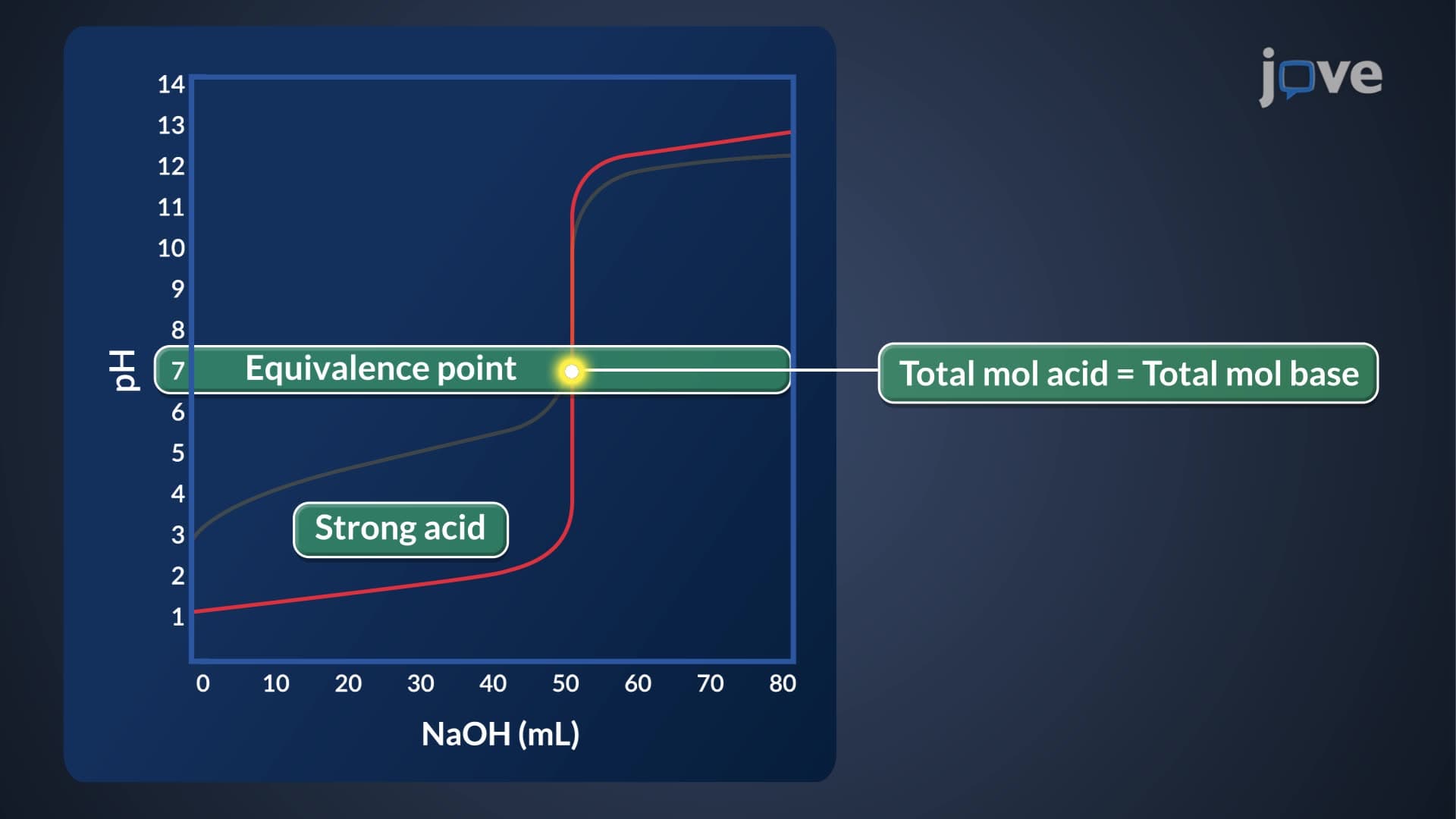
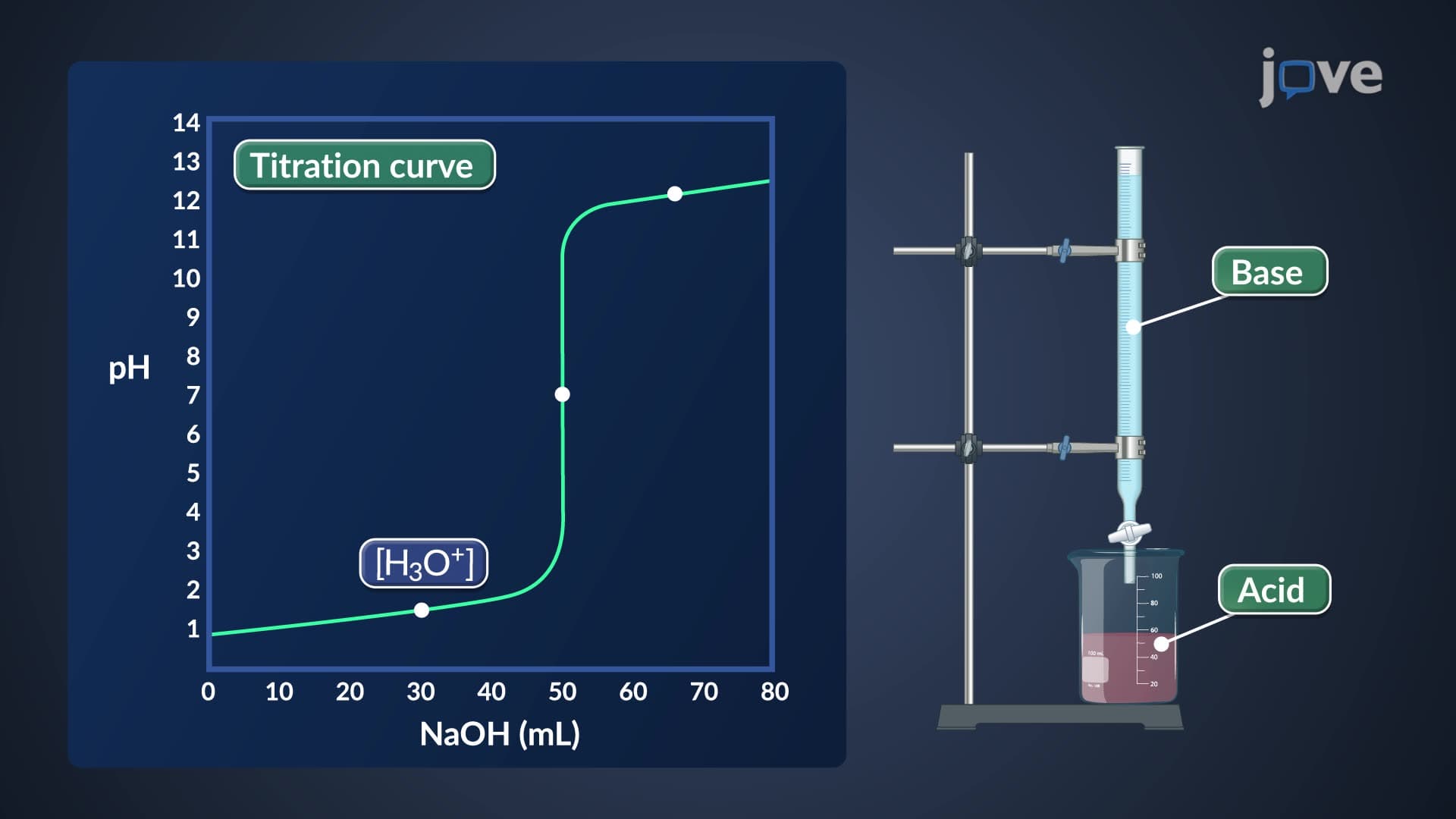
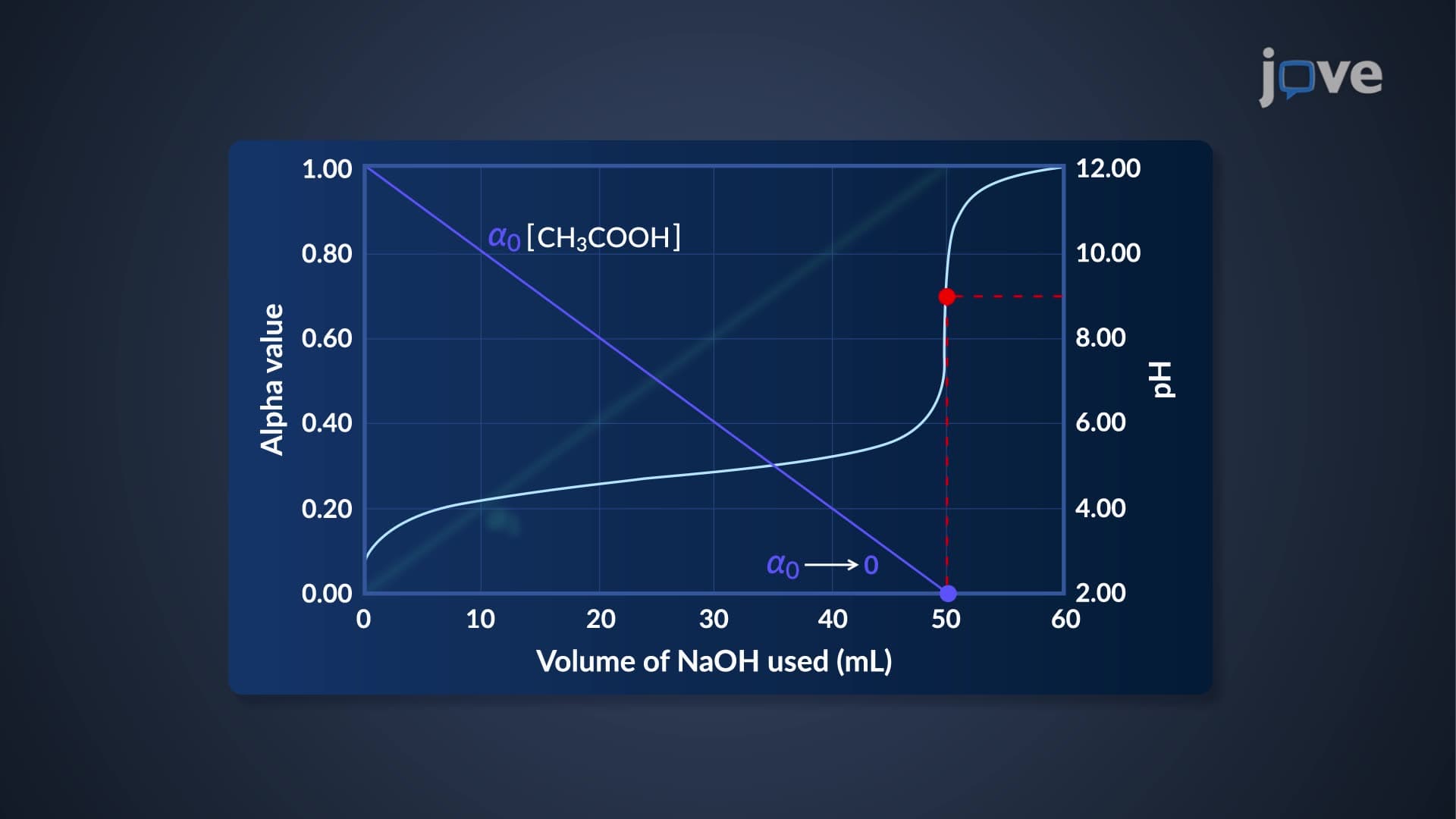
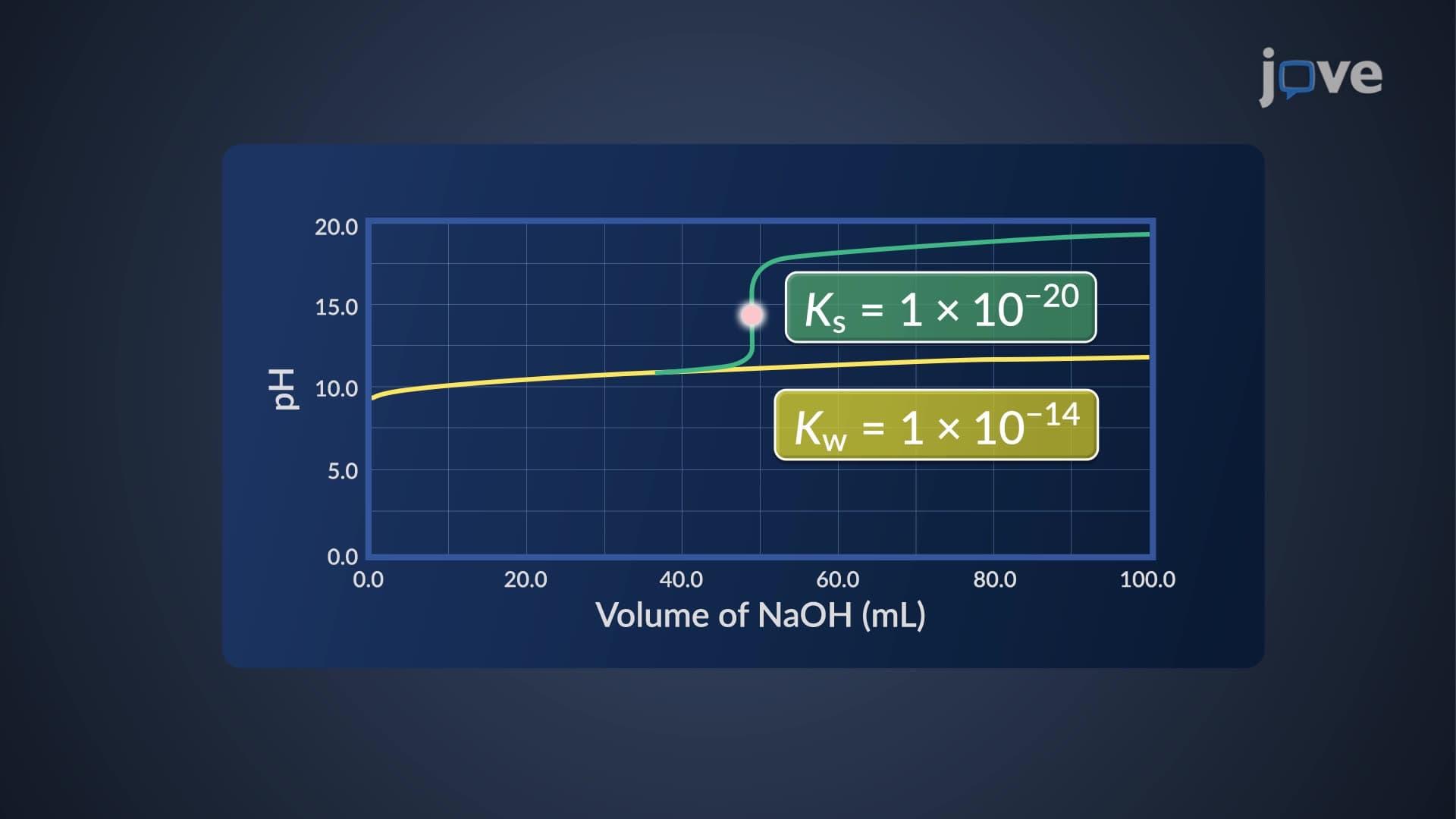
During sodium hydroxide titration of polyprotic acids, distinct equivalence points emerge corresponding to each proton dissociation step. At the first equivalence point, α1 approaches unity while α0 drops to near zero, indicating complete conversion from H2A to HA-. The second equivalence point shows α2 reaching maximum while α1 decreases, representing conversion from HA- to A2-.
This behavior has profound implications in real-world applications. Environmental scientists monitoring acid rain effects on lake ecosystems use these principles to understand how carbonic acid systems buffer natural waters. Similarly, pharmaceutical researchers designing drug delivery systems rely on polyprotic acid speciation to predict medication stability and bioavailability at different physiological pH levels.
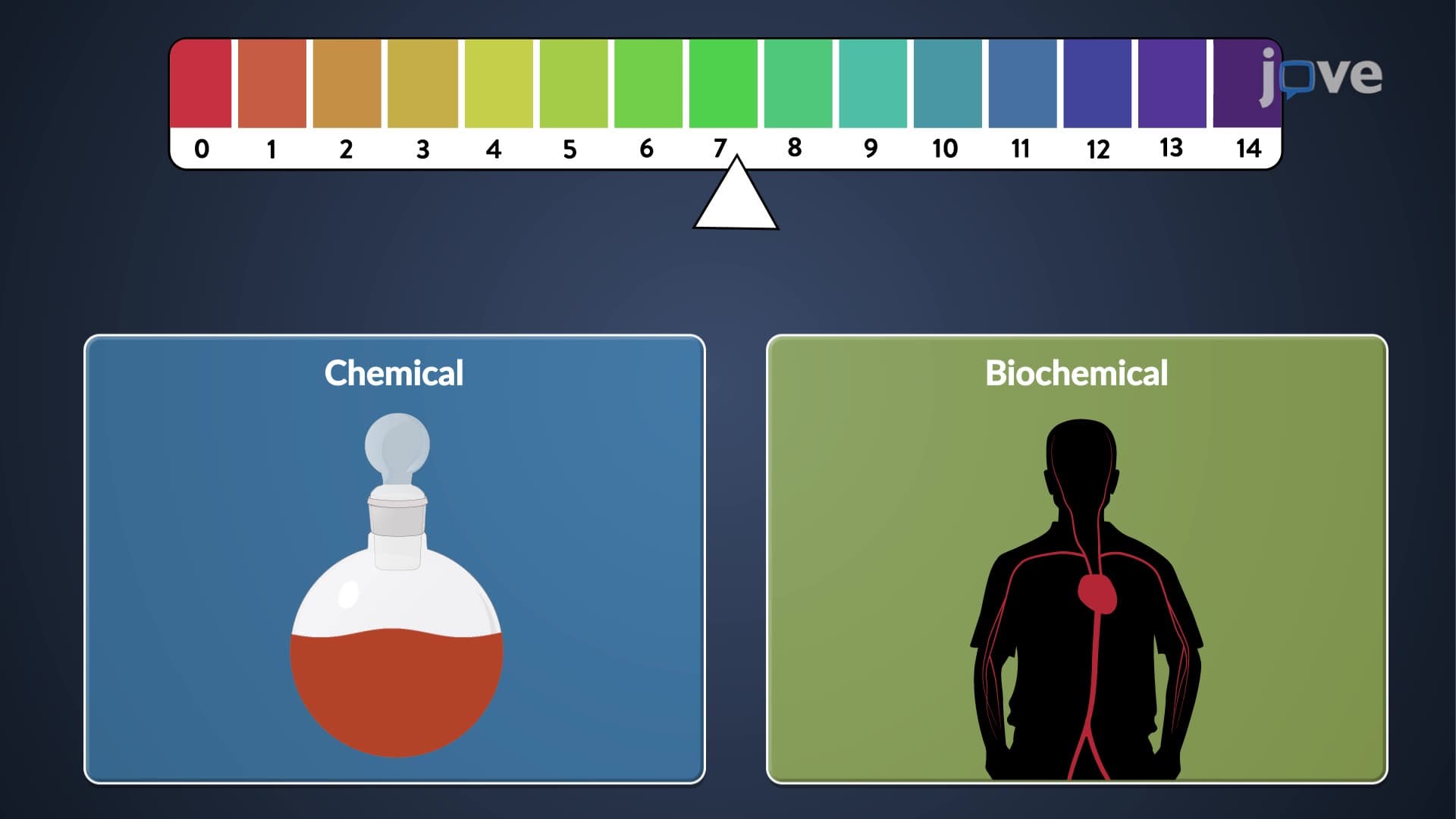
Students preparing for the MCAT encounter polyprotic acid problems in biological contexts, particularly amino acid zwitterion formation and phosphate buffer systems in cellular metabolism. College biochemistry courses extensively cover these concepts when studying protein folding, enzyme active sites, and metabolic pathway regulation. The independence of species distribution from total concentration-a key principle-appears frequently on standardized exams, requiring students to recognize that dilution doesn't change relative species percentages, only their absolute concentrations.
Related Micro-courses