Loading video…


 14 Concepts
 53.7K views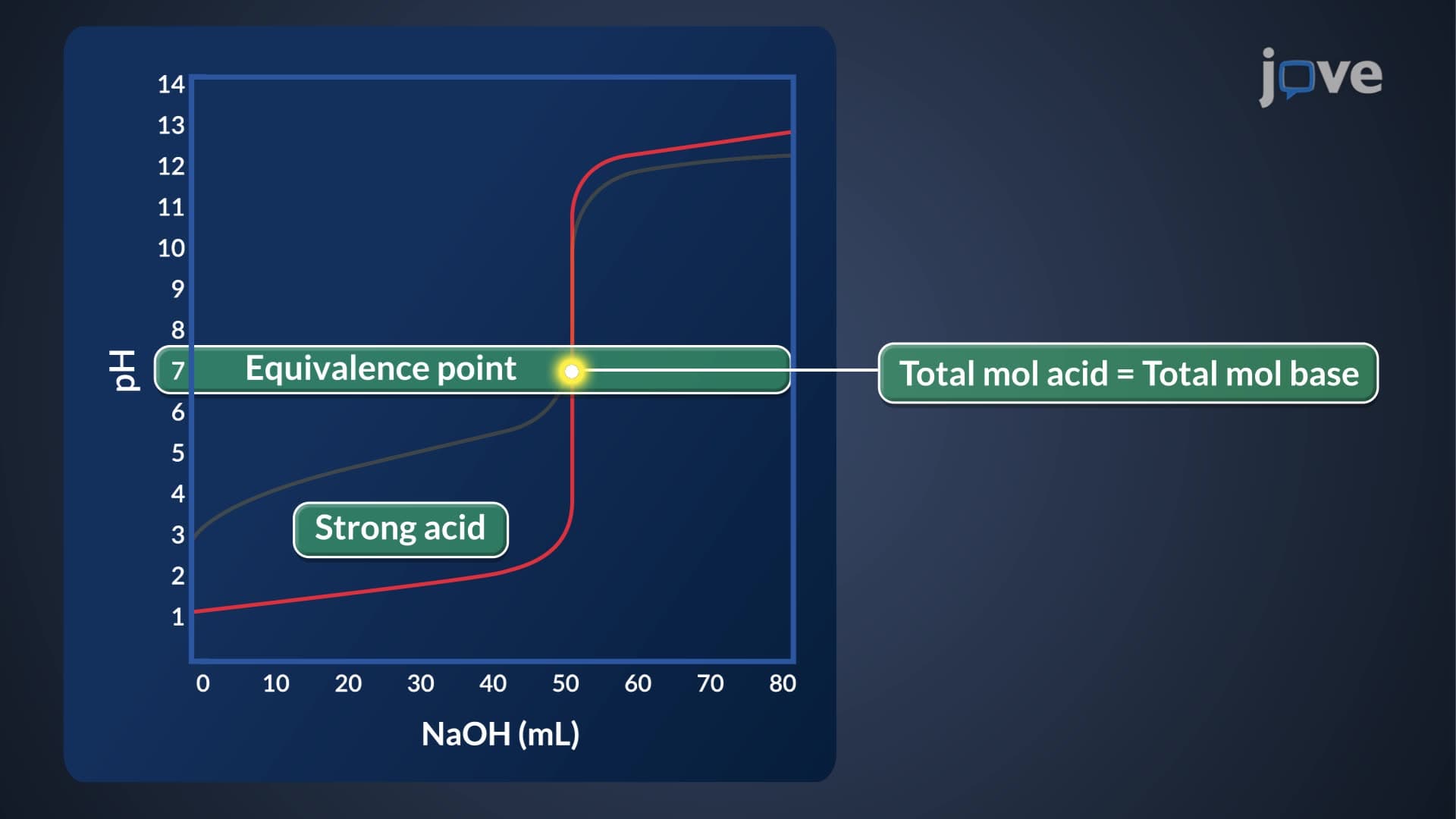

Video Summary: What Is Acid Base Titration
Ever wondered how pharmaceutical companies ensure your medication contains the exact amount of active ingredient? Acid base titration basics involve using a solution of known concentration to determine the unknown concentration of another solution through controlled neutralization. For instance, quality control labs at companies like Pfizer use these techniques to verify drug potency before medications reach patients. Understanding what is acid base titration reveals the fundamental chemistry behind countless analytical procedures in medicine, environmental testing, and food safety. Watch the full video on JoVE Coach to master this concept with expert-led visuals and step-by-step explanations.
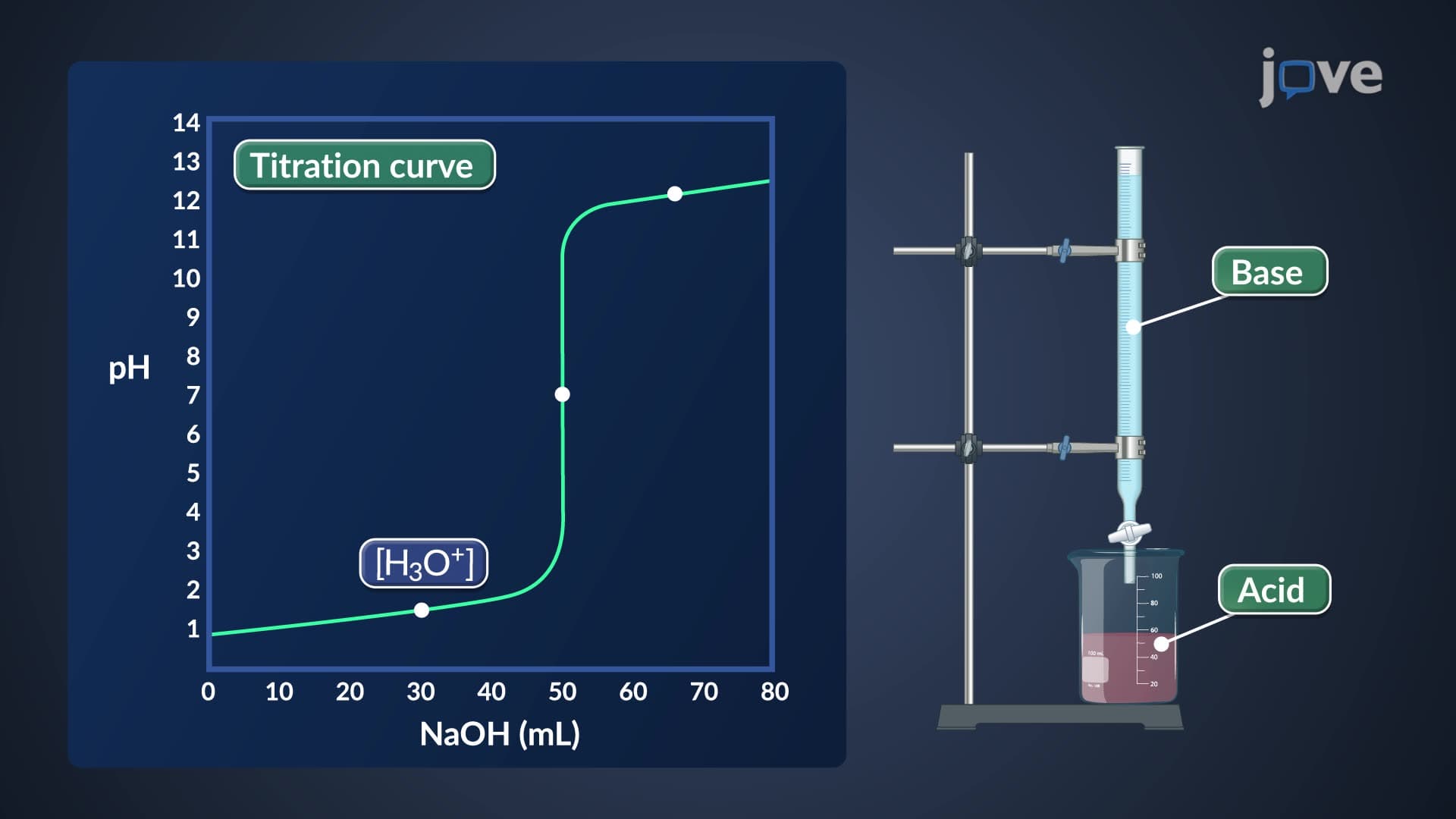
Acid base titration represents one of chemistry's most precise analytical techniques, where a solution of known concentration (the titrant) is systematically added to a solution of unknown concentration (the analyte) until the reaction reaches completion. This process relies on the fundamental principle of neutralization reactions, where acids and bases react in predictable stoichiometric ratios.
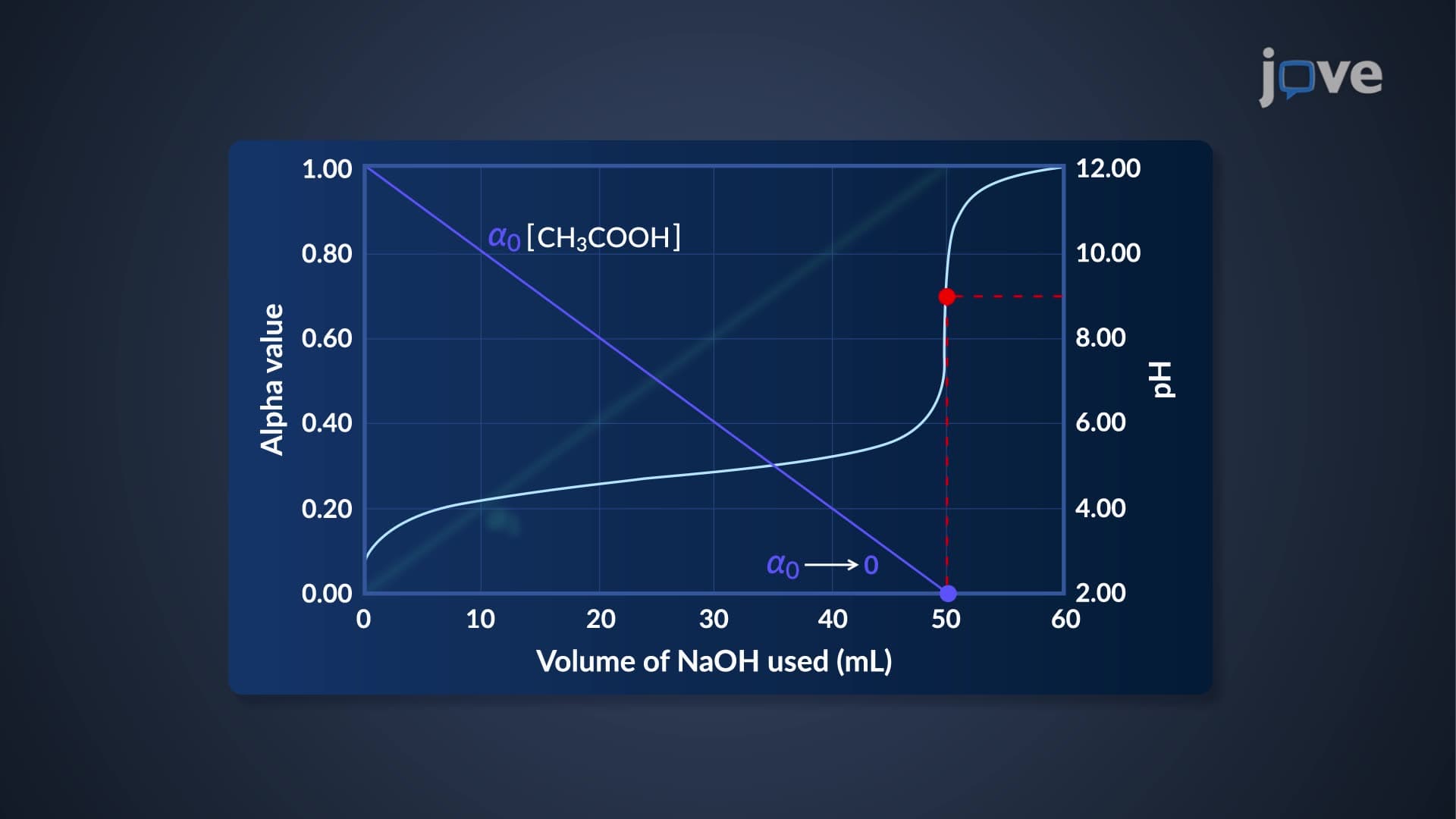
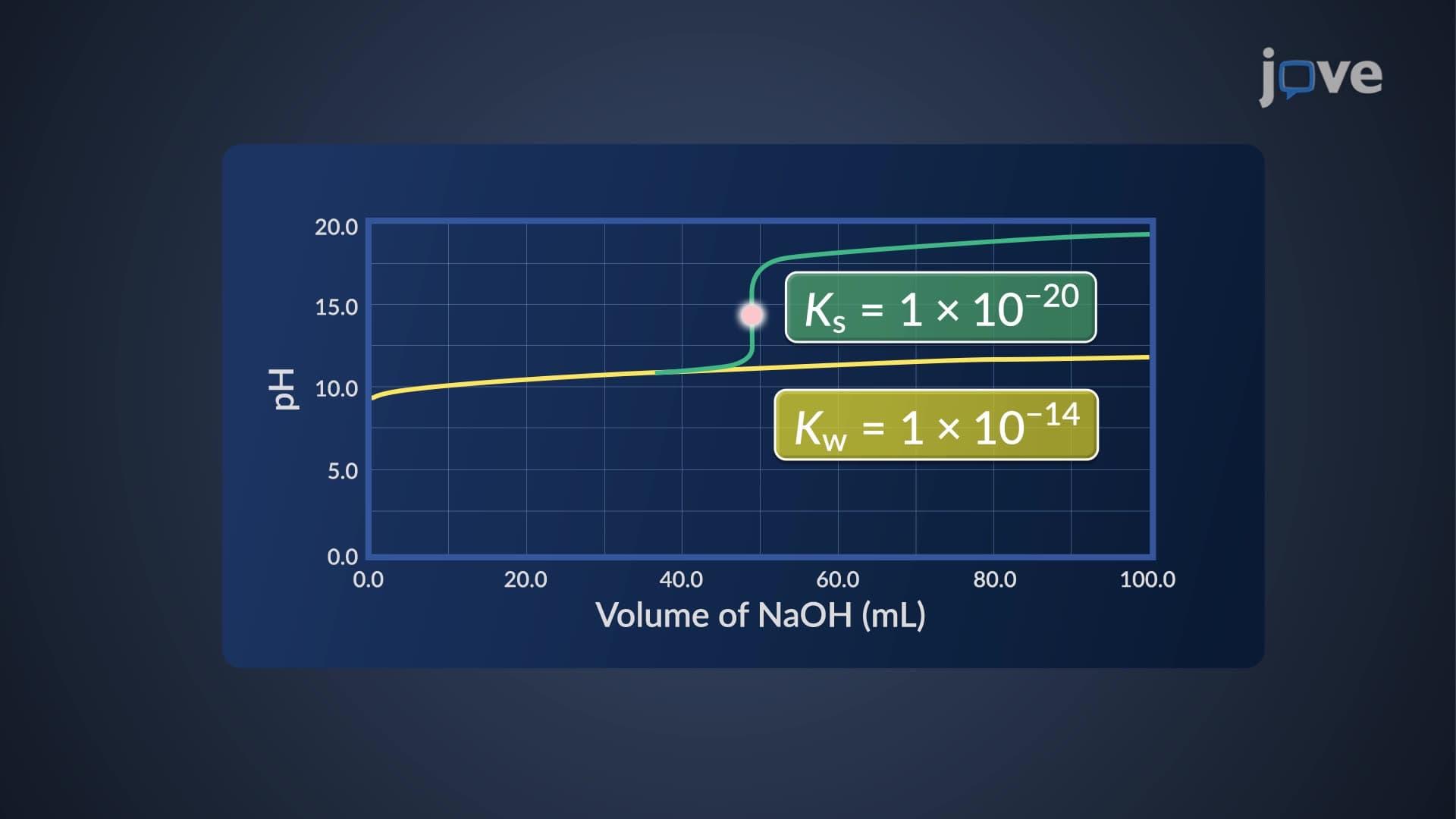
During titration, the pH titration curve provides a visual roadmap of the chemical changes occurring in solution. As base is added to acid, the pH gradually increases until reaching the dramatic vertical portion near the equivalence point titration. This equivalence point represents the exact moment when moles of acid equal moles of base in solution-a critical concept for AP Chemistry students and college-level analytical chemistry courses.
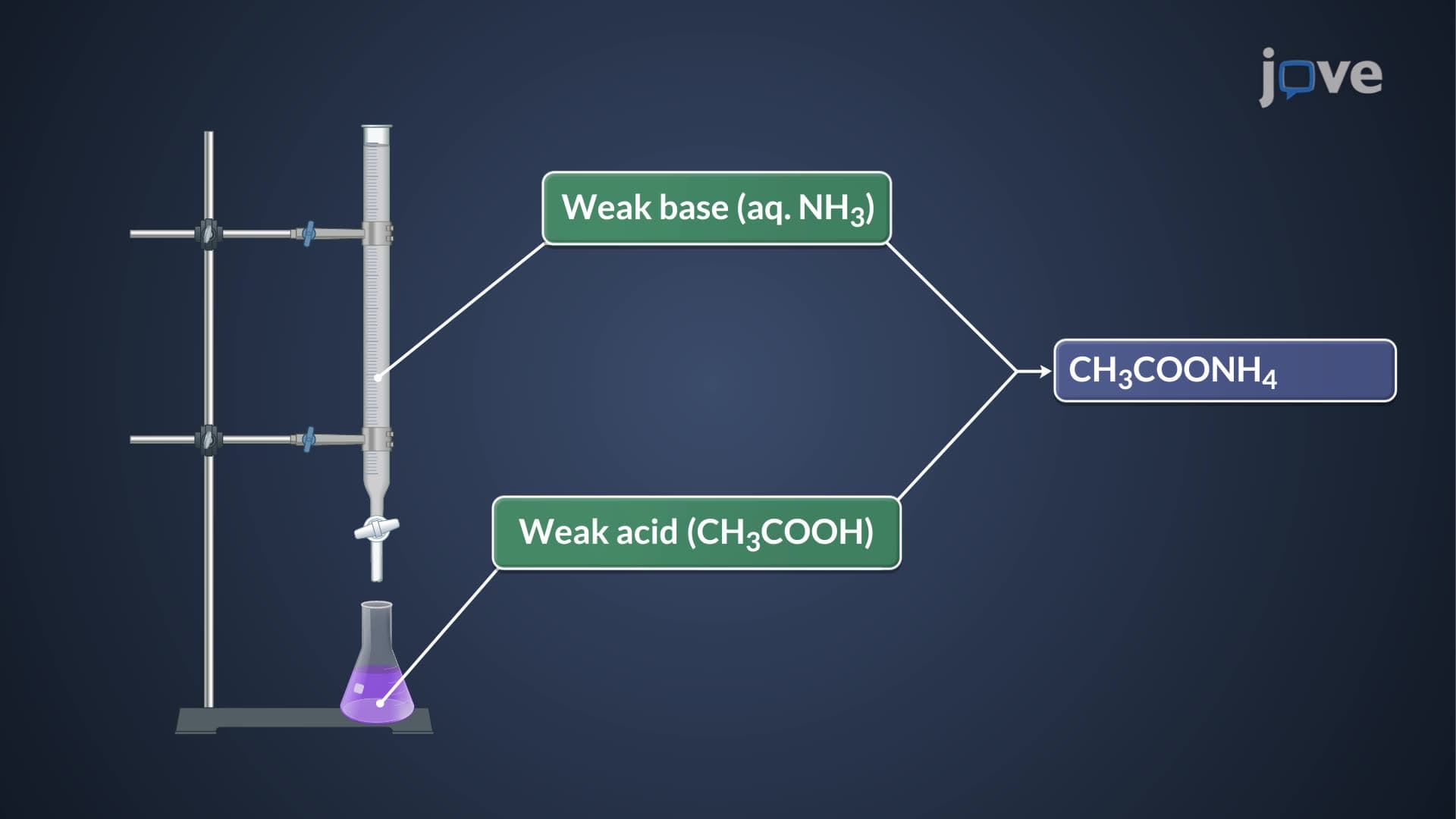
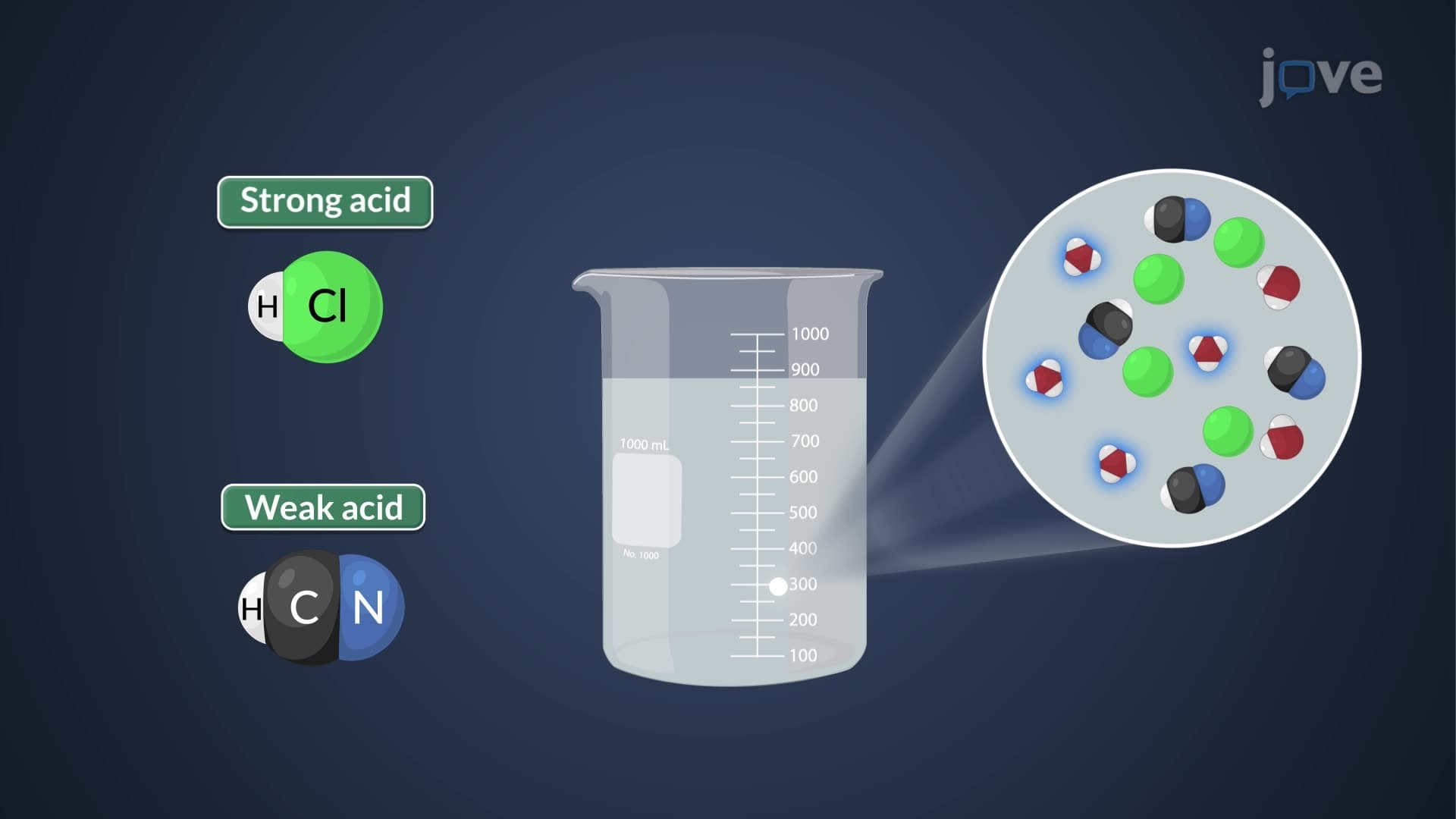
The steepness of this pH jump varies significantly between strong and weak acid systems. Strong acid titrations exhibit sharp, nearly vertical transitions at pH 7, while weak acid titrations show gentler slopes with equivalence points above pH 7. This difference stems from the formation of the conjugate base, which acts as a weak base in solution.
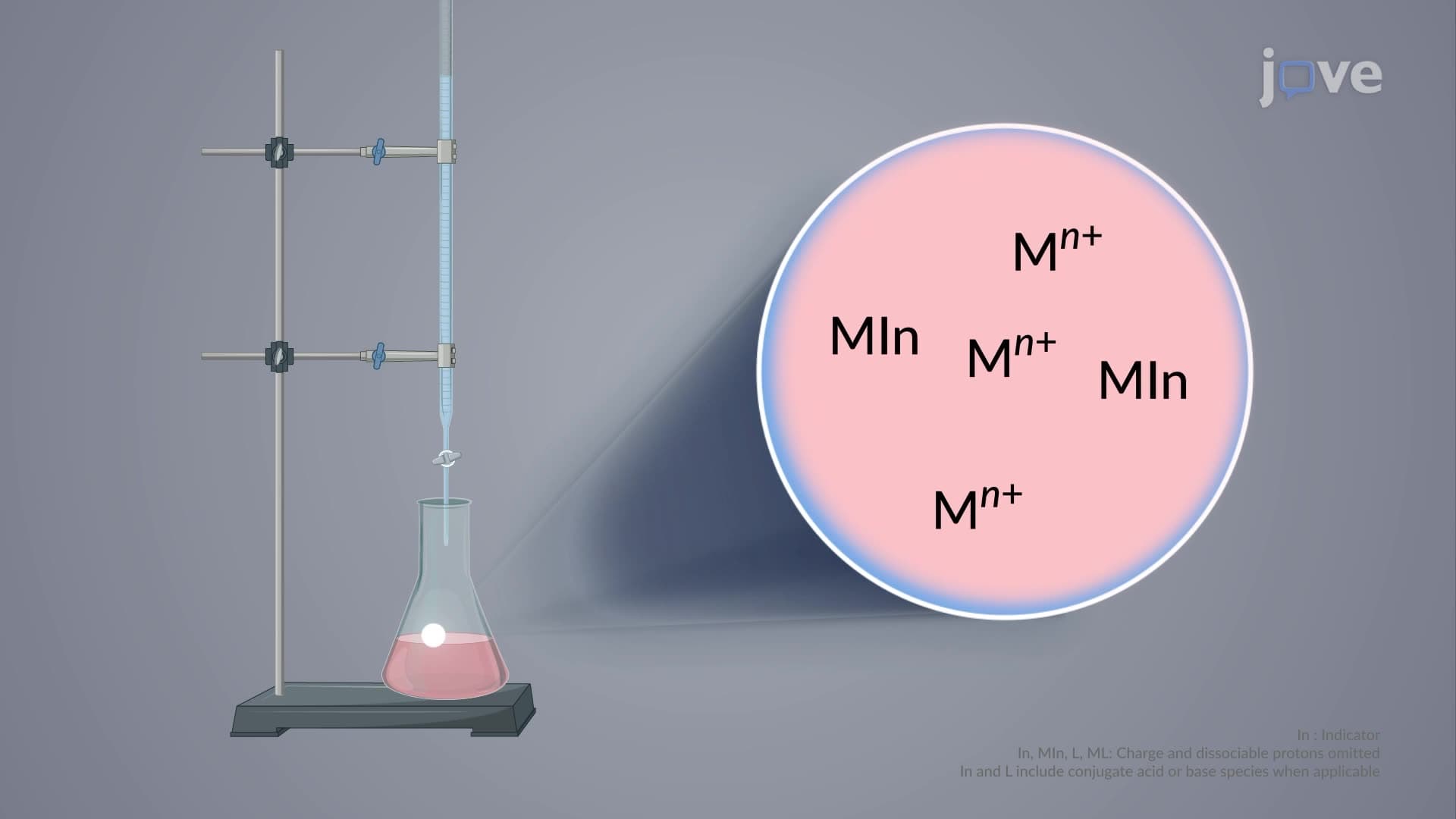
Acid base indicators serve as the visual cues that signal reaction completion. Phenolphthalein, changing from colorless to pink around pH 8.2-10, works excellently for weak acid-strong base titrations. Methyl orange, transitioning from red to yellow around pH 3.1-4.4, suits strong acid-weak base systems better.
Titration stoichiometry calculations form the mathematical foundation of concentration determination. Students preparing for MCAT chemistry sections frequently encounter problems requiring the relationship: M₁V₁ = M₂V₂ at the equivalence point, where molarity and volume relationships determine unknown concentrations.
Industries across America rely on titration techniques daily. Environmental protection agencies use these methods to monitor acid rain effects on waterways, while food manufacturers ensure proper acidity levels in products like yogurt and wine. Pharmaceutical quality control laboratories employ titration to verify active pharmaceutical ingredient concentrations, making this technique essential for maintaining drug safety standards throughout the United States.
Related Micro-courses