Loading video…


 14 Concepts
 53.7K views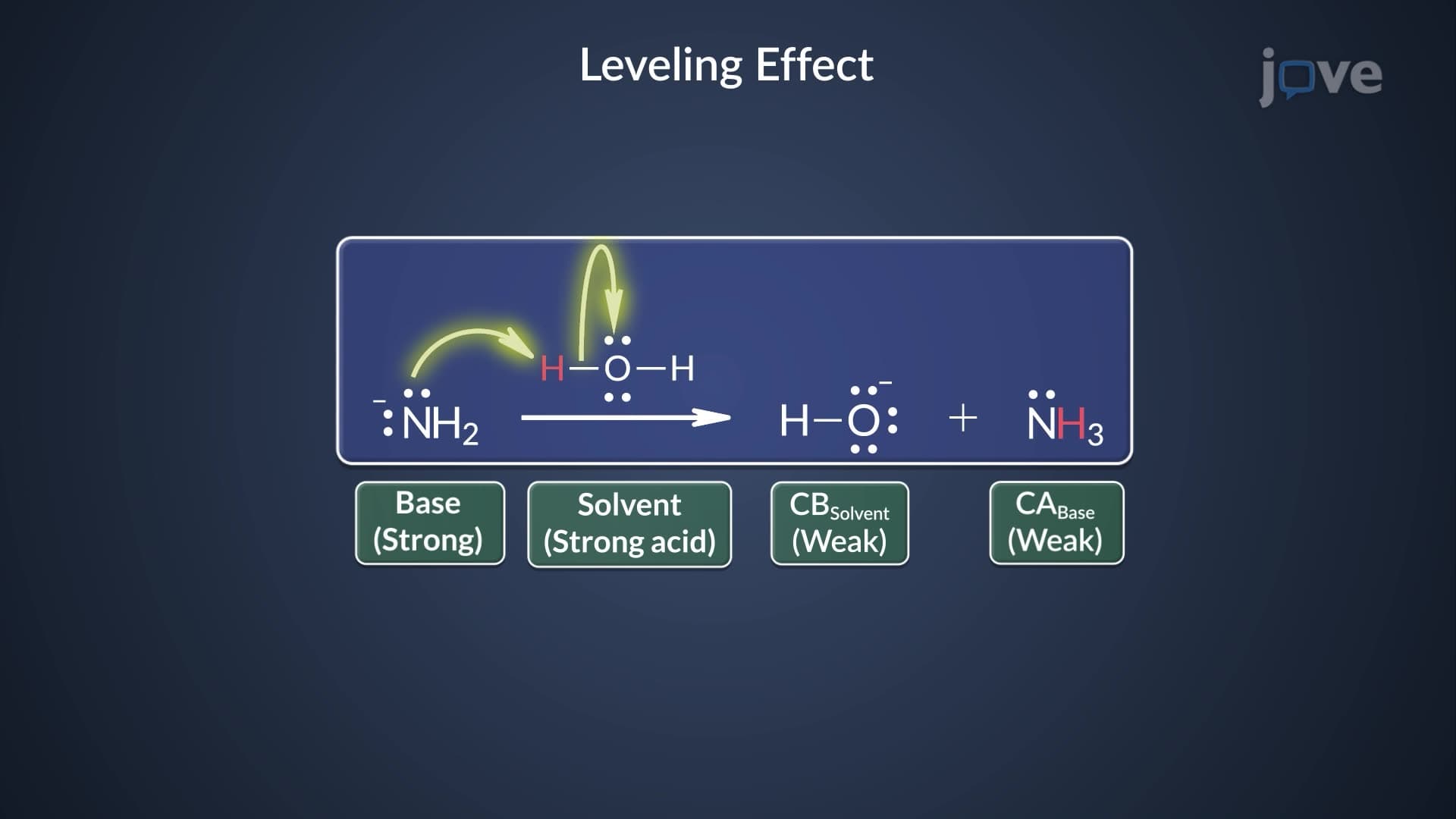

Video Summary: What Is Leveling Effect
Ever wonder why adding concentrated sulfuric acid to water doesn't create a "super acid" solution? The leveling effect chemistry prevents this phenomenon by limiting how strong acids and bases can appear in different solvents. In aqueous solutions used in US high school labs, even the strongest acids like perchloric acid behave similarly because water acts as a chemical equalizer. Watch the full video on JoVE Coach to master this concept with expert-led visuals and step-by-step explanations.
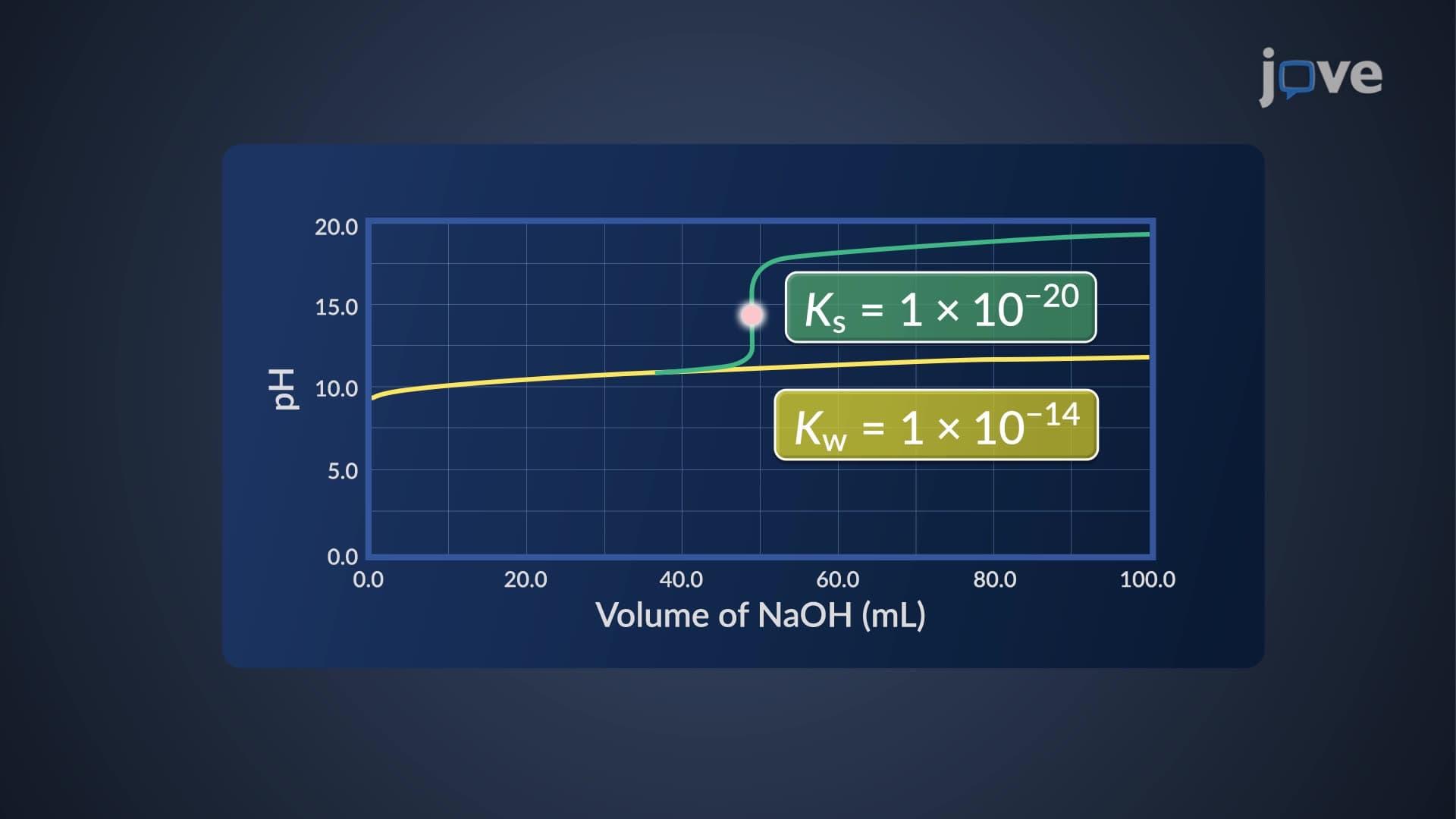
The leveling effect represents a fundamental limitation in acid-base chemistry where solvents essentially "level" the apparent strength of strong acids and bases. This phenomenon occurs because extremely strong acids or bases react preferentially with the solvent rather than with intended target molecules, creating a ceiling effect on observable acidity or basicity.
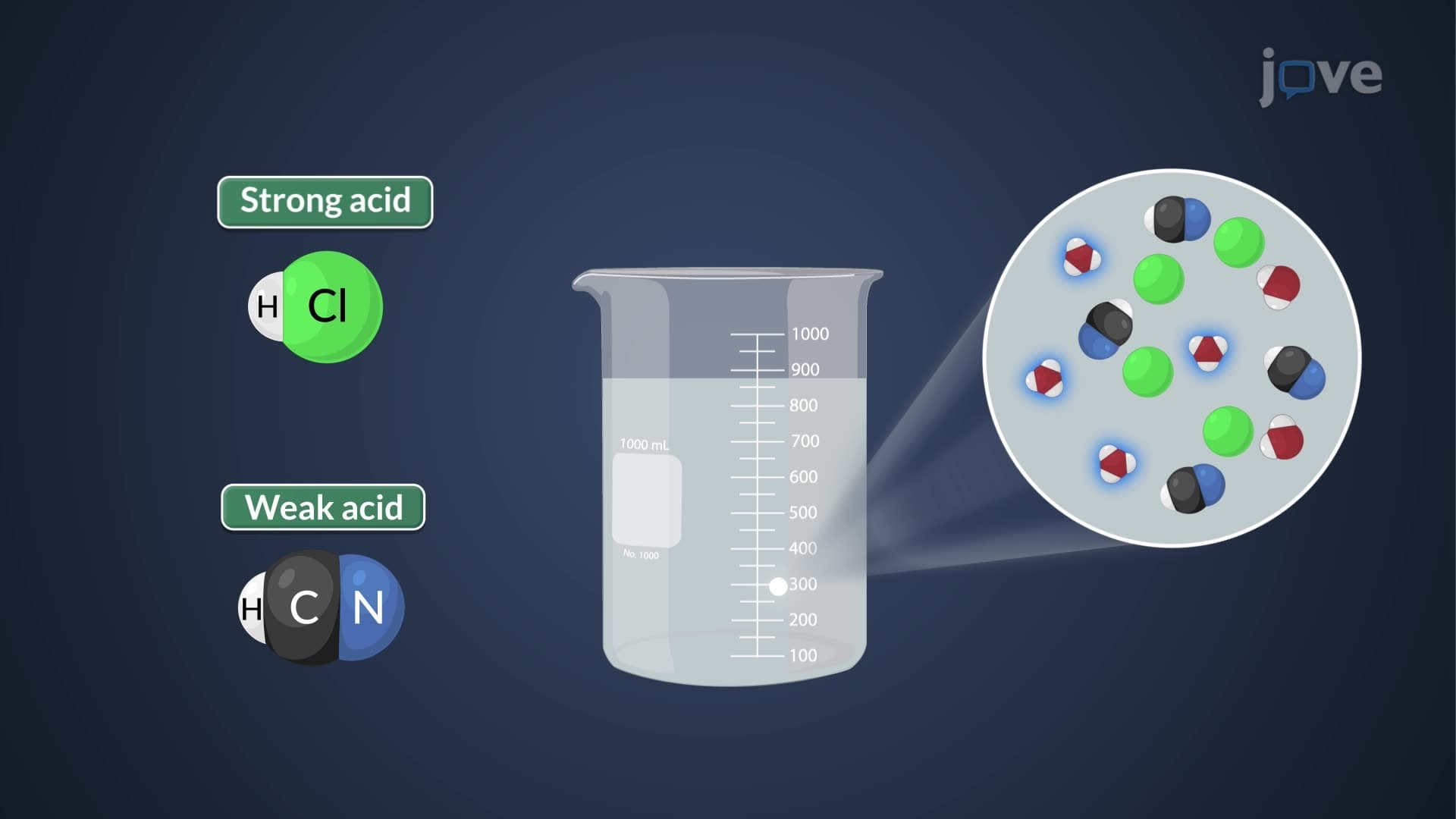
When strong acids like perchloric acid (HClO₄) or sulfuric acid (H₂SO₄) dissolve in water, they completely protonate water molecules to form hydronium ions (H₃O⁺). This means that in aqueous solution, all strong acids appear equally strong because they're limited by water's ability to accept protons. The actual acid strength differences become masked-hence the "leveling" terminology. This concept frequently appears on AP Chemistry exams when students must explain why different strong acids have similar pH values in dilute aqueous solutions.
Similarly, when strong bases like amide ions (NH₂⁻) encounter water, they immediately deprotonate water molecules, forming hydroxide ions (OH⁻) and consuming the original strong base. This explains why sodium amide, commonly used in organic synthesis laboratories across US universities, cannot maintain its extreme basicity in aqueous environments. The base becomes "leveled down" to the strength of hydroxide ion, water's conjugate base.
To observe true differences in acid or base strength, chemists must use non-leveling (differentiating) solvents. For example, liquid ammonia allows discrimination between different strong bases that appear identical in water. This principle guides solvent selection in pharmaceutical manufacturing, where companies like Pfizer and Merck must carefully choose reaction media to achieve desired selectivity. Understanding these concepts proves crucial for MCAT preparation, where students encounter complex acid-base equilibria in biological systems.
The leveling effect also explains why certain synthetic transformations fail in protic solvents but succeed in aprotic environments-knowledge essential for success in organic chemistry courses at institutions like MIT, Stanford, and UC Berkeley.
Related Micro-courses