Loading video…


 14 Concepts
 53.7K views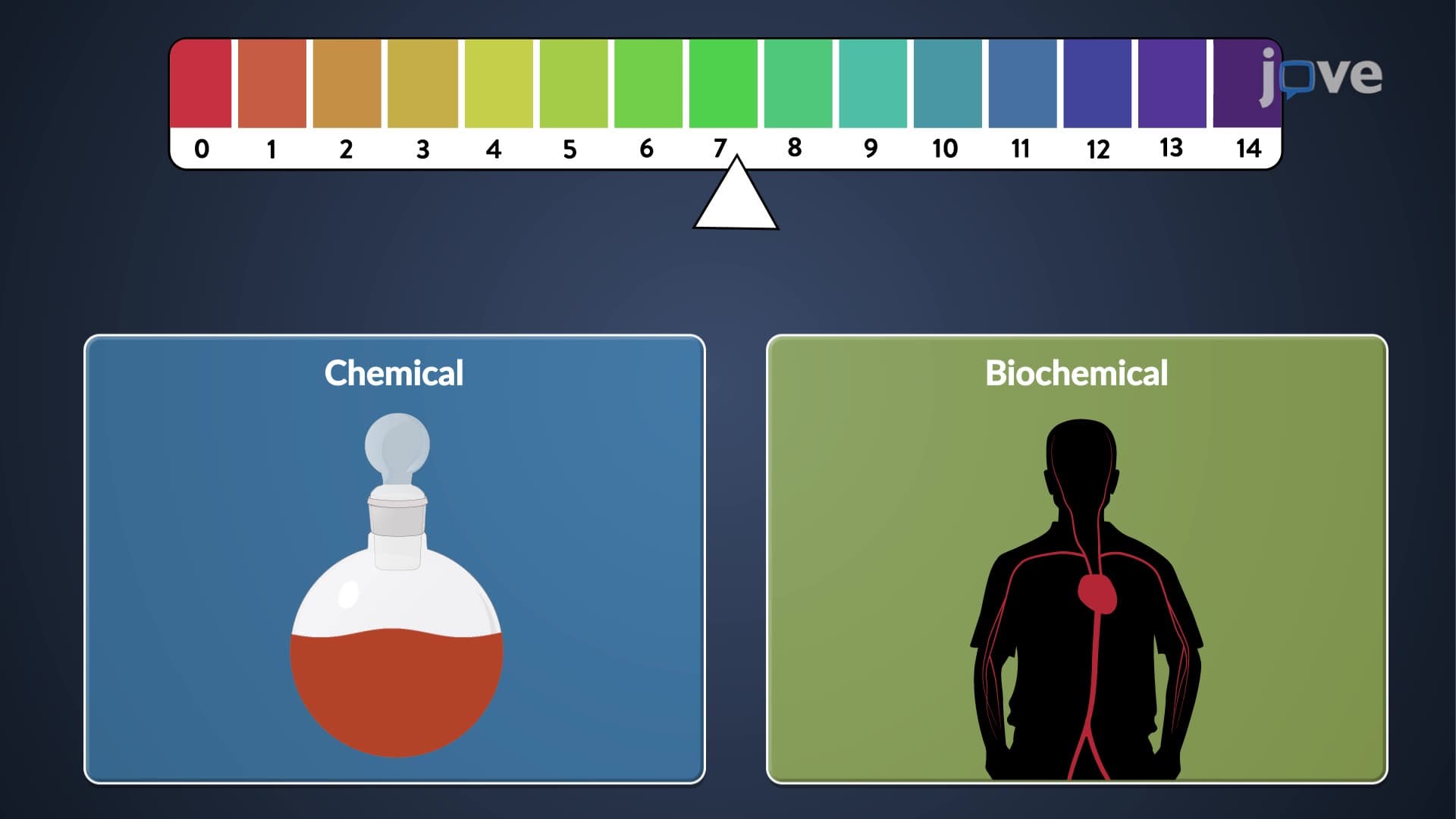

Video Summary: Buffers Composition Action and Ph Control
Ever wonder how your blood maintains the perfect pH despite drinking acidic soda or taking antacids? Buffer composition pH control is the secret behind this biological miracle, preventing dangerous pH swings that could be fatal. These chemical systems, found everywhere from hospital IV solutions to swimming pool treatments across the United States, work through carefully balanced weak acid-base pairs that neutralize incoming threats. Understanding buffers: composition, action, and pH control is essential for grasping how life maintains its delicate chemical balance. Watch the full video on JoVE Coach to master this concept with expert-led visuals and step-by-step explanations.
How buffers control pH represents one of chemistry's most elegant solutions to maintaining chemical stability. Unlike pure water, which experiences dramatic pH shifts with tiny amounts of acid or base, buffer systems resist these changes through their unique molecular architecture. The secret lies in their composition: a carefully balanced partnership between a weak acid and its conjugate base, or alternatively, a weak base and its conjugate acid.
The buffer system chemistry operates through a sophisticated molecular dance. When excess acid enters a buffered solution, the conjugate base component immediately neutralizes the incoming hydrogen ions, preventing pH drops. Conversely, when base is added, the weak acid component sacrifices its hydrogen ions to neutralize the incoming hydroxide ions, preventing pH spikes. This dual-defense mechanism ensures pH buffer action remains effective across a specific range.
Consider the carbonic acid-bicarbonate buffer system in human blood, maintaining pH near 7.4. This system exemplifies perfect buffer preparation chemistry, where carbonic acid (H2CO3) serves as the weak acid and bicarbonate ion (HCO3-) acts as the conjugate base. American hospitals rely on this understanding when administering IV fluids, ensuring patient blood chemistry remains stable.
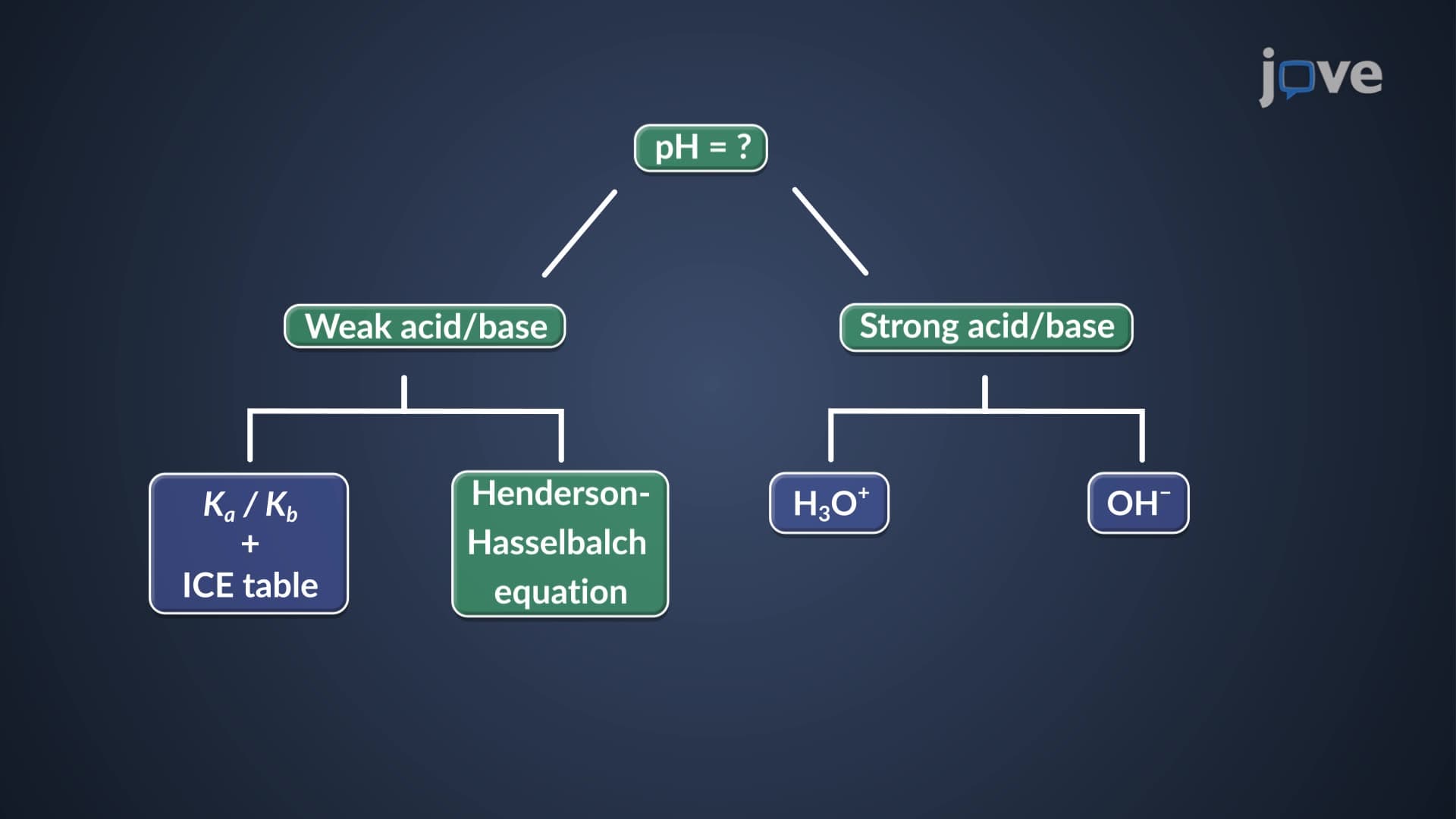
The Henderson-Hasselbalch equation quantifies buffer behavior: pH = pKa + log([A-]/[HA]). This fundamental relationship appears regularly on AP Chemistry exams and MCAT assessments, requiring students to calculate pH changes in buffer systems. Buffer capacity and pH relationships determine how much acid or base a system can neutralize before overwhelming its protective capabilities.
Buffer capacity depends on both the concentration of buffer components and their ratio. Maximum buffering occurs when weak acid and conjugate base concentrations are equal, creating optimal resistance to pH changes. This principle guides pharmaceutical companies in formulating medications and helps water treatment facilities across the United States maintain proper pH levels.
Understanding buffer systems proves crucial for pre-med students preparing for the MCAT, where buffer problems frequently appear in the Chemical and Physical Foundations section. College chemistry courses dedicate significant time to buffer calculations, often featuring them prominently on midterm and final examinations. The concept bridges general chemistry and biochemistry, making it essential for students pursuing healthcare careers.
Related Micro-courses