Loading video…


 17 Concepts
 18.9K views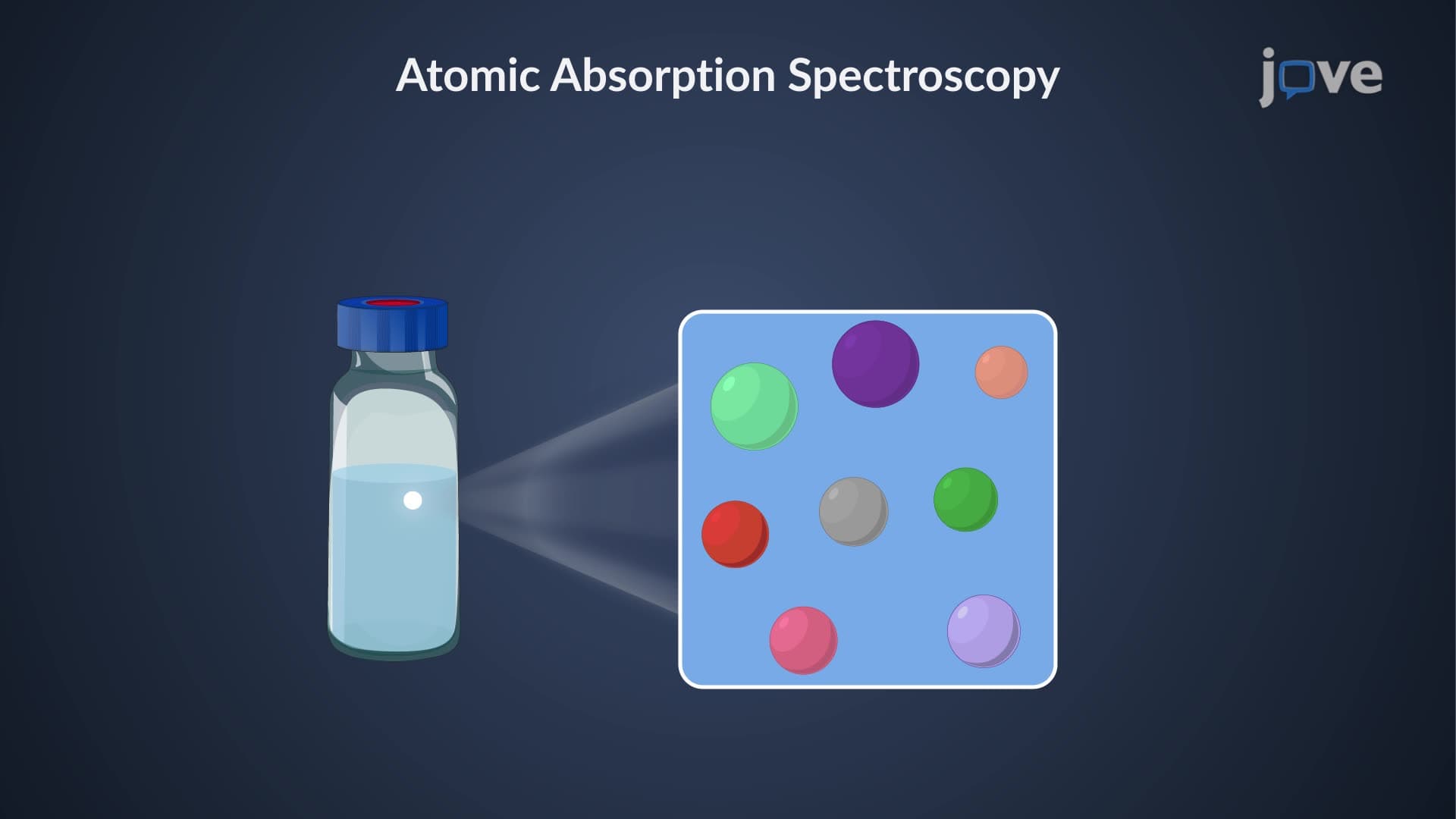

Video Summary: What Is Atomic Absorption Spectroscopy
Did you know that the trace metals in your tap water can be detected at nanogram levels using light? Understanding atomic absorption spectroscopy basics reveals how scientists use specific wavelengths of electromagnetic radiation to identify and quantify metal elements in samples. The EPA routinely uses this technique to monitor lead contamination in drinking water across US cities. What is atomic absorption spectroscopy becomes clear when you see how atoms absorb light energy to jump to higher energy levels, creating measurable absorption patterns. Watch the full video on JoVE Coach to master this concept with expert-led visuals and step-by-step explanations.
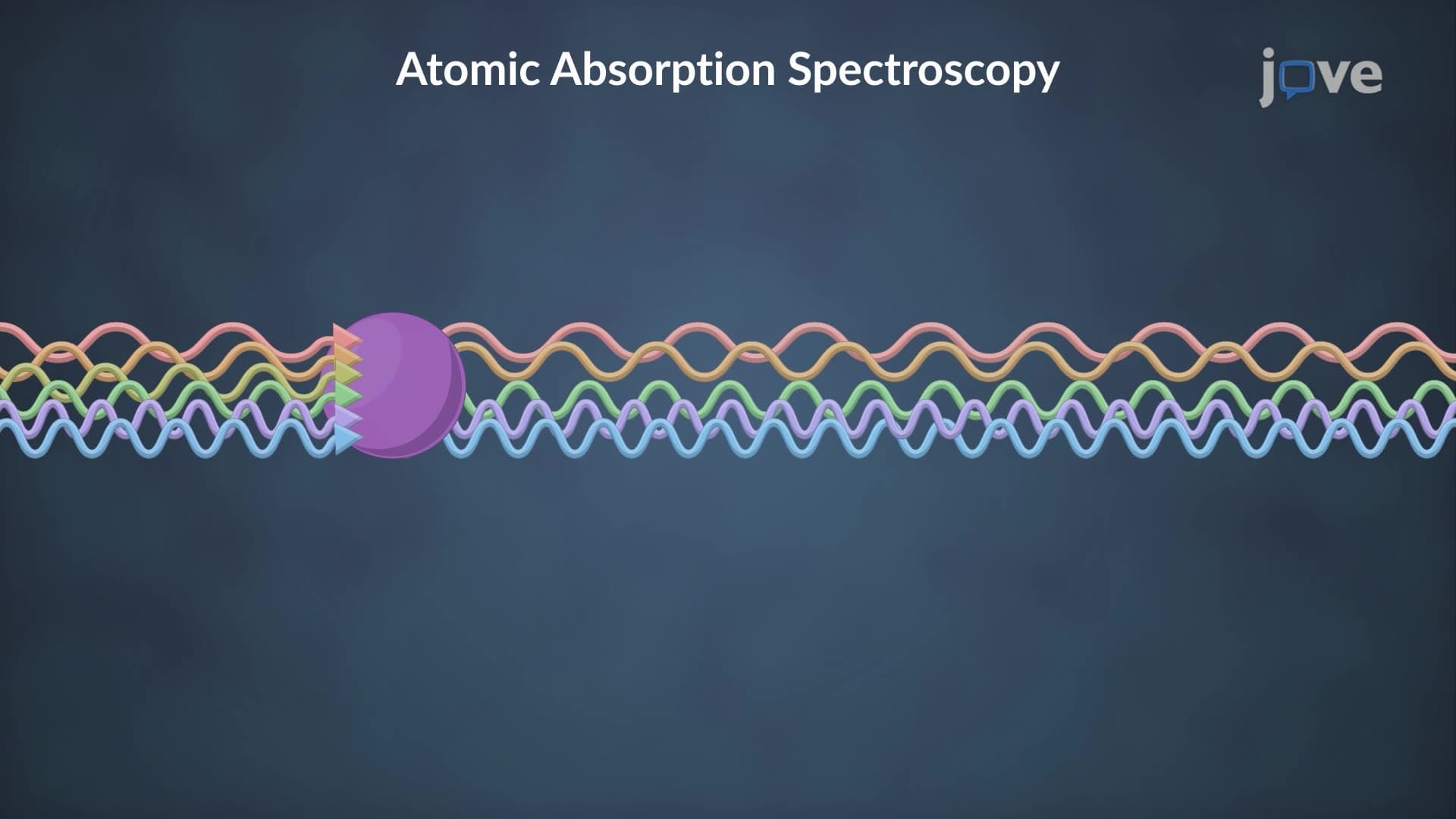
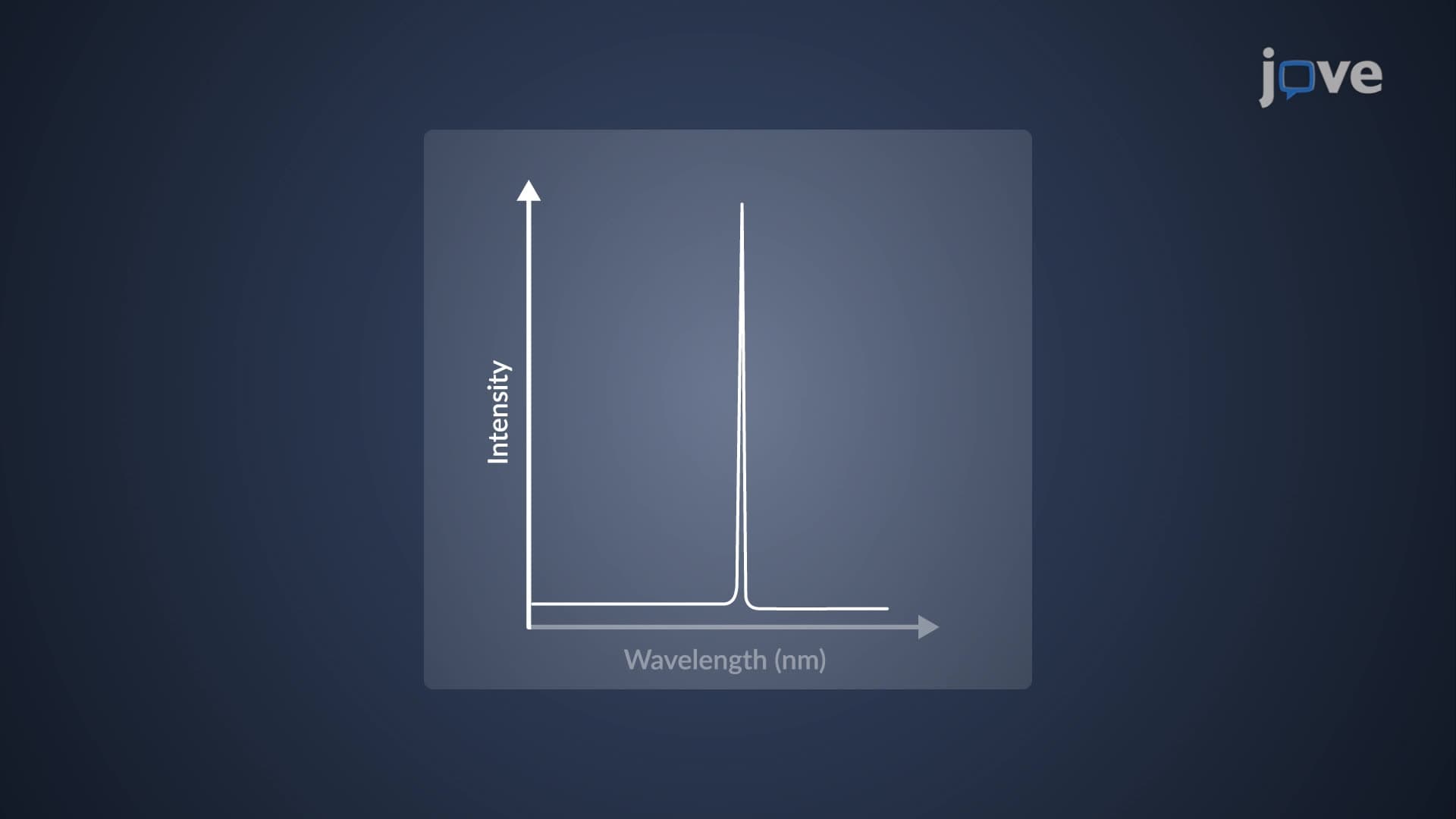
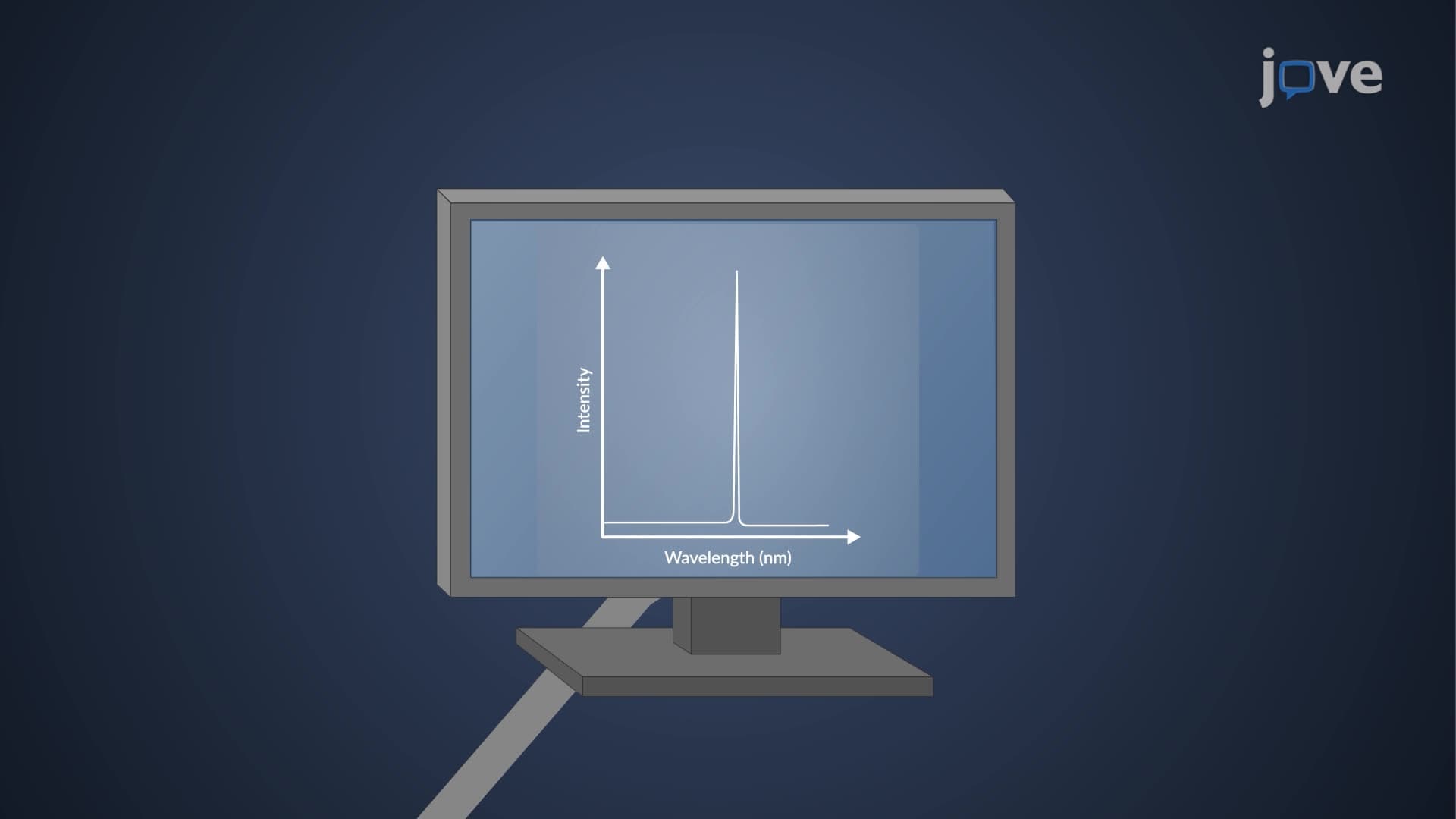
Atomic absorption spectroscopy basics center on a fundamental atomic physics principle: atoms absorb light at specific wavelengths corresponding to electronic transitions. When ground-state atoms encounter electromagnetic radiation matching their characteristic absorption lines, electrons jump to higher energy orbitals. This selective absorption creates a measurable decrease in transmitted light intensity, which directly correlates to the concentration of atoms present.
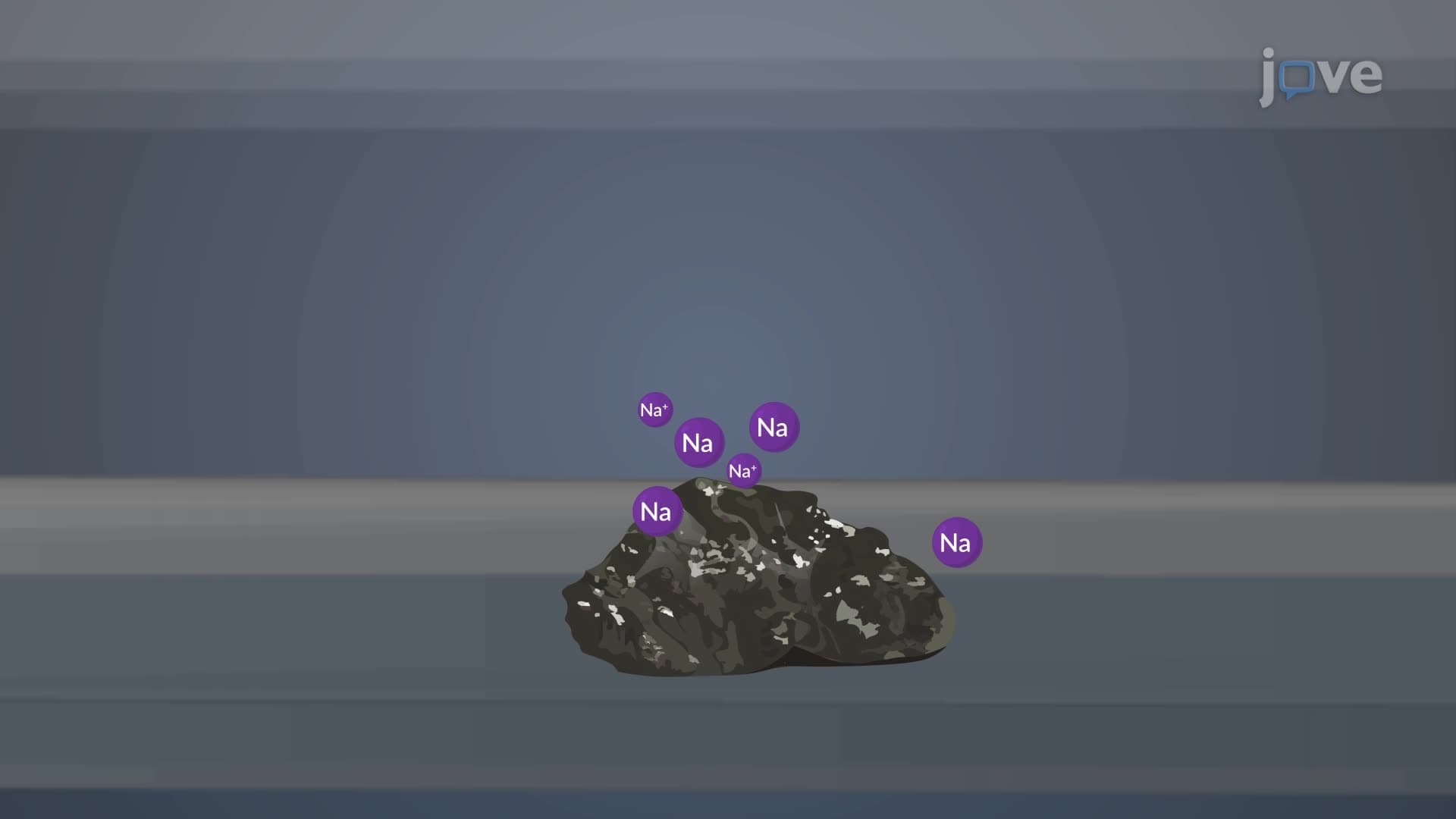
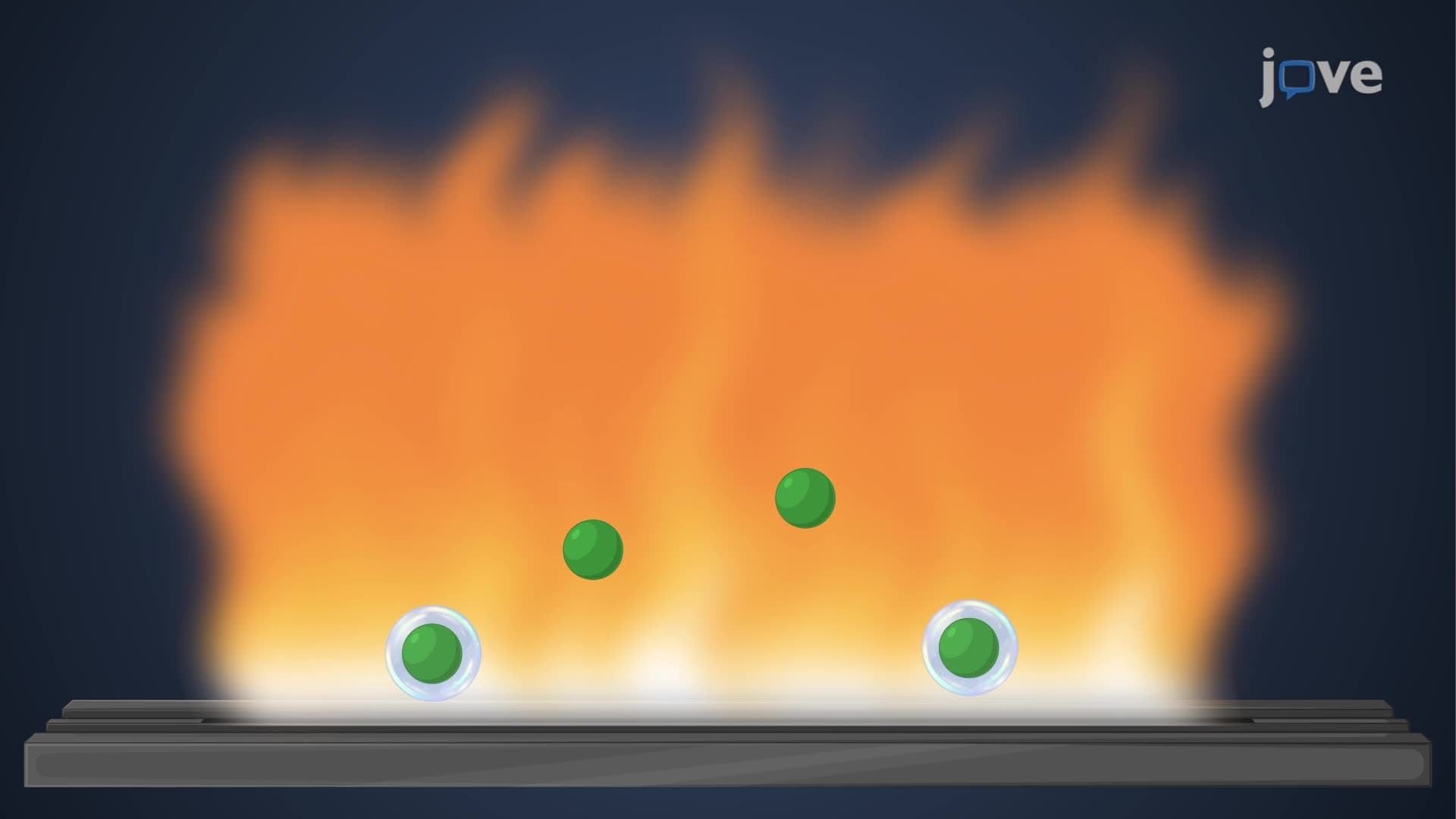
The technique requires converting sample analytes into gas-phase atoms through atomization, typically using a flame or graphite furnace. Most atoms remain in their ground electronic state even at flame temperatures around 2000-3000°C, making them available for absorption measurements.
Beer Lambert AAS relationships form the quantitative foundation of atomic absorption measurements. The law states that absorbance (A) equals the molar absorptivity (ε) times the path length (b) times the concentration (c): A = εbc. In AAS, the path length through the flame remains constant, so absorbance directly correlates with atomic concentration.
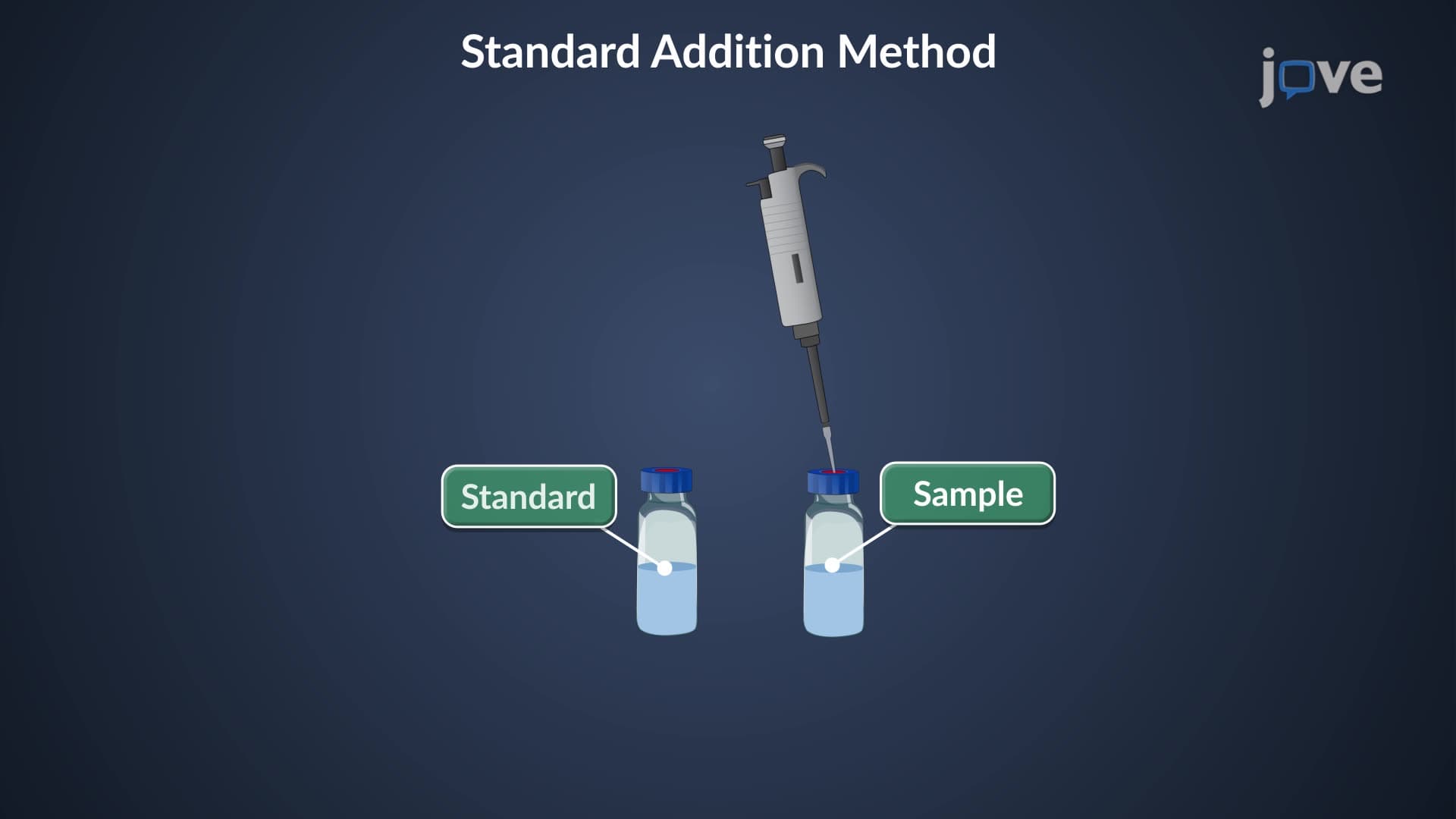
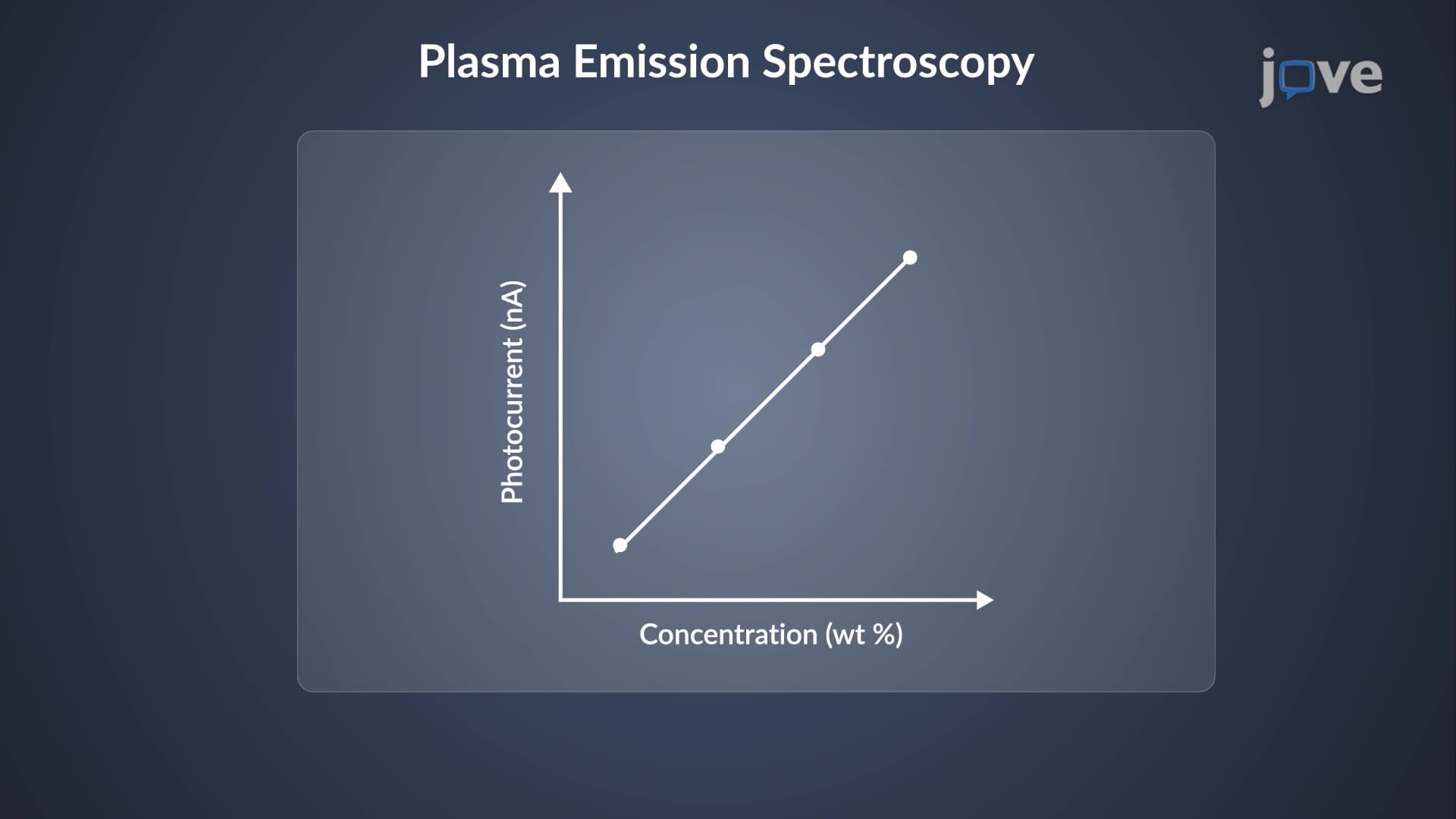
This linear relationship enables analysts to construct calibration curves using standard solutions of known concentrations. Students preparing for AP Chemistry or college analytical chemistry courses should understand how to calculate concentrations from absorbance data using Beer-Lambert relationships.
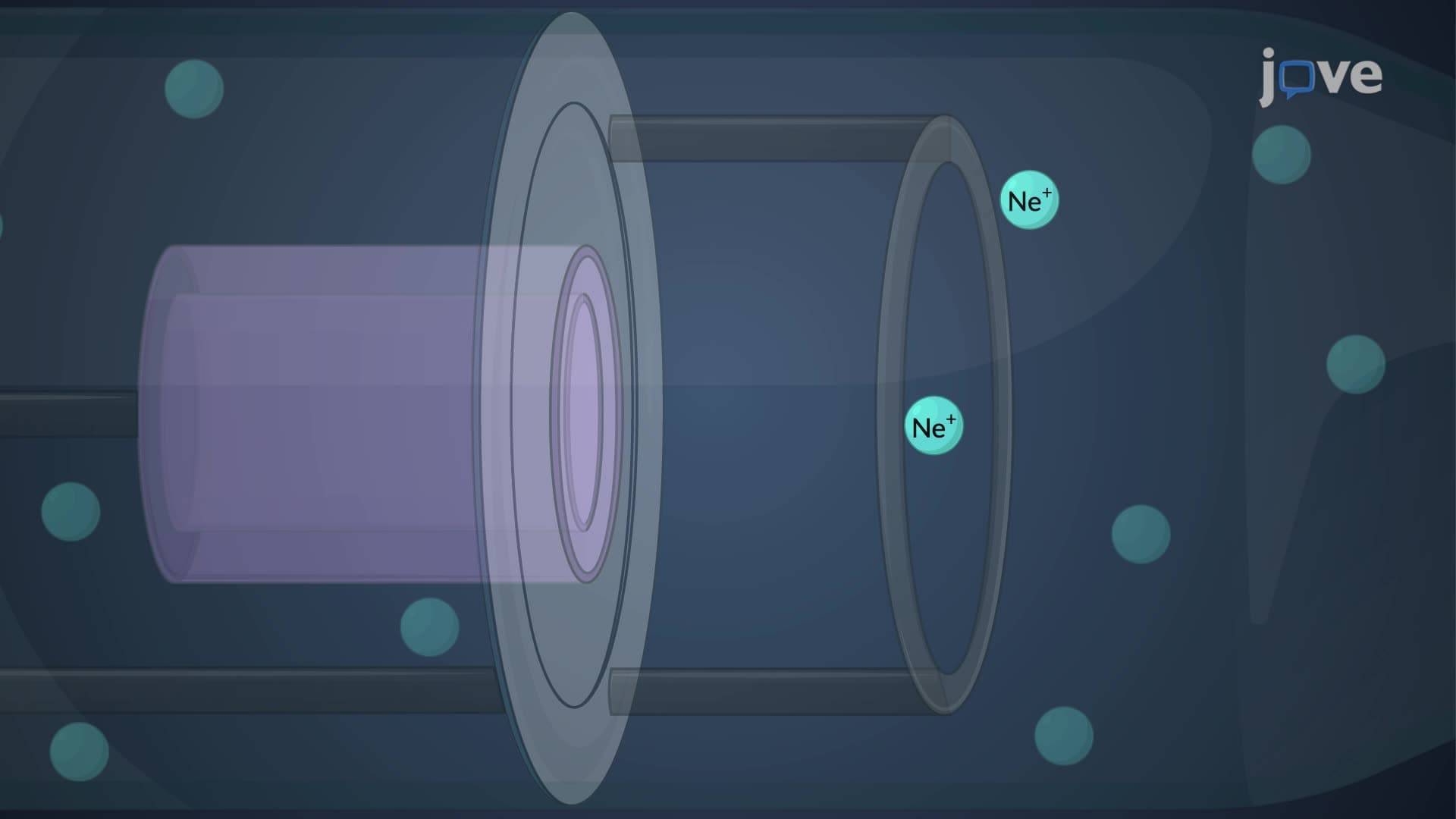
Hollow cathode lamp AAS systems provide element-specific radiation sources essential for selective measurements. Each hollow cathode lamp contains the target element as the cathode material, producing characteristic emission lines when excited by electrical discharge. This specificity distinguishes AAS from other spectroscopic techniques that use broadband sources.
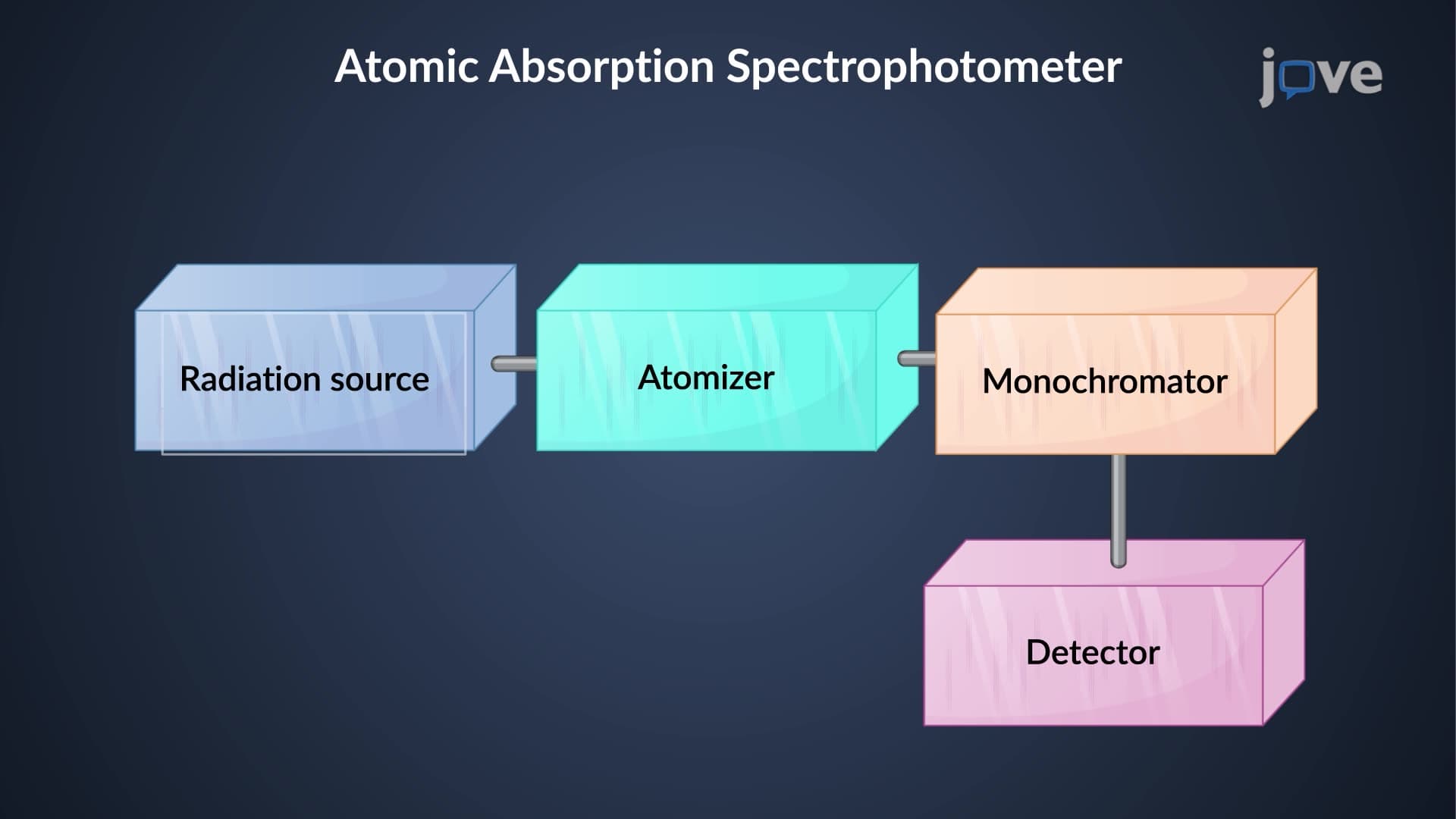
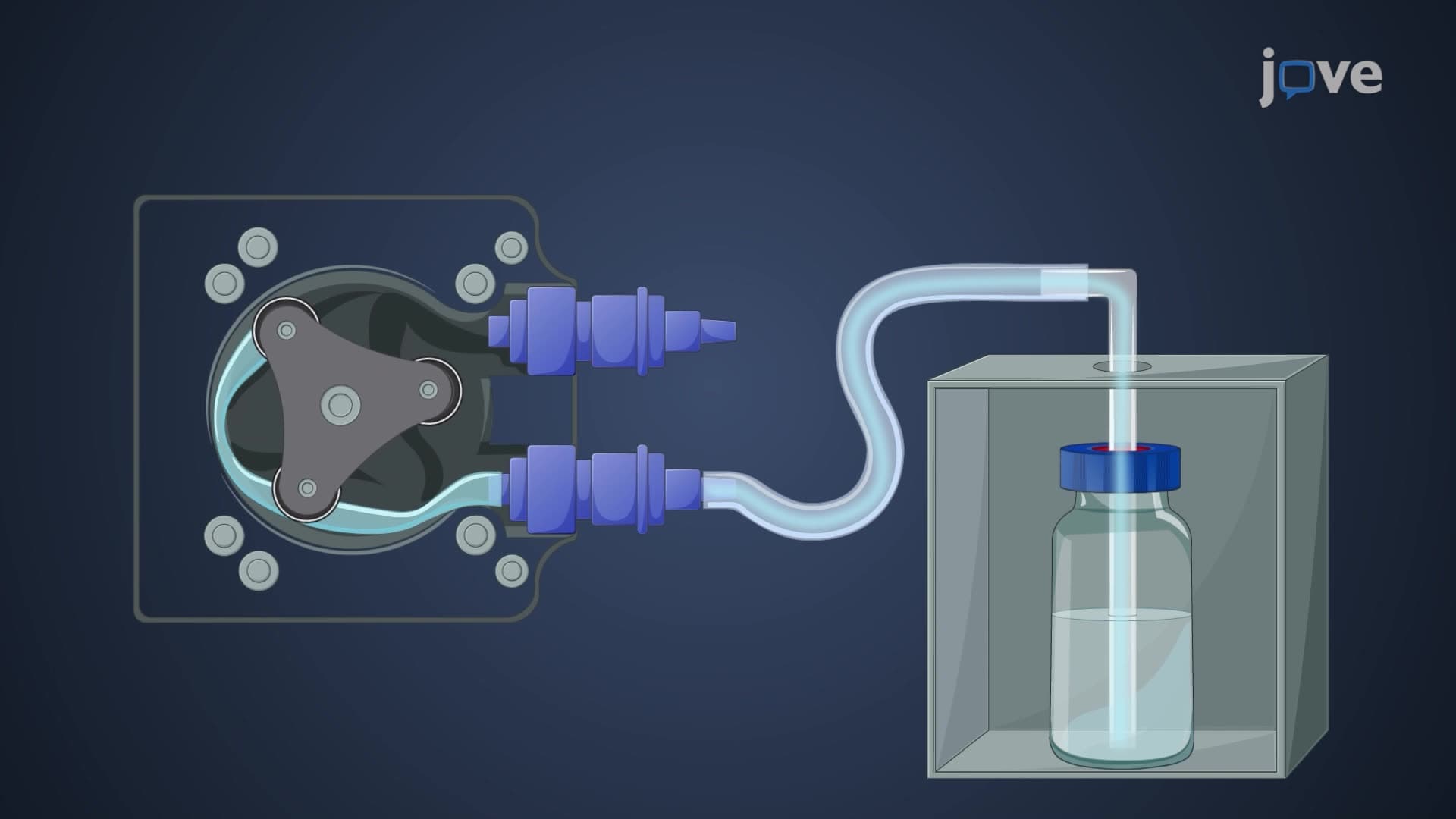
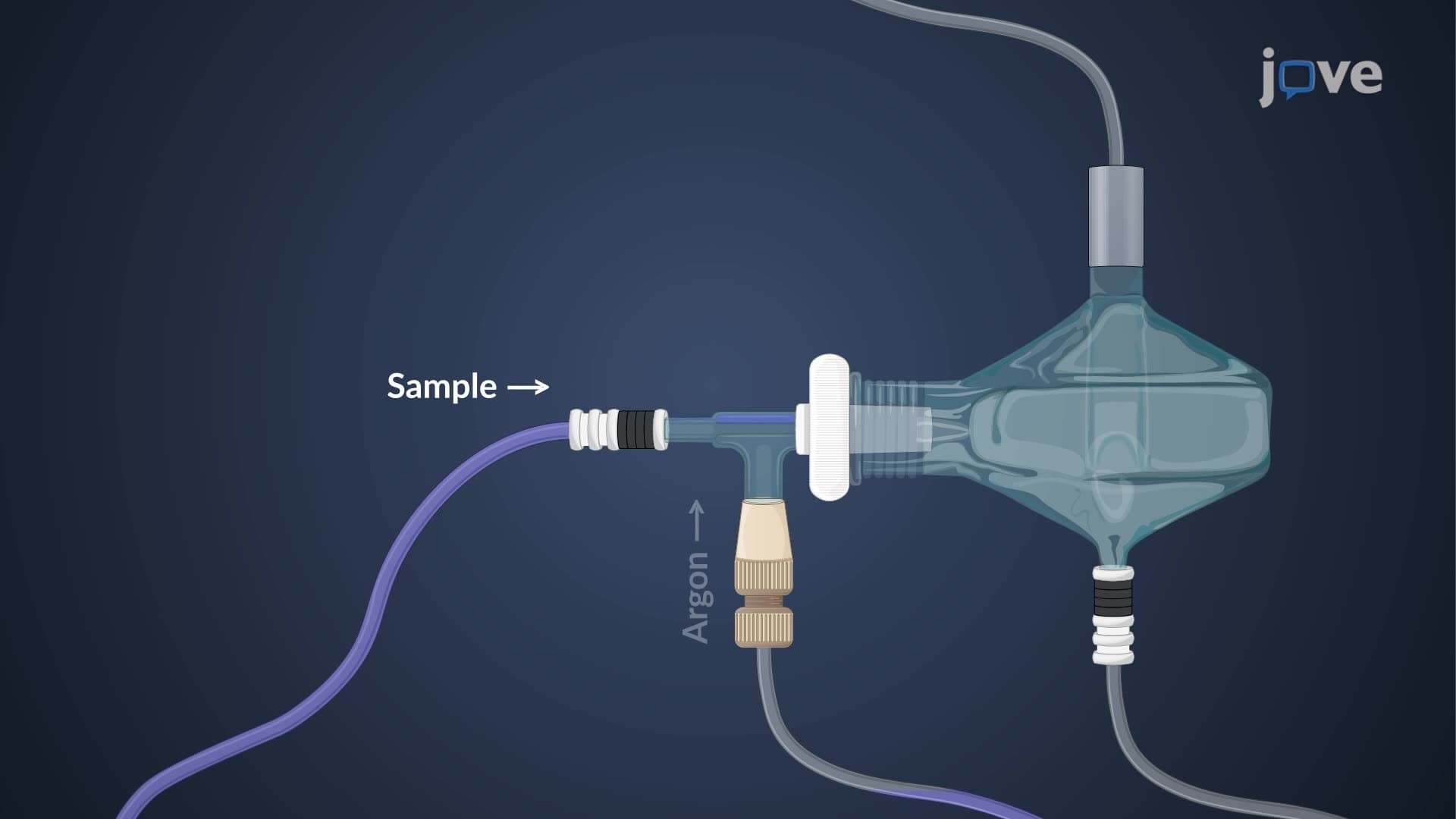
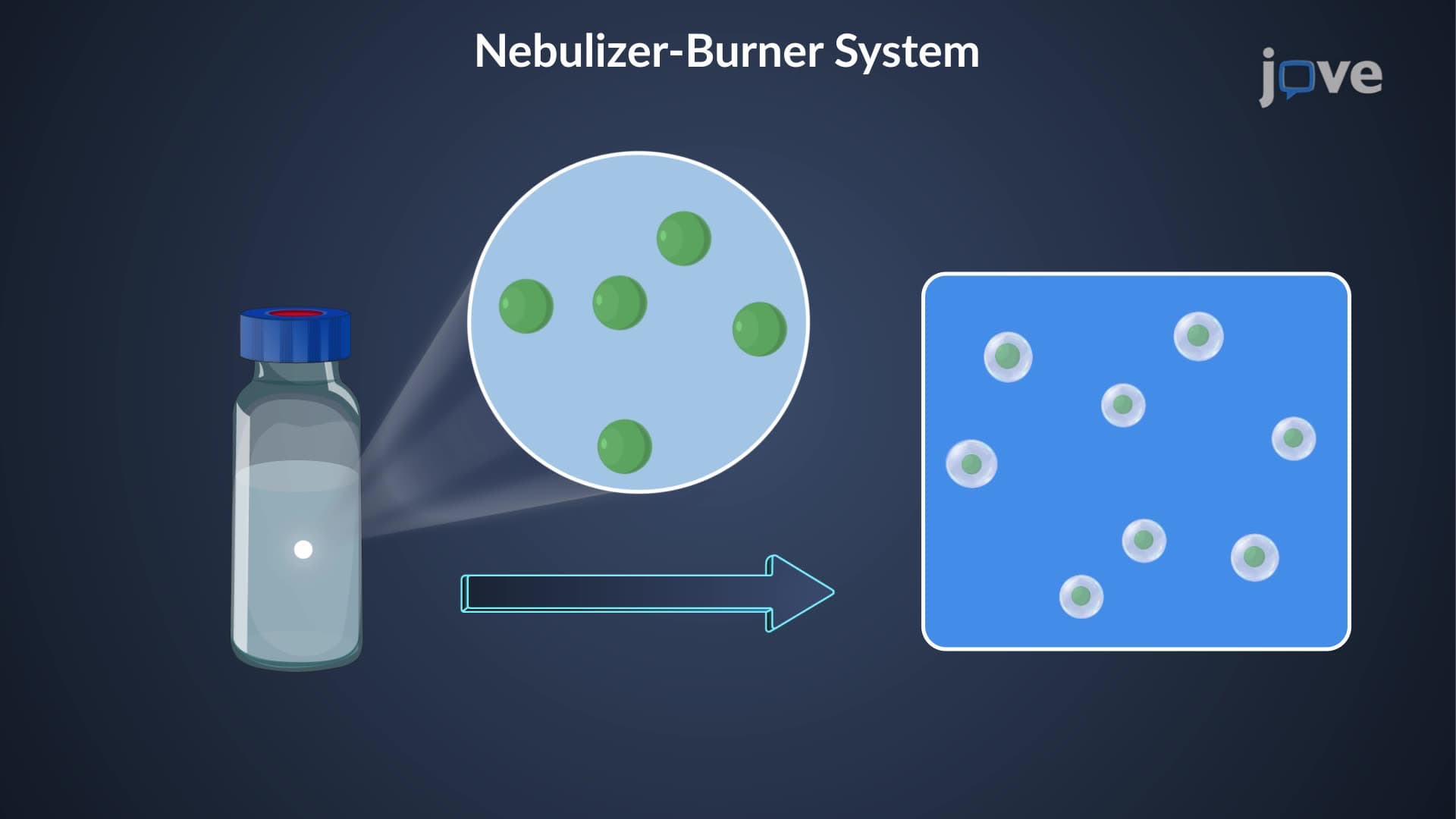
Modern instruments may use high-resolution continuum sources with advanced monochromators, but traditional single-element hollow cathode lamps remain standard for routine trace metal AAS analysis. The atomic absorption spectrometer also requires a nebulizer to create fine aerosol droplets, a flame or furnace for atomization, and sensitive photodetectors.
Flame AAS technique applications span environmental monitoring, clinical analysis, and quality control. The EPA mandates AAS methods for monitoring heavy metals in drinking water, while clinical laboratories use AAS to measure essential minerals like iron, copper, and zinc in biological samples. Food manufacturers employ AAS to verify nutritional labeling accuracy and detect contamination.
Detection limits reach nanogram per milliliter levels, making AAS ideal for trace analysis. However, samples must be in liquid form or converted to volatile compounds, limiting direct solid analysis capabilities.
Related Micro-courses