Loading video…


 17 Concepts
 18.9K views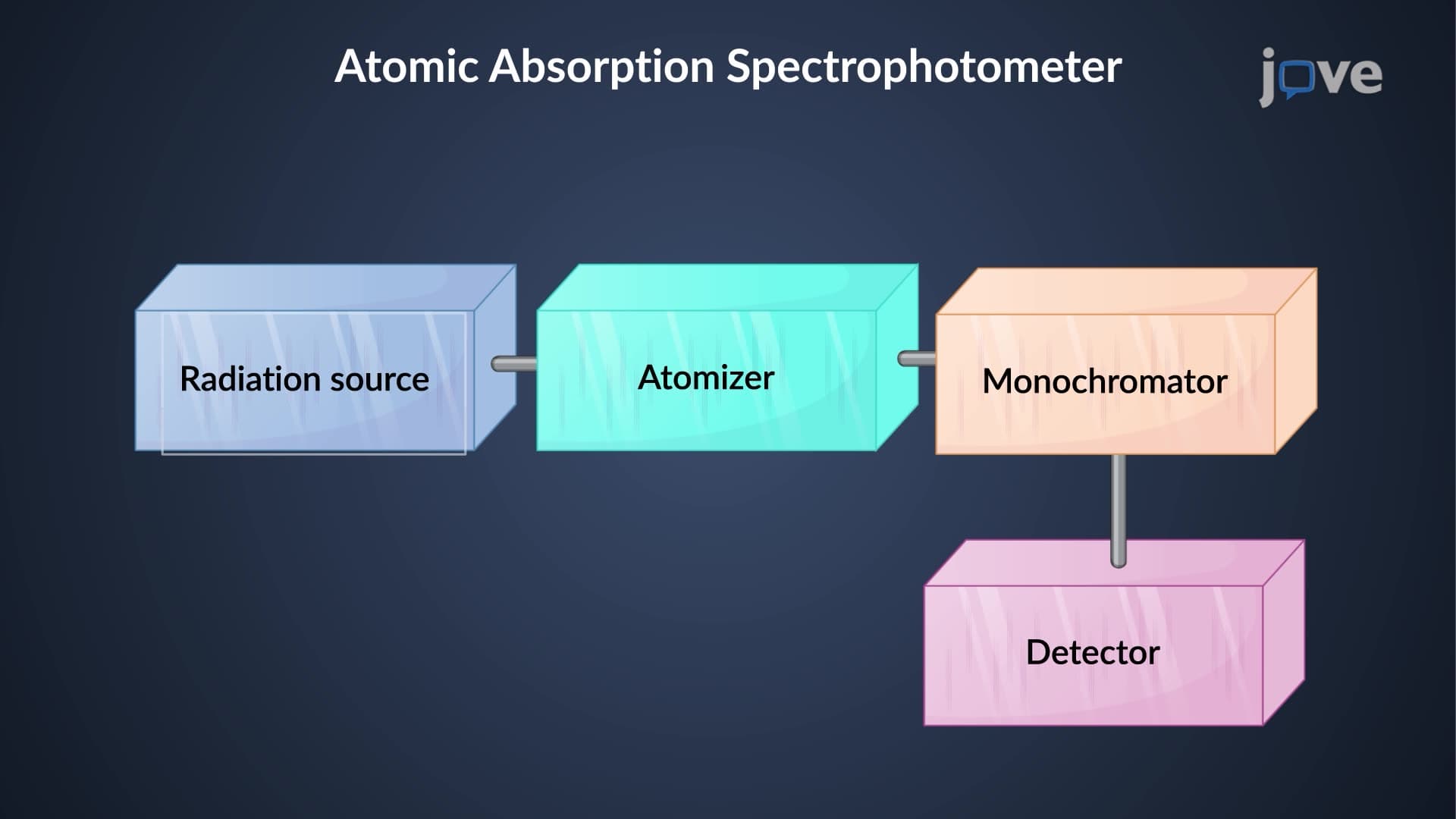

Video Summary: What Is Atomic Absorption Spectroscopy Instrumentation
Ever wondered how scientists detect lead contamination in drinking water across US cities like Flint, Michigan? AAS instrumentation explained through sophisticated equipment that can identify metal concentrations at parts-per-million levels. The FDA uses atomic absorption spectrometers daily to ensure food safety standards, analyzing everything from mercury in seafood to iron fortification in breakfast cereals. Understanding what is atomic absorption spectroscopy instrumentation reveals the precise engineering behind these critical measurements. Watch the full video on JoVE Coach to master this concept with expert-led visuals and step-by-step explanations.
What is atomic absorption spectroscopy instrumentation fundamentally revolves around four interconnected components working in precise coordination. Unlike simpler analytical methods, AAS requires sophisticated engineering to achieve the sensitivity needed for trace metal analysis. The EPA mandates AAS testing for drinking water quality assessments, making this instrumentation essential for environmental compliance across US municipalities.
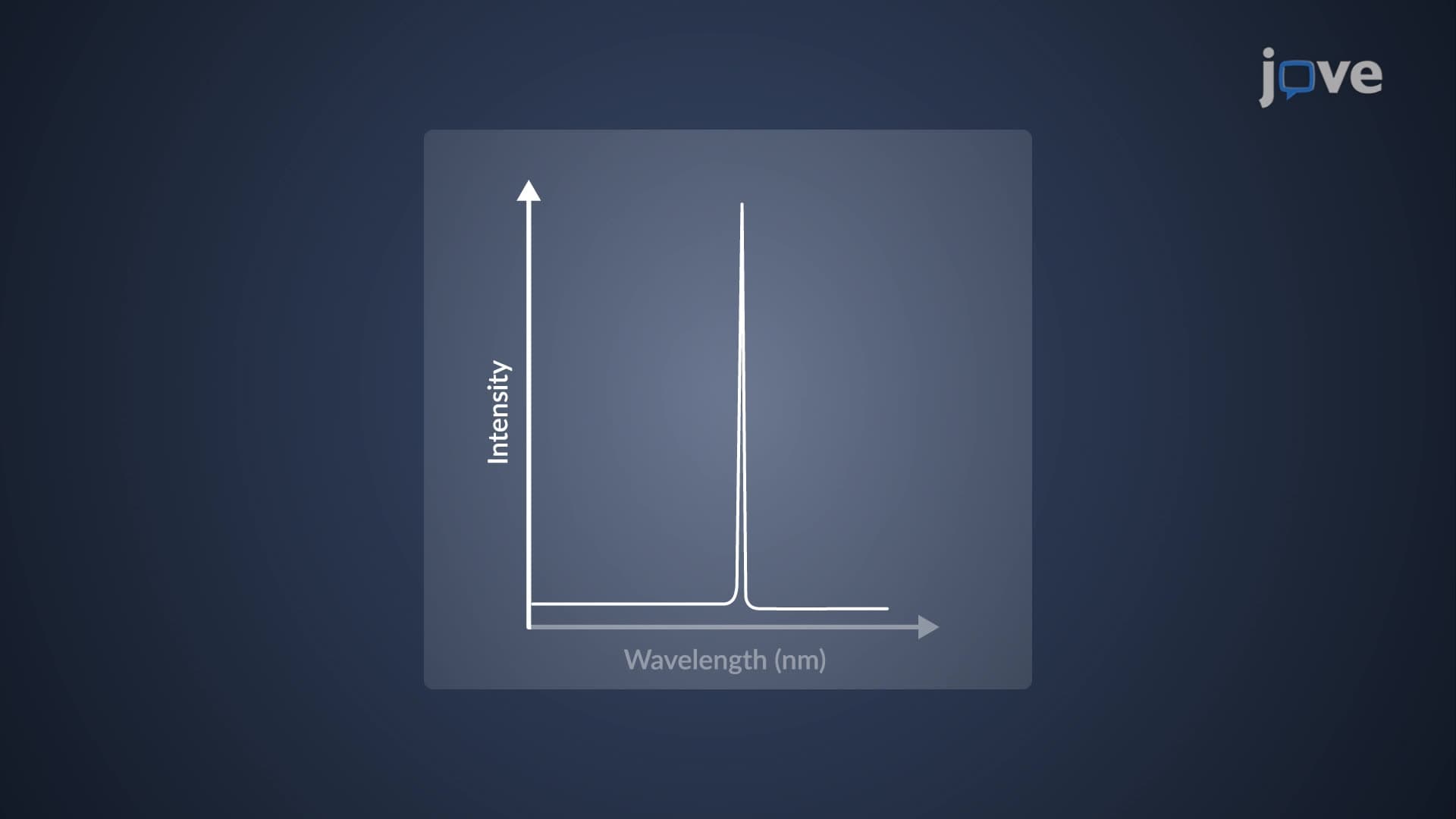
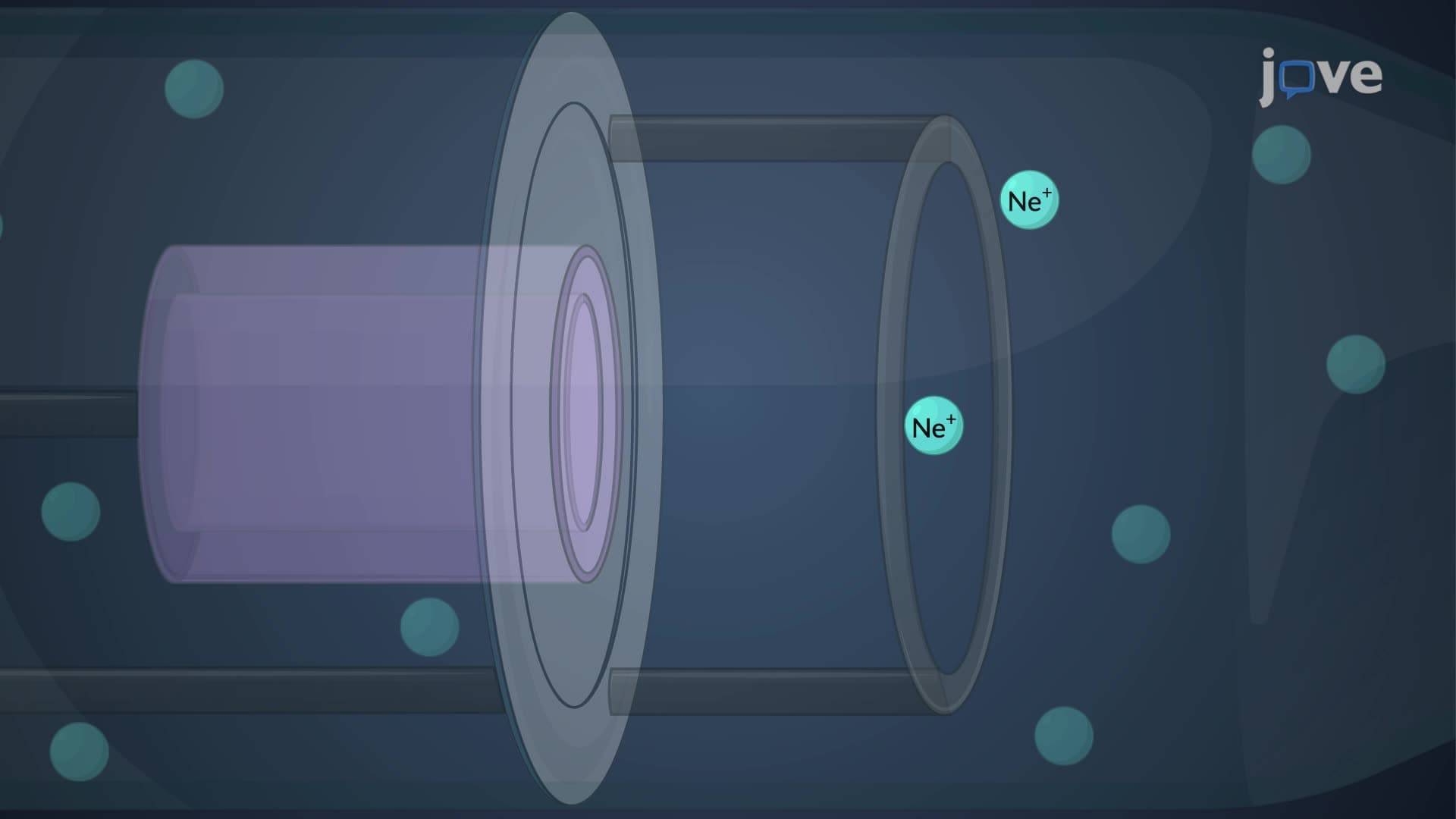
The atomic absorption spectrometer components begin with highly specialized radiation sources. Hollow cathode lamps (HCLs) dominate most applications, containing the same element being analyzed to produce characteristic wavelengths. For example, a copper hollow cathode lamp emits copper-specific wavelengths at 324.8 nm when analyzing copper contamination in industrial wastewater. Electrodeless discharge lamps (EDLs) offer greater intensity for challenging elements like arsenic or selenium, crucial for EPA Method 200.9 compliance testing.
Continuum sources represent advanced alternatives, requiring ultra-high-resolution monochromators to isolate narrow wavelength bands. This technology enables simultaneous multi-element analysis, though at significantly higher instrumental costs.
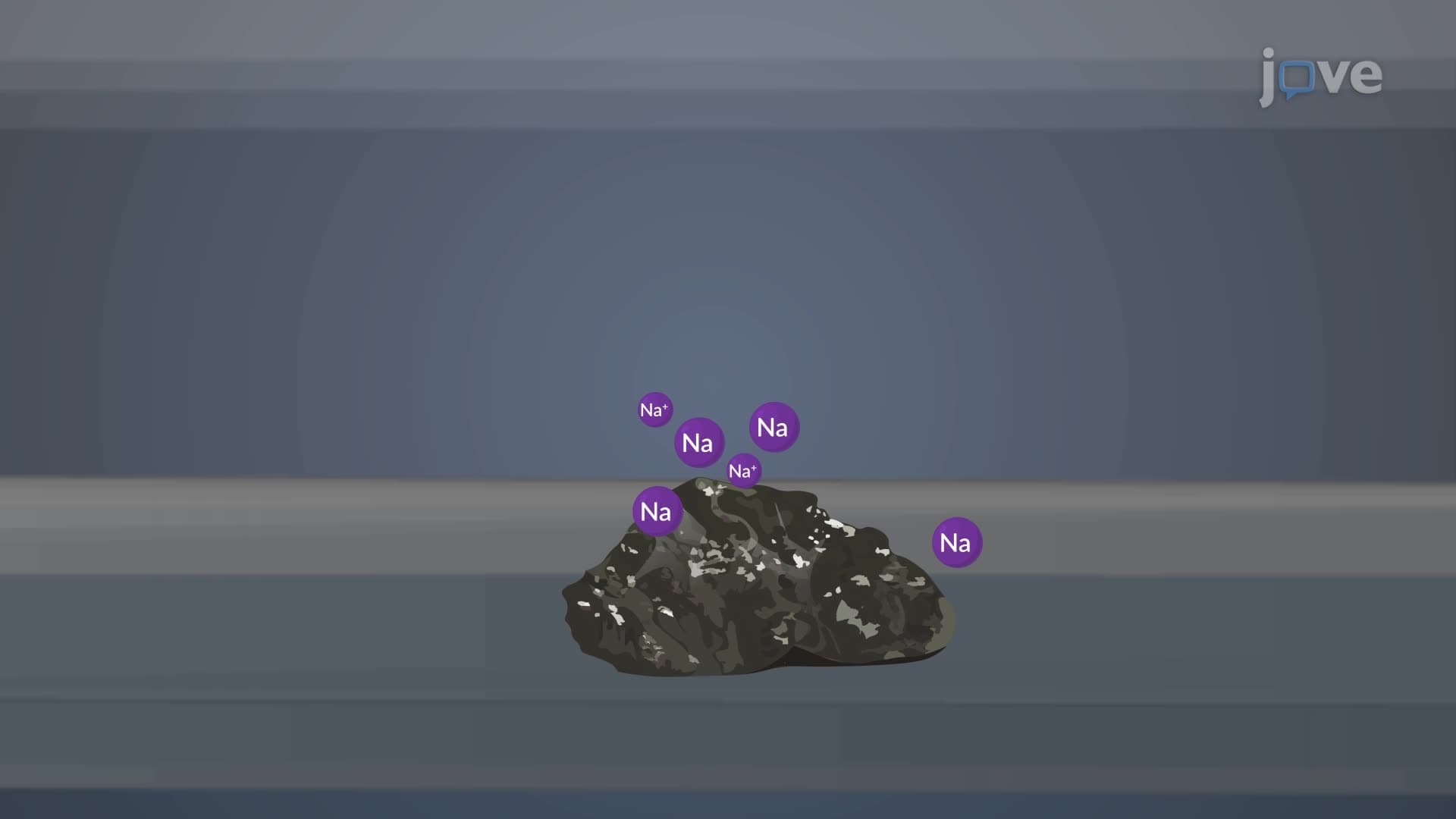
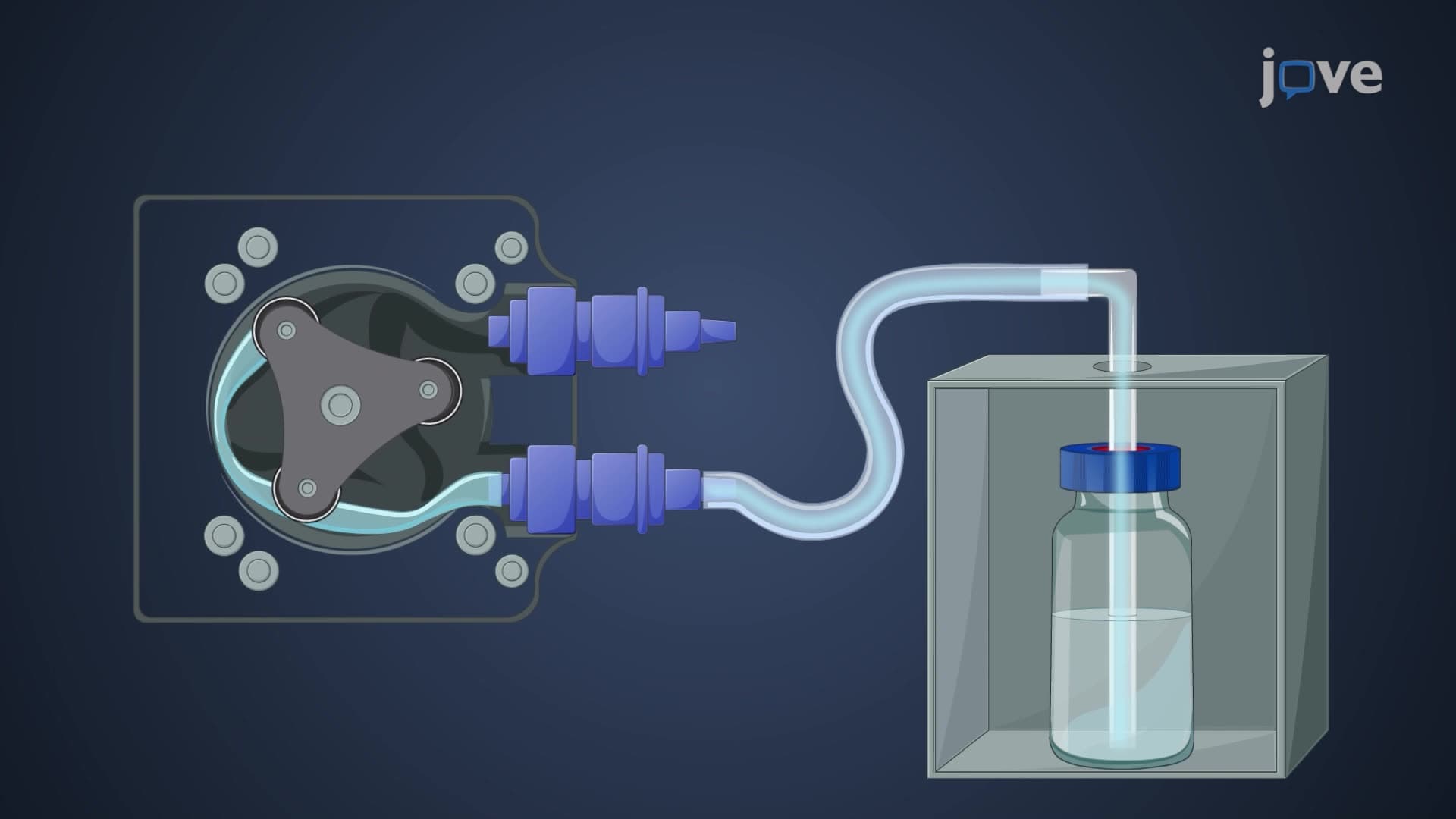
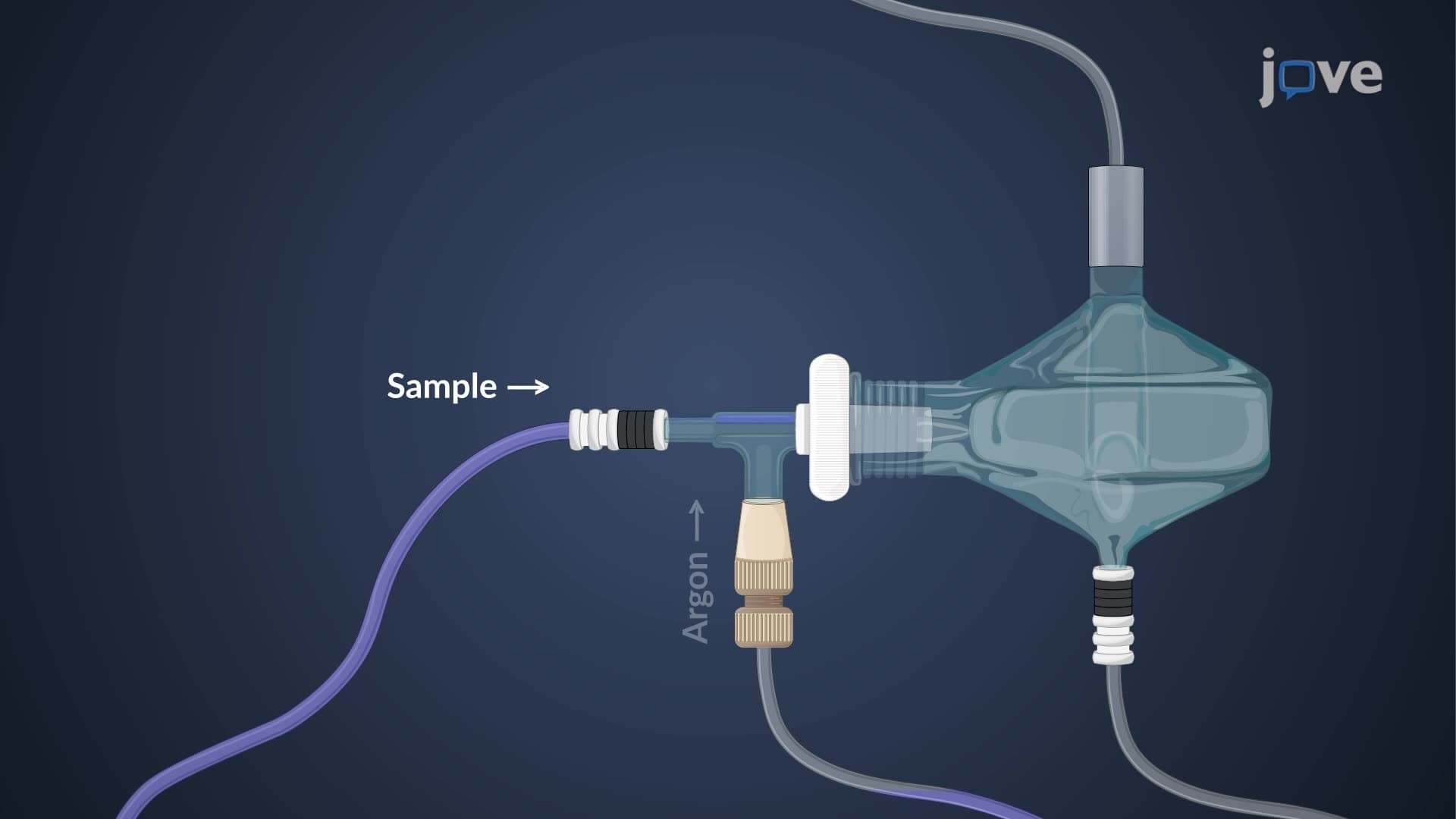
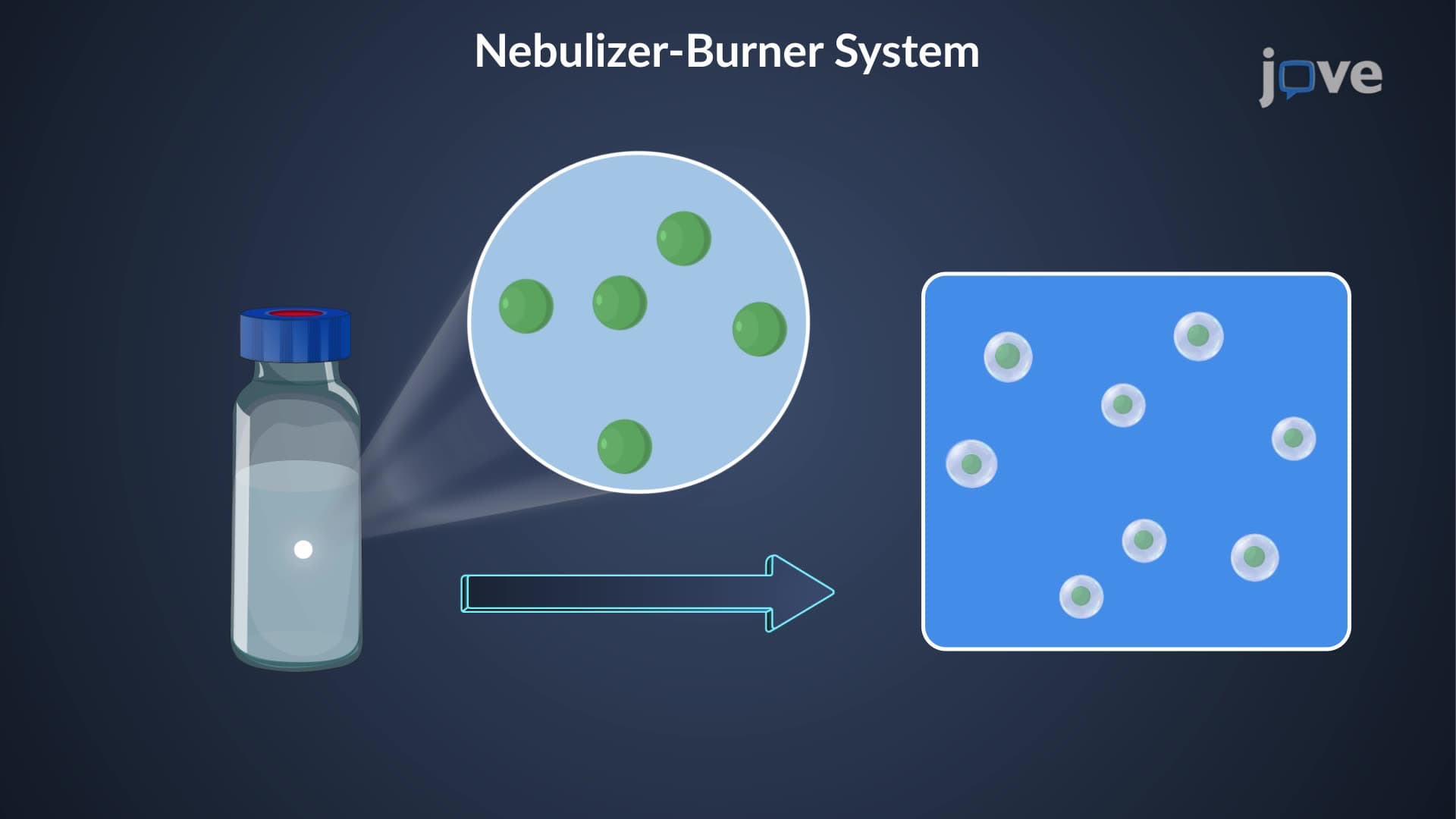
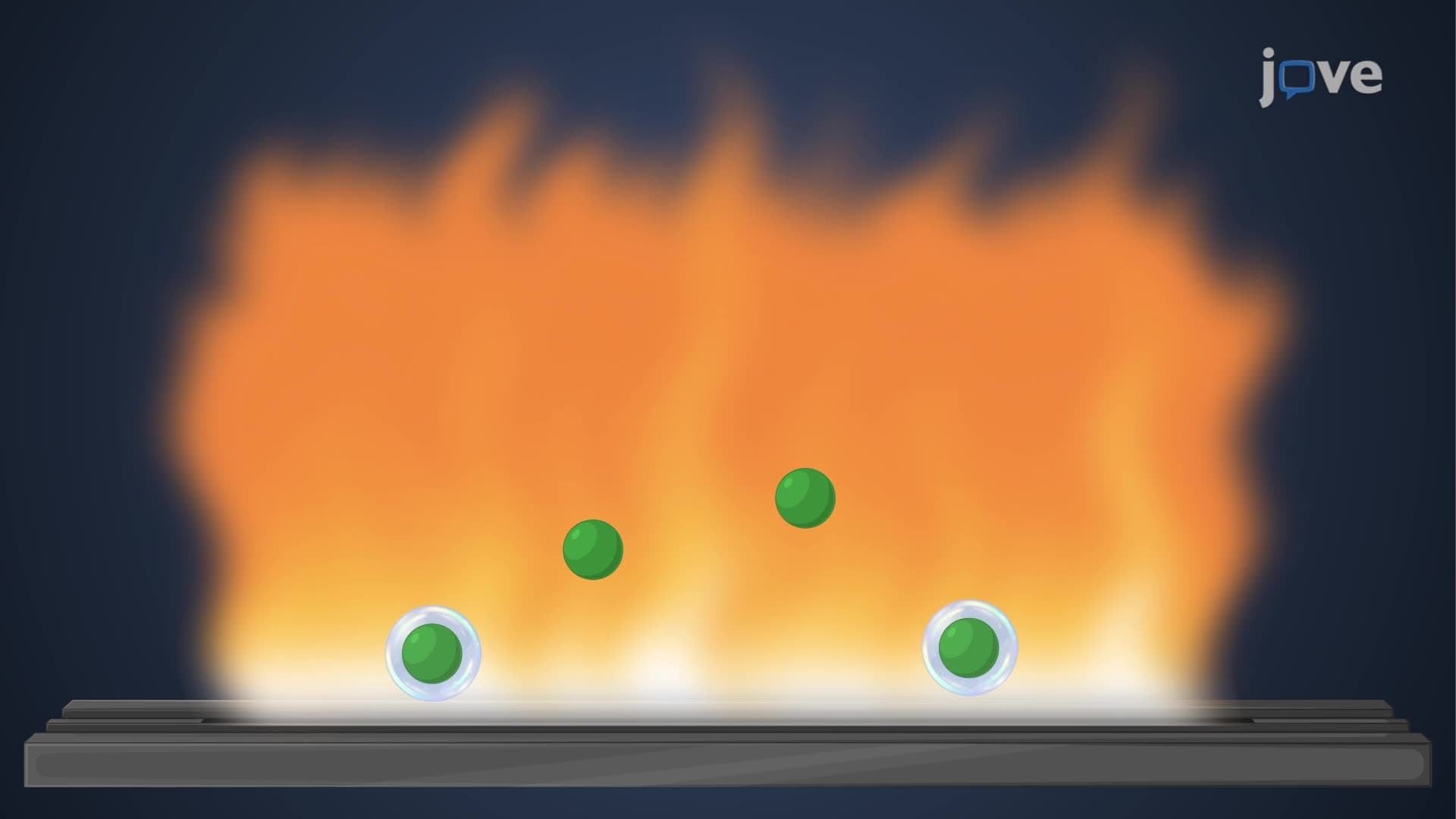
The AAS nebulizer burner system transforms liquid samples into atomic vapor through controlled thermal processes. Flame atomization, using acetylene-air or acetylene-nitrous oxide mixtures, reaches temperatures exceeding 3000°C. This method suits routine analyses like calcium in milk products for nutritional labeling compliance.
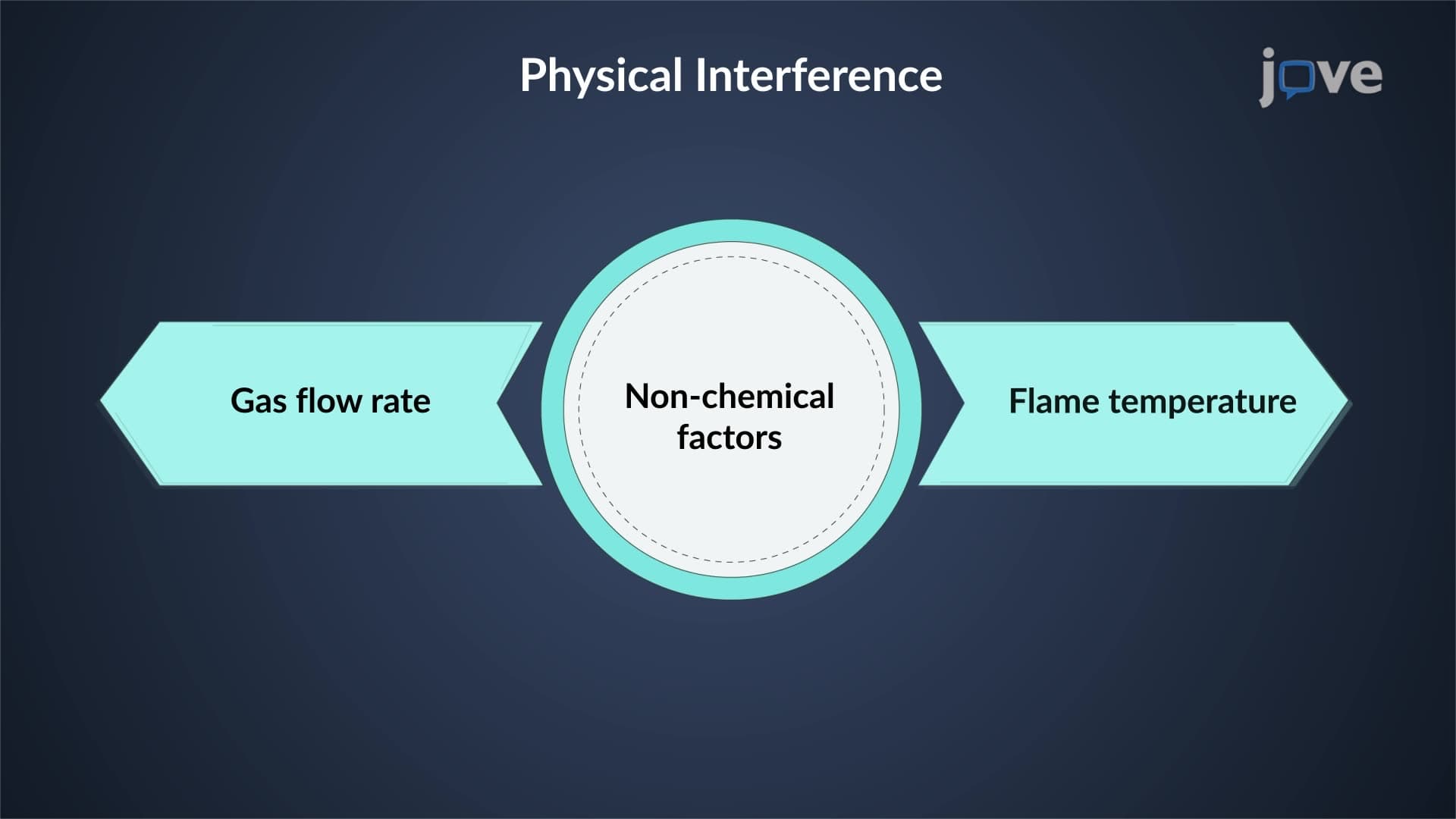
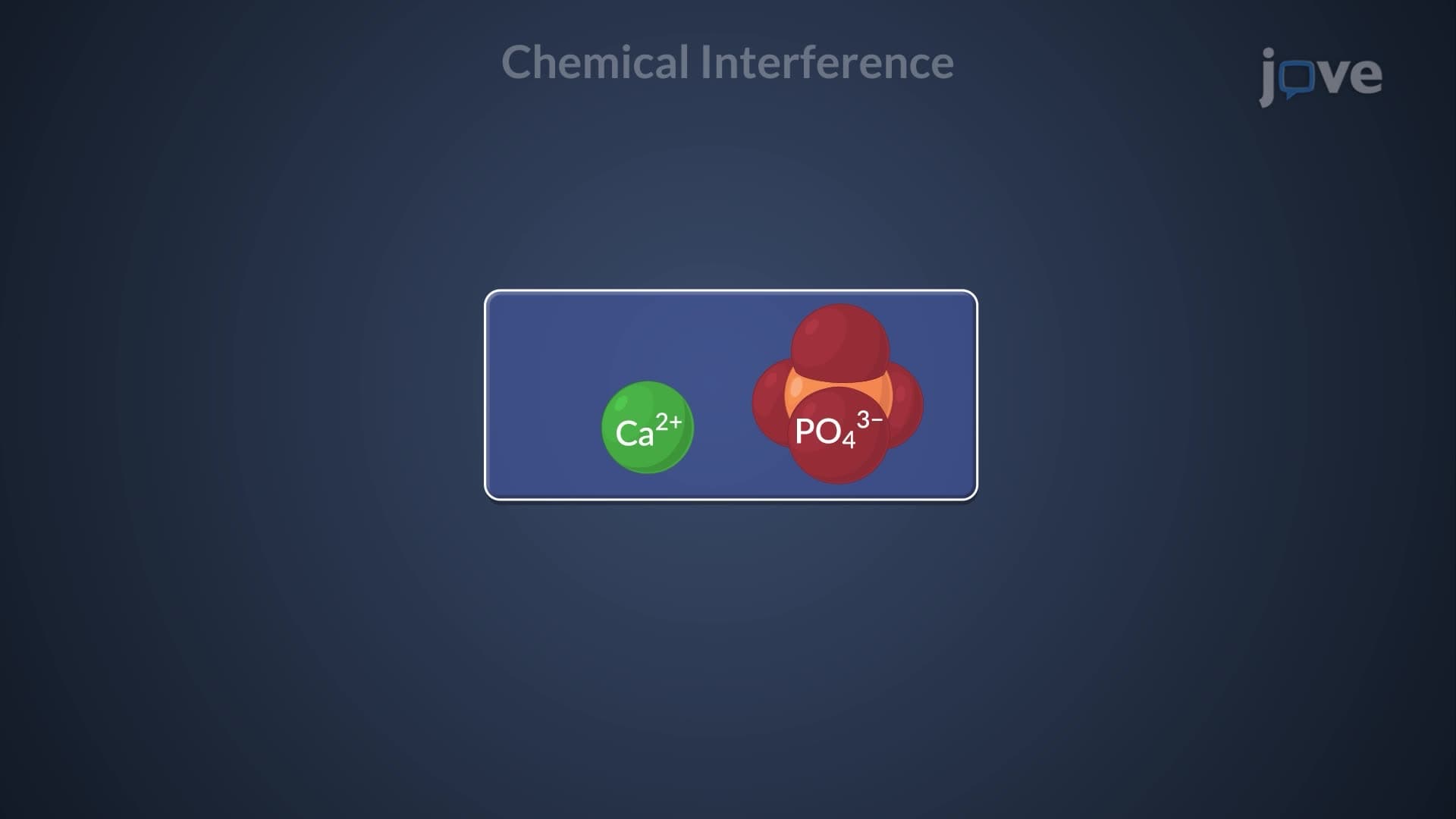
Electrothermal atomization employs graphite furnaces reaching 3000°C in controlled atmospheres, achieving superior sensitivity for trace analysis. Environmental labs use this technique when analyzing lead in paint chips, following EPA Method 239.2 protocols. The temperature programming-drying, ashing, and atomization phases-prevents matrix interferences common in complex samples.
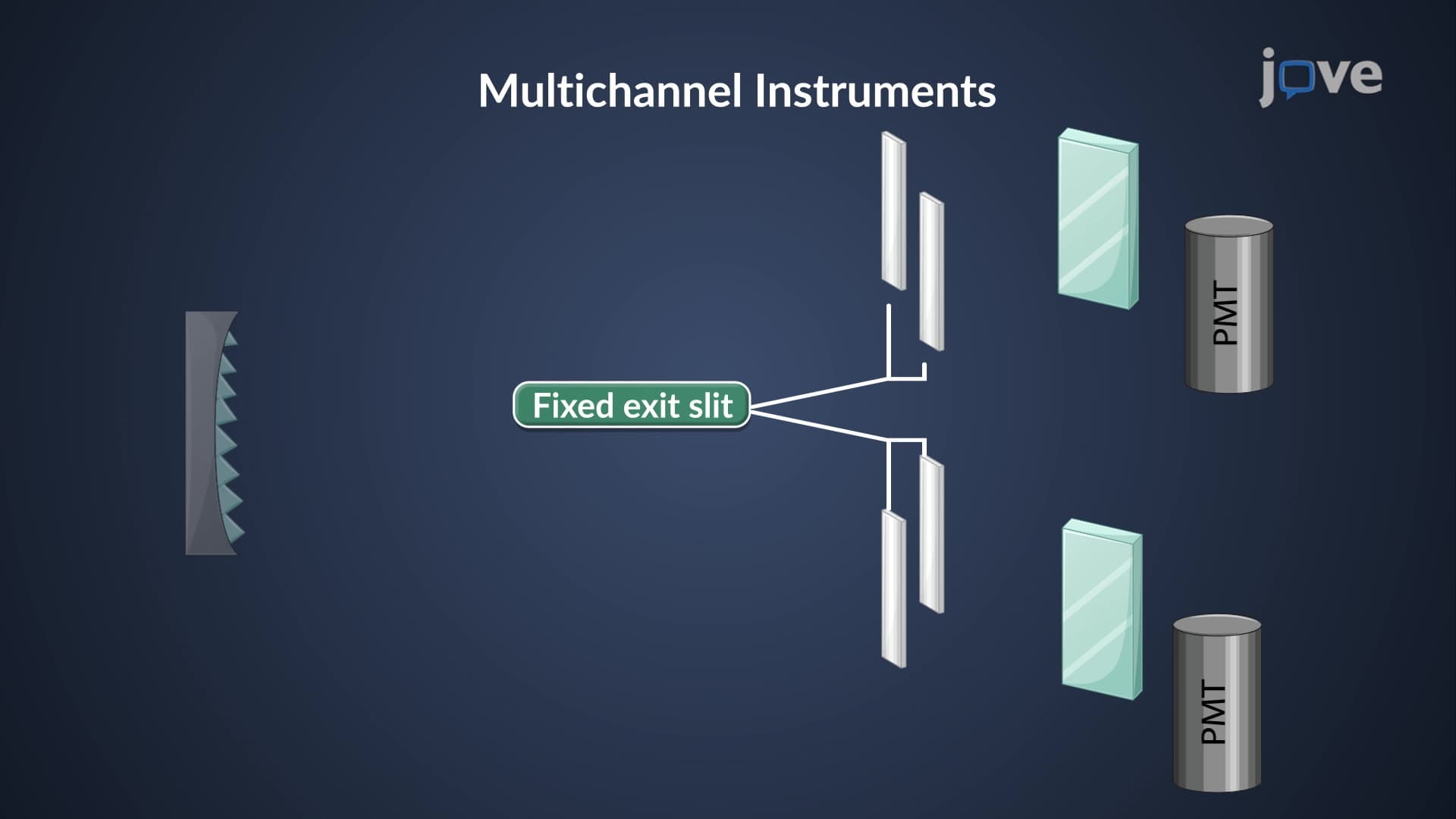
The AAS detector system culminates with photomultiplier tubes converting absorbed light into amplified electrical signals. Double-beam configurations automatically correct for source fluctuations and background absorption, essential for pharmaceutical quality control applications. Major US pharmaceutical companies rely on this precision for elemental impurity testing under FDA guidelines.
Students preparing for AP Chemistry or college analytical chemistry courses should understand how mechanical choppers create alternating signals, distinguishing between source absorption and thermal emission from excited atoms.
Related Micro-courses