Loading video…


 17 Concepts
 18.9K views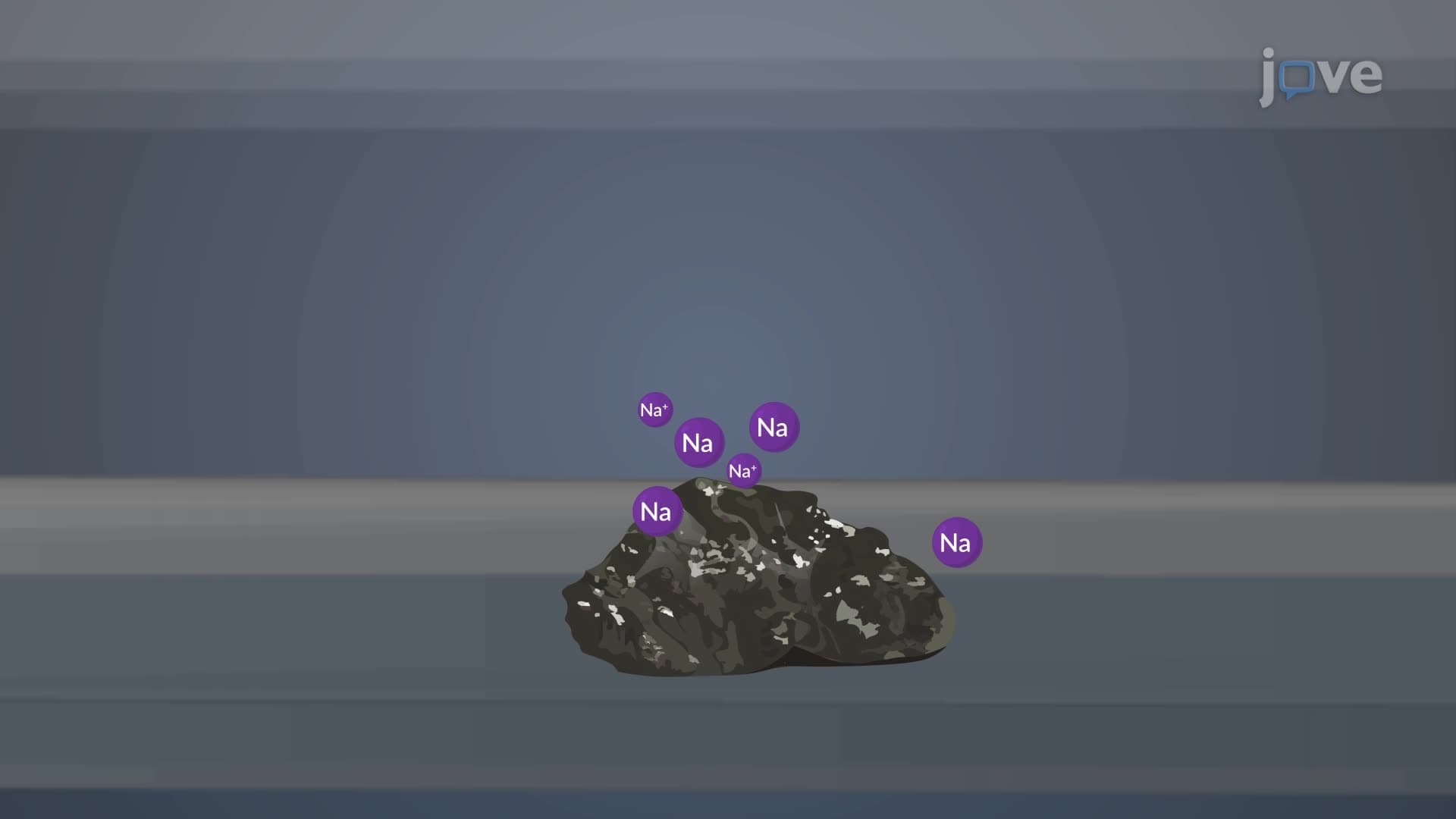

Video Summary: Atomic Absorption Spectroscopy Atomization Methods Guide
Ever wonder how scientists detect lead contamination in Cleveland's water supply or mercury levels in Pacific salmon? AAS atomization methods make these crucial measurements possible by converting liquid samples into gaseous atoms that can absorb specific wavelengths of light. The Atomic Absorption Spectroscopy Atomization Methods Guide reveals how flame, electrothermal, and specialized techniques like cold vapor atomization transform samples for analysis. Watch the full video on JoVE Coach to master this concept with expert-led visuals and step-by-step explanations.
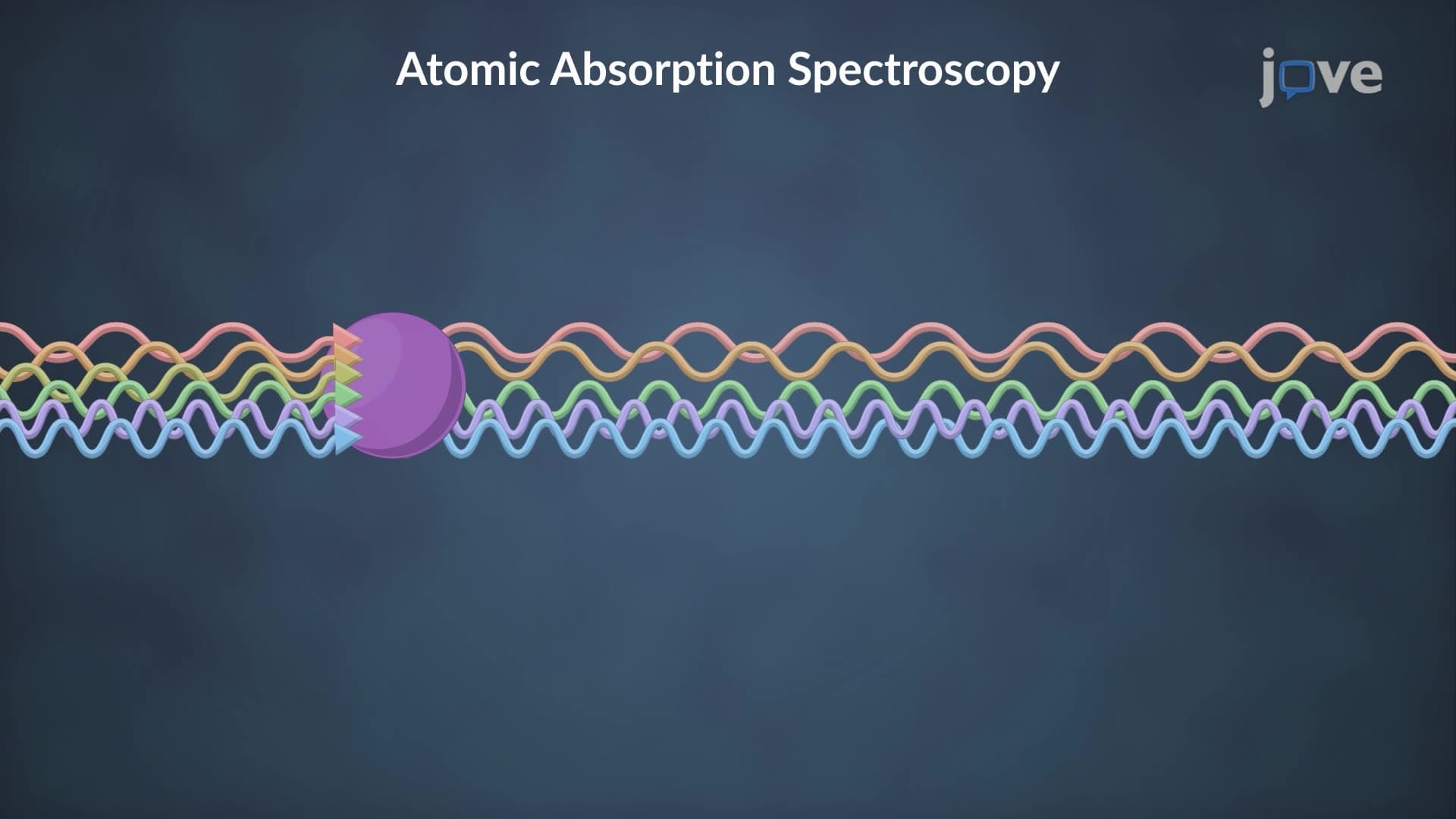
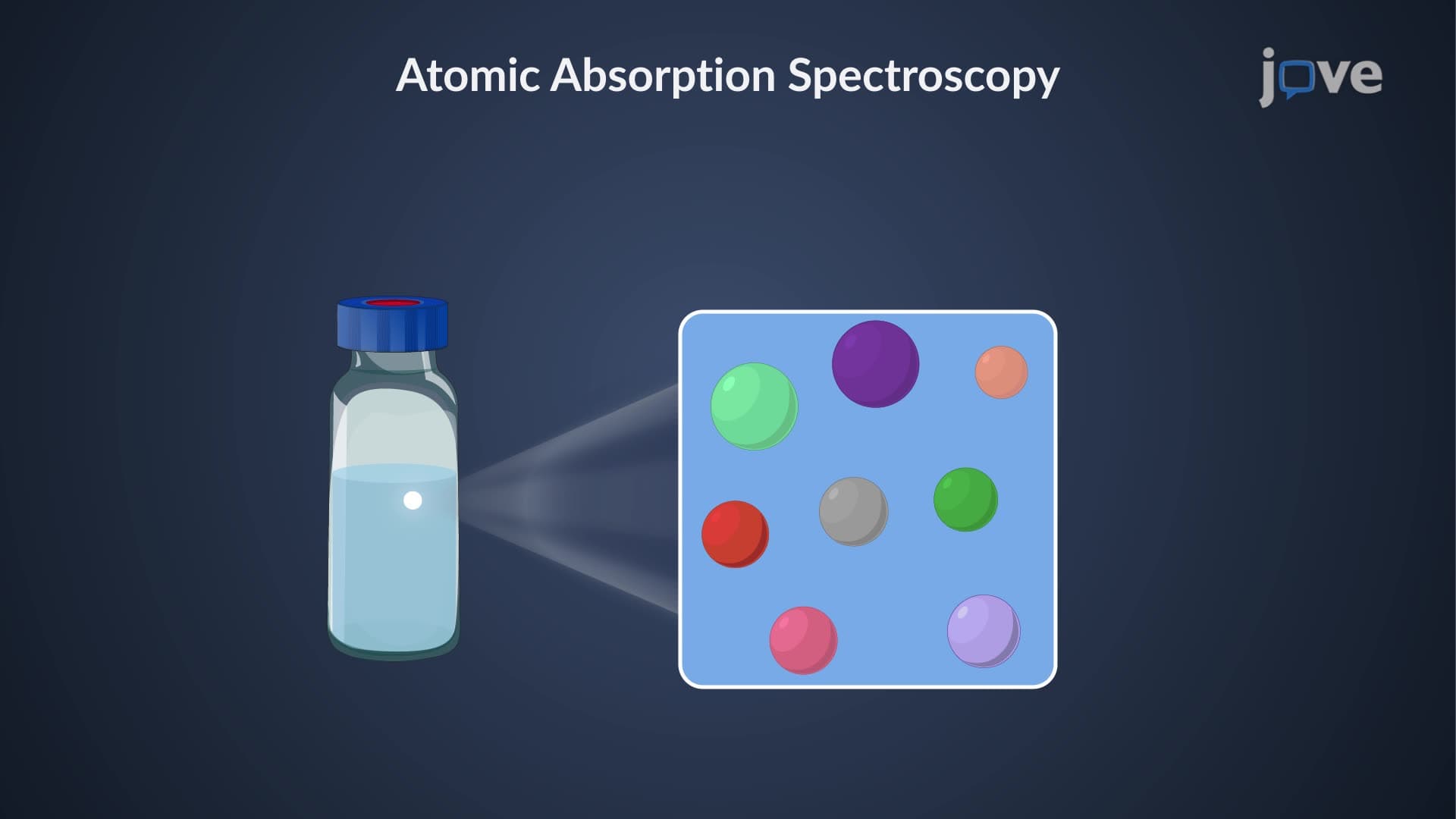
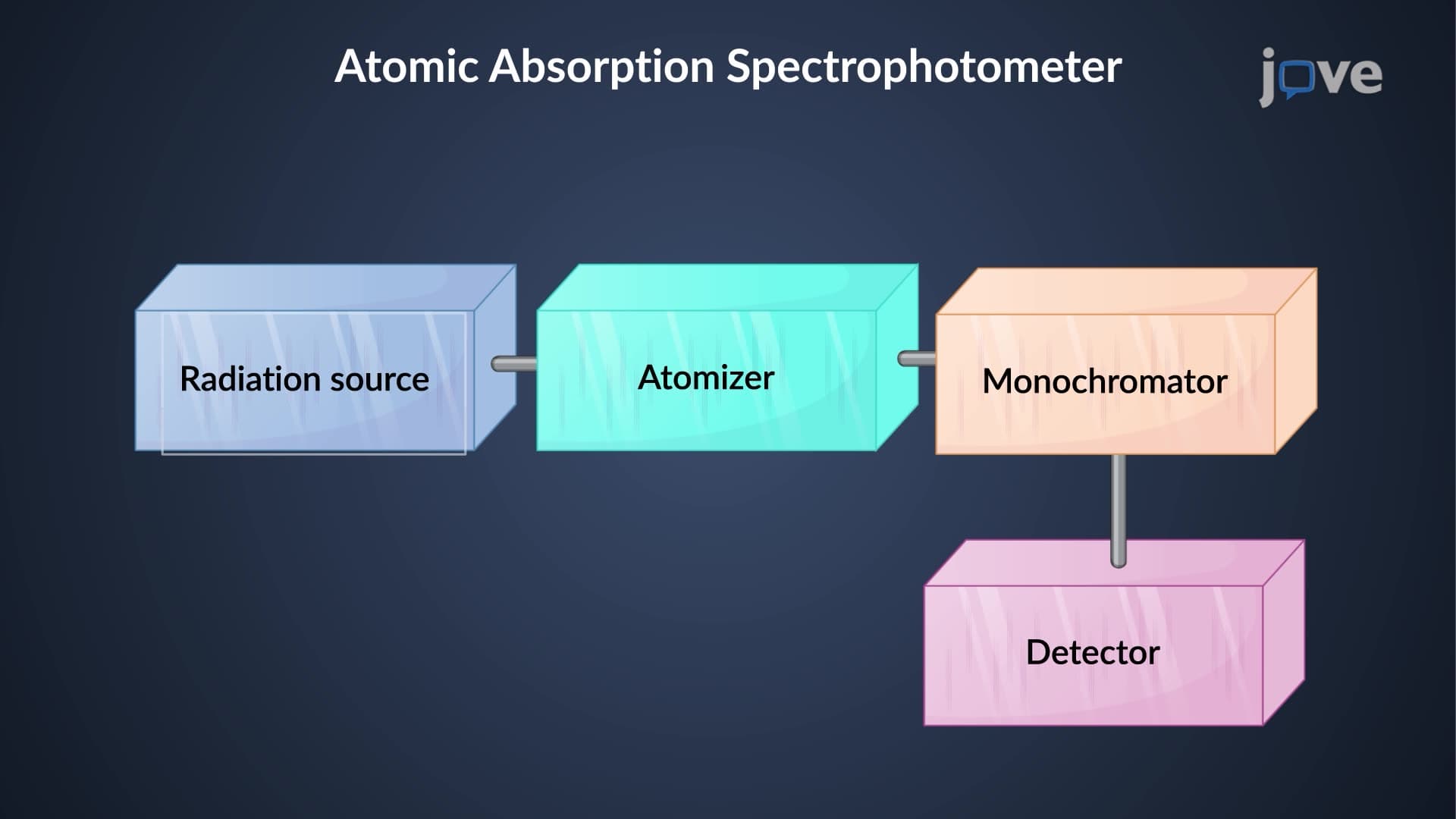
Atomic absorption spectroscopy relies on converting liquid or solid samples into free gaseous atoms that can absorb characteristic wavelengths of light. This atomization process is critical because only free atoms in the gas phase can effectively absorb the specific electromagnetic radiation used for quantitative analysis. The choice of atomization method directly impacts detection limits, precision, and the types of samples that can be analyzed successfully.
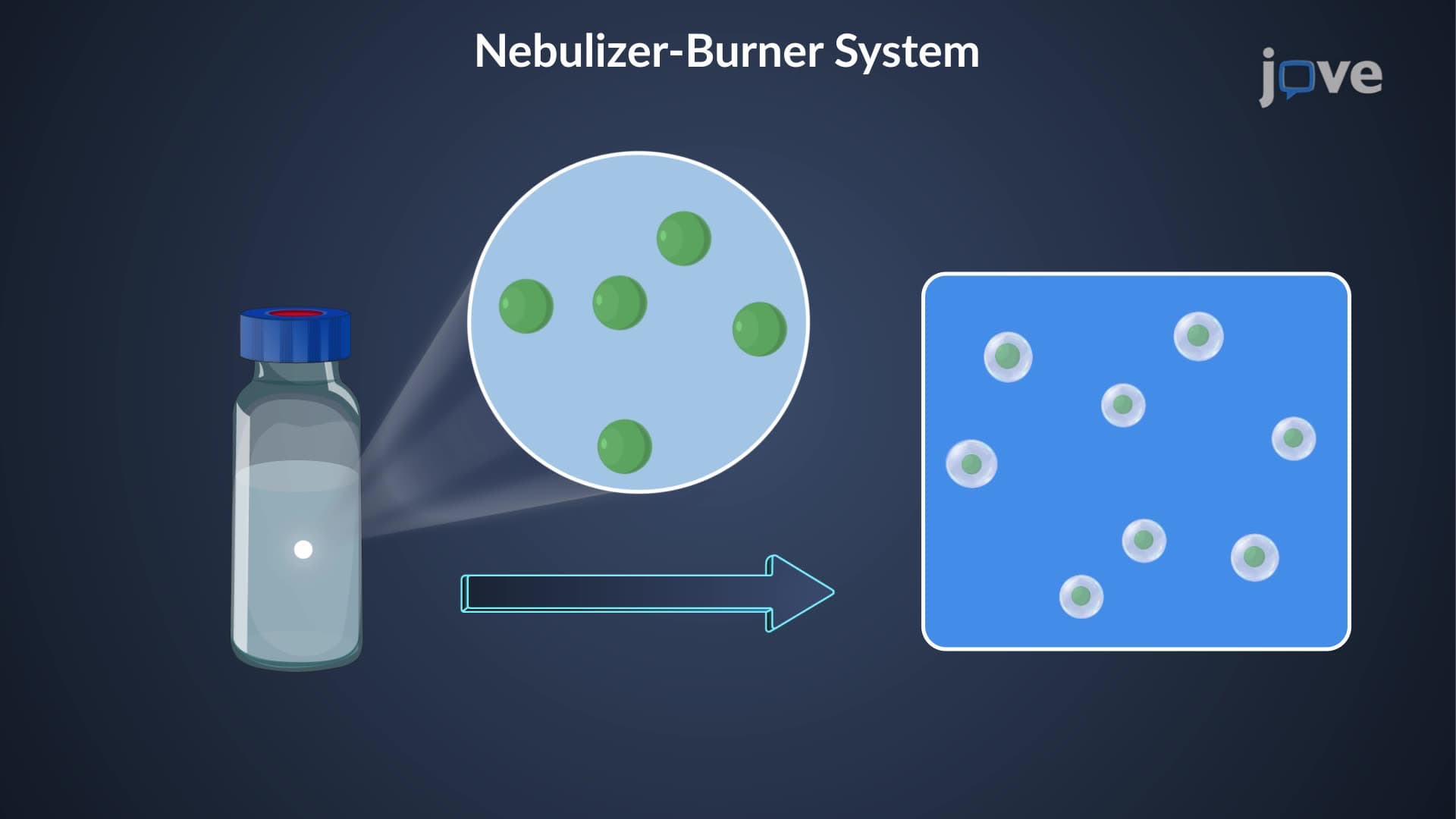
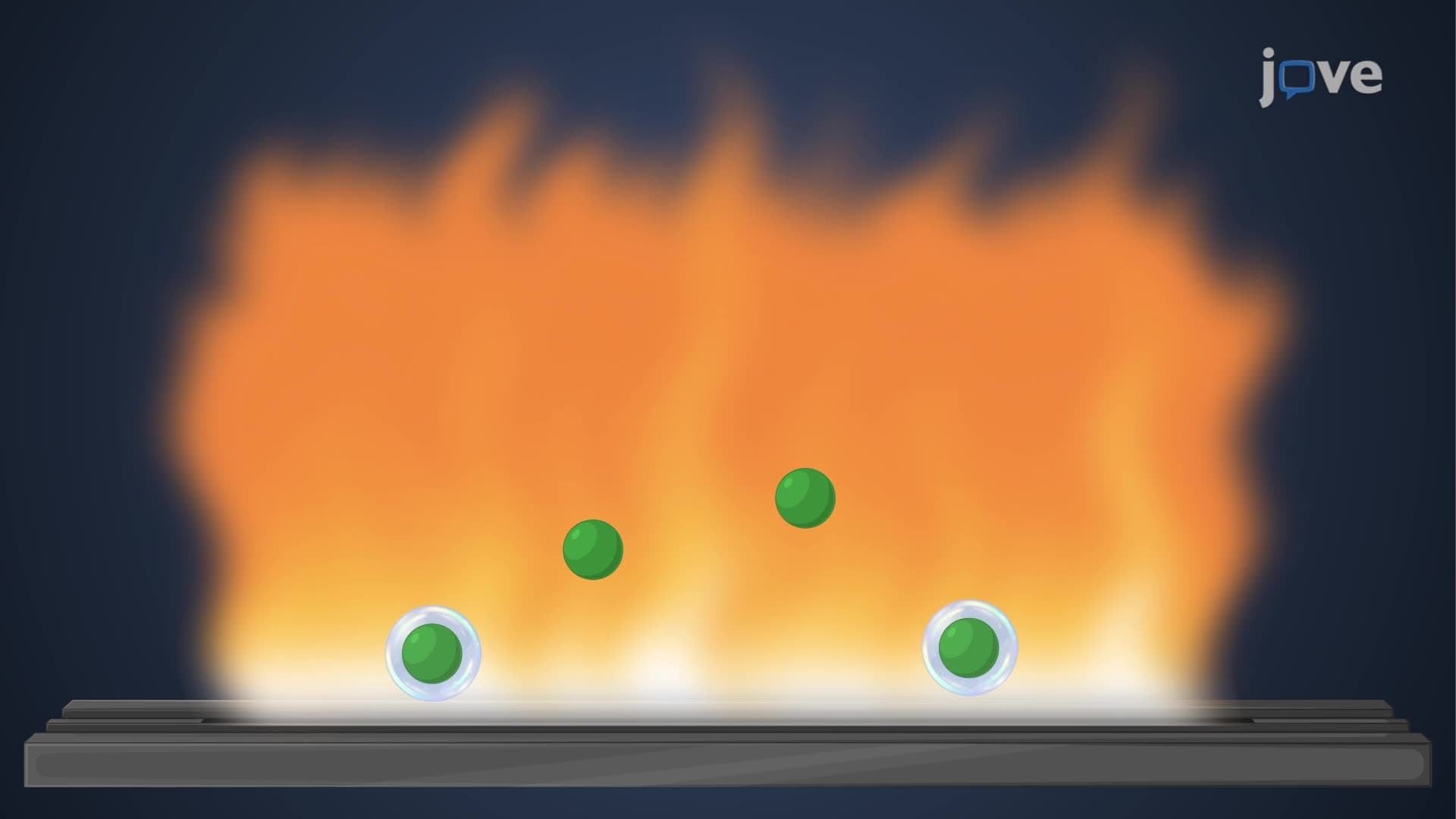
Flame atomization represents the most common approach in routine analytical laboratories. The process begins when a nebulizer creates an aerosol from the liquid sample, but only about 5% of these droplets are small enough to reach the flame effectively. In the spray chamber, this fine aerosol mixes with fuel (typically acetylene) and oxidant (usually air or nitrous oxide) before entering the burner.
Within the flame, samples undergo a three-stage transformation. First, solvent evaporation occurs in the primary combustion zone. Next, any remaining solid particles decompose, and finally, atomization produces the free atoms needed for analysis. However, this method's major limitation is its poor atom utilization efficiency-most of the sample never reaches the measurement zone, making it unsuitable for trace analysis or precious samples.
US environmental laboratories frequently use flame AAS for analyzing metals in drinking water samples, following EPA Method 7000 series protocols. For instance, the California Department of Public Health uses flame AAS to monitor lead levels in school drinking fountains, where detection limits around 10 parts per billion are sufficient.
Graphite furnace atomic absorption spectroscopy (GFAAS) addresses flame atomization's limitations by using a small graphite tube that can be precisely heated. This method processes much smaller sample volumes (typically 10-50 microliters) while achieving nearly 100% atom utilization efficiency.
The electrothermal process involves three temperature-controlled stages: drying (removes solvent), charring (eliminates organic matrix components), and atomization (creates free atoms). Because the entire sample remains in the light path during measurement, detection limits improve by 10-1000 times compared to flame methods.
This technique proves essential for analyzing biological samples where sample volumes are limited. The CDC's National Health and Nutrition Examination Survey (NHANES) uses GFAAS to measure blood lead levels in children, achieving detection limits below 1 microgram per deciliter.
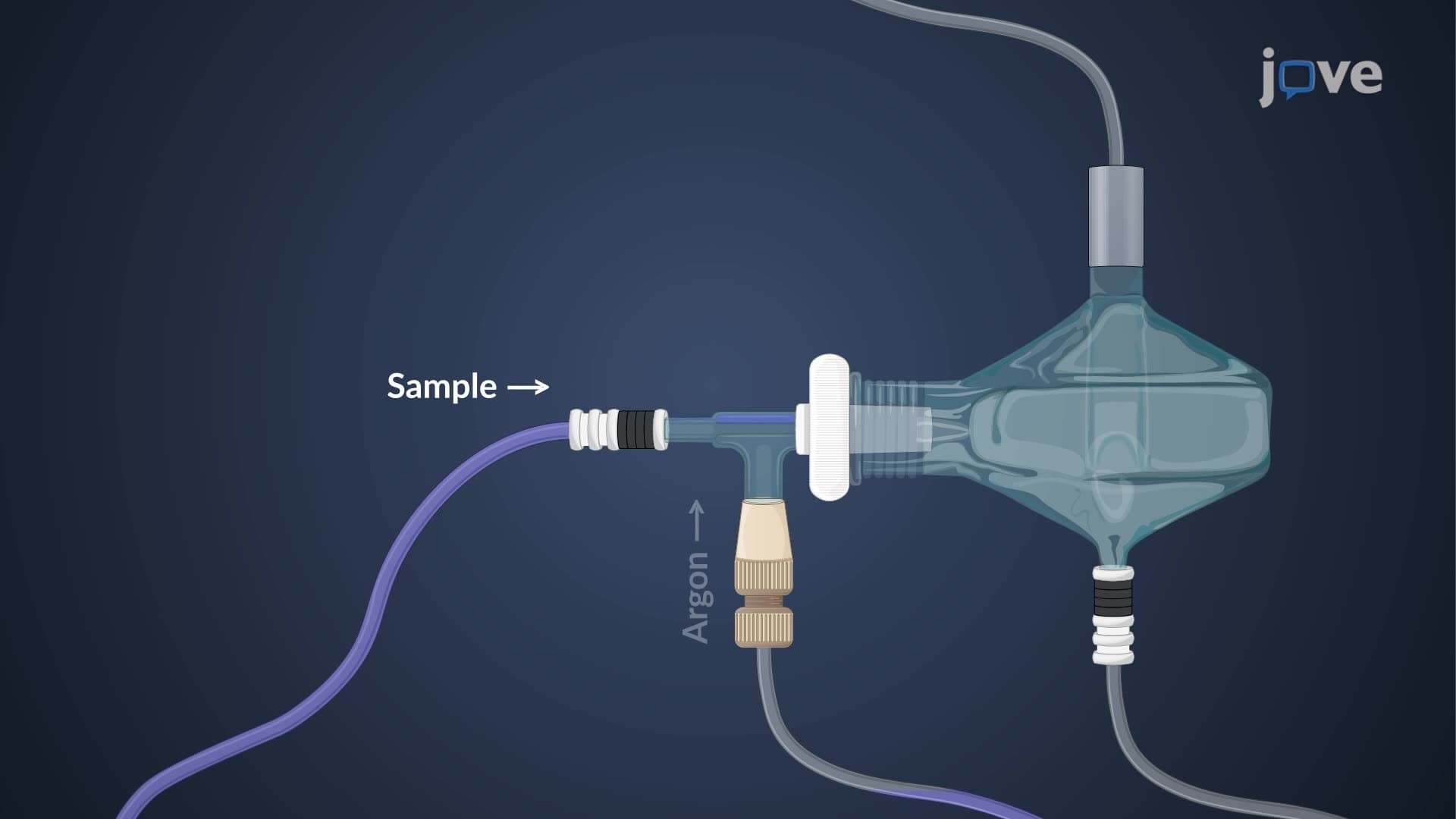
Certain elements benefit from alternative atomization approaches. Hydride generation works exceptionally well for arsenic, selenium, and antimony by first converting these elements into volatile hydrides using sodium borohydride reduction. These gaseous hydrides then undergo thermal decomposition in a heated quartz tube.
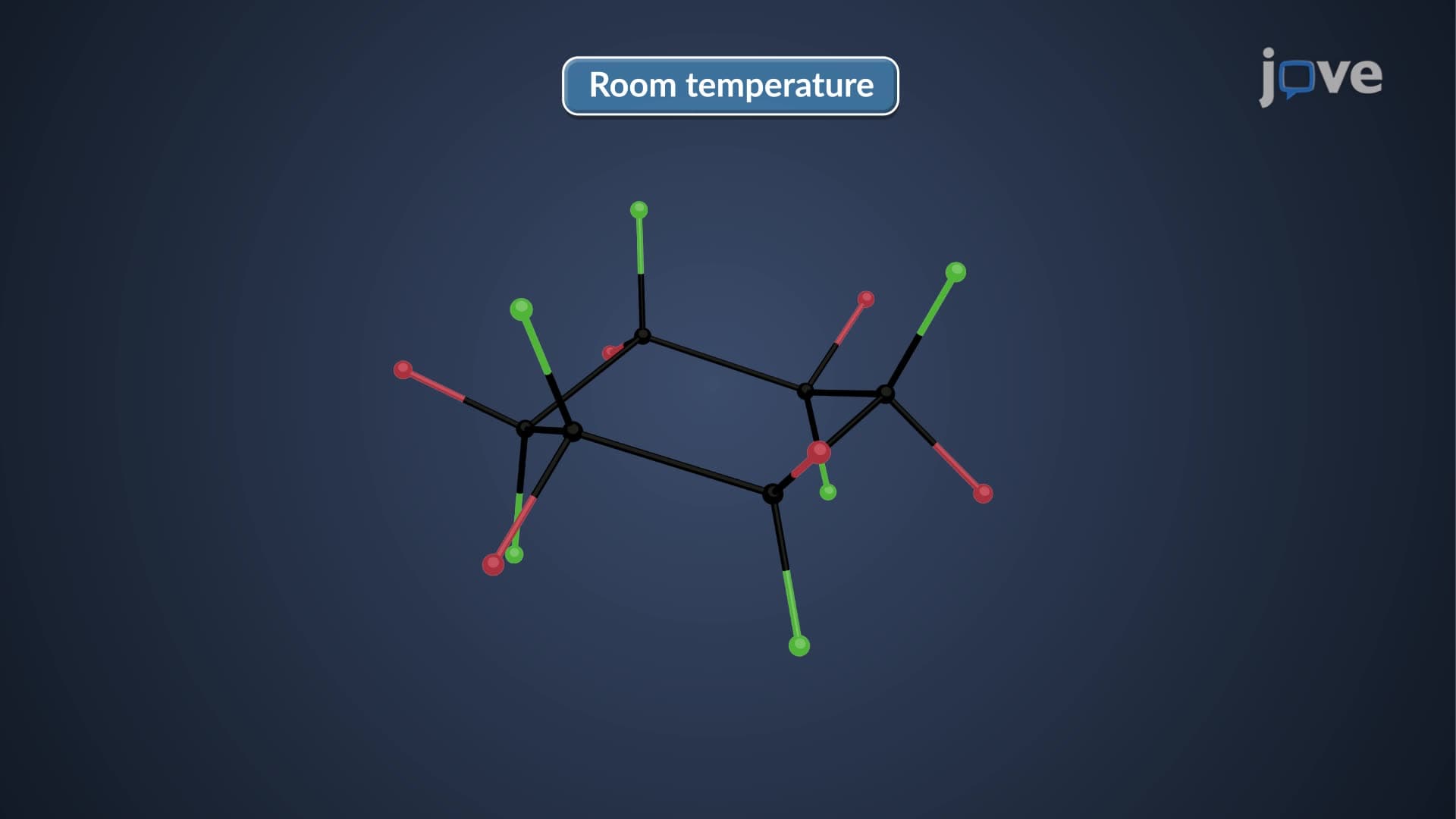
Cold vapor atomization specifically targets mercury analysis, taking advantage of mercury's natural volatility at room temperature. After chemical reduction converts mercury compounds to elemental mercury, the vapor can be swept directly into the measurement cell without heating.
These specialized techniques find widespread use in US clinical laboratories. For example, many hospitals use cold vapor AAS for monitoring mercury exposure in patients, while environmental consultants employ hydride generation to assess arsenic contamination in groundwater near former mining sites.
Related Micro-courses