Loading video…


 17 Concepts
 18.9K views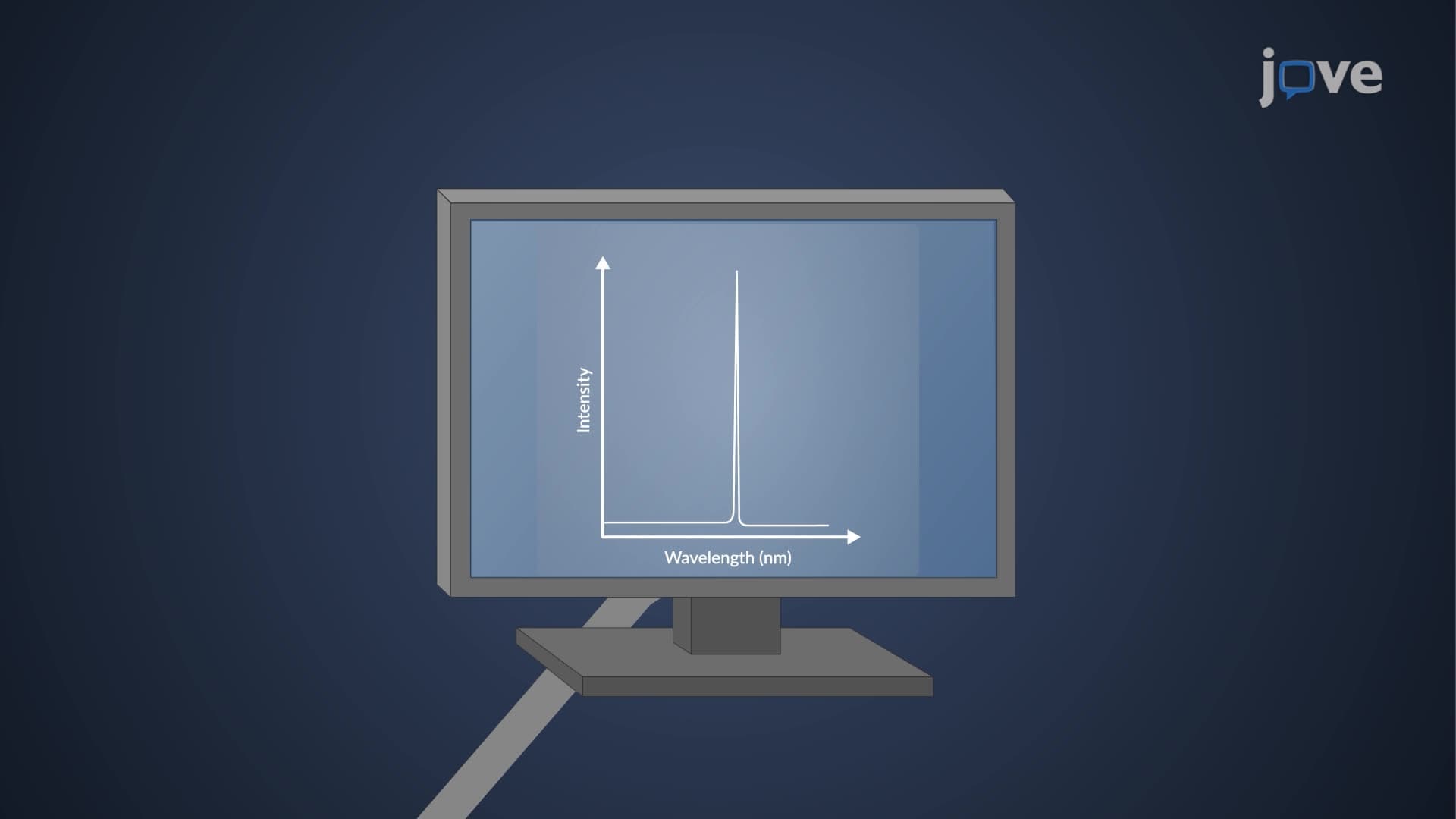

Video Summary: What Is Atomic Fluorescence Spectroscopy
Ever wondered how scientists detect mercury contamination in drinking water or analyze precious metals in jewelry? Atomic fluorescence spectroscopy basics reveal how atoms absorb light energy and re-emit it as fluorescence, creating a powerful analytical technique. The EPA uses atomic fluorescence spectroscopy to monitor mercury levels in US water supplies, detecting concentrations as low as parts per billion. This method excites atomized samples with high-intensity light sources, then measures the characteristic fluorescent emissions to identify and quantify specific elements with remarkable precision. Watch the full video on JoVE Coach to master this concept with expert-led visuals and step-by-step explanations.
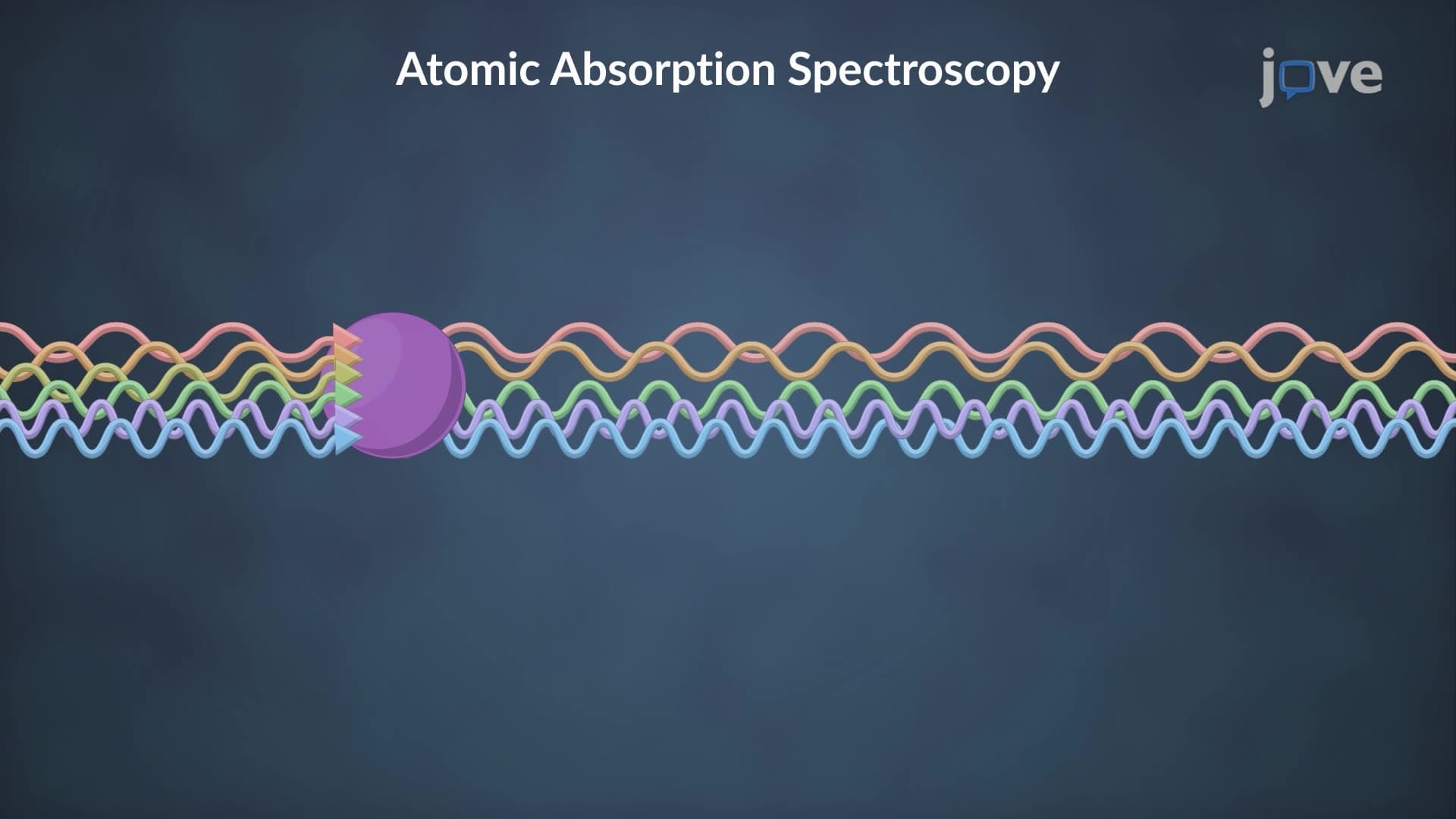
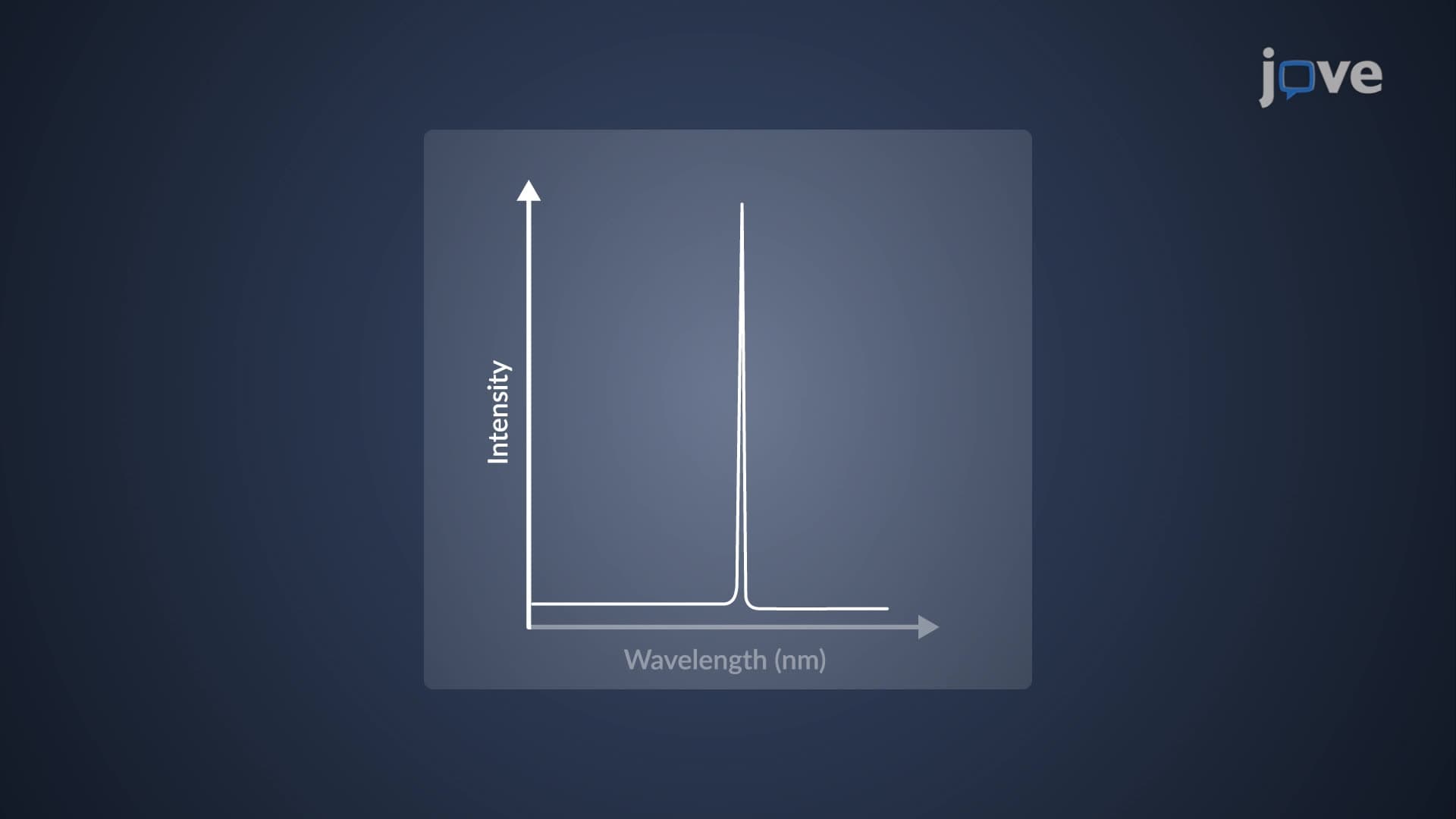
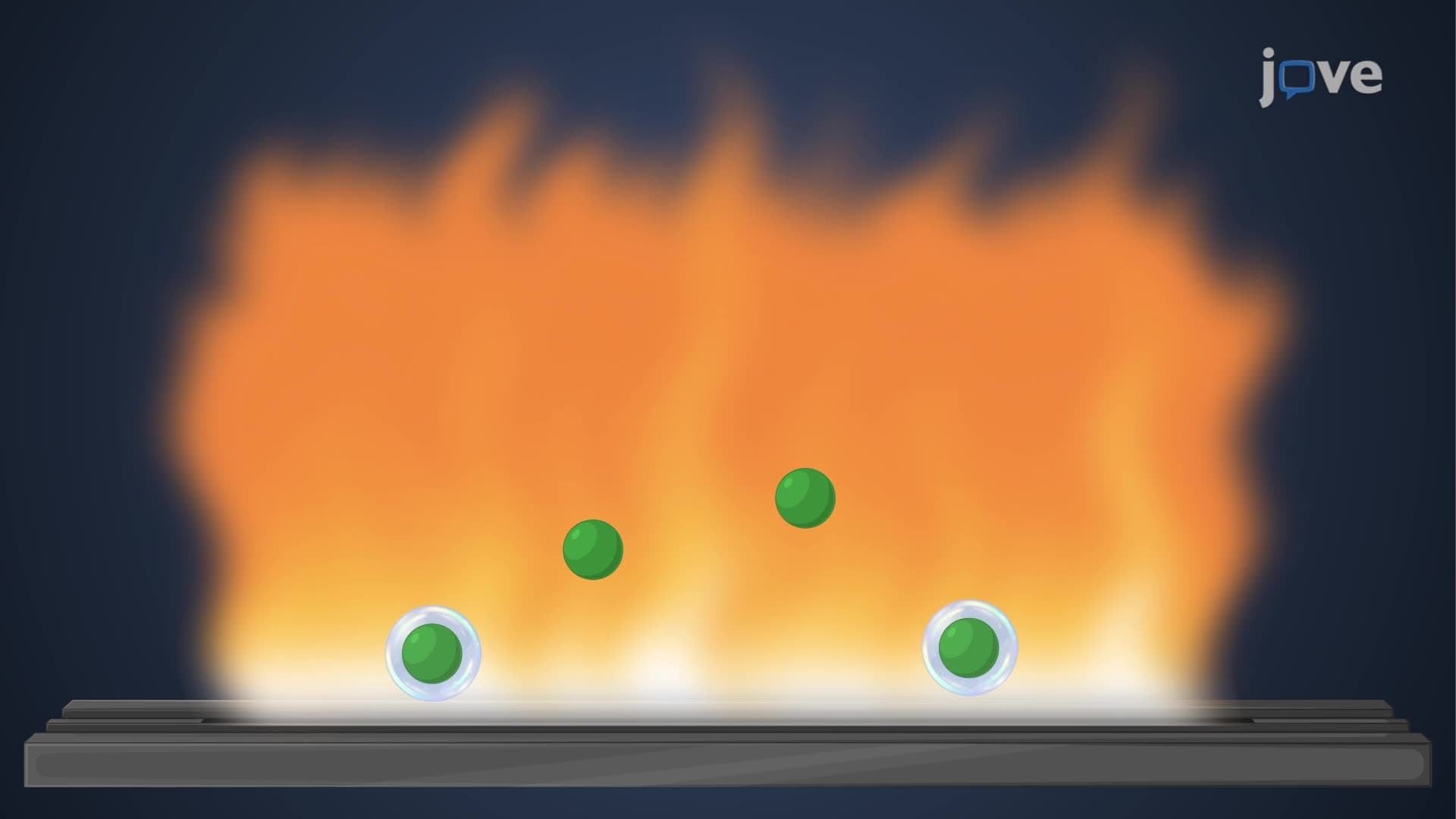
Atomic fluorescence spectroscopy basics center on a fundamental atomic process: when atoms absorb electromagnetic energy, electrons jump to higher energy levels, then release this energy as fluorescent light when returning to their ground state. Unlike absorption spectroscopy that measures how much light is absorbed, AFS measures the light emitted during this relaxation process. This emission occurs at the same wavelength as the optimal absorption wavelength for each element, creating element-specific "fingerprints" that enable precise identification and quantification.
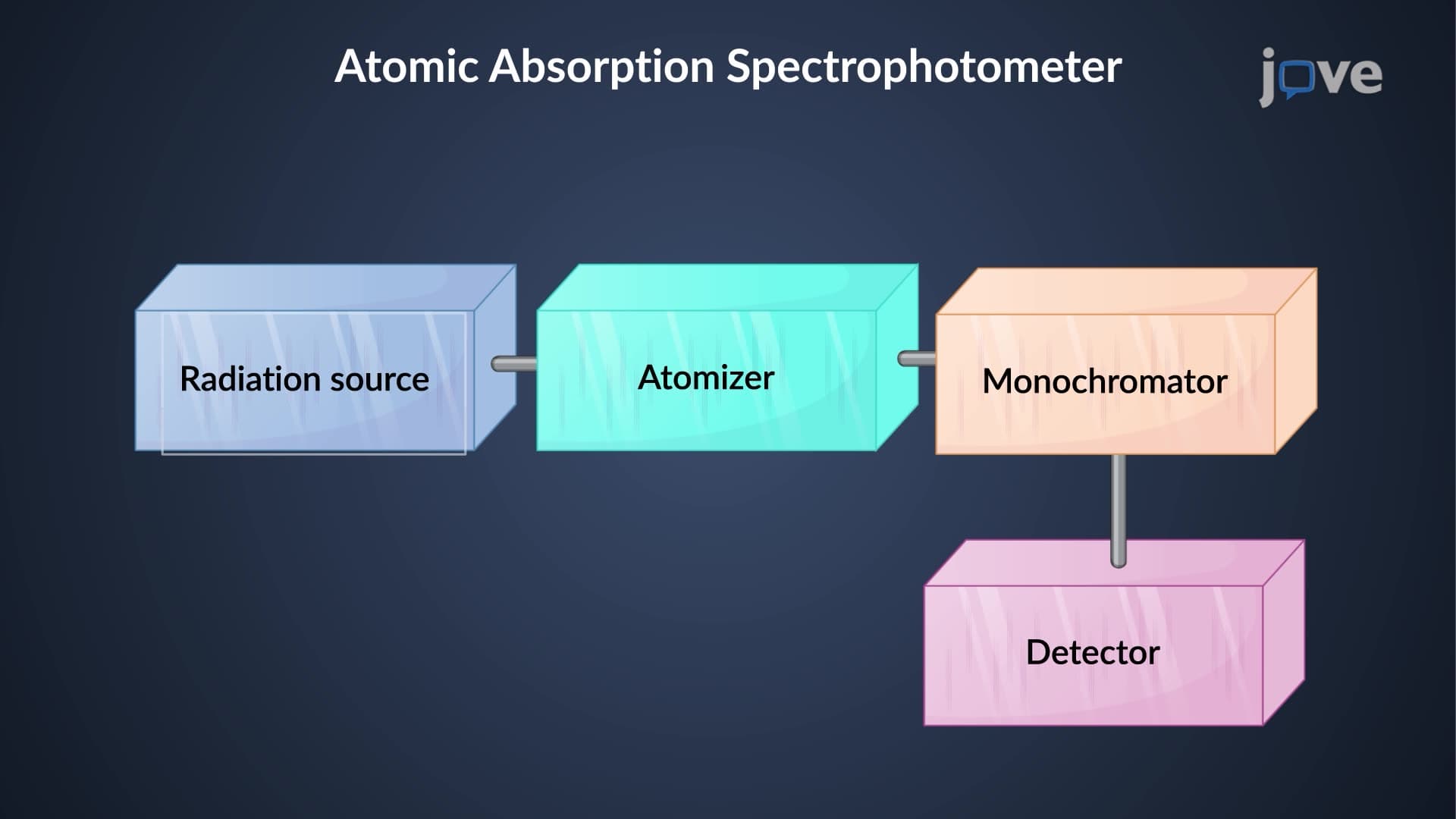
The most distinctive feature separating AFS explained analytical chemistry from atomic absorption spectroscopy (AAS) lies in their detection geometry. While AAS measures light absorption along the same path as the source beam, AFS positions the detector at a right angle (90 degrees) to the excitation source. This perpendicular arrangement eliminates interference from scattered source light, significantly improving signal-to-noise ratios. Consequently, AFS often achieves lower detection limits than AAS, particularly for elements like mercury, arsenic, and selenium-elements crucial in environmental monitoring across US industries.
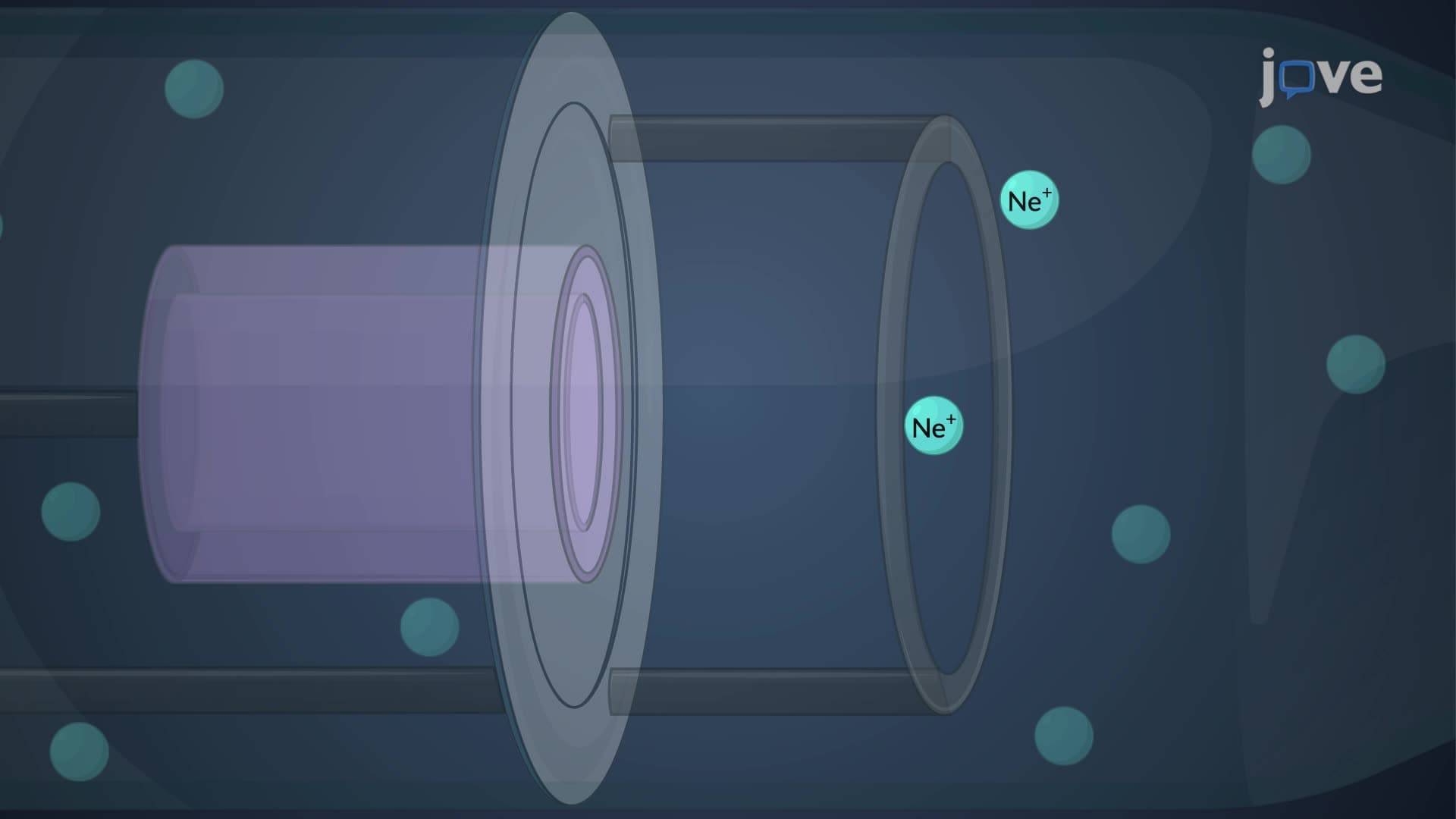
The AFS light source represents the system's most critical component, as fluorescence intensity directly correlates with irradiation intensity. High-intensity sources include pulsed hollow-cathode lamps (providing element-specific wavelengths), electrodeless-discharge lamps (offering superior intensity), xenon arc lamps (broad-spectrum capability), and lasers (maximum intensity with narrow bandwidth). US pharmaceutical companies frequently employ laser-based AFS systems for trace metal analysis in drug manufacturing, where detecting parts-per-billion contamination levels ensures FDA compliance.
Atomic fluorescence detection plays vital roles across multiple US sectors. The EPA mandates AFS for mercury analysis in drinking water under the Safe Drinking Water Act, while mining companies use AFS for precious metal assays in Nevada and Colorado operations. In academic settings, students encounter AFS concepts in AP Chemistry when studying atomic structure and in college analytical chemistry courses. The MCAT frequently tests understanding of fluorescence emission atom behavior, making AFS knowledge essential for pre-med students. Graduate programs in environmental science, geology, and chemistry regularly incorporate hands-on AFS laboratory experiences, preparing students for careers in environmental consulting, materials testing, and pharmaceutical quality control.
Related Micro-courses