Loading video…

 17 Concepts
 18.9K views

Video Summary: What Is Atomic Emission Spectroscopy
Ever wondered how scientists can identify multiple metals in contaminated water samples from US industrial sites in just minutes? Atomic emission spectroscopy basics reveal how this powerful analytical technique works by exciting atoms to emit characteristic light signatures. The EPA regularly uses atomic emission spectroscopy to monitor heavy metals like lead and mercury in drinking water across American cities, making it a critical tool for public health protection. Watch the full video on JoVE Coach to master this concept with expert-led visuals and step-by-step explanations.
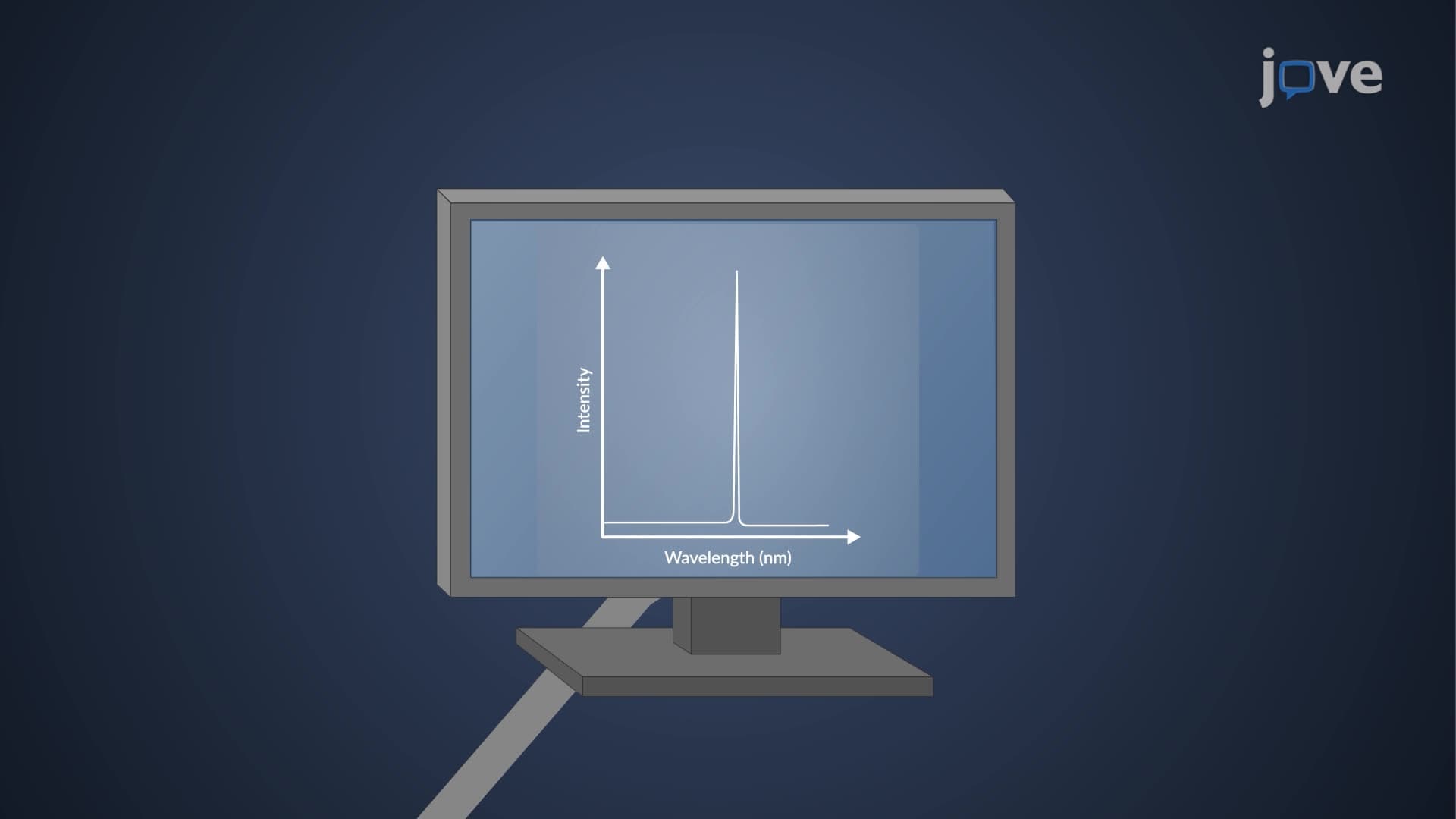
Atomic emission spectroscopy basics center on a fundamental principle: when atoms absorb energy and become excited, they emit characteristic wavelengths of light as they return to lower energy states. This analytical technique has revolutionized how chemists identify and quantify elements in complex samples, from soil contamination studies at Superfund sites to quality control in pharmaceutical manufacturing across the United States.
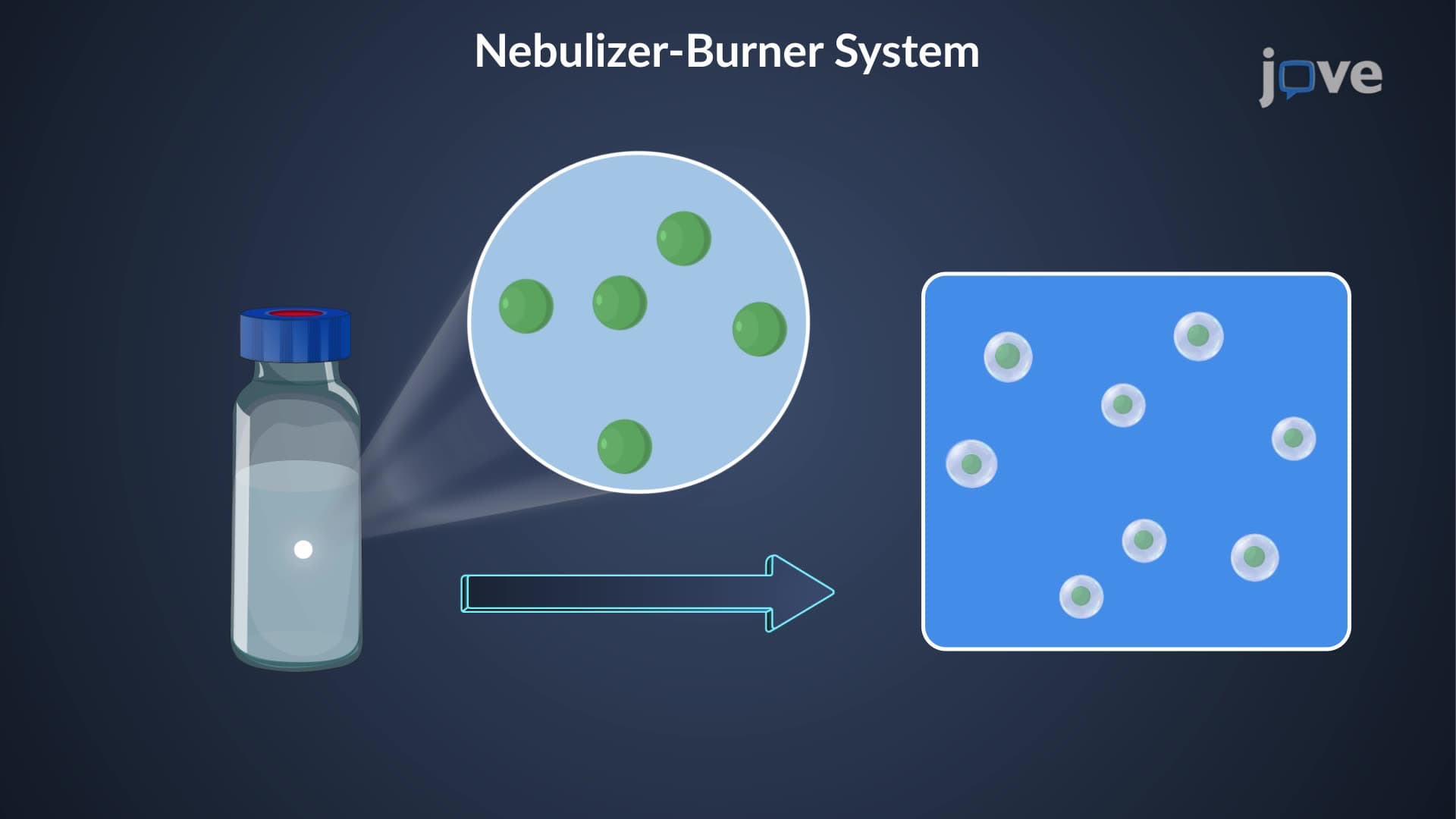
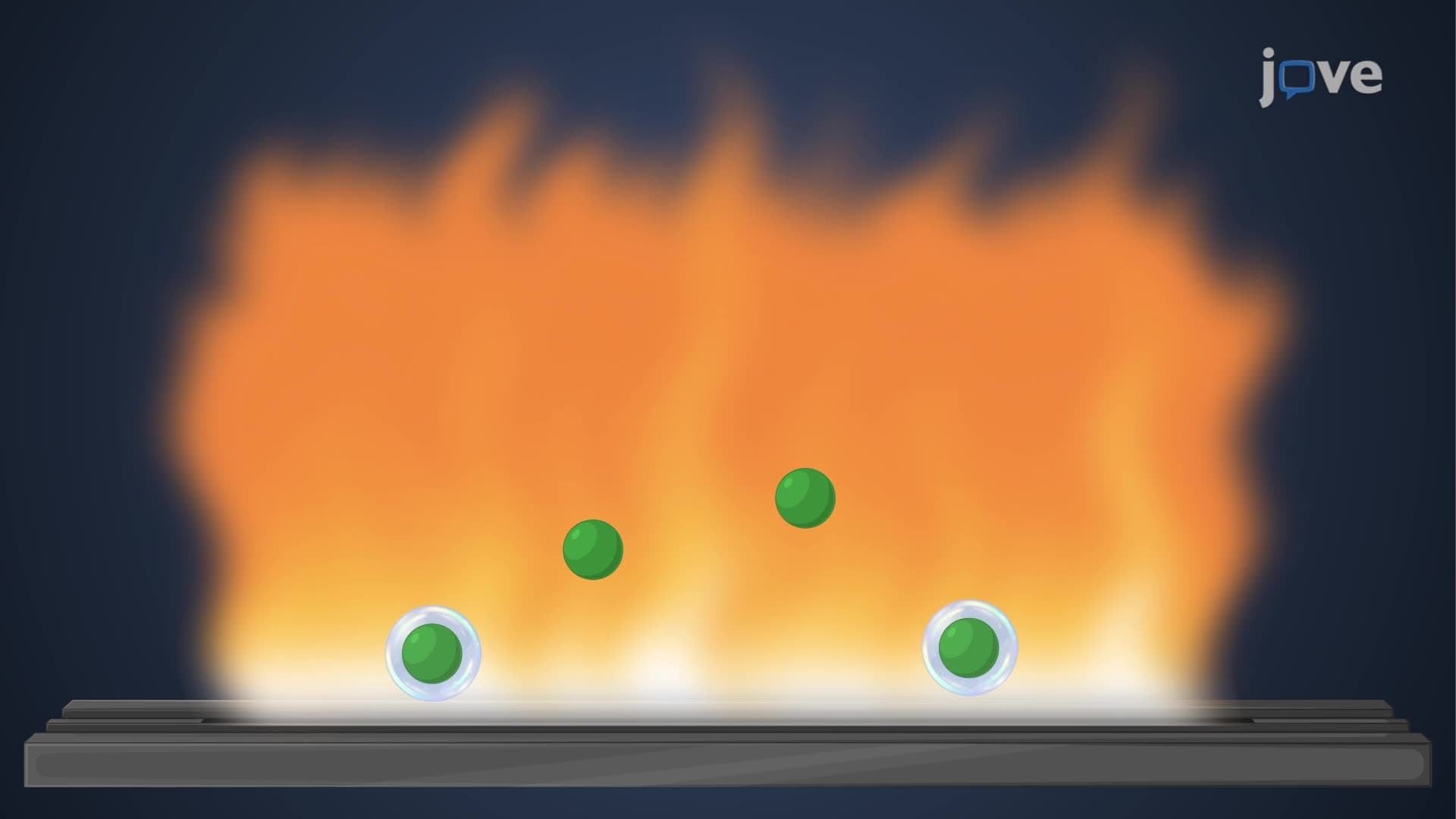
The success of any AES excitation source depends on providing sufficient thermal energy to populate excited atomic states. Flame emission spectroscopy represents the most accessible approach, using air-acetylene or nitrous oxide-acetylene flames reaching temperatures of 2000-3000K. However, modern laboratories increasingly rely on plasma sources for their superior performance.
Thermal excitation AES reaches its pinnacle with inductively coupled plasma (ICP) systems, which achieve temperatures up to 10,000K-nearly twice the surface temperature of the sun. This extreme heat ensures complete atomization of samples and efficient population of excited states across the periodic table. US environmental labs use ICP-AES extensively for EPA Method 200.7, which monitors trace metals in drinking water.
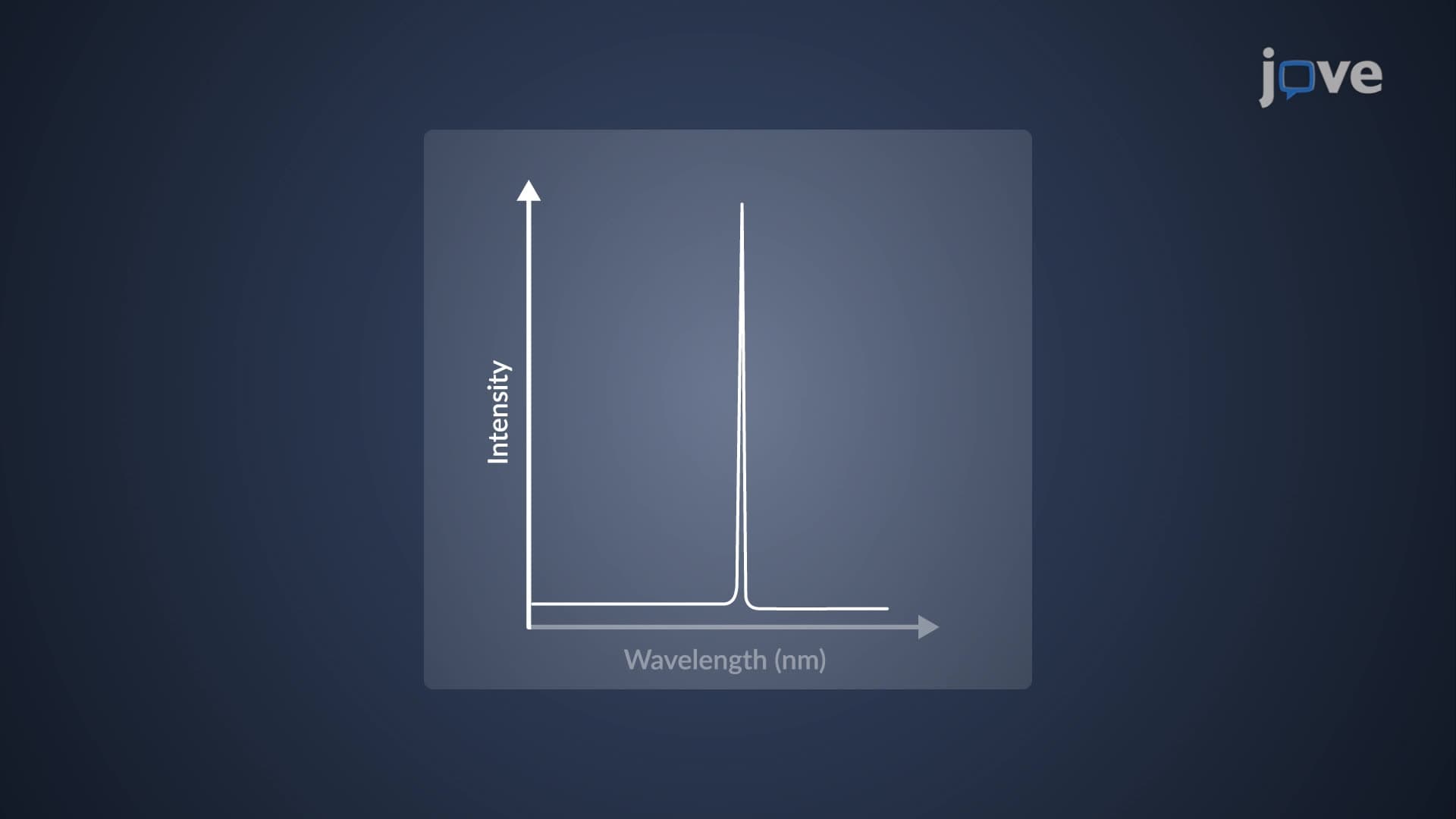
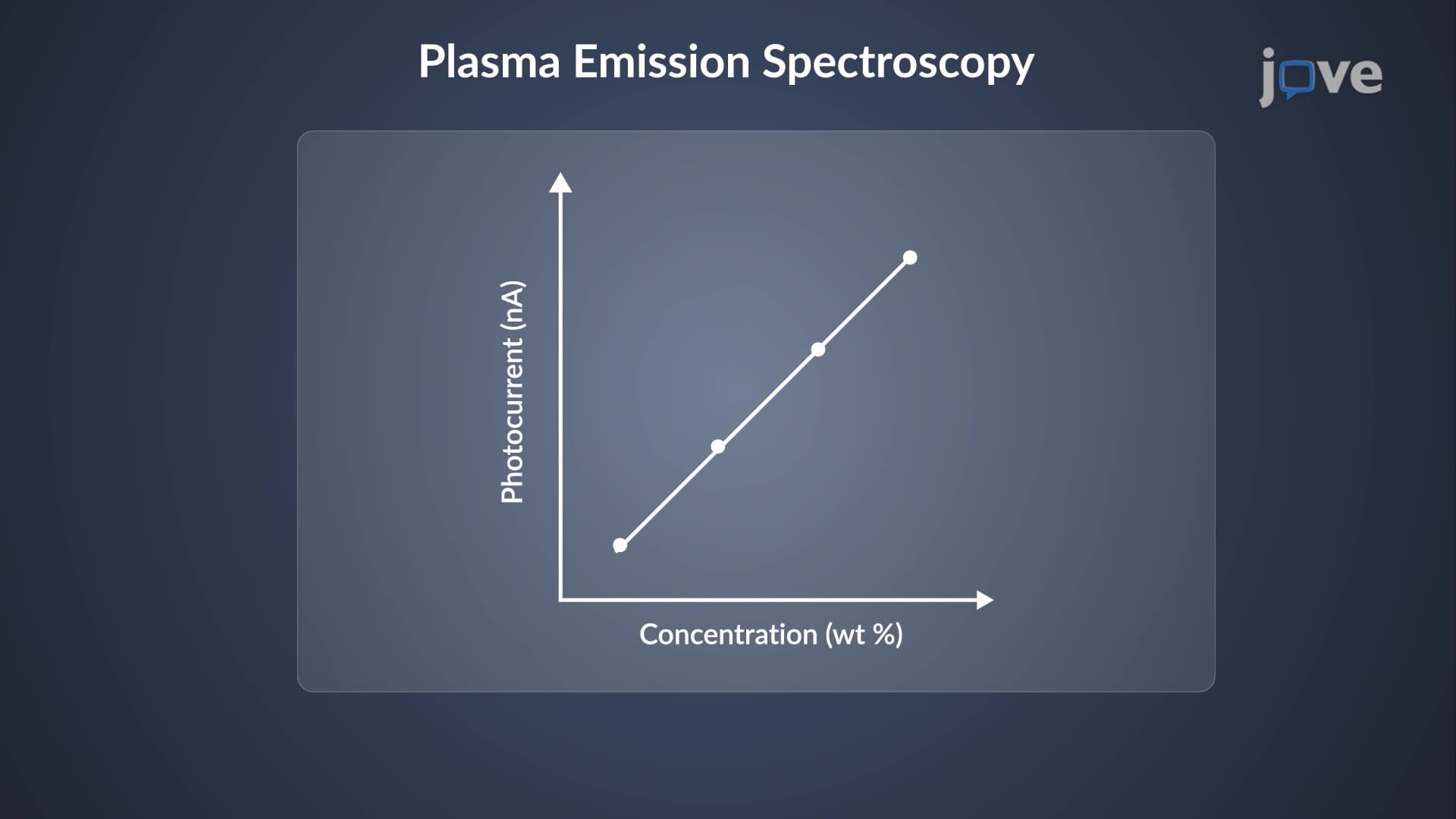
The atomic emission spectrum produced by plasma sources offers unparalleled analytical capabilities. Argon plasma creates an ideal environment where electrons and ions coexist in thermal equilibrium, providing consistent excitation conditions. Unlike flames, plasma sources maintain stable temperatures and can simultaneously excite dozens of elements without chemical interferences.
Emission spectroscopy metals analysis has become indispensable in American industries. Steel manufacturers use AES to verify alloy compositions, ensuring products meet ASTM specifications. Agricultural laboratories analyze soil samples for nutrient content, helping farmers optimize fertilizer applications across the Midwest farming belt.
Students preparing for AP Chemistry exams will encounter atomic emission concepts in Unit 1 (Atomic Structure) and Unit 4 (Chemical Reactions). The technique directly demonstrates quantum mechanical principles of electron transitions and energy quantization. College chemistry majors studying analytical chemistry will find AES explained analytical chemistry principles essential for understanding modern instrumental methods required in pharmaceutical, environmental, and materials science careers.
Related Micro-courses