Loading video…


 17 Concepts
 18.9K views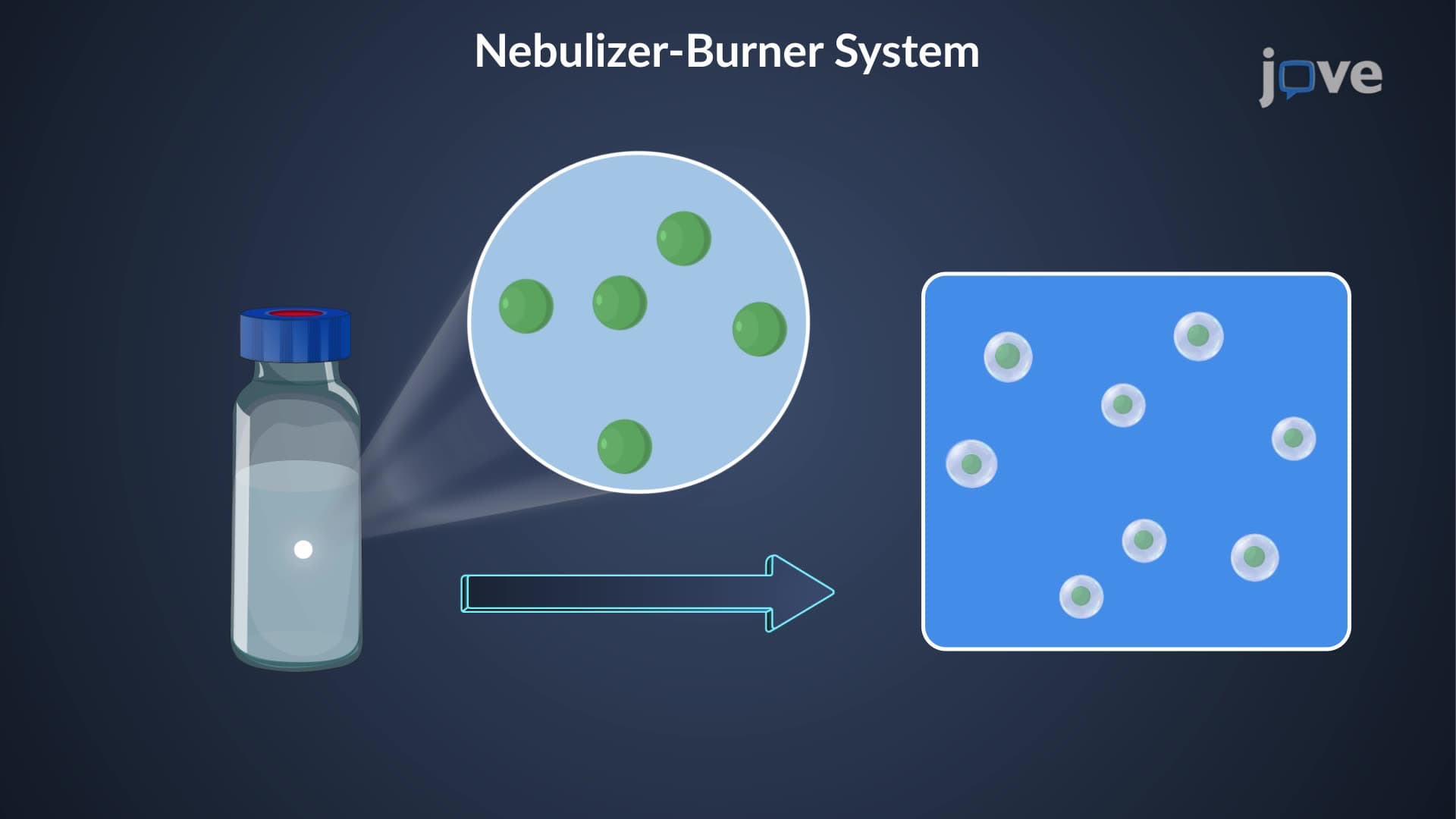

Video Summary: What Is Flame Photometry
Ever wonder how scientists determine the exact sodium content in your favorite sports drink? Flame photometry explained through this analytical technique reveals how laboratories use controlled flames to identify and measure metal concentrations in solutions. The FDA relies on flame photometry to verify nutritional labels on food products, ensuring accurate sodium and potassium content claims. What is Flame Photometry demonstrates the fascinating intersection of chemistry and light, where different metals produce characteristic flame colors that can be precisely measured. Watch the full video on JoVE Coach to master this concept with expert-led visuals and step-by-step explanations.
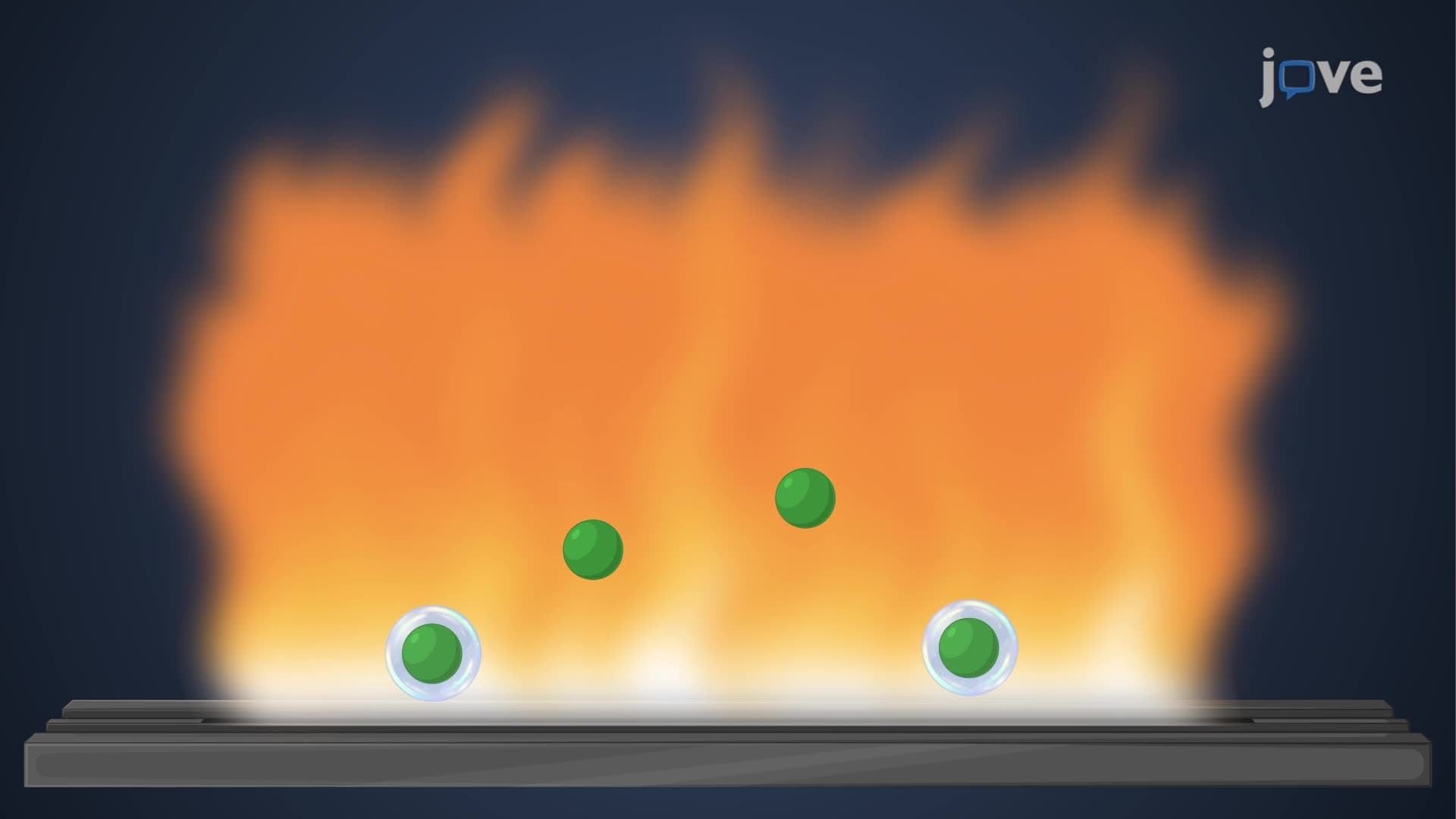
What is Flame Photometry represents a cornerstone flame photometry analytical technique in modern analytical chemistry. This method exploits the principle that when certain metal ions are introduced into a high-temperature flame, they absorb thermal energy and emit characteristic light wavelengths upon returning to their ground state. The technique proves particularly valuable for analyzing alkali metals (sodium, potassium, lithium) and alkaline earth metals (calcium, magnesium) due to their relatively low excitation energies.
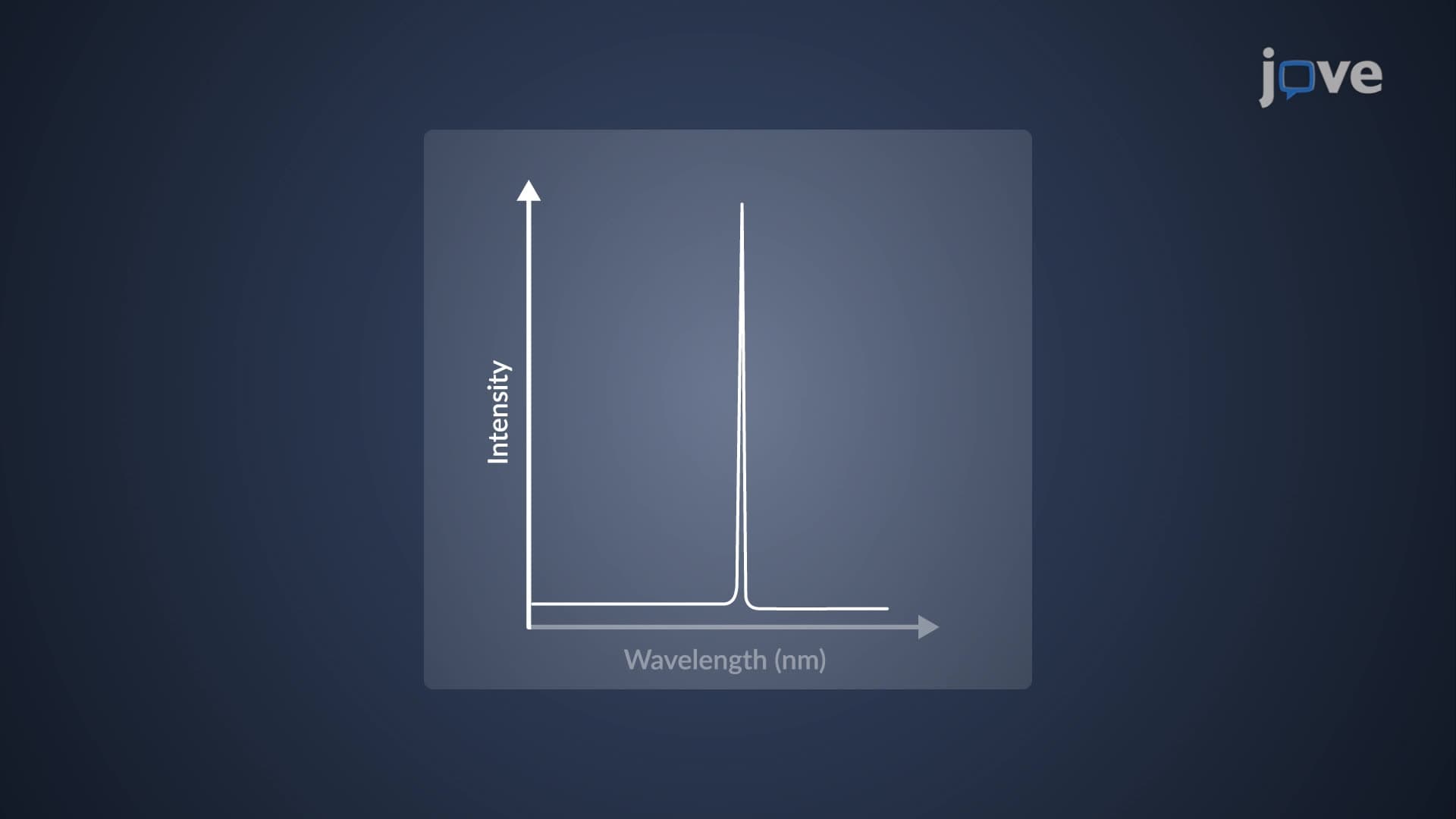
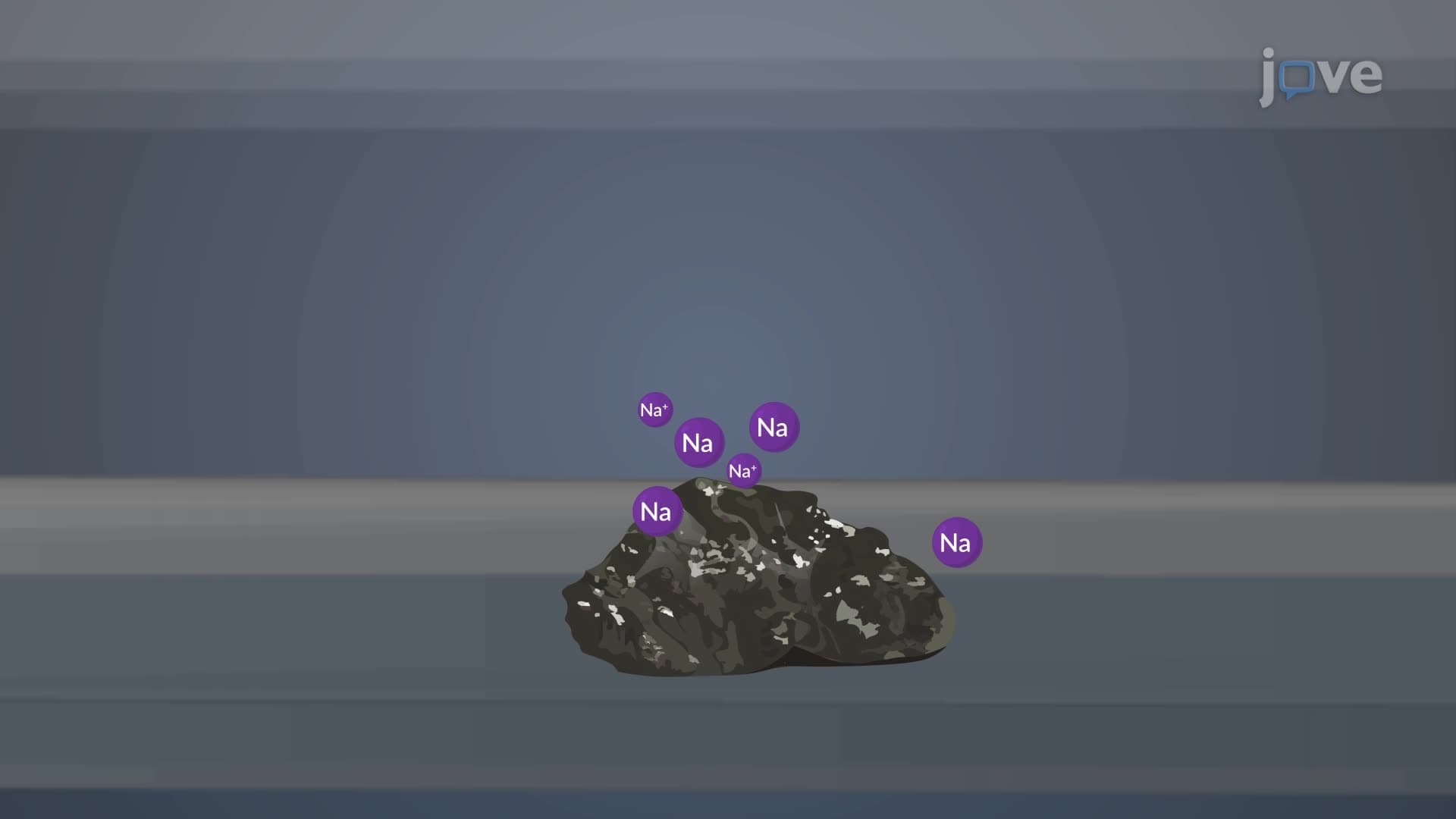
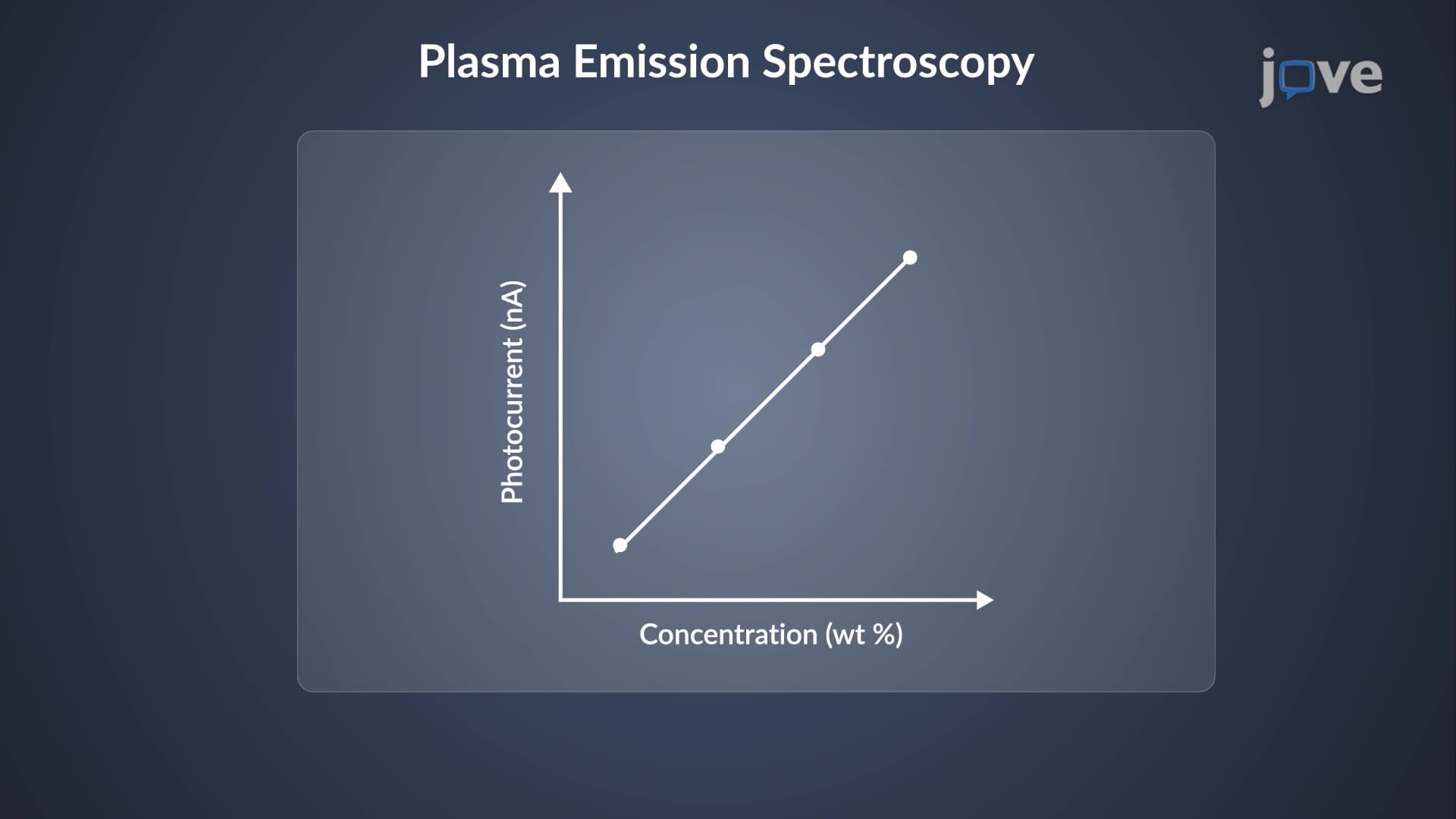
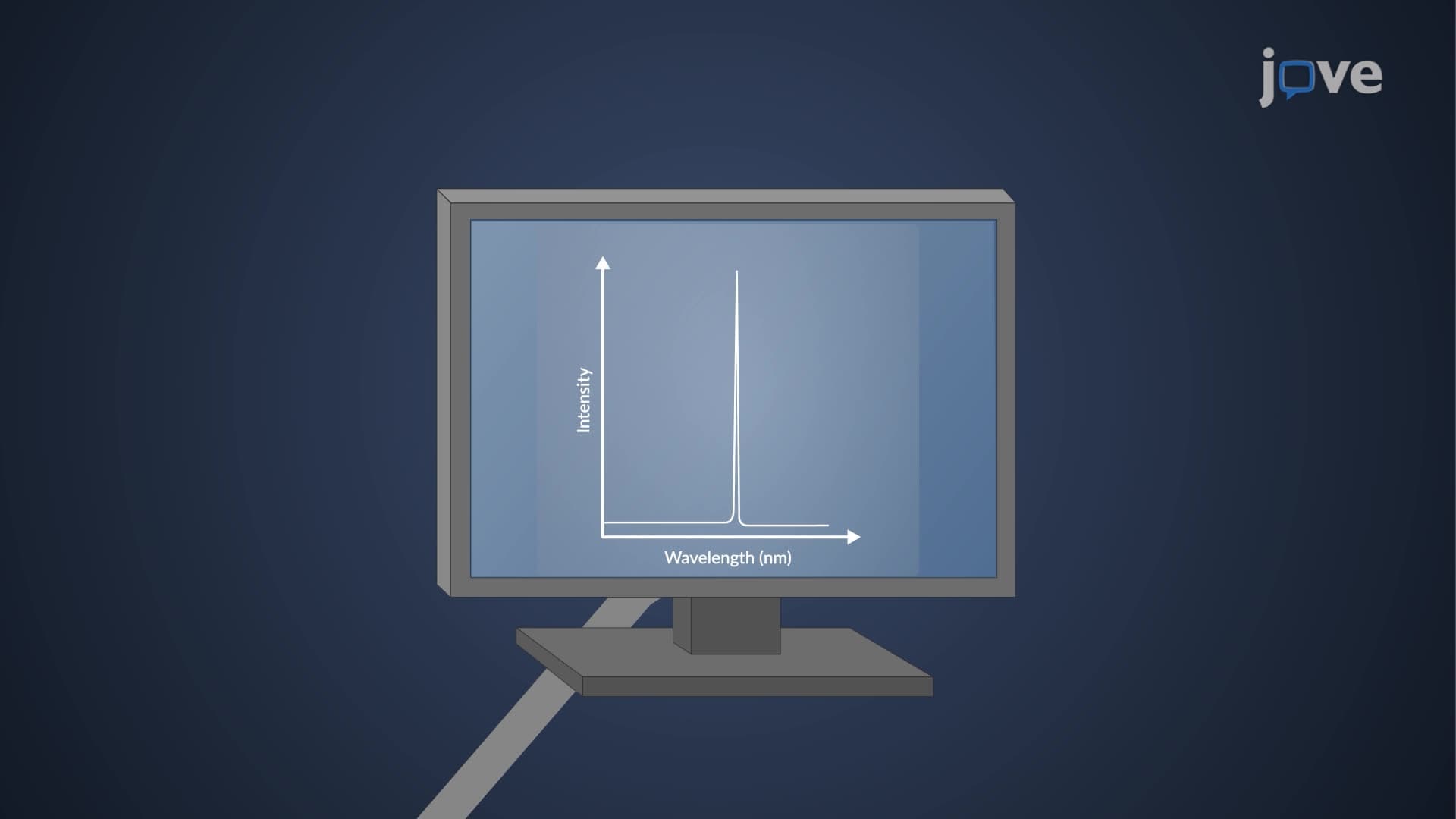
The flame photometer principle operates on atomic emission spectroscopy fundamentals. When a sample solution containing metal ions enters the flame, the intense heat breaks molecular bonds and creates free atoms. These atoms then absorb energy from the flame, promoting electrons to higher energy levels. As electrons return to lower energy states, they emit photons at specific wavelengths characteristic of each element. This emission pattern creates a unique "fingerprint" allowing both qualitative identification and quantitative measurement.
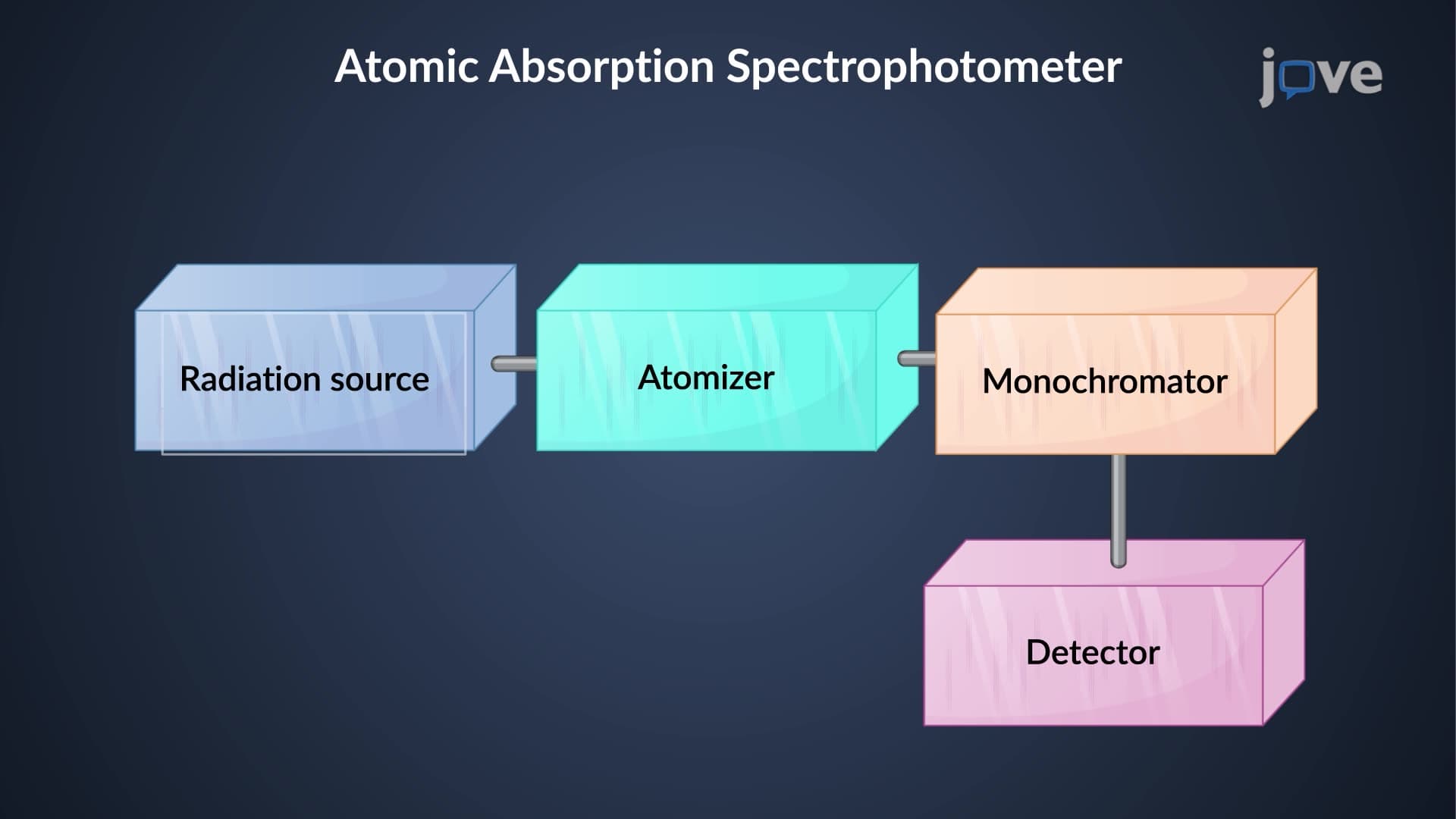
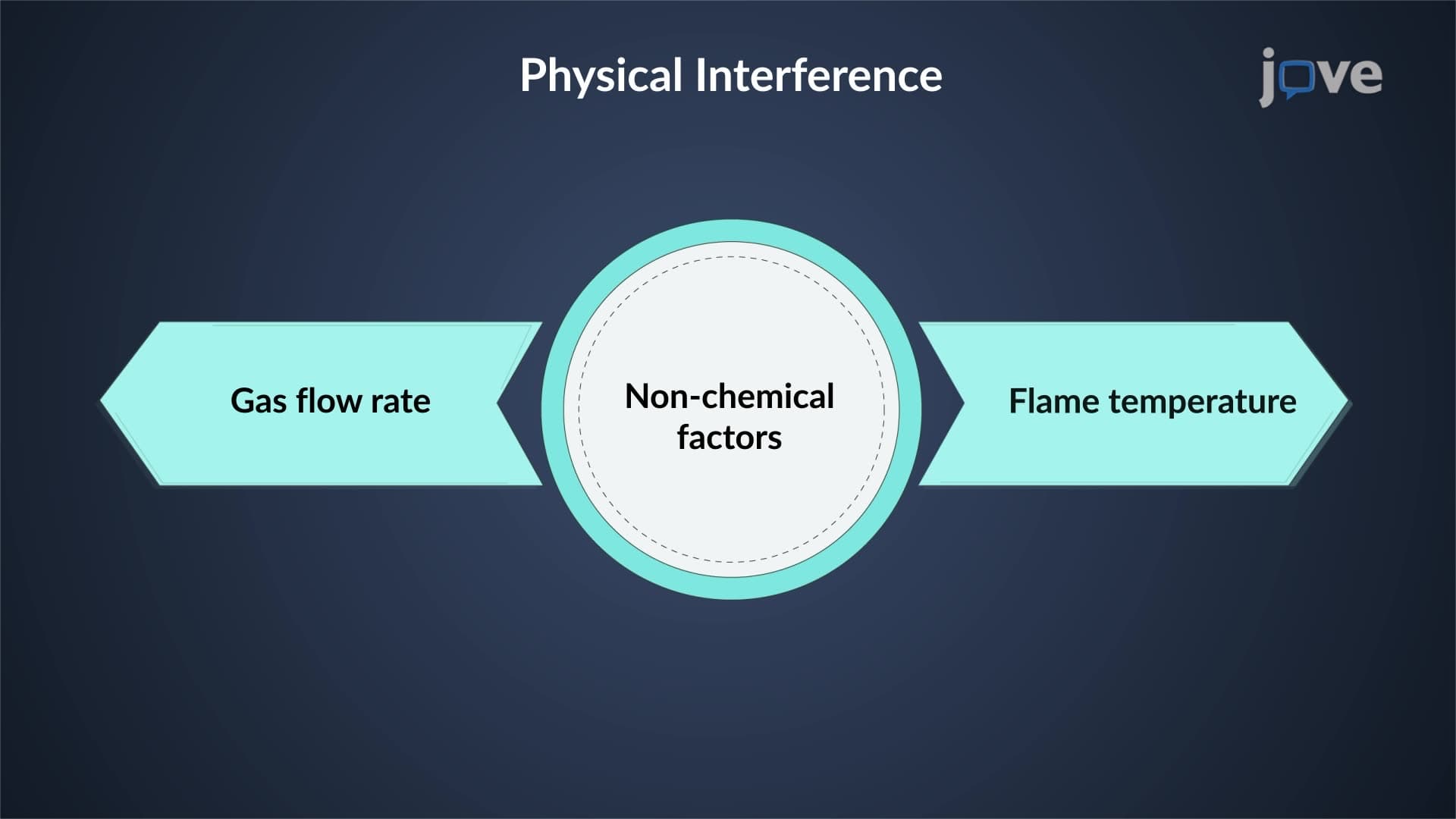
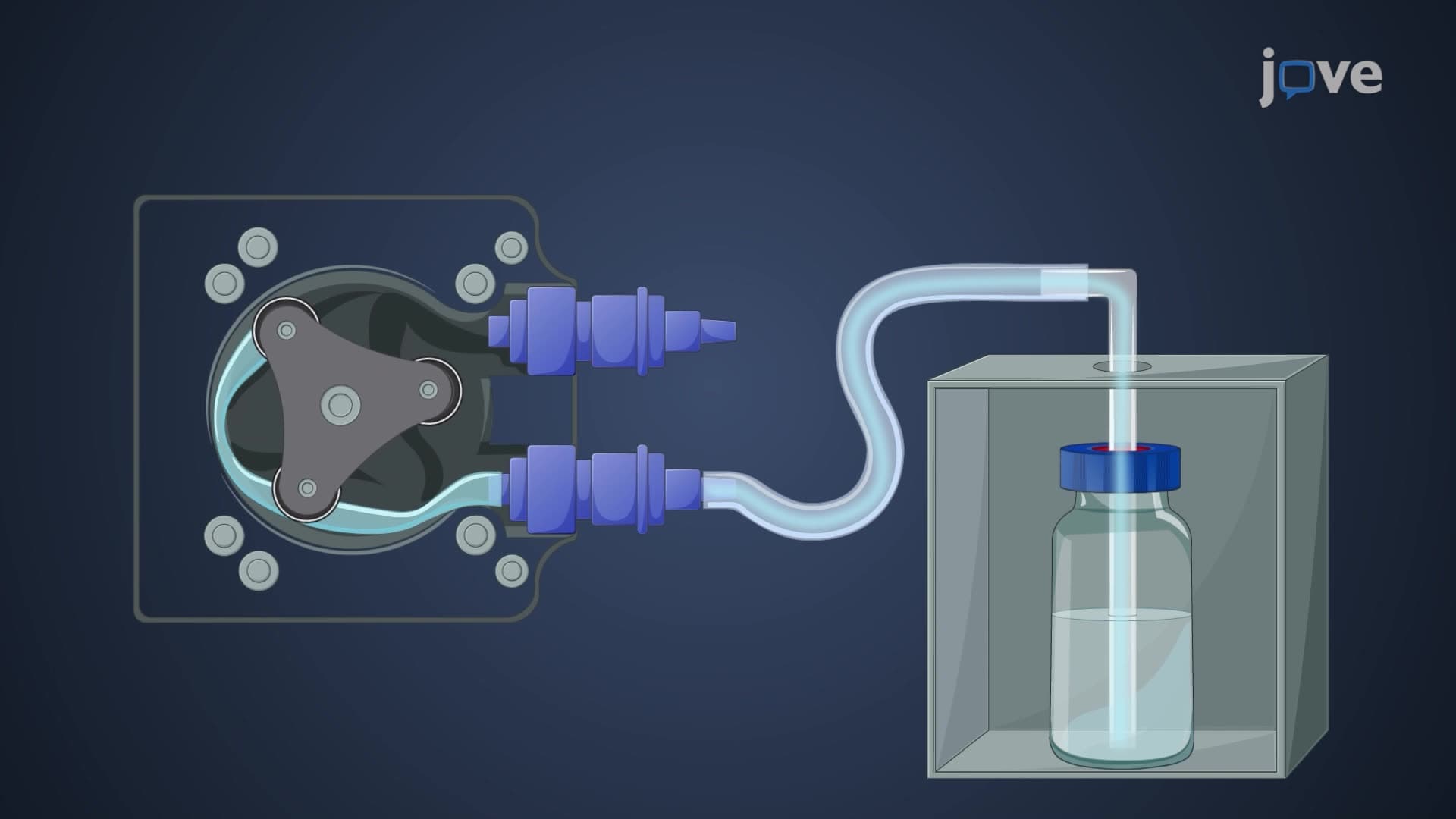
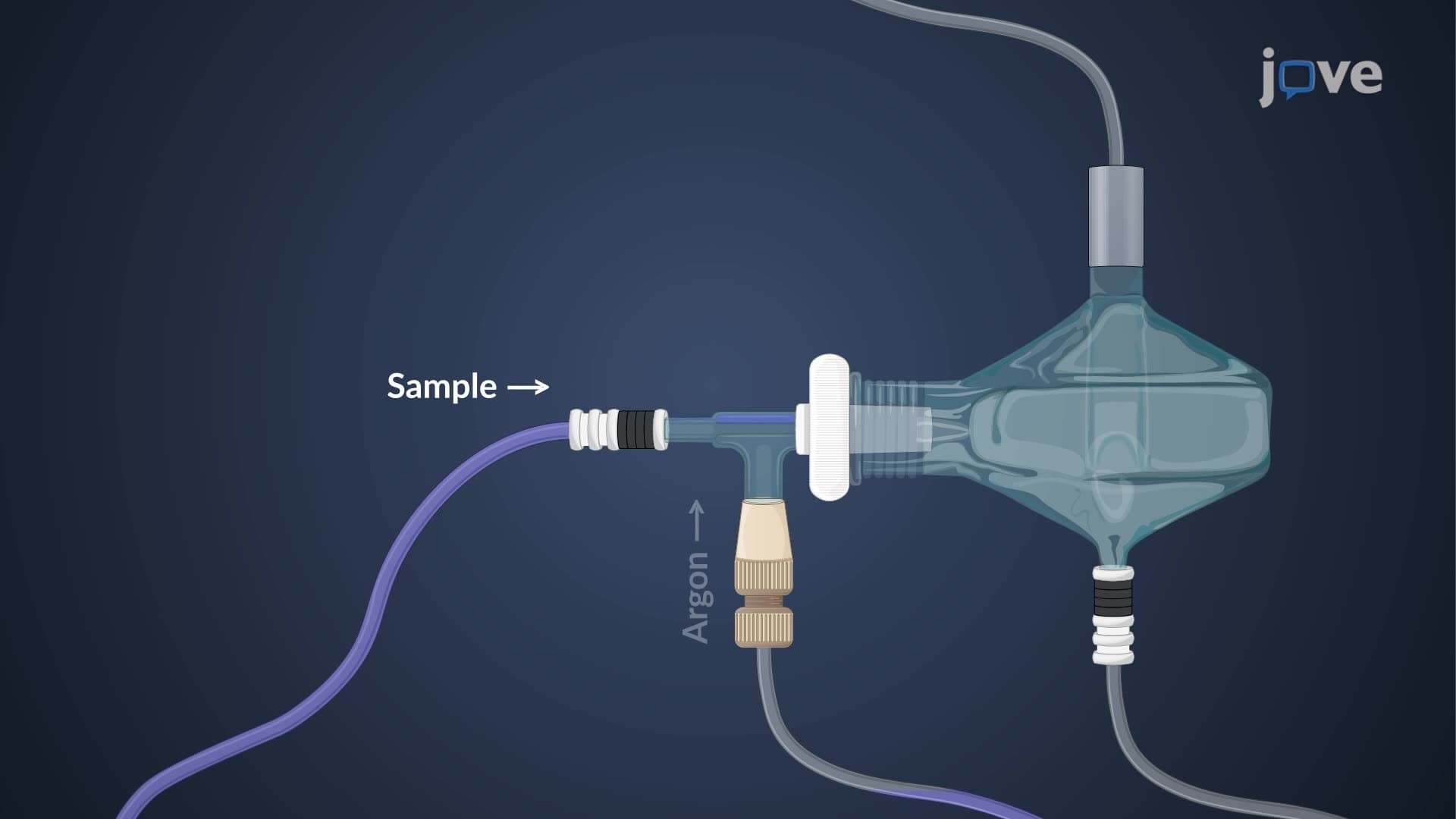
Modern flame photometry systems incorporate sophisticated nebulizer-burner assemblies that transform liquid samples into analyzable aerosols. Emission flame photometry requires precise control over droplet size, flame temperature, and gas flow rates to achieve reproducible results.
Pre-mix burners, also called laminar flow burners, represent the gold standard for analytical precision. These systems generate fine aerosols in a mixing chamber where sample mist combines with fuel and oxidant gases before entering the flame. This design ensures uniform mixing and stable combustion, critical for flame photometry calibration accuracy. The Cleveland Clinic laboratories extensively use pre-mix systems for routine electrolyte analysis in patient blood samples.
Total consumption burners offer advantages for samples with high salt content or when maximum sensitivity is required. These systems feature three concentric tubes delivering sample, fuel, and oxidant separately, mixing only at the burner tip. While less precise than pre-mix systems, they handle difficult matrices more effectively, making them valuable for environmental water analysis by the EPA.
Alkali metal flame photometry demands careful flame selection based on temperature requirements and spectral characteristics. Propane-air flames, operating at approximately 1900°C, provide optimal conditions for most alkali metal determinations. This temperature efficiently atomizes sodium and potassium while minimizing background interference.
Na K flame photometry specifically benefits from propane-air flames because they generate sufficient energy for complete atomization while maintaining low background emission at the sodium (589 nm) and potassium (766 nm) analytical wavelengths. The Mayo Clinic's clinical chemistry department relies on these optimized conditions for thousands of daily electrolyte measurements.
Students encounter what is flame photometry in analytical chemistry across multiple educational contexts. AP Chemistry curricula include flame tests as qualitative analysis exercises, while college analytical chemistry courses emphasize quantitative applications. The MCAT frequently tests understanding of emission spectroscopy principles, making flame photometry knowledge essential for pre-medical students.
Clinical laboratory science programs extensively cover flame photometry for electrolyte analysis, as hospitals nationwide depend on these measurements for patient care. Environmental science students study flame photometry applications in water quality monitoring, where sodium and potassium concentrations indicate pollution sources and treatment effectiveness.
Related Micro-courses