Loading subject page…


42,894 views

Video Summary: What Is Optimizing Chromatographic Separations
Ever wondered how pharmaceutical companies like Pfizer ensure drug purity or how forensic labs at the FBI separate complex evidence mixtures? Optimizing chromatographic separations is the key technique that makes these critical analyses possible. Understanding What is Optimizing Chromatographic Separations involves mastering three fundamental approaches: increasing column efficiency through theoretical plates, enhancing retention factors by adjusting mobile phase conditions, and improving selectivity between target compounds. Watch the full video on JoVE Coach to master this concept with expert-led visuals and step-by-step explanations.
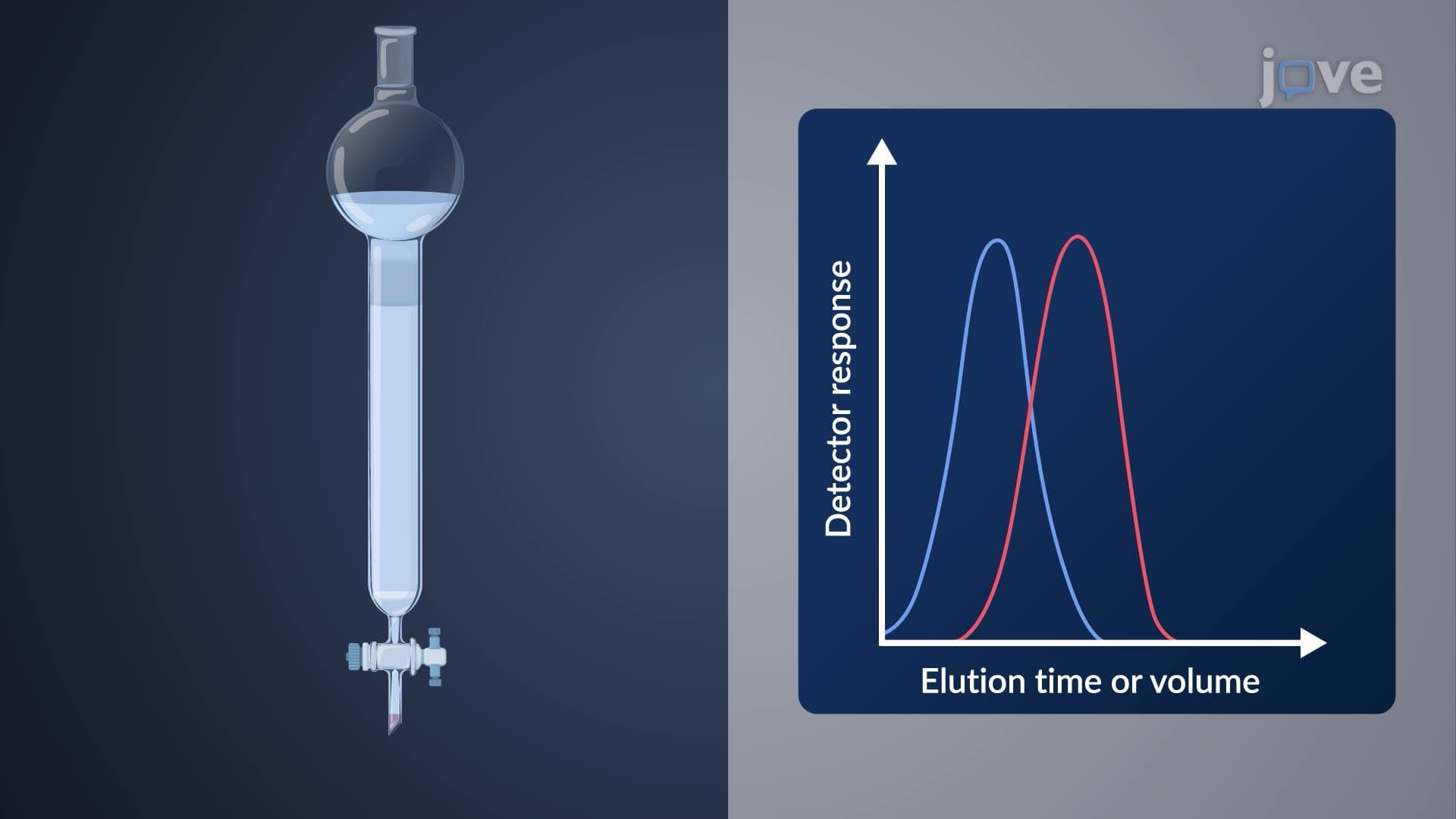
Optimizing chromatographic separations represents the systematic approach to improving the quality and efficiency of analytical separations in chemistry. At its core, this process relies on the master resolution equation (Purnell equation), which mathematically connects three critical parameters: column efficiency (N), selectivity (α), and retention (k). This fundamental relationship guides analytical chemists at institutions like the CDC and EPA in developing robust separation methods for complex samples.
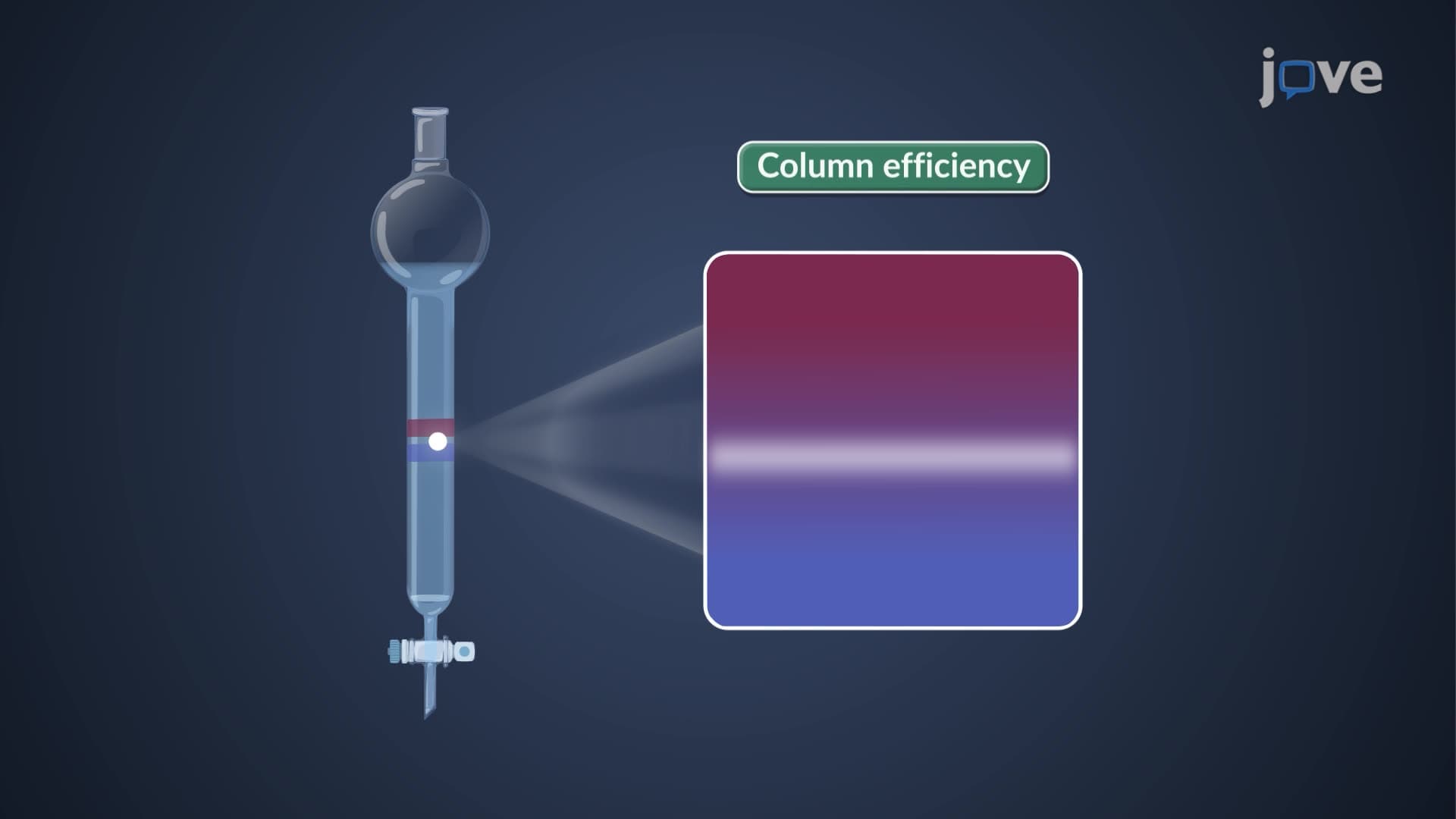
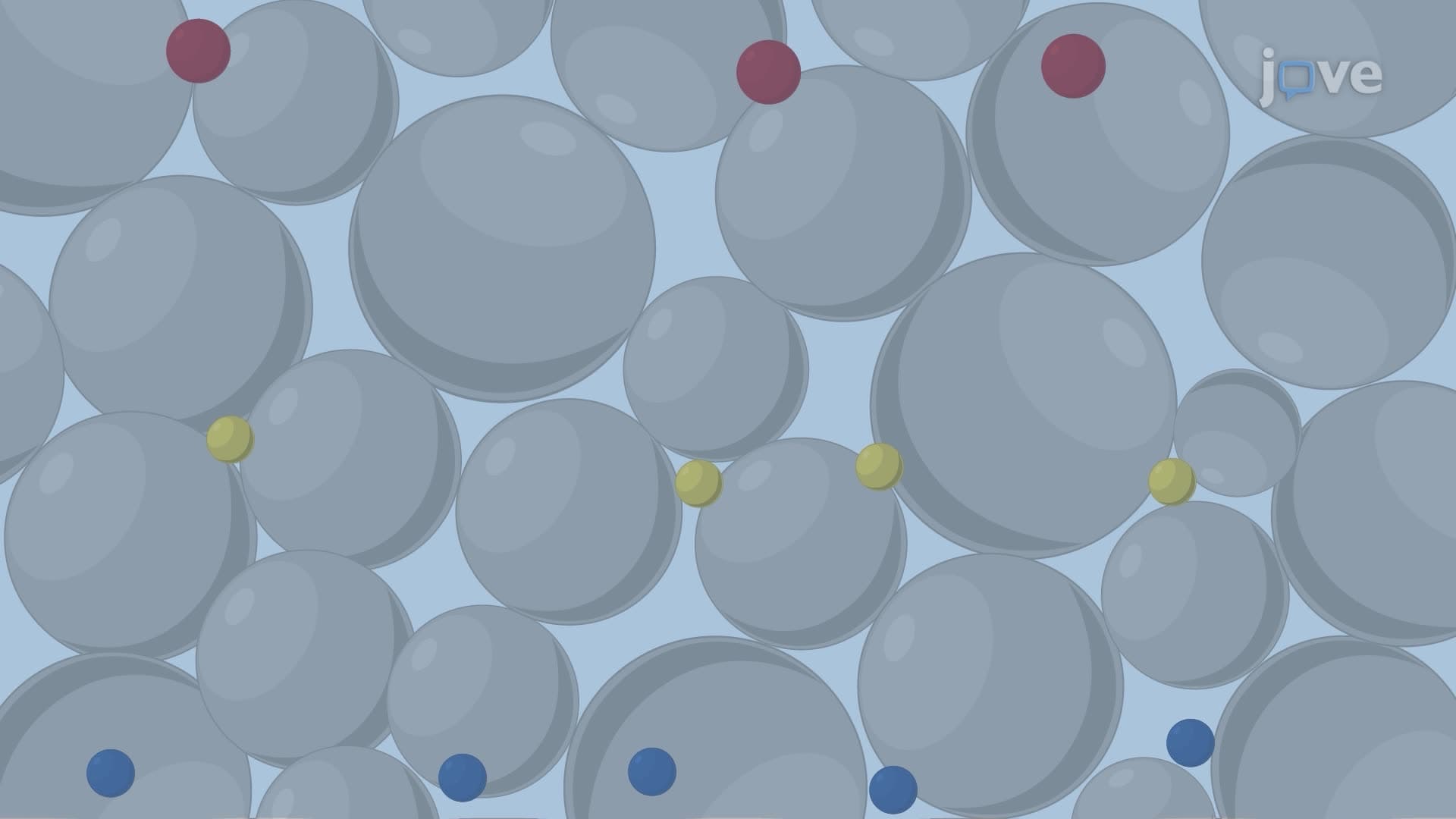
The most straightforward approach to chromatography separation optimization involves increasing the number of theoretical plates (N) in the separation column. While lengthening the column directly increases N, this approach often proves impractical due to increased analysis time and solvent consumption. Instead, modern analytical chemistry focuses on reducing plate height (H) using van Deemter equation principles. This strategy proves particularly valuable in pharmaceutical quality control laboratories, where companies like Johnson & Johnson require rapid, high-resolution analyses for drug release testing.
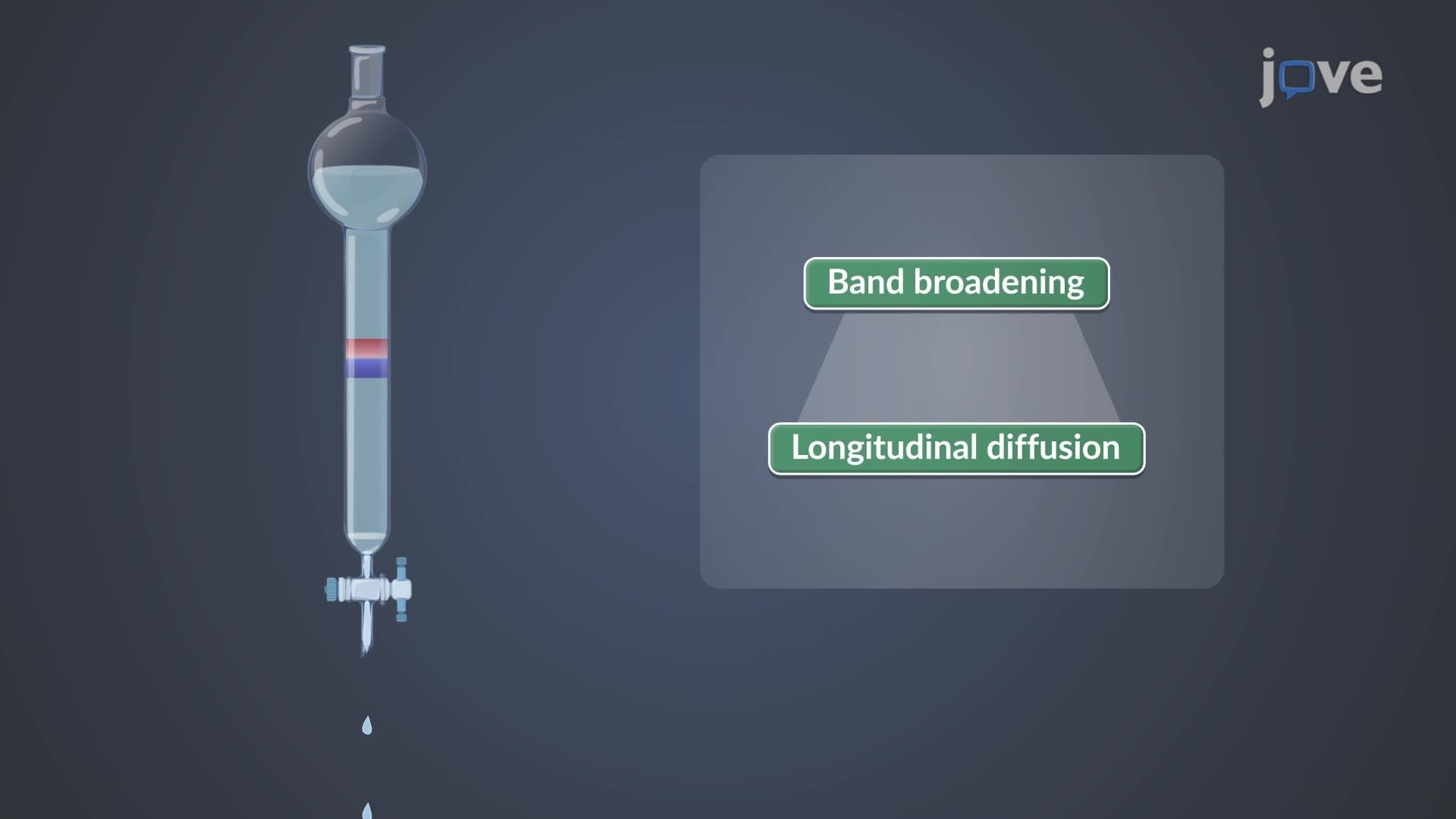
Students preparing for AP Chemistry exams should understand that plate height optimization involves balancing three competing processes: longitudinal diffusion, eddy diffusion, and mass transfer resistance. By selecting appropriate particle sizes and optimizing linear velocity, analysts can achieve maximum efficiency without extending analysis time.
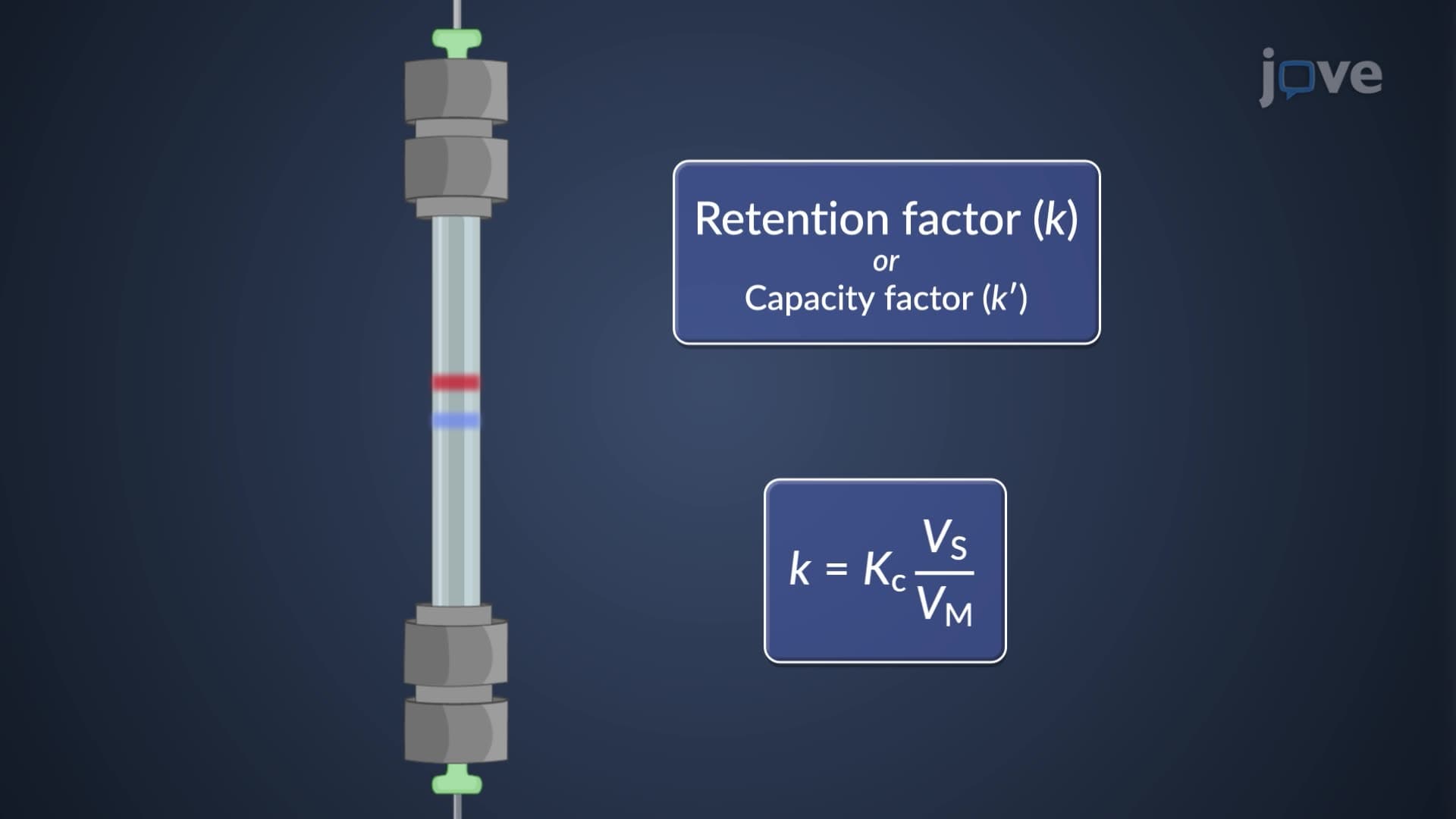
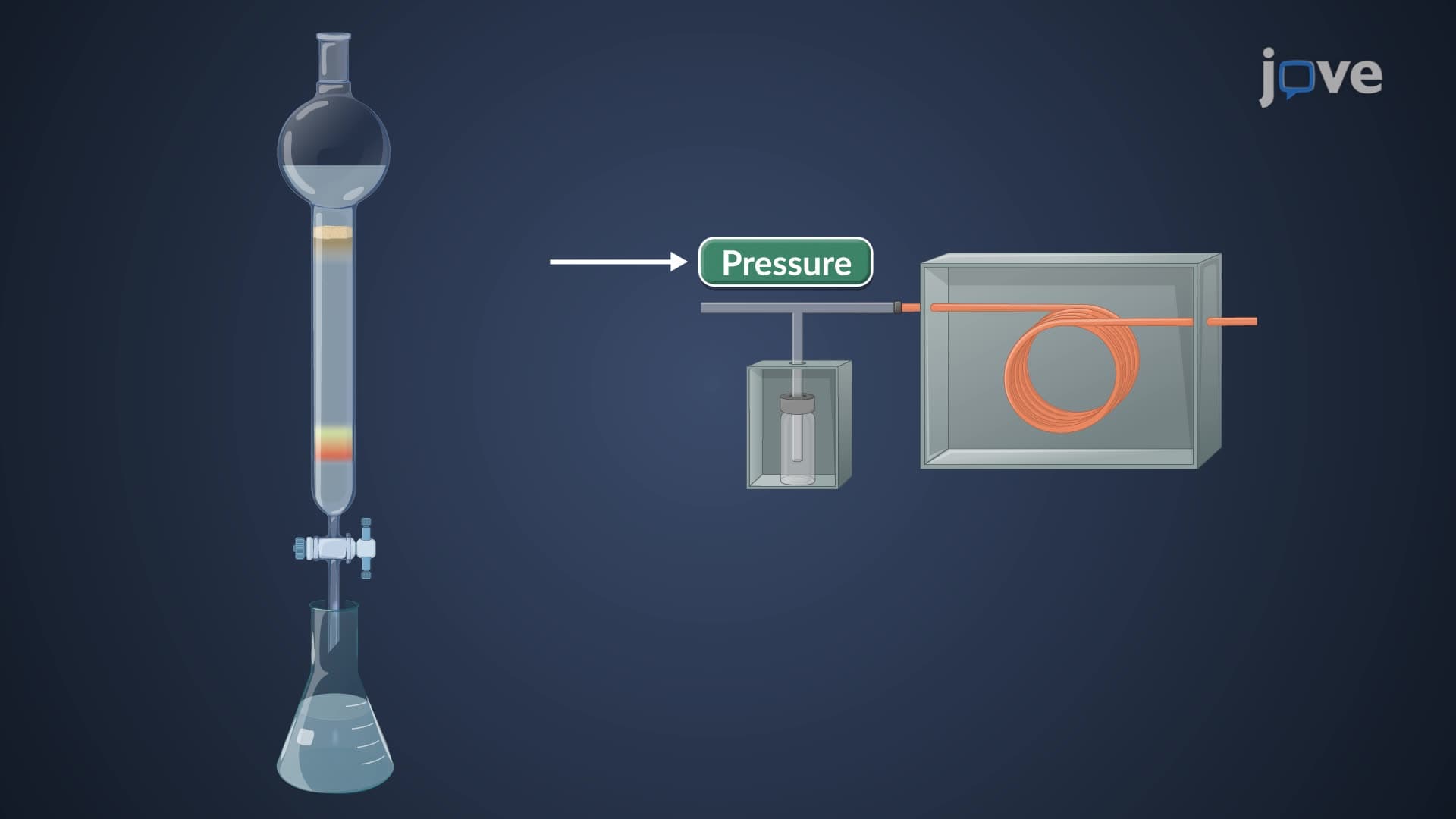
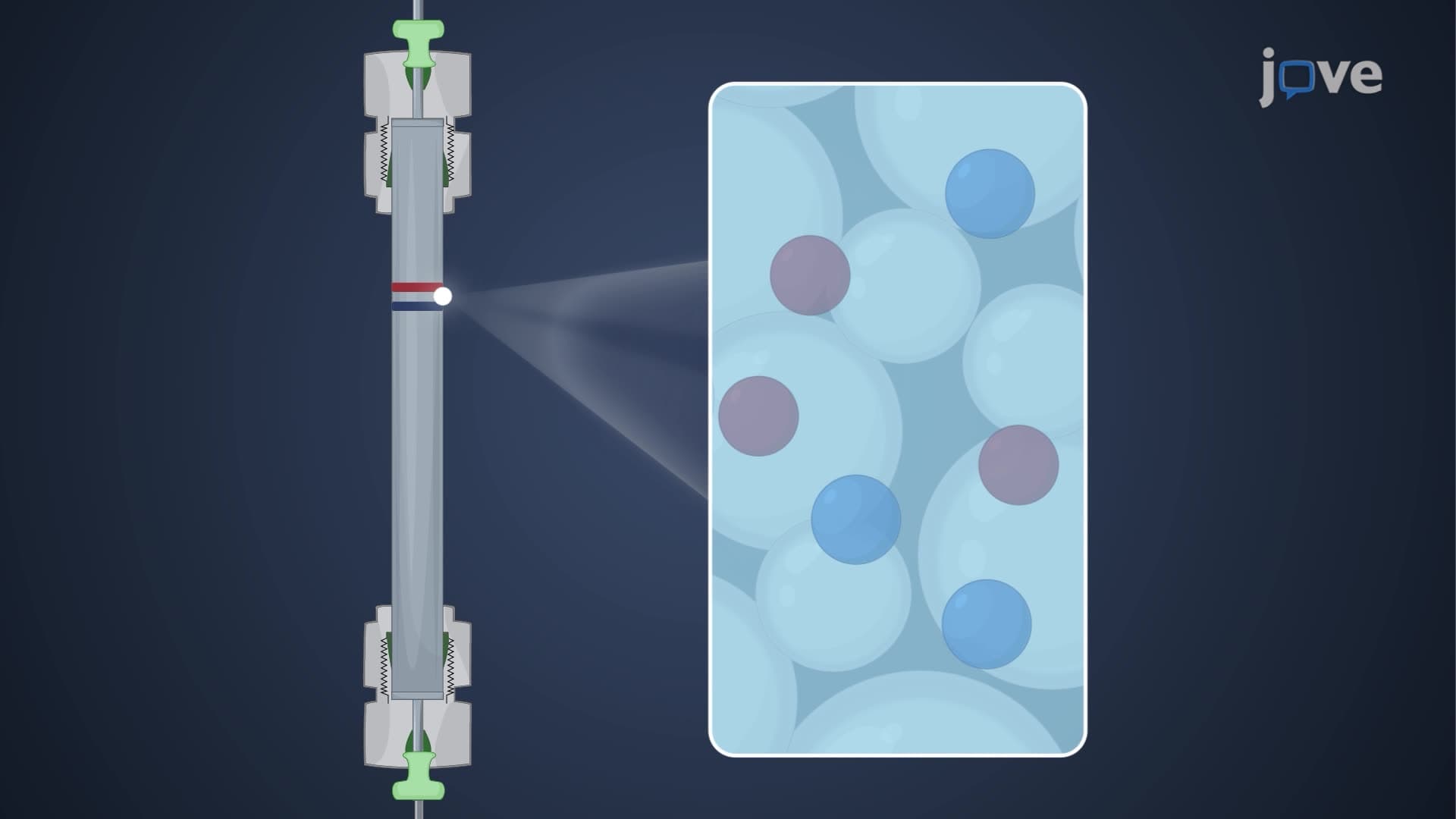
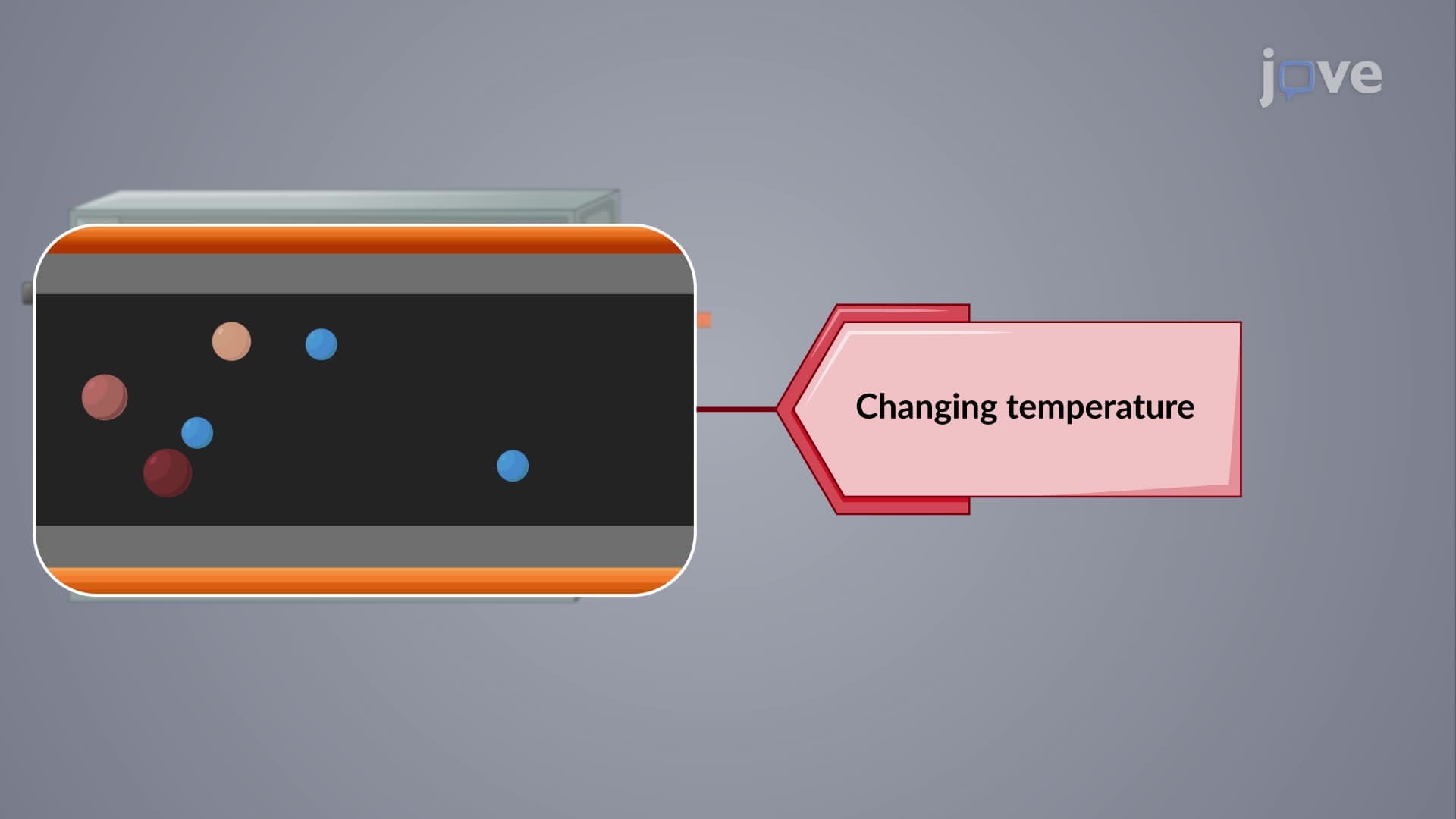
Mobile phase optimization chromatography techniques offer powerful tools for improving separations through capacity factor (k) manipulation. In gas chromatography, temperature optimization GC protocols allow analysts to adjust retention times by modifying the vapor pressure relationships of target compounds. The DEA's forensic laboratories routinely employ temperature programming to separate complex drug mixtures, starting at low temperatures for volatile compounds and ramping to higher temperatures for less volatile substances.
For liquid chromatography applications, gradient elution optimization provides exceptional control over retention and selectivity. Environmental testing laboratories analyzing water samples for EPA compliance often utilize sophisticated gradient programs, beginning with high water content and gradually increasing organic solvent concentration to elute increasingly hydrophobic contaminants.
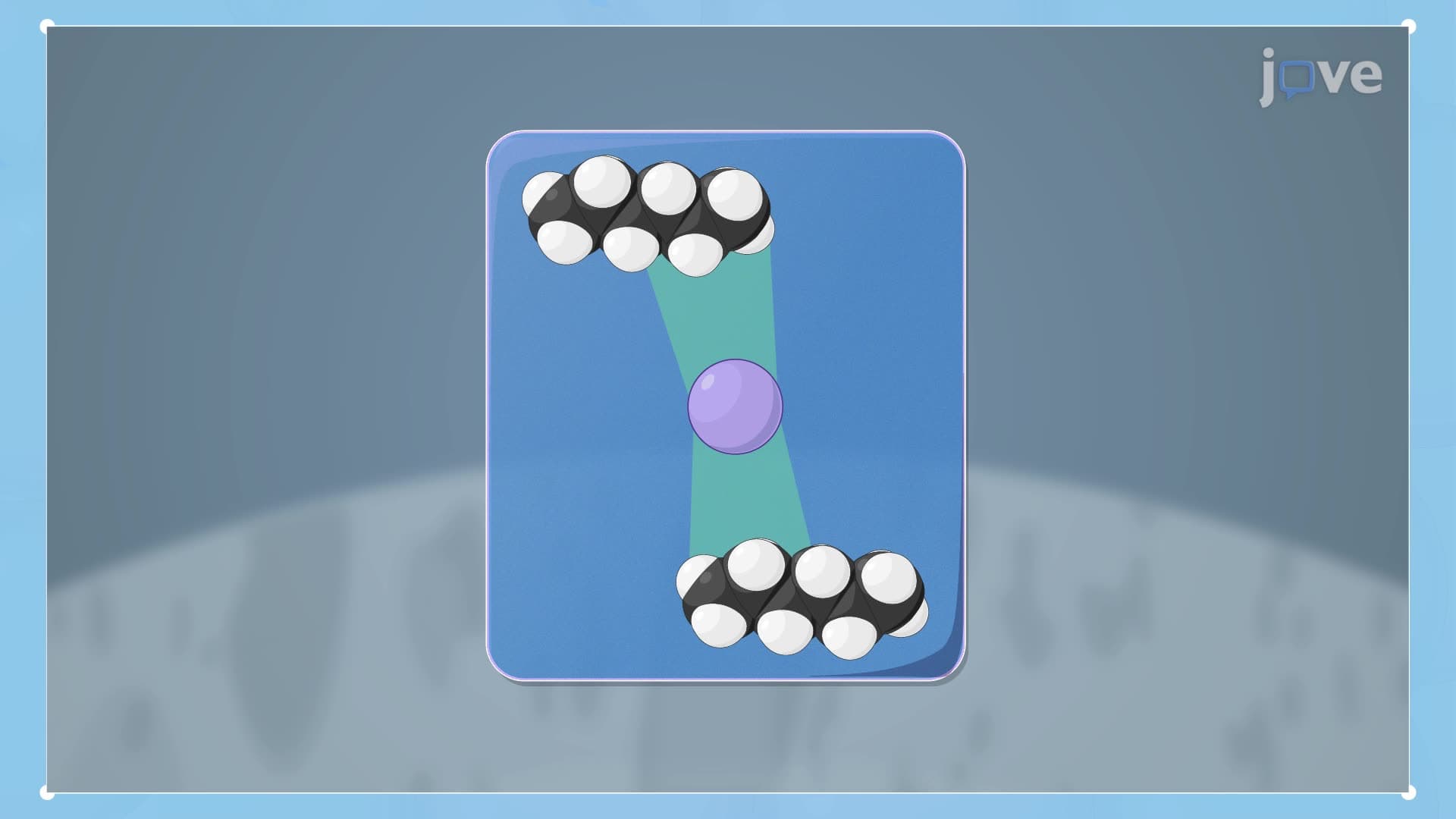
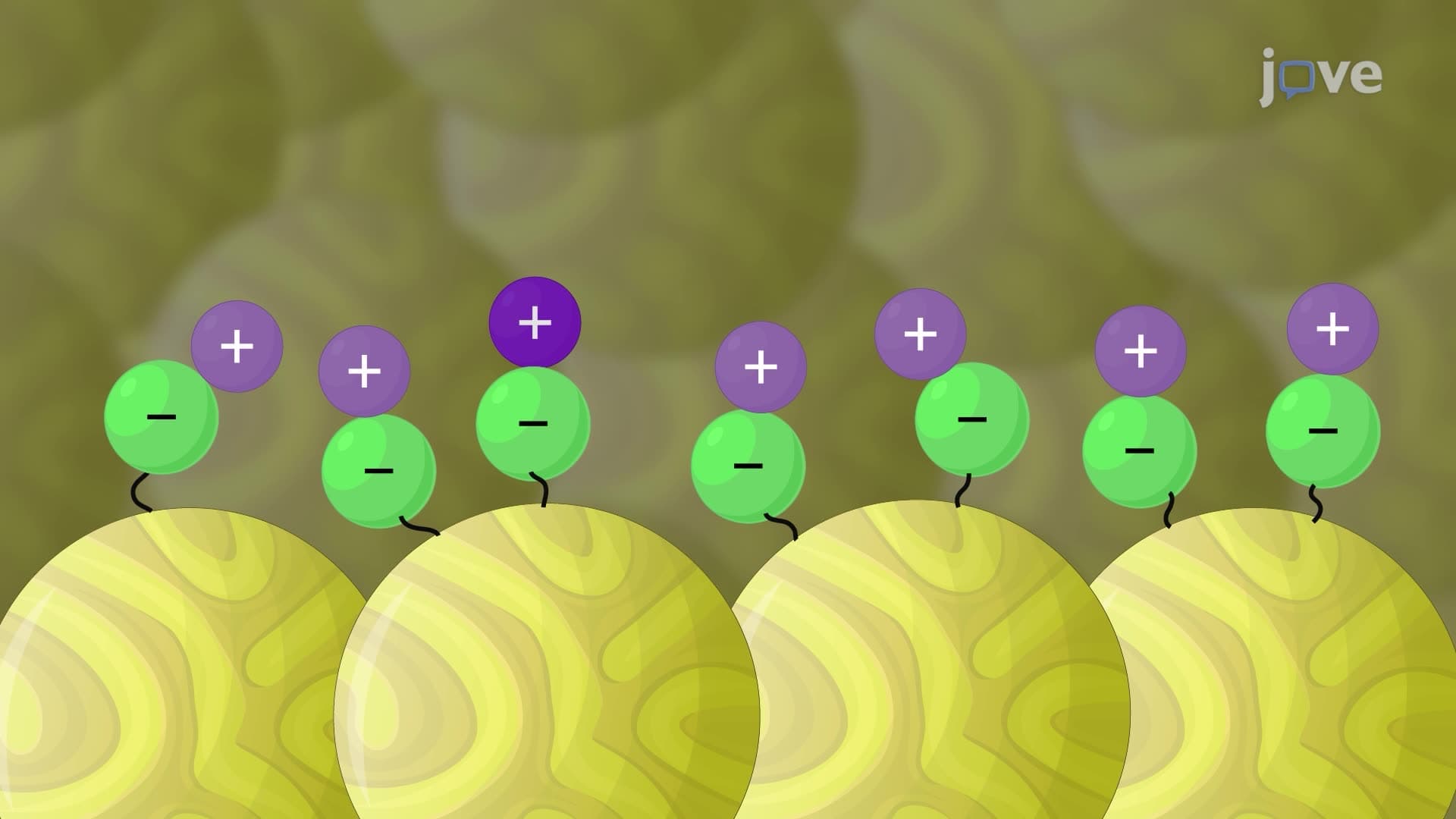
When separation factors (α) approach unity, neither efficiency nor retention improvements significantly enhance resolution. This scenario demands selectivity optimization chromatography approaches, including stationary phase modification, mobile phase pH adjustment, or ion-pairing reagent addition. Hospital laboratories conducting HPLC analysis for therapeutic drug monitoring exemplify this principle, often requiring specialized columns and mobile phase additives to separate closely related pharmaceutical compounds with minimal structural differences.
Understanding how to optimize chromatographic separations prepares students for advanced coursework in analytical chemistry and potential careers in pharmaceutical, environmental, or forensic analysis. These concepts frequently appear on MCAT examinations and form the foundation for graduate-level separation science courses.
Related Micro-courses