Loading video…


 27 Concepts
 42.9K views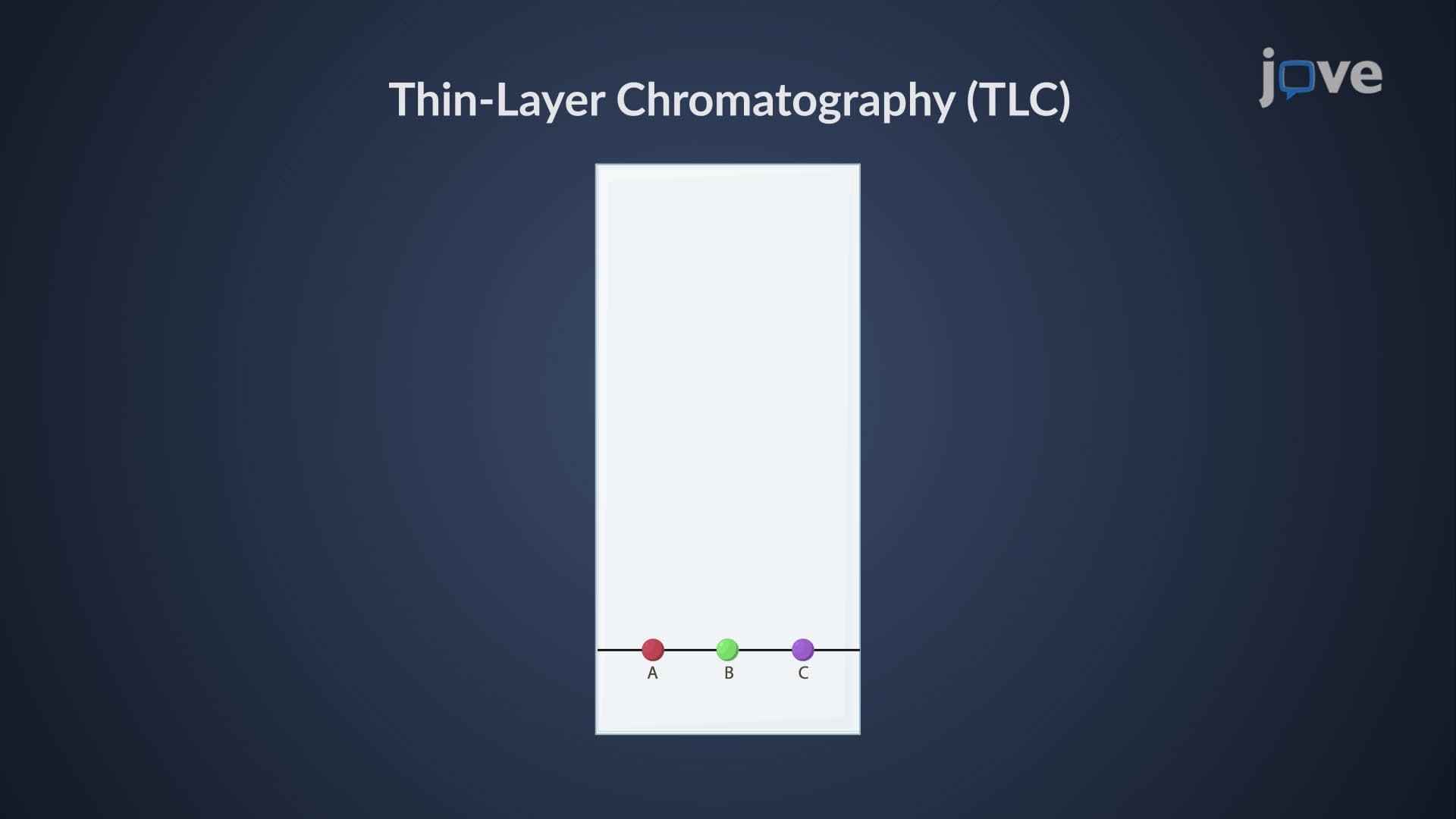

Video Summary: What Is Thin Layer Chromatography Tlc
Ever wonder how forensic scientists analyze ink from a ransom note or how pharmaceutical companies ensure drug purity? Thin layer chromatography TLC makes this possible by separating chemical mixtures on a simple glass plate coated with silica gel. The FBI Crime Lab routinely uses TLC to compare ink samples in document analysis cases. This fundamental analytical technique relies on different compounds traveling at unique rates up a stationary phase, creating distinct spots characterized by specific Rf values. Watch the full video on JoVE Coach to master this concept with expert-led visuals and step-by-step explanations.
Thin layer chromatography TLC represents one of the most accessible yet powerful separation techniques in analytical chemistry. Unlike complex instrumental methods, TLC requires only a coated plate, solvent system, and basic visualization techniques to achieve effective separations. This planar chromatography method has become indispensable in academic laboratories, pharmaceutical companies, and forensic investigations across the United States.
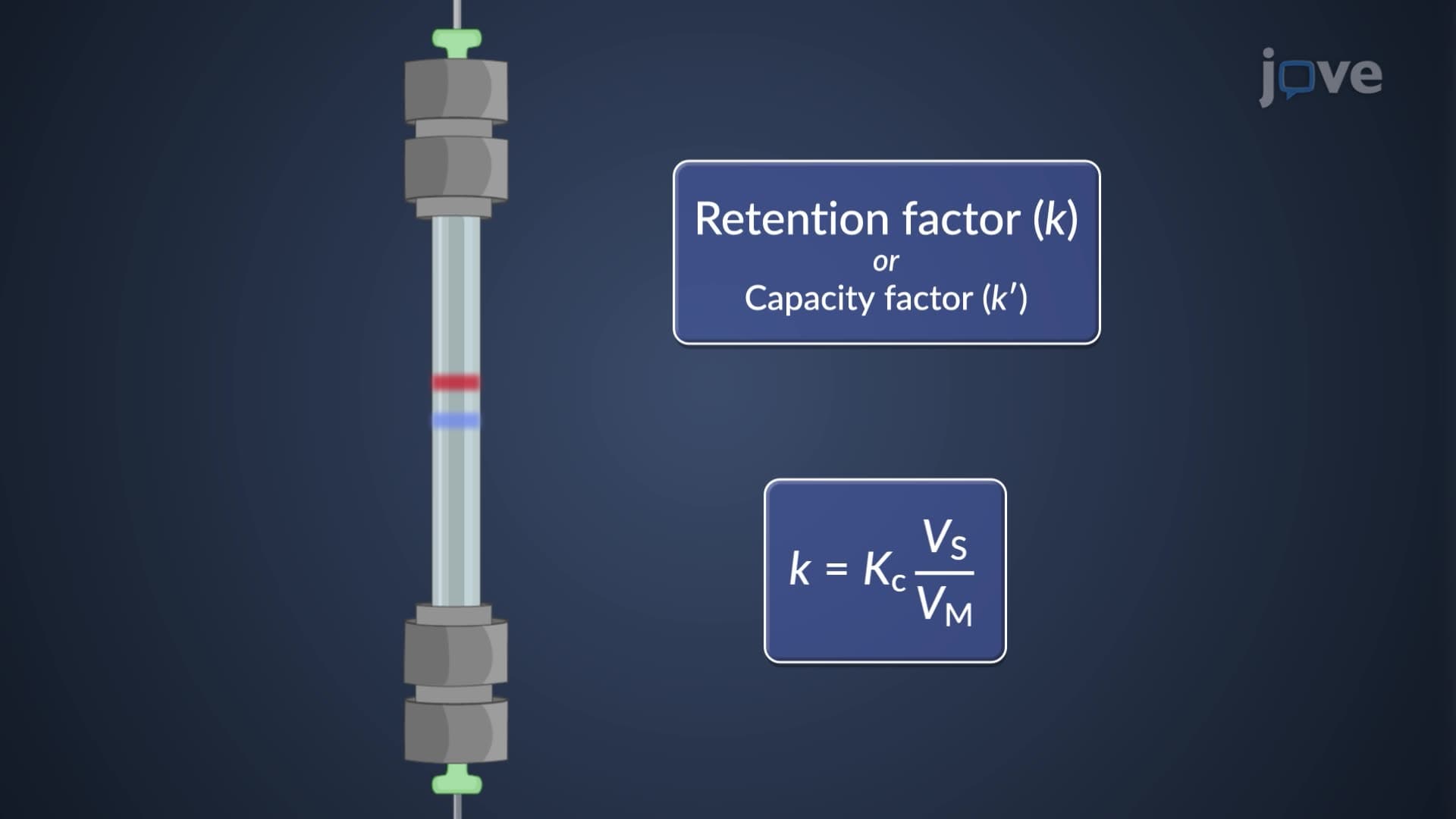
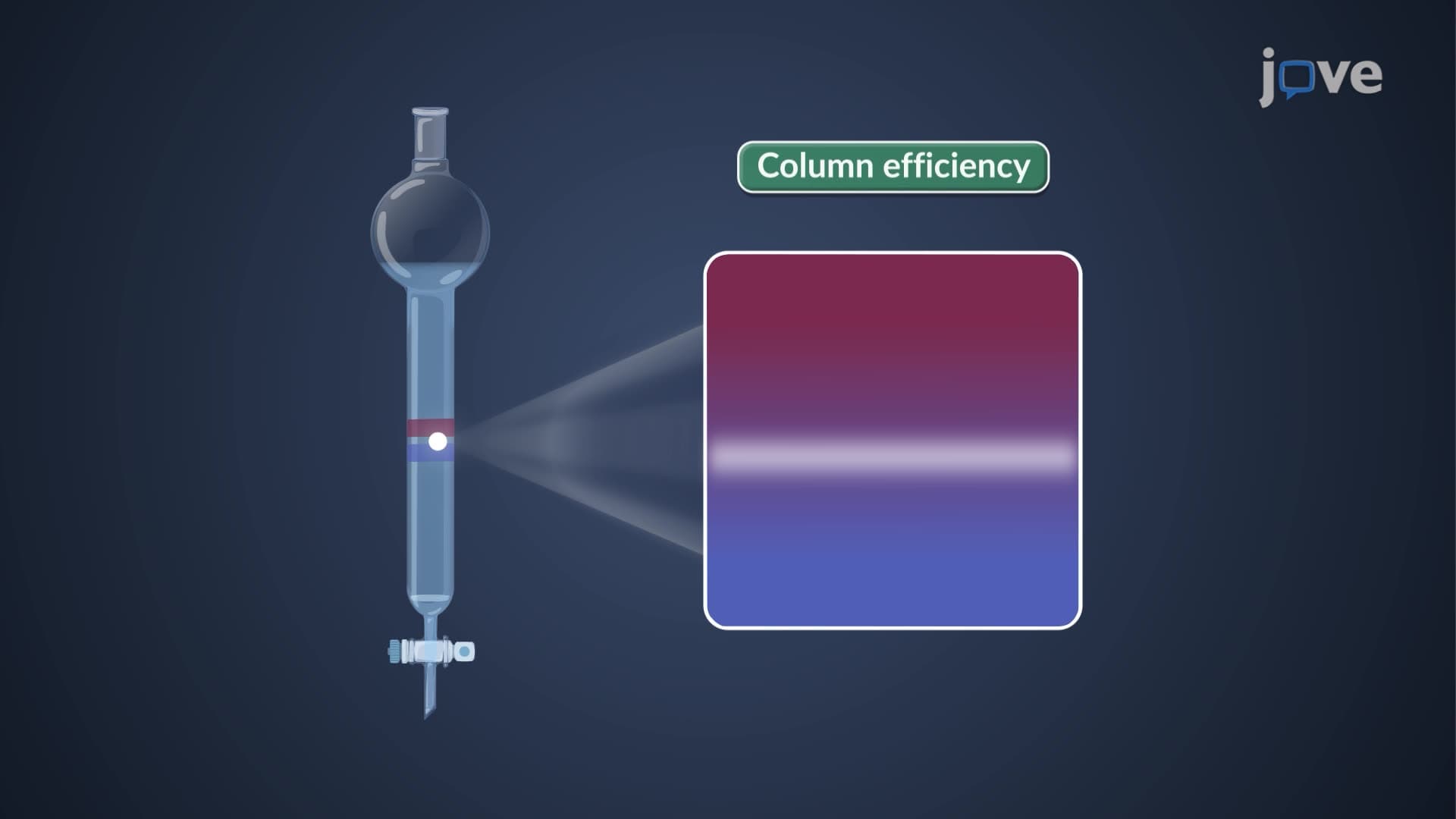
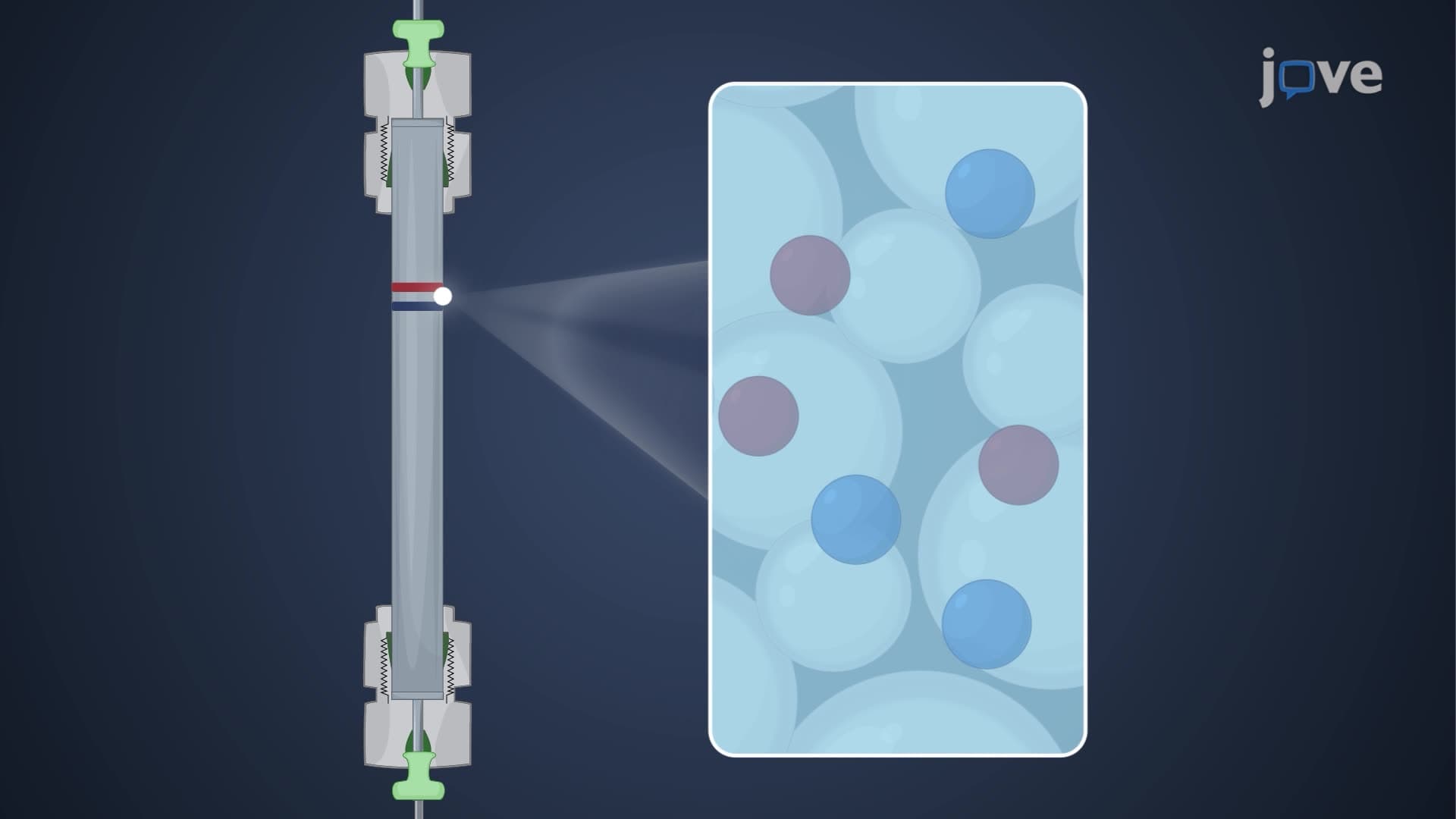
The technique operates on the principle of differential partitioning between a stationary phase (typically silica gel or alumina) and a mobile phase (organic solvents or solvent mixtures). When samples are spotted near the bottom of a TLC plate and the mobile phase ascends by capillary action, compounds separate based on their relative affinities for each phase.
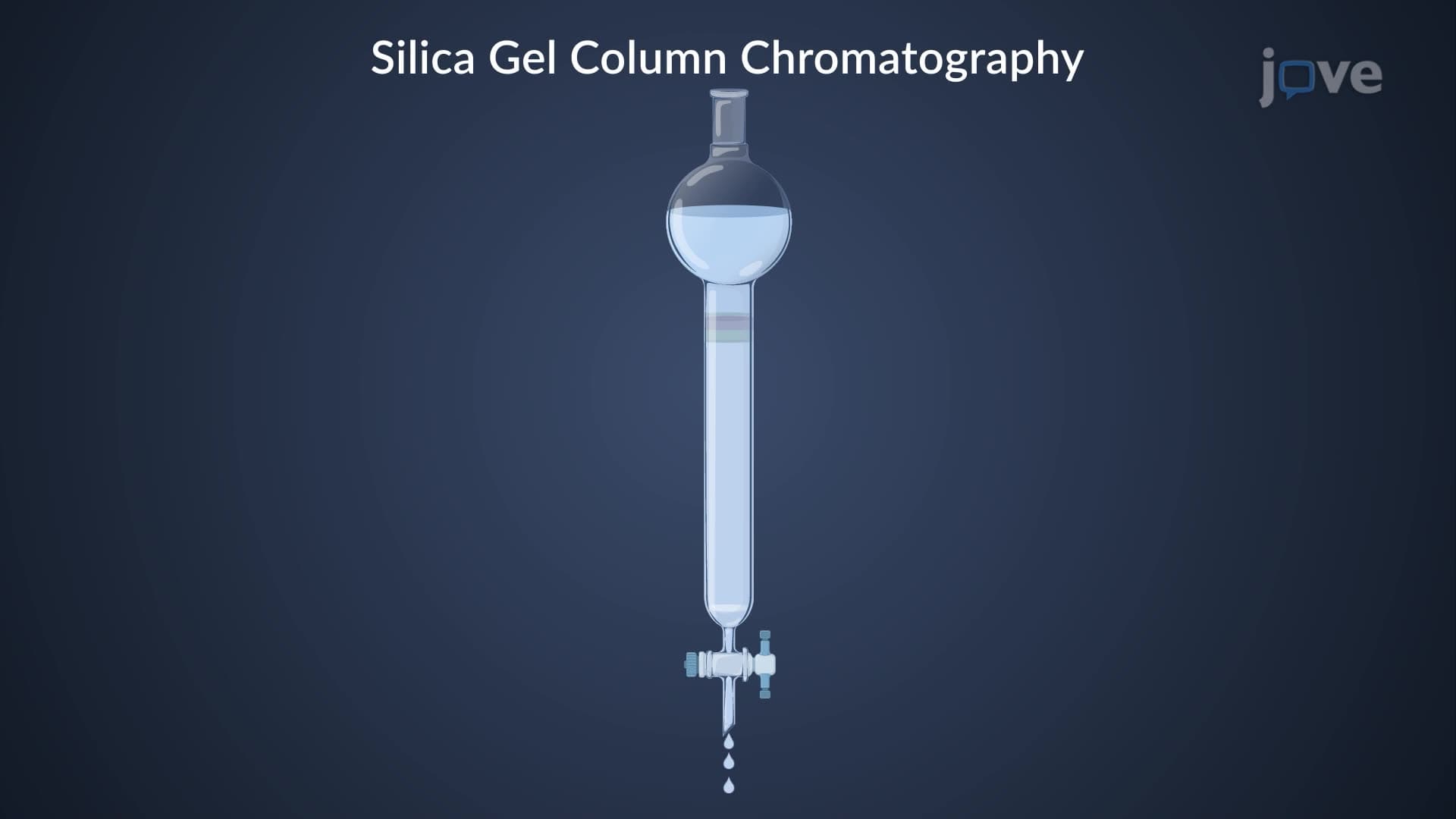
Modern TLC plates commonly feature silica gel as the stationary phase, providing polar surface interactions that retain polar compounds more strongly than nonpolar ones. Major US suppliers like EMD Millipore and Sigma-Aldrich manufacture standardized plates with consistent particle sizes and uniform coatings. The silica surface contains silanol groups that hydrogen bond with polar analytes, creating the retention mechanism.
Alternative stationary phases include alumina (for basic compounds), reverse-phase C18 (for highly polar compounds), and specialized phases for chiral separations. Students preparing for AP Chemistry exams should understand that stationary phase polarity directly influences separation selectivity and retention patterns.
Successful TLC separations depend critically on mobile phase composition. Common solvents include hexane, ethyl acetate, methanol, and dichloromethane, often used in binary or ternary mixtures. The mobile phase polarity must be carefully balanced-too polar, and all compounds travel with the solvent front; too nonpolar, and nothing moves from the origin.
Pharmaceutical companies like Pfizer and Johnson & Johnson routinely optimize mobile phase systems for drug purity analysis. Students should practice solvent selection strategies, starting with low-polarity systems and gradually increasing polarity until adequate separation occurs.
The retardation factor (Rf) serves as a compound's chromatographic fingerprint under specific conditions. Calculated as the distance traveled by the compound divided by the distance traveled by the solvent front, Rf values range from 0 to 1. Ideal separations show Rf values between 0.2 and 0.8, where compounds are well-resolved but haven't traveled too close to either extreme.
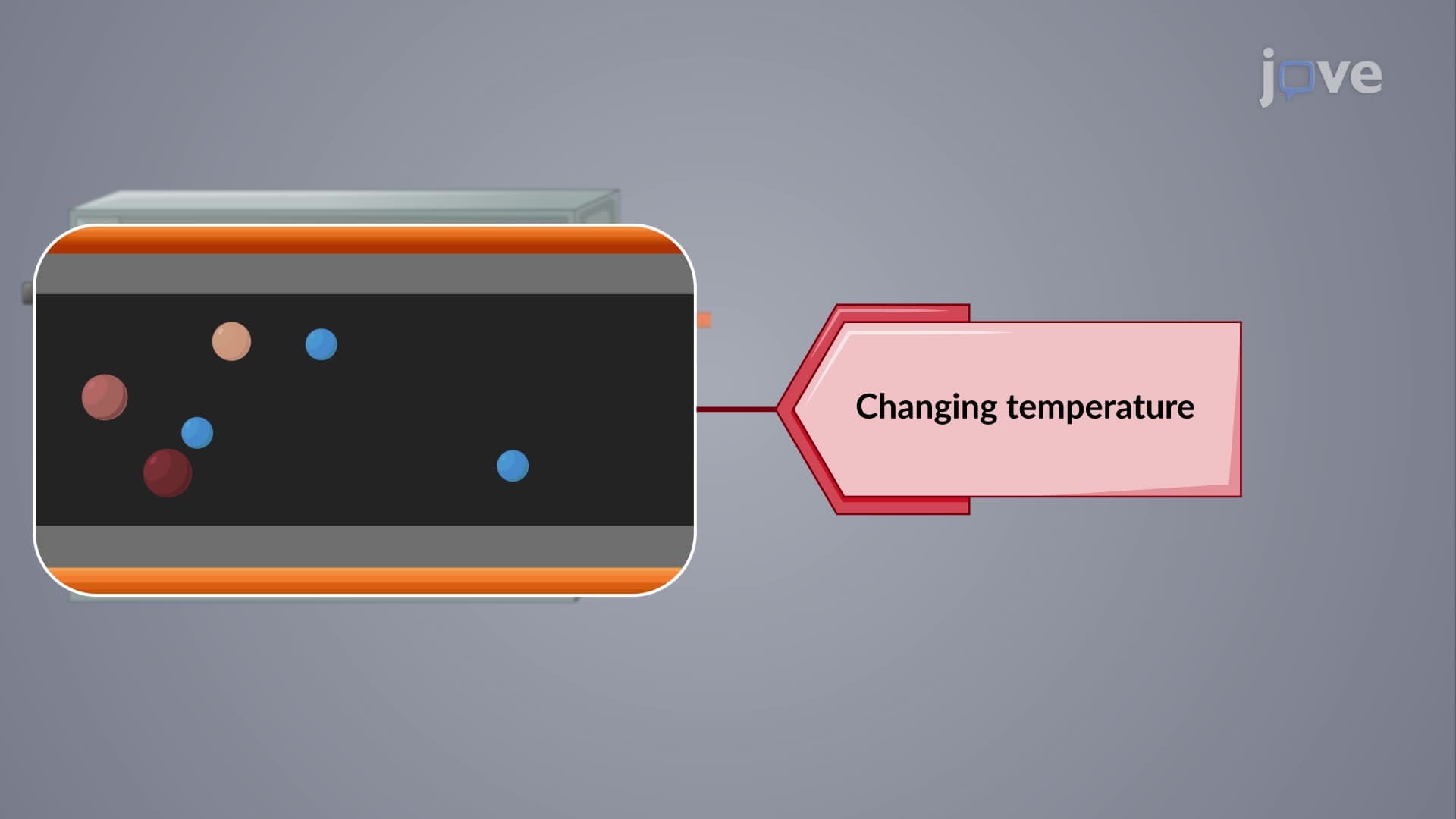
For MCAT preparation, students should understand that Rf values depend on temperature, humidity, mobile phase composition, and stationary phase batch. Reproducible conditions are essential for quantitative comparisons and compound identification.
Related Micro-courses