Loading subject page…


42,895 views

Video Summary: High Performance Liquid Chromatography Introduction Guide
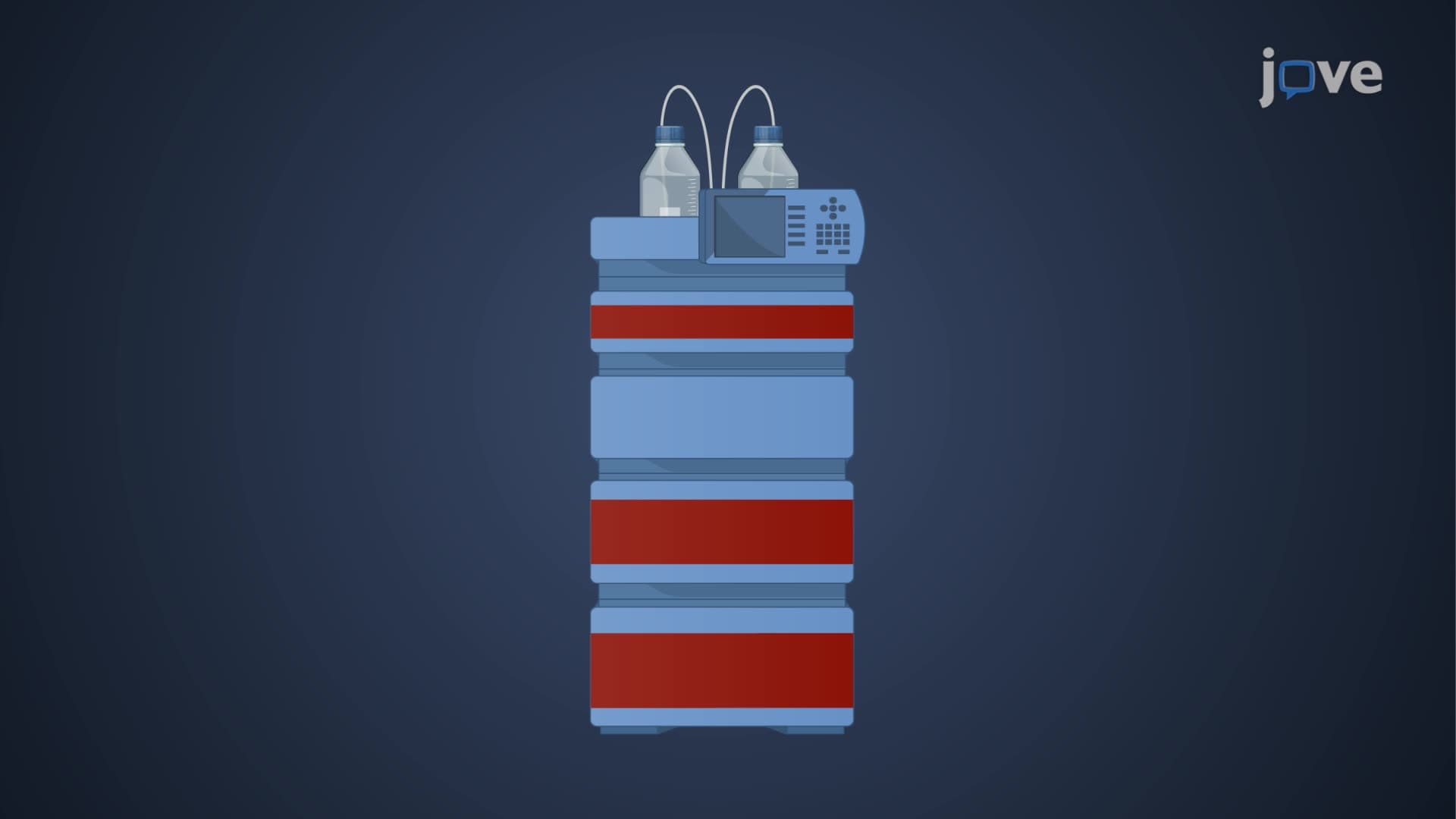
Ever wonder how pharmaceutical companies ensure your medications are pure and safe? This HPLC introduction guide reveals the analytical powerhouse behind drug quality control in every major US pharmaceutical facility. High performance liquid chromatography separates complex mixtures by exploiting molecular interactions between mobile and stationary phases, making it indispensable for everything from FDA drug testing to environmental analysis. Watch the full video on JoVE Coach to master this concept with expert-led visuals and step-by-step explanations.
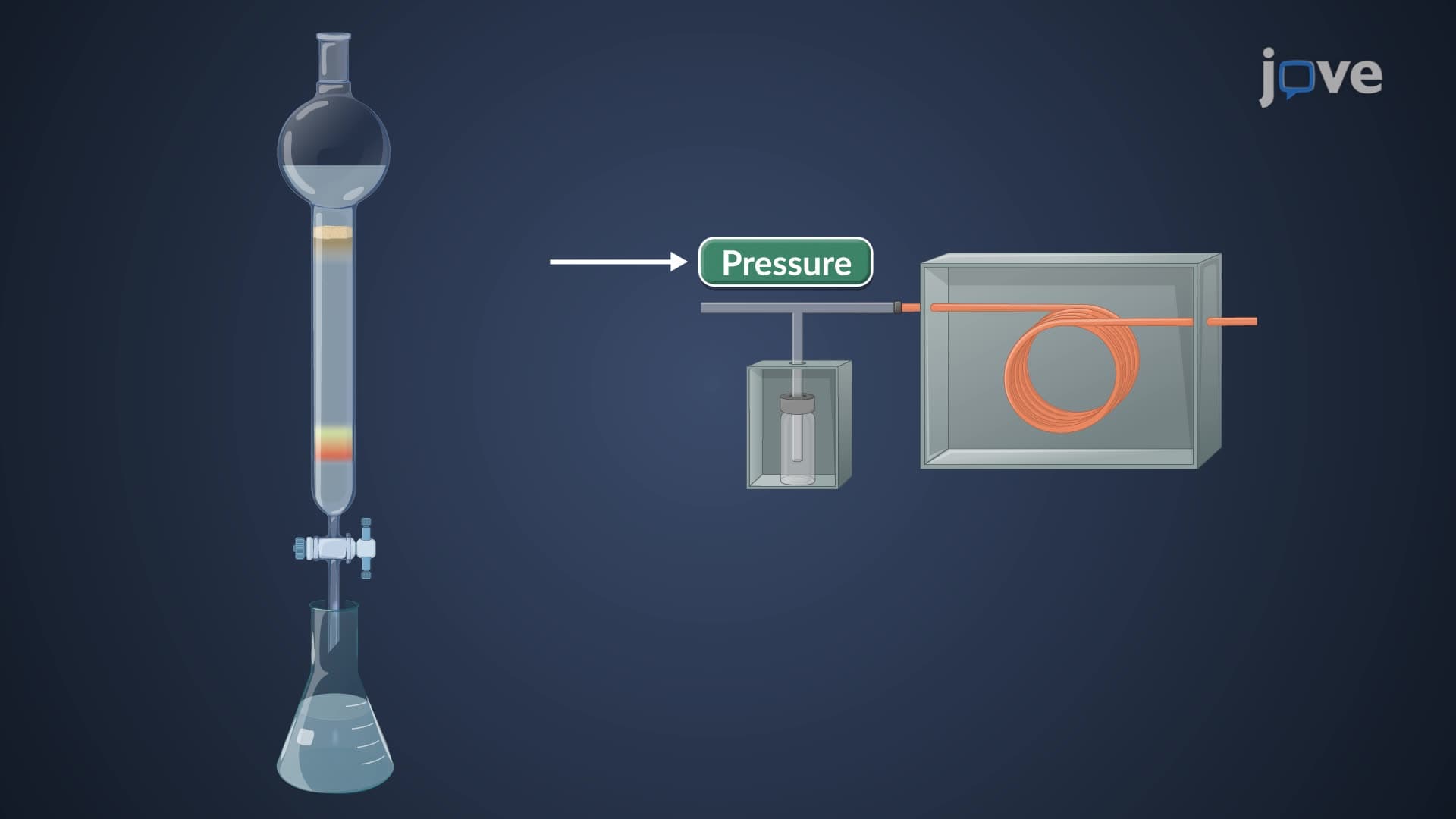
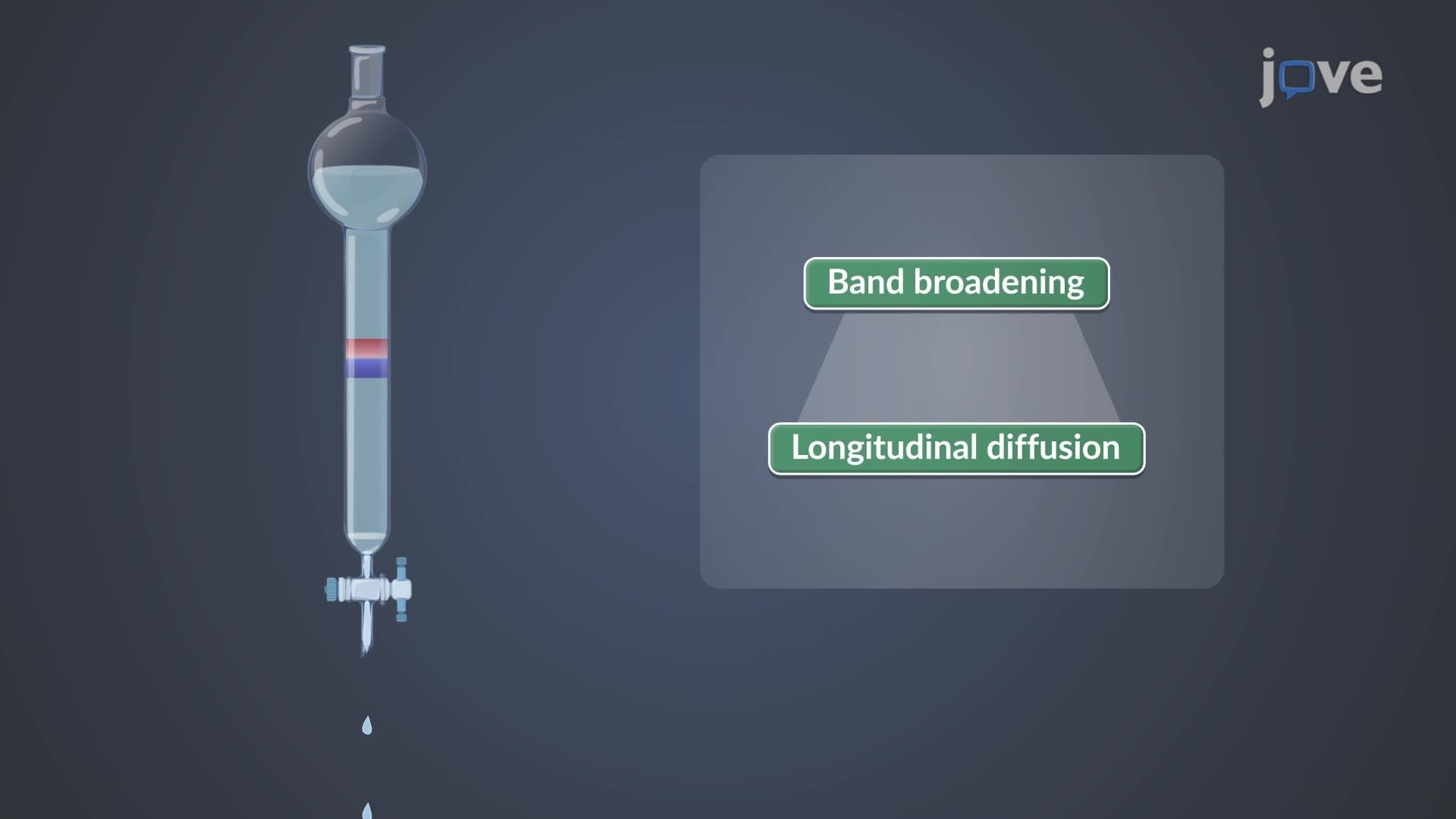
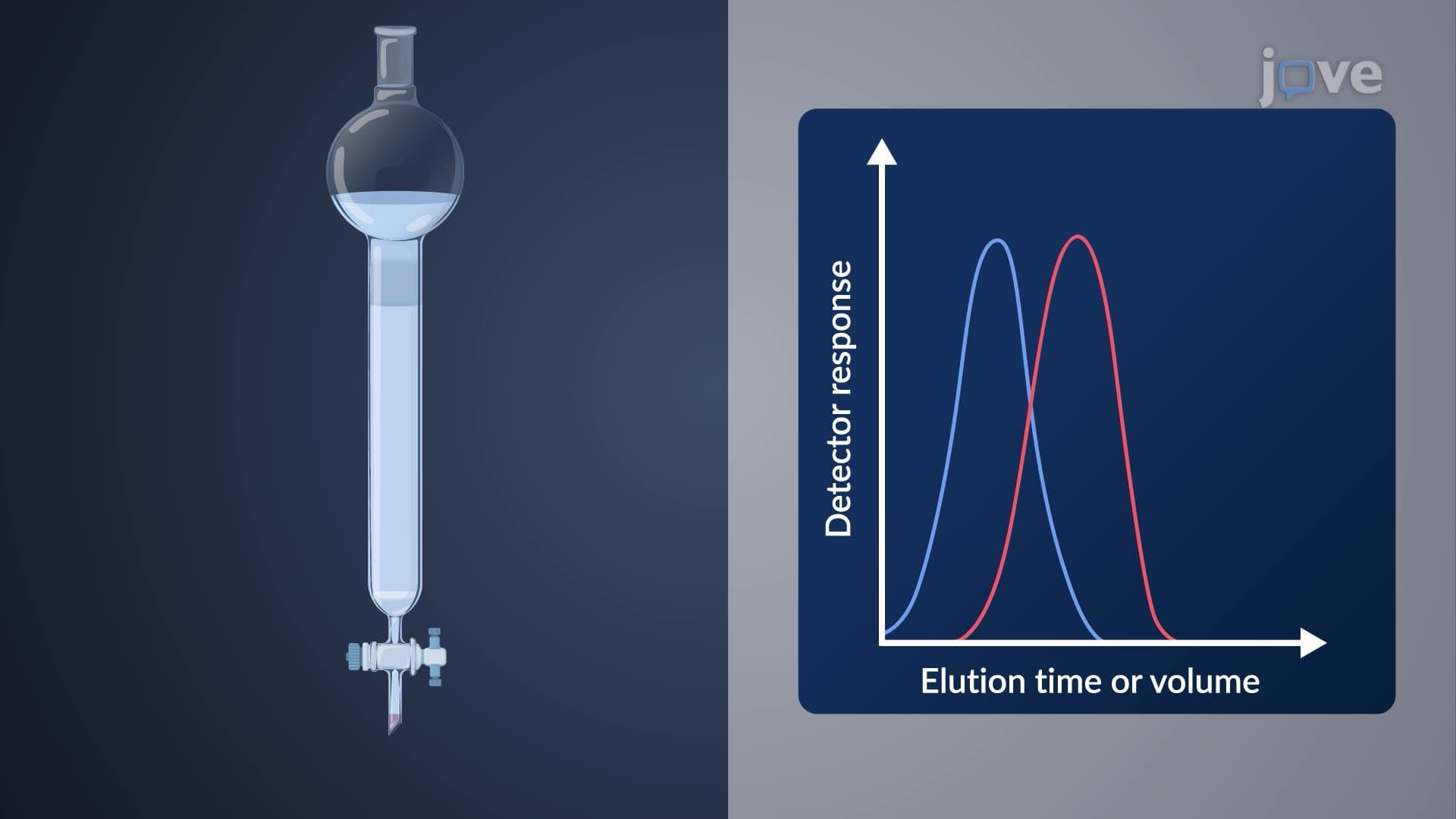
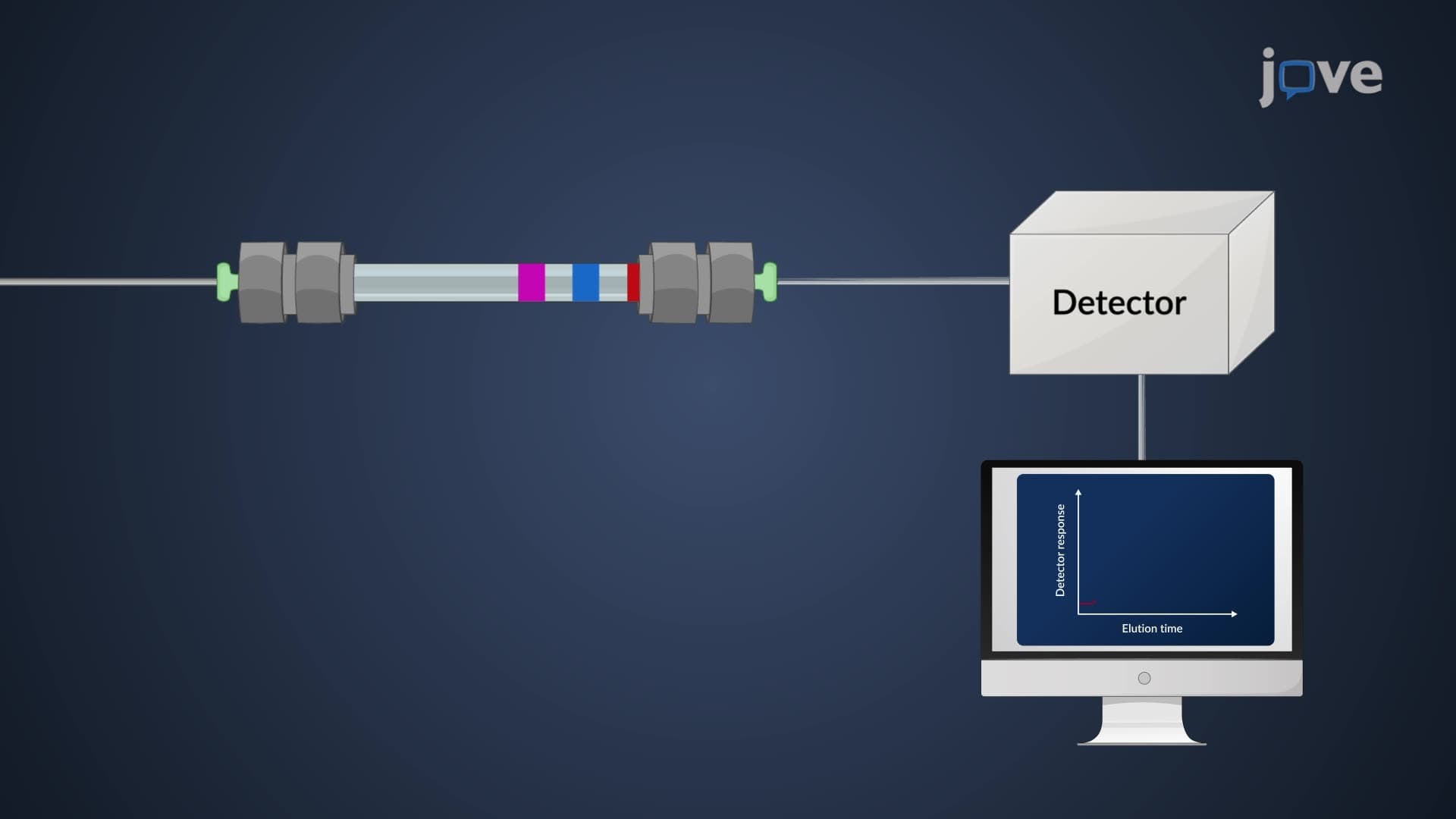
High performance liquid chromatography basics center on a deceptively simple concept: different molecules travel through a column at different speeds. This separation technique has revolutionized analytical chemistry since its development in the 1960s, becoming the gold standard for pharmaceutical analysis at companies like Pfizer and Johnson & Johnson.
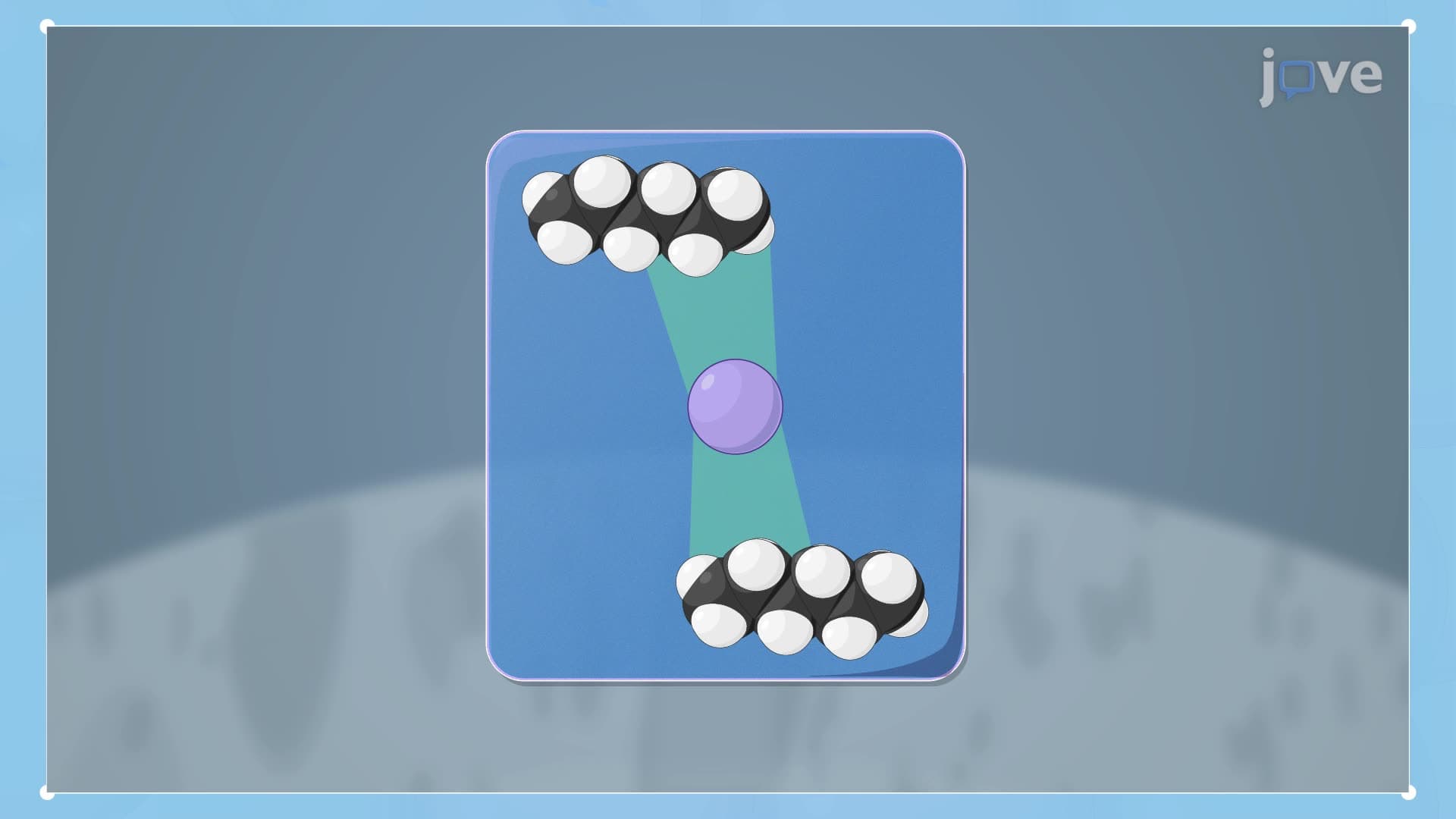
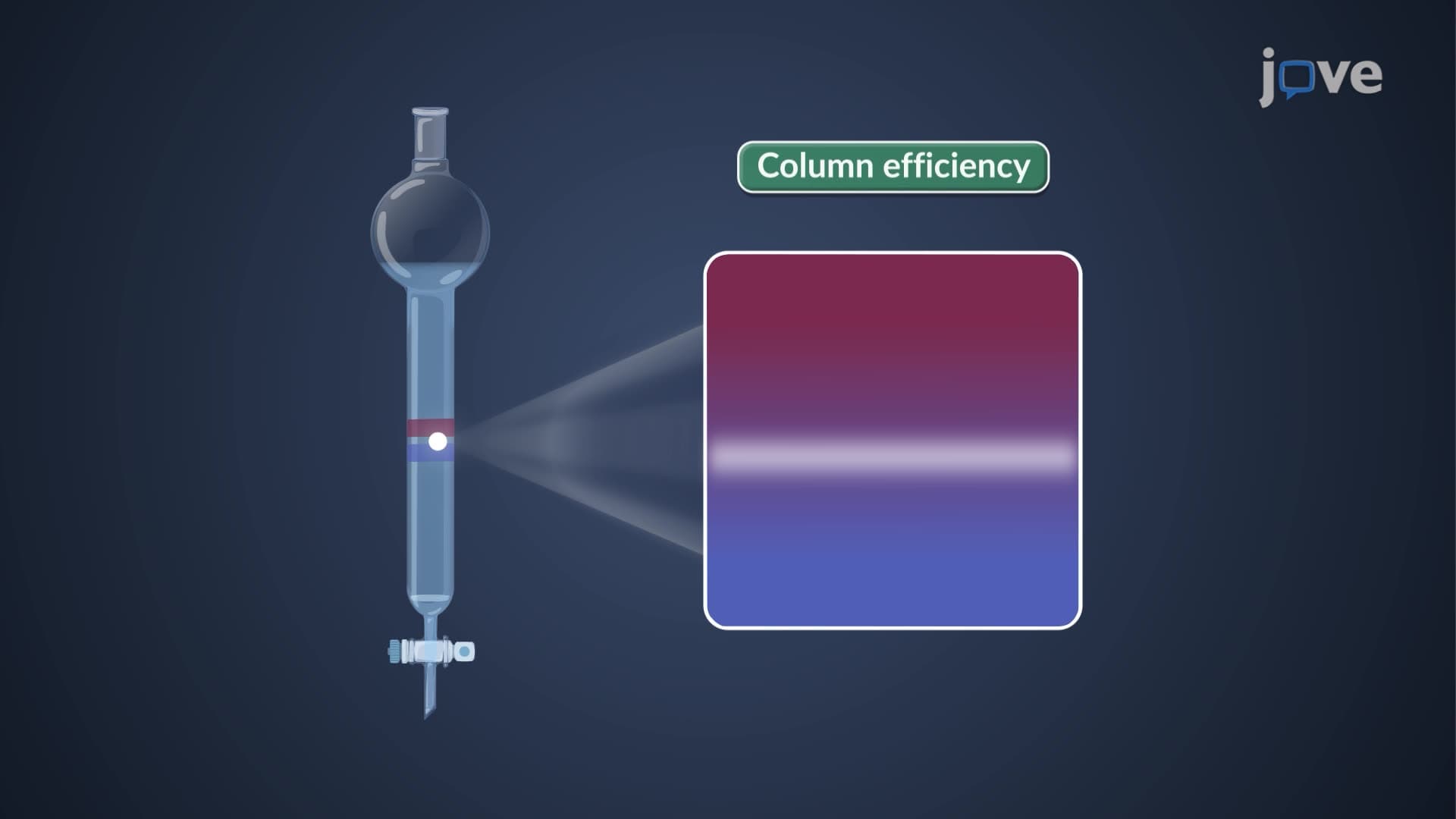
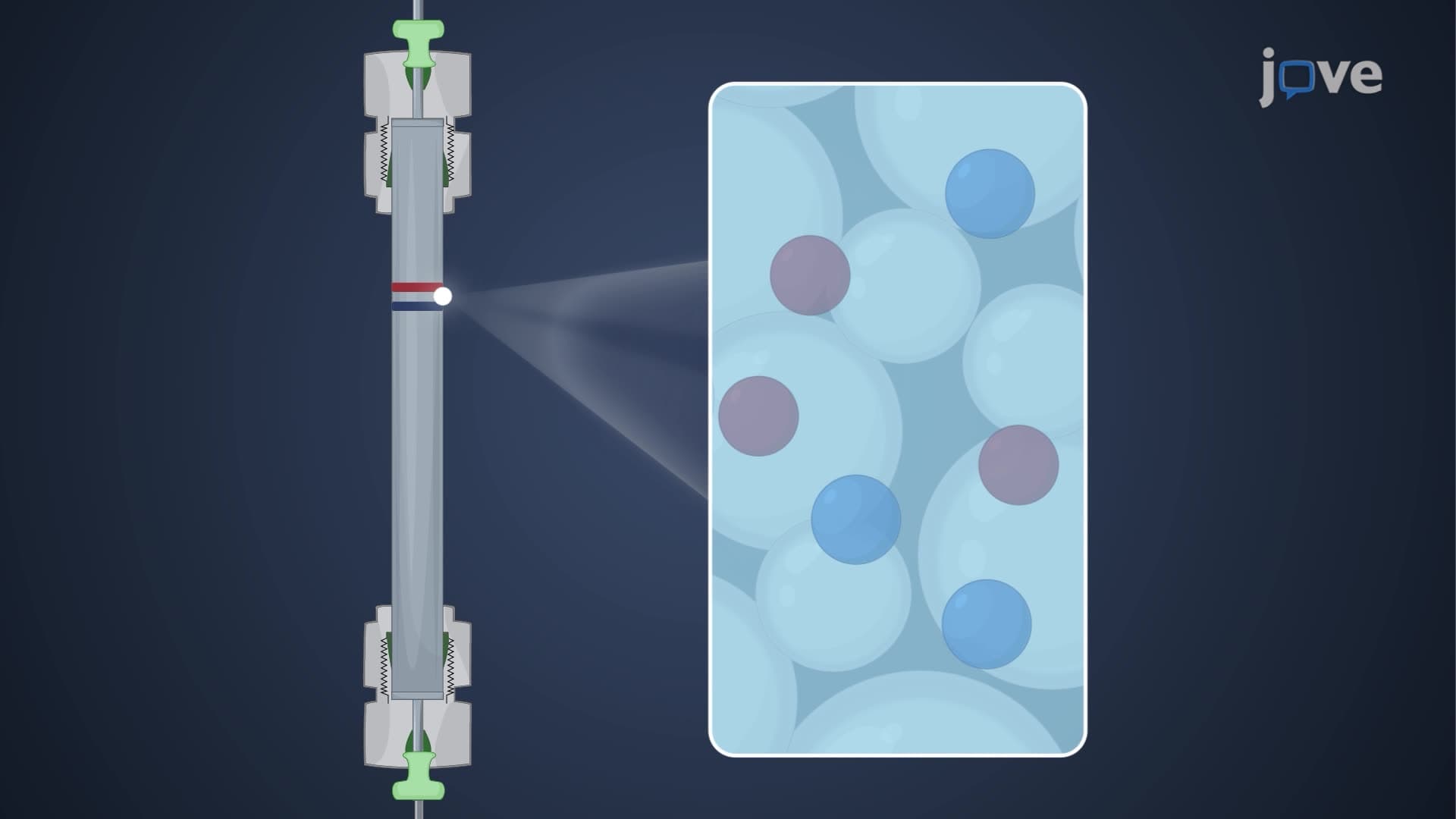
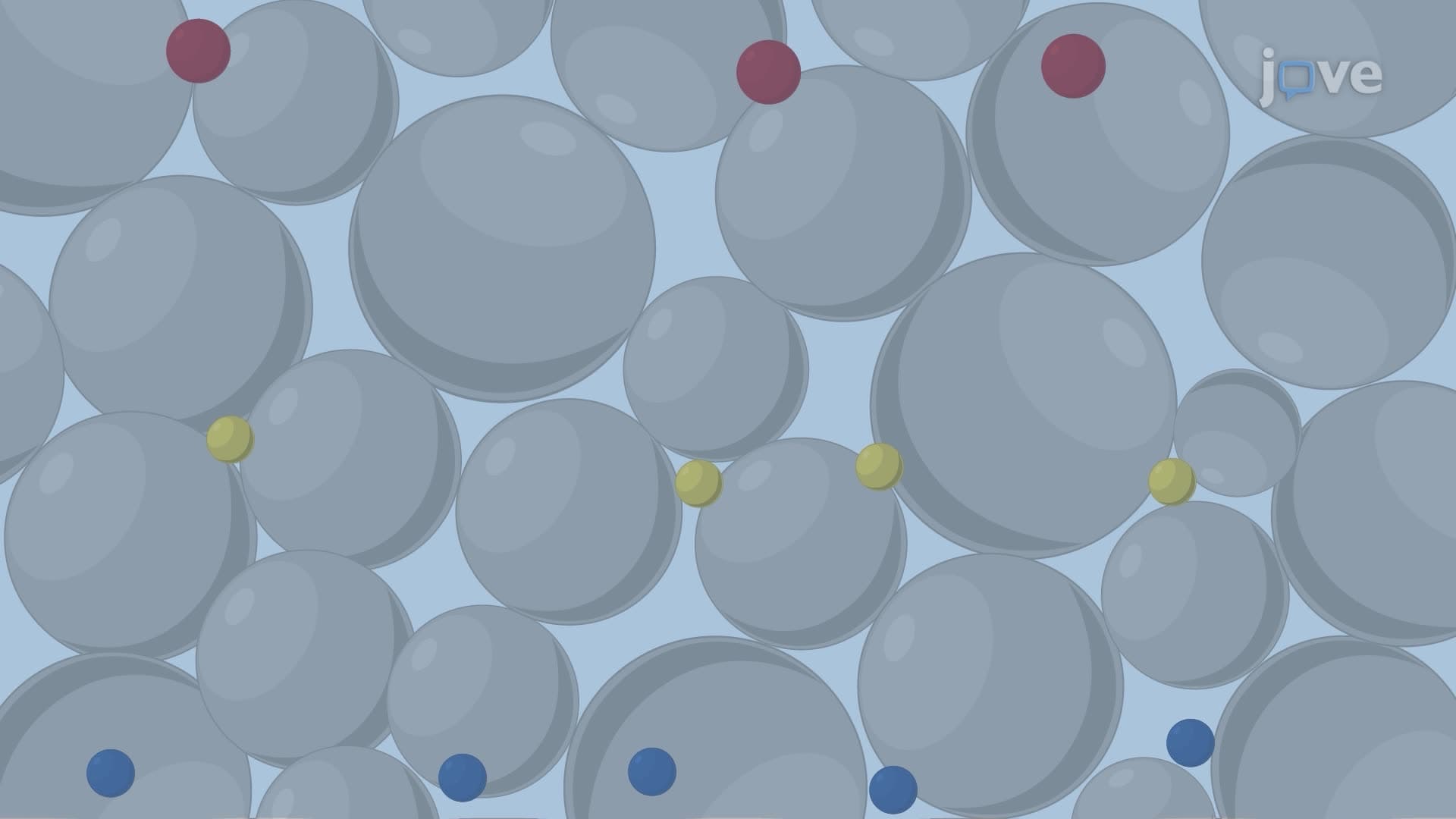
The heart of what is HPLC and how does it work lies in molecular interactions. Picture molecules as travelers on a highway-some take the express lane (mobile phase), while others get delayed by roadside attractions (stationary phase). The silica-based stationary phase acts like molecular velcro, with different compounds experiencing varying degrees of attraction.
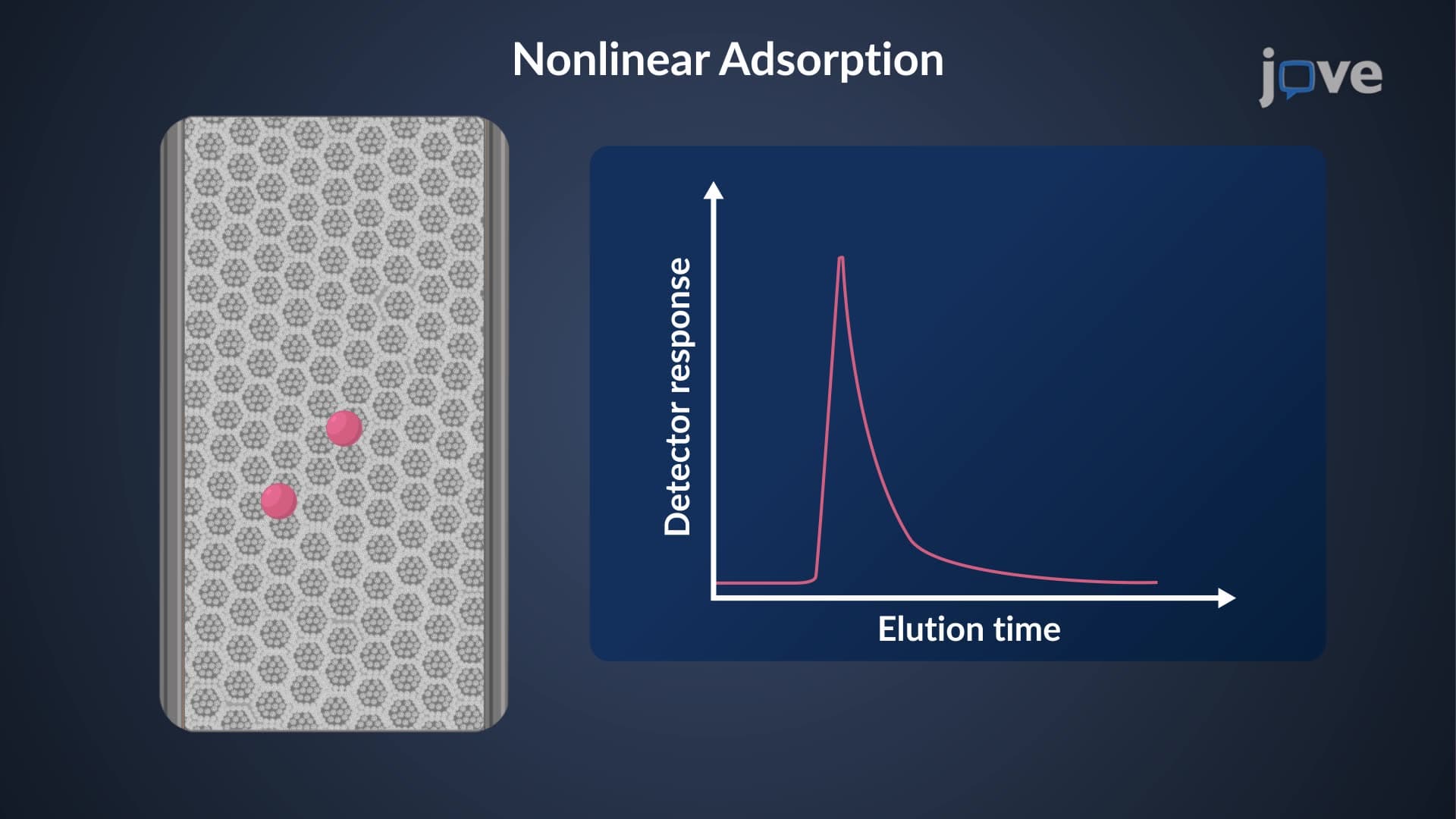
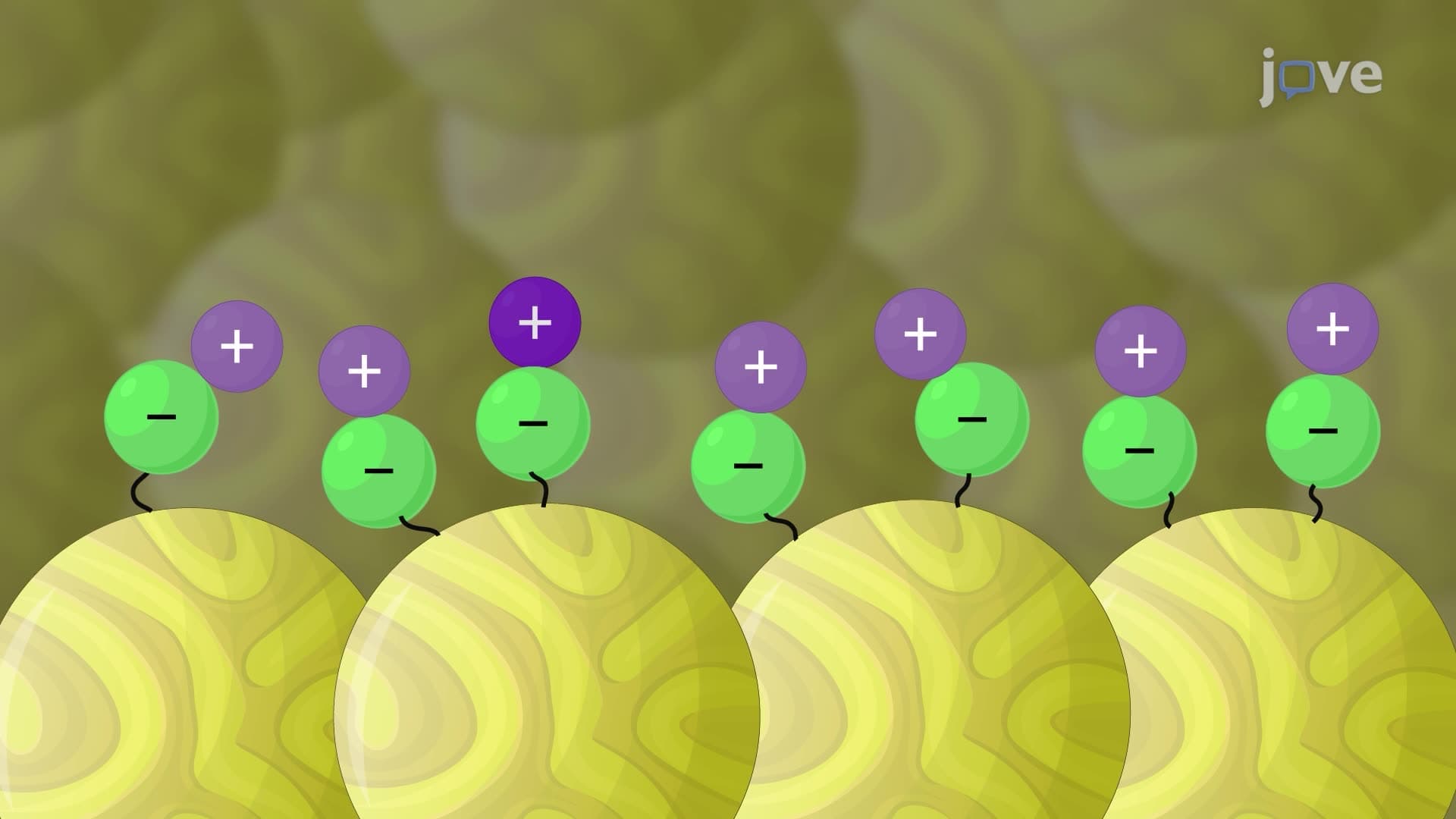
Silanol groups on the silica surface create unwanted polar interactions, causing peak tailing-imagine a traffic jam that stretches your commute. End-capping with trimethylchlorosilane eliminates these problematic sites, creating cleaner, more symmetrical peaks that enhance analytical accuracy.
This HPLC analytical method operates in two primary modes. Normal-phase chromatography uses polar stationary phases with nonpolar mobile phases-think "like dissolves like" in reverse. Polar compounds stick longer to the polar stationary phase, eluting later.
Reverse phase HPLC flips this relationship, using nonpolar stationary phases (typically C18 chains) with polar mobile phases. This configuration dominates modern pharmaceutical analysis because most drugs contain both polar and nonpolar regions, making reverse-phase ideal for complex separations.
Major US pharmaceutical companies rely on HPLC for FDA-required purity testing. Environmental Protection Agency laboratories use this liquid chromatography overview technique to monitor water quality across American watersheds. Clinical laboratories employ HPLC for therapeutic drug monitoring, ensuring patients receive proper medication dosages.
Students preparing for AP Chemistry exams encounter HPLC principles when studying intermolecular forces and polarity. College organic chemistry courses extensively cover chromatographic theory, while pre-medical students see HPLC applications in biochemistry labs. Understanding this HPLC separation technique provides crucial foundation knowledge for MCAT preparation, particularly in the Chemical and Physical Foundations section.
Related Micro-courses