Loading subject page…


42,894 views

Video Summary: Gas Chromatography Sample Injection Systems Guide
Did you know that choosing the wrong injection method can ruin an entire forensic analysis at the FBI crime lab? GC sample injection systems are the critical first step that determines whether your chromatographic separation succeeds or fails. From analyzing drug samples in DEA laboratories to testing environmental pollutants by the EPA, mastering different gas chromatography injection methods ensures accurate results across concentration ranges spanning six orders of magnitude. This Gas Chromatography Sample Injection Systems Guide covers split, splitless, and on-column techniques that analytical chemists rely on daily. Watch the full video on JoVE Coach to master this concept with expert-led visuals and step-by-step explanations.
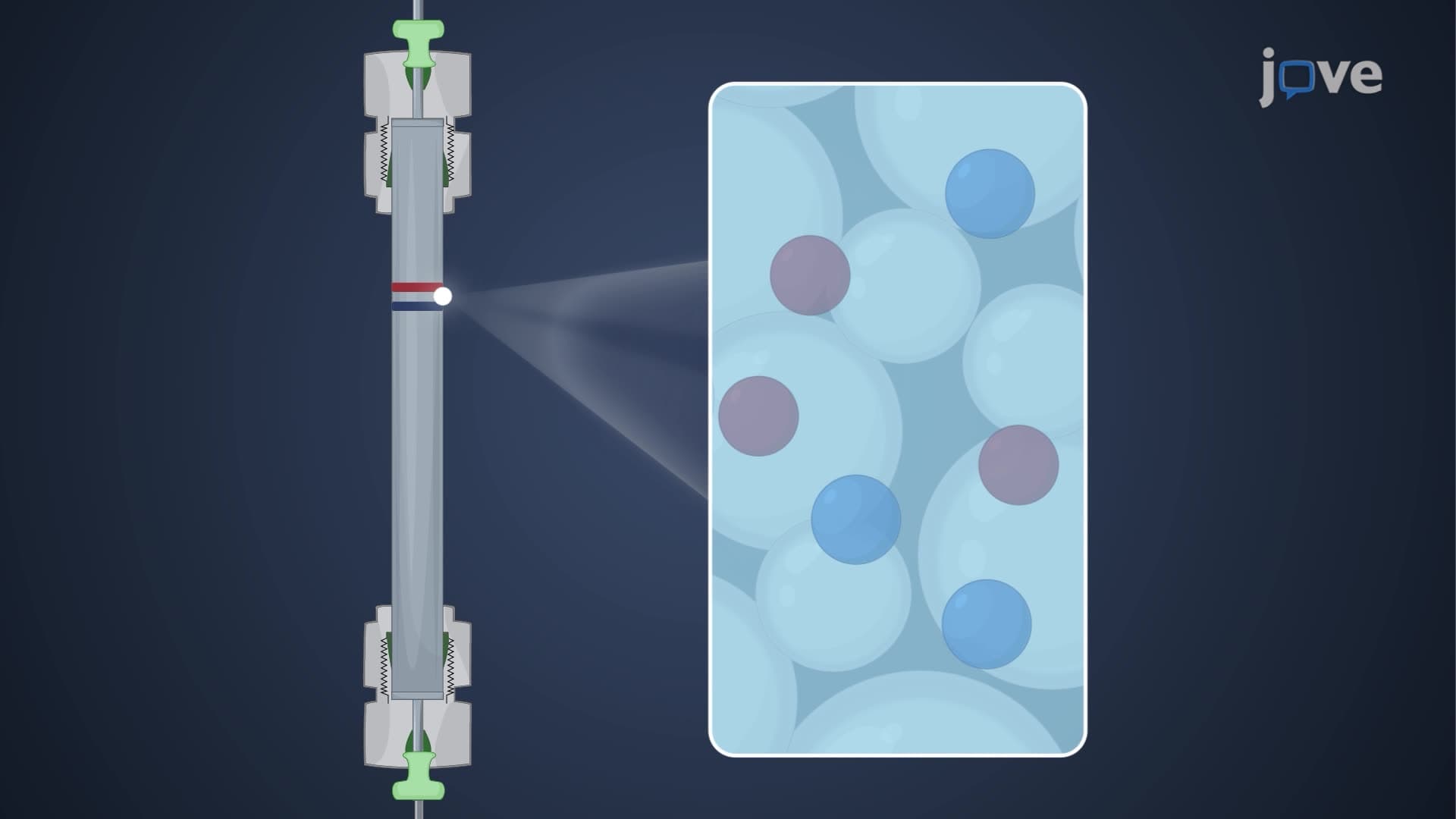
Gas chromatography sample injection systems serve as the critical interface between liquid samples and the gaseous mobile phase within the analytical column. The injection process must achieve complete sample vaporization while maintaining sample integrity and ensuring reproducible transfer to the separation column. Modern GC systems employ sophisticated injection port designs that accommodate various sample types, from concentrated pharmaceutical preparations to trace environmental contaminants requiring parts-per-billion detection limits.
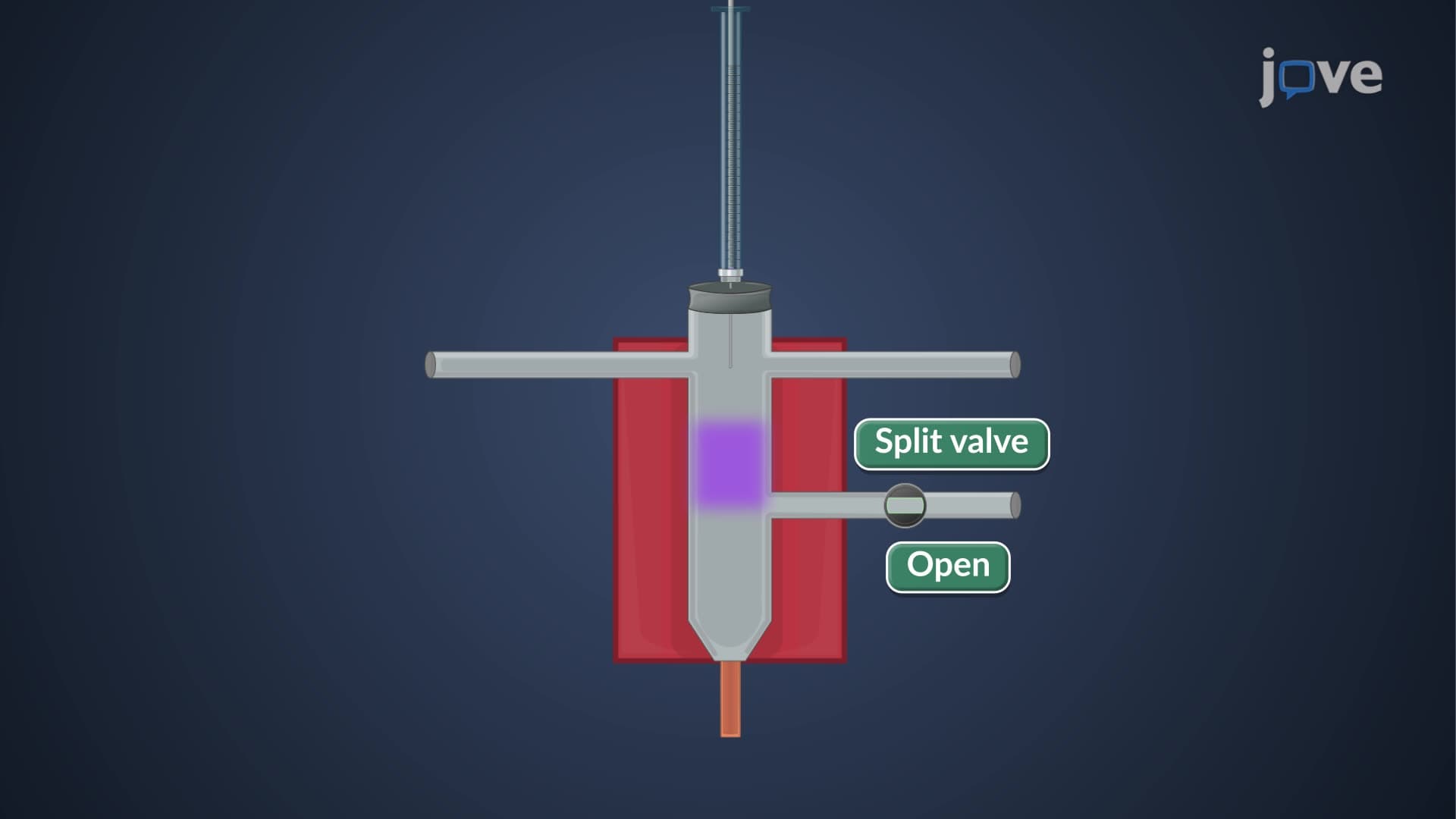
Split injection represents the workhorse technique for concentrated samples commonly encountered in pharmaceutical quality control and petrochemical analysis. In this method, the injection port operates at elevated temperatures (typically 250-350°C) to ensure rapid sample vaporization. A precisely controlled split valve diverts most of the vaporized sample to waste while allowing only a predetermined fraction to enter the analytical column. Split ratios ranging from 10:1 to 1000:1 enable analysis of highly concentrated samples without overloading the column's capacity.
The split ratio calculation directly impacts analytical sensitivity and must be optimized for each application. For instance, when analyzing active pharmaceutical ingredients in tablet formulations, split ratios of 50:1 to 100:1 typically provide optimal peak shape while maintaining adequate detection sensitivity. Students preparing for AP Chemistry exams should understand that split injection sacrifices sensitivity for the ability to handle concentrated samples without peak distortion.
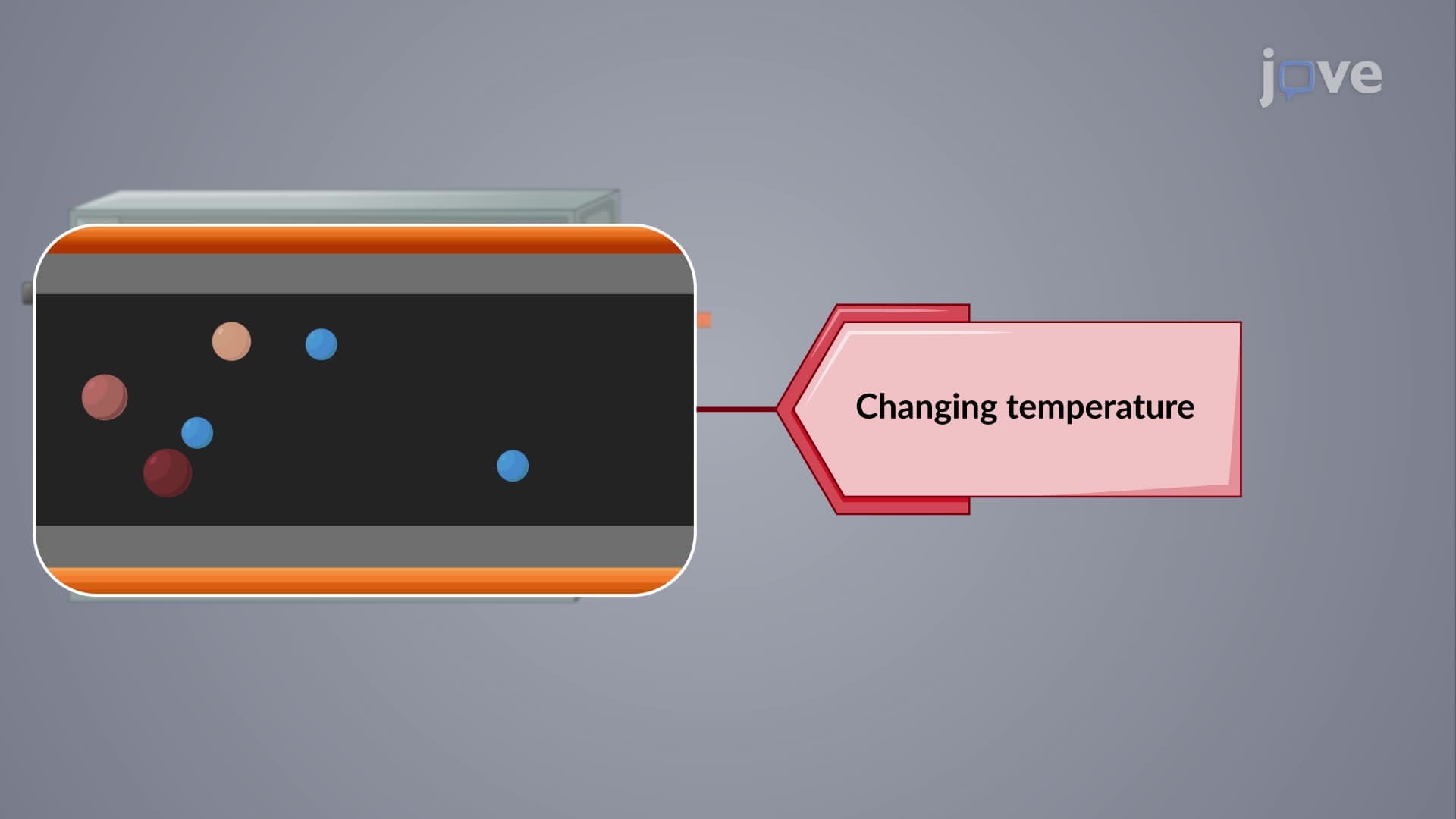
Splitless injection becomes essential when analyzing trace contaminants, such as pesticide residues in food samples analyzed by USDA laboratories or volatile organic compounds in groundwater monitoring programs. During splitless injection, the split valve remains closed for a predetermined time (typically 0.5-2 minutes), allowing maximum sample transfer to the column. This technique requires careful temperature programming, beginning with initial column temperatures below the solvent boiling point to create a "solvent effect" that focuses analytes at the column head.
The solvent effect mechanism involves analyte condensation in a narrow band of liquid solvent at the column entrance. As temperature programming commences, the solvent evaporates first, leaving concentrated analyte zones that produce sharp, symmetric peaks. This focusing mechanism enables detection limits often 10-100 times lower than split injection, making it indispensable for environmental and forensic applications where trace-level accuracy determines regulatory compliance or legal outcomes.
On-column injection provides the gentlest sample introduction method for thermally labile compounds that decompose at typical injection port temperatures. This technique involves direct sample deposition onto the column packing material at relatively low temperatures (50-100°C below normal injection port conditions). Temperature programming then gradually volatilizes sample components, preventing thermal degradation that could compromise analytical accuracy.
Students encountering these concepts in college-level analytical chemistry courses should recognize that injection technique selection requires balancing competing factors: sensitivity requirements, sample concentration, thermal stability, and matrix complexity. Understanding these trade-offs prepares students for advanced coursework and potential careers in analytical laboratories supporting industries from pharmaceuticals to environmental consulting.
Related Micro-courses