Loading video…


 27 Concepts
 42.9K views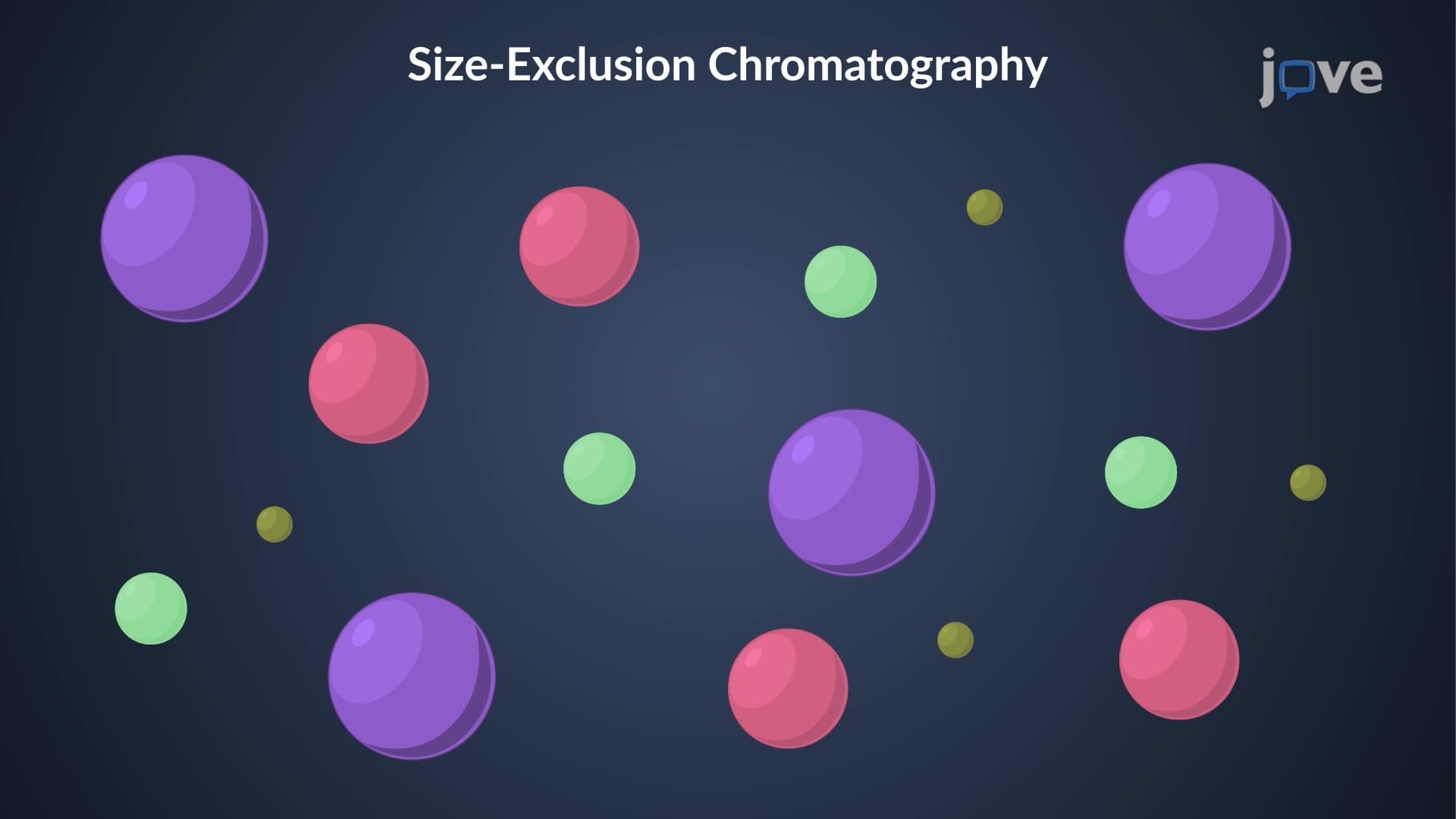

Video Summary: What Is Size Exclusion Chromatography
Ever wonder how pharmaceutical companies separate insulin from other proteins during manufacturing? Size exclusion chromatography acts like a molecular sieve, sorting molecules by size rather than chemical properties. This technique is essential in biotechnology labs across the United States, from Genentech in California to Biogen in Massachusetts, where scientists purify life-saving medications daily. Understanding what is size exclusion chromatography reveals how molecular size alone can achieve precise separations. Watch the full video on JoVE Coach to master this concept with expert-led visuals and step-by-step explanations.
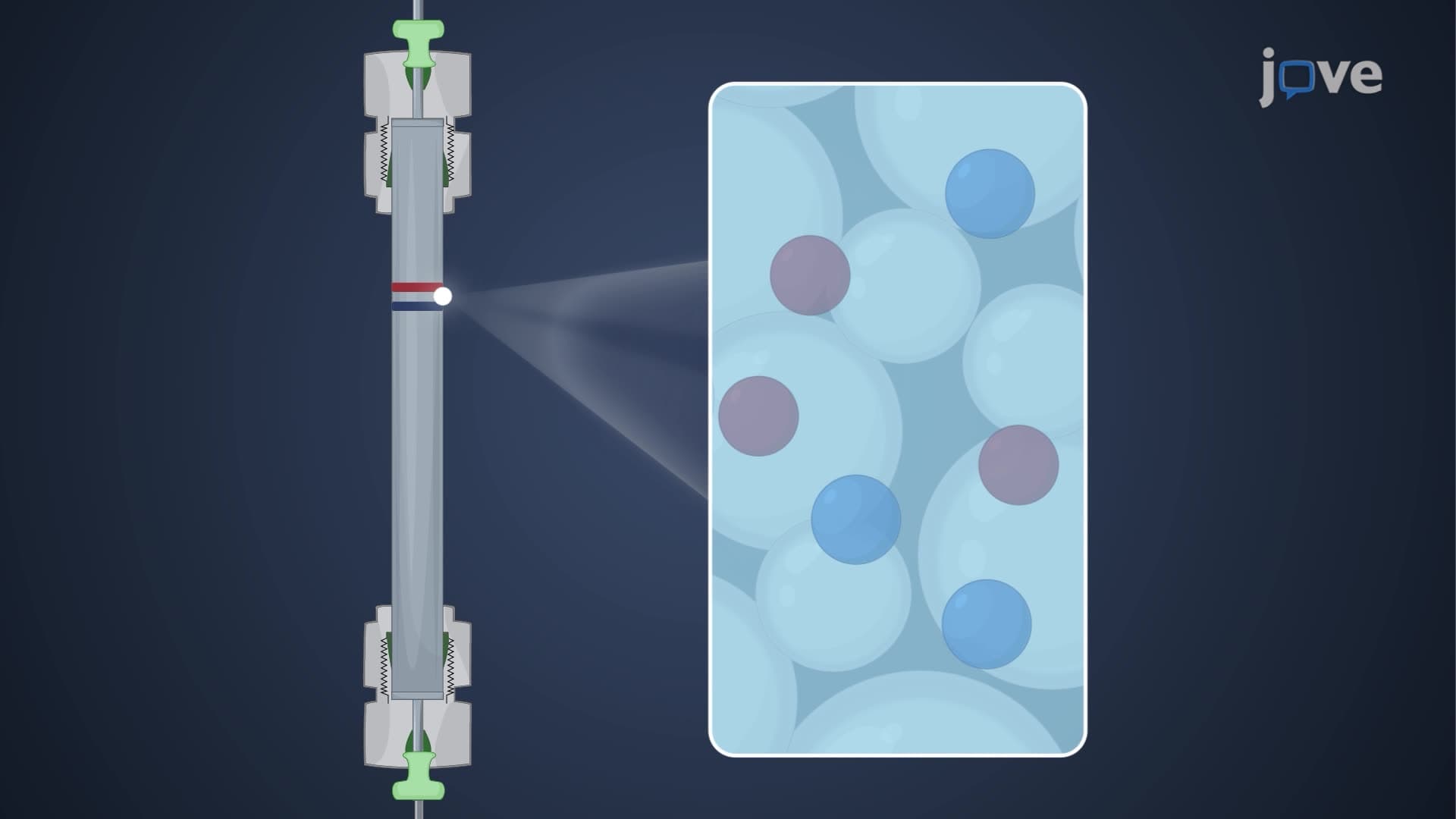
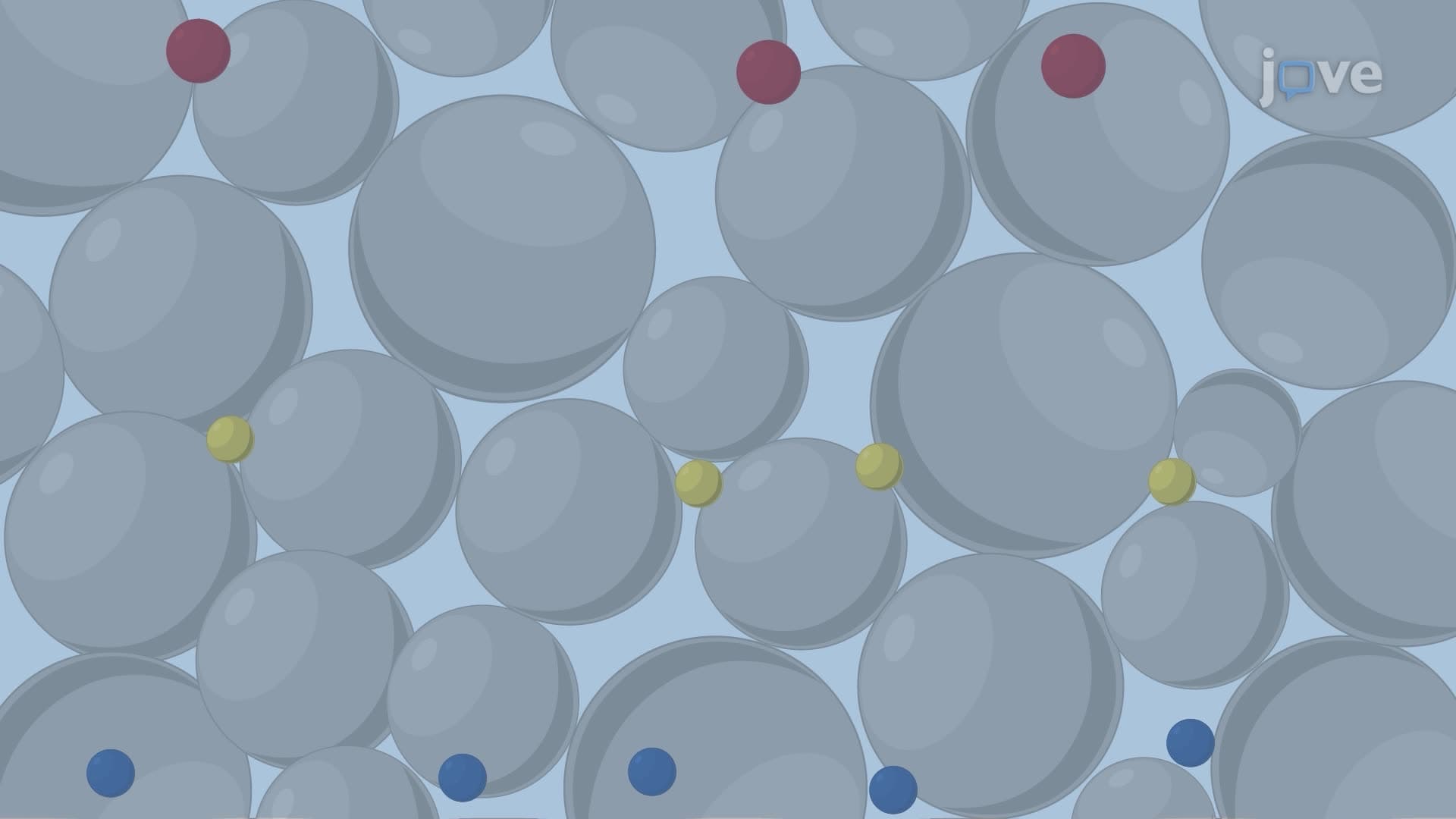
Size exclusion chromatography represents one of the gentlest separation techniques in analytical chemistry, operating on a beautifully simple principle: molecular size determines elution order. Unlike other chromatographic methods that rely on chemical interactions, SEC creates a purely physical separation mechanism. The stationary phase consists of porous beads-either silica-based or cross-linked polymers-containing uniform pore networks that act as molecular filters.
This technique proves invaluable for students preparing for AP Chemistry exams, where understanding separation mechanisms is crucial. The molecular weight separation SEC principle appears frequently in college biochemistry courses, particularly when studying protein purification protocols used by major US pharmaceutical companies like Pfizer and Johnson & Johnson.
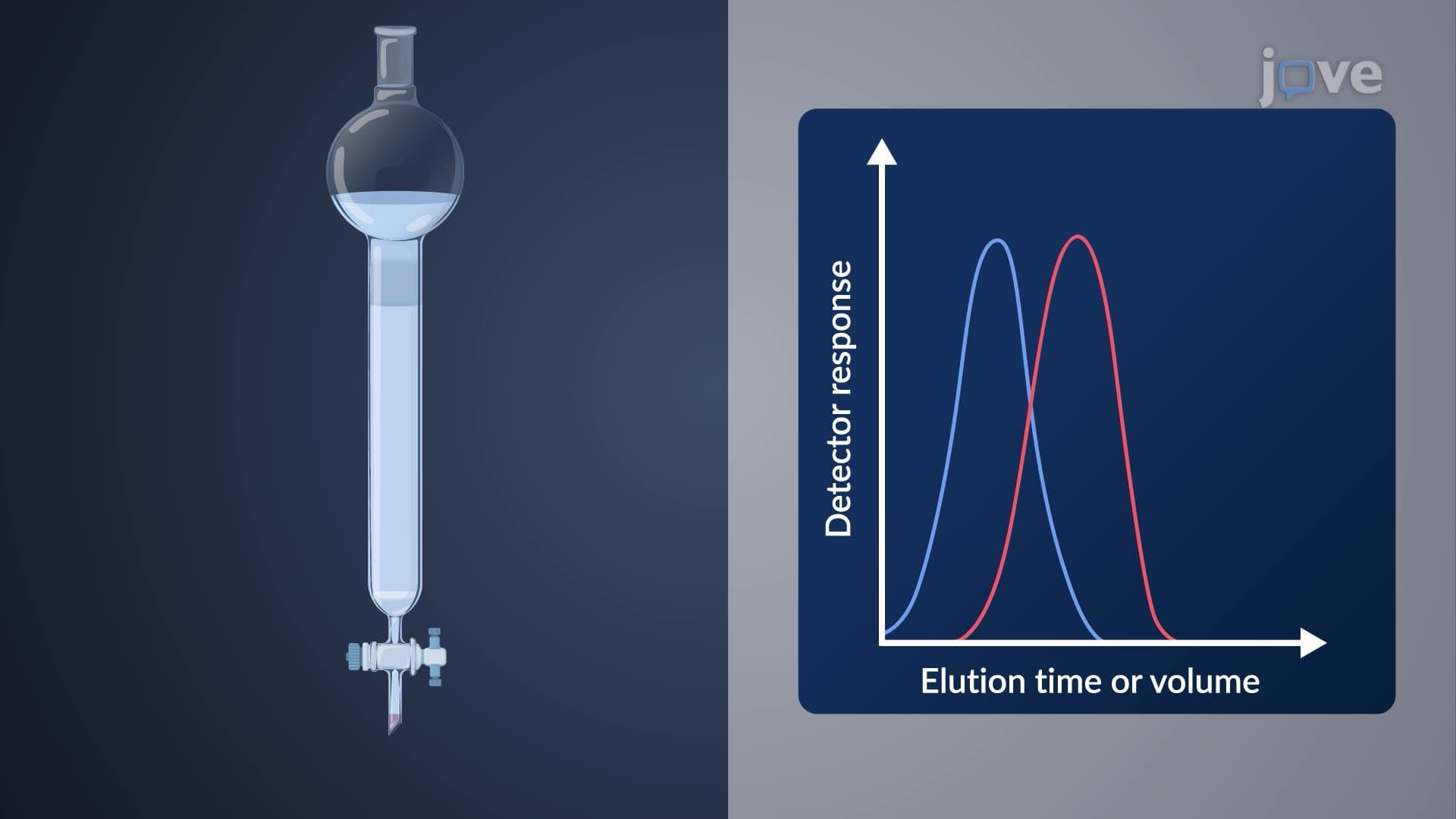
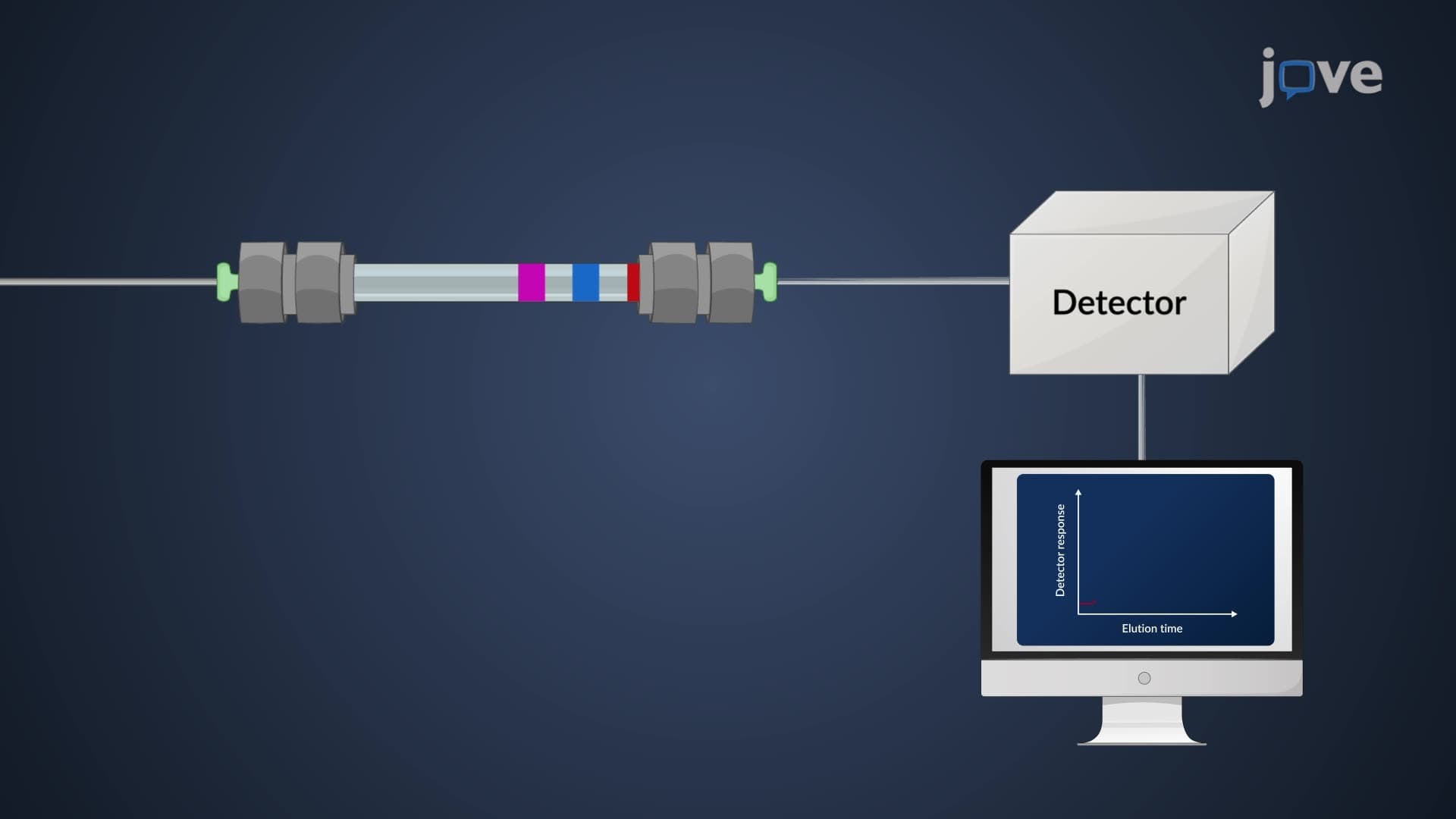
The separation mechanism reveals nature's elegant sorting system. Large molecules, unable to enter the pore network, travel through the column's void volume and elute first-imagine trying to squeeze basketballs through tennis ball-sized holes. Intermediate-sized molecules partially enter some pores, creating different retention times based on their accessibility to the pore network. Small molecules freely access all pores, spending maximum time within the stationary phase and eluting last.
SEC gel filtration chromatography specifically refers to aqueous-based separations using hydrophilic packing materials. This variant dominates protein purification in biotechnology labs across Research Triangle Park in North Carolina and Boston's biotech corridor. Students often encounter this technique in undergraduate biochemistry labs when purifying enzymes or separating protein mixtures.
Understanding how size exclusion chromatography separates molecules requires distinguishing between its two main variants. Gel permeation chromatography utilizes hydrophobic packing materials with organic solvents, making it ideal for polymer analysis. Companies like DuPont and 3M extensively use this technique for characterizing synthetic polymers and determining molecular weight distributions.
The calibration process involves creating standard curves using known molecular weight compounds. Students preparing for the MCAT frequently encounter questions about interpreting these calibration curves, particularly in passages describing protein purification or polymer characterization. The linear relationship between log(molecular weight) and retention volume provides the foundation for determining unknown molecular masses.
SEC applications span from pharmaceutical quality control to environmental analysis. The FDA requires SEC analysis for many biologic drug approvals, ensuring consistent molecular weight distributions in therapeutic proteins. University research labs use SEC for everything from purifying DNA fragments to analyzing nanoparticle size distributions. This versatility makes SEC knowledge essential for students pursuing careers in biotechnology, pharmaceuticals, or materials science.
Related Micro-courses