Loading video…


 27 Concepts
 42.9K views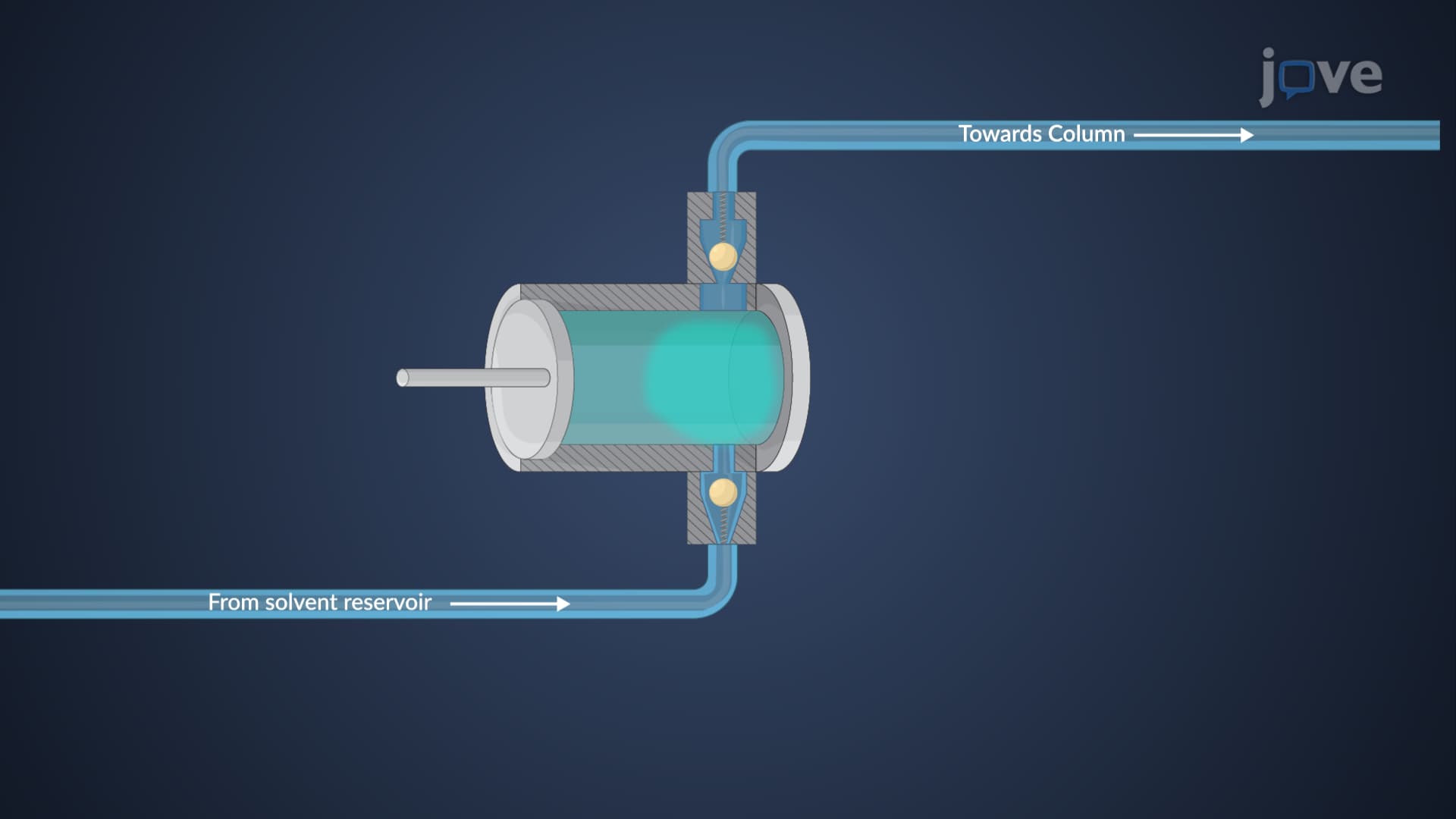

Video Summary: High Performance Liquid Chromatography Elution Process Guide
Ever wondered how pharmaceutical companies at Pfizer or Merck ensure their medications contain exactly the right compounds? The HPLC elution process is the sophisticated separation technique that makes this quality control possible, using carefully controlled mobile phases to separate and identify different chemical components. This High Performance Liquid Chromatography Elution Process Guide demonstrates how solvents flow through specialized pumps and columns to achieve precise molecular separation. From isocratic to gradient elution methods, this process is fundamental to drug development, environmental testing, and forensic analysis across American laboratories. Watch the full video on JoVE Coach to master this concept with expert-led visuals and step-by-step explanations.
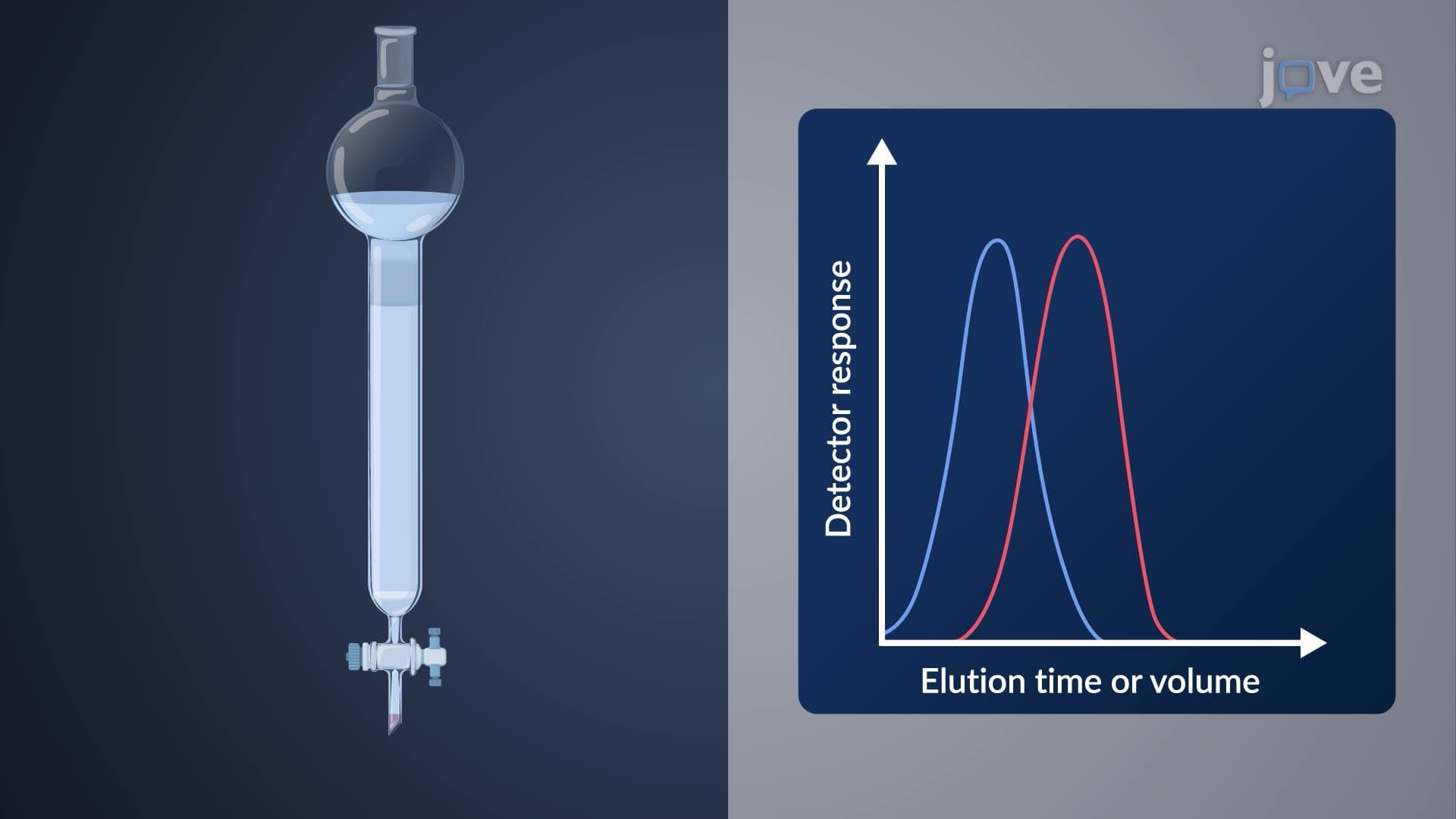
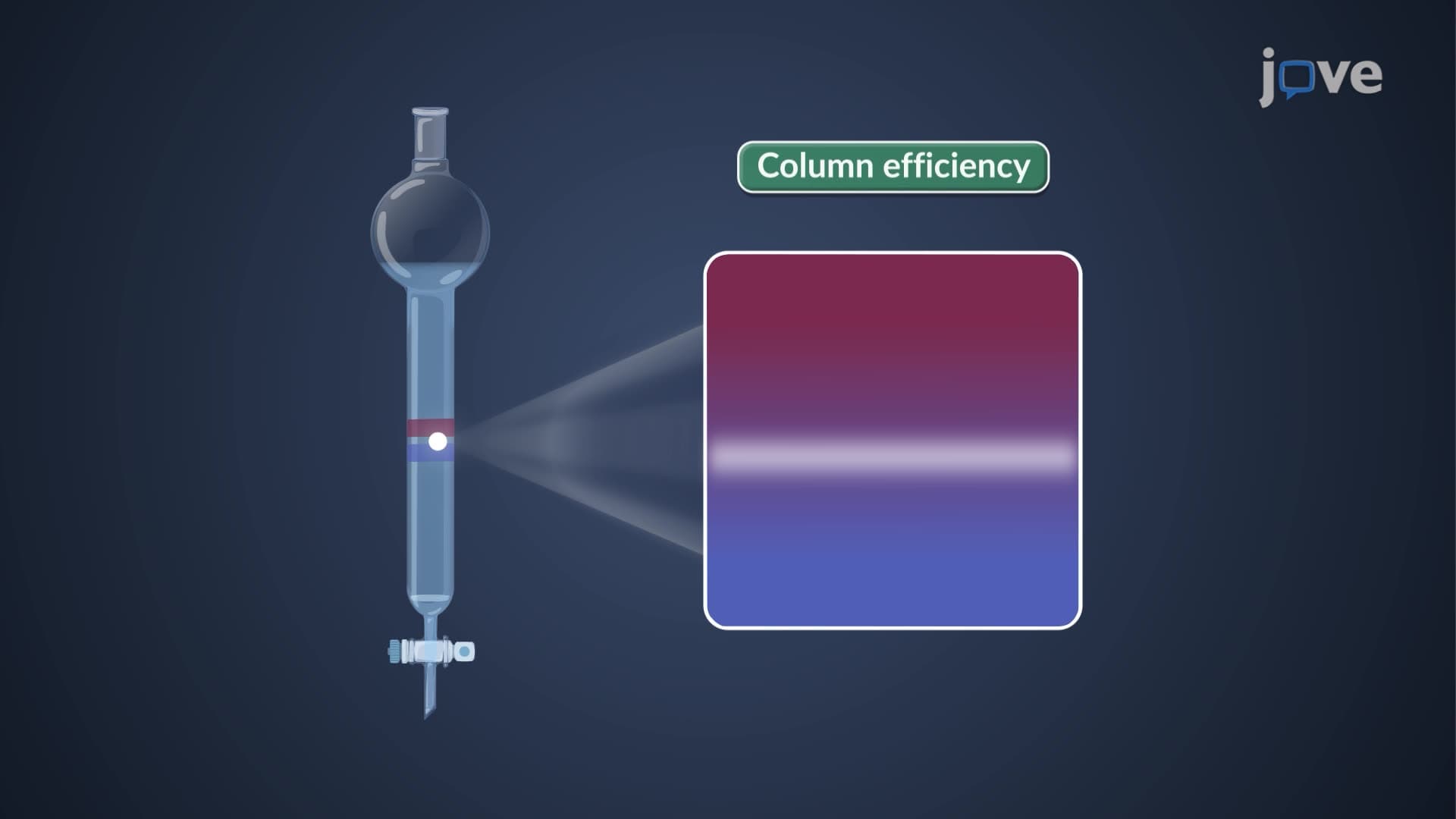
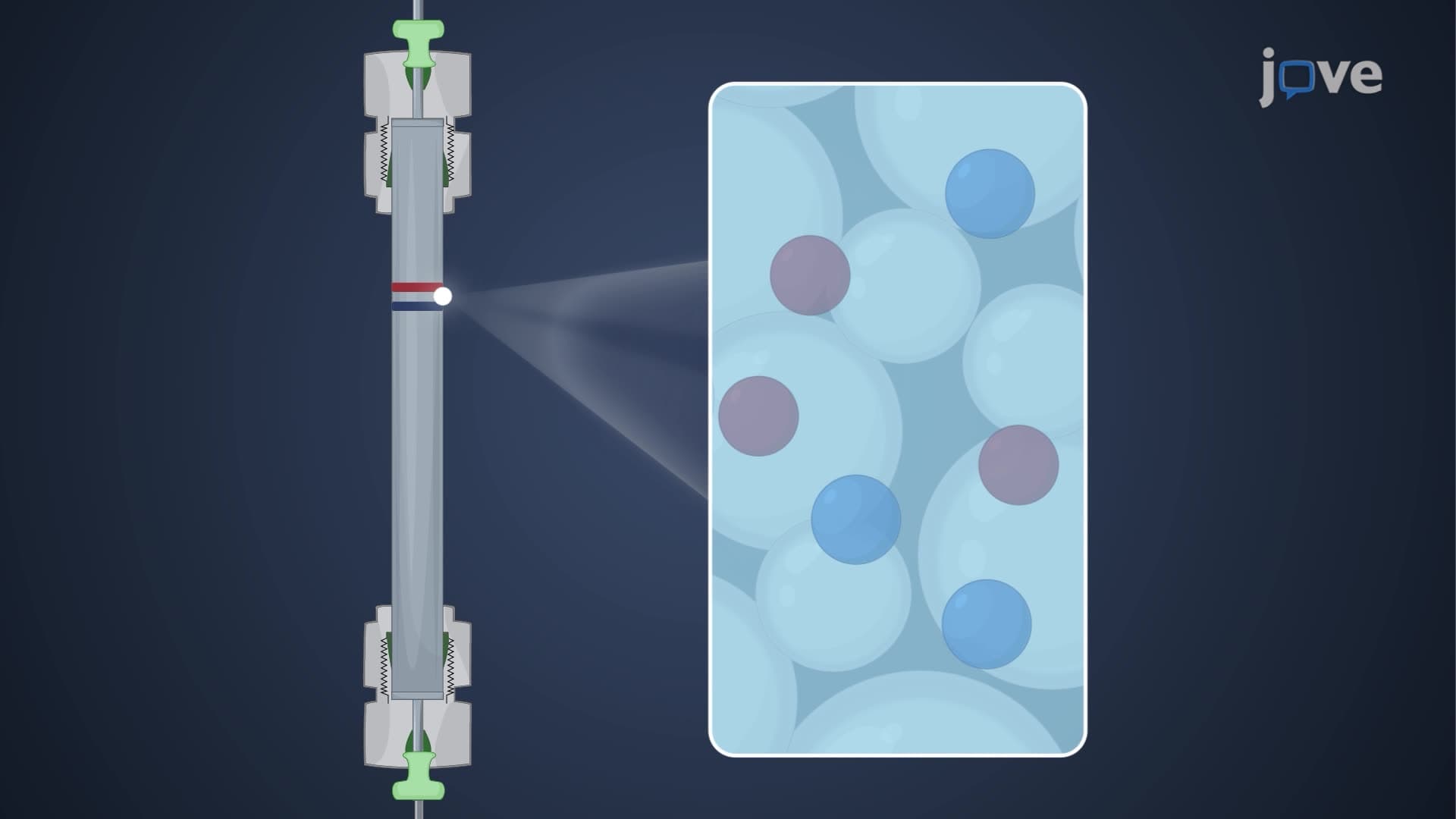
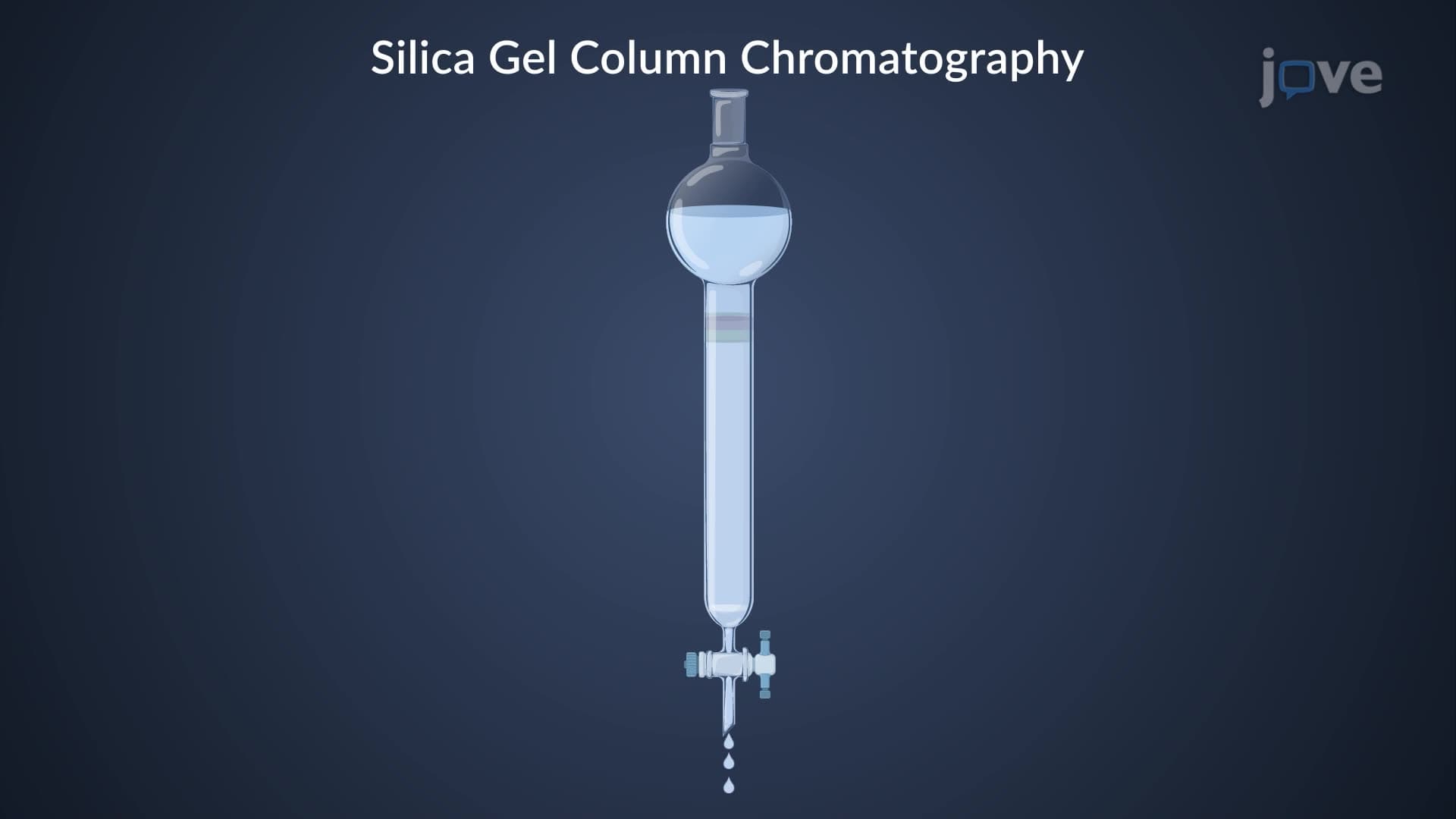
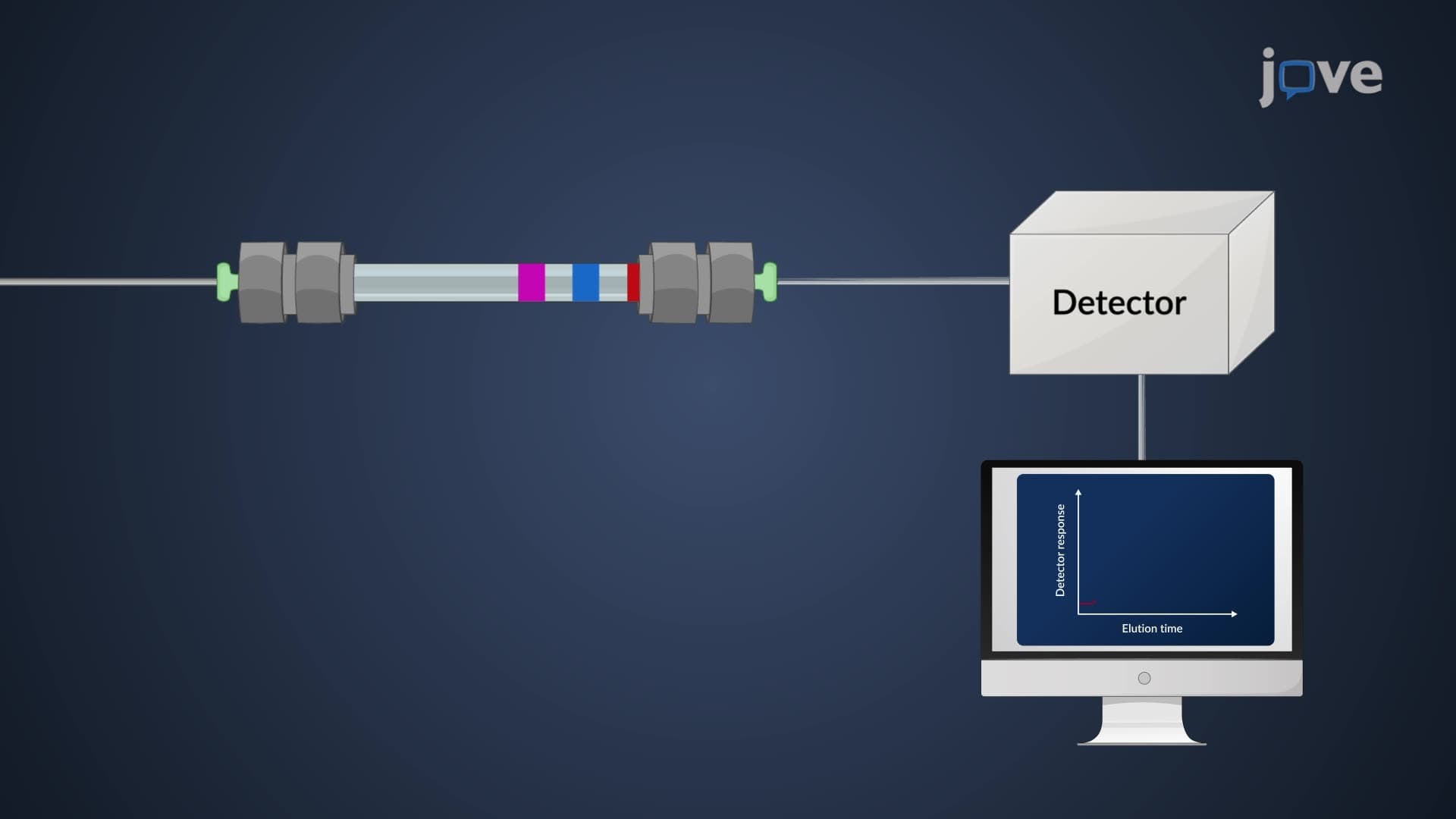
The HPLC elution process represents one of the most powerful analytical techniques used across American research institutions, pharmaceutical companies, and environmental laboratories. At its core, this process involves the controlled movement of a liquid mobile phase carrying sample compounds through a packed column, where separation occurs based on differential interactions between analytes, the mobile phase, and the stationary phase.
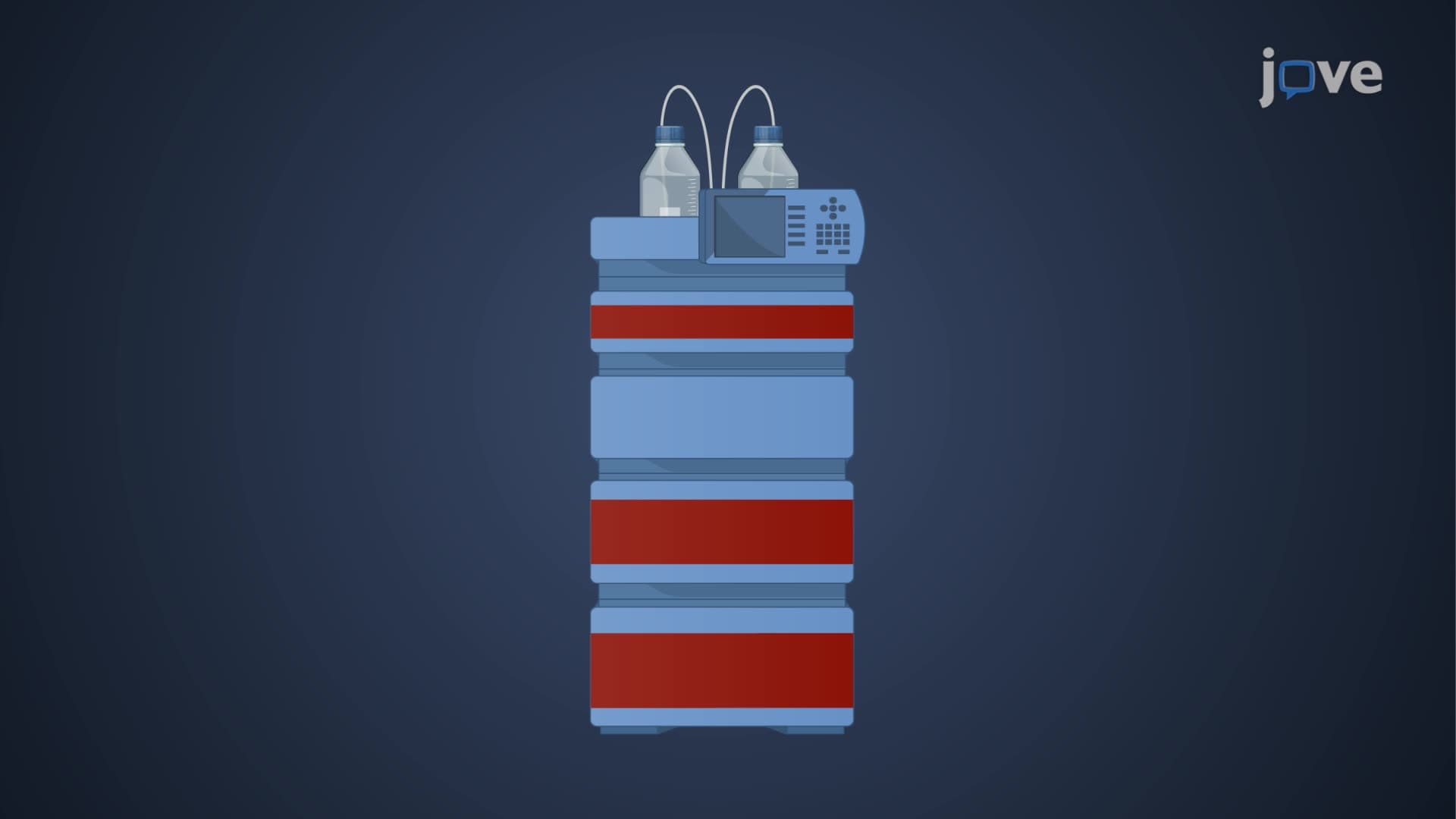
Before any separation can occur, the mobile phase must be meticulously prepared. Modern HPLC systems utilize multiple solvent reservoirs, typically containing solvents of varying polarities such as water, methanol, acetonitrile, or buffer solutions. The degassing process removes dissolved oxygen and other gases that could create bubbles in the system, potentially causing baseline noise or pump cavitation. Universities like Stanford and MIT emphasize this critical step in their analytical chemistry courses, as gas bubbles can ruin expensive analyses and damage sensitive detectors.
American pharmaceutical companies like Johnson & Johnson rely on precise solvent filtration to remove particulate matter that could clog column frits or create pressure fluctuations. This preprocessing ensures consistent results across thousands of quality control analyses performed daily in FDA-regulated facilities.
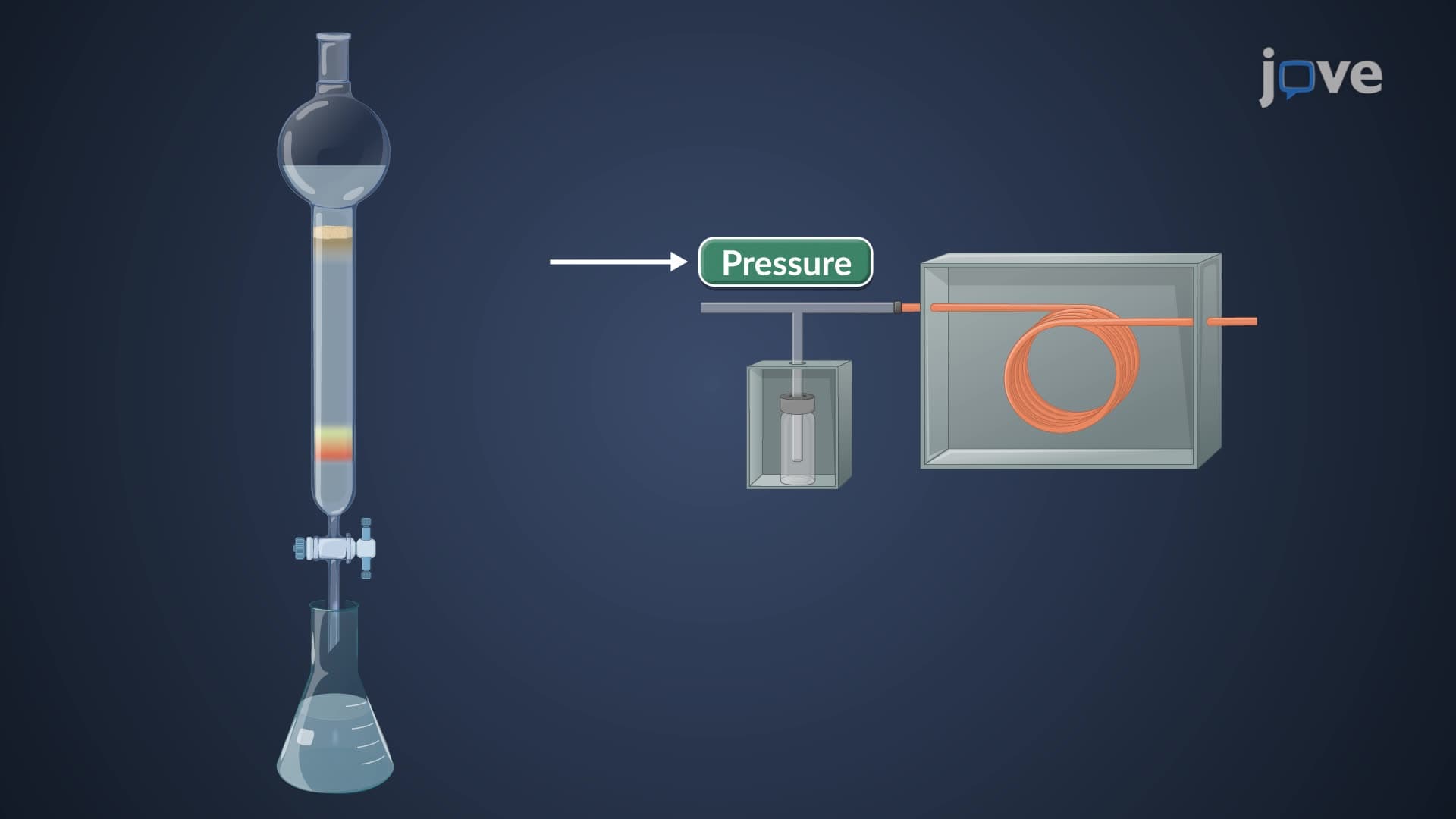
The reciprocating pump system forms the heart of HPLC instrumentation. These high-pressure pumps, capable of generating pressures up to 6,000 psi or higher, utilize a dual-piston mechanism with check valves to create pulseless flow. During the intake stroke, the piston retracts while the inlet valve opens and outlet valve closes, drawing solvent into the pump chamber. The delivery stroke reverses this process, forcing mobile phase through the outlet valve toward the injection system and column.
For students preparing for the MCAT or advanced placement chemistry exams, understanding that consistent flow rate is crucial for reproducible retention times becomes essential knowledge. Variations in flow can shift peak positions, making compound identification unreliable.
The choice between isocratic and gradient elution depends entirely on sample complexity and analyte properties. Isocratic elution maintains constant mobile phase composition throughout the analysis, making it ideal for separating compounds with similar chemical properties. Environmental laboratories analyzing pesticide residues in California's agricultural products often employ isocratic methods when targeting specific compound classes.
Gradient elution, conversely, systematically changes mobile phase composition during the analysis. Binary pump systems independently control two different solvents, mixing them in predetermined ratios within a mixing chamber. This approach proves invaluable for complex pharmaceutical formulations where compounds span wide polarity ranges, such as the multi-component analysis required for generic drug approval by the FDA.
Related Micro-courses