Loading video…


 27 Concepts
 42.9K views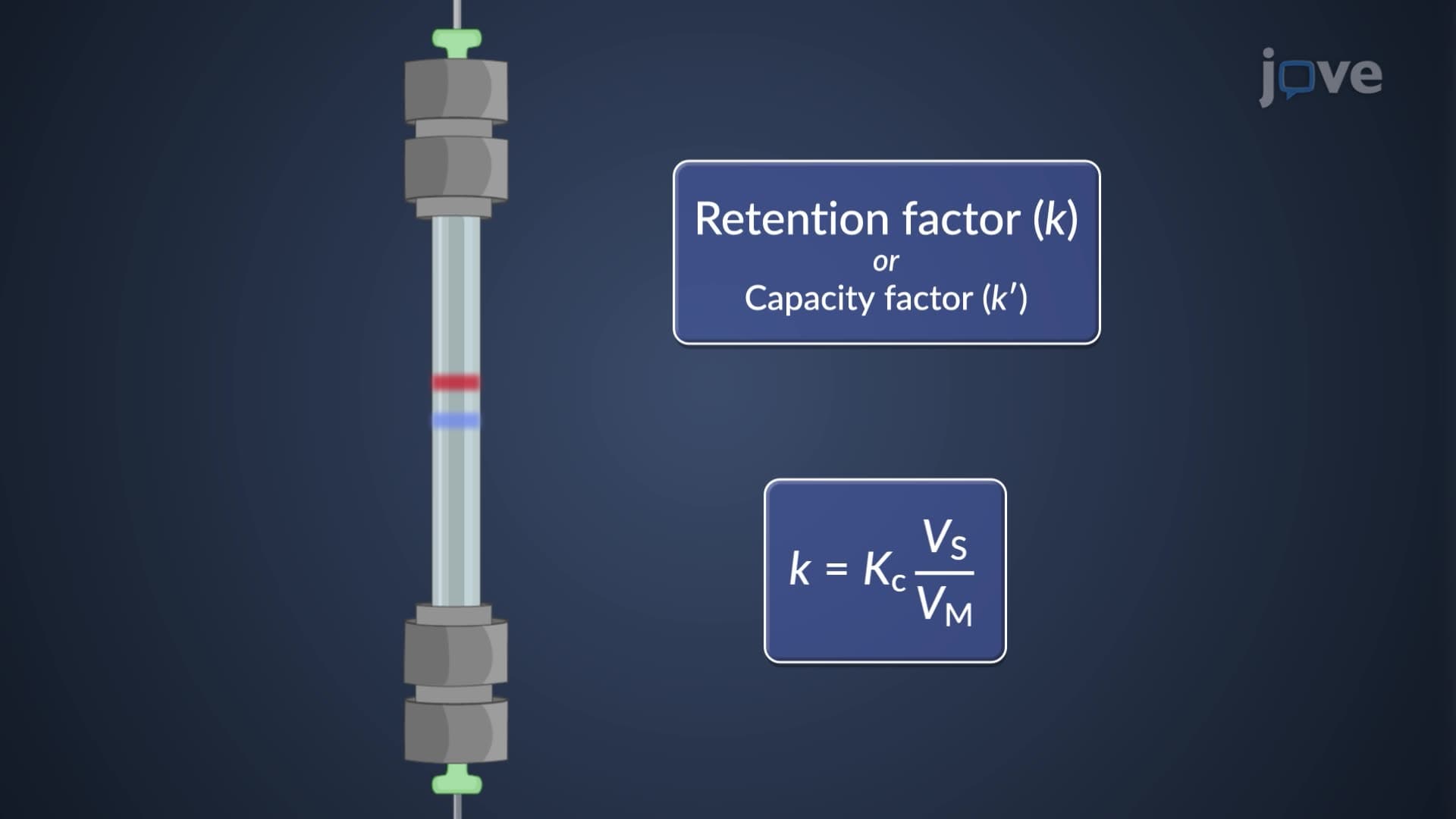

Video Summary: What Is Chromatographic Methods Terminology
Did you know that the caffeine detection in Olympic drug testing relies on the same chromatographic terminology used to separate components in your chemistry lab? Understanding chromatography terminology basics is essential for mastering analytical chemistry concepts. From FDA pharmaceutical analysis to environmental water quality testing across the United States, professionals use standardized terms like retention time, peak resolution, and capacity factors to interpret separation results. What is Chromatographic Methods Terminology encompasses the fundamental language scientists use to describe how mixtures separate into individual components. Watch the full video on JoVE Coach to master this concept with expert-led visuals and step-by-step explanations.
Chromatographic methods terminology forms the standardized vocabulary that analytical chemists use worldwide to describe separation processes and interpret results. This specialized language ensures consistent communication when discussing how complex mixtures-from blood samples in hospital labs to pesticide residues in agricultural products-get separated into individual components for identification and quantification.
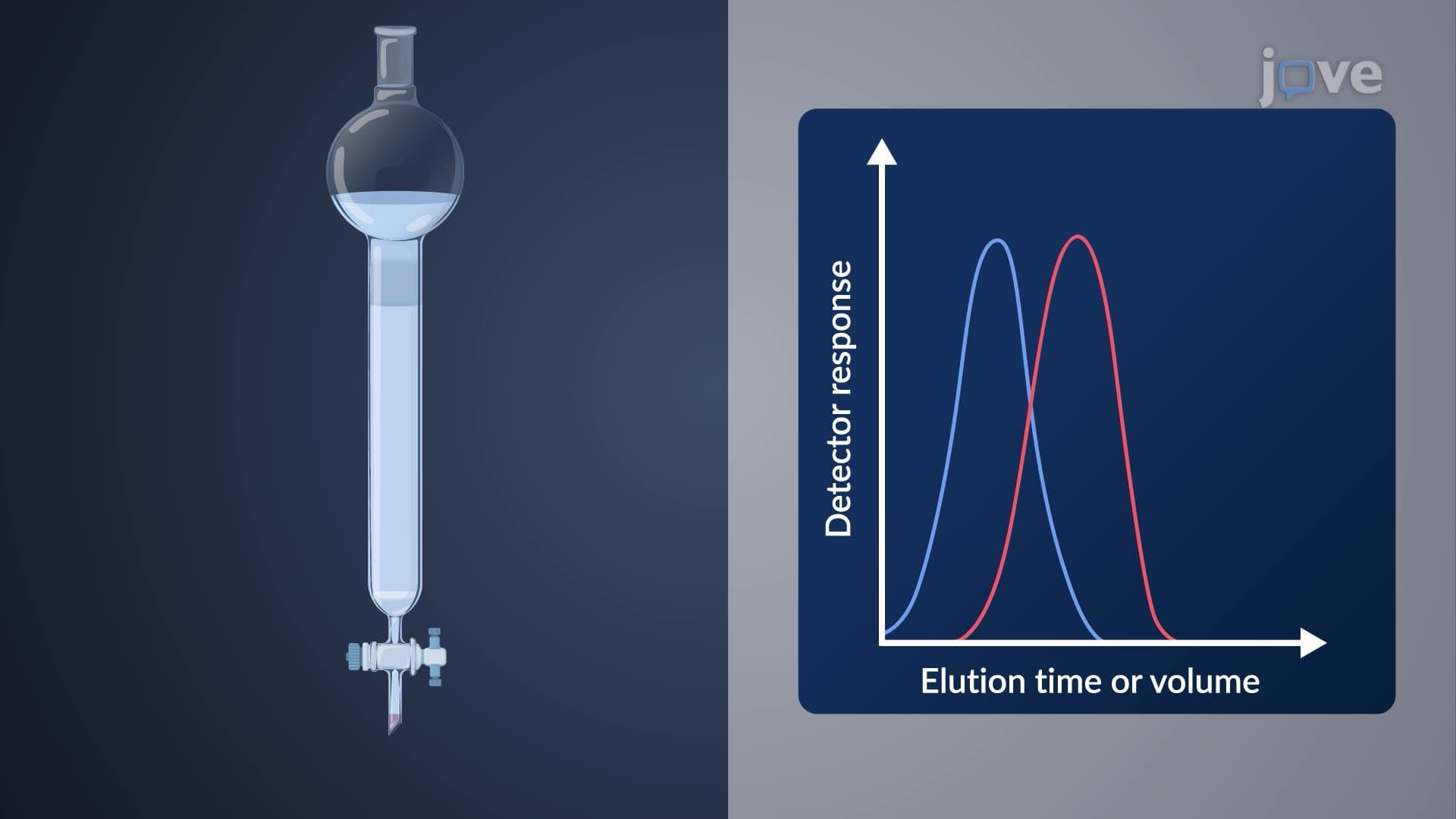
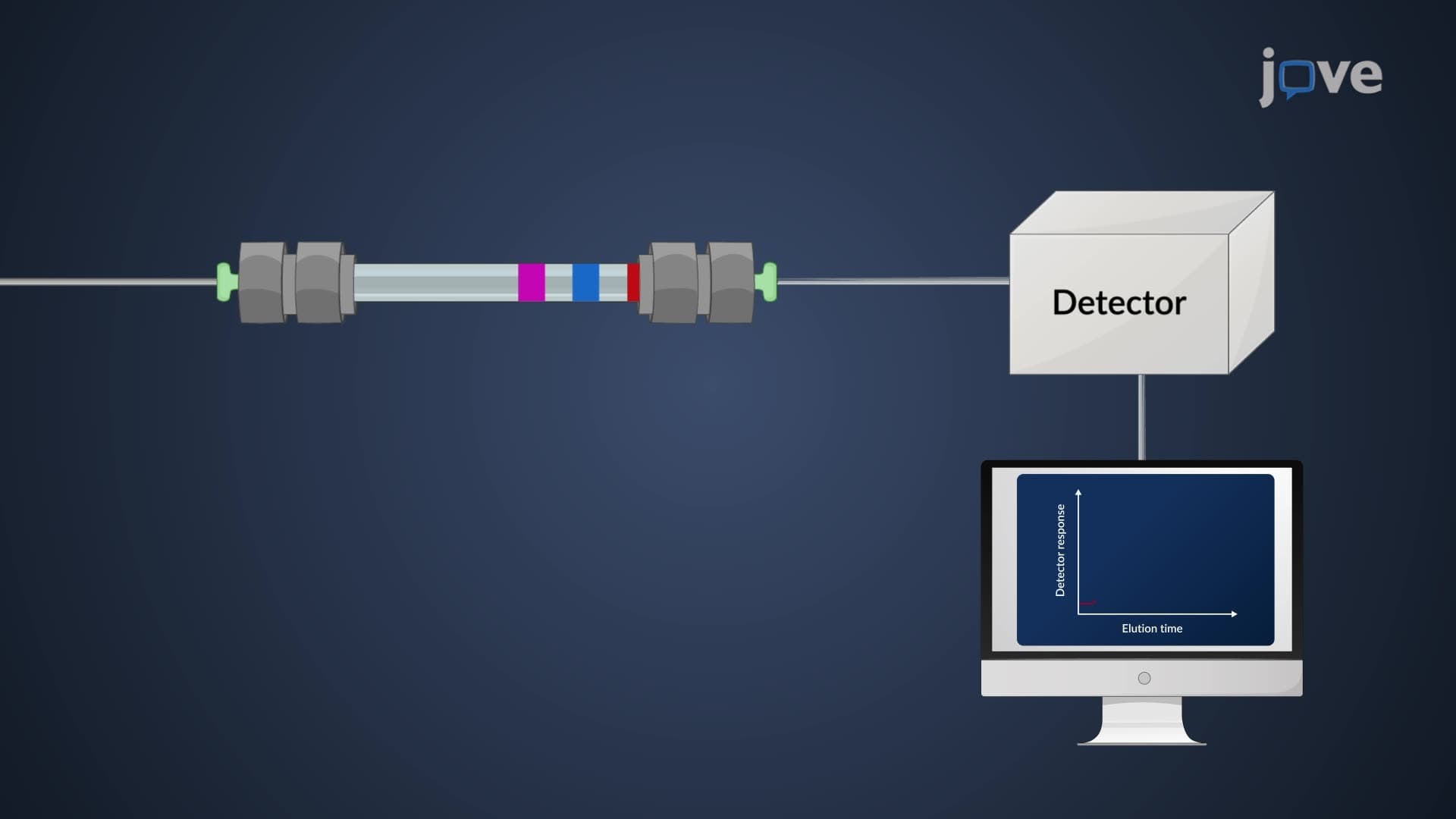
Retention time represents the fundamental measurement in chromatographic analysis, indicating how long each component takes to travel through the separation system after injection. In practice, when forensic scientists at the DEA analyze seized drug samples, they compare unknown retention times against known standards to identify substances like cocaine or fentanyl. The retention volume provides complementary information by measuring the actual mobile phase volume needed to elute each analyte, which remains more consistent across different flow rates than retention time alone.
The capacity factor (also called retention factor) quantifies how strongly an analyte interacts with the stationary phase relative to the mobile phase. This dimensionless parameter helps predict separation behavior-compounds with similar capacity factors will be difficult to separate, while those with significantly different values will resolve easily. For example, when pharmaceutical companies develop new drug formulations, they calculate capacity factors to ensure active ingredients separate from impurities during quality control testing.
Peak width measurement requires drawing tangent lines to the inflection points of a chromatographic peak and measuring the distance between them at the baseline. This parameter directly impacts analytical precision-narrower peaks provide better resolution and more accurate quantitative measurements. Students preparing for AP Chemistry exams should remember that peak width affects both the ability to detect small amounts of analyte and the precision of concentration measurements.
Peak resolution quantifies the degree of separation between adjacent peaks, calculated using both retention time differences and peak widths. A resolution value above 1.5 generally indicates baseline separation suitable for accurate quantitative analysis. This becomes critical in clinical chemistry laboratories where overlapping peaks could lead to misdiagnosis-imagine trying to measure glucose levels in diabetic patients if the glucose peak overlapped with another blood component.
Understanding these chromatographic terms proves essential for students planning careers in analytical chemistry, environmental science, or clinical laboratory technology. The EPA uses standardized chromatographic terminology when testing drinking water for contaminants, while FDA laboratories rely on these same definitions when ensuring pharmaceutical purity. Students taking the MCAT will encounter chromatography questions that require familiarity with retention parameters and peak interpretation, making mastery of this terminology crucial for medical school admission success.
Related Micro-courses