Loading video…


 27 Concepts
 42.9K views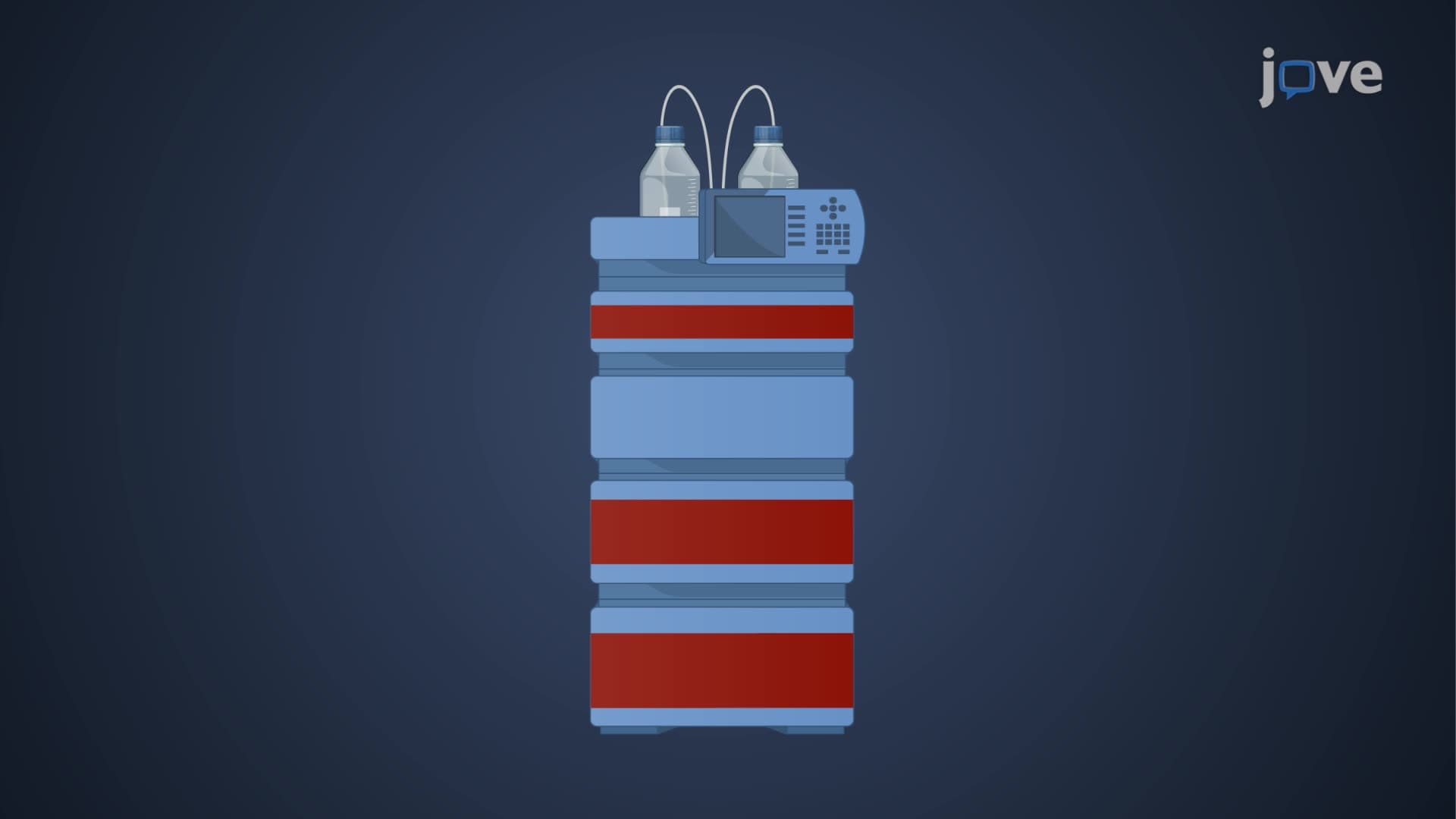

Video Summary: High Performance Liquid Chromatography Instrumentation Guide
Did you know that pharmaceutical companies like Pfizer use the same analytical technique to verify drug purity that students learn in chemistry labs across America? This HPLC instrumentation guide reveals the six essential components that make liquid chromatography possible: mobile phase reservoir, pump, injector, column, detector, and data system. From separating caffeine in your morning coffee to analyzing blood samples at the Mayo Clinic, understanding these HPLC instrument components is crucial for anyone pursuing careers in chemistry, biology, or medicine. Watch the full video on JoVE Coach to master this concept with expert-led visuals and step-by-step explanations.
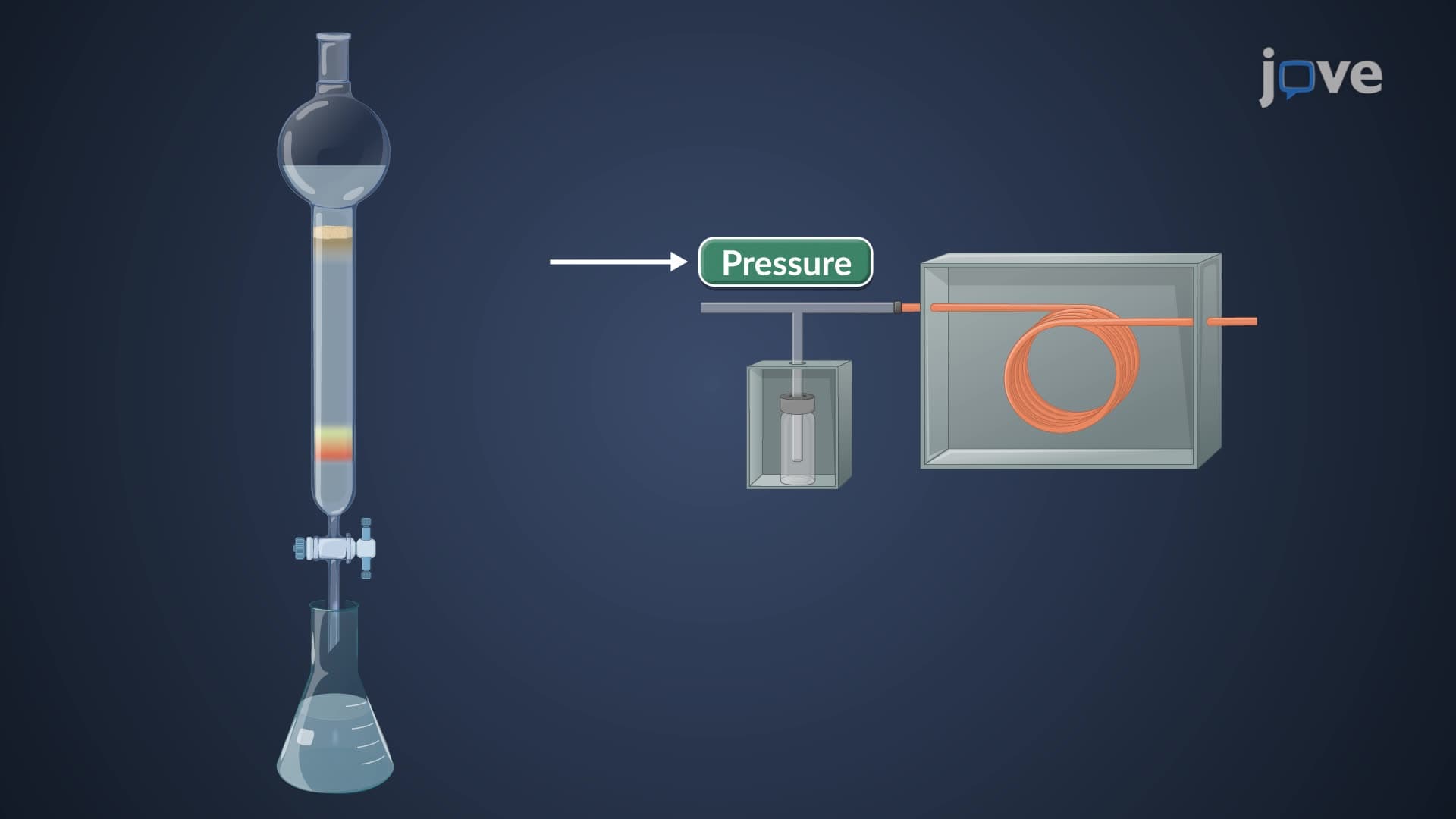
High Performance Liquid Chromatography instrumentation represents one of the most versatile analytical systems in modern chemistry laboratories. Unlike simple column chromatography you might perform in AP Chemistry, HPLC systems operate under high pressure (typically 1,000-6,000 psi) to achieve superior separation efficiency and speed. This sophisticated HPLC instrument setup enables pharmaceutical companies, environmental testing labs, and research institutions across the United States to analyze everything from drug metabolites in clinical samples to pesticide residues in food products.
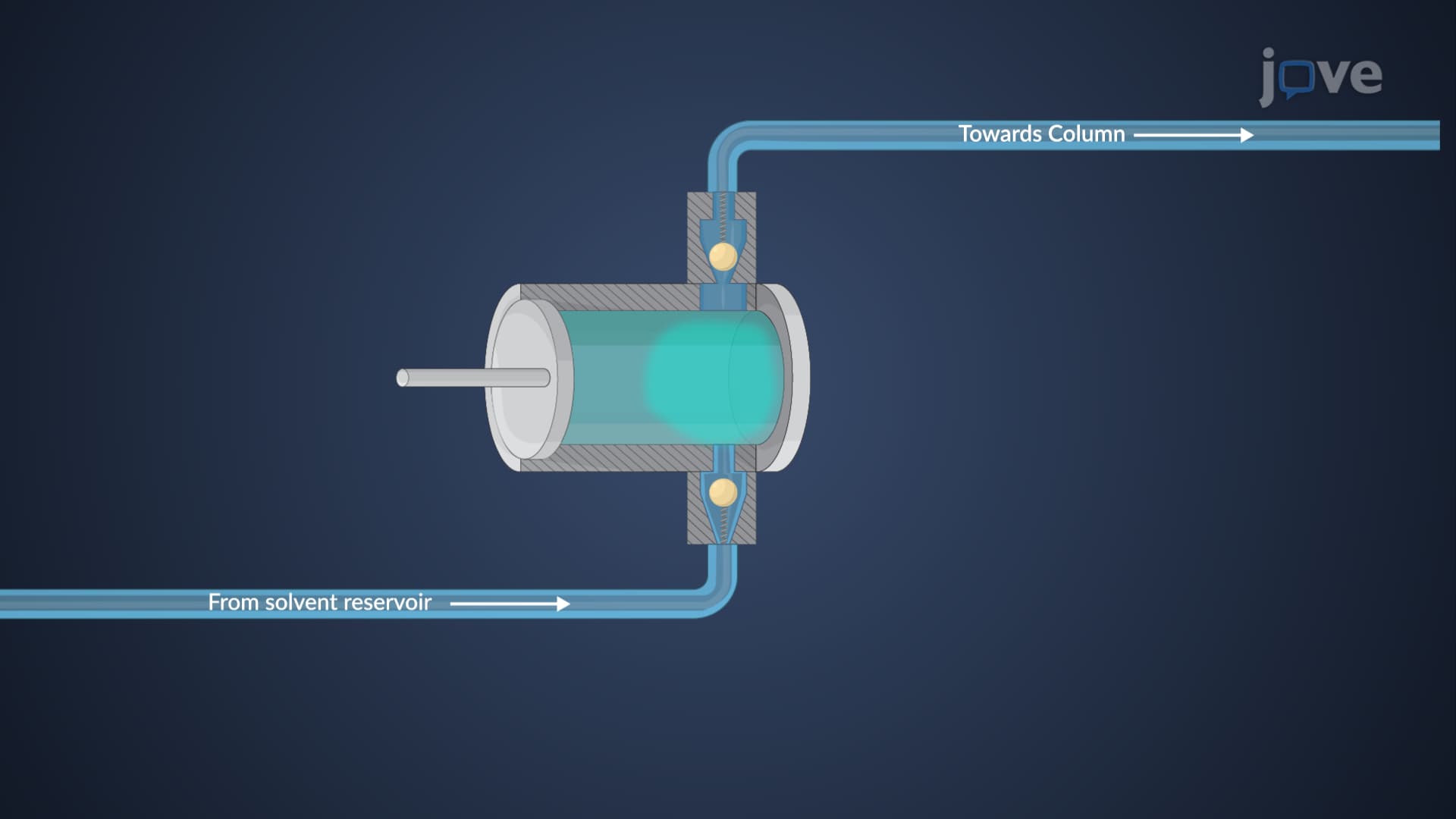
The HPLC pump system serves as the instrument's heart, delivering precise, pulse-free flow of mobile phase through the entire system. Modern HPLC pumps typically use reciprocating piston designs that can maintain flow rates from microliters to milliliters per minute with exceptional accuracy. The mobile phase reservoir system often includes multiple solvent bottles, allowing chemists to create complex gradient profiles. For instance, analyzing vitamins in multivitamin tablets might start with 90% water and gradually increase to 90% acetonitrile over 20 minutes, optimizing separation of both water-soluble and fat-soluble compounds.
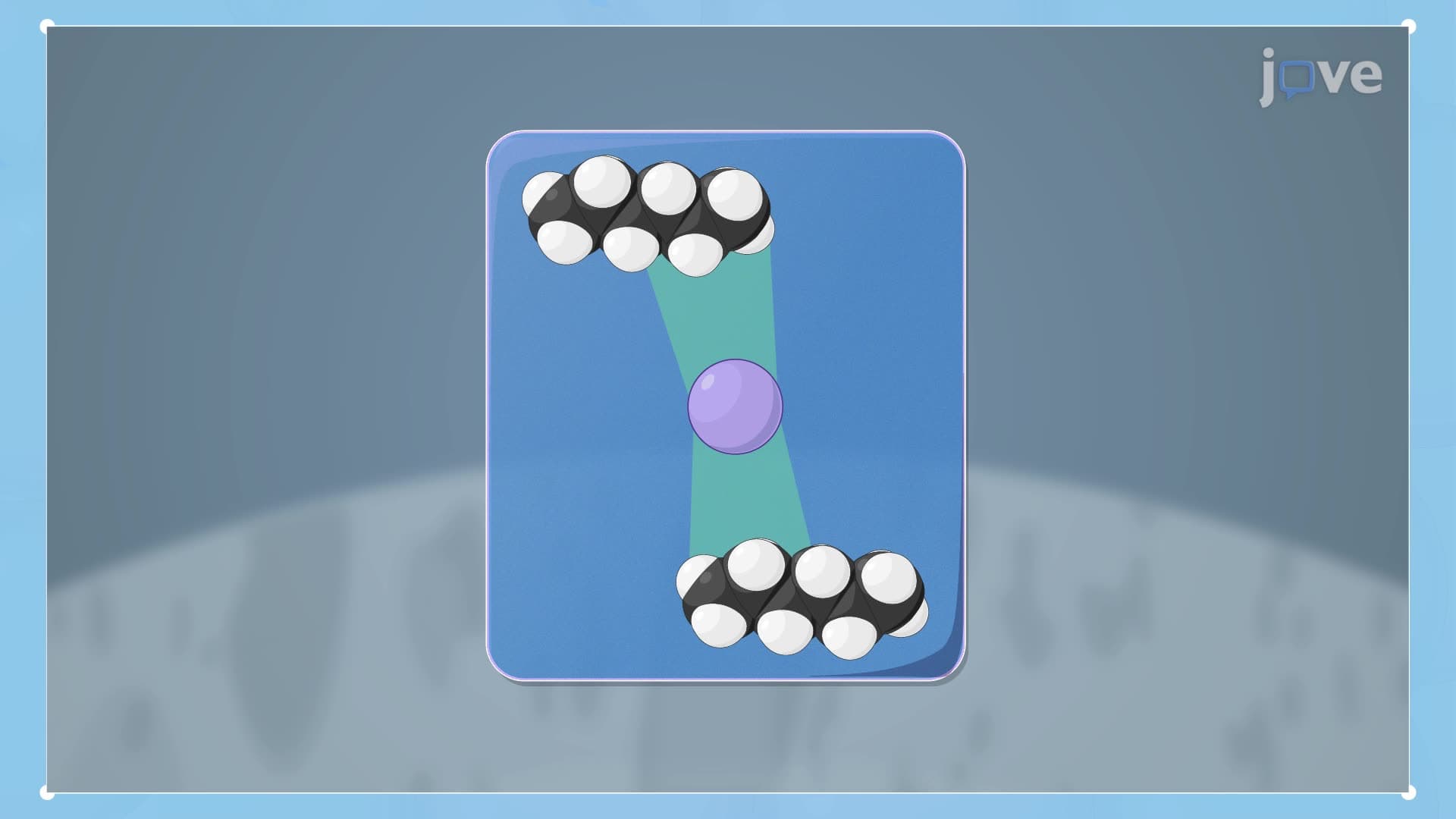
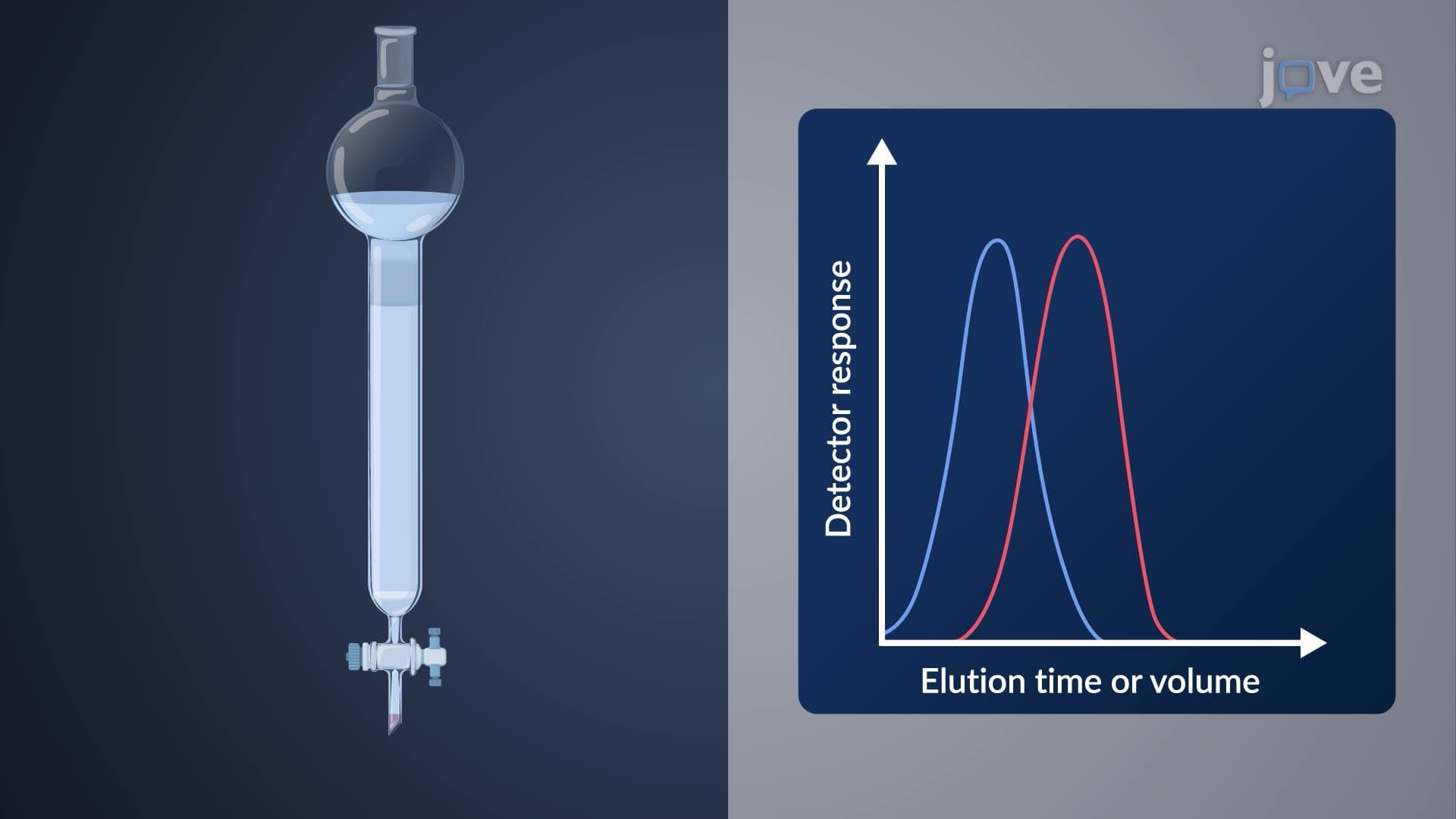
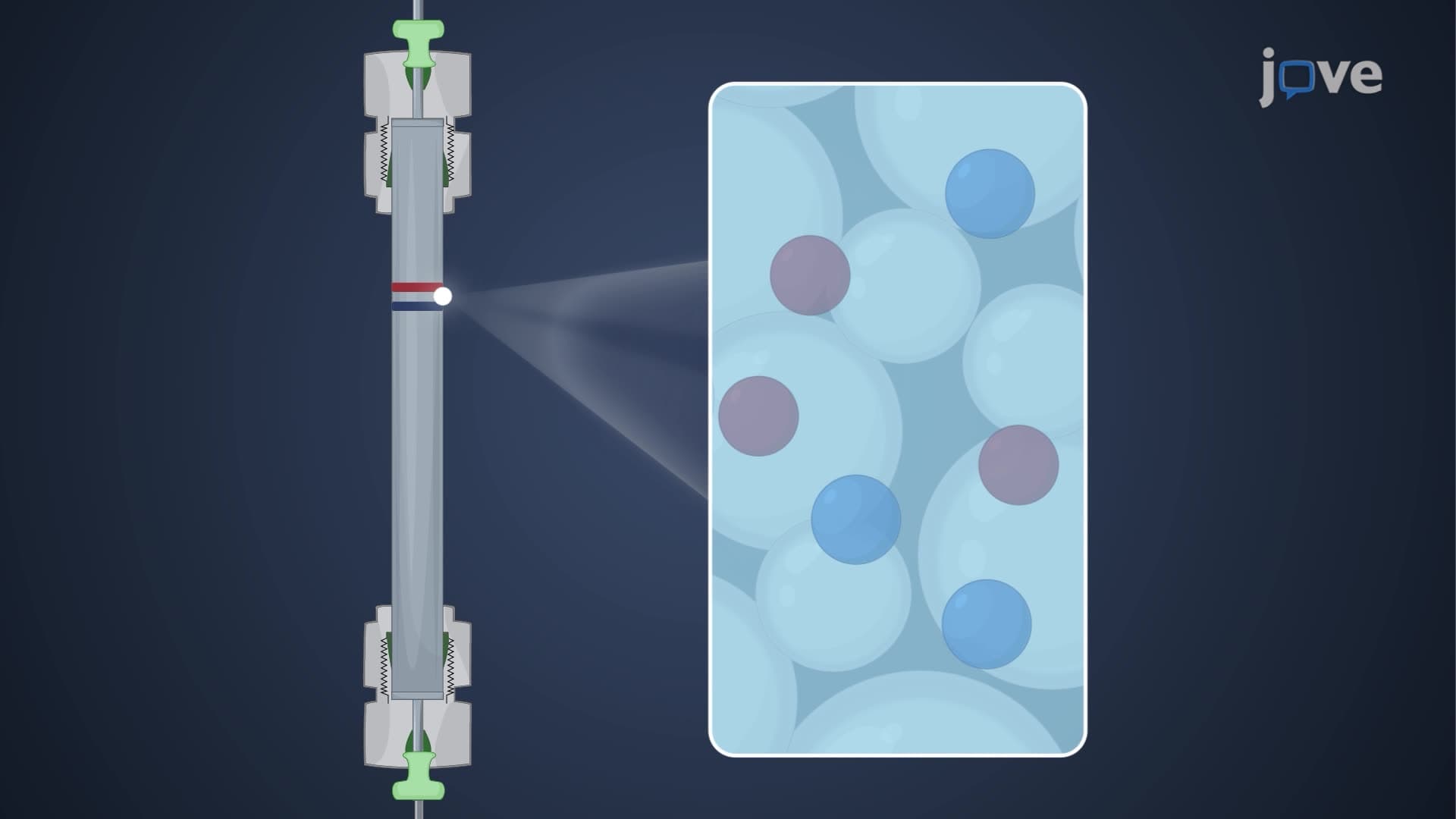
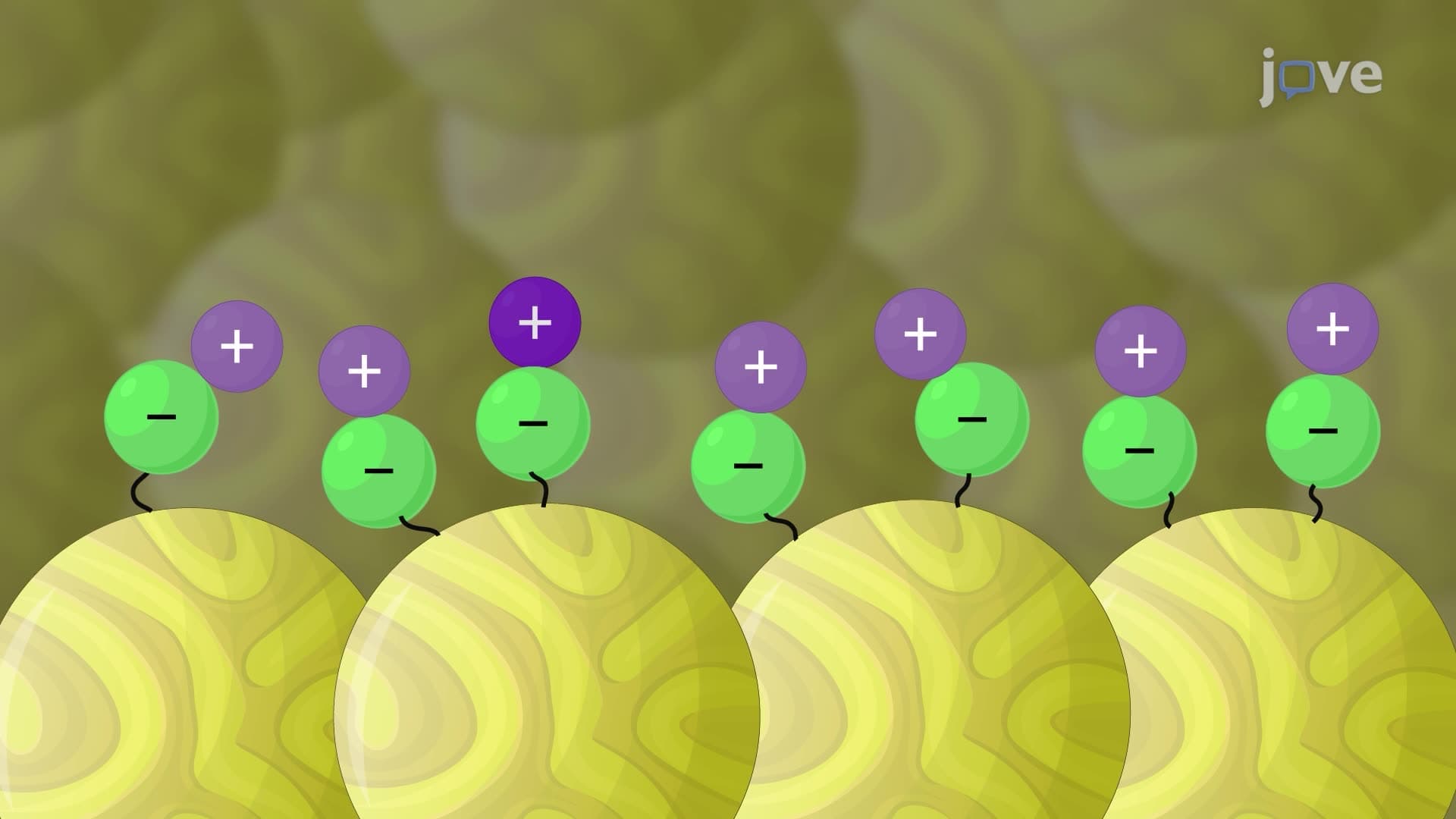
The HPLC injector valve precisely introduces sample volumes ranging from 1-100 microliters into the flowing mobile phase stream. Autosampler systems, standard in clinical laboratories like those at Cleveland Clinic, can process hundreds of samples unattended, crucial for high-throughput pharmaceutical testing. HPLC column components contain stationary phases with specific chemical properties-reversed-phase C18 columns dominate pharmaceutical analysis, while ion-exchange columns excel for protein separations. The column's packed silica particles (typically 3-5 micrometers) create the high back-pressure that gives HPLC its superior resolving power compared to traditional liquid chromatography.
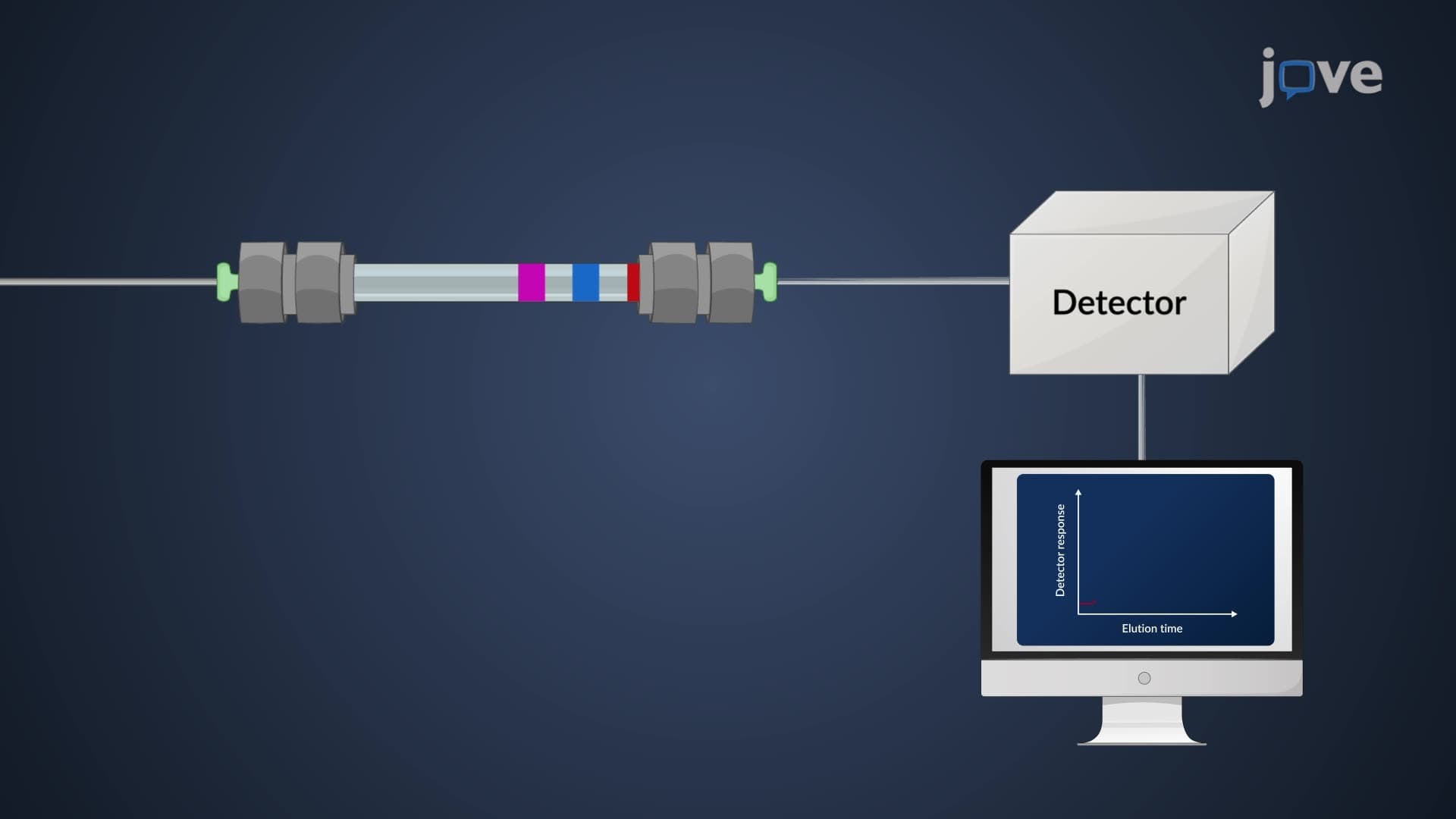
The HPLC detector system transforms separated analytes into measurable signals. UV-visible detectors, most common in undergraduate teaching labs, measure light absorption at specific wavelengths. Mass spectrometry detectors, standard in clinical diagnostics, provide both separation and molecular identification simultaneously. Modern data systems integrate peak areas automatically, calculating concentrations using calibration curves-essential skills for students preparing for MCAT passages involving analytical chemistry or those planning careers in clinical laboratory science.
Related Micro-courses