Loading subject page…


42,895 views
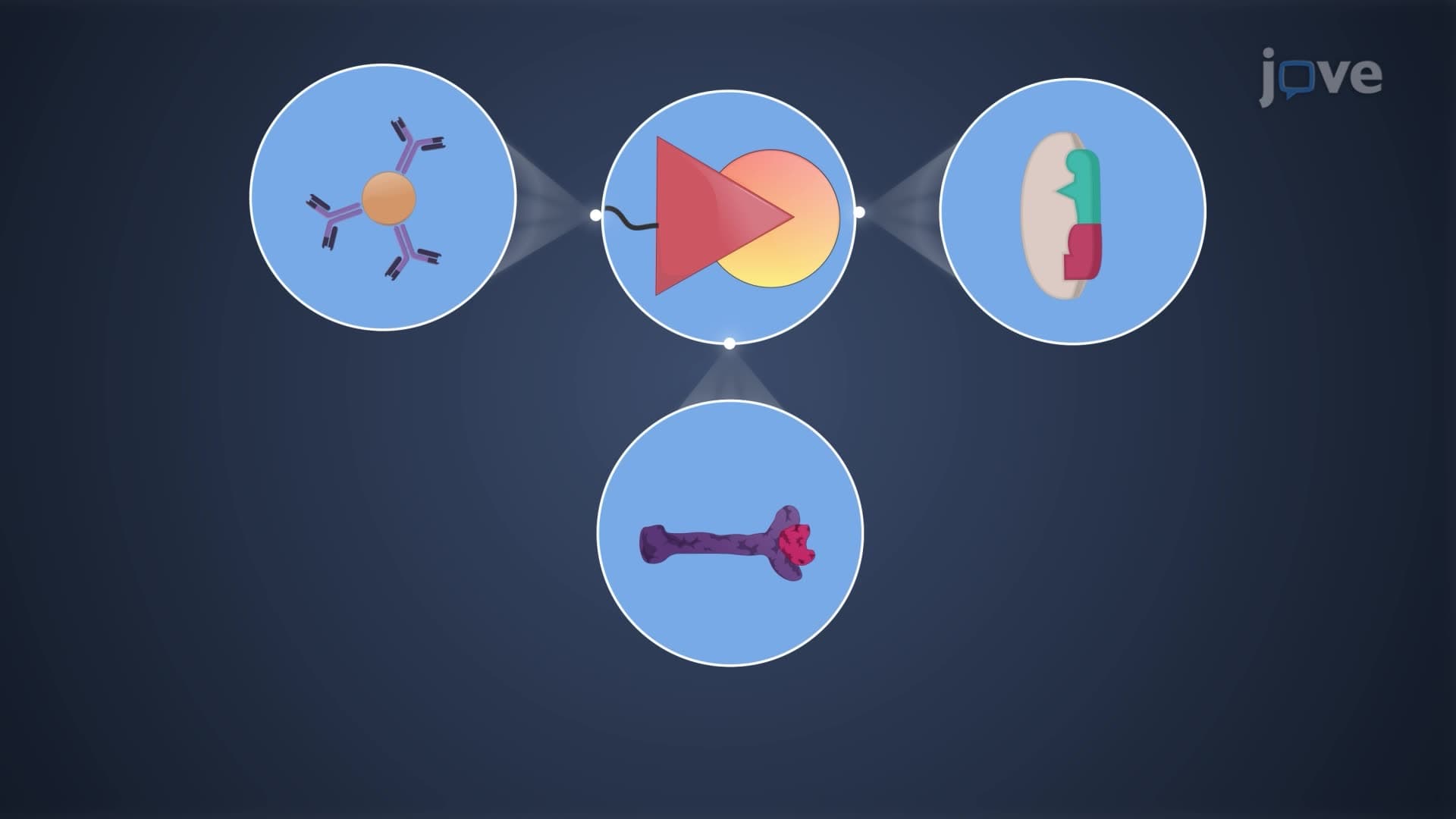

Video Summary: What Is Affinity Chromatography
Ever wondered how scientists isolate insulin from thousands of other proteins in a single cell? Affinity chromatography basics involve using molecular "handshakes" between specific biomolecules to achieve incredibly precise separations. This technique exploits the natural attraction between partners like antibodies and antigens, similar to how researchers at the Mayo Clinic purify therapeutic antibodies for cancer treatment. What is Affinity Chromatography becomes clearer when you see how this biospecific binding creates highly selective purification methods. Watch the full video on JoVE Coach to master this concept with expert-led visuals and step-by-step explanations.
Affinity chromatography explained begins with recognizing that this technique mimics nature's own molecular recognition systems. Unlike traditional chromatography methods that rely on physical properties like size or charge, biospecific affinity chromatography harnesses the specific biological interactions that occur naturally between biomolecules. Think of it as molecular matchmaking-each target molecule has a perfect partner that will bind selectively to it while ignoring everything else in the mixture.
The foundation of this technique lies in the lock-and-key principle that governs biological recognition. When pharmaceutical companies like Genentech purify monoclonal antibodies for cancer therapy, they exploit the precise fit between complementary molecular surfaces. This specificity allows for purification factors of 1000-fold or higher in a single chromatographic step-something nearly impossible with conventional methods.
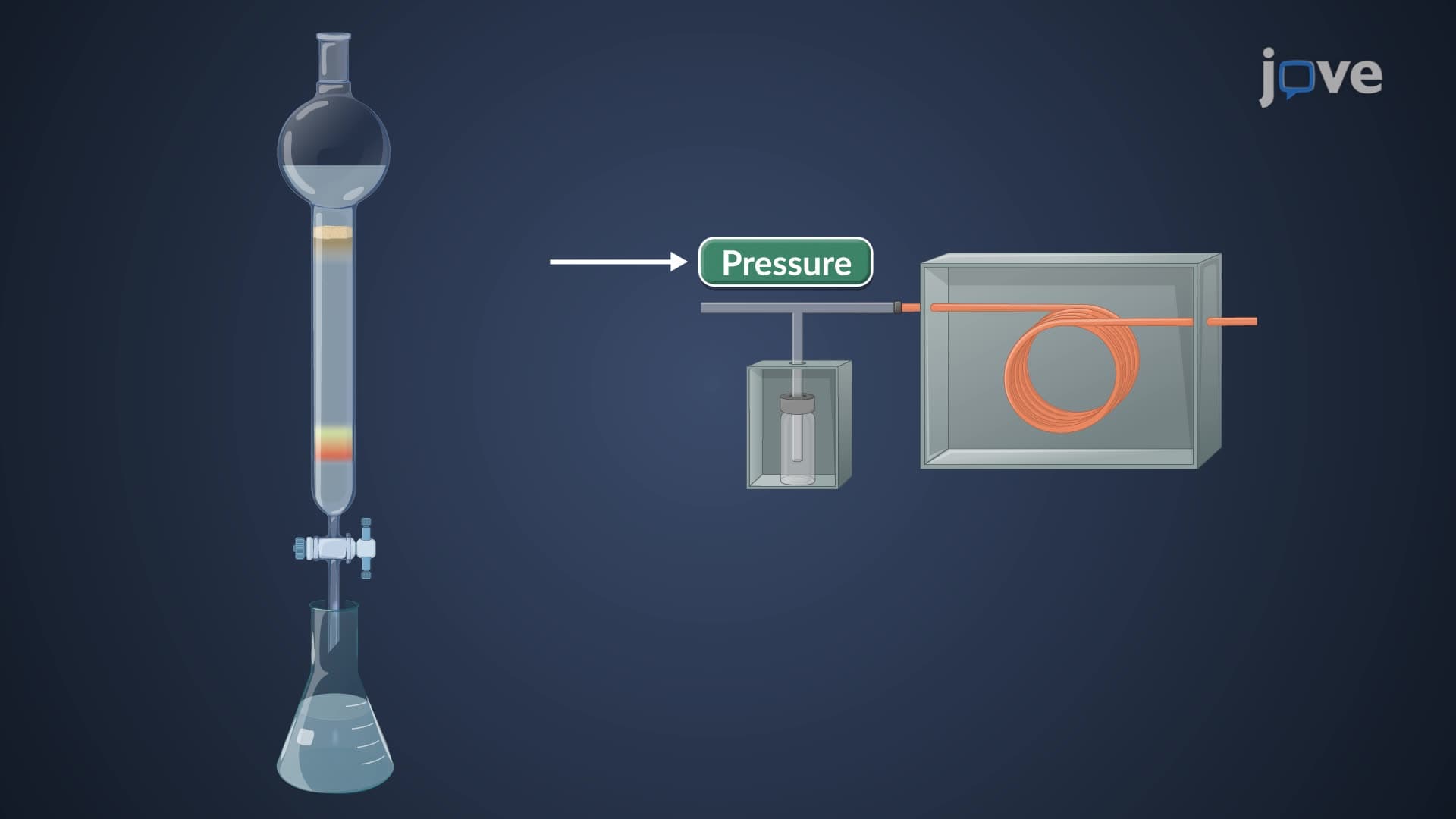
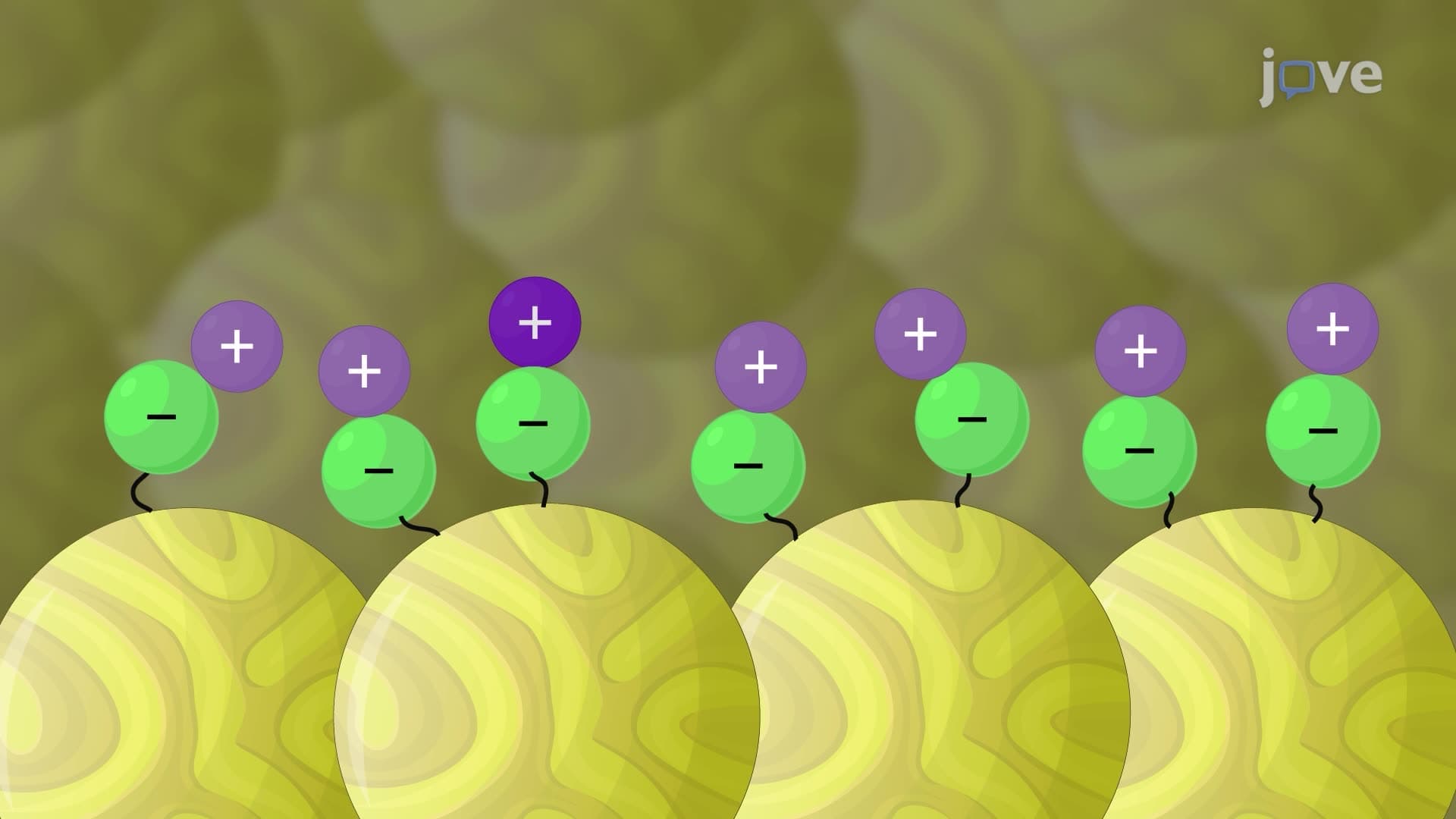
How affinity chromatography separates biomolecules involves a carefully orchestrated three-step process. First, the ligand affinity column is prepared by covalently attaching specific binding partners to solid support materials. These supports, typically agarose beads or glass particles, provide a stable matrix that can withstand the flow pressures while maintaining biological activity of the immobilized ligands.
During the binding phase, sample solutions flow through the column under conditions that favor strong ligand-analyte interactions. The target molecules stick to their complementary ligands like magnets, while unwanted components wash through. This process is remarkably selective-for instance, antibody affinity chromatography can isolate a specific protein even when it represents less than 0.1% of the total protein content in a cell extract.
The final step involves strategic elution to recover purified molecules. Protein purification affinity protocols typically use pH shifts, salt gradients, or competitive binding agents to weaken ligand-analyte interactions. The University of California system's biotechnology programs emphasize that successful elution requires understanding the molecular basis of binding-you need to disrupt specific interactions without destroying the target molecule's biological activity.
Affinity resin selection plays a crucial role in separation success. Different applications demand different support materials: agarose for large proteins, magnetic beads for rapid separations, or glass supports for harsh chemical conditions. Modern pharmaceutical manufacturing, such as insulin production by companies like Eli Lilly, relies on carefully optimized affinity systems that can process thousands of liters while maintaining product purity and activity.
Students preparing for the MCAT will encounter affinity chromatography in biochemistry sections, particularly when studying protein purification and enzyme kinetics. AP Biology courses increasingly include chromatography principles as part of molecular biology units, while college biochemistry labs often feature hands-on affinity purification experiments using systems like protein A columns for antibody purification.
Related Micro-courses