Loading video…


 24 Concepts
 53.1K views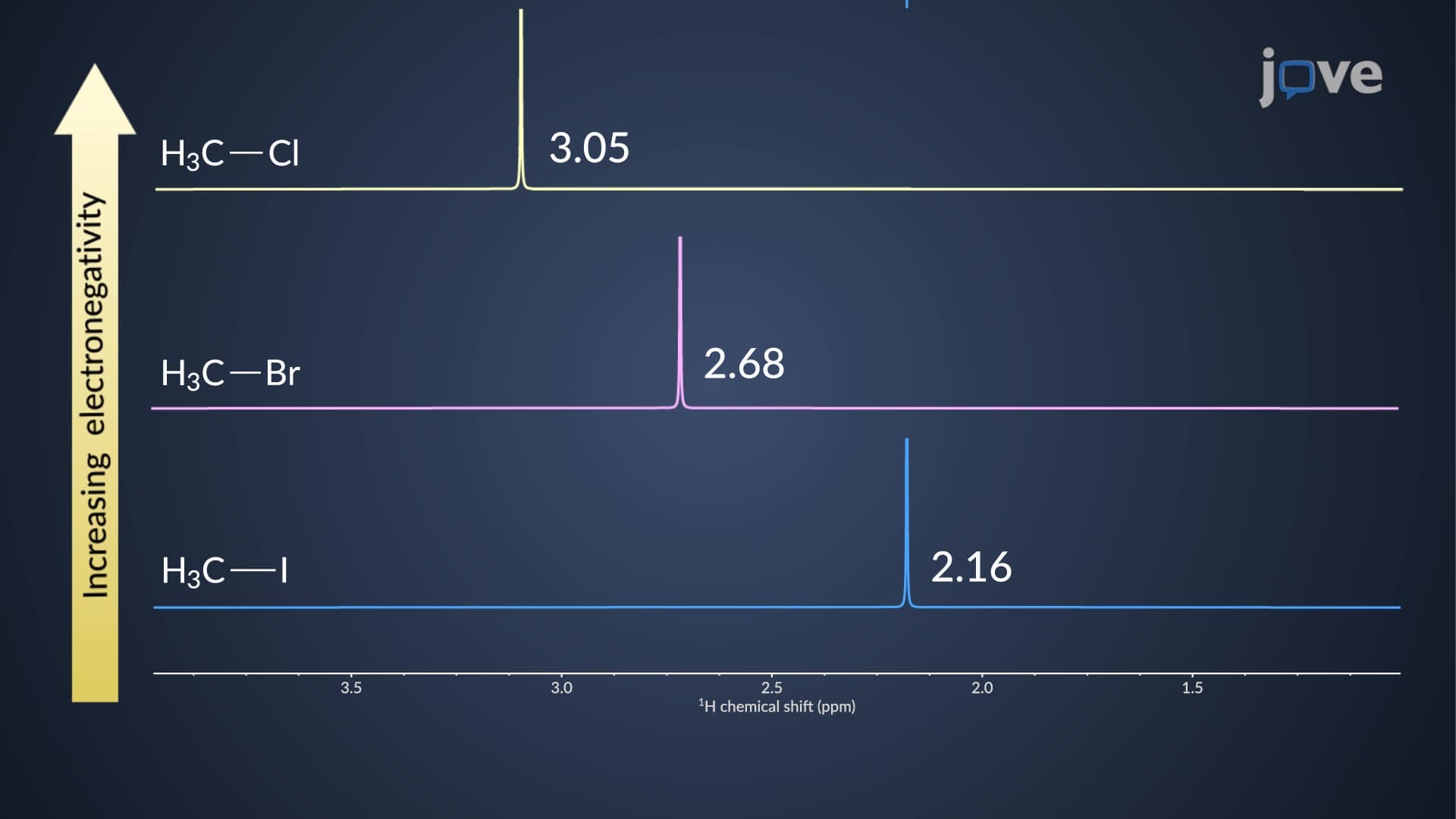

Video Summary: Inductive Effects on Chemical Shift Explained
Why do chloroform's protons appear at 7.26 ppm while methane's show up at only 0.23 ppm in NMR spectra? Inductive effects chemical shift changes occur when electronegative atoms pull electron density away from nearby hydrogen atoms, dramatically altering their magnetic environment. This phenomenon explains why pharmaceuticals containing halogens produce distinct NMR fingerprints that help chemists at companies like Pfizer verify drug purity and structure. Watch the full video on JoVE Coach to master this concept with expert-led visuals and step-by-step explanations.
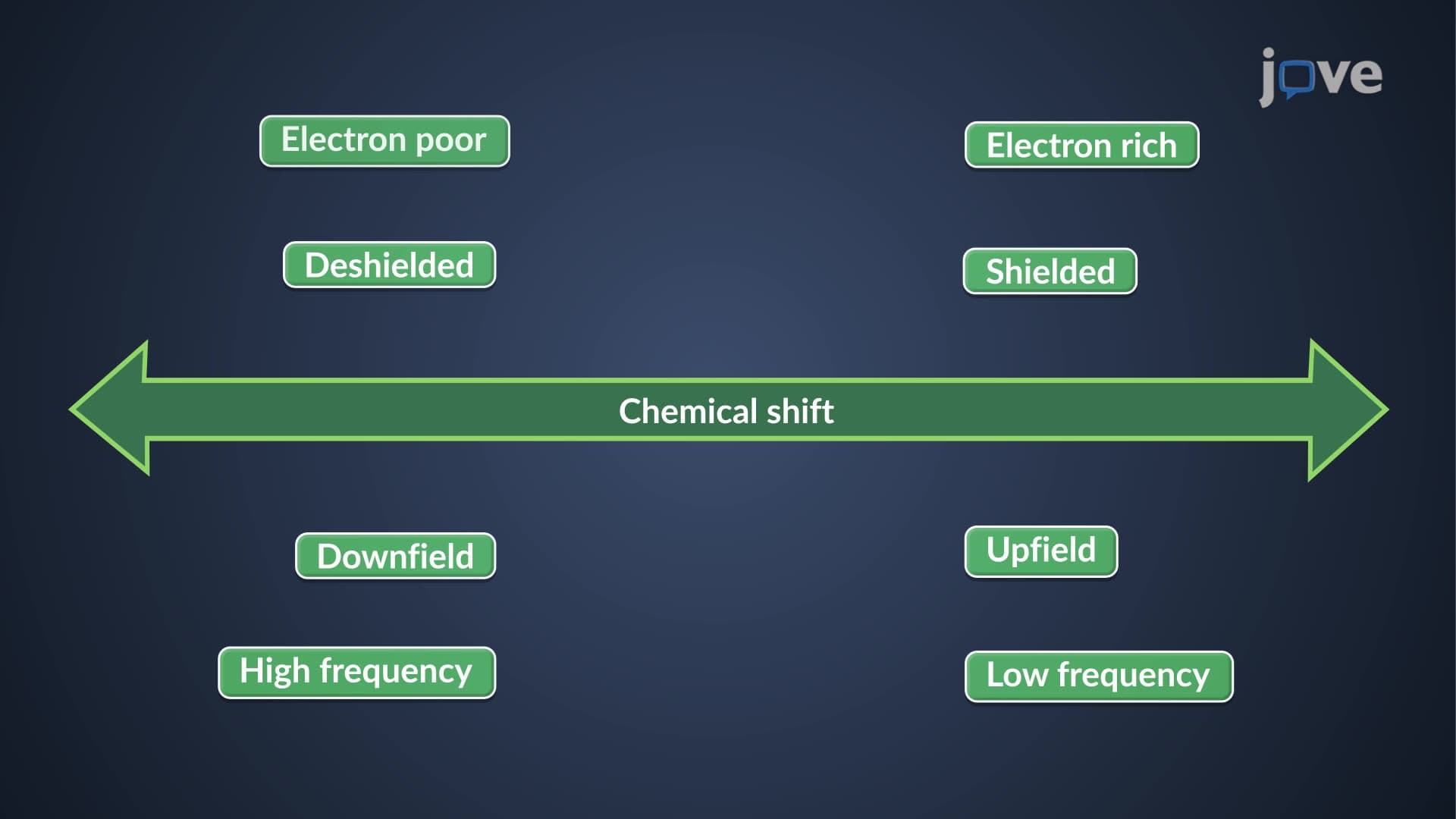
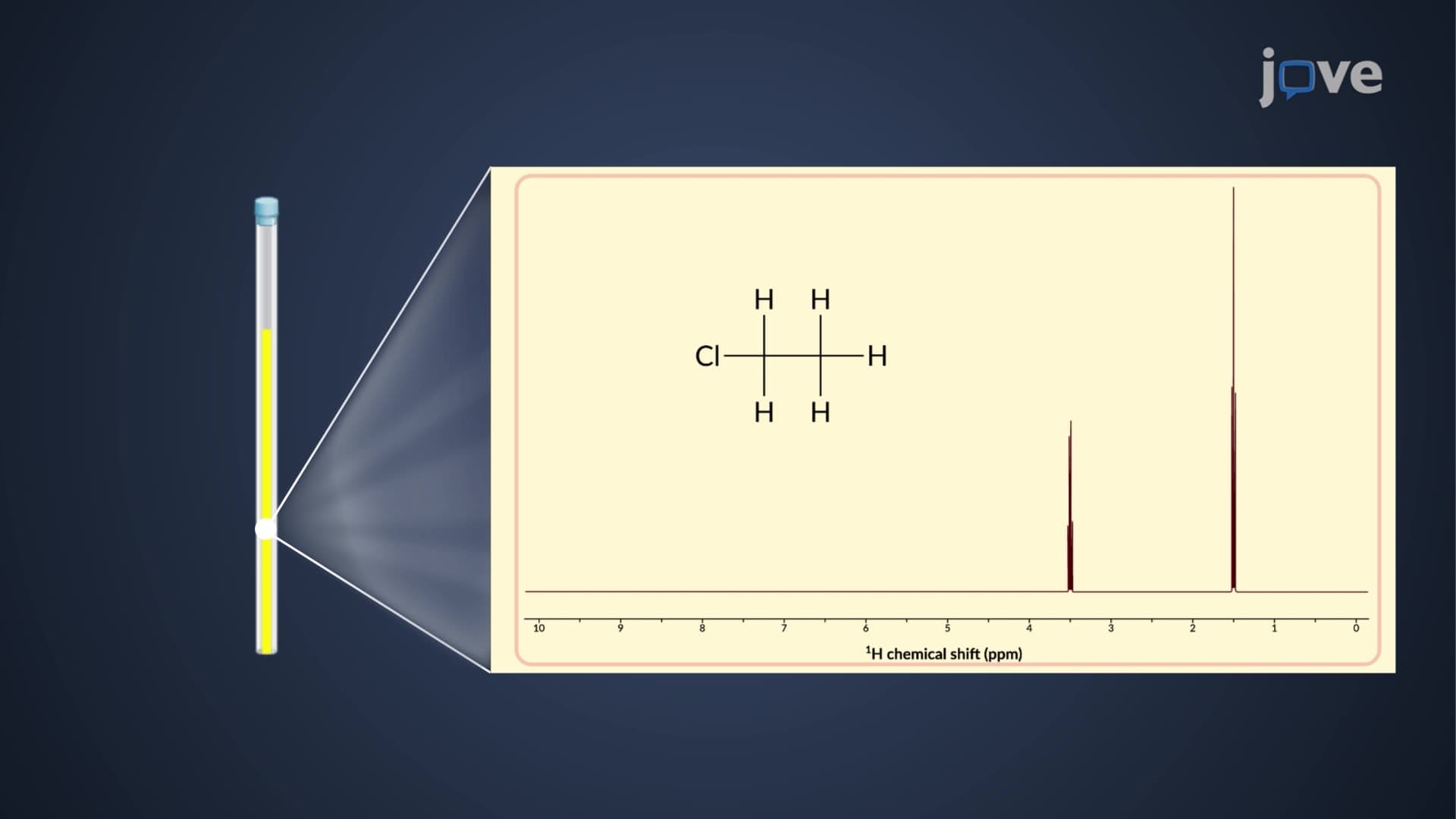
Inductive effects represent one of the most predictable and important factors governing chemical shifts in NMR spectroscopy. When electronegative atoms or groups bond to carbon atoms bearing hydrogen, they create an uneven distribution of electron density through sigma bonds. This electron withdrawal reduces the shielding around nearby protons, causing them to experience a stronger effective magnetic field and resonate at higher chemical shift values (downfield).
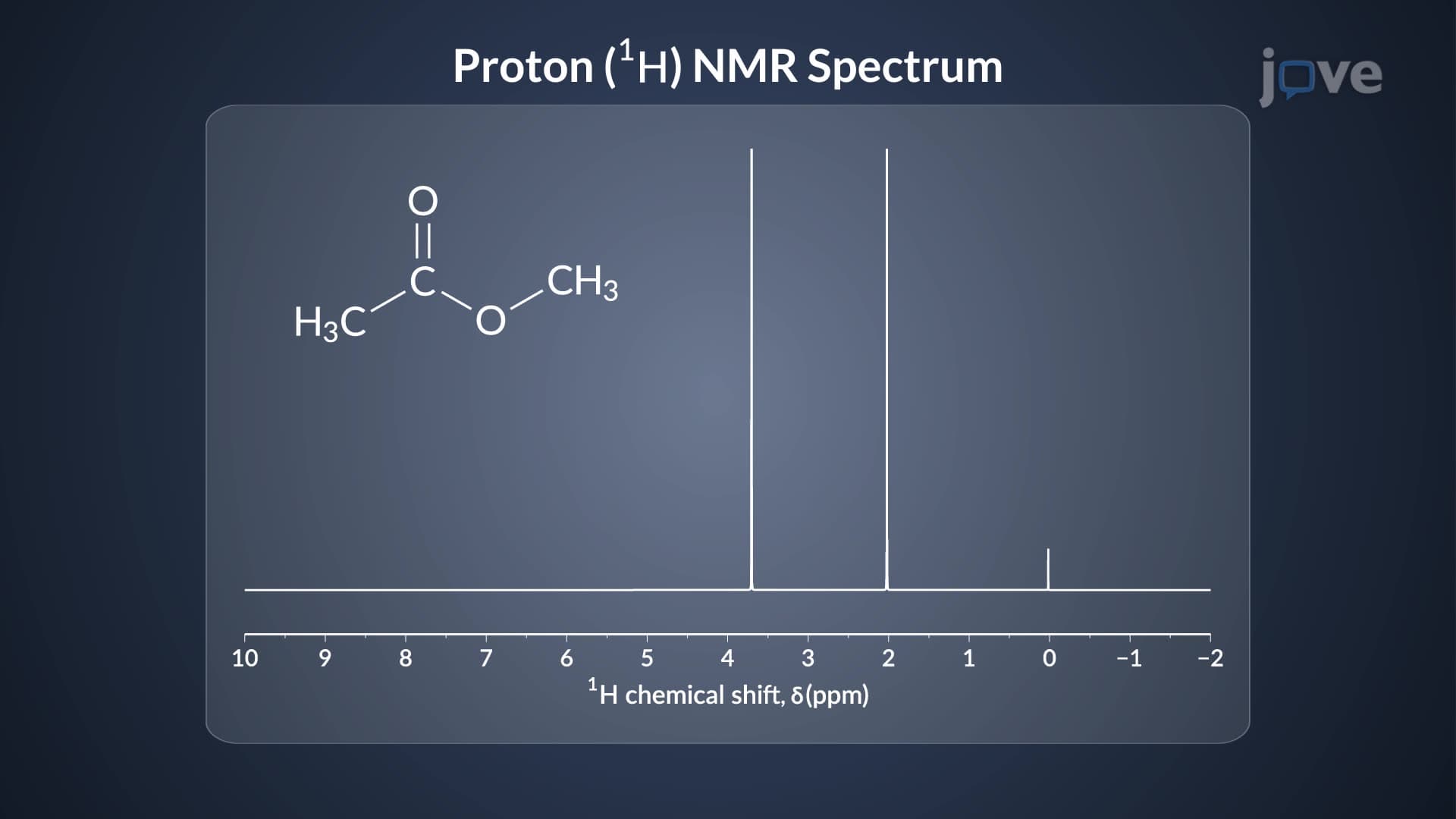
The magnitude of inductive deshielding directly correlates with substituent electronegativity. Fluorine (4.0) produces the strongest downfield shifts, followed by oxygen (3.4), chlorine (3.2), and nitrogen (3.0). For example, methyl fluoride (CH3F) protons appear around 4.3 ppm, while methyl chloride (CH3Cl) protons resonate at 3.0 ppm. Progressive halogen substitution amplifies this effect: methane (0.23 ppm) → chloromethane (3.0 ppm) → dichloromethane (5.3 ppm) → chloroform (7.26 ppm). This pattern helps organic chemistry students predict chemical shifts and appears frequently on MCAT and AP Chemistry exams.
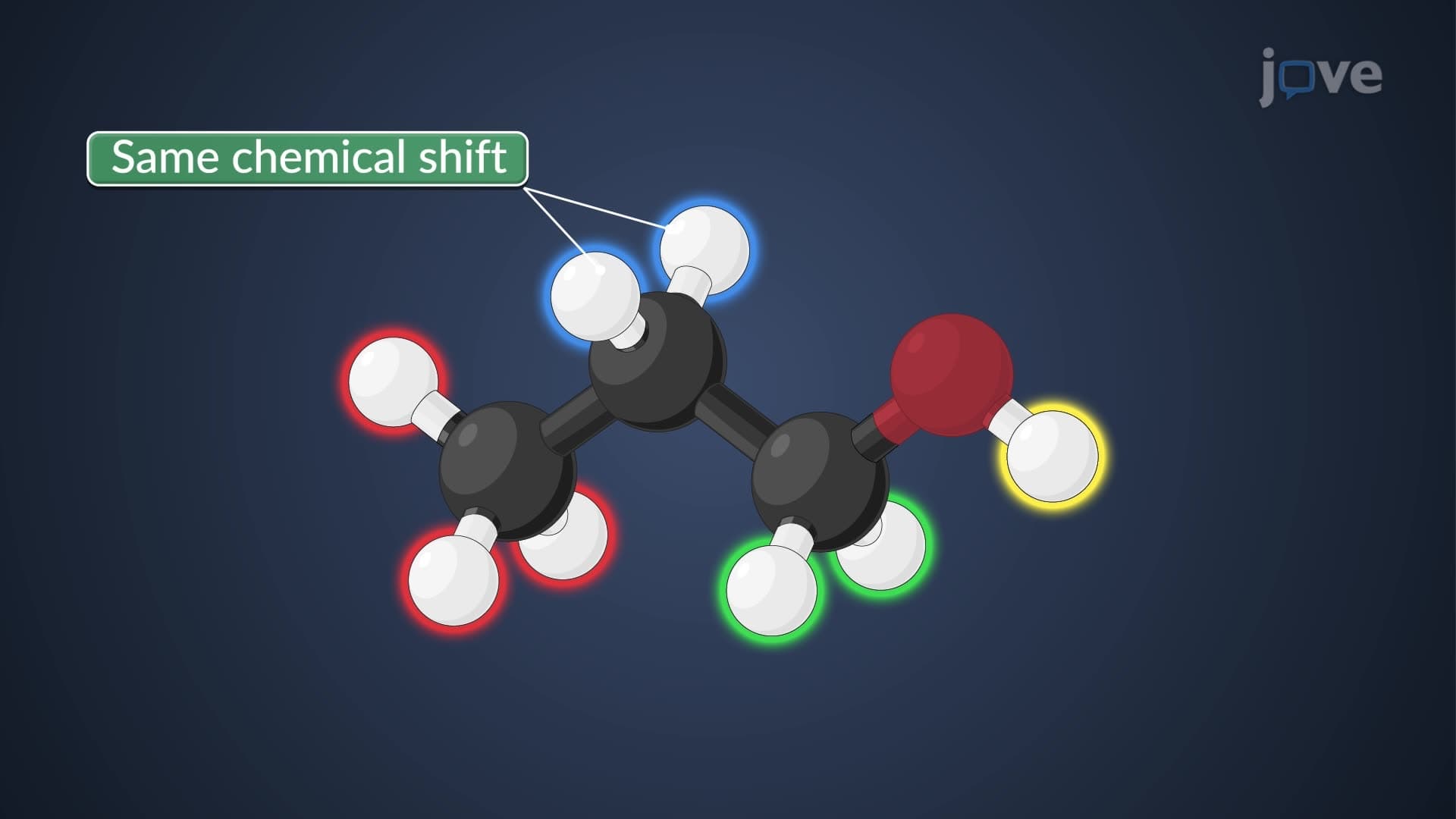
Inductive effects diminish rapidly with distance through sigma bonds. Alpha carbons (directly bonded to the electronegative atom) show the strongest deshielding, beta carbons show moderate effects, and gamma carbons typically show negligible influence. This distance dependence explains why 1-chloropropane shows distinct chemical shifts for each methylene group: the alpha CH2 appears around 3.4 ppm, while the gamma CH3 remains near typical alkyl values around 1.0 ppm.
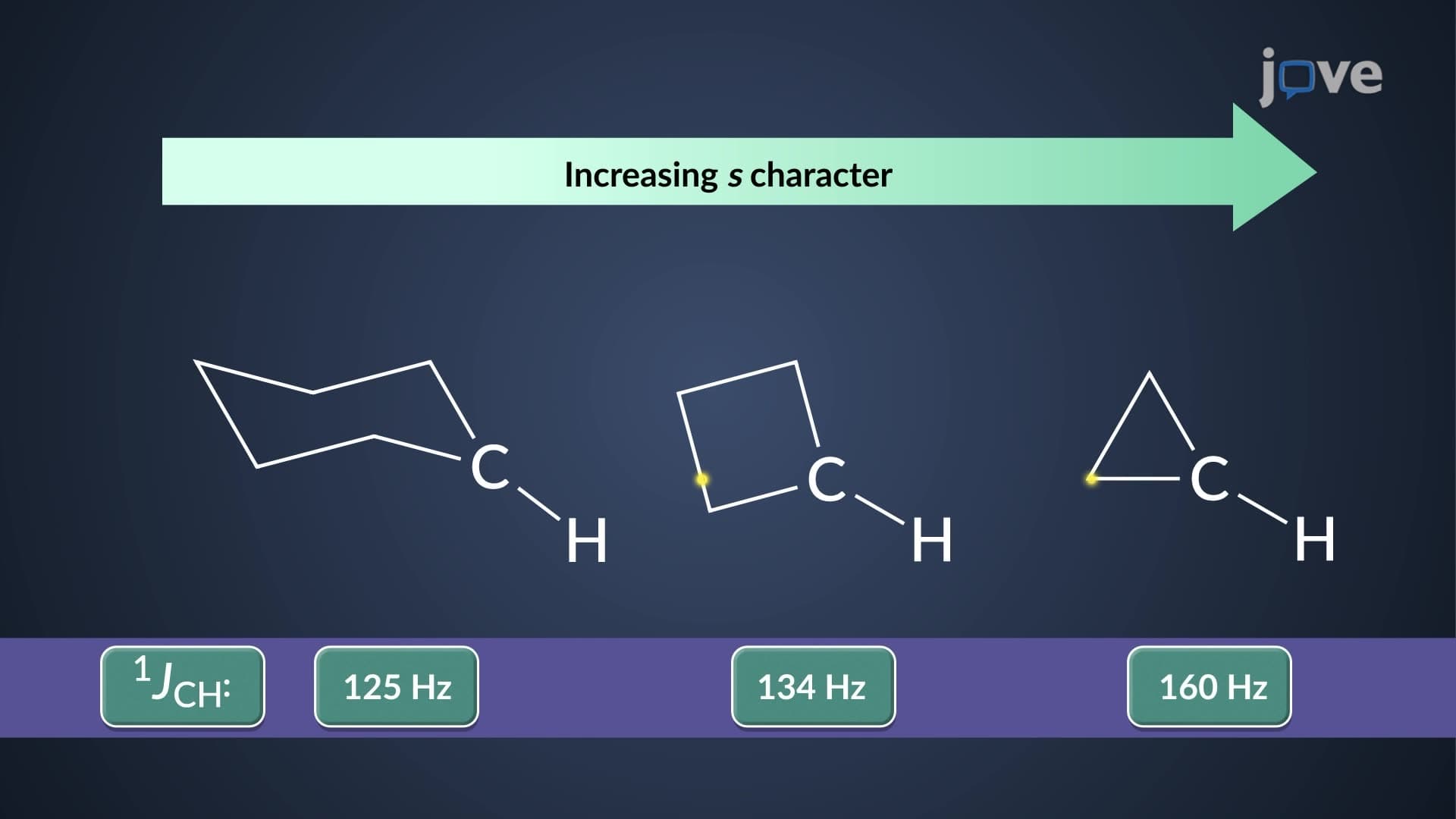
Carbon hybridization also significantly impacts chemical shifts through inductive mechanisms. The higher s-character in sp2 hybridized carbons makes them more electronegative than sp3 carbons, pulling electron density from attached hydrogens. This explains why ethene protons (5.28 ppm) appear much further downfield than ethane protons (0.86 ppm), a concept that frequently appears in undergraduate organic chemistry courses and standardized tests.
Understanding inductive effects proves essential for pharmaceutical analysis, where companies like Johnson & Johnson use NMR to verify drug structure and purity. Environmental chemists at the EPA employ these principles when analyzing halogenated contaminants in water supplies. For students, mastering these concepts helps with AP Chemistry free-response questions, MCAT passage-based problems, and college organic chemistry exams that require predicting or interpreting NMR spectra based on molecular structure.
Related Micro-courses