Loading video…


 24 Concepts
 53.1K views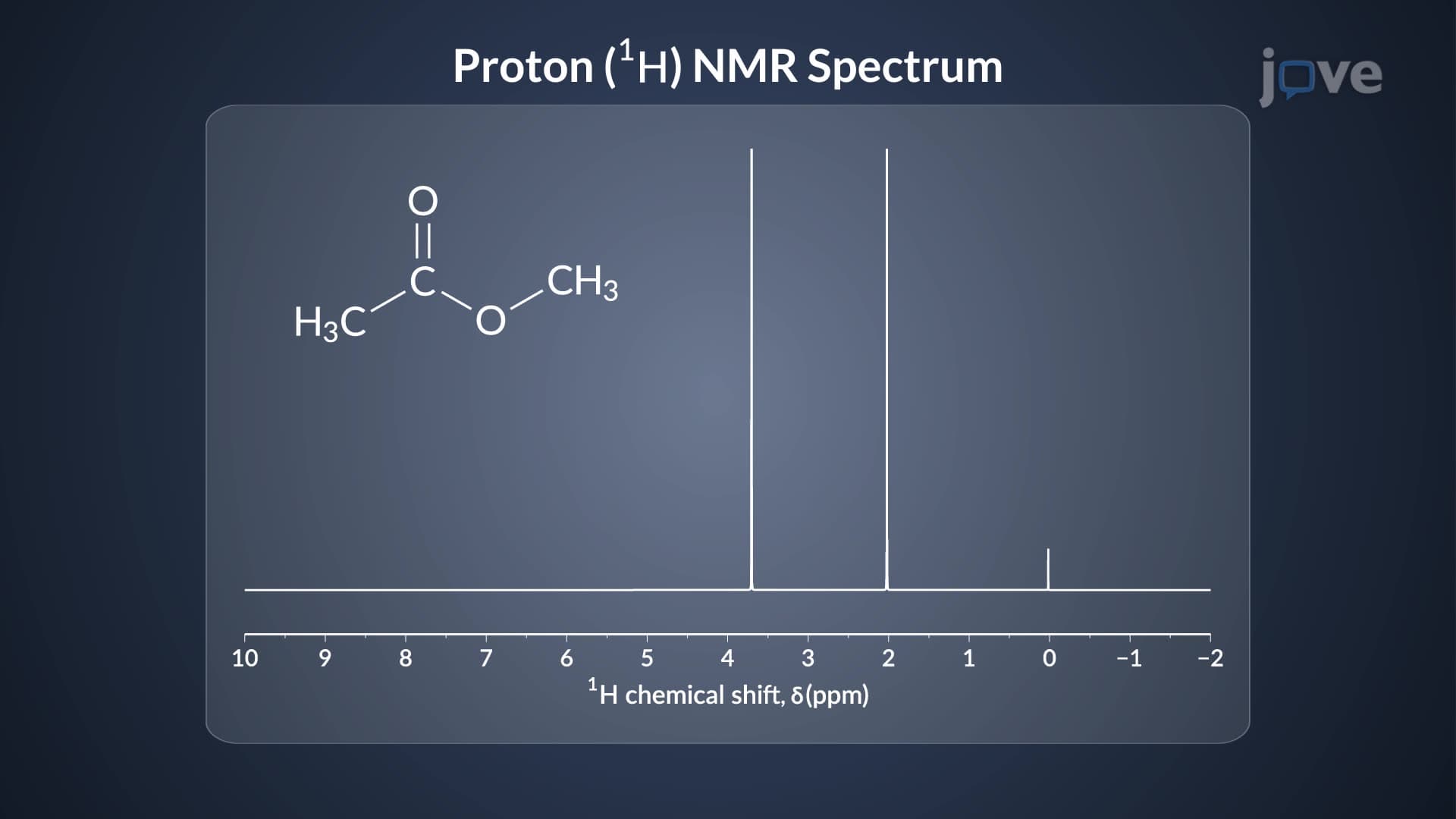

Video Summary: Proton H Nmr Chemical Shift Explained
Did you know that a simple aspirin tablet contains hydrogen atoms that show up at completely different positions on an NMR spectrum? Proton NMR chemical shift reveals exactly where these hydrogen environments appear, with each type creating distinct peaks based on their molecular surroundings. Understanding Proton H NMR Chemical Shift Explained helps chemists identify unknown compounds in pharmaceutical labs across the US. Watch the full video on JoVE Coach to master this concept with expert-led visuals and step-by-step explanations.
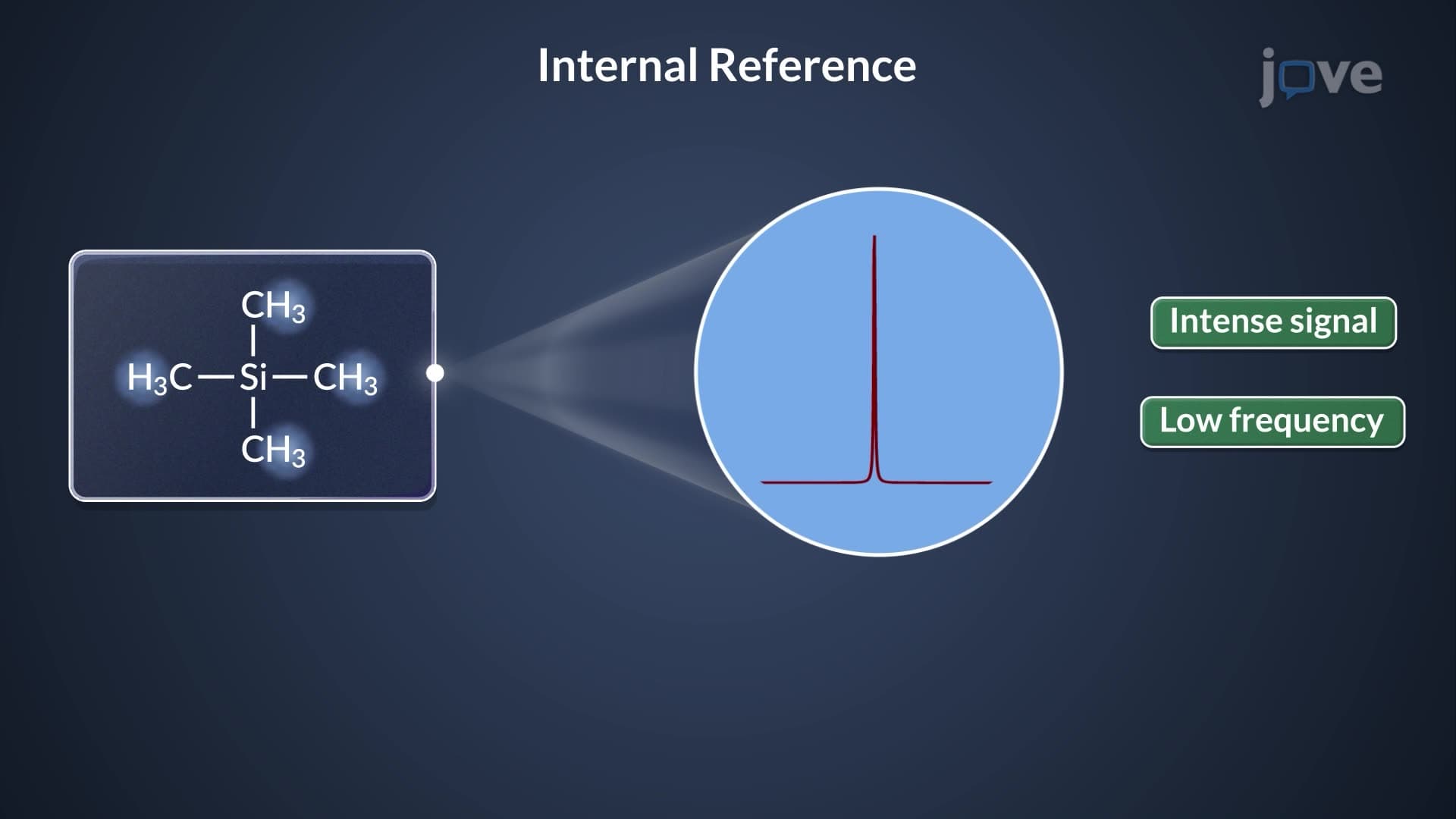
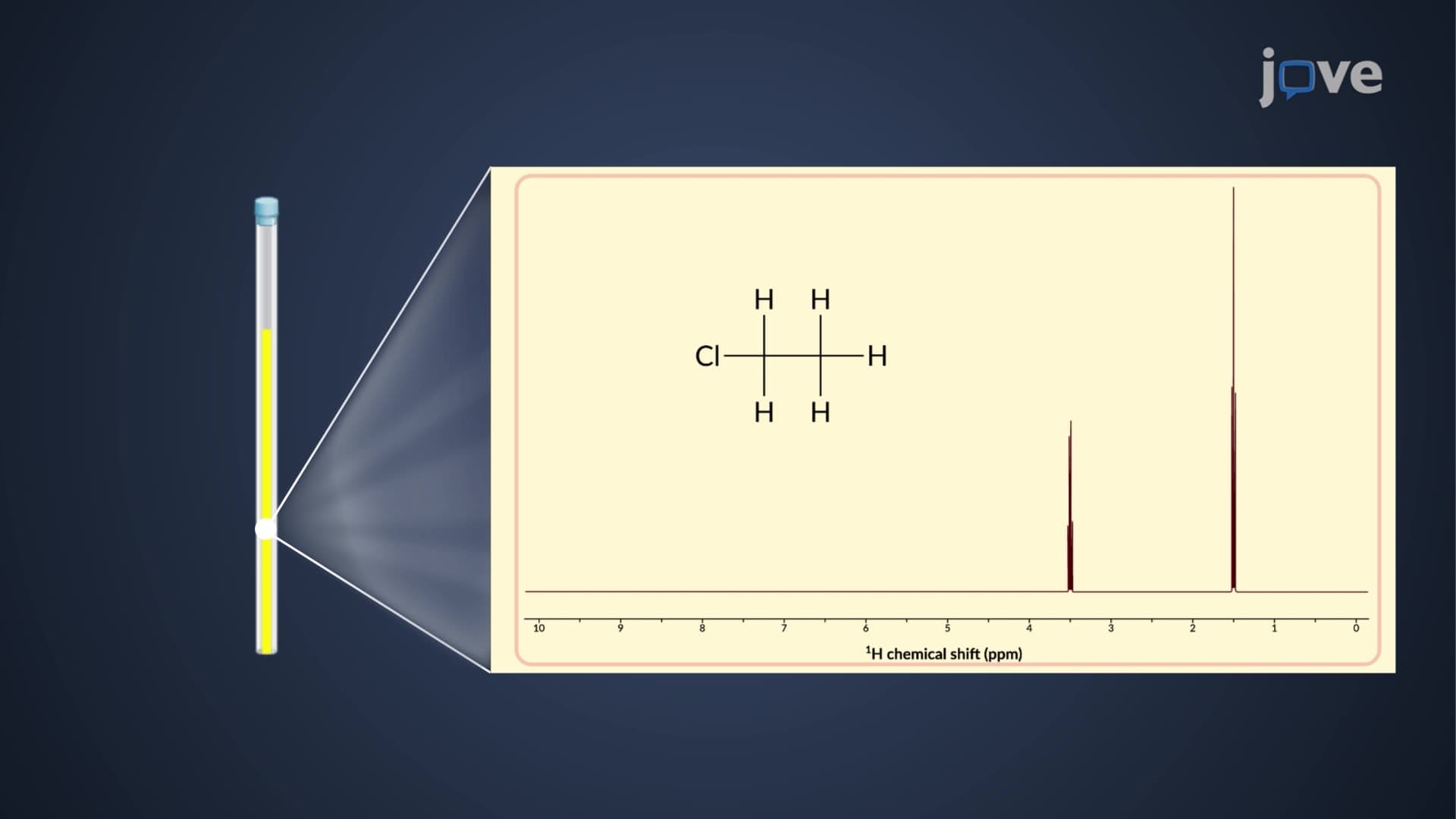
Proton H NMR chemical shift represents one of the most powerful tools in organic chemistry for identifying molecular structures. When hydrogen nuclei are placed in a magnetic field, they experience different local magnetic environments depending on the electrons and atoms surrounding them. This creates unique "fingerprints" that appear at specific positions on the NMR spectrum, measured in parts per million (ppm) relative to a reference standard.
The strength of proton NMR stems from hydrogen-1's exceptional properties. With its large magnetogyric ratio, protium nuclei generate strong absorption signals that are easily detected. This makes H NMR chemical shift values highly reliable for structural determination in pharmaceutical research, environmental analysis, and academic laboratories throughout the United States.
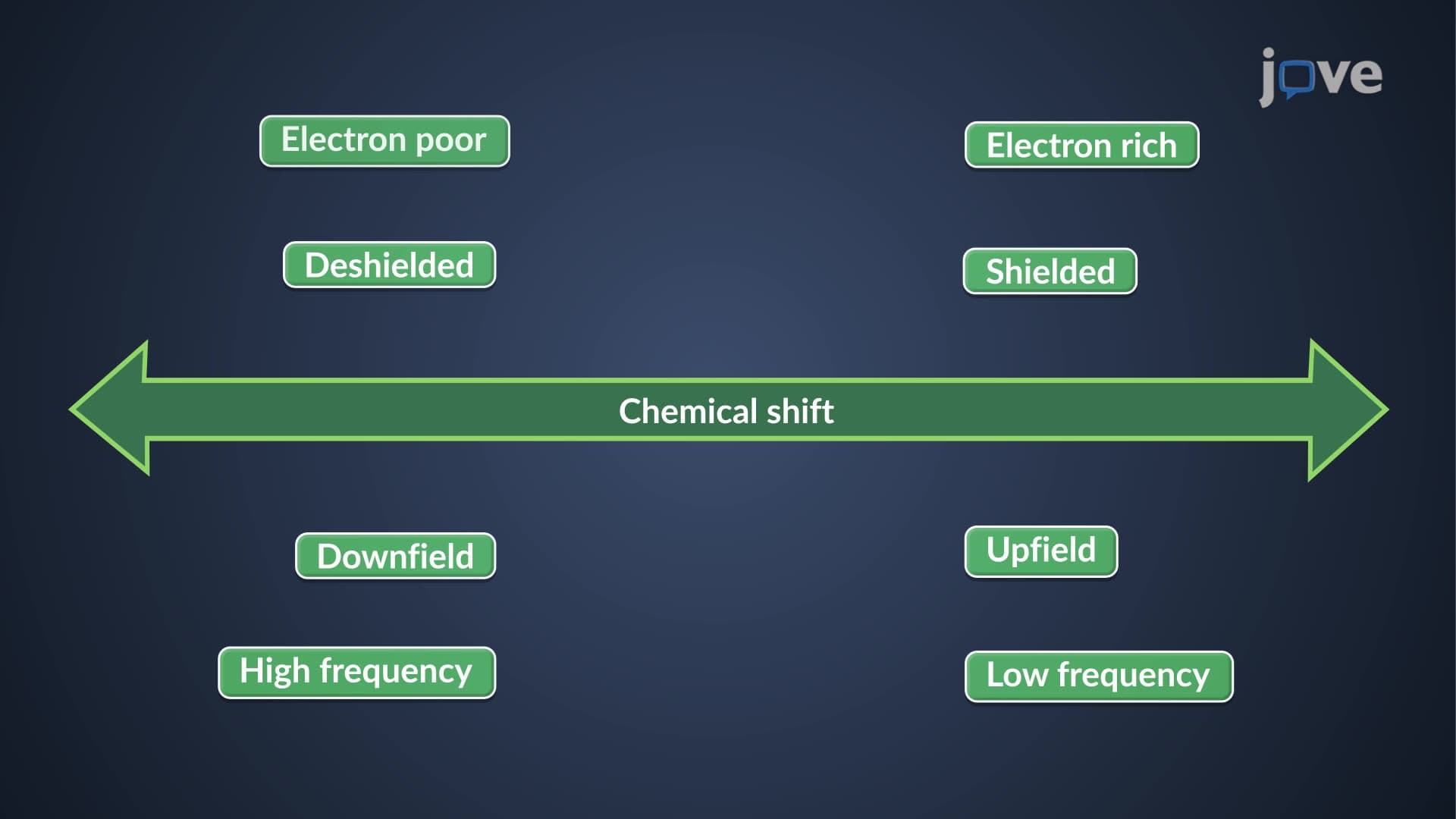
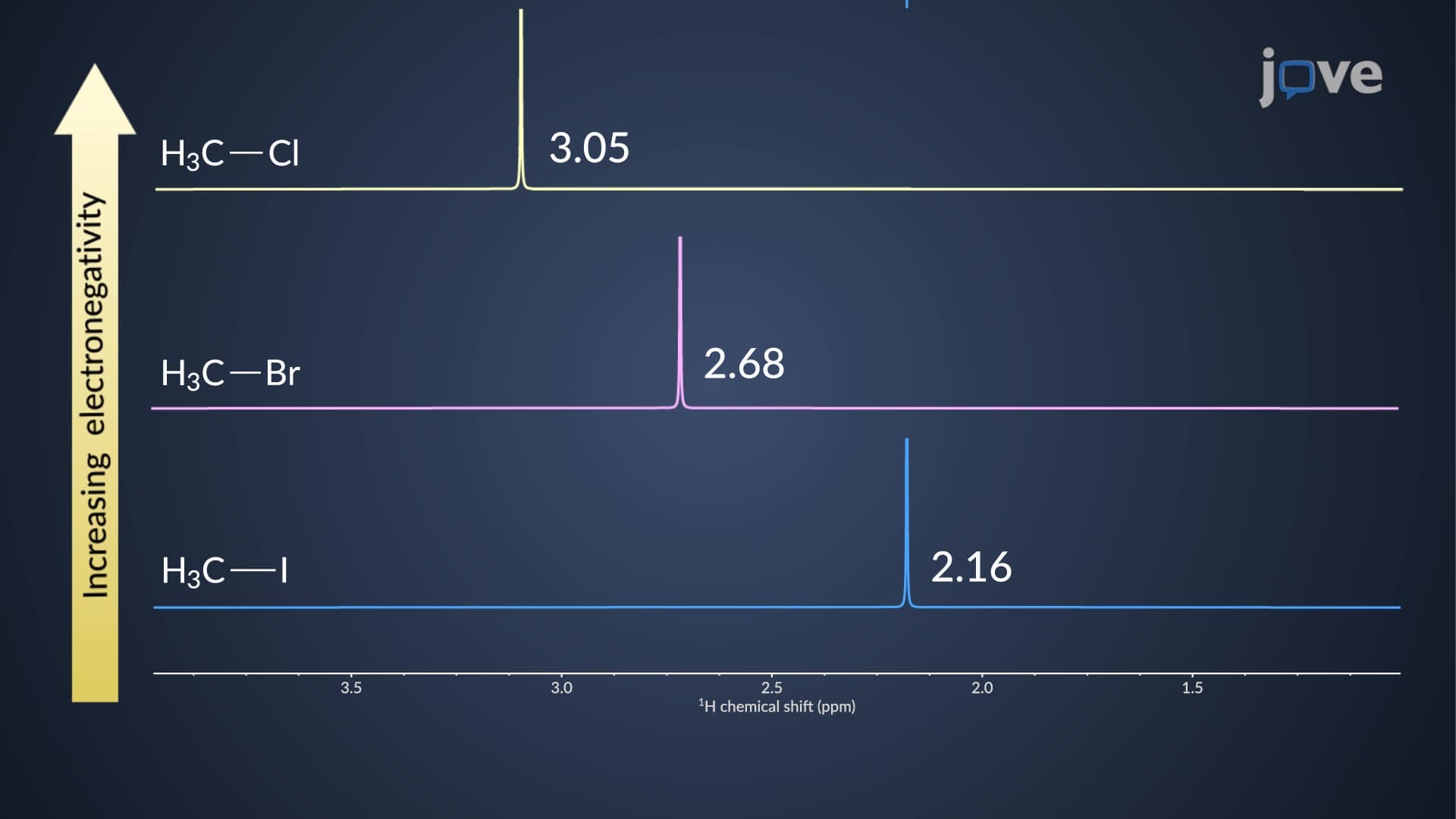
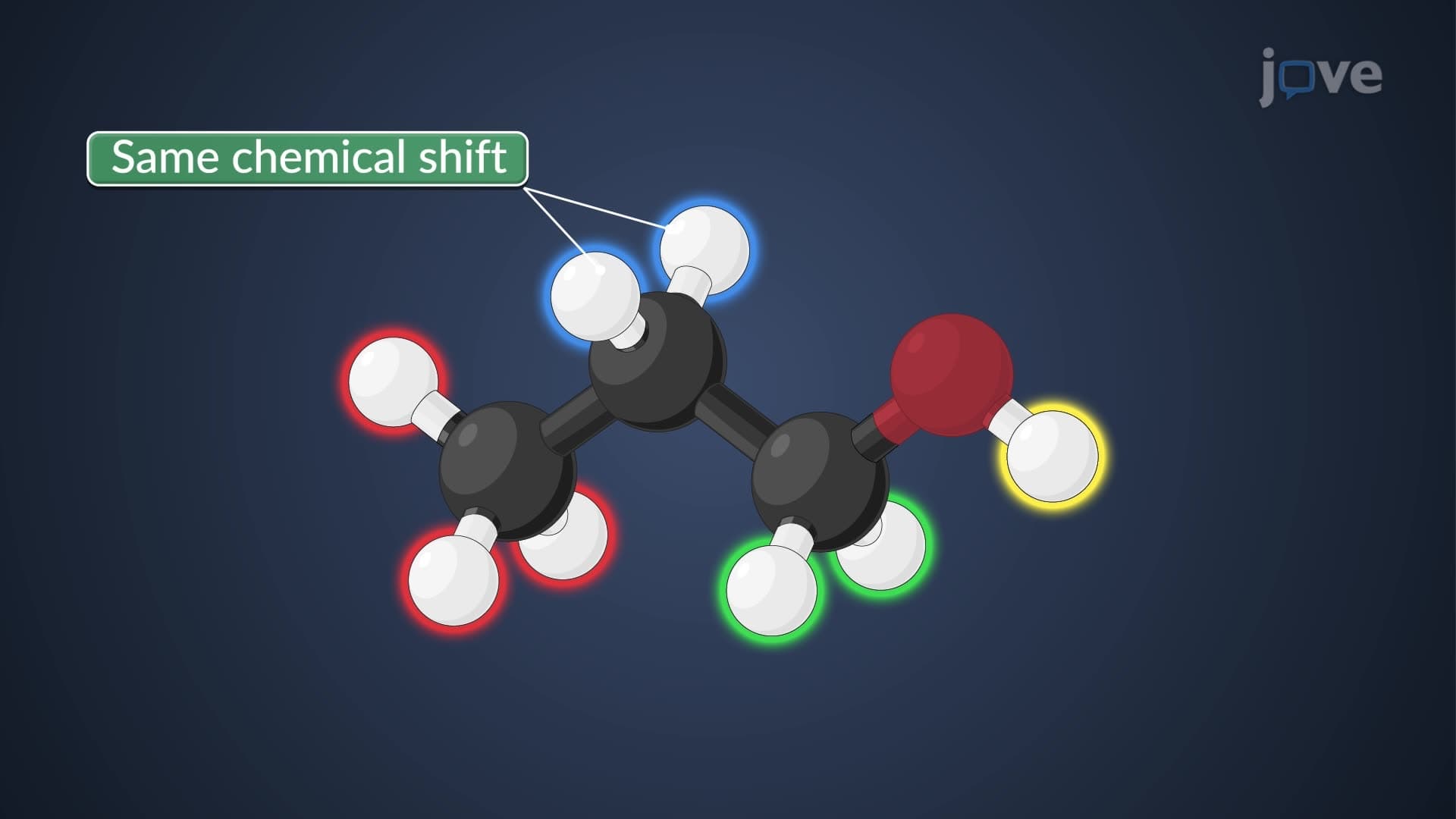
What determines proton NMR chemical shift lies primarily in the electronic environment surrounding each hydrogen atom. Electrons create a "shield" that reduces the magnetic field experienced by the nucleus. When electronegative atoms like oxygen or nitrogen are nearby, they pull electron density away from the hydrogen, causing "deshielding." This moves the chemical shift downfield (to higher ppm values).
For example, in methyl acetate, the methoxy protons appear at 3.7 ppm because oxygen's electronegativity deshields these hydrogens. Meanwhile, the methyl protons adjacent to the carbonyl appear at 2.1 ppm, showing moderate deshielding from the electron-withdrawing carbonyl group. Students preparing for the AP Chemistry exam or college organic chemistry courses should memorize these characteristic patterns.
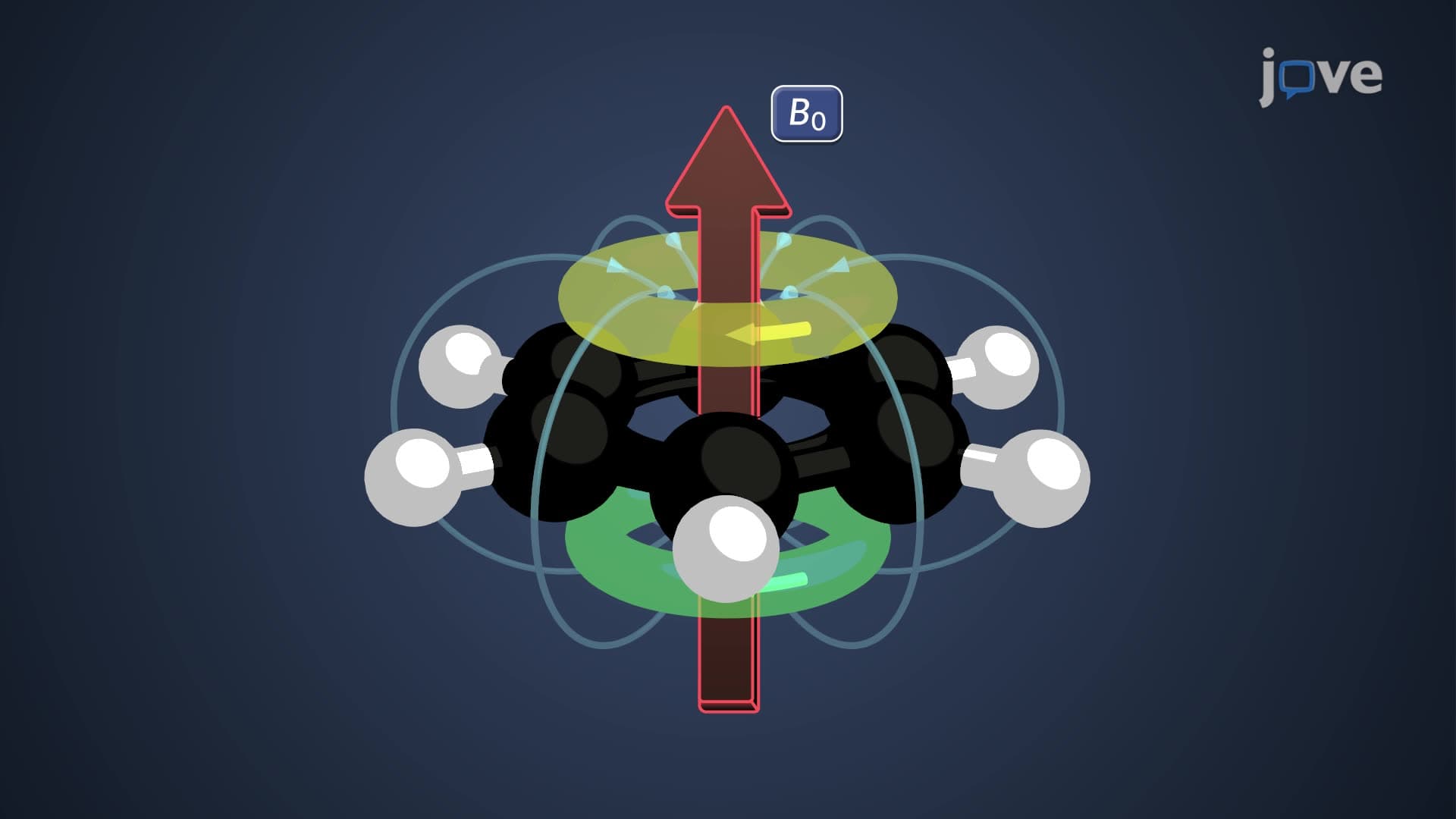
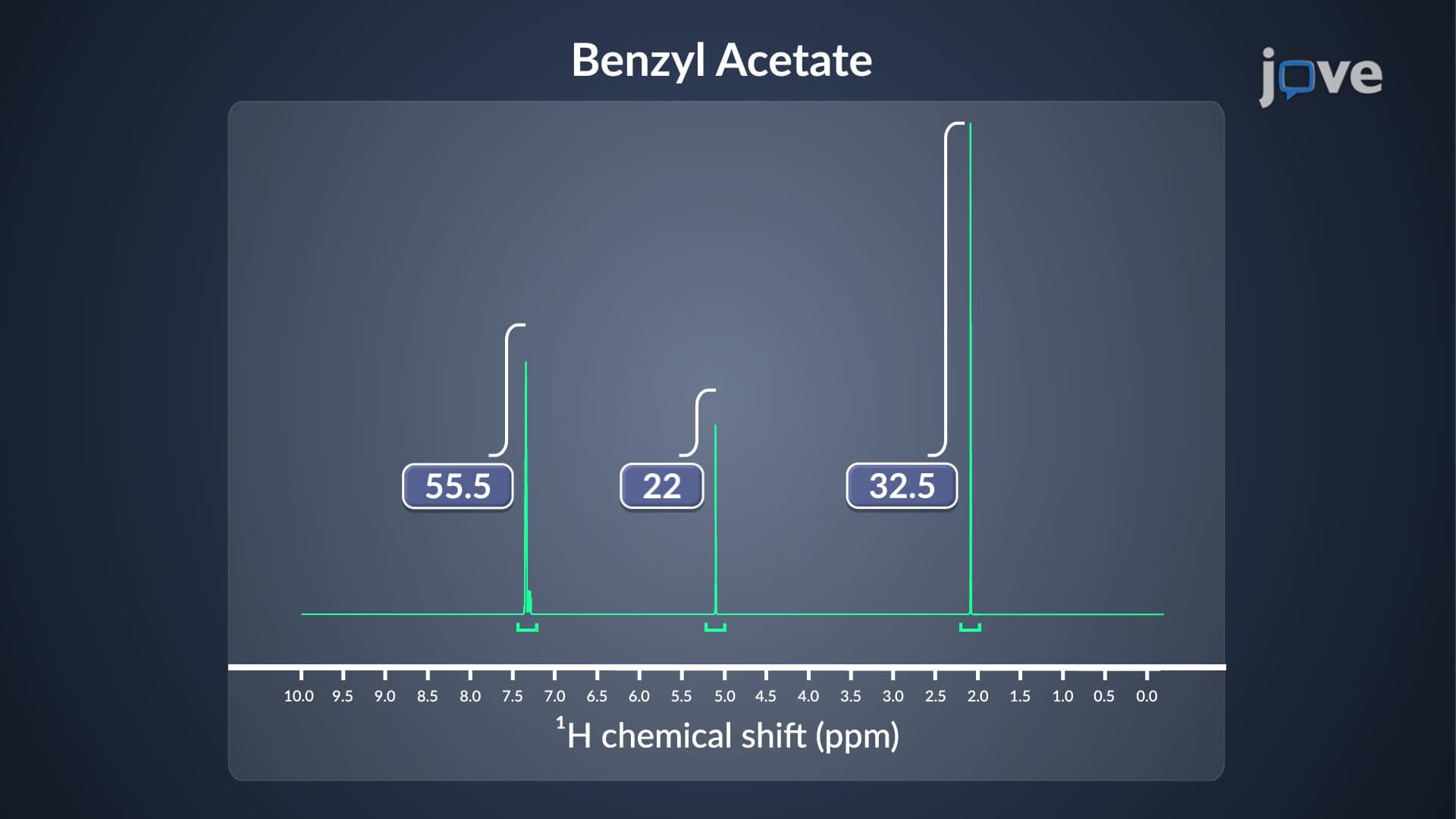
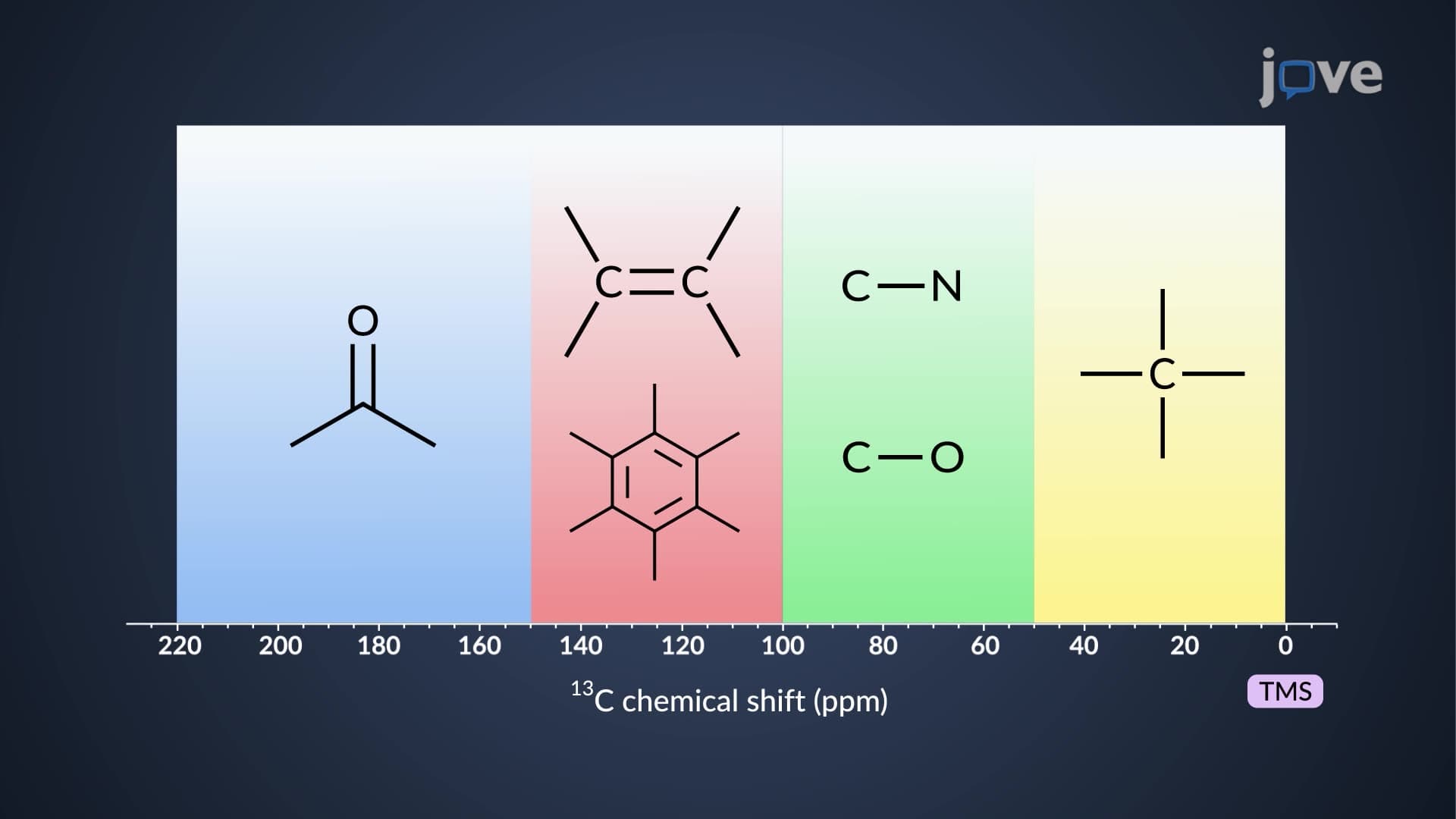
1H NMR shift ranges follow predictable patterns that organic chemists rely on daily. Alkyl protons typically appear between 0.8-1.5 ppm, while protons on carbons adjacent to electron-withdrawing groups shift downfield. Aromatic proton shift NMR signals appear much further downfield (7-8 ppm) due to the deshielding effect of the aromatic ring current.
OH NH chemical shift NMR values are particularly variable, often appearing between 1-5 ppm for alcohols and 1-3 ppm for amines, depending on concentration and hydrogen bonding. These exchangeable protons sometimes show broad peaks due to rapid exchange with trace water or other protic solvents.
Understanding CH shift values NMR patterns enables chemists to solve complex structural puzzles. In pharmaceutical development, companies like Pfizer and Johnson & Johnson use proton NMR to verify drug purity and identify degradation products. The narrow 0-10 ppm range contains most organic proton signals, making interpretation manageable for students and professionals alike.
College students taking organic chemistry lab courses frequently use chemical shift data to confirm synthetic products. By comparing observed shifts with literature values, they can verify successful reactions and identify unexpected byproducts. This skill proves invaluable for pre-med students preparing for the MCAT, where NMR interpretation questions regularly appear.
Related Micro-courses