Loading video…


 24 Concepts
 53.1K views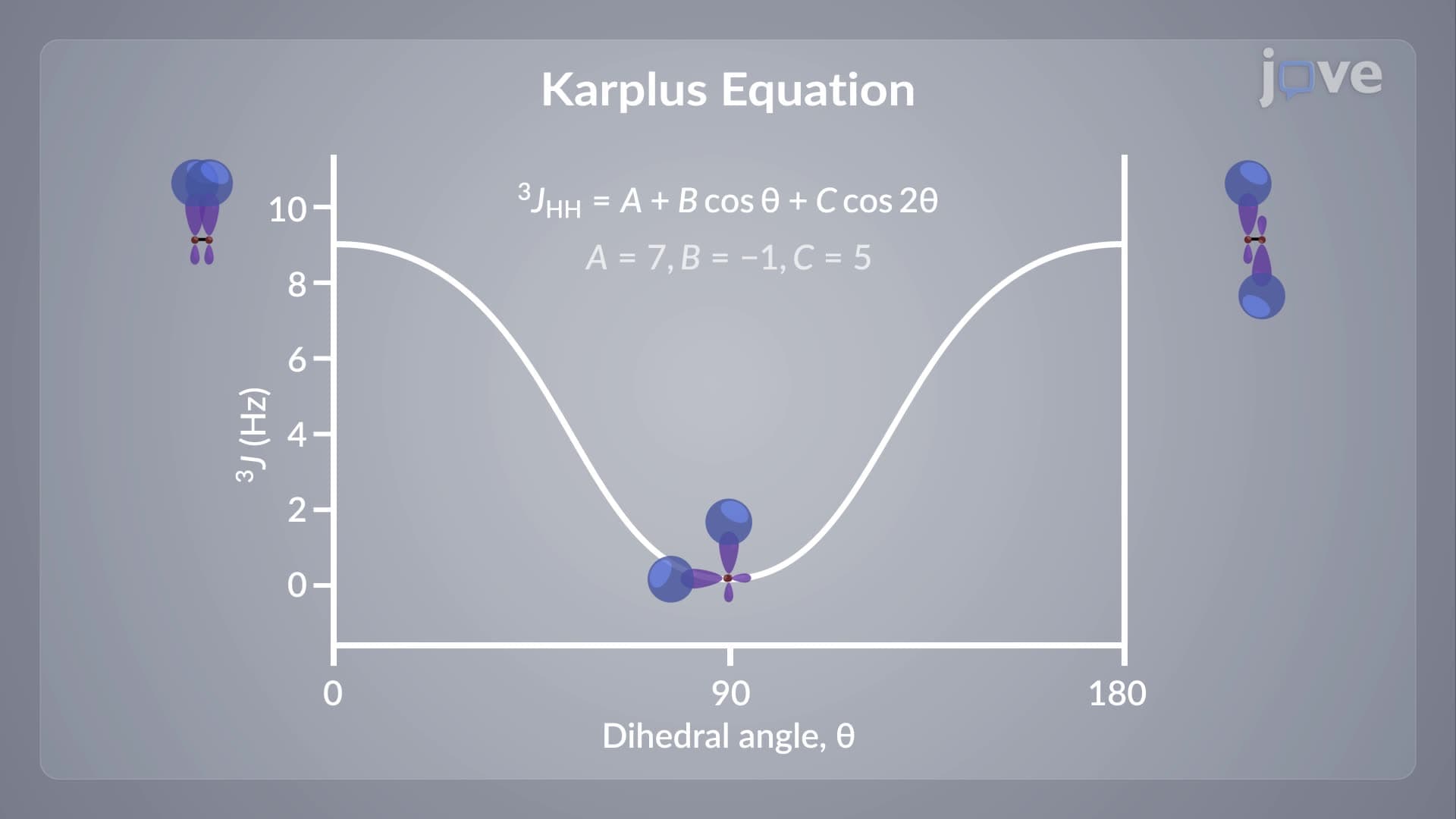

Video Summary: Spin Spin Coupling Three Bond Explained
Ever wonder how chemists determine molecular structure without breaking apart compounds? Three bond coupling NMR reveals hidden connections between hydrogen atoms separated by exactly three chemical bonds, like detective work at the molecular level. This phenomenon helps pharmaceutical companies at Pfizer and Merck identify drug structures during development. Spin spin coupling three bond explained shows how nuclear spins "talk" to each other through electron pathways, creating signature patterns that reveal molecular architecture. Watch the full video on JoVE Coach to master this concept with expert-led visuals and step-by-step explanations.
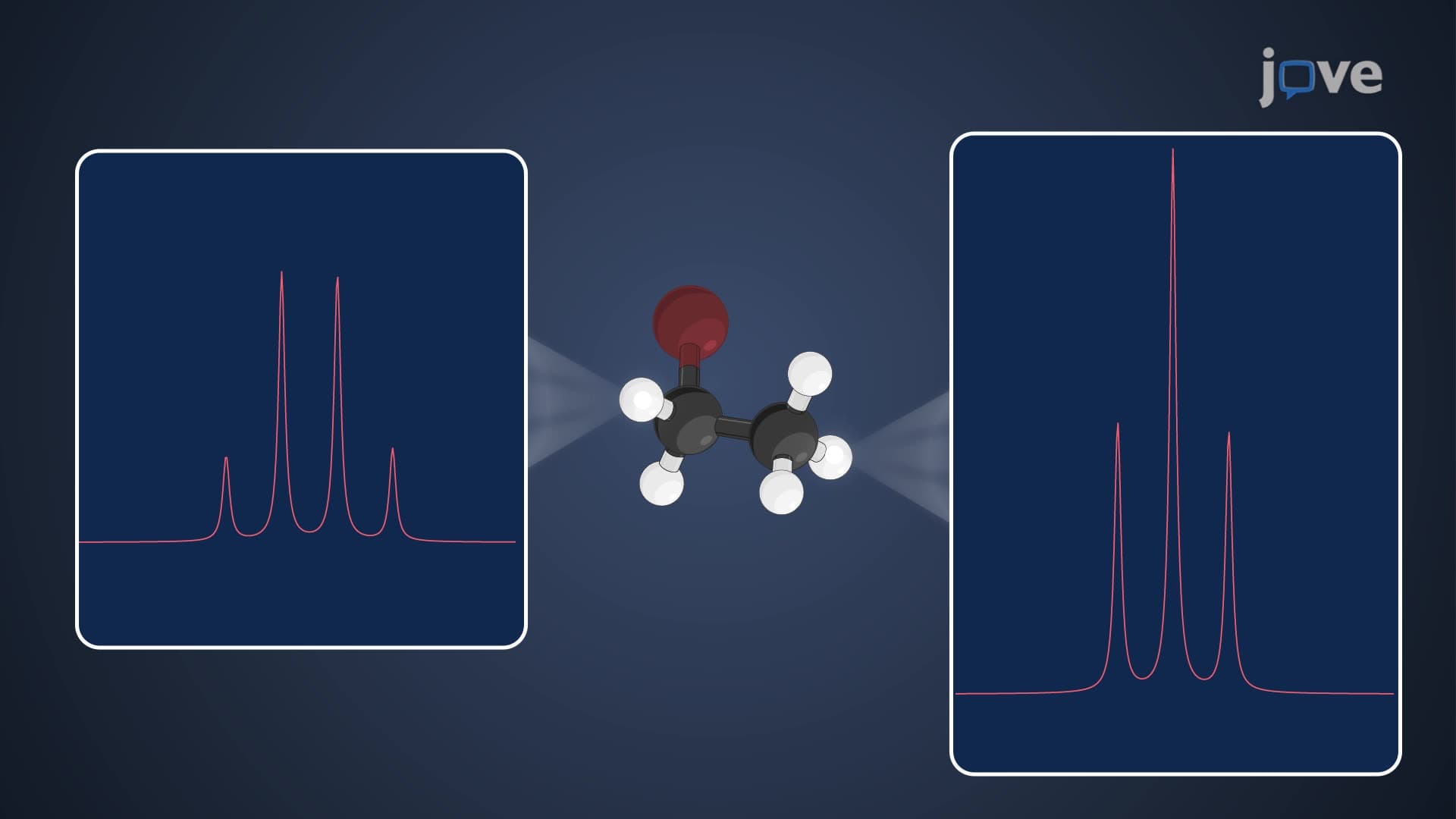
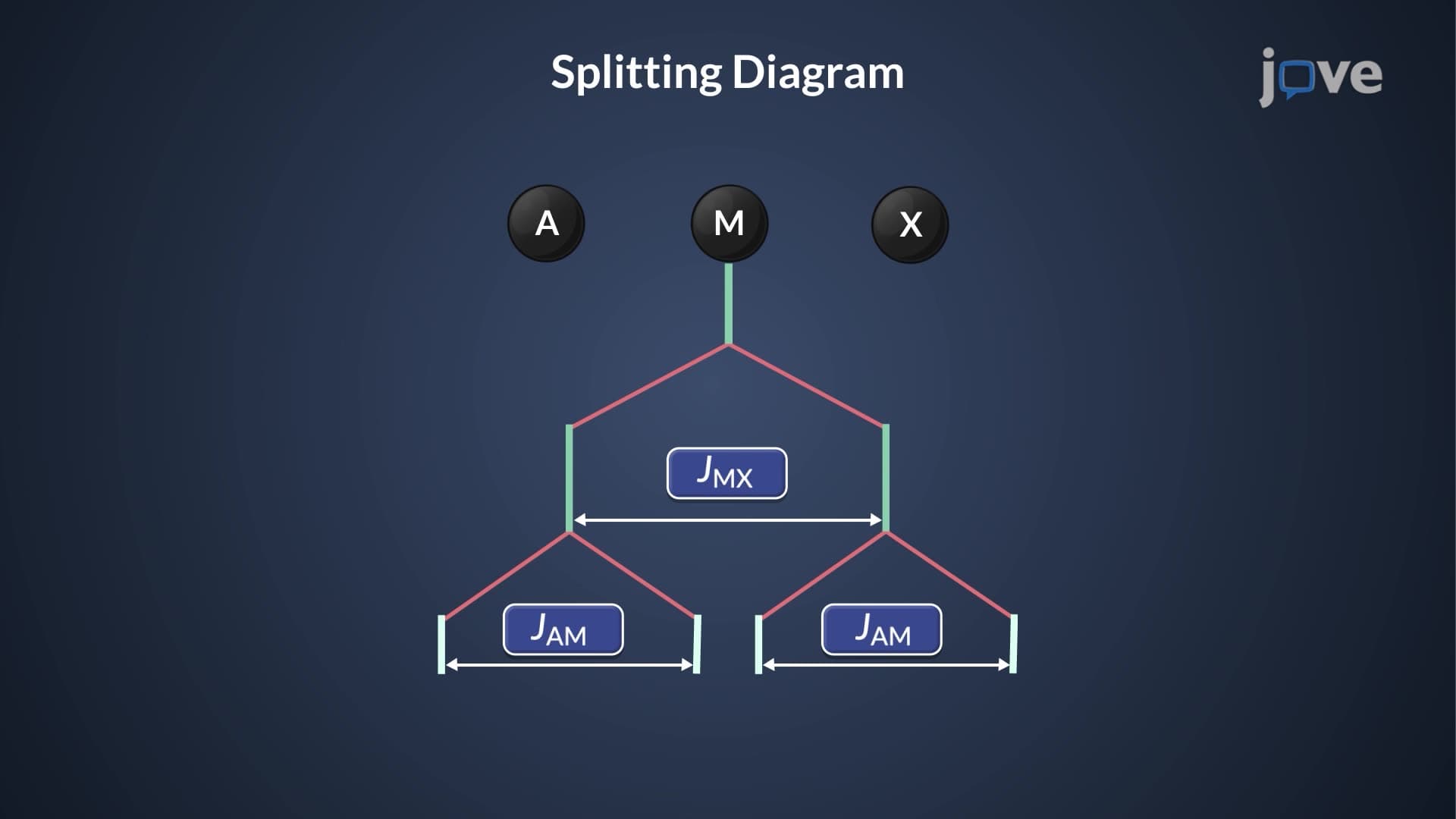
Three bond coupling NMR, also called vicinal coupling, represents one of the most powerful tools for determining molecular structure without destructive analysis. This phenomenon occurs when hydrogen atoms separated by exactly three chemical bonds influence each other's magnetic environments, creating observable splitting patterns in NMR spectra that reveal crucial structural information.
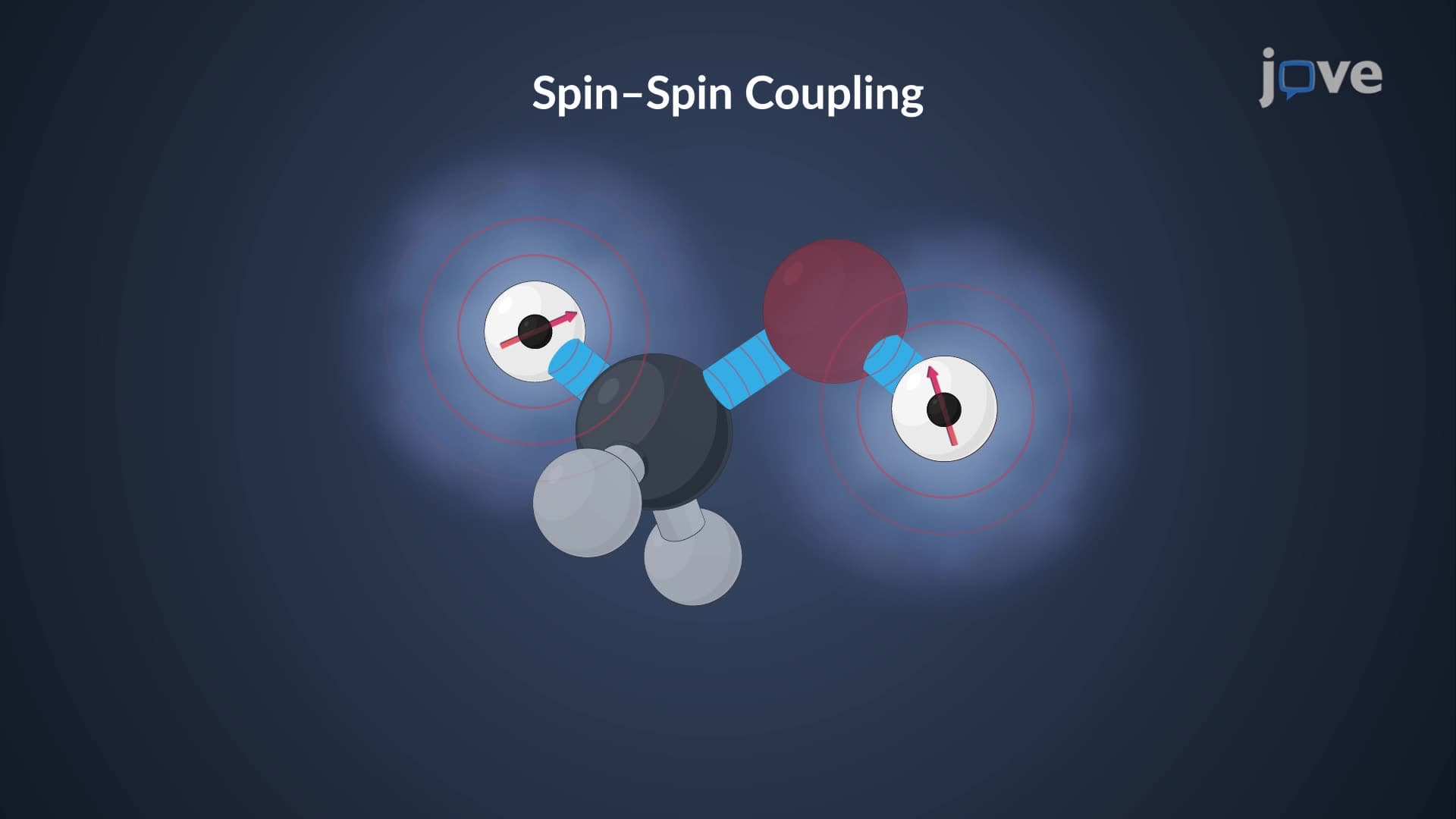
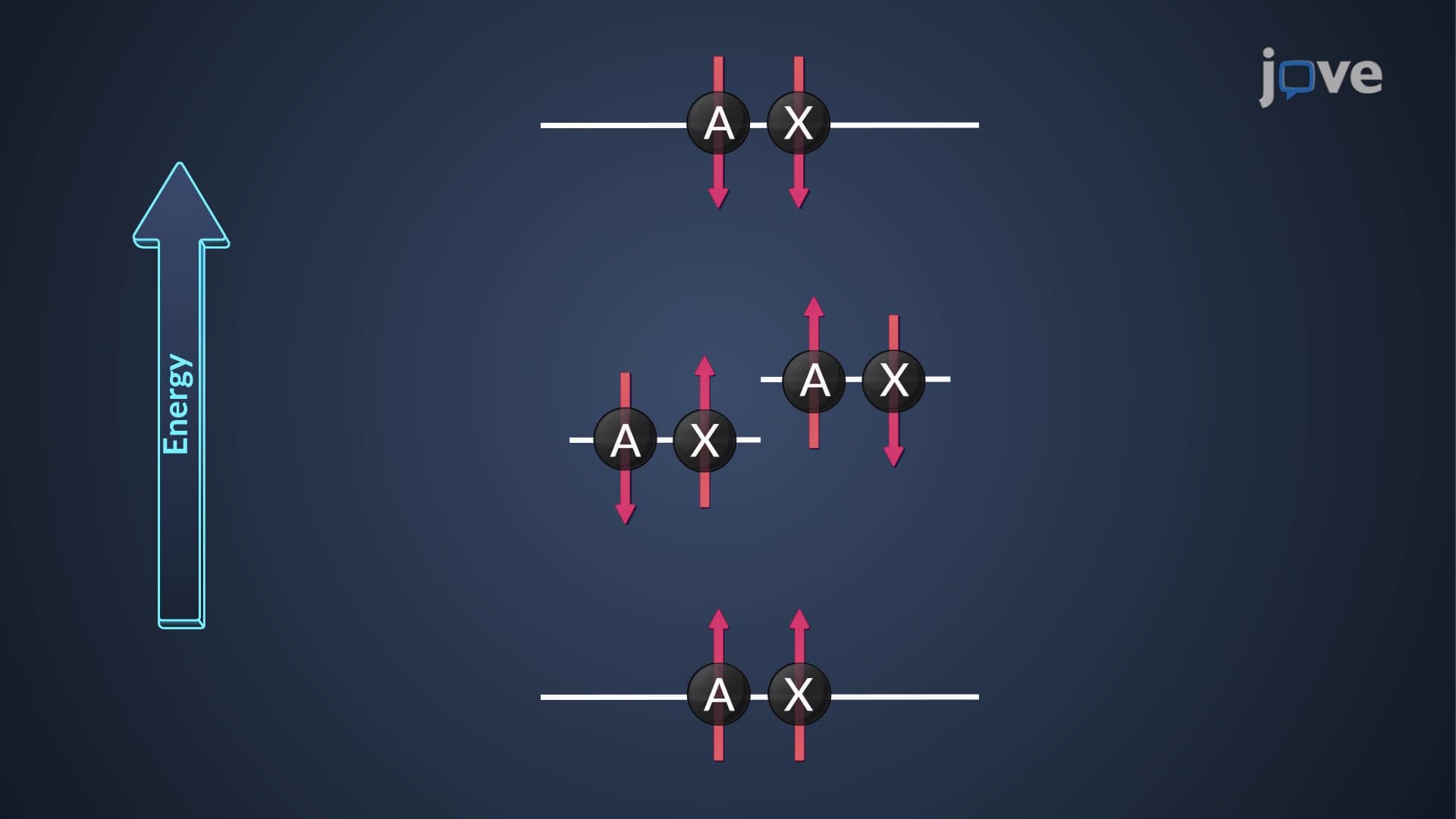
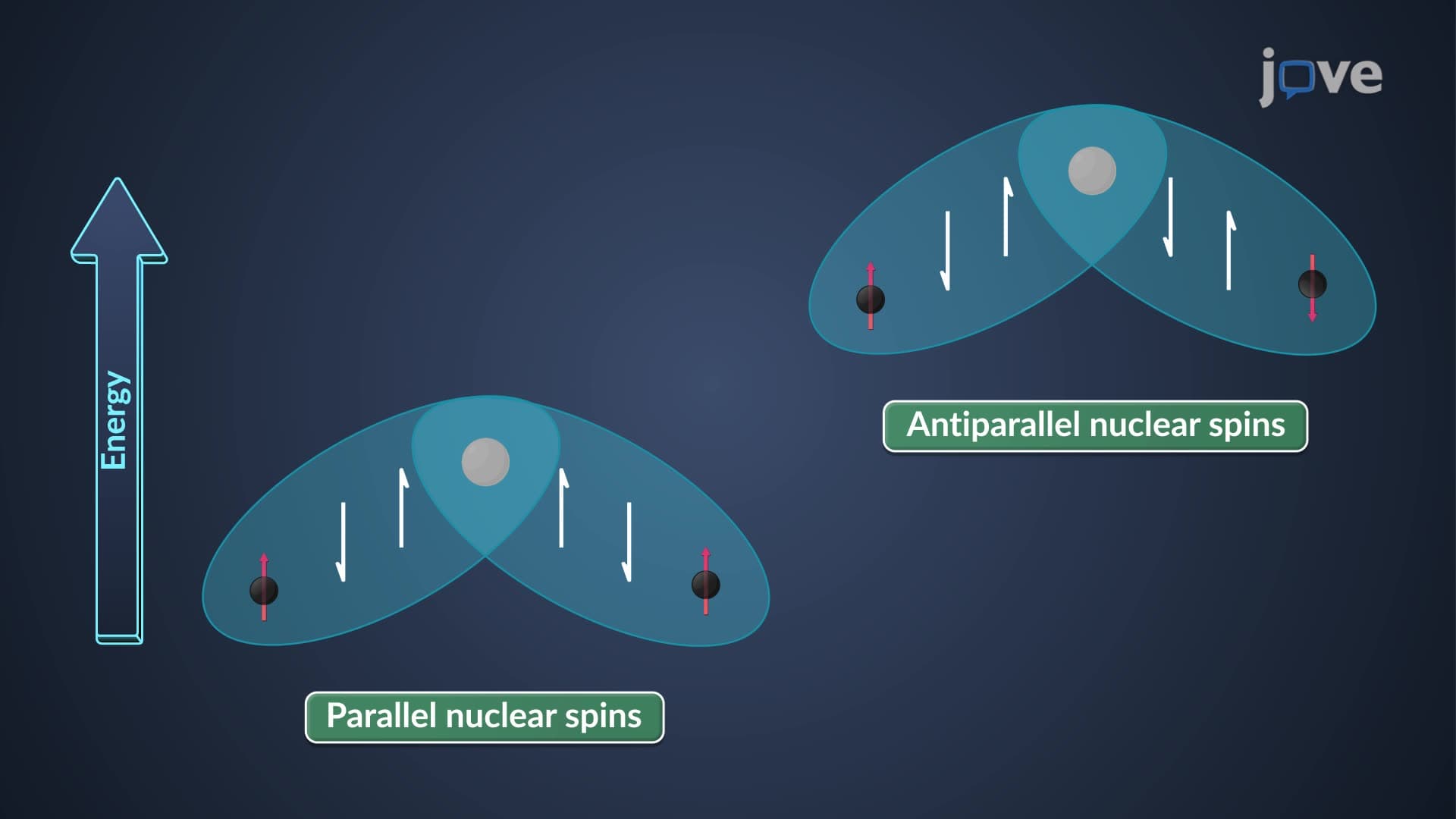
The coupling mechanism operates through a sophisticated electron-mediated pathway. When two protons sit on adjacent carbon atoms, their nuclear spins communicate through the intervening C-H and C-C bond electrons. This 3J vicinal coupling typically produces positive coupling constants because the electron spin interactions favor antiparallel nuclear spin arrangements, following fundamental quantum mechanical principles.
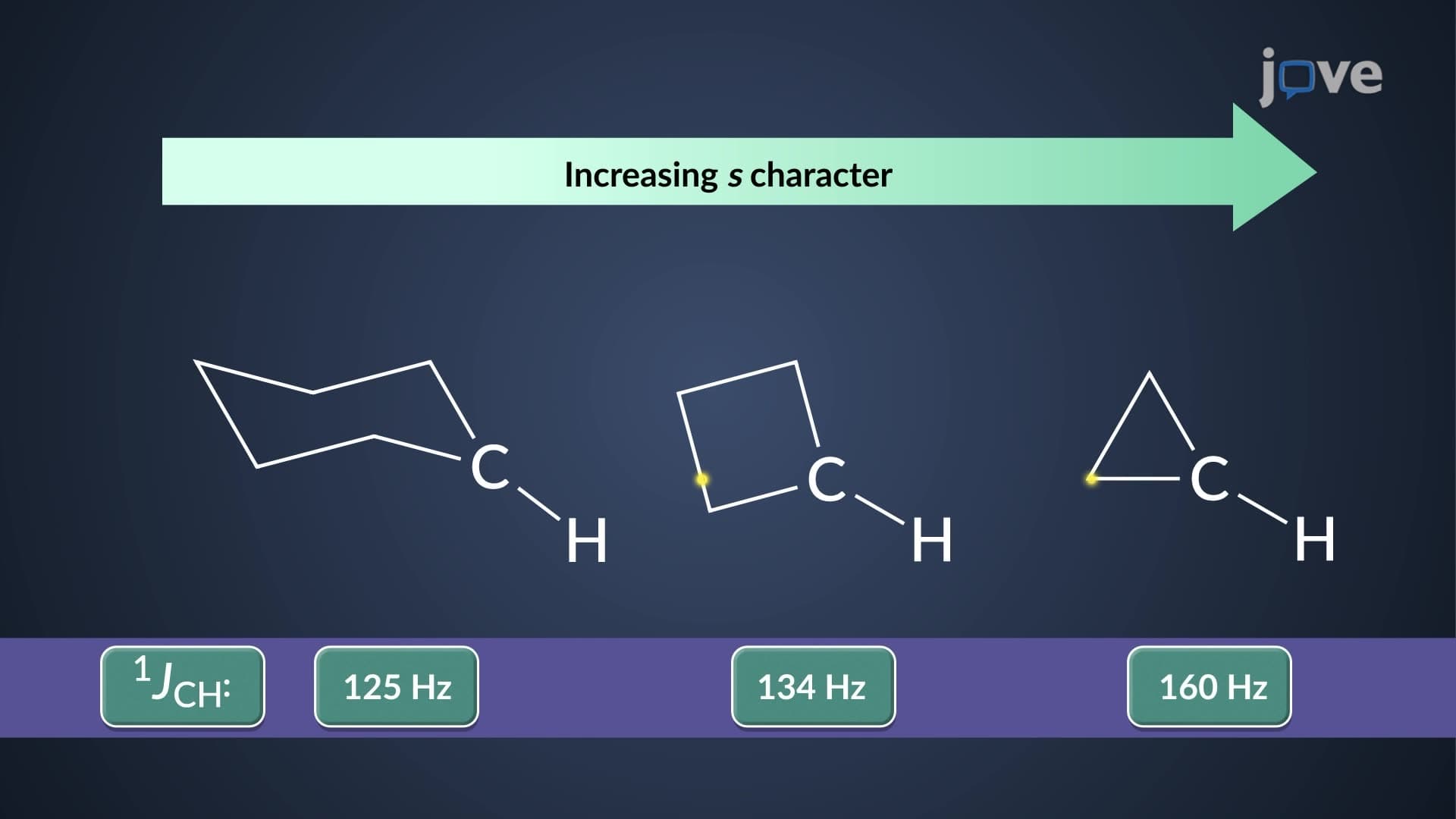
The coupling strength depends on several critical factors: C-C bond length affects electron overlap efficiency, H-C-C bond angles influence orbital alignment, and electron-withdrawing substituents modify electron density distribution. These variables make vicinal H-H coupling NMR highly sensitive to molecular geometry, explaining why chemists at research institutions like MIT and Stanford use this technique for precise structural determination.
The Karplus equation coupling relationship represents a cornerstone of structural NMR analysis, mathematically describing how dihedral angle coupling constant values change with molecular conformation. This equation predicts maximum coupling when orbitals are synperiplanar (0° dihedral angle) due to optimal orbital overlap, and again at 180° where sp³ orbital back-lobes interact strongly.
Minimum coupling occurs at 90° dihedral angles when orbitals become orthogonal, dramatically reducing electron-mediated spin communication. This relationship proves invaluable for conformational analysis in pharmaceutical research, where companies like Johnson & Johnson use these patterns to understand drug-receptor interactions and optimize molecular binding.
Cyclohexane derivatives demonstrate clear 3JHH vicinal proton coupling patterns because their rigid ring structures lock specific dihedral angles. Axial-axial protons show strong coupling (~12-13 Hz) due to 180° dihedral angles, while axial-equatorial protons exhibit weaker coupling (~2-5 Hz) reflecting ~60° angles.
Acyclic systems present different challenges since single bonds rotate rapidly at room temperature. The observed coupling constants represent time-averaged values over all accessible conformations, requiring more sophisticated analysis techniques. This distinction appears frequently on MCAT organic chemistry sections and college biochemistry exams, where students must predict coupling patterns based on molecular flexibility.
Advanced applications extend into drug discovery, where pharmaceutical researchers use vicinal coupling data to confirm synthetic product identity and purity. The technique proves especially valuable for distinguishing between structural isomers that might show similar chemical behavior but different biological activity.
Related Micro-courses